The most useful way to read Fall 2026 aesthetics is not as a single mood, but as a set of visible choices: saturated color, softer neutral bases, body-aware silhouettes, and texture that signals romance, wear, or theatrical polish. The Fall/Winter 2026 runway shows took place in February and March 2026 across major fashion capitals, so by October 17, 2026 the evidence can be read retrospectively rather than as a preview.
That timing matters for artists, sellers, stylists, and community organizers. Runway color reports do not prove what every neighborhood, marketplace, gallery opening, or costume event will adopt. They can, though, show which visual cues have gained attention in high-fashion coverage. The task is to translate those cues with care: respect the makers, avoid copying protected characters or living artists’ signature work, and treat trend language as evidence rather than certainty.
Why Fall 2026 Aesthetics Center Color
Royal Purple, Peach, And Controlled Drama
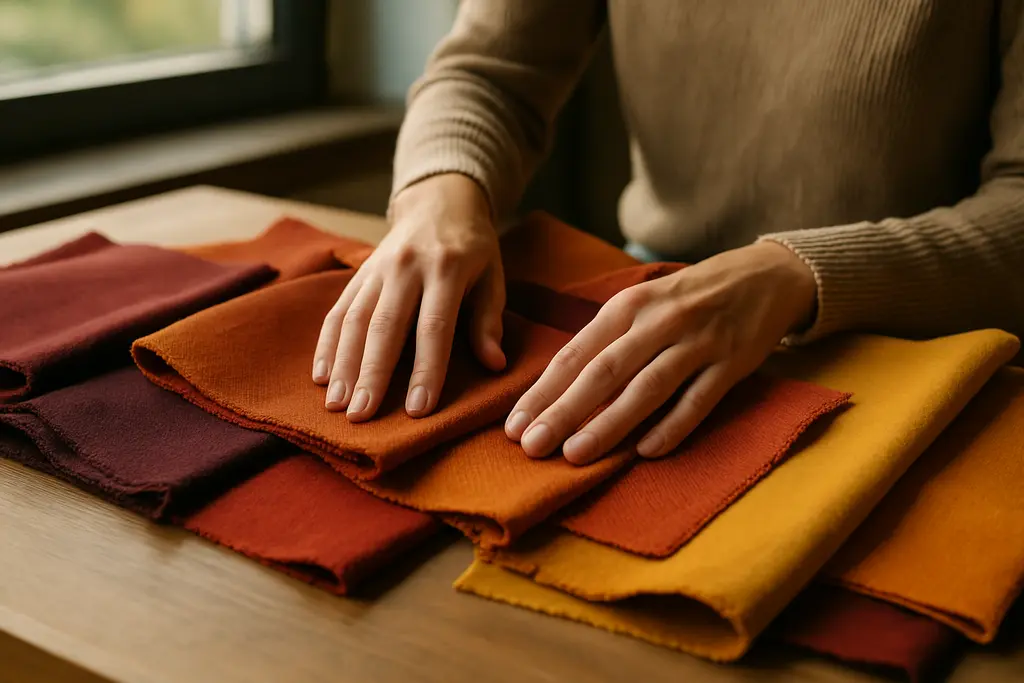
Color is the clearest signal in the Fall/Winter 2026 reports available so far. Vogue’s August 21, 2026 color report identified royal purple, saturated red, electric blue, butter yellow, turquoise, and juicy peach among the season’s notable shades, citing examples across labels such as Tory Burch, Givenchy, Chanel, Jil Sander, and Miu Miu Vogue color report. The strongest reading is not that one shade replaces all others. It is that designers used color to raise emotional temperature, even when the garments themselves were controlled or structured.
For arts programming, those colors point toward a mood that can be staged without overstating the claim. A community fashion night, student exhibition, or maker market might use purple, burgundy, peach, or blue as curatorial signals rather than strict rules. That approach keeps space for local taste. It also avoids the common mistake of treating runway color as a demand that every participant follow the same palette.
What Fall 2026 Aesthetics Do With Neutrals
The quieter part of the season may be just as useful. Who What Wear’s Fall 2026 shopping analysis described cream as a practical shade among newer arrivals, placing it beside other color directions rather than outside them Who What Wear arrivals. In community style terms, cream, pale peach, soft yellow, and gentle green can operate as visual breathing room. They help saturated colors feel intentional rather than loud for its own sake.
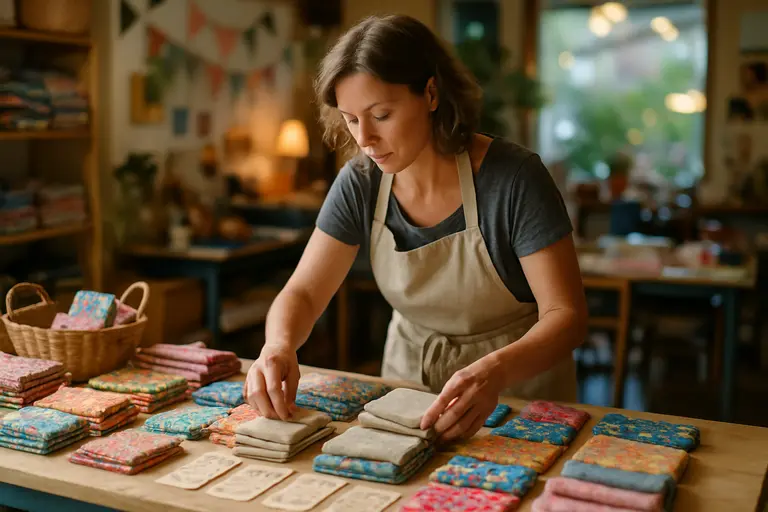
This balance is useful for small-scale creators because it offers several entry points. A textile artist might work with a cream ground and a royal purple stitch. A vintage seller might pair a brown coat with a peach scarf. A costume builder might use pale yellow to soften a dark romantic silhouette. Fall 2026 aesthetics, read this way, are less about buying a full new wardrobe and more about arranging contrast.
Shape And Surface As Cultural Signals
Dropped Waists And Revealed Structure
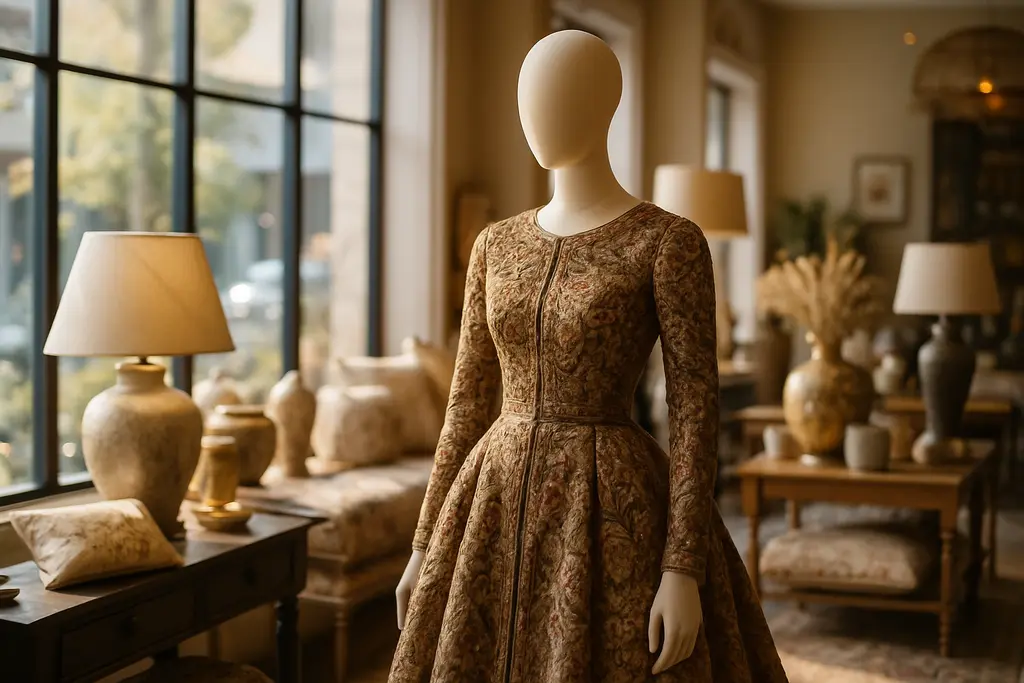
The research notes for the Fall/Winter 2026 season point to dropped waists, mesh, cutouts, fitted forms, and exposed structure as recurring silhouette ideas. These references carry art-historical and costume associations: the dropped waist recalls 1920s dress, while corseted or body-emphasizing forms can suggest Gothic romance, stage costume, or formal portraiture. Those associations should be handled with precision. A reference to an era is not the same as a faithful historical reconstruction.
For cultural events, the distinction matters. If a workshop or exhibition frames these shapes as “1920s-inspired” or “Gothic-inflected,” it gives viewers a fairer map than claiming direct historical accuracy. That language respects fashion history while leaving room for invention. It also helps audiences see how runway silhouettes communicate memory, fantasy, and social codes without pretending that every garment has the same source.
Texture As Evidence
Texture is where the season’s romance becomes more visible. The research notes identify velvet, lace, feathers, ruffles, sheer overlays, micropleats, metallic brocades, distressing, and slashed surfaces among reported Fall/Winter 2026 details. These materials and treatments do different cultural work. Velvet can read as formal or nocturnal. Lace can imply delicacy, ritual, or historical dress. Distressing can suggest age, wear, or staged decay.
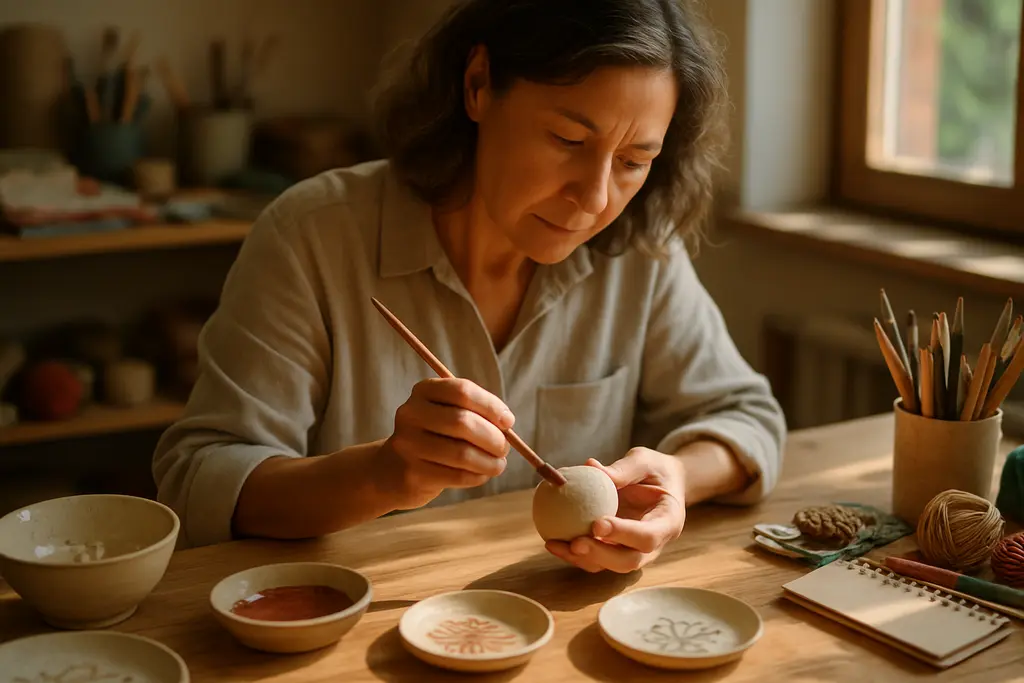
That range is useful for artists, but it also demands care. Materials tied to ceremony, subculture, or cultural identity should not be used as empty decoration. Community-based style programs can invite participants to explain why a texture matters to them: family memory, local climate, dance culture, thrift practice, handwork, or performance. That turns trend recognition into a conversation about lived experience.
Costume, Fantasy, And Community Reading

Romantic Dress Without Flattening Sources
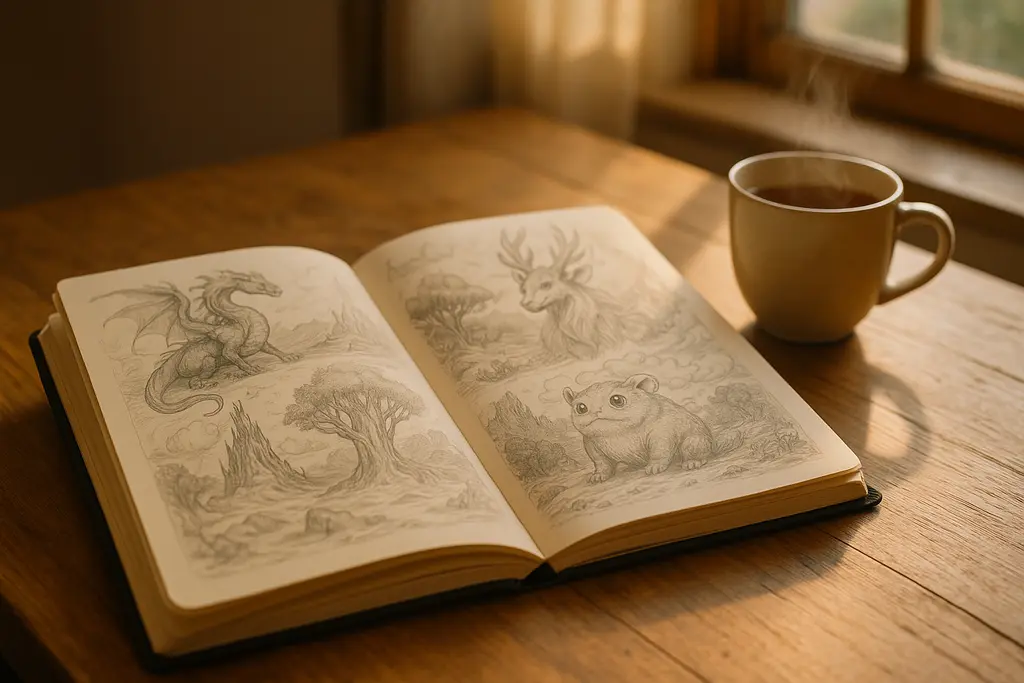
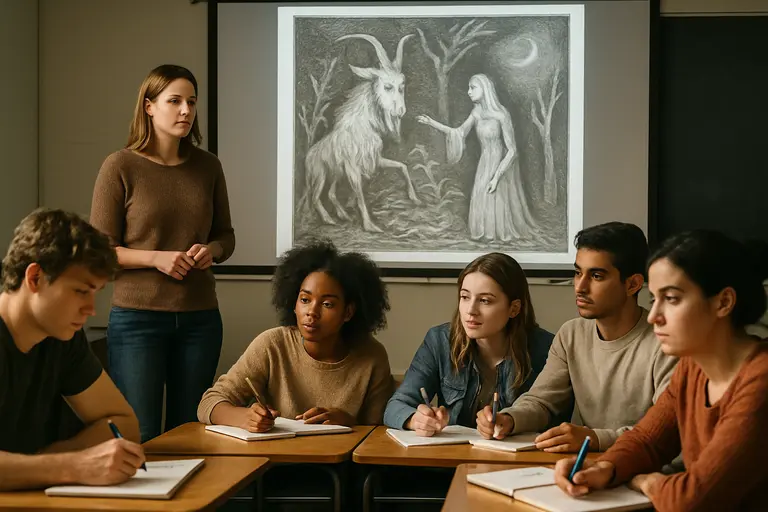
The romantic side of the season will likely interest costume makers, fantasy-fashion readers, and cosplay-adjacent communities, especially where velvet, ruffles, corset shapes, and saturated color meet. A useful boundary is to separate mood from imitation. Referencing a general romantic mood, a period silhouette, or a public-domain historical cue is different from reproducing a protected character design, a living designer’s distinctive look, or a recognizable celebrity likeness for sale.
For readers who enjoy delving into fairy-tale fashion, stage-like styling, and costume culture, Fairy Tale Fashion presents a cohesive perspective on fantasy clothing as a cultural practice rather than mere mimicry. The same care applies to local fashion events. Organizers can invite mood-board language, material studies, and original styling prompts while discouraging deceptive copies or unclear licensing claims.
- Use color themes as invitations, not requirements.
- Name historical references cautiously, especially if garments are inspired rather than reconstructed.
- Credit artists, photographers, stylists, and makers when their work shapes an event concept.
- Avoid implying that fan-made or character-based goods are licensed unless rights are clear.
That caution does not drain the pleasure from fashion. It makes the pleasure more shareable. A local runway, handmade market, or gallery-style styling session can be expressive without turning artists’ work into anonymous raw material. For more context on the art connection, NextClues has also considered fashion and art signals from the same season.
Fall 2026 Aesthetics In Community Practice
From Runway Signal To Local Use
The practical value of Fall 2026 aesthetics is that they give communities a shared visual vocabulary: jewel tones, cream and soft accents, dropped waists, dramatic collars, velvet surfaces, sheer layers, and romantic or worn textures. None of these cues needs to be treated as universal. A senior center sewing circle, an art-school critique, a queer dance night, a vintage shop window, and a museum-adjacent workshop may all interpret the same cue differently.
For creators and organizers, the careful path is to document choices. If purple is used, say whether it was chosen for runway resonance, personal memory, theatrical mood, or local preference. If lace or feathers appear, name the material decision rather than making broad claims about a culture or era. If a seller uses a historical reference, describe the reference at a high level and avoid suggesting rights clearance that has not been obtained.
Fall 2026 aesthetics are strongest as a set of prompts, not commands. The season’s color and texture reports show a taste for drama, softness, and contrast. Community life can take those signals and make them more humane: slower, more accountable, more tied to bodies, budgets, climates, and stories. That is where fashion becomes not only a market language, but a civic and artistic one.