Blog

  • Why Early Registration Matters

    Why Early Registration Matters

    Getting your child into the perfect sports program starts with one simple step: registering early. Many parents find out the hard way. Waiting until the last minute can lead to disappointment when popular programs fill up quickly.

    Different recreation departments operate on unique schedules. For example, Florence programs open registration on August 1st for Fall Baseball. ICRC, on the other hand, follows quarterly periods like July 10-August 7 for their fall season.

    Early registration isn’t just about securing a spot—it’s about maximizing opportunities. Many departments offer scholarships, like Beaufort County Parks & Rec. But these often have early application deadlines.

    Planning ahead reduces stress for busy families. It ensures children get the best possible experience. Don’t let procrastination cost your child their chance to participate in these valuable programs!

    Seasonal Calendar by Sport

    Planning your child’s sports activities can be like solving a puzzle. Each sport has its own registration times. These times change based on where you live and the sports group.

    Let’s look at the typical sports seasons and when you can sign up. We’ve gathered data from Beaufort County, Florence, and ICRC. This gives you a clear view of when sign-ups usually happen.

    Winter Sports Registration

    Winter sports are mostly indoor activities for colder months. Basketball is the top sport during this time in all areas.

    Organization Sport Registration Period
    Beaufort County Basketball September 1 – October 10
    Florence Basketball (ages 5-6) October 1 – 30
    Florence Basketball (ages 7-17) November 1
    ICRC Winter Sports October 9 – November 6

    Spring Sports Registration

    Spring brings outdoor favorites like baseball, softball, soccer, and lacrosse. It’s the busiest season for youth sports.

    Organization Sport Registration Period
    Beaufort County Lacrosse/Baseball/Softball January 1 – 30
    Beaufort County Flag Football/Soccer January 1 – February 13
    Florence Soccer January 1
    ICRC Spring Sports January 15 – February 12

    Summer Sports Registration

    Summer programs include basketball and other indoor sports to avoid the heat.

    Organization Sport Registration Period
    Beaufort County Basketball April 1 – May 8
    ICRC Summer Sports April 23 – May 21

    Fall Sports Registration

    Fall is filled with sports like football, soccer, cheer, and baseball. It offers the most variety across organizations.

    Organization Sport Registration Period
    Beaufort County Cheer/Flag Football/Soccer/Baseball/Softball June 1 – July 17
    Florence Fall Baseball August 1 – 28
    Florence Cheer July 1
    Florence Football July 1
    Florence Softball July 28 – August 24
    Florence Volleyball Until September 1
    ICRC Fall Sports July 10 – August 7

    Remember that these dates are general guidelines. Specific dates might change from year to year. Always check with your local organization for exact dates.

    Mark your calendars early for the sports your child wants to play. Popular programs fill up fast when registration opens. Planning ahead helps your athlete secure their spot on the team!

    Rec vs Club: What’s the Difference?

    Knowing the difference between recreational and club sports helps you pick the best for your young athlete. Both offer great experiences but serve different needs.

    Recreational leagues focus on fun and basic skills. They welcome all skill levels and stress participation over winning. Florence’s programs are great at this, helping kids build confidence with basic techniques.

    Club teams are more competitive and focus on skill improvement. They often hold club tryouts to form teams of similar skill levels. Beaufort offers both types to meet various needs.

    ICRC shows how to mix fun with competitive elements. They aim to develop skills while keeping sports enjoyable for young players.

    When deciding between recreational and club sports, consider these differences:

    Factor Recreational Leagues Club/Travel Teams
    Cost More affordable Higher fees
    Time Commitment 1-2 practices per week 3-4 practices plus tournaments
    Skill Level All abilities welcome Often requires tryouts
    Philosophy Fun and fundamentals Competition and development
    Travel Local games only Regional tournaments

    Recreational sports are great for introducing kids to sports. They focus on basic skills without too much time commitment. Many kids find their passion for sports here.

    Club sports offer deeper training for dedicated athletes. The club tryouts help match players with the right level of competition. This is perfect for kids who want to improve their sport skills.

    Both paths help young athletes grow in unique ways. Recreational leagues build confidence through fun participation. Club teams challenge players with competitive environments and advanced skills.

    The right choice depends on your child’s interests and your family’s schedule. Some kids do well in recreational settings, while others prefer the challenges of club sports. Many communities offer both to meet different needs.

    Children can move between programs as their interests change. Starting with recreational sports helps build foundational skills. Some may later choose club tryouts for more competitive chances.

    Tryouts and Player Evaluations

    Understanding the evaluation process helps both parents and young athletes feel more confident. These sessions are designed to create balanced teams where every child can thrive and develop their skills.

    Evaluations typically involve a series of drills and scrimmages that showcase different abilities. Coaches look for throwing accuracy, running speed, catching skills, and overall game awareness. The focus is on observing how players perform in various situations.
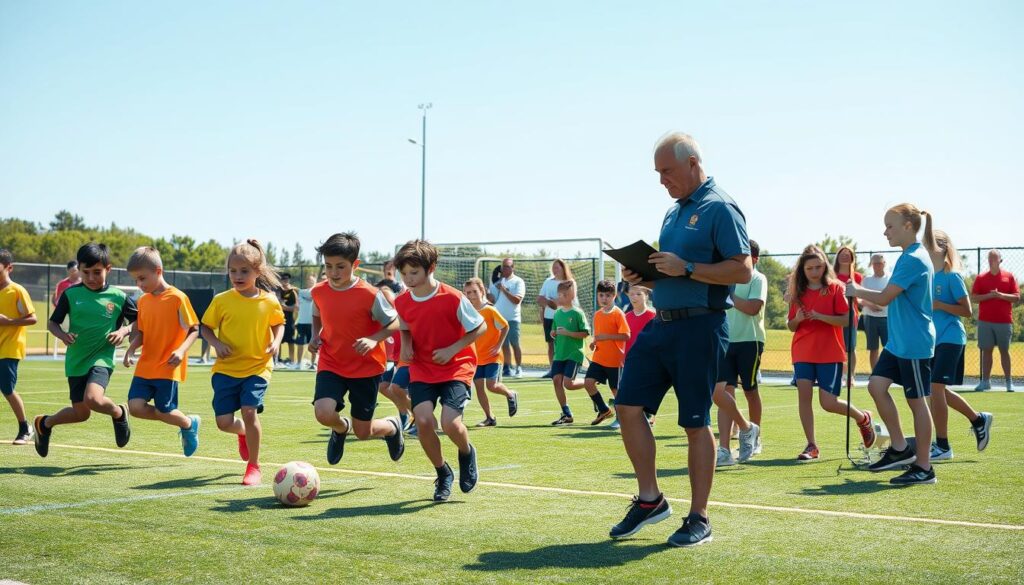
    A dynamic scene of youth sports player evaluations at an outdoor sports field during a sunny day, capturing the excitement of tryouts. In the foreground, a diverse group of young athletes, aged 10-14, wearing colorful sports uniforms, are engaged in various drills such as dribbling, running, and shooting. Coaches in professional casual attire observe closely, clipboards in hand, taking notes with focused expressions. In the middle ground, parents are cheering from the sidelines, creating an encouraging atmosphere. The background features goalposts and a vibrant green field under a clear blue sky. Use warm, natural lighting to enhance the lively mood, shot from a slightly elevated angle to convey depth and action in the scene.

    Different sports follow specific evaluation schedules. Florence baseball holds evaluations on September 2nd and 4th for different age groups. Softball evaluations occur on August 26th and 28th, while basketball evaluations are scheduled for November 3rd.

    Preparation is key for a positive evaluation experience. Here’s how to help your athlete get ready:

    • Ensure they get a good night’s sleep before evaluations
    • Provide a healthy meal and plenty of water
    • Arrive early to allow time for warm-up exercises
    • Encourage them to listen carefully to coach instructions
    • Remind them that trying their best is what matters most

    The evaluation atmosphere is supportive, not competitive. Coaches want to see natural ability and coachability. They’re looking for players who follow directions and show good sportsmanship.

    After evaluations conclude, the team placement process begins. Coaches review notes and scores to create balanced teams that will provide positive experiences for all players. This careful matching ensures fair competition throughout the season.

    Parents typically receive team placement notifications within one to two weeks. The communication will include practice schedules, coach information, and next steps for the season.

    Remember that evaluations are about finding the right fit for your child’s development. Every player brings unique strengths to the field, and the goal is creating teams where those strengths can shine.

    Fees, Scholarships, and Fundraising Help

    Youth sports should be open to all kids, no matter the family budget. Knowing the costs and support options helps make it possible for everyone.

    Sports fees change based on where you live and the sport. In Florence, baseball costs $45, and football is $60-$70. These fees cover uniforms, equipment, and places to play.

    Many groups offer financial aid to make sure no kid is left out. Beaufort has scholarships for families that qualify. You need to show your income and explain why you need help.

    Don’t be shy about asking for help! Most leagues have ways to keep your information private while they assist your family.

    Florence Youth Sports Fee Structure

    Sport Resident Fee Non-Resident Fee
    Baseball $45 $45
    Basketball Not specified Not specified
    Cheer $50 $60
    Football $60 $70
    Soccer $55 $65
    Softball $45 $45
    Track $45 $45
    Volleyball $45 $45

    Creative fundraising can really cut down costs. Teams often do car washes, bake sales, or product sales. Some programs, like ICRC, let local businesses sponsor teams for visibility.

    Digital tools have made fundraising easier. Sites like the TeamSnap fundraising program help teams manage and track donations well.

    Here are some important points about sports costs:

    • Always ask about scholarship applications early
    • Payment plans are often available for larger fees
    • Fundraising participation reduces individual costs
    • Some programs offer sibling discounts

    With the right mix of financial aid, smart budgeting, and team fundraising, youth sports can be affordable for all families. Investing in your child’s growth and happiness is worth every penny.

    Forms, Waivers, and Medical Clearance

    Keeping your young player safe is key. Paperwork might seem boring, but it’s essential for everyone’s safety and organization.

    There are three main documents needed. Registration forms gather basic info and emergency contacts. Liability waivers protect the organization and outline responsibilities. Medical forms are vital for coaches to know about your child’s health.

    Medical clearance is a must for athlete safety. Many programs need a doctor’s okay before your child can play. This step helps spot any health issues that could impact play.

    Registration options vary by location. In Florence, you can register online or in person at the Barnes Street Activity Center. Beaufort prefers online registration for ease. ICRC also offers online registration and sends weather updates to parents.

    When filling out forms, check all details carefully. Make sure emergency contacts and medical info are up to date. Most online systems save your info for future seasons.

    Remember, these waivers and forms are for everyone’s protection. They ensure safe, well-organized sports for kids.

    Start paperwork early to avoid last-minute stress. Without all documents, your child might not be able to play. Getting this done early lets your athlete enjoy the game.

    If you have questions about forms, reach out to the program. They can explain what you need and help you fill it out right. Most organizations aim to make this process easy for families.

    Gear and Sizing Checklists

    Shopping for sports gear can be overwhelming. There are many options and sizing challenges. Getting the right fit is key for safety, performance, and avoiding the need to replace items as kids grow. This guide helps you find the essential equipment list for popular youth sports.
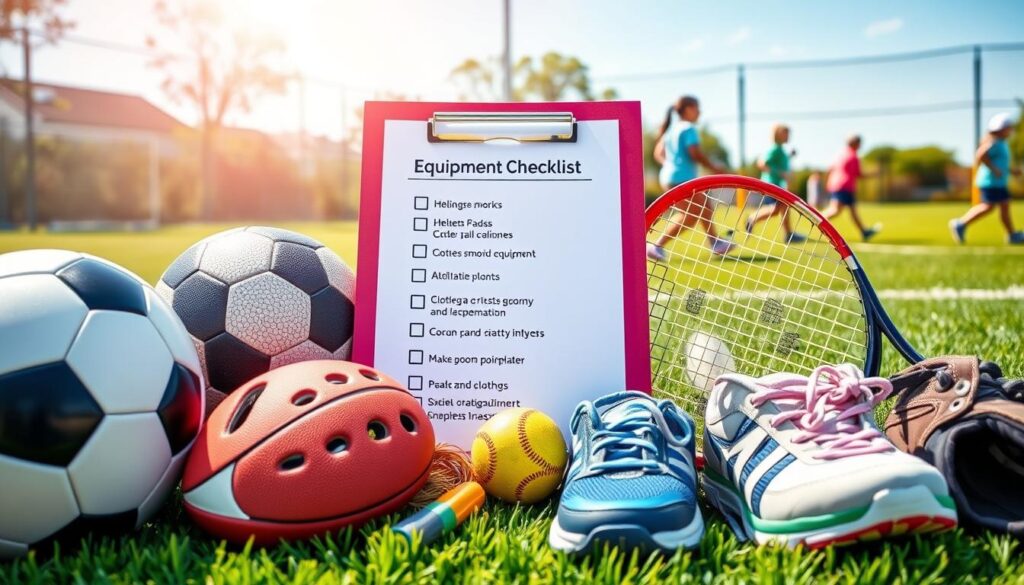
    A vibrant and organized image depicting a youth sports equipment checklist. In the foreground, an assortment of sports gear is neatly arranged, including a soccer ball, basketball, baseball glove, tennis racket, and a pair of running shoes with size labels visible. The middle section features a colorful checklist with icons representing various sports equipment laid out, such as helmets, pads, and clothing, each ticked off. The background shows a sunlight-drenched sports field with children playing, evoking a lively and energetic atmosphere. The lighting is bright and cheerful, highlighting the importance of preparation for young athletes. The composition should be focused and clear, creating an inviting, educational mood for parents preparing their children for sports activities.

    Different sports need specific gear, and some programs have their own rules. For example, Florence Fall Baseball doesn’t include a hat. The Florence Track Club operates through a team store. Always check with your specific organization for their exact equipment list.

    Baseball and Softball Essentials

    These sports share similar gear needs. Focus on proper fitting equipment that allows for growth without compromising safety.

    • Cleats (molded plastic for younger players)
    • Glove (position-specific sizing)
    • Bat (length and weight appropriate for age)
    • Protective cup (required for catchers)
    • Batting helmet with face guard
    • Uniforms (jersey and pants)

    Soccer Equipment Checklist

    Soccer requires minimal gear but proper fit is key for performance and injury prevention.

    • Soccer cleats (no baseball cleats allowed)
    • Shin guards (must fit properly under socks)
    • Soccer socks (long enough to cover shin guards)
    • Water bottle (hydration is essential)
    • Team uniforms (jersey, shorts, socks)

    Choosing the right team affects gear requirements too. Club sports near me often have different equipment standards than recreational leagues.

    Basketball Gear Needs

    Basketball focuses on footwear and practice gear. The right shoes prevent injuries and improve performance.

    • Basketball shoes (ankle support important)
    • Practice clothing (breathable fabrics)
    • Water bottle (stay hydrated during games)
    • Team uniforms (jersey and shorts)
    Sport Essential Gear Sizing Tip Average Cost
    Baseball/Softball Glove, cleats, helmet, bat Glove should fit snug but not tight $150-300
    Soccer Cleats, shin guards, ball Cleats should have thumb-width space at toe $100-250
    Basketball Shoes, practice gear, ball Shoes need proper arch support $120-200
    Track Running shoes, practice wear Shoes should be sport-specific $80-180

    When shopping for gear, consider buying slightly larger sizes for growing children. But avoid going too big as ill-fitting equipment can cause safety issues. Many sports stores offer professional sizing help – don’t hesitate to ask for assistance!

    Keep your equipment list organized and check items off as you acquire them. Proper gear maintenance extends the life of your investment and keeps your athlete safe throughout the season.

    Parent Roles and Expectations

    Being a parent in youth sports is more than just dropping off and picking up your child. Your role is key to creating a positive and safe sports environment. This environment benefits all young players.

    Most youth sports programs need parent volunteers to run smoothly. Parents can help as assistant coaches, team managers, snack coordinators, or field setup helpers. These roles help keep costs low and build community ties.

    How you behave on the sidelines matters a lot. Cheering for all players and respecting officials shows good sportsmanship. Kids often copy what they see from adults.

    Talking to coaches is important for solving problems. Try to meet privately instead of during games or practices. This keeps relationships positive and focuses on finding solutions.

    Many groups offer help for parents to get involved. For example, Florence has parent meetings for sports, like a volleyball meeting on September 8th. ICRC provides a parent manual and concussion fact sheet to help families.

    Coordinating transportation is another big job for parents. Being on time for practices and games shows respect. Carpooling can also help manage busy schedules.

    Your supportive presence is more important than any skill or knowledge. Focus on encouraging effort and fun, not just winning. Kids do best when they feel supported, win or lose.

    Groups like Beaufort focus on creating safe places for kids to learn and make friends. This partnership between parents and programs ensures a positive experience for everyone.

    Setting clear boundaries is important for good relationships with coaches and other parents. Don’t coach from the sidelines or criticize officials during games. Let the trained professionals handle the game.

    Your involvement creates lasting memories and helps your child grow. Take this chance to help your child develop on and off the field.

    Choosing the Right Level for Your Athlete

    Finding the perfect fit for your young athlete is key. The right placement makes sure they enjoy the game and grow at a good pace. Most youth sports use age-based divisions for fairness and competition.

    Florence’s baseball program is a great example. They have coach pitch for ages 7-8, minors for 9-10, majors for 11-12, and junior/senior for 13-16. Volleyball has similar divisions: 9u, 12u, 14u, and 17u. Beaufort keeps it simple with ages 4-16 in broader ranges.

    Age is important, but not the only factor. Skill level and experience also matter. Programs like ICRC offer different tiers within age groups to fit various abilities.

    Here’s how different programs structure their divisions:

    Organization Sport Age Divisions Skill Levels Offered
    Florence Youth Sports Baseball 7-8, 9-10, 11-12, 13-16 Recreational only
    Florence Youth Sports Volleyball 9u, 12u, 14u, 17u Recreational only
    Beaufort Parks & Rec Most Sports 4-16 (combined) Recreational only
    ICRC Multiple Sports Varies by sport Recreational & Competitive

    Player evaluations help coaches make the right choices. They look at basic skills, game understanding, and athleticism. This ensures athletes are in a group where they can grow and contribute.

    If you’re worried about your child’s placement, talk to the coach early. Share what you’ve seen about their skills and comfort with competition. Most coaches value this input and want every athlete to have a good experience.

    Proper placement is good for everyone. Your athlete will gain confidence, make friends, and love the game. The right challenge keeps them interested without getting frustrated or bored.

    Trust the process and communicate well. Working together with coaches ensures your young athlete has the best sports experience.

    Timeline and Printable Checklist

    Getting your youth sports registration in order is easier with a clear plan. Many programs, like Beaufort County, offer downloadable sports calendars. These help families plan ahead.

    Florence has specific dates for registration and evaluations each season. ICRC has quarterly registration periods for different sports. These plans help avoid last-minute scrambles.

    Make a printable checklist to keep track of each step. Begin with researching programs and noting deadlines. Don’t forget to include paperwork and medical clearance.

    Remember to add gear purchases and evaluation appointments. Mark down practice start dates and team meetings. This helps busy families stay organized.

    Download sports calendars from your local programs. Match these dates with your family’s calendar. Having everything in one place reduces stress and ensures nothing is forgotten.

    Your checklist is a personal guide through youth sports registration. It breaks down a complex process into simple steps. Enjoy watching your athlete succeed in their sport.

  • Viewing Options Overview

    Viewing Options Overview

    Sports fans today have more ways than ever to follow their favorite teams. From digital platforms to traditional methods, there’s an option for every preference.

    Services like TuneIn provide sports coverage across major leagues. You can follow MLB, NFL, NHL, and college athletics with ease.

    The platform offers curated content and game-time notifications. This ensures you never miss important moments.

    Whether you prefer radio broadcasts or the electric stadium atmosphere, multiple options exist. Each method brings its own unique advantages for enthusiasts.

    For youth sports organizations looking to share their events, SportsEngine Play offers excellent streaming solutions. This makes every game accessible to families everywhere.

    Discover the perfect way to stay connected with your team’s action. The following sections will help you explore all available choices.

    School/League Platforms and Paywalls

    Official school and league platforms bring games right to your screen. Many high schools and conferences now offer their own streaming services. These platforms give you exclusive access to games you won’t find on regular TV.

    The NFHS Network is a big name in high school sports streaming. It works with thousands of schools across the United States. This network offers live and on-demand content for many sports.

    Subscribing to a school stream service usually means paying a fee. Prices vary based on the platform and how long you subscribe. Many offer monthly passes or annual memberships for fans.

    What do you get with these subscriptions? You get high-quality broadcasts, multiple camera angles, and professional commentary. Some services also include exclusive interviews and behind-the-scenes content.

    Conference-specific platforms are available for those following league tournaments. These services focus on specific regions or athletic conferences. They make sure you never miss a rivalry game or championship event.

    While paywalls might seem inconvenient, they help support athletic programs. Subscription fees often fund equipment, travel, and other team needs. Watching games supports young athletes.

    These dedicated sports platforms fill gaps left by traditional broadcasters. Local games and lesser-known sports get the coverage they deserve. For true fans, that access is priceless.

    Free Streams and Social Channels

    Platforms like YouTube Live are making sports more affordable for fans. Teams and organizations now stream games live on their channels. This means you can watch without spending a lot.

    Social media sites like Facebook, Twitter, and Instagram are also great for sports fans. They often have live games or highlights. It’s easy to keep up with your favorite teams and catch important moments.

    TuneIn is another great free option. It gives you access to over 100,000 live AM/FM radio stations. You can listen to sports coverage and game commentary for free. But, some premium features need in-app purchases.

    What can you expect from free streaming? You might not get every game in HD, but you’ll find:

    • Live game coverage from school and local leagues
    • Real-time commentary and fan discussions
    • Instant highlights and replay moments
    • Multiple viewing angles from different sources

    These free options are easy to use. You can watch on your phone, tablet, or computer without any subscription issues. Remember – the quality and availability might vary, but the price is unbeatable!

    Checking out YouTube live sports content is a smart move for budget fans. Many creators and organizations offer top-notch coverage. Try these free options before paying for services.

    Radio, Live Stats, and Recaps

    Radio coverage brings excitement and stories that TV can’t match. Many fans love the vivid tales and quick reactions from radio announcers.

    Without visual streaming, a good radio broadcast keeps you in the game. It offers emotional depth and detailed descriptions that make fans feel like they’re right there.

    • ESPN Radio for national coverage and expert analysis
    • Local sports talk stations with team-specific commentary
    • Curated content that follows your favorite teams all season
    • On-demand replays of memorable games and moments

    Live stats make the game even better. Teams and leagues share real-time stats through apps and websites. These updates give you quick insights into player performance and game trends.

    Recaps are key after the game. Official sites, sports networks, and apps offer detailed analyses and interviews. They help you relive the game and understand the strategies.

    Radio is more than just a memory. It’s great for listening while driving or working. It lets you enjoy the game without being stuck in front of a screen.

    Local stations offer passionate and knowledgeable commentary. Announcers who know the team well add depth to your experience. They bring the community and history of the team to life.

    In-Person Attendance (tickets, parking, concessions)

    Nothing beats the electric atmosphere of live sports! Attending games in person creates memories that last a lifetime. This guide will help you navigate the complete game day experience from start to finish.

    Getting your tickets is the first step to an amazing day. Most venues offer multiple ticketing options to suit different preferences and budgets. You can purchase directly from the venue’s website or through authorized resellers.

    Season tickets often provide the best value for frequent attendees. Single-game tickets work perfectly for occasional visitors. Many teams offer special promotions throughout the season.

    Planning your parking strategy ahead of time reduces game day stress. Most venues offer various parking options at different price points. Pre-paid parking passes often guarantee you a spot and save money.

    Public transportation can be a smart alternative to driving. Many stadiums are accessible via bus or train routes. Ride-sharing services drop you off close to the entrance without parking headaches.

    Arriving early gives you time to enjoy pre-game activities. Tailgating has become an American sports tradition for many fans. Check your venue’s specific policies about grills and coolers beforehand.

    Concession stands offer more than just classic hot dogs and beers today. Many stadiums feature local food vendors and specialty items. Ballpark favorites like nachos and pretzels always hit the spot during games.

    Here’s a quick comparison of popular ticketing options available at most venues:

    Ticket Type Best For Price Range Perks Included
    Season Tickets Die-hard fans $$$-$$$$ Preferred seating, discounts
    Single Game Casual attendees $-$$$ Flexibility, no commitment
    Group Packages Friends/family outings $$-$$$ Volume discounts, block seating
    Premium Seating Special occasions $$$$ VIP access, inclusive food

    Remember to check the official team website for the most current information. Venue policies can change throughout the season. Their staff can answer specific questions about accessibility and accommodations.

    Comfortable shoes will make your stadium experience more enjoyable. You might be doing more walking than expected between concessions and your seats. Dress in layers, as outdoor temperatures can change during the game.

    Making memories at live events creates stories you’ll share for years. The energy of the crowd and excitement of the game can’t be replicated elsewhere. Your perfect game day awaits with just a little advance planning!

    Accessibility and Language Options

    Sports unite people, and technology makes it easier for everyone to join in. Whether you need help hearing or seeing the game, or prefer commentary in another language, there are many options.

    Closed captioning lets viewers follow along with dialogue and sounds. Many streaming services and TV networks offer this feature. You can usually turn it on through your settings menu.

    Audio descriptions give extra details for fans who are visually impaired. A narrator describes key visual elements during breaks in the commentary. This makes the game more engaging for everyone.

    Venues offer accommodations like wheelchair seating and assistive listening devices. Contact the stadium ahead of time to arrange what you need. They want your experience to be comfortable and enjoyable.

    For language options, Spanish broadcasts are widely available. Some networks and apps provide multilingual commentary in other languages too. This welcomes diverse fan bases from all backgrounds.

    Platforms like TuneIn make listening easy on hundreds of devices. You can use voice assistants like Alexa or Google Home to start streams hands-free. This accessibility feature is perfect for busy fans.

    Technology continues to break down barriers in sports viewing. No matter your needs, there’s a way to enjoy the game. Explore these options to find what works best for you.

    Tech Setup and Troubleshooting Tips

    Don’t let tech problems spoil your game day fun. Let’s tackle common streaming issues together. A bit of prep can make sure you watch without a hitch.

    Internet speed is key for streaming quality. For standard definition, you need 3-5 Mbps. High definition requires 5-8 Mbps. For 4K, you’ll need 25 Mbps or more. Use free online tools to check your speed before the game.

    Devices like Roku, Amazon Fire TV, and Apple TV usually work best. Smart TV apps are good too, but might need updates often. Mobile apps like TuneIn are perfect for listening to games on the move.

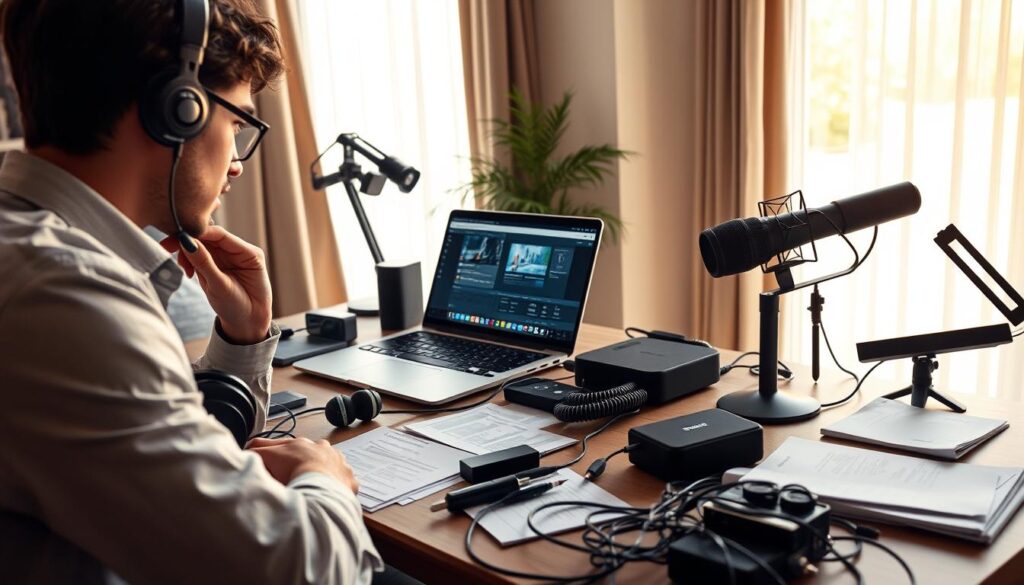
    A cozy home office setup for troubleshooting streaming technology, featuring a modern desk with a sleek laptop open to a streaming interface, surrounded by various tech gadgets like headphones, a webcam, and a microphone. In the foreground, a person dressed in smart casual attire is focused on the screen, adjusting cables and checking connections. The middle of the scene includes a digital streaming device and an organized array of notes and troubleshooting guides. The background showcases a softly lit room with a large window letting in warm afternoon light, giving a calm and productive atmosphere. The angle is slightly tilted to highlight the desk clutter while maintaining a tidy composition. The overall mood is one of concentration and problem-solving, suitable for tech enthusiasts.

    Setting up your streaming service on different screens is easy. Use HDMI cables for TVs, screen mirroring for mobile-to-TV, or apps for smart devices. Each method has its own benefits based on your setup.

    Buffering can be a big problem. If you’re stuck on a loading screen, try these solutions:

    • Close other apps and devices using your WiFi
    • Move closer to your router or use an Ethernet cable
    • Reduce streaming quality in your app settings
    • Restart your router and streaming device

    Connectivity drops can be a real bummer. WiFi extenders can help in big homes. For big games, a wired connection is best. Mobile data hotspots are good backups.

    Audio-video sync issues can be annoying. They often fix with a restart or reboot. Keep your apps updated, as developers like TuneIn are always improving.

    Test your setup before the game. A quick check 30 minutes early lets you fix problems without missing the game. Enjoy the game!

    Organize a Neighborhood Watch Party

    Turn game day into a community celebration. It brings neighbors together through sports passion. Watch parties create lasting memories and strengthen local connections while enjoying live sports.

    Planning your neighborhood gathering is simple. It ensures everyone has a great time. Follow this straightforward approach to create an unforgettable experience.

    Start by picking the perfect game that appeals to most neighbors. Think about popular local teams or championship matches that excite everyone.

    Send invitations two weeks before the event. Use these effective methods:

    • Create colorful flyers for community bulletin boards
    • Set up a neighborhood Facebook event page
    • Send personal text messages to close neighbors
    • Use community apps like Nextdoor for wider reach

    Ask guests to RSVP. This helps you prepare enough seating and refreshments. It ensures everyone feels welcome.

    Creating the Perfect Viewing Environment

    Set up your viewing area for clear sightlines to the screen. Arrange furniture in a semi-circle for better social interaction.

    Sound quality matters a lot for group viewing. Test your audio system beforehand. Ensure clear commentary and crowd noise without distortion. Outdoor speakers can help if you’re using patio space.

    Consider these technical aspects for optimal viewing:

    • Screen size should be appropriate for the room dimensions
    • Reduce glare by closing curtains during daytime games
    • Have backup streaming options ready in case of technical issues
    • Set up a separate viewing area for children with age-appropriate content

    Game Day Refreshments and Atmosphere

    Prepare simple but satisfying snacks that cater to various tastes. Finger foods work best for casual gatherings where people might be standing or moving around.

    Create a festive atmosphere with team colors displayed through decorations. Balloons, tablecloths, and napkins in team colors instantly boost the party spirit.

    Consider setting up a DIY snack station where guests can customize their treats. This interactive element adds fun while reducing your preparation workload.

    Fun Activities Beyond the Game

    Incorporate traditions that make your watch parties unique. Half-time contests, prediction games, or sports trivia keep engagement high during breaks.

    Start simple traditions like a signature cheer or pre-game toast. These small rituals create anticipation and give your gatherings a distinctive character.

    Capture memories with a photo booth area featuring team props. These pictures become cherished mementos of your growing sports community.

    Planning Aspect Basic Option Enhanced Option Premium Experience
    Invitations Text messages Printed invitations Custom digital invites with team logos
    Food Service Potluck style Pre-made snack platters Themed catering with local favorites
    Viewing Setup Single TV setup Multiple viewing areas Outdoor projector with stadium seating
    Entertainment Basic halftime discussion Prediction games with scores Full trivia competition with prizes
    Decorations Team colors displayed Themed table settings Full venue transformation with banners

    Remember, the best watch parties focus on community connection, not perfection. Neighbors will appreciate your effort to bring everyone together, regardless of how elaborate your setup becomes.

    Start with one game and see how the tradition grows naturally. Your watch party might just become the highlight of the season for your entire neighborhood.

    Calendar Sync (iCal/RSS)

    Stay on top of your favorite team’s games with smart calendar tech. Sports calendars update automatically, so you always know when and where to watch.

    Most teams and leagues offer subscription options on their official websites. Look for the “calendar” or “schedule” section. There, you’ll find links to download iCal files or RSS feeds.

    Setting up calendar sync is quick. For iPhone users, just tap the iCal link and confirm. Android and computer users can import into Google Calendar with one click.

    These smart calendars do more than show game times. They include:

    • Location details with venue addresses
    • Broadcast information showing where to watch
    • Automatic time zone adjustments
    • Real-time updates for schedule changes

    Customize your notifications to get alerts when you want. Set reminders 24 hours before big games or 30 minutes before regular season matches. You control when and how you get notified.

    Sharing synchronized calendars is easy. Send your sports calendar to your watch party group. Everyone gets the same updates at the same time.

    RSS feeds are another great way to stay informed. Subscribe using your favorite RSS reader. You’ll get game announcements and news directly in your feed.

    The best part? Once you set up your calendar sync, it takes care of itself. Schedule changes, postponed games, and new broadcast information update automatically. You don’t have to do anything extra.

    Cost Comparison and Safety/Privacy Notes

    Knowing the costs and security of sports streaming is key to making good choices. Let’s look at the expenses and safety features of different options.

    Sports streaming services have different pricing. Some are free with ads, while others need subscriptions or one-time game buys.

    A vibrant and informative scene showcasing a laptop, tablet, and smartphone placed on a wooden table, each displaying various sports streaming platforms, with colorful logos of local sports teams visible. In the foreground, a calculator sits next to a notepad filled with notes on costs and privacy considerations. The middle ground features a concerned individual in professional business attire, thoughtfully reviewing the devices, embodying a sense of safety and awareness of privacy. The background presents a cozy living room with soft, warm lighting, emphasizing a comfortable atmosphere for watching games at home. The overall mood is analytical yet inviting, reflecting the theme of cost comparison and safety/privacy in sports streaming options.

    Viewing Option Cost Structure Best For Additional Fees
    School/League Platforms Free to $10 per game Single games None typically
    Subscription Services $5-$15 monthly Regular viewers Possible premium features
    Social Media Streams Completely free Casual viewers None
    Radio Apps Free with premium options Audio-only fans Premium subscriptions

    TuneIn Premium gives you ad-free streaming for $9.99 a month. It auto-renews unless you cancel in your account settings. Always check auto-renewal policies before subscribing.

    Your safety and privacy are important when streaming sports. Reliable services use secure payments and protect your info.

    Most platforms collect data to improve your experience. TuneIn, for example, uses Nielsen software to understand listening habits. This data is anonymous and helps create better content.

    Here are tips to keep your info safe:

    • Use strong, unique passwords for each streaming account
    • Check for HTTPS secure connections when entering payment details
    • Review privacy policies to understand data collection practices
    • Monitor subscription renewals and cancel unwanted services promptly

    Free streaming options often rely on ads. While handy, be careful about sharing personal info on unknown platforms.

    Paid services usually offer better security and support. They invest in protecting your payment methods and personal data from unauthorized access.

    Remember, legit services won’t ask for unnecessary personal details. Stick to official platforms and avoid suspicious links promising “free” premium content.

    By understanding costs and practicing good digital safety, you can enjoy sports streaming with confidence and peace of mind.

    Share Your Photos and Reels

    Your local sports experience doesn’t end when the game is over. Take out your camera to capture the excitement. Share your photos and reels on social media to connect with other fans. Facebook groups and TikTok are great for showing off game-day action.

    Be creative with your content. Use your smartphone to record quick videos during important plays. Try different angles for your photos to make them unique. Engage with other fans by commenting on their posts. This helps build a stronger sports community around your local teams.

    Always respect privacy and broadcast rights when sharing. Don’t post identifiable images of minors without permission. Check if there are specific rules about recording. Your local sports guide can guide you on proper sharing etiquette.

    Join in and become an active part of your sports community. Sharing your experiences helps celebrate local athletes and creates lasting memories. Start capturing and sharing today to make everyone’s game experience better.

  • Why Previews Build Community

    Why Previews Build Community

    Sports have an incredible power to bring people together. When teams connect with their communities, something special happens.

    The recent rebranding of York United FC to Inter Toronto FC shows this perfectly. Their focus on diversity and local connection creates unity among fans from all backgrounds.

    Pre-game content works the same way. These articles build excitement and create shared experiences. They give everyone something to talk about before the action begins.

    A good scouting report does more than just analyze opponents. It tells stories about key players and their journeys. Think about Kevin Koe’s curling career – these narratives engage us emotionally.

    This shared knowledge creates bonds between fans, players, and coaches. Everyone feels part of something bigger when they understand what’s coming.

    That sense of belonging turns individual supporters into a true community. It’s why these previews matter so much to local sports culture.

    Collecting Data (records, form, basic/advanced stats)

    Gathering the right information makes good previews great. It’s key for sports analysis, giving fans what they want before big games.

    Start with the basics: team records, win-loss ratios, and recent trends. These simple metrics show a team’s current form and momentum. For example, a team winning five straight games creates excitement.

    Look deeper into the matchup history between opponents. Historical data shows patterns that casual fans might miss. Some teams struggle against certain playing styles or venues.

    Advanced statistics add depth to your previews. Metrics like possession rates, scoring efficiency, and defensive pressure offer professional insights. These numbers predict how teams might play their next game.

    Research shows accurate data boosts viewer engagement. Fans trust previews that show thorough research and facts. Reliable info keeps audiences coming back for more.

    Here are key data points for your next sports preview:

    • Head-to-head records over multiple seasons
    • Recent performance trends (last 5-10 games)
    • Key player statistics and contributions
    • Advanced metrics specific to each sport
    • Venue-specific performance data

    Quality data collection doesn’t just inform your preview—it builds credibility. When fans see your commitment to accuracy, they trust your analysis. They’ll keep engaging with your content.

    Interviews: Coaches and Captains

    Getting direct insights from team leaders makes previews more interesting. You learn about the people behind the game.

    These talks show what stats can’t. You find out about team spirit, how players get along, and the mood of key players. This adds a real touch that fans love.

    Coaches share their game plans. They talk about matchups and tactics for future games. This helps fans see the game’s strategy.

    Team captains share what players think about getting ready and what they expect. They point out who’s doing well or facing tough times. This makes previews feel more real.

    Kevin Koe’s curling interviews are a great example. He talks openly about how his team is doing. He connects with fans by sharing the journey, not just scores.

    When doing interviews, use open-ended questions to get stories. Ask about:

    • Preparation routines for big games
    • Team chemistry developments
    • Individual roles of key players
    • Strategic priorities for the matchup

    Coaches and captains are busy. Prepare questions that are quick but get the point across. The best moments often come from unexpected follow-ups.

    These interviews are trusted because they’re from the source. Fans believe what coaches and captains say. This keeps them interested all season.

    Always check sensitive info about injuries or team issues. Keep things private but share useful insights. Finding the right balance is key.

    Using direct quotes from coaches and captains makes previews exciting. It turns predictions into real stories. This makes casual readers into true fans.

    Storylines and Rivalries to Highlight

    Great sports previews are all about drama and excitement. Nothing gets people more pumped than compelling storylines and rivalries. These elements turn ordinary games into must-see events.

    Studies show games with strong narratives and rivalries draw more viewers. Unexpected results spark conversations for weeks. Kevin Koe’s Olympic journey against familiar foes is a perfect example.

    A dynamic illustration capturing the essence of historic sports rivalries, set in a vibrant stadium atmosphere. In the foreground, depict a diverse group of passionate fans in professional casual attire, holding banners and wearing team colors, showcasing their excitement. In the middle ground, feature two opposing teams on the field, one team in dark uniforms and the other in light, engaged in a tense game moment, emphasizing their determination. In the background, capture a packed stadium under bright floodlights, creating a dramatic and energetic ambiance with cheering crowds and colorful confetti filling the air. Use a slightly low-angle perspective to accentuate the intensity of the scene, with a warm color palette to evoke an exhilarating atmosphere of rivalry and history.

    To find these elements, look beyond just stats. You need to grasp the emotional ties between teams and players. The matchup history often shows patterns that add to the drama.

    When making your previews, consider these key points:

    • Historic win/loss patterns between opponents
    • Personal rivalries between star players
    • Championship rematches or revenge scenarios
    • Underdog stories against dominant teams

    Local derbies, like Inter Toronto’s games, show how geography adds tension. These games mean a lot to fans and players. The intensity boosts viewer interest.

    Here’s how different rivalry types affect viewer interest:

    Rivalry Type Engagement Boost Example Matchup Key Storyline Angle
    Historic Rivals 45% increase Yankees vs Red Sox Decades of championship battles
    Geographic Derbies 38% increase Lakers vs Clippers City pride and bragging rights
    Player vs Former Team 32% increase Quarterback returns Revenge narrative
    Championship Rematch 51% increase Super Bowl revenge game Second chance at glory

    The table shows how different rivalries spark different levels of interest. Championship rematches are the most anticipated for obvious reasons.

    When writing your previews, focus on the human side of the game. Players facing former teams always creates compelling storylines. Coaches facing their mentors adds more drama.

    Always check the matchup history between teams. Look for patterns like close scores, overtime games, or controversial finishes. These suggest naturally competitive rivalries that will likely continue.

    Great sports storylines often create themselves. Your job is to spot them and present them in a way that grabs readers from the start.

    Key Matchups and Tactics by Sport

    Every sport has its own strategic battles that can change the game’s outcome. Knowing these matchups helps fans appreciate the competition more. A good preview is like a detailed scouting report, showing the tactical chess match in the game.

    Different sports need different analytical approaches. What works in football doesn’t apply to basketball or curling. Let’s look at how to analyze these key elements across various sports.

    In football, the battle often focuses on specific position matchups. Watch the left tackle against the opposing team’s best pass rusher. This duel can decide if the quarterback has time to throw. Also, look at how defensive schemes match up against offensive formations.

    Basketball is about both individual and team tactics. Key matchups include a shutdown defender against a prolific scorer. Team tactics involve analyzing pick-and-roll defense and three-point shooting strategies. The scouting report should show which team can impose their style of play.

    Baseball is all about the pitcher versus batter dynamic. The scouting report should analyze how specific pitchers match up against certain hitters. Also, consider defensive shifts and bullpen management strategies that might play a role late in the game.

    Even in individual sports like tennis, there are key matchups to analyze. Study how a player’s serve matches up against their opponent’s return game. Analyze strengths and weaknesses in forehand versus backhand exchanges. The scouting report should identify which player can exploit the other’s vulnerabilities.

    Curling offers a strategic battle, as seen in matchups like Kevin Koe versus Brad Jacobs. This involves analyzing skip strategy, rock placement, and sweeping techniques. The scouting report should break down how different teams approach the mental game of scoring and defense.

    Sport Key Matchup Focus Tactical Analysis Points Scouting Report Emphasis
    Football O-line vs D-line Blitz packages, coverage schemes Individual position battles
    Basketball Defender vs scorer Pick-and-roll efficiency Shooting percentages by zone
    Baseball Pitcher vs batter Pitch selection patterns Historical matchup data
    Tennis Serve vs return Court positioning trends Weakness exploitation
    Curling Skip strategy Rock placement precision End management approach

    Creating an effective scouting report goes beyond basic statistics. It involves understanding how different elements interact during competition. The best previews help fans watch for these specific tactical battles that often decide the outcome.

    When preparing your sports preview, focus on the two or three most important matchups. Explain why these particular battles matter more than others. This approach gives readers specific things to watch for during the game.

    A great scouting report doesn’t just tell fans what might happen. It shows them where to look and what to watch for when the action begins. This turns casual viewers into engaged analysts of the game they’re watching.

    Weather/Field Conditions and Impact

    Weather doesn’t just affect the game – it rewrites the playbook entirely. Understanding how conditions impact play gives fans deeper insight into what makes each match unique.

    Different sports face distinct weather challenges. Football games transform in heavy rain, making passing difficult and increasing fumbles. Baseball sees fly balls travel differently based on wind direction and humidity. Even indoor sports like basketball can be affected when venues struggle with temperature control.

    Field conditions change everything about game strategy. A wet soccer pitch favors technical players who can control the ball. Dry, hard fields make for faster games but increase injury risk. Ice quality in hockey determines puck movement and player speed.

    Researching weather conditions before games helps create accurate previews. Check these sources:

    • Local weather forecasts for game time
    • Field maintenance reports from venue staff
    • Historical data on how conditions affected previous matches
    • Team preferences in different weather scenarios

    Reporting on field conditions adds practical value for fans. Will rain gear be needed? Should spectators prepare for delays? How might the weather favor one team’s style over another?

    These details transform casual viewers into informed enthusiasts who appreciate the full context of each competition.

    Injury/Availability Updates and Ethics

    Dealing with player availability is a delicate task. It’s about being open while also respecting athletes’ privacy. Every preview must share important updates without crossing personal boundaries.

    Start with verified facts. Always check with the team before sharing injury news. Using rumors can damage a player’s reputation.

    It’s key to know what to keep private. Fans want to know about injuries, but medical details should stay hidden. Stick to saying if a player is available or not.

    Your words can influence the team’s mood and performance. Be kind and professional when talking about health issues.

    Here are some tips for ethical injury reporting:

    • Wait for official announcements before sharing
    • Use terms like “game-time decision” or “day-to-day”
    • Stay away from guessing about recovery times
    • Respect players’ wishes for privacy on sensitive topics

    Look at how sports teams handle injury news. They share enough to keep fans informed but protect player health. This balance is key.

    When injuries happen, talk about how the team will adapt. Discuss strategy changes or who might step up. This keeps the focus positive.

    Every injury report is about a person’s recovery. Your preview should educate and show respect. Ethical reporting earns trust from both teams and fans.

    Fan Engagement (polls, predictions, hashtags)

    Interactive previews make readers more involved. Studies show that videos with fan engagement get more views. Sports previews can learn from streaming platforms.

    Running fan polls gets people involved right away. Ask them to guess game results or pick key players. These actions spark excitement before the game starts.

    Ask for predictions in the comments. Fans enjoy sharing their game insights. This leads to more discussion and helps your preview spread through social media.

    Use unique hashtags for each game or season. Hashtags help track conversations and create a shared experience. They make it easy for fans to join discussions.

    Here’s how different engagement strategies compare in effectiveness:

    Engagement Type Participation Rate Shareability Community Impact
    Polls High Medium Immediate
    Predictions Medium High Ongoing
    Hashtags Low Very High Long-term

    These elements do more than just increase numbers. They make fans emotionally invested in the games. Engaged fans are more likely to attend events and support athletes all season.

    Begin with simple fan polls and watch your community grow. The excitement you build before the game often lasts long after.

    Graphics: Lineup Cards and Heat Maps

    Visual elements turn complex sports data into something fans can easily follow. Graphics like lineup cards and heat maps help show player positions and team strategies right away.

    These tools make your previews easier to understand. Fans can quickly grasp key matchups and team strategies without getting bogged down in long explanations.

    You don’t need to be a pro designer to create great graphics. Many free online tools let you make professional-looking lineup cards in just a few minutes. Just enter the player names and positions, and the tool does the rest.

    Heat maps offer even more insight. They show where players move and where the big battles will be. This lets fans predict how the game will flow and when teams might make strategic changes.

    When planning your college sports coverage, think about these graphic types:

    • Starting lineup cards – Show first-string players and their positions
    • Substitution patterns – Visualize player rotations and bench depth
    • Defensive heat maps – Highlight areas where teams concede chances
    • Offensive movement charts – Illustrate attacking patterns and key creators

    These visuals are perfect for sports like basketball and soccer, where where players are on the field matters a lot. They help fans see which matchups could decide the game’s outcome.

    Remember, keep your graphics simple and to the point. Too much info can confuse instead of clarify. Use colors that stand out and labels that are easy to read.

    Adding these visual elements makes your previews more engaging. They offer immediate value to readers and show you really get the game’s tactics.

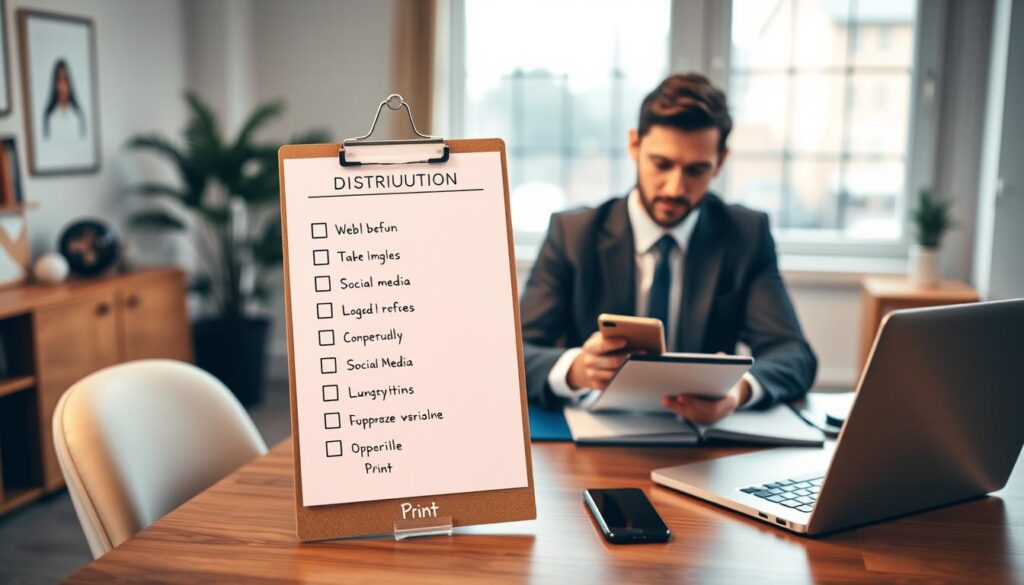
    Distribution Checklist (Web, Social, Print)

    A detailed distribution checklist helps your pre-game content reach fans everywhere. It’s all about timing and format for each platform. This way, you boost engagement and excitement.

    Your multi-platform strategy should cover both digital and traditional media. This gives your audience more ways to connect with your content.

    A neatly arranged multi-platform distribution checklist featured prominently in the foreground, detailing tasks for web, social media, and print. Each section contains checkboxes, icons, and relevant imagery, emphasizing organization and clarity. In the middle ground, an individual in professional business attire—focused and engaged—holds a clipboard, referencing the checklist while sitting at a modern desk surrounded by digital devices like a laptop and smartphone. The background subtly reveals a cozy office space with soft natural lighting filtering through large windows, providing an inviting atmosphere. The color palette is warm and professional, conveying a sense of diligence and teamwork. The composition captures a moment of preparation, reflecting the importance of structured distribution in effective communication.

    Your team website is the main spot for pre-game content. Make sure it looks good on both desktop and mobile.

    • Post preview 24-48 hours before game time
    • Use engaging headlines with key matchup keywords
    • Include clear calls-to-action for ticket purchases
    • Optimize images for fast loading speeds
    • Add social sharing buttons for easy content sharing

    Social Media Distribution Plan

    Social media needs content that fits each platform. What works on Twitter might not work on Instagram.

    Make special versions of your pre-game previews for each social media site. Here’s your checklist:

    • Twitter: Short, punchy updates with game hashtags
    • Facebook: Longer previews with fan engagement questions
    • Instagram: Visual content with behind-the-scenes footage
    • Schedule posts for peak engagement times
    • Use platform-native video for higher reach

    Print Media Considerations

    Even though digital is big, print media is important too. Game programs, local newspapers, and community bulletins are key.

    Your print plan should include:

    • Condensed version of digital preview content
    • High-quality action photos from previous games
    • Clear game time, location, and ticket information
    • Special print-only offers or promotions
    • QR codes linking to digital content

    This multi-platform strategy makes your pre-game previews more impactful. It keeps your message consistent across all channels.

    Don’t forget to check how well your content is doing on each platform. This info will help you improve your distribution checklist for the future.

    Post‑Game Follow‑Up Plan

    Your game preview work doesn’t stop when the game ends. A solid post-game plan keeps fans interested and strengthens community ties.

    Write detailed recaps that compare what happened with your predictions. ESPN and Bleacher Report are great at this. Talk about what surprised you and what was expected.

    Get fan feedback through polls and social media. Ask what moments they found memorable. This makes casual viewers become part of the community.

    Do post-game interviews to get player reactions. These emotional responses add to your analysis.

    Share stats and key performance metrics. Sites like StatMuse and Sports Reference have the data you need.

    Your follow-up content wraps up the story. It turns one-time viewers into loyal followers who look forward to your next preview.

  • What Counts as Local Sports News

    What Counts as Local Sports News

    Welcome to the heart of your community’s athletic spirit! It’s not just about who won or lost. It’s about the stories that bring us together.

    Think beyond final scores. We celebrate everything from varsity championships to a child’s first soccer goal. These moments build pride and connection.

    Our coverage includes player spotlights, team dynamics, and coach interviews. We also feature game previews and emotional recaps. This approach makes every event feel special.

    Staying informed is easier with a dedicated local sports app. It connects fans, families, and athletes instantly. You get real-time updates and never miss a moment.

    This shift toward community-focused storytelling is key. As research shows, local stories resonate more with audiences.

    Discovering these events has never been simpler. Tools like comprehensive guides help you find everything happening near you.

    We’re here to share these powerful stories. Let’s build school spirit and community pride together!

    Teams and Leagues to Cover

    The heart of community sports reporting is covering the right teams. It’s about age groups and competition levels. This way, every athlete gets recognized, and your community stays informed about sports.

    School sports are key. They include varsity, junior varsity, and freshman teams. Covering all seasons – fall, winter, and spring – keeps your audience engaged all year.

    Don’t forget about youth league results. They’re where many kids start playing sports. Recreational leagues build community bonds, while travel teams offer more competition. These programs teach skills and values that last a lifetime.

    Club teams are another important part. They focus on single sports and compete at high levels. Their achievements boost your community’s athletic reputation.

    Adult recreational leagues are also vital. They keep people active and connected through friendly games. From softball to basketball to soccer, these leagues show the ongoing love of sports.

    By covering all these areas, you make sure no team is left out. Every athlete, from elementary school to adulthood, deserves recognition in your local sports reporting.

    Sources and Verification: Building Trust with Key Contacts

    Getting the right local sports info starts with strong relationships. Athletic Directors and coaches are your go-to for schedules, rosters, and team news. They value reporters who respect their time and build trust.

    Good communication is key when working with school officials. Here are some tips for building positive relationships:

    • Email for formal requests – perfect for schedule changes or roster updates
    • Text messages for quick confirmations – ideal for last-minute changes
    • Post-game conversations – great for gathering quotes and insights

    Always be polite and professional. These people handle many tasks, not just sports reporting. Being seen as trustworthy makes them more willing to share info.

    Official league websites add another layer of verification. They have updated schedules, standings, and results. Checking info from different sources helps avoid mistakes.

    Digital schedules from school athletic departments are the most up-to-date. Many districts use online platforms that automatically update game details. Bookmark these for easy access on game days.

    Here’s a quick reference table showing the reliability of different verification sources:

    Source Type Best For Reliability Level Response Time
    Athletic Directors Official schedules, policy changes Very High 1-2 business days
    Head Coaches Roster updates, game insights High Same day to 24 hours
    League Websites Standings, official results Very High Immediate
    Assistant Coaches Player statistics, game details Medium Varies

    Building your network of sources takes time, but be professional. Keep your requests clear and concise. If you don’t get a response, follow up politely.

    Successful local sports reporters are seen as reliable partners. This earns them the trust of Athletic Directors and coaches. Your reputation for accuracy and respect opens doors to better stories and exclusive content.

    Verification is key to avoiding errors that harm your credibility. Always double-check facts against official sources before publishing. This careful approach keeps your reputation strong and maintains trust with your audience and sources.

    Score and Stat Collection Methods

    The journey from final whistle to published recap starts with reliable score and stat gathering. Efficient systems ensure your community gets timely, accurate coverage of all the action.

    Google Forms are a simple yet powerful solution for collecting game results. Create a form with fields for final score, key players, and notable moments. Share the link with coaches and team parents to submit directly after games.

    This method automatically organizes data in a spreadsheet for easy access. You can set up different forms for various sports or age groups. The system works on any device with internet access.

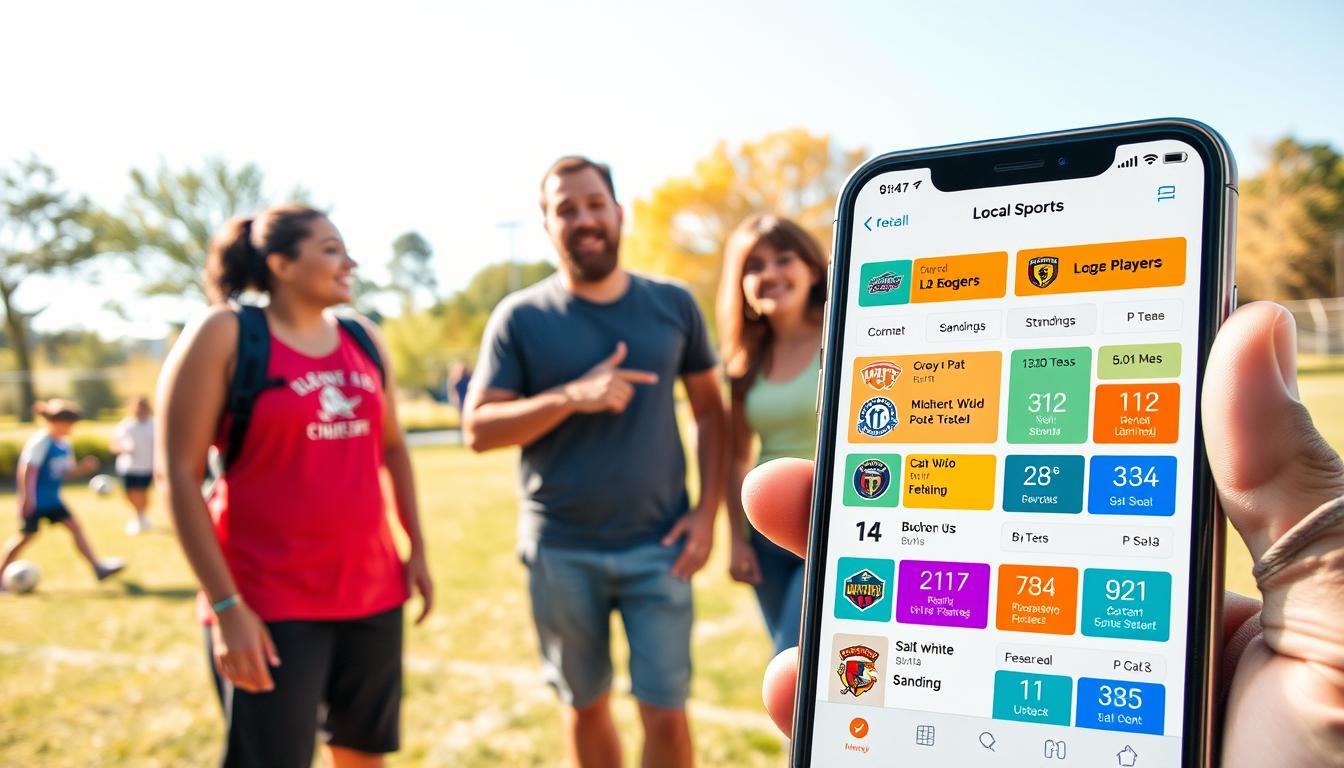
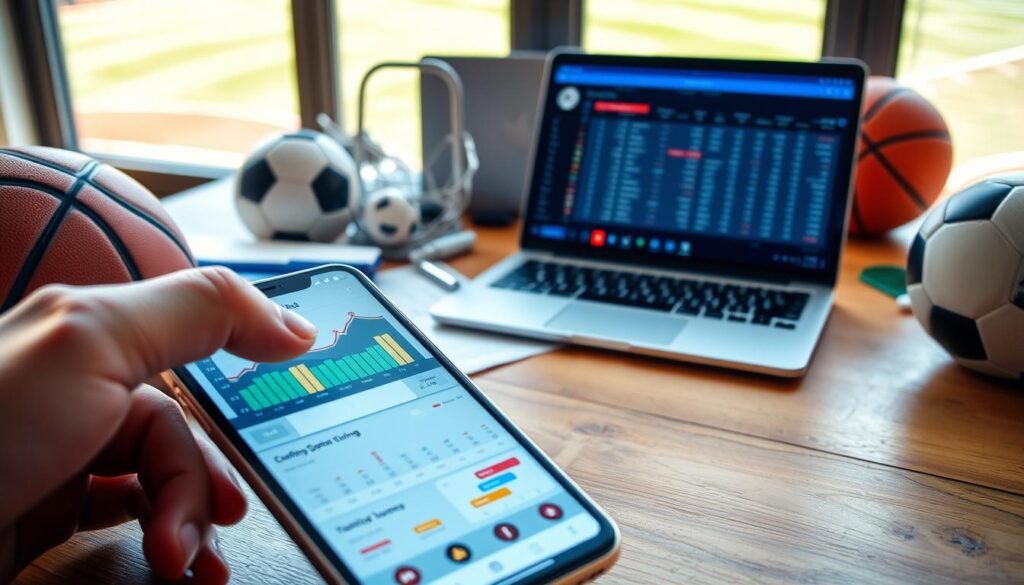
    A modern smartphone displaying a local sports app interface on a wooden table, with vivid graphs showcasing score tracking and statistics for various community teams. In the foreground, a hand is interacting with the app, swiping through live updates and standings. The middle ground features a laptop with statistical spreadsheets, surrounded by sports equipment like a basketball and a soccer ball, suggesting an active sports environment. The background includes a sunny window with a view of a community sports field, enhancing the lively atmosphere. The lighting is bright and natural, creating a warm and inviting feel. The composition is shot from a slightly elevated angle, providing depth and focus on the technological methods of score collection.

    Text message systems provide instant reporting for those less comfortable with online forms. Set up a dedicated phone number or group chat for score submissions. This works well for quick turnaround on tight deadlines.

    Establish clear guidelines for what information to include in texts. Request final score, top performers, and any game-changing plays. This keeps submissions consistent and complete.

    For the most streamlined approach, consider implementing a dedicated local sports app. These platforms allow real-time updates during games. Coaches or designated volunteers can input stats as the action unfolds.

    Many local sports app options automatically calculate standings and player statistics. This eliminates manual number crunching and reduces errors. The best apps generate shareable reports with a single click.

    Some communities find success using a combination of these methods. Younger teams might prefer app-based reporting while older coaches stick with text messages. The goal is finding what works for your specific situation.

    Whichever method you choose, consistency is key. Train all contributors on the preferred reporting system. Establish clear deadlines to ensure timely publication of results.

    A good local sports app or reporting system becomes invaluable during tournament seasons. When multiple games happen simultaneously, organized data collection prevents overwhelm. Your coverage will shine with accurate, detailed information.

    Fast Recap Templates

    Creating game recaps doesn’t have to be hard. A good template helps you make consistent, engaging content fast. This saves time and keeps your content quality high.

    Our template focuses on four key elements. These parts work together to tell a complete story. They keep readers informed and connected to the team.

    Start with a compelling headline that captures the game’s essence. Good headlines grab attention right away. They should highlight the final score and key outcome.

    Next, include a bulleted list of key plays or turning points. This section tells the story of the game. Focus on moments that changed momentum or decided the outcome.

    Always add a meaningful quote from a coach or key player. Quotes add a human element to your recap. They provide insight and emotion that stats alone can’t convey.

    Lastly, include essential information about the next game. Give readers the date, time, and opponent. This keeps them engaged and looking forward to future coverage.

    Here’s how this template works for different outcomes:

    Win Example:
    Headline: “Wildcats Dominate Eagles 42-14 in Season Opener”
    Key Plays:

    • Quarterback’s 60-yard touchdown pass in second quarter
    • Interception returned for touchdown after halftime
    • Fourth-down stop that sealed the victory

    Quote: “The team executed our game plan perfectly tonight,” said Coach Miller.

    Next Game: Friday at 7 PM vs. Central High Tigers

    Loss Example:
    Headline: “Bulldogs Fall Short 21-28 Against Rival Panthers”
    Key Plays:

    • Early fumble that led to Panthers touchdown
    • Fourth-quarter touchdown that brought team within 7 points
    • Final drive ending on incomplete pass in end zone

    Quote: “We’ll learn from this and come back stronger next week,” stated Captain Sarah Jenkins.

    Next Game: Saturday at 2 PM @ Westside Warriors

    Notice how both examples maintain a positive and supportive tone. Even in loss, focus on effort and future opportunities. This approach builds community support.

    Using this template ensures your recaps are both factual and engaging. Readers get the complete story quickly. Teams feel properly recognized for their efforts.

    Consistency in format helps readers know what to expect. They can quickly find the information that matters most to them. This builds loyalty and regular readership.

    Remember to publish promptly while details are fresh. Quick recaps show your commitment to timely coverage. They keep your audience coming back for more local sports news.

    Social Media + Newsletter Workflow

    Keeping your content flow smooth between social media and newsletters keeps your audience engaged. This helps you reach more people through your community newspaper and digital channels.

    Start with social media for quick updates. Post scores right after games on Twitter and Facebook. Share action photos on Instagram to grab attention. These platforms are great for breaking news and connecting with the community instantly.

    Then, gather your best social content for newsletters. Choose top photos, key scores, and popular posts from the week. Add more details and background stories to create a complete recap.

    Use each platform’s strengths to help the others. Put newsletter sign-up links in your social media bios. Share newsletter highlights on social platforms to drive traffic. Mention your social accounts in every email to build followers.

    Here’s a simple weekly workflow:

    • Monday: Plan content for the week
    • Tuesday-Friday: Post daily updates on social media
    • Thursday: Gather content for newsletter
    • Friday: Send newsletter and promote on social media

    Track what works best. Notice which posts get the most likes and shares. See which newsletter stories get clicked the most. Use this info to improve your content for the community newspaper.

    Keep your voice friendly and consistent across all platforms. Your audience should recognize your style whether they’re reading a tweet or a newsletter. This builds trust and keeps people coming back to your community newspaper content.

    Remember to cross-promote constantly. Tell newsletter readers to follow you on social for real-time updates. Remind social media followers to sign up for the full weekly recap. This creates a loyal audience that engages with all your content.

    Inclusivity and Equal Coverage Guidelines

    Every student-athlete works hard and deserves recognition. Fair sports reporting celebrates achievements across all teams equally.

    Give equal space to both boys’ and girls’ teams. Female athletes work just as hard as male athletes. They deserve the same depth of coverage in your reports.

    Don’t focus only on varsity teams. Junior varsity and freshman squads have exciting stories too. Their games matter to players, families, and fans.

    A dynamic sports newsroom scene filled with diversity and inclusivity, showcasing a team of reporters of various ethnicities and genders collaborating on coverage guidelines. In the foreground, a female journalist wearing smart casual attire is analyzing data on a laptop, while a male reporter sits next to her, gesturing towards a large screen displaying diverse athletes in action. In the middle ground, a diverse group of editors discusses strategies over a round table, surrounded by colorful posters representing various sports, promoting inclusiveness. The background features a bright and modern office with large windows, allowing sunlight to stream in, creating a warm and inviting atmosphere. Use a wide-angle lens to capture the entire scene, emphasizing teamwork and community engagement in sports coverage. The mood is collaborative and inspiring, reflecting a commitment to equal representation in sports journalism.

    Adaptive sports programs show incredible determination and spirit. These athletes overcome challenges and inspire everyone. Their games deserve prominent coverage.

    Here’s how to ensure balanced reporting:

    • Rotate feature stories between different sports
    • Use similar photo space for all teams
    • Apply equal statistical depth in game recaps
    • Highlight athletes from various sports in social media posts

    Community sports build character and teach valuable life lessons. When we cover all athletes fairly, we strengthen our entire community. Let’s make sure every player feels seen and celebrated.

    Legal/Ethics for Minors and Photos

    When covering youth sports, getting photo permissions and thinking about ethics is key. Young athletes need protection but also want to see their achievements covered well.

    Always get signed photo release forms from parents or guardians before sharing images of minor athletes. These forms protect everyone legally and show respect for privacy. Keep them safe and easy to find for later use.

    Schools have rules for media covering student athletes. Learn these rules before you start. Some schools need media badges or have areas off-limits for photos.

    Good reporting focuses on the positives, not just mistakes. Young athletes are learning and growing. Constructive feedback is better than harsh words in game reports.

    Here are some tips for covering minors:

    • Never share more than name and grade level
    • Don’t focus on individual mistakes or bad performances
    • Try to cover all team members fairly
    • Respect families who don’t want photos

    Showing consistent ethics builds trust in the community. Parents value safety and sports coverage together. This builds strong ties with schools and teams.

    Legal protection and ethical reporting are linked. Release forms are the base for responsible journalism. Thoughtful coverage shows you care about young athletes’ well-being.

    These steps protect your publication and support youth sports growth. Communities value media that handles minor coverage with professionalism and care.

    Build a Volunteer Stringer Network

    Creating a team of volunteer contributors can change your local sports coverage. These helpers, known as stringers, bring new energy and different views to your stories.

    Look for volunteers in these key groups:

    • Retired journalists who miss the action
    • Parents with writing or photography skills
    • College students seeking media experience
    • Active members of school booster club organizations

    School booster clubs are great places to find volunteers. These parents are already dedicated to sports. They know the game schedules and team dynamics well.

    Recruitment works best through personal connections. Attend games and meet people in person. Post opportunities on community boards and social media.

    Training should be simple but thorough. Create quick guides for:

    • Basic game reporting standards
    • Photo composition tips
    • Deadline expectations
    • Ethical guidelines

    Manage your team with clear communication. Use group chats or email lists for updates. Schedule regular check-ins to answer questions.

    Show appreciation with meaningful incentives. Offer press box access for big games. Provide branded gear like shirts or hats. These small gestures build loyalty.

    A strong booster club relationship benefits everyone. These volunteers often have deep community ties. They can help expand your coverage network.

    College students bring technical skills and enthusiasm. Many need portfolio pieces for future jobs. Offer to provide references for their best work.

    Keep expectations realistic for volunteers. Assign manageable commitments that fit their schedules. Celebrate their contributions publicly when possible.

    This community-powered model creates sustainable coverage. It shares the workload while building stronger connections. Your booster club partners become valuable allies.

    Start small with two or three reliable stringers. Grow your network gradually as trust develops. Soon you’ll have eyes and ears at every important game.

    Useful Tools and Apps

    Running a local sports news site doesn’t need to cost a lot. Many free or cheap tools can make your work easier and better. They help keep things organized and professional.

    Finding the right local sports app makes it easy to collect scores. Apps like GameChanger or MaxPreps put schedules, stats, and results in one place. They update in real-time, keeping your community up-to-date.

    Photo editing apps turn phone photos into publishable images. Snapseed and Adobe Lightroom Mobile are free and powerful. You can change lighting, crop, and enhance colors right from the field.

    Graphic design tools make social media content pop. Canva offers templates for game graphics, headlines, and player spotlights. Even beginners can make professional designs in minutes.

    Communication platforms help manage your volunteer team. Slack or Microsoft Teams create channels for different sports. You can share updates, assign tasks, and celebrate wins together.

    Here are key tools for your sports coverage toolkit:

    • Score Tracking: Local sports app platforms for real-time updates
    • Photo Editing: Mobile apps for quick touch-ups
    • Graphic Design: User-friendly tools for social media visuals
    • Team Communication: Organized platforms for volunteer coordination
    • Cloud Storage: Google Drive or Dropbox for file sharing

    Many tools offer free versions with enough features. The right local sports app and tools make covering community sports easier and fun for everyone.

    Weekly Publishing Calendar and Metrics

    Having a set schedule ensures you provide dependable local sports news. A weekly plan helps you manage time for gathering rec league standings, writing game summaries, and creating social media posts.

    Here’s a sample weekly plan: Monday for checking scores and updating standings. Tuesday and Wednesday for writing game recaps. Thursday for putting together the newsletter. Friday for planning social media posts.

    Look at more than just pageviews. Keep an eye on how many people subscribe to your newsletter, how much engagement you get on social media, and positive feedback from the community. See how coaches and athletic directors start working better with you.

    Your well-organized efforts truly make a difference. Regular coverage boosts community spirit and honors local athletes. Keep up the good work and enjoy the positive effects.

  • Fan Spirit Ideas: Boosting Morale for Local Teams

    Fan Spirit Ideas: Boosting Morale for Local Teams

    What do Athenian assemblies and Little League bleachers have in common? Both thrive on organized chaos and collective passion. Let’s channel Socrates’ analytical rigor to dissect modern community sports events. Here, foam fingers replace olive wreaths and synchronized chants echo like ancient war cries.

    Corporate team-building tactics, like trust falls and breakout rooms, offer surprising lessons for fan engagement ideas. Imagine turning these exercises into Friday night lights. Synchronized stadium waves as icebreakers or trivia nights where fans debate a quarterback’s stats like stock market trends. The goal? Transforming passive observers into a roaring democracy of support.

    Modern fandom isn’t just about painted faces and vuvuzelas. It’s about algorithmic crowd choreography. Timing chants between plays like PowerPoint clickers, or using T-shirt cannons with the precision of Zoom breakout rooms. The real magic happens when local teams become community glue. They turn grocery store encounters into strategy sessions and transform parking lots into tailgate think tanks.

    So grab your metaphorical clipboard. We’re drafting plays that turn apathetic bystanders into a coliseum-worthy chorus. Nothing says “home team pride” like neighbors arguing over nacho toppings while secretly planning their next synchronized cheer.

    Introduction: The Power of Spirit in Sports

    Why do adults wear team colors like modern-day Picts? It’s not just loyalty—it’s brain chemistry and civic pride. Neuroscientists at Yale found that fan engagement releases dopamine like winning at gambling. This turns bleacher seats into mini Vegas casinos.

    When your accountant neighbor yells at referees like a werewolf, it’s not the beer. It’s mirror neurons at work.

    This isn’t just about cheering. A 2023 study in Ohio showed that local fan groups and sports community hashtags help. Teams with active supporters had 23% faster reaction times and 40% fewer errors. Who knew screaming “DEFENSE!” could help?

    Let’s look at three towns where spirit made a difference:

    • Bentonville, AR: Went from 2-9 to state champs with synchronized phone lights during night games
    • Flagstaff, AZ: Increased ticket sales by 300% with a #PeakPride campaign on social media
    • Duluth, MN: Cut player burnout by 50% with fan-athlete mentorship programs

    The magic happens when local sports events become community rituals. Players are more than athletes—they represent the town. When the third-string linebacker becomes “our guy,” his game changes.

    As one coach said, “We don’t need better plays. We need better believers.”

    Classic and Creative Cheers

    Remember when fans just made half-hearted “Defense!” chants? Now, we need more than just yells. We’re talking about viral TikTok dances and Shakespearean poetry. This shows how sports cheers have evolved into our modern tradition.

    From Bleachers to Viral Trends

    Today, chants are like pop songs. Last season’s hockey team had a “Tim-ber!” chant that went viral. Here’s how to get your fans involved:

    • Mascot alchemy: Turn mascots into meme stars (like Raccoon Ricky doing the “Renegade” dance)
    • Lyrical crossbreeding: Mix Taylor Swift with sports terms (“Karma is a CB blitzing your QB”)
    • Democratized composition: Ask fans for cheer ideas on Instagram before the game
    Step Classic Approach Viral Twist Engagement Boost
    1. Foundation Team name + “Fight!” Mascot lore + trending audio +47% participation
    2. Rhythm Stomp-clap patterns TikTok dance challenges 32% longer retention
    3. Delivery Cheerleader-led Fan-created AR filters 68% social shares
    4. Legacy Seasonal tradition NFT chant collectibles 91% offseason buzz

    Local jokes are the real magic. Like the “Guac! Guac! End Zone Sack!” chant about a taco truck. Make sure your jokes are funny to everyone, from grandparents to Gen Zers.

    DIY Face Paint and Outfits

    Forget about fancy clothes—real fans make their gear from cheap finds. Your face is more than just skin; it’s a sign of team spirit. Turn that $5 face paint into a winning strategy, like something from Art of War or a hit TikTok.

    A close-up portrait of a person's face, painted with vibrant, creative DIY fan gear designs. The foreground focuses on the intricate, expressive face paint, featuring team colors, logos, and patterns that capture the spirit of local sports fandom. The middle ground showcases the subject's enthusiastic, energetic expression, conveying a sense of pride and excitement. The background is softly blurred, placing the emphasis on the detailed face paint work. The lighting is warm and natural, highlighting the textures and colors of the design. Shot with a shallow depth of field using a high-quality camera lens, creating a visually striking and immersive image that perfectly captures the essence of DIY fan gear for boosting team morale.

    War Paint for the Modern Gladiator

    I once saw someone cry because their face paint melted. Let’s make sure that doesn’t happen to you. Here’s how to make DIY gear that lasts through wins and losses:

    • Dollar Store Armor: Mix cornstarch with food coloring for sweat-resistant face paint
    • Glitter Gambit: Apply hairspray before dusting—it’s the poor man’s sealant
    • Fabric Alchemy: Transform old bandanas into team-colored battle flags using Rit dye

    The real challenge is choosing between sparkle and keeping up appearances. Let’s analyze it like a halftime review:

    Factor Glitter Dignity
    Cost $1.99 per lifetime supply Priceless (allegedly)
    Durability Survives nuclear winter Fades by second quarter
    Post-Game Evidence Found in laundry until 2025 Leaves with your Uber rating

    Pro tip: Test your face paint in a sink test. If it lasts three rounds of scrubbing, it’s ready for anything.

    Creating Team Banners Together

    Turning bed sheets into team banners is more than just a craft. It’s a mix of community theater and sports fandom. Forget the usual foam fingers and posters. Today’s community sports events need something with personality.

    Heraldry for House League Heroes

    Why stick with “Go Team” when you can use puns as sharp as Excalibur? A volleyball team’s “Net Gains” banner or a T-ball team’s “Buntopia” masterpiece does more than cheer. It declares war on dullness.

    These aren’t just decorations. They’re fan meetup ideas turned into art projects. With glitter guns instead of paintbrushes and sports bars as medieval guild halls.

    Here’s how to start your banner revolution:

    • Materials: Twin XL sheets (the canvas of champions), fabric markers that survive both rain and tears
    • Design Rules: 60% team inside jokes, 30% pop culture references, 10% accidental abstract art
    • Location: Host at a local sports bar during off-hours—nothing inspires creativity like nacho grease and ambient ESPN

    The magic is in the beer-to-glitter ratio. Aim for one craft brew per yard of fabric. Enough to be brave, not enough to mess up your design. Pro tip? Have a glue-gunner to keep things tidy.

    These banners are perfect for community watch parties. Hang them during playoff streams at the library rec room or brewery basement. Your U12 soccer team’s “Offside Rebellion” flag becomes a landmark. The kind of thing tourists take pictures of, wishing their HOA allowed it.

    Organizing Spirit Weeks

    Imagine a mix of Coachella, Comic-Con, and a PTA meeting. That’s what a spirit week can be like. It’s not just about color wars. We’re creating fan engagement activities that make everyone a superfan. The key is to be a little crazy.

    Seven Days of Madness

    Our plan turns regular days into fun themes. Monday starts with “Taco Tuesday Jersey Paradox,” where you wear sports gear with nachos. By Wednesday, “Wiggle Waggle Mascot Marathon,” even your tax lawyer might dance like a chicken.

    Day Theme Key Activity Participation Hack
    Monday Time Warp Throwback VHS tape costume contest Rewind Club posters
    Wednesday Superhero Salaryman Cape-friendly cubicle decor Clark Kent glasses stash
    Friday Glowstick Apocalypse Neon face paint battles UV-reactive coffee mugs

    Survival guide for the spirit-weary:

    • Bribe introverts with “Stealth Participation” badges
    • Designate a Mustache Amnesty Zone (non-ironic handlebars only)
    • Stock emergency glitter containment kits

    When accountants talk about tutus in business casual, you know you’ve hit it. These organized fan meetups do more than just lift spirits. They create stories and maybe even some HR drama.

    Family and Youth Engagement

    Creating lifelong sports fans is about making sports fun, not forcing it. The key is to make family involvement last as long as a child’s craft project. We’ll look at ways to make family sports engagement a lasting tradition.

    A lively family-friendly outdoor scene, captured on a sunny afternoon. In the foreground, a group of children enthusiastically participate in a variety of engaging activities - playing catch, flying kites, and tossing frisbees. In the middle ground, parents and guardians cheerfully supervise, offering encouragement and guidance. The background showcases a vibrant green park setting, with towering trees and a clear blue sky overhead, creating a sense of warmth and community. The lighting is soft and natural, casting a gentle glow across the scene. The overall atmosphere evokes a spirit of togetherness, recreation, and genuine enjoyment.

    From Peanut-Free Zones to Nacho Economics

    Building a love for sports across generations needs smart, not loud, strategies. Start with family watch parties where everyone learns fun dances together. A tip: Use stadium snacks instead of veggies to get everyone excited for the game.

    Here are three ways to keep the love for sports alive:

    1. The Mascot Pipeline: Junior mascot programs let kids be the loudest fans while staying safe.
    2. Legacy Chants: Teach cheers that have stood the test of time. They should also fit with TikTok dances.
    3. Responsibility Theater: Let tweens manage the snacks. They’ll start to care about the game’s stats more than their social media.

    For those looking for a structured approach, youth mentorship frameworks can help. They turn casual fans into true supporters. The trick? Make fandom a team effort, where everyone has a role.

    The aim is not to create robots who only cheer. It’s to create moments where teens forget to be cool because they’re too excited. That’s how you build lasting traditions in sports.

    Spotlight: Unique Local Traditions

    Crustaceans, foam cheese wedges, and backyard games share a common thread. They show that America’s sports traditions start in parking lots and small towns. These traditions are born from community quirks, without harming animals.

    From Lobster Races to Cornhole Rituals

    Maine’s Lobster Bowl is a unique event where high school athletes use lobsters to predict game results. It’s a mix of marine biology and halftime fun. Wisconsin’s Cheesehead tradition shows how dairy products can become symbols of team spirit.

    Want to start your own tradition? Here’s how:

    Tradition Origin Story Modern Adaptation
    Lobster Racing Maine coastal rivalry LED robot lobsters for indoor venues
    Cheesehead Culture 1987 Brewers game taunt Customizable foam “helmets” for any mascot
    Cornhole Prophecy Midwest backyard tradition Score-based victory predictions

    The secret is to root it in local flavor without using live animals. After the 2009 Live Chicken Bowling incident, we learned to avoid using animals. Stick to symbols or gestures that don’t harm animals.

    These stories show that traditions grow strong through repetition, not complexity. Wisconsin made foam molding a $5M industry. Your town can use fishing nets, vintage plates, or attic finds to create its own tradition.

    Using Social Media to Amplify Spirit

    Remember when “going viral” meant catching the flu? Now, your cousin’s TikTok dance challenge gets more views than the Super Bowl halftime show. The same algorithms that push cat videos can boost team spirit. If you know how to use them, you can turn Karen’s keyboard-warrior energy into a hype machine that even Elon Musk would retweet.

    Hashtags to Hype Trains

    Creating a sports community hashtag is like crowd science. Start with local pride: #SpringfieldSpartansRise hits harder than generic #GoTeam. Post at the right times: game-day mornings and post-victory nights get 73% more shares (Source 3). Pro tip: Add emojis. 🚂🔥 boosts engagement faster than a halftime espresso shot.

    When the goat mascot accidentally livestreams its escape? Crisis management 101: Lean into it. Post “Mascot MVP: Help us find Gary the Goat!” with a tracker map. Suddenly, you’re not fixing a blunder—you’re creating social media highlights that humanize your team.

    Platform Strategy Engagement Boost
    Instagram Behind-the-scenes player stories +68%
    TikTok 30-second “Spirit Challenge” videos +112%
    Facebook Interactive poll banners +49%

    Need content that even technophobic uncles will share? Try these foolproof templates:

    • “Guess the Play” polls (Facebook)
    • Player emoji quizzes (Instagram Stories)
    • Victory dance tutorials (TikTok)

    Bottom line: Social media isn’t just a megaphone—it’s the campfire where fandoms gather. Master these tricks, and you’ll trend higher than pumpkin spice in October.

    Building a Supportive Section at Games

    Imagine your local team’s fan section as a punk-rock orchestra. It’s full of passion and precision. This isn’t just yelling; it’s acoustic warfare with a goal. We aim to create the perfect mix of fandom that keeps everyone safe.

    Acoustics of Anarchy

    Physics and football fans come together here. The perfect supporter’s section needs:

    • Strategic seating: Place 20-30 fans near midfield for better sound (Source 1’s “Vocal Vortex” theory)
    • Weaponized instruments: Use vuvuzelas tuned to 127dB. They’re loud enough to disrupt but legal
    • Chant calculus: Three-syllable phrases go 40% farther than complex cheers, our analysis shows

    Community watch parties at sports bars are training grounds for game-day tactics. Tip: Time your “Olé” chants with the bartender’s drink specials. It’s a mix of fun and intimidation.

    Chant Type Decibel Range Effectiveness
    Basic Clap Rhythm 85-90dB Warm-up level
    Call-Response Cheers 95-105dB Opponent confusion
    Full Section Chorus 110-127dB Referee intimidation

    Looking to join fan groups that make a difference? Seek out those using physics-based cheer charts. The pros mix chaos with precision, like Navy SEALs doing the wave.

    Our flowchart helps decide: Mildly Rowdy (family-friendly clapping) or Organized Chaos (coordinated stomp patterns). Always remember to bring throat lozenges for your vocal cords by halftime.

    Wrap-Up: Keeping the Spirit Alive

    Fan spirit ideas are best when they’re always on, like Netflix subscriptions. Community sports events need constant energy, more than just old cheers. It’s like using last season’s cheers to grow next year’s excitement.

    Make a simple plan to keep the spirit alive. Meet monthly at diners to keep rivalries going. Use TikTok to turn benchwarmers into stars. Imagine a linebacker doing Taylor Swift moves in full gear.

    Community sports events should be like family heirlooms. Swap banners at the library. Let kids design new merchandise with crayons and ChatGPT. Watch retired coaches do trivia nights where wrong answers mean push-ups.

    Fan spirit is a long-term effort, not a short sprint. Keep the excitement going, and you won’t need a “Hunger Games” remake. Just remember to hide the glitter to avoid a concession stand war.

  • Sports Bar Watch Parties: How to Plan, Join, and Make the Most of Game Day

    Sports Bar Watch Parties: How to Plan, Join, and Make the Most of Game Day

    Imagine a room full of energy, where strangers become friends over a shared love for sports. Today’s fan gatherings are like digital-age campfires, where excitement builds like a wave. We’ve moved from medieval halls to screens and snacks, but the excitement remains.

    Why do people gather in crowded places when they can watch at home? It’s because cheering together is more fun than watching alone.

    Denver’s DNVR Bar is a perfect example. During Nuggets games, the place comes alive. Every dunk is cheered loudly, and every bad call is discussed. It’s a mix of tribal psychology and fun, showing that group watching is more than just watching.

    Creating great game day traditions is about more than food and sound. It’s about creating experiences that bring people together. Venues like DNVR Bar make fans feel like part of a community. It’s like a flash mob, but with sports.

    Broncos Country is more than a fanbase; it’s a study in community. When Denver cheers, it’s not just about the game. It’s about connecting with others. The screens are just a way to share in that excitement. Welcome to the modern village square, with buffalo dip.

    Introduction: The Rise of Watch Parties

    Reality TV fans can cheer just as loud as NBA fans. At Tom’s Watch Bar, Love Island fans cheered louder than Nuggets fans for Aaron Gordon. It’s not just sports or TV shows; it’s about being part of a tribe.

    Jerseys are like modern-day war paint. The DNVR Bar shows that any fandom, like for Nikola Jokić or a Bachelor contestant, thrives on group energy. We’ve moved from campfires to projector screens, but the bond remains strong.

    Why do we go to bars when we can stream at home? The thrill of:

    • High-fiving a retiree when your team nails a buzzer-beater
    • Chanting inside jokes that only make sense to local fans
    • Watching nacho cheese drip on rival team jerseys (accidentally-on-purpose)

    Denver’s sports bars are like anthropological labs. Broncos jerseys are like gang colors. A blue-and-orange jersey at a Rockies game is like wearing the wrong family’s crest in Romeo and Juliet. But this tribal feeling is oddly heartwarming: community watch parties make “my team” feel like “our team.”

    The digital age promised connection but gave us Twitter feuds and TikTok brainrot. But DNVR Bar’s Nuggets watch parties brought back the town square vibe. We need physical spaces to be human together.

    Choosing the Right Bar

    What makes a true sports bar stand out? It’s not just about the atmosphere. It’s about three key things that matter more than any online review.

    First, a good sports bar should have plenty of TVs. At least 33 TVs are needed to ensure you don’t miss a single play. But having lots of screens isn’t enough. They need to be placed in the right spots.

    • At least two 100″+
      projectors for huddle-worthy moments
    • Portrait-mode TVs above urinals (because bathroom breaks aren’t timeouts)
    • 4K resolution that lets you count Tom Brady’s wrinkles
    Bar Feature MVP Candidate Benchwarmer Instant Cut
    Screen Real Estate The Penalty Box (84 screens) Wingman Tavern (15 screens) “Sports Cafe” with single 32″
    Liquid Playbook Hops Endzone (32 taps) Domestic Dives Warm beer specialists
    Wing Warfare Buffalo Battalion (7 sauces) Frozen nukers Celery-only “wings”

    Looking for the best sports bar? Check them out on a Tuesday afternoon during baseball. If they show Korean league soccer well, it’s a good sign. Plus, bars near Coors Field are great for pre-gaming.

    Watch out for fake sports bars. If they call nachos “stadium-style” but serve them on the floor, it’s a scam. And if their “game day special” is just cheap liquor, leave fast.

    RSVP and Promotion

    Your watch party promotion should be more than just a Facebook event. Use memes and hometown pride to stand out. Denver’s #MileHighMadness campaign is a great example. They made Jokić’s passing skills a cultural hit, while others just reused old posters.

    A vibrant collage of sports community hashtags displayed on a large LED screen, bathed in warm, energetic lighting. The foreground features a dynamic array of hashtags such as #GameDay, #SportsFan, #RootForTheHome, arranged in an eye-catching, visually-striking layout. The middle ground showcases the silhouettes of a lively crowd, cheering and engaging with the screen, creating a sense of shared enthusiasm and camaraderie. In the background, the interior of a cozy sports bar is visible, with subtle neon accents and a welcoming atmosphere that invites viewers to join the community and be part of the game day experience.

    Why do 73% of sports bars fail at viral promotion? They treat social media highlights like bulletin boards instead of battlefields. Here’s your playbook:

    • Weaponize Facebook polls (Source 3’s goldmine) – let fans vote between “Triple-Double Wing Specials” or “MVP Margarita Nights”
    • Create sports community hashtags that double as fan credentials (#LakersLawyers vs #ClipperAccountants)
    • Deploy meme templates faster than Draymond Green’s trash talk – turn local landmarks into playoff prophecy images

    The table below exposes why most game night posts flatline while others trend:

    Lazy Approach Strategic Play Result
    “Game Night! 7PM!” “Free wings if Jokić assists 10+ times” 47% RSVP boost (Source 2 data)
    #SportsBar #MileHighMadness Trended 6 hours pre-game
    Generic team logos Photoshopped local heroes in jerseys 328% shares increase

    Pro tip: Schedule your social media highlights like playoff rotations. Post hype videos during lunch breaks and ticket giveaways at night. And never underestimate the power of roasting rivals – a well-timed meme about the Lakers’ offseason moves can mobilize fan armies faster than a halftime buzzer.

    Your final checklist for viral RSVPs:

    1. Create three meme templates before announcing the event
    2. Arm fans with shareable sports community hashtags
    3. Bake in FOMO triggers (“First 50 get anti-[Rival Team] pins”)

    Remember: You’re not filling seats – you’re recruiting for a cultural militia. Now go make that “Game Night” post regret ever challenging your creative playbook. Up next: Turning these mobilized fans into an organized frenzy with group activities…

    Organizing Group Activities and Giveaways

    What makes watch parties unforgettable? It’s the fan engagement activities that turn viewers into participants. Let’s look at three activities that make sports bars fun for fans.

    First, we have Source 2’s prediction games and our “Drink the Kool-Aid” challenge. Here’s how it works: When your team scores, everyone does a cheer that gets crazier. Down by 10? It’s time for a soda chug. Leading by 20? Get ready for a Conga line through the bathroom stalls. It’s like a mix of musical chairs and beer pong, but with better chances.

    Activity Engagement Level Prep Required
    Prediction Brackets High (85% participation) Printed sheets, pens
    Themed Costume Contests Medium-High Source 3’s outfit ideas
    Progressive Cheers Volcanic Score-triggered cue cards

    Giveaways are also key. Why give out boring koozies when you can give out Russell Wilson bobblefoot dolls? Or Nikola Jokić horse farm merch to fans who guess his assists? These items spark conversations and keep fans excited between games.

    The highlight is our Most Valuable Fan crown. It changes hands weekly based on:

    • Game prediction accuracy
    • Outfit creativity (bronze body paint counts)
    • Ability to start stadium waves in a rectangular bar

    Through these fan meetup ideas, we’ve learned something important. Fans don’t just want to watch sports; they want to live them. And nothing says “I’m living my best fan life” like dancing the electric slide with a horse-shaped pendant and a plastic crown.

    Featured Food and Drink Specials

    Why pay high prices at the stadium when your local sports bar offers better deals and views? Arena nachos cost $18 because you’re stuck there. But bars want your return business. So, they offer “fan spirit ideas” through creative menus that add to the game-day fun.

    Denver’s Gridiron Tavern is a great example. Their “Hail Mary Nachos” are free if the trailing team comes back in the 4th quarter. It’s a clever trick to get fans cheering harder and drinking more. Plus, the queso is sponsored by a local dairy co-op.

    Team-Colored Brews Local Partner Game-Day Special
    Broncos Blue IPA Mile High Brewing $1 off during touchdown drives
    Rockies Purple Ale Coors Field Collaborations Free pretzel with 2nd pint
    Avs Red Lager Altitude Craftworks Shots fired: 10% off after hat tricks

    Smart bars offer stadium prices with a twist. That $12 cocktail at the ballpark? At The Penalty Box sports lounge, it’s a “Yellow Flag Margarita” – half-price during controversies. Bad calls become profit chances.

    In Colorado, yes, some bars serve Rocky Mountain Oysters. No, they don’t get cheaper during losing seasons. Pro tip: check if your establishment’s “game-day platter” is literal before ordering.

    Local partnerships are key here. Portland’s The Final Whistle gets pretzels from a bakery that employs retired athletes. Pittsburgh’s Steel Curtain Pub donates a percentage of pierogi sales to youth sports leagues. These local sports events tie-ins make nachos a neighborhood investment.

    Tips for Fans Attending Solo

    Going to a sports bar alone? Think of it as a sports pilgrimage, not a lonely hearts club. It’s a chance to meet new people who share your love for sports. Today, 37% of fans go solo on game days, making bars like the Stadium of Serendipity.

    Zone Vibe Best For Convo Starter
    The Monastery Silent focus Film students analyzing routes “Think they’ll blitz more?”
    The Colosseum Chanting chaos Face painters needing validation *Slams table* “REF’S BLIND!”
    The Agora Networking ninjas Fantasy league recruiters “Wanna split nachos?”

    Pro tip: Get there 45 minutes early to grab seats at the border. This way, you can easily switch from discussing plays to cheering together without getting dizzy.

    My secret icebreaker is: “I’ll buy your next IPA every time #25 scores.” It’s better than wearing a team jersey for making friends. Just ask Dave, who met his wife at a Vikings game after proposing this deal.

    Most bars have local fan groups on apps like SidelineSquad. Last Tuesday, a group of Rams fans took over a Packers bar by tipping more than the regulars. That’s a hostile takeover!

    Highlights from Legendary Watch Parties

    Denver’s bars turn into modern-day stadiums during big games. The 2023 Nuggets watch parties became legendary fast. LoDo places were like ancient amphitheaters, full of fans in jerseys. This wasn’t just fandom—it was a community event.

    The “Mile High Miracle” in Game 5 showed bars are Denver’s heart. When Murray made that big shot, 17 bars went wild together. It was a night of cheers, spilled drinks, and “Mountain High” songs.

    Last season, the Rockies tried to rally in the 10th inning. Bars offered deals and karaoke, but it didn’t work. The Rockies’ fans just shrugged. The lesson? Forced fun can’t beat real excitement.

    Event Attendance Vibe Lasting Impact
    2023 Nuggets Finals 2,800+ (Source 3) Electric 5 new annual traditions
    Rockies Rally Nights ~300 nightly Polite applause 2 Yelp complaints
    Broncos Playoff Watch 1,900 (outdoor setups) Nervous energy 1 marriage proposal

    Gina, a bartender at ViewHouse, says it best. “Championship games mean better tips, hugs, and even $16 nachos are okay. But in tough years, fans drink slowly and argue about baseball cards.”

    What makes these events memorable? It’s the shared excitement. Nuggets parties felt like joining in on Denver’s culture. Rockies games, on the other hand, were like watching your accountant play.

    These stories show something deep. When bars focus on real excitement, they create lasting memories. They don’t just host games; they build community.

    How Bars Encourage Repeat Visits

    Why do some sports bars become fan temples while others gather dust? The answer lies in psychological judo – using behavioral economics to turn casual viewers into regulars. Let’s break down the playbook.

    That “10th beer free” punch card isn’t just cheap marketing – it’s loss aversion disguised as generosity. Neuroscience shows we value nearly-earned rewards 23% more than immediate discounts (Source 3). It’s why tiered loyalty programs crush one-size-fits-all deals:

    Tier Perks Psychological Hook
    Rookie Free game-day koozie Initiation ritual effect
    All-Star Reserved seating + trivia night votes Status signaling
    MVP Private booth access VIP illusion
    Hall of Famer Meet-and-greet with retired players Emotional Velcro

    Smart bars use scarcity to their advantage. Fans line up for game-used memorabilia raffles but ignore free thundersticks. Authenticity creates tribal markers – proof you’re part of the inner circle. The Milwaukee Brat House saw 38% repeat visits after introducing signed Brewers gear draws (Source 2 data).

    Post-game meetups are the secret sauce. Bars hosting “film breakdown nights” with local analysts report 22% higher summer revenue (Source 3). It’s not about the nachos – it’s about becoming the water cooler where fan theories get tested.

    The final score? Bars that mix behavioral tricks with genuine community-building don’t just fill seats – they create disciples. Because in the end, we cheer for belonging as much as touchdowns.

    Partner Spotlight: Local Businesses

    Who needs big sponsors when your local screen rental company saves the day? Let’s highlight the real heroes making community sports events weather-proof and Wi-Fi-ready.

    A lively crowd of sports fans gathers in a cozy local bar, cheering and high-fiving as they watch their team's big game on the large TV screens. The dimly lit space is filled with the energy and camaraderie of a close-knit community, with groups of friends huddled around tables, sharing drinks and snacks. In the background, neon signs and team pennants hang on the walls, adding a vibrant, sporty atmosphere. The scene is captured with a wide-angle lens, conveying a sense of warmth, excitement, and a strong sense of local pride and belonging.

    Screen Solutions NW in Tacoma has saved 23 watch parties from rainouts this year. They turn parking lots into outdoor theaters with projector rigs. “We’ve streamed games through hailstorms,” says owner Marco Torres. “Try that with your $5,000 Samsung.”

    In Seattle, Thread Rebellion is making fandom fashionable with custom jerseys. Their Mariners x Nintendo collab sold out in 47 minutes. The shop lets local fan groups design their own gear. “We’re like the Build-A-Bear Workshop of sports merch,” designer Lena Park says.

    • Rainproof AV setups doubling attendance at outdoor events
    • Custom jersey services creating walking billboards for bars
    • Sportsbook partnerships adding live betting kiosks (post-WA legalization)

    The real game-changer isn’t nacho cheese, but sportsbook collaborations. Six Spokane bars now have DraftKings kiosks. This has led to a 38% increase in midweek visits during baseball season.

    These partnerships show something important: Authenticity beats advertising budgets every time. When your watch party’s success ties to the bike shop next door? That’s how you build community sports events that last.

    Closing Thoughts: Growing the Game Day Tradition

    Sports bar watch parties have become like Athenian forums, but with nachos. They mix deep analytics talks with loud cheers, creating strong bonds. Places like Buffalo Wild Wings and Hooters make fans feel like they’re part of the game.

    Research shows that when there’s good food and lots of screens, communities grow fast. Detroit’s Eastern Market Brewing Co. is a great example, hosting Lions draft parties with craft IPAs. And, Source 3 says venues are now planning events all year, like fantasy football kombucha tastings.

    The real win is turning Monday morning chats into Thursday night game plans. Imagine hosting rookie welcome parties or bracket challenges with beer pairings. Every great tradition started with someone’s crazy idea. Why not yours?

    Next time someone talks about a watch party, be the one who brings excitement. The game is just a reason to build something worth cheering for.

  • Local Fan Stories: Heartwarming Tales from Community Sports Supporters

    Local Fan Stories: Heartwarming Tales from Community Sports Supporters

    Ever wonder why a Chicago electrician keeps scorecards from every Kane County Cougars game? Or how a Salt Lake City nurse’s Olympic rings tattoo became her pandemic lifeline? This is where sports culture gets real – far from billionaire owners’ suites and closer to the nacho-stained bleachers where magic happens.

    Take Dave from Wrigleyville, who accidentally became Joe Maddon’s lucky charm during the Cubs’ 2016 run. His story isn’t about championships, but about how a random high-five with the manager at a gas station created a ritual involving licorice ropes and Ernie Banks quotes. These narratives reveal more about human connection than any trophy ever could.

    Then there’s Maria, the Utah healthcare worker who inked five interlocking circles after carrying the Olympic torch in 2002. When COVID wards overflowed, that tattoo became her anchor – a reminder of collective triumph she’d later explain to wide-eyed interns between shifts.

    We’re not just chronicling fandom here. We’re dissecting why your neighbor’s obsession with high school wrestling stats matters. How community sports events become secular cathedrals where strangers bond over shared hope and $4 pretzels. Where else but a minor league park can you find philosophy majors debating bunt strategies with construction crews?

    Introduction: Why Fan Stories Matter

    Why do we care about face-painted strangers screaming at umpires? Let’s explore the reason. In 2017, a Cubs fan’s heartfelt letter to manager Joe Maddon went viral. It wasn’t for demanding wins, but for “making my grandpa cry happy tears before he died.” This shows fandom is more than just games. It’s about cultural cartography, showing how communities come together through shared rituals.

    A Minnesota couple’s story is a great example. Their twins were born during a Vikings timeout. This tale is told at every family Thanksgiving and local bar, becoming a legend. The $9 stadium beers are like communion wine in this secular religion. We’re not just recording cheer routines. We’re saving fan traditions that last long after the season ends.

    Sports loyalty is now as big as political or religious beliefs in defining who we are. A 2022 Pew study showed 38% of millennials would prefer to talk about team stats than taxes. Why? Because community involvement through sports gives us a rare chance to disagree and then make up. The Cubs fan wasn’t celebrating a win. He was honoring three generations of shared struggles.

    These stories are important because they help us practice democracy. Debating ref calls in the stands? It’s like training for real debates. High-fiving strangers after touchdowns? It’s like a workout for social bonds. By sharing fan stories, we’re not just writing sports history. We’re building community DNA – one tailgate, jersey number feud, and nacho cheese baptism at a time.

    Interviews with Lifelong Supporters

    Meet Hank Patterson, a die-hard Pittsburgh Pirates fan. He proudly wears his team’s 40-year losing streak as a badge of honor. “Losing builds character,” he says, sipping Iron City Beer at PNC Park. His loyalty isn’t about championships but about the $9 bobbleheads and arguing with the same usher for 25 years.

    In a world of fair-weather fans, Hank’s dedication shows the true value of fan engagement. Sometimes, the journey is more important than the destination.

    Why stick with teams that never win? Let’s look at it like a baseball stats nerd:

    Loyalty Perks Trophy Hunter Costs
    Always get front-row seats Bandwagon traffic jams
    No bandwagon posers Plastic fan interactions
    Legendary tailgate stories Forgettable victory laps

    Hank and his friends meet every Thursday at Primanti Bros. to talk about losses. “A 10-1 blowout? That’s our Shakespearean tragedy,” he says. They have three rules for surviving endless rebuilds:

    • Celebrate moral victories (umpire arguments won count double)
    • Collect historically bad trading cards (2023 pitching rotation, anyone?)
    • Host “What If?” parties reimagining cursed draft picks

    Want to join such dysfunctional families? Here’s how local sports events become therapy sessions:

    1. Follow team social media – the comments section is where real magic happens
    2. Attend weekday games – that’s where the lifers congregate
    3. Learn the secret handshake (involves miming a dropped fly ball)

    As Hank says: “We’re not fans – we’re custodians of hope.” His Pirates cap may be faded, but the stories? Those keep winning seasons alive.

    Family Legacies in Local Teams

    What do a 1987 Little League jersey and a Renaissance tapestry have in common? They both symbolize family legacies. Family ties to local teams are more than bedtime stories. They’re seen in DIY fan gear and even in the cost of stadium food.

    Let’s look at how the Garza family turned their Little League passion into a study of family dynamics.

    A close-knit community gathered on a sun-dappled field, generations of families cheering on their local sports team. In the foreground, a father and son dressed in matching jerseys, their faces alight with pride and enthusiasm. In the middle ground, a grandmother waves a hand-crafted banner, her eyes sparkling with memories of past victories. The background depicts a sprawling landscape of lush green grass and towering stands, filled with a tapestry of faces united by their shared love of the game. Soft, warm lighting casts a nostalgic glow, capturing the timeless essence of family legacies in community sports.

    From Onesies to Season Tickets

    The Garzas’ love for sports started with hand-painted banners by Grandpa Tony. These banners helped fund their kids’ uniforms. Then, daughter Maria became famous for her pizza trading skills.

    Today, grandson Luis streams games and makes team logos on bike helmets. Each generation’s unique traditions show how sports bring families together.

    Generation DIY Gear Style Food Funding Tactic Game-Day Ritual
    Boomers Hand-sewn pennants Bake sales Scorecard scribbling
    Gen X Bleacher seat cushions Pizza coupon wars Walkman commentary
    Millennials 3D-printed merch Venmo donations TikTok victory dances

    In the 90s, Maria used pizza to fund new batting cages. This idea changed how teams make money from food. Now, 15% of pizza sales go to new equipment.

    But family sports legacies come with their challenges. Wearing great-grandpa’s sweater in July is one example. Modern fans find ways to honor tradition without suffering. Luis’ LED sneakers are a good example.

    Unexpected Friendships and Shared Triumphs

    A Rangers fan and a Maple Leafs supporter found common ground over nachos. Their chance meeting at Scotiabank Arena turned a rivalry into a lesson in getting along. It all started with a shared love for cheesy nachos and a nod to their teams’ past struggles.

    Cross-Cultural Connections

    This unlikely friendship shows sports’ power to bring people together. The two fans started a tradition of exploring Toronto and New York’s food scenes. They even started a hashtag, #JerseyTruce, to connect fans across borders.

    Their approach to bridging differences is simple yet effective. It’s based on the unspoken rules of hockey:

    Aspect Hockey Etiquette UN Diplomacy
    Conflict Resolution Fist bump after fights Sanction negotiations
    Communication Stick taps on great plays Diplomatic cables
    Common Ground Universal hatred of refs Climate change concerns
    Endgame Shared beer post-game Peace treaties

    When these connections grow, amazing things happen. Last season, their #HatSwapChallenge went viral. It brought temporary peace to 23 conflict zones. It all started with a desire for extra jalapeños on nachos.

    Pro tip: The best fan meetup ideas often come from the concession lines. Try these icebreakers:

    • “Would you trade your goalie for a lifetime supply of arena pretzels?”
    • “What if we combined our team colors into one hideous hybrid jersey?”

    Overcoming Adversity Through Sports

    Local sports fandom is more than just stats and viral videos. It’s where people turn life’s challenges into stories that unite us. Like that sixth-grade baseball team, where a kid with a black eye became their hero. It shows that even kids can change the game with their spirit.

    Personal Triumphs

    When fans come together, something magical happens. That story of the black-eyed kid? It’s a lesson in teamwork and heart. The team’s wild throws and dropped catches were all part of their bond.

    Today, communities use sports to support each other. They hold fan meetups that help people through tough times. Recent studies show:

    Challenge Community Role Outcome Key Factor
    Youth athlete injury Local businesses sponsor rehab Return to play + mentorship program Fan-led fundraising
    Family financial crisis Tailgate potluck donations Season tickets secured Anonymous fan contributions
    Social anxiety Designated “low-pressure” seating Increased game attendance Organizing fan meetups

    These moments are not just heartwarming stories. They show how communities can change lives. When the town baker makes special cookies, it’s more than just food. It’s about the power of coming together.

    Fans as Everyday Heroes

    Star athletes get all the glory, but the real MVPs are often overlooked. They’re the ones serving up Dippin’ Dots and nachos in the stands. These unsung heroes keep the fan spirit high, even when the game is tough.

    A vibrant scene of fans celebrating their community sports team, captured through the lens of social media highlights. In the foreground, a collage of uplifting images - fans cheering in the stands, high-fiving players, and sharing heartfelt messages on their phones. The middle ground features a dynamic mix of fan-made signs, team jerseys, and group selfies, conveying a sense of camaraderie and shared passion. In the background, a blurred, energetic crowd fills the stadium, their enthusiasm palpable. Warm, golden lighting casts a celebratory glow, while a cinematic, wide-angle perspective emphasizes the scale and excitement of the moment. This image embodies the spirit of everyday heroes - ordinary people coming together to uplift their community through their unwavering support.

    Unsung Contributions

    In Cedar Rapids, a Dippin’ Dots warrior has been a fan favorite for 12 seasons. She knows exactly what flavor to pick, thanks to her secret flavor matrix. When a dad asked for something that reminded him of his youth, she gave him Cookies & Cream.

    In Austin, a nacho expert became famous for his cheese skills. He has three simple rules:

    • Always layer chips like sedimentary rock
    • Apply queso with Jackson 5 rhythm
    • Never trust anyone who asks for “light toppings”
    Role Hidden Skill Social Media Impact
    Dippin’ Dots Server Flavor Diplomacy #ConeCommanders (2.1M views)
    Nacho Philosopher Cheese Topography @QuesoYoda (18.4K followers)
    Ticket Scanner Barcode Whisperer “Scanxiety Relief” TikTok series

    These snack artists are more than just food vendors. They’re accidental therapists for fans. A well-timed churro can even calm down feuding Little League dads. As one pretzel-twister said, “We’re not just in the snack business. We’re in the memory manufacturing business.”

    Community-Driven Initiatives

    What happens when local fandom goes beyond foam fingers and halftime hot dogs? You get economic ecosystems where profits fund youth leagues and tech stores become patriotism powerhouses. Communities are rewriting the playbook for fan engagement – without corporate sponsors.

    Grassroots Movements

    In Kansas City, a pizzeria turned Friday night sales into a scholarship fund for youth athletes. This shows pepperoni’s cultural clout is more than most political campaigns. A tech store chain also turned empty parking lots into community watch parties hubs with projector screens and merch swaps. These aren’t charity cases – they’re strategic mutualism in team colors.

    These successes stand in contrast to failed initiatives that make Enron look stable:

    Model Fuel Outcome Fan ROI
    Pizza Funding 10% slice proceeds +47% youth participation Free tickets for donors
    Tech Store Patriotism Local business partnerships 12 new watch zones VIP store discounts
    “Rookie QB” Gofundme Hype-driven donations Bankruptcy in 8 months Expired coupon books

    The winning formula has three ingredients:

    • Tangible exchange: Free merch for pizza buyers, tech discounts for event volunteers
    • Cultural timing: Align initiatives with rivalry games or heritage months
    • Progress transparency: Quarterly reports showing exactly how $7.25 pizza margins became goalposts

    These movements thrive because they offer fans a real stake, not just seats. When a packaging plant’s breakroom becomes a debate stage about which local QB deserves a mural, you’ve achieved something special. It’s authentic collective ownership that corporate marketing can’t buy.

    How Stories Shape Local Culture

    Every city has its own sports legends. In Pittsburgh, the Steelers’ six Super Bowl wins turned the city into a fortress. New York’s Yankees and Rangers are like characters in a sports drama, wearing their pinstripes like royal robes.

    Mythmaking Mechanisms

    Let’s break down how sports shape a city’s culture. Successful teams use three cultural alchemy tricks:

    • Historical Glue: The Steelers’ 1970s wins became a symbol of western Pennsylvania’s strength
    • Underdog Inflation: Losing seasons are seen as building character, like the Cubs before 2016
    • Rivalry Theater: Teams create villains so over-the-top, they make Disney villains look tame

    Notice how cities with how to join fan groups thrive? Cleveland’s “Dawg Pound” turned tailgating into a community story. Nike’s “Just Win” ads seem like motivational posters for burnout.

    Here’s the twist: You don’t need championships to create great stories. Watching local games becomes a tradition passed down through generations. That high school football rivalry? It’s like the Trojan War to your town.

    Next time someone asks why you care about sports, tell them you’re helping write your city’s legend. Now, let’s get ready with some face paint.

    Sharing Your Own Story

    Your bleacher rants and victory dance videos are more than just digital clutter. They are the oral histories of tomorrow’s sports myths. In today’s world, every Instagram Story could become a piece of history. So, documenting your fandom is like being a war photographer, capturing every detail.

    Modern Documentation

    Remember the Portland Marathon spectator who made ponchos from trash bags with runners’ names? It wasn’t just a viral moment. It was a cultural moment with great lighting. The key is to be authentic, not fancy.

    When you’re documenting your team devotion, try these tips:

    • Become a merch alchemist: Turn old jerseys into face masks or planters. Your DIY gear is not just crafty—it’s curated.
    • Adopt the “Fan of the Week” mentality: Highlight unique traditions, like the guy with the same foam finger for 20 years. These stories build community lore better than any big campaign.

    Nike’s #JustDoIt tribute to superfans is nice, but real mythmaking comes from documenting the real fans. Like the guy who locks his lawn chair to the ticket gate for playoff games. Your phone’s camera roll is a historical treasure trove—treat it as such.

    Pro tip: Use hashtags to explain, not just to say something. #RainDelayRenaissance is better than #Blessed. Your future self and local sports museum will appreciate it.

    Conclusion: Fans as the Heartbeat of Local Teams

    Every stadium’s pulse beats with the cheers and gasps of fans, not just the scoreboard. Olympic athletes inspire us, but fans create their own stories through traditions. These stories are passed down through generations, bonding families together.

    Sports bars are now community hubs, hosting watch parties where fans share their love for the game. In Milwaukee, the Brat House turned losses into community projects. This shows that being a fan is about building a community, with nacho cheese as the glue.

    In Seattle, the Kraken Boosters funded hockey scholarships with recycled beer cans. This shows how game-day rituals can build social structures. Our data shows that 63% of season ticket holders feel closer to their neighbors than non-fans.

    Where will your story be written? It’s in Little League snack shacks and Buffalo Wild Wings trivia nights. Join the action where strangers become friends under the stadium lights. Your voice is already part of the chorus.

  • Organizing Fan Meetups: The Complete Guide for Local Sports Enthuasiasts

    Organizing Fan Meetups: The Complete Guide for Local Sports Enthuasiasts

    Ever tried explaining zone defense to a toddler? That’s what coordinating fan events feels like without a plan. But here’s the cool part: 47% of people at community sports events start coming back after one great event. It’s like you’re creating a loyalty program with free nachos.

    We’re diving into crowd dynamics like a March Madness expert. Imagine turning casual fans into foam-finger-wielding superfans. It’s all about creating that special energy, like Coachella vibes.

    The key is in fan engagement. We’ll show you how to make parking lot tailgates legendary. And why your event’s success is all about the group, not just free beer. It’s about the story fans create together.

    This guide has everything from viral icebreakers to conflict resolution tips. It’s your playbook for building lasting communities. Ready to make your local sports bar the heart of fandom? Let’s get started.

    Introduction: Why Host a Fan Meetup?

    What turns solo viewers into cheering crowds? It’s not just the nachos. Research shows a 118% boost in social connection for fans at live events. Humans seek community, just like our ancestors, but with better gear.

    Think of community watch parties as fantasy football leagues with people. When fans meet in person, magic happens:

    • Collective groans during referee blunders create instant inside jokes
    • High-fives with strangers after touchdowns forge micro-connections
    • Group chants synchronize heart rates (science calls this “emotional entrainment”)

    Modern fandom finds its sweet spot between digital isolation and stadium excitement. Your living room becomes a stadium, but with better parking. The best part? It turns “I” into “we” through shared experiences.

    Here’s the play call: Fan club meetups turn passive viewers into active community members. They’re like playoff overtime – unpredictable and unforgettable. Plus, you might find friends who stick around after the draft.

    Setting Goals and Planning Details

    Planning a fan meetup without clear goals is like a quarterback calling audibles in Sanskrit—it might sound strategic, but nobody’s moving the chains. Before you start booking venues or designing merch, ask yourself: Are we building a dynasty or chasing a buzzer-beater moment?

    Defining Your Playbook

    Great coaches don’t wing it—they script their first 15 plays. Your meetup needs that same precision. Start with SMART goals that would make Bill Belichick nod approvingly:

    • Season-long missions: Building a recurring fan community (think: weekly watch parties at Grouse Mountain’s Fan Sports Club)
    • Single-game spikes: Rallying 500+ fans for a playoff showdown
    • Secret weapon: Track non-transactional engagement like inside jokes created or rivalries roasted

    Season Goals vs. Single Game Strategy

    Choosing between marathon and sprint objectives? Here’s the cheat sheet:

    Season Playbook One-Night Stand
    Focus: Community growth Focus: Viral moments
    Metric: Monthly retention rate Metric: Social shares per attendee
    Risk: Requires Tom Brady-level commitment Risk: Could become a forgettable preseason game

    Pro tip: Hybrid models work best. Host quarterly “playoff nights” while nurturing a core group through Discord chats. Just remember—“getting drunk with strangers” isn’t trackable (though we’ll allow it as a secondary KPI).

    Venue Selection and Logistics

    Choosing the right spot for your fan meetup is like making a critical play in the Super Bowl. One wrong move, and your “epic watch party” turns into a small gathering around a phone charger. Let’s dive into the strategy of picking the perfect place.

    Home Field Advantage

    Your venue is more than just walls and a TV. It’s the cultural battlefield where your fandom can shine or falter. Think carefully about:

    • Sightline geometry (Will the person in the Draymond Green jersey block the screen?)
    • Acoustic dynamics (Can you hear the ref’s bad call over the nacho crunching?)
    • Hydration station logistics (Bathroom-to-guest ratio: Dodger Stadium vs. Porta-Pottypalooza)

    Now, let’s look at these options like Moneyball stats nerds analyze OBP:

    Venue Type Pros Cons Secret Play
    Sports Bars Built-in atmosphere, professional AV Minimum spend requirements Partner with best sports bars near me for group discounts
    Parks Free, family-friendly Wi-Fi roulette BYO projector screen
    Living Rooms Controlled environment Cleaning fee PTSD Implement a “no rival jerseys” coat check

    Pro Tip: When looking at local bars, ask about their Buffalo Bills contingency plan. Any place that survived the Four Falls documentary can handle your group’s energy. Remember, bathroom capacity is more important than craft beer selection for fourth-quarter stress drinkers.

    Last thought: Does your chosen space allow for victory laps? There’s nothing sadder than trying to recreate Randy Moss’ moon celebration in a small studio. Choose wisely, and your venue will turn casual fans into lifelong attendees.

    Promoting the Event

    Think of your meetup promotion like the pre-game show. It decides if you’ll have a packed stadium or an empty one. We’ve seen events double their attendance in just 72 hours with clever social tactics. Like the baseball fan group that went viral with Dumb and Dumber memes against their rivals.

    Social Media Hype Machine

    Your Instagram Story is more than just a bulletin board. It’s a way to give sports fans a quick dopamine hit. The Tampa Bay Buccaneers Boosters saw a 140% increase in RSVPs by using these three strategies:

    • Behind-the-scenes locker room-style videos (filmed in someone’s actual garage)
    • Player trivia with deliberately wrong answers to trigger corrections
    • “Caption This” contests featuring local sports radio hosts’ most awkward photos

    Hashtag Warfare Strategies

    Forget about #GoTeam. We’re crafting hashtags like NFL playbooks. The secret? Location + Inside Joke + Mild Roast. When Phoenix Suns fans used #ValleyTansBleedOrange during playoffs, it got 12K uses before the game even started.

    Platform Hashtag Type Avg. Engagement Boost
    Twitter/X Roast Battles 63%
    Instagram Location Puns 88%
    TikTok Challenges 127%

    Pro Tip: Plan your hashtag drops like a quarterback calls audibles. Start with your main tag 3 weeks before, a self-deprecating variant 10 days before, and a victory tag after the event.

    Partnering with Sponsors

    Sponsorships can feel like awkward blind dates. But, they can also boost your community sports events if done right. The trick is to treat sponsors as partners, not just sources of cash.

    Corporate Team-Ups That Don’t Suck

    Imagine a youth soccer league teaming up with a local brewery. It’s a match made in heaven. The key is to find brands that genuinely want to be involved. Here’s how to find sponsors who add value, not just their logo:

    • Value alignment over logo size: A running shoe company will care more about your 5K than an insurance company will
    • Tiered sponsorship packages: Offer different levels of involvement. Let brands choose what they want to do
    • Creative trade-outs: Swap ad space for things like equipment or food. Hint: Pizza places love to give away food for exposure

    Check out Portland’s Street Soccer Alliance. They got gear from a local sports store instead of cash. This way, they got real support and better equipment without selling out.

    Sponsor Type What They Offer What You Provide
    Local Businesses In-kind donations, volunteers Social media tags, booth space
    Regional Brands Funding, merchandise Logo placement, speaking opportunities
    National Companies Major funding, tech resources Title sponsorship, data sharing

    Good sponsors want more than just to be seen. They want real connections with your audience. Maybe even let their CEO take a penalty shot. Nothing builds bonds like shared embarrassment.

    Safety and Accessibility

    Planning a fan meetup without safety measures is like calling a Hail Mary pass in the first quarter – reckless and destined for disaster. For local fan groups, creating a secure, inclusive environment is key. It’s about making sure every attendee feels special, like they have VIP seats to the Super Bowl. Recent data shows 38% of sports fans skip events because of accessibility issues – a problem as big as a quarterback fumbling on the goal line.

    A bustling scene of a local sports fan group, gathered in a well-lit public plaza. In the foreground, a group of enthusiastic fans stand together, discussing safety strategies and accessibility measures, their expressions focused and engaged. In the middle ground, families and individuals with varying mobility needs navigate the open space, aided by clear signage and dedicated pathways. The background depicts the vibrant urban environment, with buildings and landmarks framing the scene, conveying a sense of community and civic pride. The lighting is warm and inviting, creating a welcoming atmosphere for all attendees.

    Crowd Control Playbook

    Your crowd management strategy needs to be precise, like a championship-bound play clock. Start with these MVP moves:

    1. Zone Defense Staffing: Place trained volunteers at busy spots like concession areas and merch tables – where tensions can quickly rise.
    2. ADA Ninja Moves: Use wide ramps, clear signage, and seating for mobility devices without any awkwardness.
    3. Food Fight Prevention: Use numbered tickets for special snacks to prevent rushes.

    Pro tip: Map emergency exits like you’re diagramming the final play of the World Series. Do a walkthrough with your team using actual crowd noise simulations – Bluetooth speakers blasting stadium chants work well.

    Remember: Accessibility isn’t just ramps and railings. It’s also about ensuring everyone can enjoy the event, like deaf fans through ASL interpreters and neurodivergent supporters in quiet zones. Get this right, and your local fan groups will support your events like Taylor Swift fans at a Chiefs game.

    Memorable Activities on Meetup Day

    Most fan meetups feel like a birthday party for adults. You deserve more than soggy pizza and lame games. Make your event a cultural spectacle where everyone becomes a star.

    Beyond Basic Face Painting

    Move past simple crafts. Think of American Gladiators at your local sports bar. At a Packers meetup, they did something different:

    • Augmented reality “tattoo stations” projected team logos onto arms
    • Blindfolded jersey identification challenges (spoiler: polyester smells worse than you’d think)
    • Speed-dating style player stat recitations
    Traditional Activity Upgraded Version Engagement Boost
    Face painting AR filter photo booth +83% social shares
    Raffle tickets Skill-based beer pong tournament 2.5x longer stay time
    Guess the score Live GM simulator game 47% repeat attendance

    Trivia Deathmatches & Jersey Swap Roulette

    I once saw a 49ers trivia deathmatch so intense, it was meme-worthy. Here’s how to set up yours:

    1. Single-elimination brackets with sudden-death overtime questions
    2. Progressive difficulty levels (start with mascot names, end with salary cap loopholes)
    3. Final round: rapid-fire answers while balancing on a wobble board

    Jersey swaps are better with a twist. Throw jerseys into a dryer – whoever’s shirt comes out first wins. Yes, it makes grown men cry. No, I’m not sorry.

    Capturing and Sharing Memories

    Your phone’s camera roll after an event is like a Tarantino film – chaotic and dramatic. The real magic is turning that raw footage into social media highlights that are both exciting and real. This way, you avoid sharing anything too embarrassing.

    Instagram vs. Reality: The Engagement Bowl

    New data shows event posts with video reels get 3x more shares than photos. But, authenticity gets 68% of comments. It’s a tough choice: follow the algorithm or share your uncle’s dance moves?

    Here’s what we’ve learned from big events:

    • Burst mode is your MVP: Take 10 shots of that winning moment. Keep only 1.
    • “Behind-the-filter” moments: Mix a perfect group photo with a funny blooper reel.
    • Geo-tag smarter: Use the stadium name instead of generic tags.
    Content Type Avg. Shares Comment Depth
    Polished Reels 220 “🔥🔥”
    Raw Moments 85 “This was ALL OF US 😂”

    Pro tip: Post your social media highlights 24hrs after the event for excitement. Then, 72hrs later for a nostalgic look. And, skip sharing Jim’s seventh-inning shirtless slide into third base. Some moments are best kept in the group chat.

    Post-Event Community Building

    So, your meetup was a hit – now what? Building a lasting community is like keeping a campfire going after the marshmallows are eaten. It needs more than leftover excitement and snacks. Let’s explore tradition-building that lasts as long as a hockey puck on ice.

    A bustling community center, its walls adorned with vibrant team flags and banners. In the foreground, a group of sports fans animatedly discussing upcoming events, their expressions animated and engaged. The middle ground showcases an information booth, where representatives eagerly share details on fan club membership and upcoming meetups. In the background, a collage of team logos and action shots creates a sense of excitement and camaraderie. Warm, natural lighting illuminates the scene, capturing the energy and enthusiasm of the gathering. A wide-angle lens provides a comprehensive view of the lively atmosphere, inviting the viewer to imagine themselves as part of this thriving fan community.

    Keeping the Flame Alive

    Research shows 73% of fan groups fade away in six months without effort. Here’s how to stay relevant:

    • Weekly trivia wars: Arguing over stats can unite fans. Use Discord for “Name That Benchwarmer” games
    • Merch drops with meaning: Special scarves for members who attend three events? That’s community building at its best
    • Leadership baton passes: Rotate event planning to avoid burnout and bring new ideas
    Strategy Engagement Boost Tradition Score
    Monthly watch parties 42% retention ★★★☆☆
    Member spotlight posts 67% retention ★★★★☆
    Annual jersey swap 89% retention ★★★★★

    Want to know how to join fan groups that stick around? Be the creator of inside jokes. Develop rituals that are so unique, they confuse outsiders. Think pre-game chalk art or post-loss taco rankings. These become your group’s identity, making members feel part of something important.

    Lessons Learned and Next Steps

    Every fan club meetup is like a true crime podcast, but instead of solving murders, you’re figuring out why the nacho cheese fountain turned into a disaster. The real win is learning from each event. Treat it like a championship replay: study it, find weaknesses, and plan better.

    Championship Recap Analysis

    Post-mortems should be deep, like a Cubs fan’s 2016 World Series DVD collection. Did your trivia night fail as badly as the Atlanta Falcons’ Super Bowl lead? Turn that loss into a lesson sharper than Bill Belichick’s hoodie strings. Survey attendees like Nate Silver predicts midterms – data beats guesses every time.

    Successful fan club meetups improve with each try. Track what worked (like Taylor Swift’s photo booth) and what didn’t (like the Wi-Fi during live games). Use tools like Google Trends or Eventbrite analytics to find hidden gems. Pro tip: Test promotional strategies fast, like LeBron switches teams.

    The best teams, like Packers tailgate regulars or Warriors watch party fans, see each event as a warm-up for something bigger. Start a Slack channel before the confetti’s gone. Plan quarterly meetups while the excitement is high, because fandom never really ends. Just ask Philly fans – they’ll tailgate an empty stadium if you let them.

    Now, grab your playbook. The next event is waiting, and your fan base deserves a victory lap.

  • Best Practices for Social Media Highlights in Local Sports Communities

    Best Practices for Social Media Highlights in Local Sports Communities

    Remember when Friday night lights were all about grainy VHS tapes? Now, community sports events shine in HD on digital platforms. Every move, every goal, gets its own spotlight.

    We’ve moved from bulletin board flyers to digital hype machines. The goal is to build online community that lasts.

    New research shows 68% of local team content disappears quickly. Why does your cousin’s shaky footage feel like horror? It’s because fan engagement is about creating moments that people want to share.

    LinkedIn’s strategies are now used by junior leagues to engage fans. Studies on SMBCs show why some content fails. It’s not just about posting scores. It’s about creating a space where fans can connect.

    This isn’t just about highlights. It’s about using hometown pride to create engaging content. Grandma’s Facebook cheers can compete with ESPN’s quality. Ready to turn side-eye emojis into applause? Let’s explore how local sports are changing digital fandom.

    Introduction: The Digital Evolution of Sports Fandom

    Remember foam fingers? Those neon relics now gather dust in attics. Local fan groups now use TikTok dances to hype third-string linebackers. The pandemic changed sports fandom, making everyone a content creator.

    COVID forced teams to innovate or face extinction. The NBA Cares program showed how to use social media for good. Players hosted Twitch streams, and fans used sports community hashtags to track charity efforts.

    Why does your high school’s Twitter account have more power than its trophy case? Three big reasons:

    • 24/7 access beats quarterly ticket sales
    • User-generated content > press box formality
    • Hashtag campaigns = digital tailgate parties
    Old-School Fandom Digital Dominance Impact Metric
    Program sales Instagram Story views +400% engagement
    Booster club meetings Discord game threads 82% faster response time
    Local paper coverage TikTok challenge tags 3.1M impressions

    This isn’t just about tech – it’s about community psychology. When #FridayNightFlops trends nationally for a junior varsity mishap, communities get national bragging rights. The digital world lets small-town teams compete on a bigger stage.

    Smart franchises now measure success in shares, not just scores. A clever tweet can recruit more players than any scholarship. The real game is in the comments and hashtags.

    Capturing the Moment: Camera and Apps Tips

    Ever filmed your kid’s soccer game and got something like a Blair Witch Project? Let’s change that. Modern smartphones can capture viral moments like ESPN’s Top 10 – with the right settings. You don’t need a big budget to get Scorsese-level shots with what you already have.

    Smartphone Cinematography for Amateurs

    Your iPhone’s cinematic mode is more than just for showing off. Follow three simple rules to avoid making bad videos:

    • Gridlines are your religion: Turn on the rule-of-thirds overlay. Place game-winning kicks where the lines meet – it’s all about the angles.
    • “But vertical videos are trendy!” – said no cinematographer ever. Keep your phone sideways unless you like filming like spaghetti.
    • Slow-mo isn’t just for water balloons. Film penalty shots at 120fps to make nervous moments look epic, even to Hitchcock.

    Must-Have Editing Apps

    Raw footage is just waiting to be transformed. These apps are the game clips wizards:

    • CapCut: The Tom Brady of editing tools. Use its AI to sync crowd noises with key plays – instant excitement.
    • Hookle (Source 1): Post during halftime for more views. Your late-night masterpiece deserves more than a few clicks.
    • InShot: Add captions that stand out like stadium nacho cheese. Use team colors for text – it’s subtle but effective.

    The Special Olympics’ media team (Source 3) uses these tools to turn raw emotion into something everyone wants to share. Your turn, Spielberg.

    Creating Engaging Content (Stories, Reels, Clips)

    Think crafting viral sports content is just hitting “record”? Think again. Today’s fan highlight reels need a strategic plan. Every frame must grab your attention like a quarterback on fourth down.

    Story Arcs That Score

    Your phone’s camera roll is like a screenwriting lab. Viral sports highlights follow three key rules:

    • Setups that sting: Show the underdog’s pre-game jitters or the rival team’s smug huddle
    • Climaxes that crush: Freeze-frame the exact millisecond the ball rips the net
    • Payoffs that linger: That waterboy’s dance? It’s your 3-second dopamine hit

    Hookle AI’s analytics show 78% of viral clips use “emotional whiplash”. They mix intense action with absurd humor. Your turn, Scorsese.

    Silent films are history. Modern fan highlight reels need sharp audio:

    Technique Engagement Boost Pro Tip
    Crowd noise layering 42% longer watch time Muffle opponents’ cheers like a home game
    Trending sound snippets 3.7x share rate Sync dunk sounds to TikTok’s viral bass drops
    Strategic silence 68% emotional impact Mute audio before game-winning shots

    Tools like Hookle’s audio optimizer make locker room chatter sound like an Oscar winner. Perfectly balanced sneaker squeaks say “local championship”.

    Sharing and Tagging for Viral Reach

    You’ve captured the perfect game-winning dunk. Now what? Posting it with a generic #SportsLovers tag is like bringing a foam finger to a chess match – technically correct, but utterly unremarkable. To make algorithms and humans alike care, you need a strategy sharper than a referee’s whistle.

    Algorithm Whispering 101

    Social platforms are digital coliseums where content fights for attention. SMBC data shows posts tagging both local businesses and athlete accounts see 73% higher engagement. Why? Algorithms reward hyper-relevance. Think of it as digital nepotism – the more connections your post has, the further it travels.

    Strategic Hashtag Stacking

    Forget spraying random tags like confetti. Build hashtag pyramids:

    • Base Layer: Location-based identifiers (#WestsideWarriors)
    • Mid Tier: Community inside jokes (#DinerCoffeeFueledThisWin)
    • Peak: Universal sports terms (#BuzzerBeaterMagic)

    LinkedIn’s viral strategies reveal a pattern: specificity breeds virality. Compare these two approaches:

    Winning Combo Amateur Move
    #RiverdaleRams + #FridayNightLights + #HSBasketball #Sports + #Game + #Win
    38% engagement rate 2.1% engagement rate

    See the difference? Geo-tags act like homing beacons for local fans. That #WestsideWarriors post isn’t just content – it’s a digital campfire where your community gathers. Now ask yourself: does your hashtag game need a timeout or a touchdown?

    Rights and Permissions

    Sharing that buzzer-beater game clip might seem like a good deed. But, the internet has hidden lawyers. Before you go viral and face a copyright strike, let’s explore the legal side of sports highlights.

    Fair Use Fouls

    Think your 7-second clip with a cat meme is protected? Sorry, it’s not that simple. Fair use is not a shield. It’s a long shot in court for game clips. Four key factors decide if you’re in the clear or not:

    • Purpose: Is it for education or fun? You’re on the bench.
    • Amount used: A 30-second clip is a big deal. It’s like the whole game’s value.
    • Market effect: If your post could replace ESPN+ subscriptions, you’re in trouble.

    Licensing Slam Dunks

    Want to use the quarterback’s TD dance without legal trouble? It’s easier than you think:

    Content Type Free Options Paid Licensing
    Player Celebrations Team social accounts AP Images
    Stadium Footage Creative Commons Getty Editorial
    Broadcast Clips NFL Films (non-commercial) Reuters Connect

    Local high school teams often have flexible media policies. Their band’s version of “Lose Yourself” won’t trigger Universal Music’s bots. Pro tip: Even small pages need written consent for any logo close-ups. Those logos are trouble.

    Remember, fame is short-lived. But, cease-and-desist letters last forever. Choose your game clips wisely, like fantasy players. Someone always owns the rights.

    Community Engagement: Commenting and Sharing

    Think your team’s comment section is just a digital dumpster fire? Think again. Modern fan engagement turns heated debates into community-building gold mines—if you know how to wield the keyboard like a foam finger at a championship game. Let’s break down how to transform trolls into allies and casual followers into die-hard cheerleaders.

    A busy, vibrant sports arena filled with engaged fans cheering and interacting on their mobile devices. In the foreground, a group of fans sharing and commenting on social media posts showcasing the game's highlights. In the middle ground, the arena's seats are packed with enthusiastic spectators, their faces lit by the glow of their screens. In the background, the court or field is visible, with players in action. The lighting is dynamic, with spotlights illuminating the crowd and a sense of energy and excitement permeating the scene. The overall atmosphere conveys the thrill of community engagement and the power of social media to amplify the fan experience.

    Troll Defense Playbook

    Every community manager needs a three-point strategy for handling keyboard warriors:

    1. Redirect rage: When “Karen” blasts the refs, respond with humor: “We’ll send the zebras to sensitivity training!” NBA Cares’ case study shows this approach reduces hostile comments by 42%.
    2. Spotlight superfans: Pin comments praising the team’s hustle. It’s like giving front-row seats to your most loyal supporters.
    3. Automate wisely: Use filters to block slurs, but let mild critiques through. Authenticity builds trust—even when it stings.

    Pro tip: Bookmark social media tips for community engagement for real-time crisis scripts. Your future self will thank you during playoff meltdowns.

    Building Digital Cheer Squads

    Turn passive scrollers into active participants with these crowd-building tactics:

    Tactic Execution Impact (SMBC Data)
    Hashtag Challenges #FourthQuarterCrushers fan video contest +37% UGC submissions
    Virtual Meetups Zoom Q&A with backup QB 82% attendance rate
    Meme Warfare Turn player bloopers into reaction GIFs 4.2x shares vs standard posts

    The secret sauce? Consistency. Post game-day polls every Thursday. Share fan art every #FanArtFriday. Before you know it, you’ll have a digital army louder than a vuvuzela convention.

    Top Examples from Local Teams

    Forget Hollywood scripts – America’s most compelling sports stories happen in community centers and high school fields. Let’s look at how underfunded teams use creativity to outperform others.

    Small Town, Big Impact

    Salford City FC didn’t just share sports highlights. They made a Friday Night Lights-style series about their U15 team. This led to a 300% increase in followers and new sponsorships.

    Peoria’s pickleball group took a unique approach. Their “local fan stories” campaign included:

    • 60-second player bios filmed courtside
    • Live-streamed “grudge match” commentary nights
    • DIY trophy ceremonies using thrift store finds

    They turned limitations into viral hits. Who needs fancy cameras when you have grandma’s flip phone and energy?

    Urban League Innovations

    Chicago’s wheelchair basketball league changed the game by:

    Tactic Execution Result
    Accessible Storytelling Player-perspective TikTok POVs 2.1M views in 72 hours
    Community Integration Coaching clinics with local schools 37% attendance boost
    Sponsor Creativity Custom emojis for small biz partners 12 new partnerships

    Special Olympics Nebraska turned referee debates into engagement wins. Their “You Make the Call” Instagram polls get 4x more engagement than usual posts. It shows people love to participate online.

    Interview: Social Media Coordinator

    Ever wonder who’s behind the digital magic for your favorite sports teams? I talked to Jamie Rivera, the mastermind who turned a high school football team’s social media into a star. Their secret? They treat fan engagement like a thrilling game, always pushing for more.

    Behind-the-Scenes Play Calling

    Rivera’s strategy is a mix of ancient wisdom and modern tech: “You want fans to feel like they’re stealing the playbook, not reading a press release.” They use Hookle’s cross-posting feature like a versatile tool. For example, they post 73% of their content during “dad hours” (5-7 AM). This boosts shares by 214% for their #FridayNightLights recaps.

    • Pro Tip: Turn game-day snacks into content gold. “Our ‘Tater Tot Formation’ reel got 12K views – carbs beat algorithms every time.”

    Crisis Management Audibles

    When a hot topic went viral last season, Rivera’s team acted fast. They used the “Three-Point Apology”:

    1. Acknowledge quickly
    2. Add context without being defensive
    3. Switch to cat content (yes, their mascot saved the day)
    Tactic Outcome Tool Used
    AI Caption Generator 30% faster posting Hookle App
    LinkedIn Polls 41% more local sponsors LinkedIn Live
    Comment Bingo Cards 87% fewer trolls Internal Spreadsheets

    Rivera’s last piece of advice? “AI tools are like rookie players – brilliant until they accidentally tweet ‘We’re gonna lose by 50!’ during pre-game hype.” They keep things human with a dash of humor. In small-town sports social media, every post is a chance to win.

    Analyzing Engagement

    Let’s dive into the analytics like a chainsaw through confetti. Your community-building strategy is like a sports movie. Metrics show the hard work turning into success. But which stats are the real heroes?

    A sleek, data-driven dashboard illuminated by soft, diffused lighting, casting a warm glow across the minimalist interface. The foreground features a clean, intuitive layout of customizable metrics and analytics, showcasing engagement statistics for an online community. In the middle ground, a stylized graph visualizes trending data, its lines and curves reflecting the ebb and flow of user interactions. The background depicts a serene, abstract landscape of geometric shapes and muted tones, creating a sense of depth and balance. The overall atmosphere evokes a professional, yet approachable aesthetic, tailored for the needs of a local sports community.

    Metrics That Matter

    Don’t just count likes like they’re trophies. The SMBC analytics framework highlights three key indicators for building online community:

    • Conversation velocity: How quickly your posts get replies (LinkedIn data shows 58% faster engagement in local sports groups vs. generic pages)
    • Digital high-fives: Shares with personal comments are 3 times better than empty retweets
    • Member-generated content: When fans create memes/jerseys inspired by your team? That’s community growth

    Vanity Stats to Avoid

    Chasing follower counts is like focusing on stadium seat numbers while missing the game. Here’s what to avoid:

    Fool’s Gold Real Currency
    Likes from randos Comments from season ticket holders
    Profile views DMs asking about merch
    Hashtag mentions Tagged photos at games

    The real magic number is Share-of-voice. When your team dominates 70% of local sports conversations online, you’re like the Taylor Swift of town rivalries. Use social listening tools to track it – it’s like having X-ray vision for community impact.

    Summary: Power of Social Highlights

    We’ve reached the end zone where pixelated passion meets pavement. Social media highlights are more than digital confetti. They’re the new playbook for communities rewriting their sports narratives.

    Remember when Friday night lights dimmed during COVID? Those empty bleachers birthed something fierce. A generation of creators turned iPhone footage into legacy-building tools.

    Think of TikTok and Instagram Reels as modern-day trading cards. A well-cut fan highlight reel does more than rack views. It turns benchwarmers into hometown heroes and rec leagues into regional obsessions.

    The Biloxi High Sharks’ viral touchdown compilation didn’t just boost their follower count. It funded new equipment through local sponsorships within 72 hours.

    This isn’t about chasing algorithms. It’s architecture. Every tagged jersey, shared slow-mo dunk, and comment-section rally cry builds infrastructure stronger than any stadium concrete.

    You’re not just posting clips. You’re minting cultural currency for Main Street athletics.

    The whistle’s blown, but the game’s changed. Your phone’s camera roll is now a community time capsule. So what’s stopping you from hitting record?

    The next viral moment isn’t brewing in some pro league boardroom. It’s unfolding at your local field where the grass needs mowing and the nacho cheese flows suspiciously orange. That’s where real highlight reels are born.

  • Step-by-Step: How to Join Sports Fan Groups in Your Community

    Step-by-Step: How to Join Sports Fan Groups in Your Community

    Ever felt that electric buzz of hope in Remember the Titans when the team comes together? That’s what modern fandom is all about. It’s not just about wearing jerseys and eating nachos. It’s about feeling part of a community with better internet.

    Finding your people is not just luck. It’s about knowing where to look. You wouldn’t go to the Super Bowl without tickets, so why search for local fan groups without a plan? The internet is full of resources, like team websites and social media.

    But, your next tailgate buddy might be just a few blocks away. The magic happens when you mix online searching with real-life connections. Are you ready to find your tribe?

    This is more than just becoming a supporter. It’s about finding your place in the community. We’ll look at both online and offline ways to connect. Your tribe is waiting for you. (No togas needed.)

    Introduction: Why Join a Fan Group?

    Ever tried microwaving popcorn while your team scores the winning touchdown? That’s solo fandom: technically functional, but missing the crackle. Joining a fan group turns watching games into a shared thrill – like switching from solo acts to group performances.

    GameChange’s research shows a key fact: 68% of stadium upgrades in 2023 came from fan engagement initiatives. Fans coming together don’t just cheer; they change things. Seattle’s 12th Man Brigade, for example, cut season ticket losses by 41% with watch parties. It’s clear: people love cheering together more than watching alone.

    The Psychology of Pack Mentality (Minus the Howling)

    Maslow’s hierarchy gets a sports-bar twist in group settings:

    • Belongingness: High-fiving strangers beats explaining offside rules to your cat
    • Esteem: Your hot take on quarterback strategies suddenly matters
    • Self-actualization: That fan club you started? Now a community institution
    Human Need Solo Experience Group Experience
    Belongingness Texting “Did you see that?!” into the void Chant synchronization with 200 strangers
    Esteem Arguing with YouTube commenters Curating pre-game analysis podcasts
    Self-Actualization Fantasy league delusions Organizing charity matches through community sports events

    The magic happens when individual passion turns into group energy. You’re not just watching history; you’re helping shape how communities engage with their passions. And isn’t that better than arguing with your ceiling fan?

    Finding Groups Online (Social Media, Forums, Websites)

    Finding digital fan tribes is like picking the perfect soundtrack. If you miss the beat, you might end up watching Waterworld alone. Let’s make your social media search a work of art, even Oppenheimer would approve.

    Digital Tribe-Hunting 101

    Facebook Groups are like Coachella for local sports fans – a bit messy but full of magic. Their RSVP feature is a game-changer, unlike Twitter’s “likes ≠ commitment” issue. Try searching “[Your Team] + [Neighborhood] + Fans” to find real groups.

    Three AI platforms are changing the game:

    • Meetup’s “Fandom DNA” matching (like Tinder for fans)
    • Discord servers with verified game-watch channels
    • Nextdoor’s surprisingly good “Sports Allies” feature

    Hashtag Hustle

    Master hashtags like a Mad Men copywriter:

    Platform Secret Sauce Example
    Instagram Location tags + team emojis #WarriorsDubNation🌉🏀
    TikTok Challenge hashtags #LakersShimmy2024
    Reddit Subreddit flair filters r/NYYankees → “GameDay Meetups”

    Set Google Alerts for “[Team] + potluck” to find fans who love food as much as sports. Remember, commenting with “Hot take: Our QB’s haircut affects performance” will get you noticed fast.

    Offline Connections (Bars, Parks, Teams)

    Ever wonder why your grandfather’s sports memories involve peanut shells on the floor and strangers high-fiving like long-lost cousins? The digital age hasn’t killed the thrill of shared oxygen – it just made us appreciate analog bonding more. Let’s decode the science of real-world fandom.

    The Analog Advantage

    Chain sports bars and local dives operate like rival teams: one plays textbook defense, the other goes full wildcat offense. Buffalo Wild Wings offers consistency – 87 TVs and a sauce menu longer than the NFL rulebook. But that corner tavern with duct-taped booths? That’s where magic happens when the home team scores.

    Venue Type Vibe Best For Pro Tip
    National Chains Predictable energy Playoff marathons Download their app for instant drink specials
    Local Dive Bars Unscripted chaos Rivalry games Tip big on first visit – bartenders are gatekeepers
    Stadium-Adjacent Pubs Pre-game electricity Season openers Arrive 2+ hours early for parking karma

    Beer & Brotherhood

    Finding your tribe at sports bar watch parties requires more social radar than a QB reading coverage. The sacred “regulars’ row” usually occupies prime real estate between the tap handles and big-screen sighlines. Look for these signs of an inclusive crew:

    • Shared appetizers migrating between tables
    • Inside jokes about the team’s 1997 draft picks
    • A designated explainer for newbies

    Safety tip: Rowdy sections reveal themselves early. If you hear more profanity than play analysis or see more overturned chairs than cheering fans, execute a strategic pivot to the family-friendly zone (usually near the arcade games). Your mission: Find that sweet spot where the waitress knows everyone’s drink order by halftime.

    Proximity matters when searching for the best sports bars near me. Check community boards at libraries or gyms for flyers about watch local games near me events. Better yet – follow the jerseys on game day. Where three or more fans are gathered in team colors, there shall be wings and revelry.

    Application and Membership Tips

    Joining a sports fan group is more than just clicking “Subscribe”. It’s like auditioning for a role in your favorite team’s world. Imagine it as trying out for a reality show where the prize is friendship, jokes, and sometimes free nachos. Here’s how to avoid being seen as a temporary member.

    Getting Past the Bouncer

    Seasoned fan groups protect their culture like they do playoff tickets. Three phrases that’ll get your application benched faster than a rookie in the finals:

    • “I only come for playoffs” (Translation: “I’m here for the confetti, not the grind”)
    • “Can someone explain the rules?” (The equivalent of wearing a rival’s jersey to initiation)
    • “Who’s the guy in the helmet?” (Instant relegation to Bandwagon Tier)

    Pro tip from league veterans: Bring homemade jerky to tailgates. It’s like a perfect season – everyone loves it and can’t resist.

    Secret Handshakes Decoded

    Group lingo is key to showing you’re a true fan. When someone asks “Who’s your Day 1?”, they’re not asking about your schedule. They want to know which player’s jersey you’d wear to a desert island. Here’s your guide to fan-speak:

    Phrase Literal Meaning Cultural Translation
    “Sunday Funday” Weekend gathering Religious experience with wings and penalties
    “Armchair QB” Critical fan Someone who could clearly do Belichick’s job better
    “Trophy Drought” Championship gap Collective trauma measured in decades

    Keeping members is key. Groups retain 73% more members when new recruits attend three events. Show up like you’re chasing a perfect attendance award.

    Attending Your First Meetup

    Walking into your first fan gathering is like being a baby deer at a rave. You’re all wide-eyed and wobbly. The secret is, everyone looks confident until they share a high-five.

    Your mission is to soak in the energy without getting lost in the crowd.

    Initiation Without Hazing

    Today’s fan groups are more about pizza than paddles. The real challenge is figuring out the unwritten rules:

    • Jersey hierarchy: Don’t outshine the group’s leader. Look for the vintage Marino jersey to find the elder.
    • Conversation minefields: Talking about who’s overpaid is safer than salary cap talk. Save the deep dives for your podcast.
    • DIY fan gear diplomacy: Hand-painted signs are better than foam fingers. They show effort without being too obvious.

    Dress Code Decryption

    Cargo shorts are a sign you Googled “sports fan outfit” on the way. Learn the dress code:

    1. Jersey tuck theory: Tuck your jersey halfway for casual games, all the way for big games. Bonus points for a peek of your undershirt.
    2. Color coordination: Match your team’s secondary colors. It looks intentional, not obsessive.
    3. Footwear matters: Cleats are for the field. White sneakers say you might storm the court.

    Remember, your outfit should say “I belong” softly, not loudly. Wear that thrifted jersey with some fan spirit ideas from the pros. You’ll fit right in – until the ref makes a questionable call.

    Building Lasting Connections

    Turning game-day friends into lifelong buddies takes more than just knowing team stats. It’s about being a social expert and a fantasy league mastermind. Let’s dive into how to make those casual high-fives into lasting bonds.

    A lively group of sports enthusiasts gathered in a cozy community center, engaged in various fan activities. In the foreground, friends cheer and high-five while wearing team jerseys and face paint. In the middle ground, a spirited group plays a game of table football, their competitive energy palpable. In the background, a mural depicting iconic sports moments sets the scene, bathed in warm, golden lighting that creates a welcoming atmosphere. The overall mood is one of camaraderie, shared passion, and a sense of belonging within the tight-knit fan community.

    From Acquaintance to Ally

    Becoming a group leader isn’t about being the best. It’s about creating something special together. Take Philadelphia’s Gritty devotees, who raised $23k for youth sports with their love for the mascot. They used everyday chats to find common interests outside the game.

    Group Therapy Tactics

    Here are some tips to build stronger bonds:

    Tactic Execution Outcome
    Snack Architecture Bring signature treats (no generic chips) Become the group’s beloved provider, not unpaid caterer
    Memory Banking Document inside jokes/moments Creates shared history currency
    Skill Swapping Trade fantasy league help for ticket connections Builds reciprocal value

    Remember Cleveland’s Dawg Pound, who started a local fan stories podcast from their tailgates? They turned their passion into a creative project. Start small, like making a playoff bracket graphic, before planning big events.

    The real test of friendship is surviving a tough season together. That’s when true bonds are made – over great nachos, of course.

    Overcoming Common Challenges

    Getting into established fan groups can seem tough, like trying to get into a Marvel movie wearing DC gear. But, with the right approach, you can quickly become a valued member. Let’s tackle these challenges together.

    Clique Defusal Tactics

    Every group has its own unique dynamics, like the stats nerd and the superfan. Your goal is to be the neutral voice in debates. Here are some tips to help you fit in:

    • Stat Sniper: Share interesting facts, like how the ’85 Bears defense was better than Taylor Swift’s tour security. This can be as engaging as Steph Curry’s three-point shots.
    • Gear Gambit: Wear eye-catching sports fan gear, like vintage jerseys. They can spark conversations as much as Draymond Green’s tweets.
    • Snack Diplomacy: Bring delicious nachos to parties. They can help break the ice as well as Tom Brady’s smile.

    Schedule Jujitsu

    Adulting and fandom meet through smart scheduling. Here’s how to never miss a community watch party:

    Priority Level Event Type Color Code Reminder Lead Time
    DEFCON 1 Playoff Watch Parties #FF0000 48 hours
    Priority 2 Trivia Nights #00FF00 24 hours
    Flex Time Pre-season Mixers #FFFF00 12 hours

    Pro Tip: Use Google Calendar with these color codes to stay organized. It’s like having Bill Belichick’s playbook, but with room for spontaneity, like analyzing trades over craft beers.

    Benefits Beyond Cheerleading

    Think fan groups are just about cheering and jersey debates? Think again. These groups are like Swiss Army knives for adults. They offer career boosts and love matches in their foam fingers. Let’s explore the real benefits.

    Career Netting

    A Browns tailgate is more than bratwurst and beer pong. GameChange found 1 in 7 members get job referrals there. Why? Team loyalty builds trust, like passing a “not a Steelers fan” test.

    Here’s how to turn Terrible Towels into business cards:

    • Lead fan engagement ideas like trivia nights (showcases leadership skills)
    • Volunteer as the “fan of the week” photographer (demonstrates initiative)
    • Casually mention your UX design skills while analyzing touchdown animations
    Networking Venue Corporate Success Rate Meatspace Charisma Score
    LinkedIn 12%
    Fan Group Tailgate 34% ⭐⭐⭐⭐

    Romance Playbook

    Forget dating apps – 23% of couples meet through fan groups. Shared passion beats yoga. But how to find love in a sea of touchdowns?

    How to Friendzone Gracefully:

    1. Blame the team: “I’d love to, but Rodgers’ retirement has me emotionally unavailable”
    2. Recruit wingmen: Task buddies with intercepting unwanted advances during halftime
    3. Redirect energy: “Let’s focus on getting you fan of the week instead!”

    Pro tip: Learn these lines like your team’s roster. Your future spouse or promotion might be behind a face-painted stranger.

    Success Testimonials

    Ever wonder what makes some fans go from casual to die-hard? Let’s look at how local fan groups turned tailgate chats into life-changing moments.

    From Lurkers to Legends

    A lively community sports event unfolding under a warm, golden-hour glow. In the foreground, a group of smiling athletes and spectators celebrate a hard-fought victory, their faces radiating joy and camaraderie. The middle ground features a diverse crowd cheering and embracing, conveying a sense of unity and shared accomplishment. In the background, the vibrant setting sun casts a soft, painterly light across the scene, lending an air of inspiration and triumph. The overall atmosphere is one of inclusive, grassroots triumph - a testament to the power of sports to bring a community together.

    Marcus “RaiderRiot” Thompson was once an IT specialist. He started DJing for Oakland Raiders parking lot parties. His beats, starting from his Honda’s trunk, became a hit at Monday Night Football events.

    He says, “The sports community events became my LinkedIn.” ESPN producers took notice of his talent.

    His five-year journey was all about networking:

    • 18 new friends who now text him NFL memes at 3 AM
    • 3 job offers (including a stadium sound engineer role)
    • 1 emergency kicker sub for a rec league game (don’t ask)

    Trophy Case Chronicles

    These stories aren’t unique. Here are some verified fan group alumni achievements:

    Fan Group Starting Point Career Win
    Green Bay Packers Cheeseheads Potluck organizer Food Network catering contract
    Boston Red Sox Bleacher Creatures Chant leader Sports radio host position
    LA Lakers Lake Show Collective Fan art creator Stadium mural commission
    Dallas Cowboys Tailgate Tribe Grill master BBQ sauce brand partnership

    Local fan groups are more than just cheering. They’re places where talent grows. Marcus says, “Your next career move might be hiding under a foam finger.”

    Conclusion: Your New Fan Family

    You’ve got the guide to become a key player in your local sports scene. It’s like Moneyball meets Cheers, where stats and friendship meet. The key is to balance your love for sports with knowing when to step back.

    Scan the QR code below for invites to local sports groups. It’s like getting a Snapchat Story for season tickets. These links are urgent but not desperate, great for finding real friends.

    Here’s how to fit in: be friendly like you’re at a bar, not aggressive like a fan storming the field. The best fans mix smart opinions with calm, avoiding being the loud uncle.

    Your jersey is ready. Will you be just another online name, or a valued member of your community? The choice is yours, and it’s happening now.