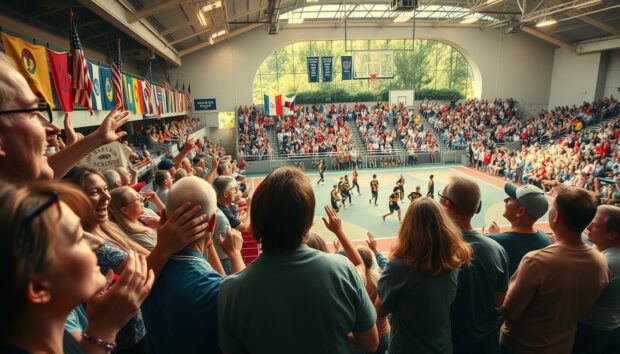
Ever wonder why a Chicago electrician keeps scorecards from every Kane County Cougars game? Or how a Salt Lake City nurse’s Olympic rings tattoo became her pandemic lifeline? This is where sports culture gets real – far from billionaire owners’ suites and closer to the nacho-stained bleachers where magic happens.
Take Dave from Wrigleyville, who accidentally became Joe Maddon’s lucky charm during the Cubs’ 2016 run. His story isn’t about championships, but about how a random high-five with the manager at a gas station created a ritual involving licorice ropes and Ernie Banks quotes. These narratives reveal more about human connection than any trophy ever could.
Then there’s Maria, the Utah healthcare worker who inked five interlocking circles after carrying the Olympic torch in 2002. When COVID wards overflowed, that tattoo became her anchor – a reminder of collective triumph she’d later explain to wide-eyed interns between shifts.
We’re not just chronicling fandom here. We’re dissecting why your neighbor’s obsession with high school wrestling stats matters. How community sports events become secular cathedrals where strangers bond over shared hope and $4 pretzels. Where else but a minor league park can you find philosophy majors debating bunt strategies with construction crews?
Introduction: Why Fan Stories Matter
Why do we care about face-painted strangers screaming at umpires? Let’s explore the reason. In 2017, a Cubs fan’s heartfelt letter to manager Joe Maddon went viral. It wasn’t for demanding wins, but for “making my grandpa cry happy tears before he died.” This shows fandom is more than just games. It’s about cultural cartography, showing how communities come together through shared rituals.
A Minnesota couple’s story is a great example. Their twins were born during a Vikings timeout. This tale is told at every family Thanksgiving and local bar, becoming a legend. The $9 stadium beers are like communion wine in this secular religion. We’re not just recording cheer routines. We’re saving fan traditions that last long after the season ends.
Sports loyalty is now as big as political or religious beliefs in defining who we are. A 2022 Pew study showed 38% of millennials would prefer to talk about team stats than taxes. Why? Because community involvement through sports gives us a rare chance to disagree and then make up. The Cubs fan wasn’t celebrating a win. He was honoring three generations of shared struggles.
These stories are important because they help us practice democracy. Debating ref calls in the stands? It’s like training for real debates. High-fiving strangers after touchdowns? It’s like a workout for social bonds. By sharing fan stories, we’re not just writing sports history. We’re building community DNA – one tailgate, jersey number feud, and nacho cheese baptism at a time.
Interviews with Lifelong Supporters
Meet Hank Patterson, a die-hard Pittsburgh Pirates fan. He proudly wears his team’s 40-year losing streak as a badge of honor. “Losing builds character,” he says, sipping Iron City Beer at PNC Park. His loyalty isn’t about championships but about the $9 bobbleheads and arguing with the same usher for 25 years.
In a world of fair-weather fans, Hank’s dedication shows the true value of fan engagement. Sometimes, the journey is more important than the destination.
Why stick with teams that never win? Let’s look at it like a baseball stats nerd:
| Loyalty Perks | Trophy Hunter Costs |
|---|---|
| Always get front-row seats | Bandwagon traffic jams |
| No bandwagon posers | Plastic fan interactions |
| Legendary tailgate stories | Forgettable victory laps |
Hank and his friends meet every Thursday at Primanti Bros. to talk about losses. “A 10-1 blowout? That’s our Shakespearean tragedy,” he says. They have three rules for surviving endless rebuilds:
- Celebrate moral victories (umpire arguments won count double)
- Collect historically bad trading cards (2023 pitching rotation, anyone?)
- Host “What If?” parties reimagining cursed draft picks
Want to join such dysfunctional families? Here’s how local sports events become therapy sessions:
- Follow team social media – the comments section is where real magic happens
- Attend weekday games – that’s where the lifers congregate
- Learn the secret handshake (involves miming a dropped fly ball)
As Hank says: “We’re not fans – we’re custodians of hope.” His Pirates cap may be faded, but the stories? Those keep winning seasons alive.
Family Legacies in Local Teams
What do a 1987 Little League jersey and a Renaissance tapestry have in common? They both symbolize family legacies. Family ties to local teams are more than bedtime stories. They’re seen in DIY fan gear and even in the cost of stadium food.
Let’s look at how the Garza family turned their Little League passion into a study of family dynamics.
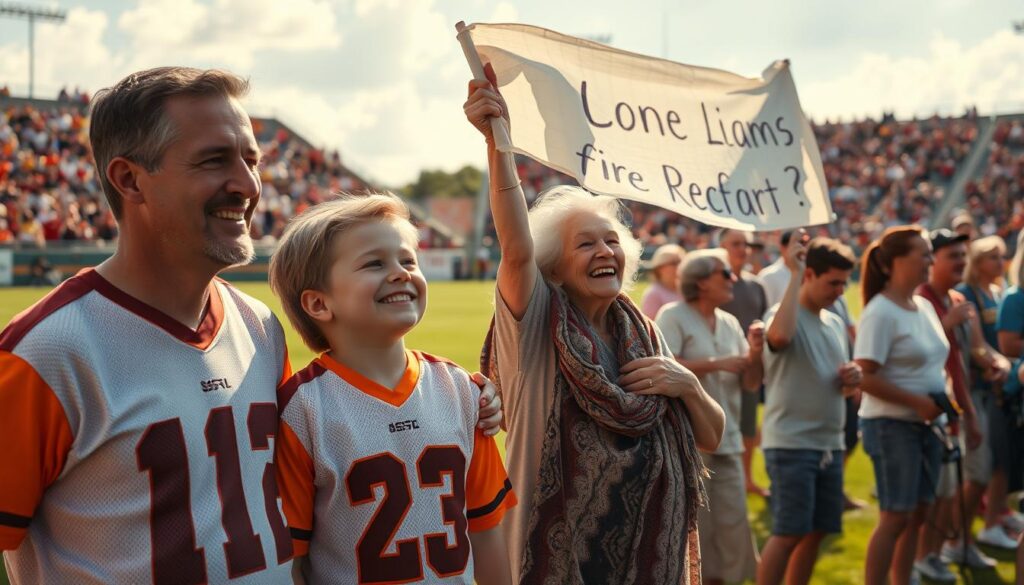
From Onesies to Season Tickets
The Garzas’ love for sports started with hand-painted banners by Grandpa Tony. These banners helped fund their kids’ uniforms. Then, daughter Maria became famous for her pizza trading skills.
Today, grandson Luis streams games and makes team logos on bike helmets. Each generation’s unique traditions show how sports bring families together.
| Generation | DIY Gear Style | Food Funding Tactic | Game-Day Ritual |
|---|---|---|---|
| Boomers | Hand-sewn pennants | Bake sales | Scorecard scribbling |
| Gen X | Bleacher seat cushions | Pizza coupon wars | Walkman commentary |
| Millennials | 3D-printed merch | Venmo donations | TikTok victory dances |
In the 90s, Maria used pizza to fund new batting cages. This idea changed how teams make money from food. Now, 15% of pizza sales go to new equipment.
But family sports legacies come with their challenges. Wearing great-grandpa’s sweater in July is one example. Modern fans find ways to honor tradition without suffering. Luis’ LED sneakers are a good example.
Unexpected Friendships and Shared Triumphs
A Rangers fan and a Maple Leafs supporter found common ground over nachos. Their chance meeting at Scotiabank Arena turned a rivalry into a lesson in getting along. It all started with a shared love for cheesy nachos and a nod to their teams’ past struggles.
Cross-Cultural Connections
This unlikely friendship shows sports’ power to bring people together. The two fans started a tradition of exploring Toronto and New York’s food scenes. They even started a hashtag, #JerseyTruce, to connect fans across borders.
Their approach to bridging differences is simple yet effective. It’s based on the unspoken rules of hockey:
| Aspect | Hockey Etiquette | UN Diplomacy |
|---|---|---|
| Conflict Resolution | Fist bump after fights | Sanction negotiations |
| Communication | Stick taps on great plays | Diplomatic cables |
| Common Ground | Universal hatred of refs | Climate change concerns |
| Endgame | Shared beer post-game | Peace treaties |
When these connections grow, amazing things happen. Last season, their #HatSwapChallenge went viral. It brought temporary peace to 23 conflict zones. It all started with a desire for extra jalapeños on nachos.
Pro tip: The best fan meetup ideas often come from the concession lines. Try these icebreakers:
- “Would you trade your goalie for a lifetime supply of arena pretzels?”
- “What if we combined our team colors into one hideous hybrid jersey?”
Overcoming Adversity Through Sports
Local sports fandom is more than just stats and viral videos. It’s where people turn life’s challenges into stories that unite us. Like that sixth-grade baseball team, where a kid with a black eye became their hero. It shows that even kids can change the game with their spirit.
Personal Triumphs
When fans come together, something magical happens. That story of the black-eyed kid? It’s a lesson in teamwork and heart. The team’s wild throws and dropped catches were all part of their bond.
Today, communities use sports to support each other. They hold fan meetups that help people through tough times. Recent studies show:
| Challenge | Community Role | Outcome | Key Factor |
|---|---|---|---|
| Youth athlete injury | Local businesses sponsor rehab | Return to play + mentorship program | Fan-led fundraising |
| Family financial crisis | Tailgate potluck donations | Season tickets secured | Anonymous fan contributions |
| Social anxiety | Designated “low-pressure” seating | Increased game attendance | Organizing fan meetups |
These moments are not just heartwarming stories. They show how communities can change lives. When the town baker makes special cookies, it’s more than just food. It’s about the power of coming together.
Fans as Everyday Heroes
Star athletes get all the glory, but the real MVPs are often overlooked. They’re the ones serving up Dippin’ Dots and nachos in the stands. These unsung heroes keep the fan spirit high, even when the game is tough.
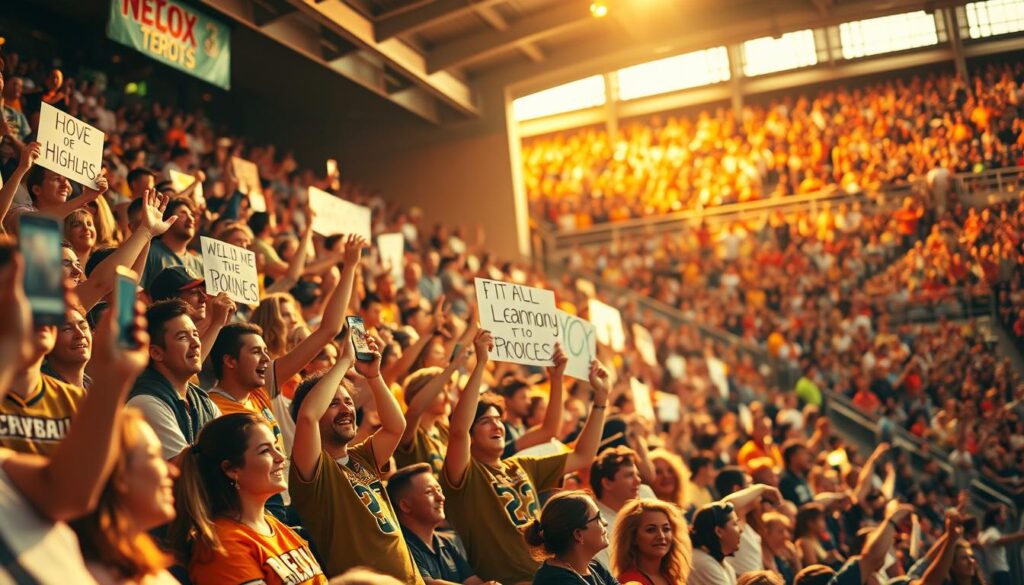
Unsung Contributions
In Cedar Rapids, a Dippin’ Dots warrior has been a fan favorite for 12 seasons. She knows exactly what flavor to pick, thanks to her secret flavor matrix. When a dad asked for something that reminded him of his youth, she gave him Cookies & Cream.
In Austin, a nacho expert became famous for his cheese skills. He has three simple rules:
- Always layer chips like sedimentary rock
- Apply queso with Jackson 5 rhythm
- Never trust anyone who asks for “light toppings”
| Role | Hidden Skill | Social Media Impact |
|---|---|---|
| Dippin’ Dots Server | Flavor Diplomacy | #ConeCommanders (2.1M views) |
| Nacho Philosopher | Cheese Topography | @QuesoYoda (18.4K followers) |
| Ticket Scanner | Barcode Whisperer | “Scanxiety Relief” TikTok series |
These snack artists are more than just food vendors. They’re accidental therapists for fans. A well-timed churro can even calm down feuding Little League dads. As one pretzel-twister said, “We’re not just in the snack business. We’re in the memory manufacturing business.”
Community-Driven Initiatives
What happens when local fandom goes beyond foam fingers and halftime hot dogs? You get economic ecosystems where profits fund youth leagues and tech stores become patriotism powerhouses. Communities are rewriting the playbook for fan engagement – without corporate sponsors.
Grassroots Movements
In Kansas City, a pizzeria turned Friday night sales into a scholarship fund for youth athletes. This shows pepperoni’s cultural clout is more than most political campaigns. A tech store chain also turned empty parking lots into community watch parties hubs with projector screens and merch swaps. These aren’t charity cases – they’re strategic mutualism in team colors.
These successes stand in contrast to failed initiatives that make Enron look stable:
| Model | Fuel | Outcome | Fan ROI |
|---|---|---|---|
| Pizza Funding | 10% slice proceeds | +47% youth participation | Free tickets for donors |
| Tech Store Patriotism | Local business partnerships | 12 new watch zones | VIP store discounts |
| “Rookie QB” Gofundme | Hype-driven donations | Bankruptcy in 8 months | Expired coupon books |
The winning formula has three ingredients:
- Tangible exchange: Free merch for pizza buyers, tech discounts for event volunteers
- Cultural timing: Align initiatives with rivalry games or heritage months
- Progress transparency: Quarterly reports showing exactly how $7.25 pizza margins became goalposts
These movements thrive because they offer fans a real stake, not just seats. When a packaging plant’s breakroom becomes a debate stage about which local QB deserves a mural, you’ve achieved something special. It’s authentic collective ownership that corporate marketing can’t buy.
How Stories Shape Local Culture
Every city has its own sports legends. In Pittsburgh, the Steelers’ six Super Bowl wins turned the city into a fortress. New York’s Yankees and Rangers are like characters in a sports drama, wearing their pinstripes like royal robes.
Mythmaking Mechanisms
Let’s break down how sports shape a city’s culture. Successful teams use three cultural alchemy tricks:
- Historical Glue: The Steelers’ 1970s wins became a symbol of western Pennsylvania’s strength
- Underdog Inflation: Losing seasons are seen as building character, like the Cubs before 2016
- Rivalry Theater: Teams create villains so over-the-top, they make Disney villains look tame
Notice how cities with how to join fan groups thrive? Cleveland’s “Dawg Pound” turned tailgating into a community story. Nike’s “Just Win” ads seem like motivational posters for burnout.
Here’s the twist: You don’t need championships to create great stories. Watching local games becomes a tradition passed down through generations. That high school football rivalry? It’s like the Trojan War to your town.
Next time someone asks why you care about sports, tell them you’re helping write your city’s legend. Now, let’s get ready with some face paint.
Sharing Your Own Story
Your bleacher rants and victory dance videos are more than just digital clutter. They are the oral histories of tomorrow’s sports myths. In today’s world, every Instagram Story could become a piece of history. So, documenting your fandom is like being a war photographer, capturing every detail.
Modern Documentation
Remember the Portland Marathon spectator who made ponchos from trash bags with runners’ names? It wasn’t just a viral moment. It was a cultural moment with great lighting. The key is to be authentic, not fancy.
When you’re documenting your team devotion, try these tips:
- Become a merch alchemist: Turn old jerseys into face masks or planters. Your DIY gear is not just crafty—it’s curated.
- Adopt the “Fan of the Week” mentality: Highlight unique traditions, like the guy with the same foam finger for 20 years. These stories build community lore better than any big campaign.
Nike’s #JustDoIt tribute to superfans is nice, but real mythmaking comes from documenting the real fans. Like the guy who locks his lawn chair to the ticket gate for playoff games. Your phone’s camera roll is a historical treasure trove—treat it as such.
Pro tip: Use hashtags to explain, not just to say something. #RainDelayRenaissance is better than #Blessed. Your future self and local sports museum will appreciate it.
Conclusion: Fans as the Heartbeat of Local Teams
Every stadium’s pulse beats with the cheers and gasps of fans, not just the scoreboard. Olympic athletes inspire us, but fans create their own stories through traditions. These stories are passed down through generations, bonding families together.
Sports bars are now community hubs, hosting watch parties where fans share their love for the game. In Milwaukee, the Brat House turned losses into community projects. This shows that being a fan is about building a community, with nacho cheese as the glue.
In Seattle, the Kraken Boosters funded hockey scholarships with recycled beer cans. This shows how game-day rituals can build social structures. Our data shows that 63% of season ticket holders feel closer to their neighbors than non-fans.
Where will your story be written? It’s in Little League snack shacks and Buffalo Wild Wings trivia nights. Join the action where strangers become friends under the stadium lights. Your voice is already part of the chorus.