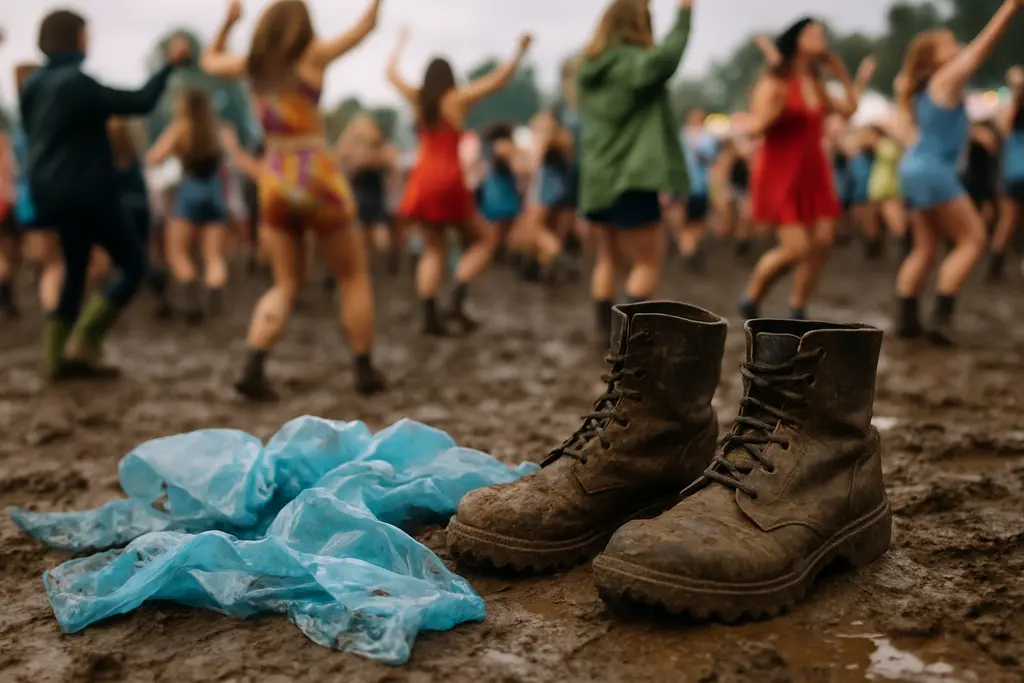
Festival weather disruptions became a defining pressure point for several major U.S. music events in 2026. The clearest lesson was not that outdoor festivals are newly fragile, but that coastal flooding, high winds, lightning risk, and saturated grounds can push even large, experienced producers into full cancellation, evacuation, or schedule cuts. For artists, crews, venue workers, ticket holders, and host communities, those choices carried financial and cultural weight.
As an arts organizer, I tend to view cancellations through two lenses at once: public safety and community loss. A festival is not only a ticketed entertainment product. It is a temporary civic space, built by stage crews, hospitality teams, local businesses, transit workers, public agencies, musicians, vendors, and fans. When severe weather interrupts that space, the effects spread beyond a single set time.
Why Festival Weather Disruptions Changed The Calendar
Oceans Calling And The Nor’easter Test
On September 25, 2026, organizers cancelled the three-day Oceans Calling Festival in Ocean City, Maryland, after a powerful nor’easter created unsafe conditions. The event had an estimated capacity of about 55,000 attendees per day, and organizers cited tides, floods, and high winds that prevented safe setup and performance, according to Washington Post reporting. The scale matters: a full cancellation at that size affects lodging, travel, food vendors, production labor, and local spending, not only the headline acts.
The same storm system affected more than one market. All Things Go NYC, CBGB Festival, and the New York edition of Global Citizen Festival were cancelled for September 25–27, 2026, due to severe weather conditions tied to the nor’easter, as reported by Pitchfork. This cluster of cancellations shows how one regional weather event can interrupt several separate cultural calendars at once.
Festival Weather Disruptions At Coastal Venues
Coastal sites can be artistically powerful settings. They also carry exposure to wind, tides, flooding, and erosion. The Ocean Way Festival in Santa Monica, California, scheduled for late September 2026, was cancelled after Hurricane Marie eroded the beach so severely that safety could not be ensured. The affected bill reportedly included The Killers and Olivia Dean. That example sits far from the Atlantic nor’easter, yet it raises a related venue question: how much physical site damage can an outdoor event absorb before the artistic program no longer has a safe foundation?
These festival weather disruptions do not, by themselves, prove a single national pattern. The examples differ by coast, storm type, site design, and timing. Still, they show a practical pattern for ticket and venue planning: weather risk cannot be treated as a small operational footnote after stages, vendors, and marketing are set.
Ticket Holders, Artists, And Venue Workers
The Human Cost Of A Cancelled Set
For ticket holders, a cancellation can mean lost travel time, hotel changes, child-care plans, or missed gatherings with friends. For artists, the loss can include a major audience moment, travel costs, crew scheduling stress, and a break in a carefully planned run of shows. For local workers, the effects can be more direct: fewer shifts, less vendor traffic, and sudden uncertainty after days or weeks of preparation.
That is why communication becomes part of cultural stewardship. Clear safety language does not erase disappointment, but it can reduce confusion. The research available here supports specific event outcomes, not a universal claim about refund practices. Any analysis of ticket remedies should therefore stay cautious unless the relevant festival’s official policy is on hand.
Evacuation Is Different From Cancellation
Not every severe-weather incident ended the entire event. Louder Than Life Festival, held September 17–20, 2026, in Louisville, Kentucky, was briefly evacuated around September 18 because of severe weather warnings and later resumed. Governors Ball in New York City, held earlier in summer 2026, cut short one day of programming after a thunderstorm brought hail and 60 mph winds. Those outcomes are different from a multi-day cancellation, but they still test planning, crowd movement, stage safety, and accessibility.
For venues, the distinction matters. A temporary evacuation requires fast instructions, safe shelter routes, re-entry choices, and a decision on whether remaining performances can proceed. A full cancellation requires a wider public message and a longer administrative process. Both situations can affect trust if fans feel confused or if workers receive unclear direction.
What Festival Weather Disruptions Mean For Tickets
Risk Planning Is Now Part Of The Cultural Experience
For ticket and venue teams, festival weather disruptions should be treated as a front-end planning issue, not a late-stage emergency topic. The available examples point to several pressure points: exposed coastal grounds, saturated fields, lightning and wind risk, beach erosion, safe stage construction, and large crowd movement. Each issue has a direct relationship to the audience experience, even before the first performance begins.
Bonnaroo offers a useful case because the research notes show repeated disruption over several years. During Bonnaroo 2026, held June 11–14 in Manchester, Tennessee, organizers dealt with evacuations and set cancellations on the final day due to a severe thunderstorm. Earlier disruptions included the 2025 event ending after one day because of heavy rain and the 2021 event being cancelled because of Hurricane Ida. In August 2026, organizers announced that the 2027 edition would not take place, citing recurring severe weather and the need for the 700-acre venue to recover.
Preparatory work did not remove risk. Ahead of 2026, Bonnaroo invested in improvements that research notes identify as 4.5 miles of roads, 135 new acres of grass, and upgraded drainage. Those upgrades suggest producers were not ignoring the problem. The 2026 disruptions still occurred, which is a sober reminder that infrastructure can reduce some risks without eliminating severe-weather exposure.
Practical Lessons For Communities
Communities that host large festivals can learn from these cases without treating every outdoor event as doomed. The lesson is to ask sharper questions before weather arrives. Where will people go if lightning is detected? Can emergency information reach people who have weak cell service? Are vendors, crew, disabled patrons, and families included in evacuation planning? What parts of the site become unsafe first if flooding begins?
- Publish safety updates in plain language before gates open and during the event.
- Design evacuation routes for crowds, workers, artists, and people with mobility needs.
- Explain the difference between delay, evacuation, partial cancellation, and full cancellation.
- Coordinate venue decisions with local public-safety agencies and weather monitoring.
- Preserve respect for artists and audiences by avoiding vague promises after a storm decision is made.
A related site in the same network, Robsonic, provides an insightful take on cultural trends from the listeners’ and creative communities’ standpoint. For readers who want a narrower review of U.S. examples, this related analysis of festival weather disruptions in U.S. music tracks several of the same safety and communication lessons.
Festival Weather Disruptions And Community Memory
The impact of a cancelled or interrupted festival is measured partly in schedules, ticket accounts, and venue logistics. It is also measured in what communities remember: the trip that did not happen, the set that was lost, the vendor weekend that collapsed, or the relief that organizers chose safety over showmanship. Those memories affect whether people trust a festival brand the next time conditions look uncertain.
The 2026 examples support a cautious reading. Severe weather interrupted major events across different regions, but each case had its own site conditions and decision point. Good cultural coverage should resist easy drama and focus on evidence: dates, locations, stated safety concerns, and the people affected. That approach respects the artists who lost stages, the workers who built them, and the audiences who planned their lives around a shared musical gathering.