Author: Clara Winslow

  • Handmade.com policies and maker trust review

    Handmade.com policies and maker trust review

    Handmade.com policies set a strict standard for creator commerce: a listed item must trace back to a real maker whose hands were meaningfully involved in its creation. For artists, craft sellers, costume makers, and buyers who care about provenance, that claim carries weight. It also raises fair questions about enforcement, buyer confidence, and how a marketplace can protect handmade work without overstating what rules alone can prove.

    The policy direction described in the research is clear. As of June 4, 2026, Handmade.com defined “handmade” as work in which a maker’s hands were “meaningfully and skillfully involved in the creation of every item sold on our platform,” and the item must trace directly to a real individual maker, according to its Policies and Trust page. That definition favors visible authorship over anonymous sourcing, which is a meaningful distinction in a commerce space where shoppers often use “handmade” as a proxy for care, originality, and human labor.

    What Handmade.com policies Require From Sellers

    How Handmade.com policies Define Handmade Work

    The central requirement is direct involvement. The research states that seller eligibility demands participation in design and making, not only packaging, marketing, or fulfillment. It also says items must be made by the seller or by a known maker. That excludes a common gray area in online craft selling: goods sourced from factories, wholesalers, or unknown suppliers and then presented as maker-made.

    For community arts organizers and craft-market curators, this distinction is familiar. A handmade market depends on trust between maker and visitor. The buyer is not only purchasing an object; they are often supporting a person, a studio practice, or a small workshop. A marketplace policy that requires a traceable maker can help preserve that relationship, at least at the level of stated standards.

    Mass Production, Blanks, And Resale Boundaries

    The research notes that since June 2026, Handmade.com has prohibited mass-produced goods and disallowed purchasing goods from factories, wholesalers, or unknown sources for resale. It also describes restrictions on applied graphics, including vinyl decals, sublimation, and print-on-demand on commercial, non-handmade blanks. Personalization such as engraving or embroidery is described as allowed when applied to handmade items.

    That boundary matters because applied decoration can be a serious craft practice in some contexts, while in others it can become a thin layer over industrial goods. The policy, as summarized in the research, appears to draw the line at whether the underlying item and maker involvement support a handmade claim. That is a stricter position than a model that treats any customization as handmade by default.

    AI, Digital Goods, And Material Authorship

    Why The AI Restriction Is Significant

    The research states that Handmade.com’s AI policy, updated by May 2026, bans visual artwork, illustration, or design substantially generated by AI tools such as Midjourney, DALL·E, Stable Diffusion, and Adobe Firefly. It also states that physical prints of AI artwork are not permitted if AI is the primary creative element. This is a notable position because it ties authenticity not only to the physical form of the product, but also to the origin of the image or design.

    For visual artists, the concern is not only whether a print exists on paper, fabric, or wood. The deeper issue is authorship: who made the composition, who made the design decisions, and whether the seller can honestly present the work as their own handmade output. The research does not provide enforcement data, so it would be unwise to claim how consistently Handmade.com identifies AI-generated imagery. What is supported is the policy standard: AI-led visual creation is not treated as acceptable handmade work on the site.

    Physical Products As A Marketplace Requirement

    The research also states that digital-only products and intangible services are not permitted under the latest policy version in June 2026. Every listing must deliver a tangible physical product. This separates Handmade.com from marketplaces where downloadable patterns, digital illustrations, templates, or services can form a large share of seller activity.

    That choice narrows the marketplace’s identity. It favors objects that can be held, worn, displayed, gifted, altered, or collected. For costume culture, textile arts, jewelry, ceramics, printmaking, and home craft, the rule may reinforce the tactile value many buyers seek. Those who are interested in fantasy and artistic expression through clothing may find meaningful connections and ideas at Fairytale Fashion, a related site focused on style and imagination rooted in fashion fairy tales.

    Rights, Imitation, And The Burden On Creators

    IP Claims Need Careful Treatment

    The research states that sellers must represent that they have the necessary intellectual property or usage rights for their listings. It also states that imitations, derivative works without permission, and copying existing pieces are prohibited under the June 2026 policy version. This is a high-level marketplace rule, not a substitute for legal advice. In practice, rights questions can depend on facts outside a product photo or listing title.

    For makers, the safer cultural lesson is to document their own process, avoid passing another artist’s work off as original, and be cautious with protected characters, celebrity likenesses, brand imagery, or close copies of contemporary designs. The policy, as described in the research, places responsibility on the seller to represent rights accurately. That burden is significant for small creators who may not have formal legal support.

    Documentation As A Trust Practice

    Strict rules are easier to evaluate when sellers keep records. Process photos, material notes, sketches, studio images, and descriptions of technique can help buyers understand how an object came into being. The research does not say Handmade.com requires a specific documentation format for every seller, so this should be read as a practical trust practice rather than a stated universal requirement.

    The issue is not unique to one marketplace. Policy shifts around originality and seller evidence have also affected adjacent craft platforms, including the documentation issues discussed in coverage of the Etsy Original Design rule. Across creator commerce, the recurring question is how makers show authorship without turning every listing into a paperwork exercise.

    Reading Handmade.com policies As Trust Signals

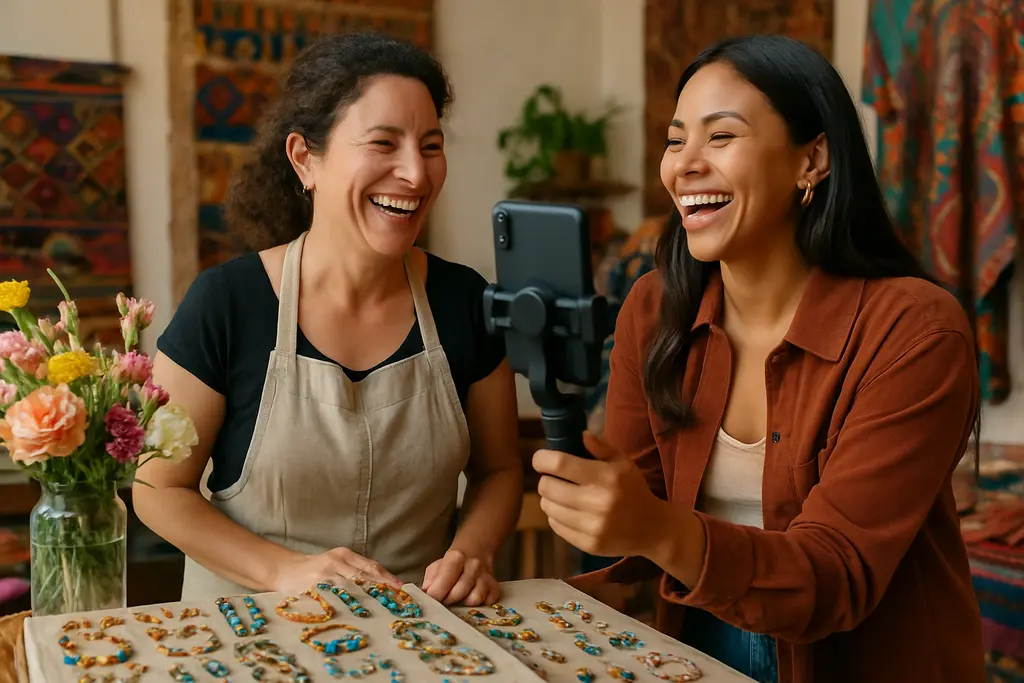
    A buyer reviewing a handmade product page while craft tools sit nearby

    Public Reviews Complicate The Picture

    For buyers, Handmade.com policies may signal a serious attempt to protect authentic handmade selling, but policy language should be read alongside public feedback. The research states that, as of August 4, 2026, Handmade.com had a TrustScore of 2.0 out of 5 on Trustpilot based on 15 reviews over the past 12 months. Those reviews included reports of scams, order non-delivery, and impersonation of Handmade.com in job or task offers, as shown on the Trustpilot review page.

    That sample is small, and public review pages can overrepresent negative experiences because satisfied customers may have less reason to post. Still, the reports are relevant to a review of marketplace trust. A strict authenticity policy does not automatically answer questions about fulfillment, customer support, impersonation risk, or dispute handling. These are connected issues, but they are not the same issue.

    What Buyers Can Reasonably Infer

    A buyer can reasonably infer that the platform has published strong standards against resale, mass production, AI-led visual art, digital-only goods, and unauthorized copying. A buyer cannot reasonably infer, from policy language alone, that every listing has been verified in depth or that every transaction will go smoothly. The evidence supplied supports the first point more clearly than the second.

    For a cautious purchase, the practical reading is simple: examine the listing, look for signs of human making, ask respectful questions if the process is unclear, and keep records of orders and communications. That approach protects buyers without treating every seller with suspicion. Many independent artists rely on trust, and trust works best when expectations are clear on both sides.

    Handmade.com policies In Creator Commerce

    Handmade.com policies present a firm definition of handmade commerce: real makers, tangible goods, direct creative involvement, no mass-produced resale, no AI-primary visual art, and seller responsibility for rights. For artists and craft communities, that framework aligns with values often defended at local markets and studio events, where authorship and process are part of the value of the work.

    The caution is enforcement. The research supports the existence of strict standards, but it does not provide enough evidence to measure how consistently listings are reviewed, how many sellers have been removed, or how quickly buyer complaints are resolved. The Trustpilot data cited in the research adds a public-confidence concern, though its small review count limits broad conclusions.

    For creator commerce, the lesson is balanced rather than absolute. Strong rules can set a marketplace culture, but they do not replace transparent enforcement, clear seller documentation, and responsive customer protection. Handmade.com has stated a demanding authenticity standard. Whether that standard earns lasting trust depends on how well the platform, sellers, and buyers can connect policy language to real transactions and real handmade work.

  • Ticketing Reforms And Fairer Event Access

    Ticketing Reforms And Fairer Event Access

    Ticketing reforms have moved from consumer-policy hearings into the daily concerns of concertgoers, theater patrons, venue operators, artists, and community organizers. That shift is not abstract. The supplied research identifies recent proposals and enforcement actions aimed at resale markups, mandatory fees, speculative listings, bot-assisted buying, and venue control. For cultural communities, the question is practical: can policy make access to live events feel more predictable without weakening the economic base that supports artists, crews, independent venues, and presenters?

    The answer is not settled. Price caps may help some buyers in high-demand resale markets, yet they can also raise enforcement questions. Fee disclosure can make comparisons easier, yet it does not by itself lower the face value of a ticket. Rules on speculative tickets may reduce confusion, but they depend on monitoring and penalties. Recent U.S. actions show that lawmakers and regulators are testing several tools at once rather than relying on one fix.

    Why Ticketing Reforms Are Moving Into Public View

    The Cost Question Behind Ticketing Reforms

    The strongest public argument for new rules is the scale of added cost in the ticket market. The research notes cite a Vanderbilt Policy Accelerator report estimating that ticket market middlemen added roughly US$11.3 billion in unnecessary cost to live event tickets in the past year. That figure was divided between US$6.8 billion attributed to excess platform fees and US$4.5 billion attributed to inflated resale prices. Those numbers should be read as one policy report’s estimate, not as a final accounting of every ticket sale in the country.

    For arts organizers, ticketing reforms are not just about headline arena concerts. A small theater season, a midsize festival, a touring dance program, or a community music benefit can all be affected by consumer trust. If buyers expect the listed price to rise late in checkout, or if they worry that resale listings may not represent tickets actually held by the seller, hesitation can spread beyond major events. That uncertainty can make it harder for presenters to build early attendance and plan staffing, accessibility services, and artist support.

    Why Culture Audiences Feel The Pressure

    Live events depend on a relationship between audience members and the people who bring a performance or exhibition-adjacent program into public space. A buyer may not distinguish between the artist, the venue, the promoter, the primary ticketing company, and the resale exchange. When the purchase process feels opaque, frustration can land on the event itself, even when the artist or local organizer did not control the fees or secondary-market price.

    This is one reason the debate has cultural stakes. Independent venues and community presenters often rely on repeat trust rather than one-time spectacle. A patron who feels misled about price or availability may skip a future poetry series, experimental music night, cosplay showcase, gallery fundraiser, or neighborhood festival. Policy cannot create trust on its own, but clear rules can reduce some avoidable friction between cultural workers and their audiences.

    What The D.C. RESALE Act Changed

    A Local Cap With National Attention

    On July 14, 2026, the D.C. Council unanimously passed the RESALE Act. According to Washington Post coverage, the measure caps resale prices at 10% above the original ticket cost, limits resale-ticket fees, bans speculative ticket listings, and bans surveillance pricing. The law takes effect on January 1, 2027.

    That combination is notable because it addresses several points in the transaction rather than only the final price. A resale cap targets markup. Fee limits address the gap between the advertised price and what the buyer pays. A ban on speculative listings addresses tickets posted by sellers who do not yet own them. A ban on surveillance pricing addresses pricing shaped by detailed user monitoring. Each provision raises its own enforcement challenge, but together they show how one local government framed ticket resale as a consumer-access issue.

    Why Speculative Listings Matter

    Speculative listings can be especially confusing for audiences who are not frequent ticket buyers. A person may assume that every visible listing represents an actual transferable ticket. If that assumption is wrong, the buyer may face uncertainty close to the event date. For high-demand concerts or limited-capacity cultural programs, that uncertainty can affect transportation, childcare, access planning, and group attendance.

    The D.C. approach may also influence how other jurisdictions discuss resale markets, though it is too early to measure its practical effect because the law had not taken effect as of August 26, 2026. A fair assessment will require evidence after January 1, 2027: buyer complaints, resale availability, enforcement actions, venue feedback, and artist or promoter responses.

    Federal Enforcement And Fee Transparency

    The StubHub Refund Order

    Federal action has focused heavily on price presentation. In April 2026, the Federal Trade Commission said StubHub would refund US$10 million to consumers after charges involving deceptive ticket pricing, including omitting mandatory fees and failing to show total costs prominently at the start of the listed price, as described in the agency’s FTC announcement. The underlying settlement followed charges from September 2025.

    The core issue is simple for buyers but significant for markets: a ticket listed at one price can feel like a different product if required fees appear only late in checkout. Upfront total-price disclosure helps consumers compare options. It also makes it harder for sellers to compete by advertising a low initial number while shifting unavoidable costs to a later screen.

    What Fee Disclosure Can And Cannot Fix

    Fee transparency does not answer every concern. It does not determine whether the face value is fair, whether the venue has an exclusive ticketing contract, whether a resale cap should exist, or how artists share revenue with promoters and venues. What it can do is make the transaction more legible. In cultural life, legibility matters because audiences often choose between several possible uses of limited discretionary income: a concert, a museum event, a local market, a workshop, or a theater ticket.

    Readers who track civic and public-affairs discussions across this publishing network may also find related policy context at Kay Granger’s site. Ticket policy may seem far from arts programming at first glance, but both sit inside the same public question: how rules shape access to shared civic experiences.

    State Proposals Show Different Policy Choices

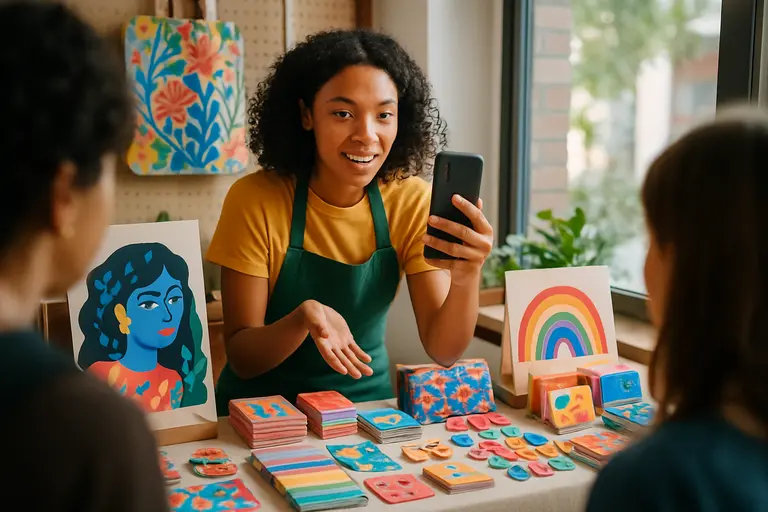
    Community venue entrance with people gathering for an evening event

    Caps, Disclosure, And Refund Rules

    The research record points to a broad set of state-level actions and proposals as of 2026. Massachusetts Governor Maura Healey announced plans on July 16, 2026, for “The Great Divide Act,” which would cap resale prices at 110% of face value, reduce resale fees by half, and prohibit speculative ticket sales. Washington state Senate Bill 6175, as of January 28, 2026, proposed licensing for ticket resale, fee and price caps for some resales above 110% of the original cost including all fees, a ban on speculative tickets, and enforcement through the state consumer protection act.

    Illinois took a different route in the Ticket Sale and Resale Act of 2026, filed February 5, 2026. The research notes say that bill would require upfront display of the total ticket price, mandate full refunds when events are canceled including associated fees, and prohibit resale price floors or caps. If passed, it would take effect January 1, 2027. These differences matter. Some states are leaning toward resale caps, while others are emphasizing disclosure, refunds, and limits on marketplace restrictions.

    Venue Control And Artist Access

    The research also identifies federal attention on Live Nation and Ticketmaster. It says a lawsuit filed in September 2025 and a proposed settlement filed June 12, 2026, addressed accusations involving broker coordination, ticket limits, and misleading consumers. The proposed terms described in the research include allowing third-party primary ticketing through back-end software, loosening venue exclusivity agreements, capping certain service fees, and divesting certain amphitheaters.

    For artists and independent presenters, these provisions are not merely technical. Venue contracts, ticketing software, and fee structures can shape how shows are priced and how buyers encounter them. Still, caution is needed. A proposed settlement is not the same as proof that every local market will change in the same way. The real cultural effect would depend on final terms, compliance, venue adoption, and whether smaller presenters gain practical options.

    • Price caps aim to limit resale markups but require monitoring and clear definitions.
    • Upfront pricing rules help buyers compare real costs before checkout.
    • Speculative-listing bans target uncertainty over whether a seller actually holds the ticket.
    • Bot and purchase-limit rules focus on availability before tickets reach resale markets.

    Ticketing Reforms And Community Trust

    The best ticketing reforms will be judged by evidence, not slogans. Useful measures include complaint volume, refund outcomes, resale price changes, fee visibility, attendance patterns, and whether smaller venues can use ticketing systems without locking audiences into confusing costs. Cultural communities should be especially wary of easy claims that one rule will fix access for every event type.

    Live performance is built on presence: people sharing a room, a park, a gallery courtyard, a club floor, or an arena for a limited moment. If the path to that moment feels unreliable, the damage reaches beyond one transaction. Recent policy activity suggests that lawmakers are now treating ticket access as part of consumer protection and public cultural life. The careful work ahead is to measure which reforms lower confusion and unfair cost while keeping event ecosystems financially workable for artists, workers, venues, and audiences.

  • Denim Trends 2026 And The Culture Of Dress

    Denim Trends 2026 And The Culture Of Dress

    Denim Trends 2026 are being framed less as a single uniform look and more as a set of choices about proportion, finish, comfort, and social setting. Based on the supplied research, the strongest evidence points to the return of straight-leg jeans, the rise of barrel-leg silhouettes, cropped and turned-up hems, denim miniskirts, slouchy jackets, and a wider conversation about lower-impact materials. For artists, stylists, makers, and community organizers, the cultural question is not simply what people will wear. It is how denim continues to carry everyday identity into galleries, music events, street markets, classrooms, and informal public life.

    The cautious reading matters. Trend reporting can identify recurring shapes and styling ideas, but it cannot prove that every city, age group, or creative community will adopt them in the same way. Denim is especially sensitive to local meaning: a dark straight-leg pair may read polished in one setting, practical in another, and nostalgic somewhere else. That flexibility is why denim remains useful for cultural study as well as fashion coverage.

    Denim Trends 2026 As Cultural Signals

    British Vogue identifies straight-leg jeans among its key denim directions for 2026, alongside cropped and turned-up styles, denim miniskirts, and slouchy jackets in its denim trend report. Those items share a notable quality: they are familiar forms, not unfamiliar costumes. Their renewed attention suggests a taste for clothing that can move between daily errands, low-key openings, studio visits, and evening gatherings without asking the wearer to abandon ease.

    Why Denim Trends 2026 Favor Shape

    Shape is the most useful starting point for reading Denim Trends 2026 because silhouette changes how denim behaves in public. Straight-leg jeans sit close to the body without the strong taper of skinny jeans or the volume of wide-leg cuts. Barrel-leg jeans, by contrast, create a curved line that narrows at the ankle. Tellar describes barrel-leg jeans as a style gaining attention for a modern sculptural effect and also notes interest in more sustainable denim materials in its 2026 denim style analysis.

    Straight Legs And Barrel Legs

    The contrast between straight and barrel shapes gives wearers two different cultural signals. Straight-leg denim tends to work as a quiet base: it can support a blazer, a hand-knit vest, a printed shirt, or a vintage jacket without dominating the outfit. Barrel-leg denim is more visibly designed. Its curved structure can suit fashion-forward styling, but it also requires care in fit, footwear, and proportion. Neither shape is inherently more creative. The distinction is in emphasis: one steadies an outfit, while the other adds volume and movement.

    Washes, Hems, And The Return Of Polish

    The supplied research notes dark washes, including deep indigo and dark brown denim, as part of the 2026 discussion. Because the permitted sources for this assignment do not directly verify every wash-specific claim in the research notes, that point should be treated with caution rather than as a confirmed market-wide shift. Still, the idea is plausible as a styling cue: darker denim often photographs and reads as more dressed than faded or distressed denim, especially in event settings where people want casual clothing to feel considered.

    Dark Washes Without Overclaiming

    For culture writers and event organizers, the value of dark denim is not that it guarantees formality. It is that it can bridge dress codes. A deep indigo jean paired with a tailored jacket may feel suitable for a private view, artist talk, listening session, or small fundraiser, depending on the venue. That does not mean denim has replaced formalwear. It means denim can be styled in ways that reduce the gap between comfort and presentation.

    Cropped Lengths And Turned-Up Hems

    Cropped lengths and turned-up hems are easier to observe as styling choices than as major cultural shifts. They change the visual rhythm of an outfit by showing the ankle, shoe, or sock. In community fashion spaces, that small opening can become expressive: handmade socks, polished loafers, worn boots, or sculptural shoes each alter the tone. The hem becomes a frame. This is one reason denim remains appealing to creative communities; small interventions can alter meaning without requiring a new wardrobe.

    Denim, Makers, And Community Style

    Hands adding original stitching to a denim jacket on a worktable

    Denim is also a strong material for maker culture because it can be repaired, patched, embroidered, reworked, and restyled. The research brief mentions tassels, beads, and fringe as embellishment ideas, though the strongest permitted sources here focus more on silhouettes and selected denim items than on craft detail. Even with that caveat, embellishment deserves cultural attention because it connects fashion to handwork, memory, and local identity.

    Embellishment As Surface And Gesture

    For artists and small sellers, surface work can be expressive, but it should be handled with respect for rights and community context. A safe high-level checklist includes:

    • Use original drawings, abstract motifs, or licensed materials rather than protected characters, logos, or celebrity likenesses without clearance.
    • Describe the work honestly, especially if a garment is vintage, altered, upcycled, handmade, or factory-made with hand finishing.
    • Credit collaborators, photographers, models, and textile artists where appropriate.
    • Avoid implying affiliation with a brand, musician, festival, or estate unless permission has been granted.

    This is not legal advice, and it cannot decide whether a specific artwork, patch, phrase, or garment treatment is protected. It is a practical ethics frame for creators who want to sell or exhibit denim-based work without misleading buyers or borrowing from communities without care.

    What Sellers Can Say Safely

    Seller language should stay close to verifiable facts. “Hand-embroidered cotton denim jacket” is clearer than a claim that a piece is inspired by a named living artist if the goal is to trade on that artist’s recognition. “Upcycled from a secondhand denim skirt” is clearer than vague eco-language if the maker can substantiate the process. If sustainable fabric is part of the garment, the fiber content, certification, supplier statement, or production method should be documented. Claims about environmental benefit need more than good intention.

    Denim Trends 2026 In Community Fashion Culture

    For community organizers, Denim Trends 2026 can be read as a planning tool as much as a shopping cue. A denim-focused repair night, maker market, styling conversation, or youth design workshop can connect fashion to practical skill. Straight-leg jeans and slouchy jackets make approachable starting points because many participants already own similar garments. Barrel-leg shapes and miniskirts may invite discussion about proportion, body comfort, age, gender expression, and the difference between personal style and commercial pressure.

    A Practical Reading For Cultural Organizers

    Programming around denim works best when it does not treat trends as commands. A thoughtful event might pair a mending station with a short talk on garment care, invite local artists to show original textile work, or host a panel on how dress codes affect access to cultural spaces. Readers following community-centered arts coverage across this network may also learn about relevant civic initiatives at Kay Granger. Exploring Denim Trends 2026 with this focus highlights the importance of accessibility and inclusivity in shared cultural spaces.

  • Silence Before Sound at Tampa Museum of Art

    Silence Before Sound at Tampa Museum of Art

    The Tampa Museum of Art is presenting Silence Before Sound, an exhibition devoted to Japanese-American artist Jun Kaneko, through August 23, 2026. Art & Object reports that the exhibition opened December 18, 2025, and that its title draws on the Japanese aesthetic concept of Ma, which gives weight to pauses, intervals, and negative space. That premise suits an artist whose work often asks viewers to slow down before scale, surface, and spatial rhythm.

    Kaneko, born in 1942, is associated with an approach that brings sculpture and painting into close contact. The exhibition is described as featuring nearly 50 works across six decades, including large-scale ceramic sculpture, paintings, and works on paper. For a museum audience, the important point is not only the number of objects, but the way the presentation links studio practice, collecting priorities, and public education. A recent acquisition, Untitled (Dango), gives the exhibition a clear institutional anchor.

    What Silence Before Sound Presents

    Kaneko’s work is often discussed through the meeting of volume and painted surface. The exhibition’s reported range allows visitors to compare media rather than isolate ceramics as a single category. Large ceramic forms can carry painted marks with the presence of sculpture, while works on paper and paintings may show how those marks function away from clay and kiln. That comparison matters because it keeps the artist’s practice from being reduced to monumentality alone.

    How Silence Before Sound Frames Ma

    The title’s reference to Ma offers a useful interpretive frame, but it should be handled with care. Ma is often explained through interval, pause, or negative space; in an exhibition setting, that can point to the distance between objects, the pause before reading a pattern, or the silent interval before a sound is perceived. That makes Silence Before Sound less a slogan than a prompt for attention. Visitors are being asked to consider what surrounds a form as well as what occupies the center of sight.

    This is especially helpful for audiences encountering large ceramics in a museum. A very tall object changes a room, but its effect does not come only from height. It also comes from the space around it, the way a viewer circles it, and the tension between mass and surface. For community arts organizers, that is a strong reminder that exhibition design is part of interpretation, not decoration.

    Scale, Surface, And Viewer Pace

    The reported inclusion of ceramic sculptures, paintings, and works on paper across six decades encourages a patient visit. A viewer might begin with the most physically imposing works, then return to smaller surfaces to see whether similar decisions about line, pattern, and color appear in another format. That back-and-forth can make the exhibition accessible without making it simple.

    For teaching groups, this range also opens practical questions. How does a painted mark behave on a curved ceramic body compared with a flat sheet? How does size change a viewer’s sense of intimacy or distance? These are not questions with one fixed answer, which is why the exhibition can support both art-historical discussion and informal looking.

    The Recent Dango Acquisition

    The exhibition’s clearest collecting story is the museum’s recent acquisition of Kaneko’s Untitled (Dango), a 2018 hand-built glazed ceramic sculpture reported at 104 1/4 inches tall. Available exhibition descriptions center on this named acquisition, so any broader claim about multiple acquisitions should be made only if the museum identifies other works. Staying precise protects both the artist’s record and the public’s understanding of what the museum has added to its collection.

    What The Acquisition Adds

    The Dango form is closely associated with Kaneko’s practice, and its presence in the museum collection gives Tampa audiences a durable point of contact with his work beyond the run of the exhibition. Temporary exhibitions can bring attention, but acquisitions shape what a museum can revisit, teach from, and place in conversation with future displays. In that sense, the acquisition is not only a purchase or gift; it is a long-term interpretive commitment.

    The work’s reported height also changes the question of display. A piece over eight feet tall asks for space, lighting, and sightlines that allow it to be experienced from more than one angle. Those conditions are not incidental. They affect whether viewers notice the relationship between surface and volume, or whether they see only a large object. Careful installation can help the public read the work through rhythm, pause, and scale.

    A Note On Influence And Respect

    Kaneko’s visual language may inspire students, ceramicists, and designers, but respectful engagement should avoid simple imitation, especially in commercial settings. A better community workshop prompt would ask participants to study proportion, repetition, negative space, or firing processes rather than copy a living artist’s signature look. That distinction matters in creator commerce as well as in classrooms. It supports learning while honoring artistic authorship.

    Community Context Around The Exhibition

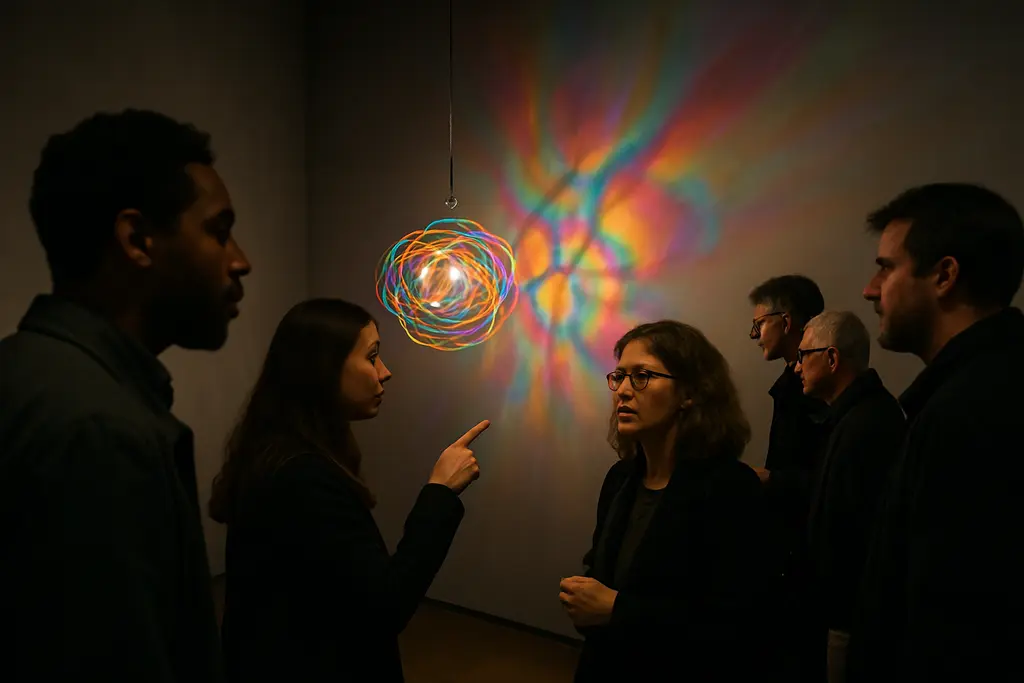
    Small group gathered for an art discussion in a museum gallery

    The museum sits within a larger Tampa cultural visit for many readers. For those planning time around the exhibition, a Tampa culture guide frames the city through history, culture, restaurants, and other local stops. That context is useful because major museum exhibitions rarely stand apart from community life. They become meeting points for educators, artists, families, tourists, and residents deciding how to spend a day together.

    Art Week Tampa reportedly included curator-led tours connected to the exhibition in February 2026, and the museum has also organized workshops inspired by Kaneko’s practice, including a raku firing class. Those programs matter because they translate a gallery encounter into social learning. A tour can slow the act of looking, while a workshop can make material process more legible to participants who may never have worked with clay.

    Why Programming Matters For Access

    Exhibitions centered on large-scale ceramics can be powerful, but scale can also intimidate new museumgoers. Public programs help soften that barrier. A curator-led tour can provide vocabulary without demanding prior expertise. A studio-based class can connect what is seen in the gallery to heat, surface, hand-building, and risk. Those links support an arts ecosystem in which viewers are not treated as passive recipients.

    There is also room here for cross-disciplinary audiences. Those intrigued by the intersection of sculptural form, imaginative attire, and the creative use of materials can explore further insights at Fairy Tale Fashion. This site highlights how scale, surface, and silhouette intrigue both the realms of ceramic art and the fantastical world of design, demonstrating their appeal across varying artistic disciplines.

    • For museum visitors: give the largest works time, then return to drawings or paintings to compare surface decisions.
    • For educators: frame Ma through pause, spacing, and viewer movement rather than as a decorative theme.
    • For makers: study process and structure without copying a recognizable artist’s market identity.

    Why Silence Before Sound Matters In Tampa

    Silence Before Sound gives Tampa Museum of Art a chance to present Jun Kaneko through both exhibition and collection. The show’s reported span of six decades places recent acquisition within a longer practice, while the Ma framework encourages viewers to treat space and pause as active parts of meaning. For a city audience, that combination can support serious looking without closing the door to first-time visitors.

    The most responsible way to celebrate the exhibition is to keep the claims grounded: the dates, the range of media, the named acquisition, and the concept identified by the museum’s public materials. Within those bounds, there is still plenty to consider. Kaneko’s work invites attention to scale, surface, silence, and shared space. That is more than enough for a thoughtful museum visit and a meaningful community conversation.

  • Stanley Boxer Exhibition And Paint As Object

    Stanley Boxer Exhibition And Paint As Object

    The Stanley Boxer exhibition at Madelyn Jordon Fine Art in White Plains, New York, marked the centennial of the artist’s birth with a focused presentation held from June 17 to August 14, 2026. The gallery’s presentation brought together works spanning four decades, including examples from the Ribbon Painting Series and later material-driven paintings, according to the exhibition information published by Artsy. As a review subject, the show is useful because it does not ask viewers to treat abstraction as a single style. It asks them to study how gesture, surface, and material can change over time while still belonging to one artist’s sustained practice.

    Reading The Stanley Boxer Exhibition

    What The Stanley Boxer Exhibition Shows

    The exhibition’s strongest interpretive value lies in its range. A centennial display can easily become ceremonial, but the available description points toward a more analytical structure: early-1970s ribbon works, 1980s impasto surfaces, and late paintings using unconventional materials. That arc helps viewers see Boxer not only as a painter of abstract marks, but as an artist who tested what a painting’s surface could hold.

    For a community arts reader, the Stanley Boxer exhibition also raises a practical question: how do galleries make a past practice legible to present audiences without reducing it to biography? The show’s date range and selected series appear to answer through material evidence. Rather than relying only on reputation, it places bodies of work in contact with one another, allowing changes in surface, scale, and density to become the argument.

    Why A Centennial Frame Matters

    Boxer was born in New York City in 1926, served in the Navy during World War II, and later studied at the Art Students League. Those facts matter, but they should not be treated as a shortcut to reading the work. Postwar American abstraction included many positions on gesture, objecthood, color, and material presence. Boxer’s case is best approached through what the paintings do: they gather, resist, thicken, suspend, and sometimes appear to push beyond the flat rectangle.

    The centennial format gives viewers permission to slow down. In a single-artist exhibition, differences between decades become easier to read because the comparison is internal. The viewer is not simply asking whether Boxer fits a movement label. The more precise question is how his works modify the expectations that viewers bring to postwar abstract painting.

    Ribbon Paintings And Suspended Motion

    Gesture After Illness

    The Ribbon Painting Series, dated 1971 to 1976 in the exhibition notes, forms an especially clear point of study. The research states that the series was developed after a period of illness in late 1970 and that the works are marked by rhythmic, ribbon-like gestures. That context should be handled with care. Illness can be relevant to artistic production, but it should not be used to over-explain the work or turn it into a sentimental key. The paintings still need to be read as formal decisions.

    In those works, ribbon-like movement suggests energy held in suspension. The term “ribbon” is helpful because it implies both line and body: something linear, but not weightless; something moving, but not fully free of matter. That double quality makes the series important within the Stanley Boxer exhibition, since it shows an artist thinking about gesture as a physical event rather than a simple trace of the hand.

    Movement Without Narrative

    The Ribbon Paintings appear to depend on movement, but not on storytelling. This is one reason they can still feel active in a gallery setting. A viewer does not need to identify a figure, scene, or symbol to sense the work’s pressure. Instead, the movement is built through recurrence, direction, and the interval between marks. The “suspended” quality described in the research is not passive; it suggests motion held in a charged state.

    That distinction matters for art criticism because abstraction is sometimes discussed as if it were detached from bodily experience. Boxer’s ribbon gestures suggest the opposite. They ask the eye to follow, pause, and return. In community viewing, this can make the work approachable without making it simple. People can disagree about mood or rhythm while still attending to the same visible structures.

    Surface, Material, And Community Seeing

    Close view of thick paint and mixed materials on an abstract canvas

    Paint Treated As Matter

    Boxer has often been described as a “sculptor of paint,” a phrase used in coverage of the centennial show by Art & Object. The phrase is persuasive because it directs attention away from painting as image alone. It suggests that paint in Boxer’s work can behave as substance, relief, weight, and accumulated action.

    The 1985 work “Hotjoustatdusk,” named in the research, represents the 1980s phase of heavily manipulated surfaces, with dense impasto and textured brushwork. Such details matter because they help viewers avoid vague praise. “Texture” is not merely an effect; it is a structural condition of the work. Thick paint changes how light falls, how the eye moves, and how a painting occupies physical space.

    Why Tactility Reaches Beyond Painting

    From the 1990s onward, the research notes that Boxer’s paintings incorporated materials such as pebbles, glitter, and strings. This material shift expands the question of painting’s boundary. A canvas that includes such elements is not only a support for pigment. It becomes a site where matter is arranged, pressed, embedded, and made visible as part of the work’s meaning.

    That material attention also connects with wider cultural practices of making. Costume artists, fiber makers, set designers, and community art groups often understand texture as a social form of communication: something that changes how people gather around an object. Readers interested in related conversations about fantasy, dress, and material imagination can explore more at Fairy Tale Fashion. The point is not to collapse painting into fashion or craft, but to recognize that tactile decisions can help many audiences talk about art with precision.

    The community value of a show like this rests partly in that shared language. Viewers who may not have a specialist vocabulary for postwar abstraction can still speak carefully about weight, shine, drag, roughness, rhythm, and edge. Those are not lesser observations. They are often the first steps toward a more exact reading of abstract work.

    Stanley Boxer Exhibition In Postwar Abstraction

    Reputation And Evidence

    Boxer’s career included more than 100 solo exhibitions, a Guggenheim Fellowship in 1975, and a National Endowment for the Arts Visual Artists Fellowship Grant in 1989, according to the provided exhibition research. His work is also reported as being held in major museum collections, including the Museum of Modern Art, the Solomon R. Guggenheim Museum, the Whitney Museum of American Art, and Tate Modern. Those markers establish institutional recognition, but they should not replace looking.

    The value of the Stanley Boxer exhibition is that it gives reputation a visible test. If the works from different decades can speak to one another across changes in technique, then the exhibition does more than honor an anniversary. It offers evidence of continuity through change. The Ribbon Paintings, the impasto works, and the later material pieces suggest an artist repeatedly asking how far painting can move toward objecthood while remaining painting.

    What Viewers Can Carry Forward

    The most useful way to leave this show is not with a slogan about Boxer’s place in art history, but with a sharper set of viewing habits. Look at where gesture becomes structure. Notice when surface stops acting like a background and starts behaving like an event. Ask whether added materials clarify the painting’s force or risk overwhelming it. These questions respect the work because they stay close to what can be seen.

    The Stanley Boxer exhibition is strongest as a study in sustained material inquiry. Based on the available research, it appears to have presented a rare chance to follow four decades of an artist’s practice through works that test the boundary between painted image and physical object. For postwar American abstraction, that boundary remains one of the most productive places to look.

  • Laguna Beach Pageant Highlights for Arts Fans

    Laguna Beach Pageant Highlights for Arts Fans

    The Laguna Beach Pageant and the Festival of Arts Fine Art Show sit at the center of Laguna Beach’s summer arts calendar, pairing juried visual art with a theatrical format that asks viewers to look slowly. For the 2026 season, the supported highlights are clear: the Festival of Arts Fine Art Show is scheduled for July 7 to September 3, 2026, and is described as featuring more than 100 award-winning Orange County artists at 650 Laguna Canyon Road, according to the official Festival of Arts site.

    That pairing matters because the event is not simply an exhibition with an evening performance attached. It places local artists, art education, stagecraft, music, and art-historical reference in close contact. For community organizers, collectors, visiting families, and artists watching audience behavior, the season offers a useful case study in how an arts festival can gather different publics without reducing art to a single kind of experience.

    2026 Festival Season At A Glance

    What Is Firmly Supported For 2026

    The Festival of Arts Fine Art Show is presented in the research as running from July 7 through September 3, 2026. The same research states that the show features more than 100 award-winning Orange County artists. Those details support a practical reading of the event: visitors can treat the Fine Art Show as a sustained summer exhibition rather than a single-night program. That longer run gives audiences more than one way to engage, whether through a focused art visit, an evening paired with the Pageant, or a return trip after seeing work that invites closer attention.

    The season also includes the Pageant of the Masters, with the 2026 theme listed as “The Greatest of All Time.” The published event description names artists including Michelangelo, Picasso, Monet, Van Gogh, Kahlo, and Rockwell as part of the 2026 framing, according to SparkOC’s event listing. That selection signals a theme built around widely recognized figures, though recognition alone should not be confused with simple interpretation. Each name carries a different set of cultural, historical, and visual associations.

    How To Read The Schedule Claims Carefully

    The research notes nightly Pageant performances from July 9 to September 4, 2026, at 8:30 PM in the Irvine Bowl amphitheater. Because event details can change, especially ticketing, access, and day-by-day availability, readers should verify timing directly with official event channels before making plans. That caution is not a lack of confidence in the season; it is a fair standard for arts coverage. The difference between a general season highlight and a dated itinerary matters for visitors booking travel, arranging group attendance, or coordinating accessibility needs.

    For arts communities, the long season also changes the rhythm of participation. A local painter showing work across many weeks may meet casual tourists, returning collectors, students, and other artists. A theater crew supporting a nightly production may be working within a repeatable structure while still relying on precision, stamina, and live audience energy. Those two modes of presentation sit side by side, and that is part of the event’s appeal.

    Laguna Beach Pageant As A Living-Art Form

    Why The Laguna Beach Pageant Format Matters

    The Laguna Beach Pageant is best understood through its “living pictures” format, in which people are staged to recreate artworks. The basic concept may sound direct, yet its effect depends on a layered collaboration among scenic design, costume work, lighting, makeup, music, narration, and disciplined stillness. The audience is not only seeing a reproduction. It is watching human labor create the illusion of a painted or sculpted image.

    That distinction is useful for anyone thinking about art history in public life. A museum wall text usually asks a viewer to stand before an object. The Pageant asks the viewer to consider how an image can be restaged by bodies and craft teams. This does not replace the original artwork, and it should not be treated as a substitute for studying the artist’s context. It can, however, prompt questions that are valuable for arts education: What makes an image recognizable? Which details carry the identity of a work? How much does lighting guide interpretation? What happens when a still artwork becomes a timed performance?

    Respecting The Source Art And The Stage Artists

    A cautious reading also respects the many hands involved. The named masters in the 2026 theme are famous, but a live production is not carried by fame alone. It depends on contemporary artists and technicians who build the audience experience. In community arts coverage, that point deserves care. Celebrating recognizable art-historical references should not erase the people who construct scenery, fit costumes, prepare performers, arrange music, or guide visitors through the site.

    Rights and reproduction questions should also be framed with care. Public presentations inspired by artworks can involve different permissions, public-domain considerations, estate interests, venue policies, and production choices. This article is not offering legal advice. For artists, sellers, and educators, the safer principle is to avoid assuming that a famous image is free to reuse commercially and to check the relevant rights status before making derivative goods, marketing materials, or fan merchandise.

    Reading The Artist List With Care

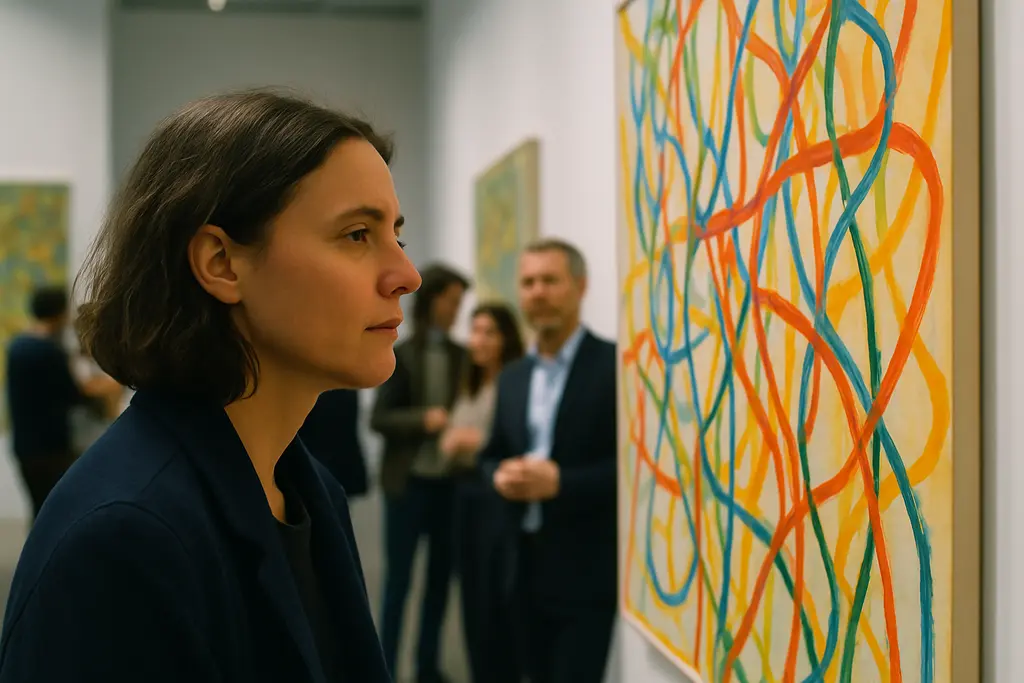
    Gallery visitor studying a painting beside other framed artworks

    Familiar Names Do Not Mean Simple Meanings

    The 2026 Laguna Beach Pageant title, “The Greatest of All Time,” invites comparison across very different artistic traditions. Michelangelo and Monet do not ask the same things of a viewer. Picasso and Rockwell occupy different positions in art discourse and popular memory. Van Gogh and Kahlo are both globally recognizable, yet their public images are often shaped by biography as much as formal analysis. That makes the theme appealing, but it also calls for restraint in how we speak about influence and greatness.

    Ranking artists can be entertaining, but it can flatten history if handled carelessly. A stronger reading asks what each selection contributes to the evening’s visual argument. Does the production draw attention to composition, color, gesture, cultural symbolism, or public memory? Does it invite audiences to revisit an artist they thought they already knew? The answer may differ from scene to scene, and the value of the Pageant may lie partly in that variation.

    Festival Viewing Beyond The Famous Names

    The Fine Art Show adds a counterweight to the canon-centered Pageant theme. More than 100 Orange County artists are presented in the research, which means visitors have a chance to move from historical reference into current regional practice. That movement is healthy for an arts audience. It reminds us that art is not only preserved in major names; it is also made, discussed, priced, taught, and collected within living communities.

    A summer art show can reveal how artists present bodies of work, speak with visitors, price original pieces, and build trust without relying on exaggerated claims. None of that requires unsupported trend language. It requires patient looking and fair attention to the maker’s own stated practice.

    • Visitors interested in collecting can ask artists about medium, process, edition size, and care instructions.
    • Students can compare how contemporary artists use color, scale, subject, and materials after seeing staged references to historic works.
    • Community groups can treat the event as a model for pairing performance, exhibition, education, and public gathering.

    Laguna Beach Pageant Community Context

    Why The Event Still Rewards Slow Attendance

    The Laguna Beach Pageant works best when visitors allow time for both sides of the experience. Arriving only for a performance may satisfy a schedule, but it can miss the dialogue between the Fine Art Show and the staged production. The exhibition gives viewers contact with working regional artists. The Pageant then places art history into a theatrical frame. Together, they create a broader civic arts experience than either format would offer alone.

    From a community-organizing perspective, that combination is worth studying. The event connects tourism with local creative labor, but the relationship should not be romanticized. Large seasonal events require planning, staffing, crowd management, and clear visitor information. They also depend on audiences who treat artists, workers, volunteers, and fellow guests with respect. Good cultural participation is not passive consumption; it is a form of attention.

    The 2026 season’s most useful highlight may be this balance: a fine art show centered on Orange County artists, paired with a Pageant theme that draws on major names from art history and popular visual memory. If visitors approach the season with curiosity rather than checklist thinking, the event can support both enjoyment and deeper art literacy. That is the kind of public arts gathering Laguna Beach continues to be associated with in the research provided: not just a night out, but a structured meeting point for art, performance, and community life.

  • Proper Nouns Are Becoming The Trickiest Clues In Daily Community Word Games

    Proper Nouns Are Becoming The Trickiest Clues In Daily Community Word Games

    Daily puzzle games increasingly reward more than vocabulary. A solver may recognize every word on the screen and still miss the answer if one clue points to a company, sports organization, platform, place, title, or person. That makes proper nouns one of the most demanding parts of modern clue solving. The challenge is less about knowing a definition and more about identifying which entity the puzzle setter intends.

    That shift matters for players who enjoy category games, trivia ladders, crosswords, and short daily puzzles. A name can belong to several unrelated subjects, and the first interpretation that comes to mind may be the wrong one. Strong solvers learn to delay commitment, test the category, and look for context before revealing another hint.

    Why Category Games Make Ambiguous Names Harder

    LinkedIn describes Pinpoint as a word-association game built around five clues that lead to one common category. Its official Pinpoint game rules make the central tension clear: players can guess after each reveal, yet a wrong guess exposes another clue. That structure rewards restraint.

    Why Category Games Make Ambiguous Names Harder

    Proper nouns raise the difficulty since a short phrase can have several identities. “Mercury” can refer to a planet, an element, a Roman figure, or a former car brand. “Giants” can point to mythology or professional sports. A surname may be an actor, athlete, politician, fictional character, or company founder.

    The best move is to ask what the clue is doing inside the group. Does it share a naming pattern with the other clues? Is the connection geographic, commercial, historical, linguistic, or sports-related? A solver who treats every clue as a dictionary definition can miss the intended relationship.

    Sports Terms Create Their Own Disambiguation Problem

    Sports vocabulary is packed with words that escaped the stadium long ago. Draft, pitch, club, match, draw, field, strike, and division can all carry meanings far outside athletics. Brand names make the problem harder since a phrase that sounds like a youth program, media outlet, team, or league may identify a commercial company instead.

    “Heritage Sports” is a useful example. The phrase sounds broad enough to describe sports history, a community program, or an organization built around traditional athletics. In another context, it refers to a sportsbook-related brand. An explainer such as Who is Heritage Sports? can establish which entity a reference points to before a solver decides whether that meaning fits the clue set. The goal here is identification, not wagering guidance.

    This is the same research habit useful in trivia. Identify the entity first. Then test whether its category matches the remaining evidence. If it does not, discard that interpretation and keep searching.

    Daily Games Reward Controlled Information Use

    The modern daily-game format makes clue management part of the skill. LinkedIn’s current Games hub includes word, trivia, number, path, and logic games, with titles such as Pinpoint, Crossclimb, Queens, Tango, Zip, Mini Sudoku, Patches, and Wend. New puzzles create a short repeatable challenge rather than a long campaign.

    That design changes how hints feel. Every extra reveal can solve the immediate problem, yet it can reduce the satisfaction of reaching the answer through inference. Spoiler-sensitive puzzle coverage works best under the same principle. Give the player enough structure to continue without printing the final answer too early.

    For proper-noun clues, a useful hint might identify the type of entity instead of naming the solution. Saying that a clue refers to a company, sports organization, film title, geographic location, or historical person narrows the field without destroying the puzzle.

    A Better Method For Solving Proper-Noun Clues

    Start with the clue that has the fewest plausible meanings. If four clues look broad and one looks like a distinctive surname or brand, use that clue as the category anchor. Then test each remaining clue against that hypothesis.

    Daily Games Reward Controlled Information Use

    Next, separate recognition from certainty. Recognizing a name is not the same as knowing why it appears. Write down two possible identities if the clue feels ambiguous. A category puzzle often becomes easier once one interpretation fails to connect with the rest.

    Context should beat familiarity. The most famous meaning of a word is not always the intended one. Puzzle setters can use secondary meanings, homonyms, shared names, abbreviations, and cultural crossover to create misdirection.

    The last step is verification. If the puzzle depends on a real organization, title, platform, or person, check an authoritative or clearly sourced page after the solve. That prevents a mistaken association from becoming part of your mental clue bank.

    Why Entity Awareness Makes Better Puzzle Solvers

    Daily clue games reward a compact form of research thinking: recognize, classify, compare, reject, and verify. Proper nouns make that process visible since they force players to distinguish between a familiar word and the exact entity intended by the puzzle.

    For NextClues readers, that is the useful takeaway. A hard clue is not always obscure. Sometimes it is familiar in too many ways. The solver who keeps several meanings open for a little longer gains an advantage without needing a spoiler, a copied answer, or a brute-force search.

  • From First Chord to Final Chorus: How Indie Collaborations Shape New Music

    From First Chord to Final Chorus: How Indie Collaborations Shape New Music

    Ever wondered how some of the most captivating songs come to life? It often starts in a room, filled with creative energy and shared dreams. Imagine a couple of talented individuals, armed with nothing but their instruments and ideas, coming together to craft something extraordinary. The magic of collaboration turns mere notes into a symphony of emotions.

    In this exploration, we’ll dive into the fascinating world of these musical partnerships. What drives them? What challenges do they face? And most importantly, how do they turn a spark of inspiration into a polished piece of art? The stories are as varied as the genres they represent, yet they all share a common thread—an unyielding passion for creating something meaningful.

    As we peel back the layers of these collaborations, we’ll discover not just the *how*, but the *why*. Why do these creators choose to work together? What do they learn from each other? And how does this dynamic shape the final product? Join me as we navigate the intricacies of creativity, where every note played tells a story.

    The first collab DM coffee or backline chat how it started

    Every indie artist collaboration starts with a moment that’s almost too funny for a movie. It might be a DM that looks like a ransom note—“love your sound, let’s make something weird”—or a chat at a dive bar. You bond over hating the stairs you have to carry your gear up.

    In the world of indie artist collaborations, real connections come from unexpected places. I’ve seen partnerships start with a spilled latte or a shared playlist. It’s not about how you meet; it’s about feeling like you’re not alone in making art.

    Those first awkward moments are key. They set the stage for what’s to come. Before you start making plans, there’s usually a “what if” text sent at 1 a.m. It’s then that two solo artists see they can do more together.

    So, whether it’s a late-night DM or a coffee chat, remember: every great collaboration begins with something awkward. Embrace it, because it often leads to amazing things.

    Chemistry check shared values tempo taste and humor tests

    Before starting a duet songwriting session, it’s important to check the chemistry. You wouldn’t marry someone after one date, so why start a long project with a stranger? The key to success is understanding if you can work well together, even when disagreements arise.

    Think about shared values. Do you both see a tempo change as a good thing or annoying? This is the base of your collaboration. Sam Bentley from The Paper Kites says friendship is first, then music. If you respect and understand each other, you’ll handle challenges better.

    Humor is also key. Can they make you laugh, even when things get tough? If not, they might not be the right person. Humor keeps the creative process going, even when it’s hard.

    Test Importance Outcome
    Shared Values High Stronger collaboration
    Tempo Compatibility Medium Fluid songwriting process
    Sense of Humor High Reduced tension
    Conflict Resolution Critical Lasting partnership

    The chemistry check is more than just music. It’s about creating a space where both artists can grow. So, before starting, ask: can we laugh together? If yes, you might have the right chemistry for a great collaboration.

    Writing room etiquette who leads who edits and when to break

    A writing room is more than a space; it’s a place where creativity meets collaboration. It’s a delicate ecosystem, like a small republic. Here, the currency is managing egos, and the constitution is unwritten.

    In a producer collab, things get even more complex. Is the producer a co-writer, editor, or a therapist with a MIDI controller? It depends on the room’s vibe and the people in it.

    I’ve seen sessions fall apart because no one knew who had the final say on a lyric. It’s like a jazz band, where someone starts the theme, others improvise, and everyone knows when to stop. Bentley’s focus on “humanity” and “soul” should guide you. If your edits remove the emotional depth, you’re doing it wrong.

    So, what are the unwritten rules of the writing room? Here’s a quick guide:

    Etiquette When to Lead When to Edit When to Break
    Establish Roles At the start of the session After the first draft When energy dips
    Communicate Openly During discussions While refining lyrics After intense brainstorming
    Respect Ideas Throughout the process Before finalizing After every major decision

    Remember, breaks aren’t a sign of weakness; they’re strategic resets. Sometimes, you need to order pizza and admit defeat to come back stronger. And one last tip: the person who books the studio should never decide when the session ends. Trust me on this one.

    A cozy, well-lit writing room filled with musical instruments and recording equipment. In the foreground, two indie music producers collaborate at a large table cluttered with notebooks and laptops, one gesturing animatedly while the other listens intently, showcasing a dynamic exchange. In the middle ground, a whiteboard filled with song lyrics and ideas reflects the creative process, while guitars and a keyboard rest nearby. The background features warm, inviting lighting, enhancing the atmosphere of collaboration and creativity. The producers wear professional business attire, exuding a focused yet relaxed vibe, highlighting the etiquette of teamwork. The image captures a moment of inspiration and artistic synergy, embodying the essence of creativity in a collaborative setting, shot with a soft focus to emphasize warmth and approachability.

    Remote collab best practices stems naming vocal chain and latency fixes

    Welcome to the world of remote co-write sessions. Here, magic happens despite tech issues. Artists can’t always meet in person. So, they face digital challenges that can make anyone nervous.

    One big challenge is naming audio stems. Files like “final_final_v3_REAL.wav” can be hard to find. A simple naming system, like SongTitle_Version_Initials.wav, helps everyone stay organized.

    Then, there’s the vocal chain. You want your vocals to sound great, not like a bad internet connection. Good plugins and a quality mic are key. A well-set vocal chain can elevate a track, capturing emotion and energy from afar.

    Latency is another issue. It’s frustrating when your collaborator sounds delayed. Low-latency monitoring can help. It makes it feel like you’re in the same room, even if you’re far apart.

    Lastly, visual inspiration is vital. Bentley uses films to inspire while composing. Screen sharing can spark creativity and connect people across distances. Technology can be a challenge, but it also opens up new creative possibilities.

    Split sheets and credits money talk without killing the vibe

    Nothing kills the vibe of artistic collaboration faster than a spreadsheet. Yet, here we are, discussing the essential but often unsexy world of split sheets. Think of them as the prenup of the music industry—necessary, albeit lacking in romance. They are the safety net that can prevent friendships from unraveling over a mere 5% publishing dispute.

    So, how do you approach this money talk without sounding like a corporate raider? Here are some tips:

    • Start Early: Fill out the split sheets before the track is mixed. This proactive step ensures everyone is on the same page.
    • Be Transparent: Open the conversation with honesty. Frame it as a sign of respect for each other’s contributions.
    • Keep It Casual: Approach the topic during a relaxed moment, perhaps over coffee or during a jam session.
    • Document Everything: Once agreed upon, make sure to document the splits. This protects everyone involved.

    When discussing split sheets, remember that it’s not about killing the creative vibe. Instead, it’s about nurturing a professional relationship that allows for future collaborations. After all, the vibe you’re protecting isn’t just the one in the room—it’s the one that keeps you from subtweeting each other three years later.

    A cozy, well-lit music studio setting focused on a round table covered with split sheets and documents, symbolizing collaboration among musicians. In the foreground, diverse indie artists, a Black woman and a Hispanic man, are engaged in a friendly discussion while reviewing paperwork, dressed in professional casual attire. In the middle ground, an acoustic guitar leans against a nearby wall, and a music producer with glasses glances over a laptop, absorbing the atmosphere of teamwork. The background features soundproof panels and colorful artwork, with soft lighting creating a warm, inviting mood that emphasizes creativity and collaboration. The angle captures the interaction, highlighting the importance of clear communication and shared understanding in music creation.

    Live collabs rehearsals setlist placement and encore strategy

    When indie artists share the stage, it’s a mix of magic and chaos. The live show tests their chemistry in ways the studio doesn’t. It’s a high-stakes performance where every little mistake is on display.

    Rehearsals are key, not just a casual run-through. They’re a strategic planning session. Questions like who soundchecks first and if the guest vocalist gets a spotlight are vital. A well-structured rehearsal can turn a chaotic performance into a seamless collaboration.

    Choosing the right spot for the collab song in the setlist is important. Don’t put it first; you want to build up to it. Place it in the middle, where the energy is highest. This way, the audience is already excited, and your talents can shine together.

    The encore is a delicate dance. It should feel spontaneous but also planned. The best live collabs feel like a moment of pure chance, even when they’re carefully planned.

    Here’s a quick overview of essential elements for a successful live collaboration:

    Element Importance Tips
    Rehearsals Critical for coordination Schedule multiple sessions
    Setlist Placement Maintains audience engagement Place collab songs strategically
    Encore Strategy Creates memorable moments Plan but keep it flexible

    In conclusion, artist collaborations on stage need a mix of planning and spontaneity. The magic happens when both artists connect with the audience and show their unique styles. So, embrace the chaos, and let the music take over!

    A vibrant and dynamic rehearsal space featuring a diverse group of indie musicians collaborating on their setlist. In the foreground, a female singer plays an acoustic guitar, deeply focused, and a male drummer adjusting his kit, both dressed in casual yet professional attire. In the middle ground, a keyboardist enthusiastically scribbles notes on a tablet, while a bassist shares ideas, creating a sense of teamwork and excitement. The background showcases a wall decorated with posters of their previous performances and an array of instruments. Soft, warm lighting casts a cozy ambiance, highlighting the artists' passion and creativity. The scene captures a sense of anticipation and collaboration, with instruments in disarray, reflecting the creative process.

    Pitfalls to avoid mismatched branding missed deadlines PR confusion

    When two artists come together, the chance for greatness is huge. But, the risk of failure is just as big. In duet songwriting, the biggest problem is often mismatched branding. Imagine a gothic folk artist teaming up with a hyperpop producer. It could be amazing, or it might sound like a weird mix.

    Deadlines can also cause trouble. One artist might be very relaxed, while the other is super strict. This can lead to misunderstandings and frustration. Here are some things to watch out for:

    • The collaborator who announces the project before you’ve agreed on a name.
    • The one who tags you in low-res artwork that doesn’t reflect your brand.
    • The sudden realization that your “aesthetic” is their “sellout move.”

    Knowing these problems early can help your collaboration succeed. In duet songwriting, it’s not just about making music. It’s about creating a unified image that fans will love.

    Three mini case studies from idea to release to tour

    Indie collaborations can take many paths. Let’s explore three unique stories of producer collabs in indie music.

    The Paper Kites started busking in Melbourne. Over a decade, they built their sound slowly. They focus on being true to their music, not chasing fame.

    Imagine a bedroom producer and a singer-songwriter meeting on SoundBetter. They make a hit single that goes viral on TikTok. Then, they must perform live without feeling like a karaoke act.

    Lastly, think of a supergroup that became a hit by accident. It turns into a serious project, needing talks about money and who gets top billing. This shows the challenges of success in a collaboration.

    These stories show the journey from the first message to the final encore. They teach us about the ups and downs of indie music.

    Case Study Key Challenges Outcomes
    The Paper Kites Slow build, lineup changes Authentic fan base, seventh studio album
    Bedroom Producer & Singer-Songwriter Live performance anxiety Viral success, need for stage presence
    Supergroup Side Project Unexpected charting, split sheets Tour planning, branding decisions

    Toolkit recommended tools for file share and feedback loops

    A rusty hammer won’t build a house, and a cluttered Gmail thread won’t sustain your co-write session. The right toolkit doesn’t just make collaboration possible; it makes it smooth. Ideas flow quickly, without any hitches. Let’s explore the tools indie artists rely on.

    First, think about cloud storage. You need a service that keeps your files safe and sound. Google Drive or Dropbox are great, letting you share high-quality files easily.

    Feedback platforms are next. You want to leave comments right on the waveform. Tools like Frame.io are perfect for this, making video collabs easier. It’s like having a virtual studio for everyone to share their thoughts.

    Lastly, project management tools are essential. They keep your plans organized and on track. Notion or Trello help you manage tasks and deadlines. You’ll spend less time on emails and more on creating music.

    In conclusion, this isn’t just a list—it’s a survival kit. The right tools can transform your co-write session. Use them, and watch your collaboration grow.

    Fan role voting remixes art contests and release day storms

    The collaboration doesn’t end when the final track is mastered. In today’s indie music scene, fans have evolved into essential collaborators. They can turn a simple release into a cultural phenomenon. Yet, managing this energy requires a clear strategy.

    Artists often run remix contests, finding amazing reworks and some not-so-great ones. These sound like a malfunctioning printer.

    Fan voting on setlists can deepen loyalty. But beware; you might find yourself performing the most emotionally draining song night after night. This is because the internet deemed it a “vibe.” Release day becomes a carefully orchestrated storm of pre-saves, listening parties, and fan art.

    This chaos can either elevate a debut or lead to a missed opportunity.

    Understanding the implications of split sheets is key when a fan remix goes viral. Who owns what? Did you clear that sample? A copyright strike can quickly sour a beautiful fan moment.

    Building a community that amplifies collaboration is key, not one that hijacks it.

    For more ideas on how to engage fans effectively, check out fan meetup ideas. These strategies can help create an environment where both artists and fans thrive together.

  • Beyond Streaming: Real Ways to Support Your Favorite Indie Artists

    Beyond Streaming: Real Ways to Support Your Favorite Indie Artists

    We love that moment. You hit play and a powerful new voice fills the room. Music platforms have given us incredible access to creativity from around the globe. For that, we are truly grateful!

    Yet, the heartfelt passion behind that click often translates to mere pennies for the creators. Let’s look at the numbers. Data shows that on a major platform like Spotify, a premium user’s stream generates about $0.0068 in streaming royalties. Across all users, the average payout per track is roughly $0.00275.

    While headlines focus on big label deals, these figures reveal the stark reality for independent music makers. The current music economy makes it incredibly challenging to build a sustainable career from streams alone.

    This isn’t about guilt. It’s about empowerment! Understanding this is our first, powerful step together. We can move from passive listening into active, meaningful artist support. Let’s explore how.

    Direct Support Methods: Bandcamp, Patreon, and Artist Websites

    The best support comes from direct channels that skip traditional middlemen. These platforms connect your love for music directly to the artist’s work. They turn listeners into vital supporters.

    This change is key to a better indie music economics. Money flows straight from fans to creators. This boosts the music and supports artists’ careers.

    Bandcamp leads the way in this new era. Its “pay-what-you-want” model shows trust and value. You decide the price, and the artist gets most of it right away. It’s more than buying a song; it’s supporting artistic freedom.

    Patreon changes the game for ongoing support. It lets us become monthly supporters of our favorite artists. Julia Nunes says Patreon helped her work on her album for a year. This steady income lets artists plan and create without worry.

    Platforms like Patronism also offer unique support. Fans can fund specific projects like demos or music videos. This model turns support into real creative achievements.

    Don’t forget about an artist’s website! They sell music, merch, and digital experiences directly. Buying here means artists keep all the profit after fees. It’s the most direct way to support them.

    Platform Primary Model Key Benefit for Fans Impact on Artist
    Bandcamp Pay-What-You-Want / Fixed Price Own DRM-free music, direct discovery High revenue share per sale, Bandcamp Fridays boost
    Patreon Monthly Subscription Exclusive content, behind-the-scenes access Predictable monthly income, deeper community building
    Artist Website Direct Storefront Maximum impact per dollar spent Full revenue control, strengthens brand and indie music economics

    These methods do more than give a quick boost. They build a solid base for artists to grow. We’re not just listeners; we’re part of a new music world. Our support shapes the music we love.

    This system is how we support indie music’s future. Let’s celebrate the tools that make our support so powerful!

    Merchandise Impact: T-Shirts, Vinyl, and Limited Editions

    Buying a vinyl record or a limited-edition poster does more than just buy merchandise. It supports an artist’s future. This tangible support creates a strong bond that goes beyond just buying something.

    It’s a win-win situation. You get a unique piece of art, like a hoodie, vinyl, or tee. The artist gets the funds they need for their next project. As musician Aimee Echo says, “Buy the shirt. Wear the shirt… Do everything as directly as possible.” This direct support is key.

    Why are merchandise sales so important? They bypass the middleman. Unlike streaming, where pennies go to the platform, merch sales go straight to the artist. This means your money has a bigger impact.

    Let’s see what these sales fund:

    • Studio Time: Essential recording sessions.
    • Tour Support: Gas, van repairs, and lodging.
    • Equipment Upgrades: Better instruments and gear.
    • Daily Sustenance: Rent, bills, and living expenses.

    Many artists have found a lifeline in merchandise sales. It’s not just about selling items; it’s about enabling creation. A successful vinyl pre-order can fund an album’s mixing. A hit t-shirt design can cover a tour vehicle repair.

    This cycle turns your appreciation into real support. You get a product you love, and the artist gets the resources to create more. It’s a loop of gratitude and empowerment.

    So, when you see that special edition item, remember its true value. Your choice supports the music you love and helps independent art thrive. Let’s make every purchase count!

    Concert Attendance: The Lifeblood of Independent Musicians

    The roar of a crowd, the shared energy in a room—this is the pulse of music. For independent artists, concert attendance is its very lifeblood. It’s more than just a show; it’s a shared experience.

    Buying a ticket is a direct way to support artists. For many indie artists, live shows are a major source of income. This beats the small payments from streaming services.

    Most indie shows work on a door deal. This means artists get a share of ticket sales. A full house means more money and better opportunities for future shows.

    A vibrant concert scene filled with a diverse crowd of people enjoying live music, captured from a slightly elevated angle to show the energy and excitement of the event. In the foreground, enthusiastic fans of all ages and backgrounds are cheering, some with their arms raised in the air while others sway to the music, dressed in casual concert attire. The middle ground features a dynamic indie band on stage, passionately performing with colorful stage lights illuminating them, creating a warm and inviting atmosphere. The background showcases a blurred view of concert banners and a packed audience, enhancing the sense of community and support for independent musicians. The image is bathed in soft, warm lighting, with a focus on the joyful expressions and the palpable emotion of the crowd.

    Our support does more than just help financially. It turns a show into a celebrated event. This boosts an artist’s morale and creativity. We are the collective voice that tells the industry, “This artist matters.”

    For musicians from marginalized communities, like queer artists, our support is critical. A strong turnout at their shows is key. It opens doors to rare opportunities and builds a more inclusive scene.

    Every ticket we buy and every show we attend makes a difference. We fuel the engine that lets independent music thrive. Let’s keep showing up, filling rooms, and being the essential audience that turns passion into a sustainable career.

    Social Media Engagement: Shares, Comments, and Authentic Interaction

    Every like, comment, and share we make online is important for an independent artist’s career. These actions are key to artist support. They help artists succeed without big label money.

    Places like Instagram, Twitter, and YouTube are like town squares today. When we follow, share, and hype our favorite artists, we help market them. This word-of-mouth is priceless. It creates excitement that money can’t buy.

    Real engagement is more than just following. Sharing a new song on Instagram Story shows it’s valuable. Leaving a real comment like “This chorus gave me chills!” boosts their spirits. Adding their song to a public playlist introduces them to more people.

    This organic interaction is a big help. It increases an artist’s visibility and builds a real community. The best part? It doesn’t cost us anything but a little time.

    We can be smart in how we support artists. A few consistent actions can make a big difference.

    • Share to Your Story: Repost their announcement. Tag them so their name reaches new eyes.
    • Comment with Heart: Move beyond “🔥”. Write a sentence about what you love. This boosts engagement metrics.
    • Utilize Playlists: Curate a “Local Favorites” or “Indie Discoveries” list. It’s a permanent showcase for their work.
    • Engage with Livestreams: Tune in, cheer, and ask questions. Real-time interaction is incredibly validating for a performer.

    This genuine artist support makes us part of their journey. We’re not just fans; we’re helping them grow. Each share is a vote of confidence. Every comment is fuel for their creativity.

    We’re lucky to have tools that let us amplify the voices we love. Let’s use them with purpose. Our clicks and keystrokes help their music reach more people. That’s the beautiful power of our digital community.

    Word-of-Mouth Marketing: The Fan as Promoter

    In today’s world, the best way to find new things is through people. For indie artists, getting the word out through fans is key. Your real endorsement is priceless!

    Artist Mal Blum says, “Some things never change and word-of-mouth is a timeless one.” Juli Amore notes that sharing and retweeting “reach beyond the limited audience and it costs nothing.” This free, personal sharing is vital for indie artists to thrive.

    You, the fan, are the best advocate for an artist. Your enthusiasm spreads. When you share a song you love, others take notice. This personal touch is more powerful than any ad.

    Think about the little things. Sharing a song with a friend. Playing an album on a road trip. Requesting a song at a café. These actions have a bigger impact than streaming royalties from a single listen.

    To see the difference, let’s look at fan promotion versus just listening:

    Promotion Metric Word-of-Mouth Fan Action Passive Streaming
    Trust Factor Extremely High (Personal Recommendation) Very Low (Algorithmic Suggestion)
    Reach Potentia Exponential (Network Effect) Single Listen
    Cost to Artist Zero Negligible (Hosting Fees)
    Long-term Value Builds a lasting fan relationship Contributes to aggregate streaming royalties

    A vibrant and engaging scene depicting the concept of word-of-mouth marketing for indie artists. In the foreground, a diverse group of enthusiastic fans, dressed in modest casual clothing, passionately discussing music and exchanging recommendations. Their expressions are animated, capturing the excitement of sharing their favorite indie artists. In the middle ground, a small intimate café setting with posters of indie musicians on the walls, evoking a warm, inviting atmosphere. The background features a cozy urban street, with soft, warm lighting that enhances the mood of community and connection. The focus is on the fans, with a shallow depth of field that subtly blurs the background, emphasizing their roles as promoters. The overall tone is uplifting and supportive, embodying the spirit of indie music.

    We urge you to take on this role with excitement! Your enthusiasm is the best way for artists to get noticed. It creates a strong foundation for their career. This support is like the community engagement strategies that make local events successful.

    Every time you talk about a song or share a playlist, you help an artist grow. The benefits of bringing in a new fan far outweigh the small streaming royalties from a single listen. Be the one to make a difference. Your voice is powerful.

    Crowdfunding Campaigns: Albums, Tours, and Equipment

    When we pool our resources through crowdfunding, we become direct investors in the dreams of indie musicians. This model changes our role from passive listeners to active patrons. We help turn creative ideas into real art.

    Crowdfunding campaigns are key in modern indie music economics. They provide the needed funds for projects that streaming alone can’t cover. Artists use these campaigns for new albums, touring costs, or better equipment.

    Platforms like Kickstarter are great for specific goals. A musician might aim to press a vinyl run or fund a tour. Backers get unique rewards, from digital downloads to exclusive items.

    For ongoing support, fan subscription programs like Patreon offer a steady income. This helps with daily needs. It’s a way to support artists consistently.

    Singer-songwriter Jenny Owen Youngs shared her view. She said, “Being a modern musician is like having a leaky roof and putting out a zillion pots and pans.” Crowdfunding is a key way to help fill these pots.

    Our support in these campaigns has a big impact. We’re not just buying a product; we’re co-creating. Our money decides which albums are made and which tours happen.

    This funding method is a strong force in indie music economics. It cuts out traditional gatekeepers and gives power to the community. We choose with our dollars the music we want to see.

    Backing a campaign is a strong statement. It tells an artist, “We believe in your vision.” It builds a deeper connection and a shared win when the project succeeds. Together, we keep independent music alive and diverse.

    Local Venue Support: Keeping Music Spaces Alive

    Local music venues are more than just buildings. They are where dreams and community come together. Think of that cozy café or the historic hall. These places are where artists find their voice and fans find new bands.

    Buying a ticket to a small gig helps a lot. Your ticket fee pays the artist and helps the venue. Buying a drink or snack adds more money. It keeps the venue running for more shows.

    For new artists, getting their first gig is hard. A local venue that supports diverse artists is key. By attending shows, we show there’s a demand for new music. This makes the scene more inclusive and vibrant.

    The energy after a great show is amazing. This is when community comes together. It’s also when merchandise sales do well. A busy merch table shows a healthy scene where fans and artists connect.

    So, how do we protect these community hubs? We need to be active:

    • Prioritize Live Attendance: Choose a local show over streaming.
    • Spend at the Venue: Buy more than just a ticket. Drink, tip the staff.
    • Advocate for Them: Follow venues on social media, share events, and leave reviews.
    • Respect the Space: Treat it like a cherished community asset.

    Every show we attend and every dollar we spend is a vote for music culture. Let’s fill those rooms, cheer, and support merchandise sales. Together, we can keep these music spaces alive for years to come.

    Music Journalism Support: Blogs, Zines, and Online Publications

    Supporting music journalism helps independent creators shine. They do more than just review albums. They tell stories, find new talent, and connect artists with fans.

    By showing our support, we help indie music grow. We can do this in simple ways. Start by reading your favorite music blogs and online magazines. Subscribing to their newsletters or a print zine helps them keep going.

    Don’t forget to engage! Liking, commenting, and sharing their posts helps them reach more people. This tells algorithms their content is important, helping them highlight more artists.

    We can also take action. Requesting your favorite indie artist’s songs on local radio stations is a great way to help. Radio play introduces music to many people. You can also suggest artists to blog editors or podcast hosts.

    Why is this important? Positive press and radio play boost an artist’s credibility. This credibility creates buzz. Buzz leads to discovery, which can increase concert attendance.

    Outlet Type Primary Medium Key Support Action Impact on Artist
    Music Blogs Online Articles & Lists Read, share, and comment on posts Drives digital discovery and SEO
    Print Zines Physical Publications Purchase subscriptions & issues Builds a dedicated, cult following
    Music Podcasts Audio Interviews & Reviews Subscribe, listen, and leave reviews Deepens fan connection through conversation
    Local Radio Terrestrial & Online Streams Call in or email song requests Boosts local concert attendance and recognition

    Each outlet has its own role. Blogs offer quick discovery and deep reviews. Zines give fans something tangible. Podcasts offer intimate audio experiences. Local radio reaches listeners where they live and work.

    Supporting this diverse media landscape helps artists get coverage from all sides. This ensures a strong, resilient artist career. Media support builds a story that fans can follow, turning listeners into long-term supporters.

    Ready to help an artist get featured? Start by searching for the best music blogs to submit your music to. Sharing this resource with artists you love is another great way to help. Together, we can make sure the voices telling music’s stories are heard, supporting both artists and writers. This collective effort is key to increased concert attendance and a vibrant music culture.

    Long-Term Relationship Building: Growing with Your Favorite Artists

    Supporting artists is a journey we take together. It’s more than just buying music or attending concerts. Our goal is to build lasting partnerships that help artists grow.

    Indie music needs many ways to make money to survive. Small actions add up. Every stream helps with royalties. Every t-shirt sale boosts merchandise. And every concert ticket is vital.

    Artist Wendy Colonna talks about how fans let her take risks over years. This shows the power of long-term support. It lets artists try new things and grow with confidence.

    We grow with our favorite musicians. We see their music evolve from early days to later albums. Our support is like a breeze that helps them improve their craft and plan tours.

    This teamwork makes the music world stronger. We’re building a future where indie artists can succeed. Let’s keep supporting each other and enjoying the music together.

  • How to Approach Local Businesses for Sports Sponsorship Deals

    Trying to fund a community competition can feel like a long shot. It’s like throwing a Hail Mary pass with no one to catch it. The clock is ticking, and your budget looks like it’s going down in flames.

    sports event sponsorship marketing

    But what if the secret isn’t a miracle play? What if it’s more like a game of marketing chess? The first step isn’t asking for money. It’s about doing some research.

    We’ll take a close look at your audience, like a scout studying game footage. Who are they? Are they soccer moms with money to spend? Or maybe corporate millennials who love craft beer after a 5k?

    This isn’t just gathering data. It’s the key you’ll use to talk to local businesses. Think of it as profiling your crowd for both fun and profit.

    Next, we’ll map out your commercial landscape like a general planning a battle. Which auto dealership wants to reach families? Which sports bar fits our post-tournament crowd?

    This part of the guide helps you move from a panicked fundraiser to a strategic matchmaker. It’s about strategic identification, not just sending out random emails. True local business partnerships are built on shared values and interests.

    Forget about begging. Start thinking like a strategist. Your audience’s demographics are your opening argument. Let’s build a case that local companies can’t ignore.

    Identifying Local Sponsors

    The first rule of sponsor club? Stop thinking like a fundraiser and start thinking like a corporate matchmaker. Ditch the spray-and-pray method of blasting generic emails to every business in the Yellow Pages. That’s not outreach; it’s digital spam. Your goal isn’t a high volume of rejections. It’s a shortlist of perfect fits.

    We operate on two core principles: leverage and intelligence. First, exploit your existing network. This isn’t shady. It’s smart. Your board member who golfs with the regional bank manager? That’s a warm introduction, not a cold call. Your volunteer whose cousin owns the craft brewery that’s all over Instagram? That’s a golden ticket. Think of it as ethical insider trading—using social capital to find partners who already have a thread of connection to your cause.

    Once you have names, the real work begins. Before drafting a single pitch, you must become a corporate profiler. This is where generic sports sponsorship packages fail. You’re not selling a one-size-fits-all product. You’re crafting a key for a specific lock.

    What does this profiling look like? Dive into their website’s “About Us” page. Scour their social media for what they celebrate. Read their press releases. What’s their stated mission? Is it “fostering youth development,” “promoting community wellness,” or “driving local economic vitality”? Your 5K race isn’t just an event; it’s a live-action platform for their “employee engagement” KPI. Your youth soccer tournament isn’t just a game day; it’s the perfect canvas for their “giving back” narrative.

    This shift in approach is everything. The table below illustrates the stark contrast between the outdated method and the targeted, intelligent pursuit.

    Tactic The Old Way (Spray & Pray) The Sniper’s Way (Leverage & Intel)
    Source List Generic online business directories, chamber of commerce lists. Personal & professional networks of board, staff, and volunteers.
    Research Depth Basic: Company name, address, maybe industry. Deep: Corporate mission, recent community initiatives, brand voice, executive leadership interests.
    Initial Contact Impersonal cold call or mass email with a standard package. Warm introduction via a mutual connection, referencing shared values or goals.
    Pitch Foundation “We need funding for our event.” “Your goal is X. Our event is a powerful vehicle to achieve it.”
    Likely Outcome High rejection rate, perceived as a transaction. Higher engagement rate, foundation for a strategic alliance.

    See the difference? When you identify local sponsors through this lens, you’re not asking for a handout. You’re presenting a partnership opportunity with clear, mutual benefit. You understand their story so well that you can show them how your event becomes the next chapter. This turns a pitch for sports sponsorship packages from a mere financial transaction into a shared mission. That’s how you get a “yes” that means something.

    Creating Attractive Sponsorship Packages

    Value-in-kind sponsorships offer more than just money. They provide real value. But to get that value, you need a compelling package.

    Forget the generic PDFs. Sending out the same document to everyone is like sending a mass wedding invitation. It’s not effective. Your package should be unique and valuable.

    We’re creating custom packages, not just listing prices. Think of them as levels of brand involvement. Each level tells a story, like “The [Local Brewery] Cup” or “Hydration Station Host.”

    What are you including in your package? Think like a media mogul. Offer more than just a logo on a banner. Include visibility, access, and experiences. For example, you could include digital promotion opportunities such as branded content, social media mentions, or newsletter features that connect sponsors with niche audiences who follow professional equestrian updates and other specialized sports coverage.

    A great package combines numbers and stories. It should have clear event details and a focused target market. Show your past successes and highlight your team’s expertise. Make sure every “ask” has a clear “offer.”

    The key is in the bundling. Let’s build a package that stands out.

    Tier & Narrative Investment Type Core Visibility Assets Experiential & VIP Perks
    Title Sponsor
    (e.g., “The Smith & Co. Community Cup”)
    Majority Cash + Strategic VIK Naming rights, prime logo placement on all materials, featured in all press releases, top billing on social media. Exclusive VIP tent for client entertainment, presenting awards at ceremony, dedicated event-day announcer mentions.
    Official Partner
    (e.g., “Official Apparel Partner”)
    Balanced Cash/VIK Mix “Official” category designation, logo on participant materials, recognition in event program, series of social media posts. Pop-up booth or activation zone at event, recognition during key ceremonies, complimentary participant entries.
    Community Supporter
    (e.g., “Hydration Station Host”)
    Primarily Value-In-Kind Logo on specific station signage, thank-you mention in post-event newsletter, listing on event website sponsor page. Branded interaction point with all participants, staff wearing branded gear, invitation to post-event thank-you reception.

    See the difference? It’s not just about asking for money. It’s about showing the value of investing in your audience. The table shows a shift from broad visibility to hands-on engagement.

    Value-In-Kind asks can be powerful. For a local pizza shop, providing meals might be easier than a $2,000 check. For a printing company, making event materials is their business. This turns a cost into a marketing opportunity.

    Your sponsorship proposals should be unique. Use the tiered framework but personalize each package. Mention their community work and align their brand with your event. This approach turns a pitch into a conversation, where real partnerships are built.

    Crafting Winning Sponsorship Proposals

    A winning proposal shows a local business’s goals in a new light, with your event as the perfect backdrop. It’s not just about getting community event funding. It’s a chance to show how your event can help them grow. Start with something that grabs their attention by talking about them.

    Imagine saying, “At [Local Hardware Store], you help [City] residents achieve their dreams. What if you could support 500 young athletes this season?” This approach uses their language to tell your story. It shifts from a plea for help to a confident offer of value.

    Structure your pitch like a legal brief. We’re building a strong case, not telling a story. Use this four-act structure:

    1. The Problem (Their Need): Start by explaining the sponsor’s unspoken challenge. Is it reaching new families or boosting local brand? Frame it as their goal, not your need.

    2. The Solution (Your Event): Show how your tournament or clinic solves their problem. Be specific. This is where you highlight your mission and event scale.

    3. The Evidence (Your Audience): This is your strong point. Share demographic data on who attends. This shows you’re not just asking for help, but a valuable media channel. Sponsors buy access, not just goodwill.

    A well-organized office space showcasing a group of diverse professionals collaborating on crafting a sponsorship proposal. In the foreground, a confident woman in business attire is reviewing documents at a sleek conference table, surrounded by notepads and a laptop open with graphs displayed. In the middle ground, a diverse team of three individuals are brainstorming ideas, gesturing enthusiastically with sticky notes on a whiteboard filled with plans and strategies. The background features large windows letting in warm natural light, creating an inviting atmosphere. The overall scene conveys a mood of teamwork and innovation, emphasizing the importance of clear communication and collaboration in creating impactful sponsorship proposals. The focus is on professional attire, ensuring a corporate, serious tone.

    4. The Terms (The Tiers): Present different sponsorship levels clearly. Each tier should offer increasing value, making the choice obvious.

    Use a clear benefits breakdown in your proposal. A simple table makes the conversation concrete.

    Sponsorship Tier Investment Core Brand Exposure Exclusive Benefits
    Community Partner $500 Logo on event website, social media thank-you post Tax-deductible donation receipt, 10 complimentary tickets
    Silver Sponsor $1,500 All above + banner at venue, mention in press release Product sampling opportunity, branded volunteer t-shirts
    Gold Sponsor $3,500 All above + prime logo placement on all materials, video interview Title of a key event (e.g., “The [Sponsor] Championship Game”), hospitality tent

    This focus is on marketing reach, brand integration, and perks like tax breaks. It’s about creating a partnership where both sides benefit.

    Professionalism is key. Flawless formatting and correct contact details show you’re a competent partner. You’re not asking for a handout. You’re presenting a smart business opportunity. That’s a proposal that gets a “yes.”

    Showcasing Community Impact and Reach

    Data turns vague promises of ‘goodwill’ into a real story for corporate sports support. Sponsors invest in a local story. Your task is to show their chapter is worth it.

    Forget the media kit. Now, you’re a data storyteller. Make community contributions measurable. We’re trading in social capital, and here’s your ledger.

    What metrics make a sponsor’s CFO and marketing director happy? It’s a mix of numbers and heartwarming stories.

    Start with the basics: attendance, social media analytics, and media impressions. These are your exposure metrics. But they’re just the start.

    The main event is the demographic breakdown. Is your event reaching the right people? Families with money to spend? This makes “people” into “customers.”

    Now, link the sponsor’s money to a community win. “Your $5,000 tier doesn’t just buy a banner. It funds scholarships for 50 kids in our youth league.” This makes their investment meaningful.

    This is where you use your archive. Show photos of packed stands and happy faces. Get testimonials from parents or participants. Media clippings from the local paper. These are not just souvenirs; they’re proof of credibility.

    Presenting this data clearly is key. A messy spreadsheet looks amateur. A clean, insightful table shows you’re a strategic partner. Here’s how to show your proof.

    Impact Metric Your Event’s Data What It Measures Sponsor Value Proposition
    Estimated Attendance 5,000+ Direct, live audience footprint. High-density brand visibility in a captive, engaged environment.
    Social Media Impressions 50,000+ Digital reach and content engagement. Extended brand narrative across platforms, targeting local followers.
    Media Coverage Value $15,000 (equivalent) Earned press and broadcast mentions. Third-party validation and authority-by-association.
    Youth Scholarships Funded 200 Direct community investment and access. Tangible social impact; brand becomes synonymous with opportunity.

    See the shift? The right column isn’t about logo size. It’s about meaning. You’re turning data into emotional value.

    Is your brand a billboard, or a community pillar? For local businesses, this impact report is key. You’re not just selling a spot. You’re building a legacy in the local story.

    That’s how you get serious corporate sports support. You provide the forecast, and then deliver a story that makes them the hero.

    Negotiating Mutually Beneficial Agreements

    Forget the idea that negotiation is like a high-stakes poker game. Getting a local business partnership is more like planning a marriage. You’re not trying to bluff or bully. Instead, you’re there to listen, adapt, and create a deal that both sides will love.

    After sending your proposal, don’t wait to follow up. Try to schedule a meeting or a video call. You want to meet the real decision-maker, not just a gatekeeper.

    When you meet, don’t just show your packages. Think of yourself as a business therapist. First, figure out what they really need. Is it more brand awareness, better employee morale, or more sales leads? The real goal is the gold, not just the logo.

    Be ready to change things on the spot. If your “Gold” package is too expensive, but they love the VIP experience, offer a new option. Create a “Community Champion” level that fits their budget and interests. This way, you haven’t lost value; you’ve just adjusted to fit their needs.

    The key to a good local business partnership is trading value for value, not just money for services. Be open to creative deals. Maybe they can’t pay cash, but they can offer free drinks, cater the party, or sell tickets. This way, everyone gets more value and works together better.

    To succeed in these talks, keep these tips handy:

    • Lead with Questions: “What would make this sponsorship feel like a home run for your team?” Let them share their vision of success.
    • Practice Active Listening: Nod, paraphrase, and ask more questions. Their casual comment about “community goodwill” might be key.
    • Trade Concessions, Not Surrender: If you lower the price, adjust what you offer. Say, “To meet the investment, we could focus on these three key assets instead of everything.”
    • Speak Their Language: Explain event terms in business terms. “A sold-out VIP tent” means “50 face-to-face meetings with high-income locals.”

    The final deal should feel like a joint venture plan, not a boring contract. Make sure it outlines what you’ll do, when, and who to contact. But also add the teamwork spirit you’ve built.

    A good negotiation creates a real partner, not just a one-time donor. It’s not just about filling a budget line. It’s about building a shared asset. That’s how you turn a simple sponsorship into a strong local business partnership that benefits both sides for years to come.

    Delivering Value to Sponsor Partners

    Think of the signed agreement as the start, not the end. This is where you prove your worth. It’s about making a sponsor feel valued, not just a transaction.

    Your goal is to exceed expectations. Do this with the skill of a magician. It’s about showing your worth in a big way.

    A professional business meeting in a modern office space. In the foreground, a diverse group of individuals in professional attire—two men and a woman—are engaged in a dynamic discussion, analyzing sports sponsorship packages displayed on a large tablet. One man is gesturing towards the screen, emphasizing key points, while the woman takes notes attentively. In the middle ground, a large window shows a panoramic view of a city skyline, with natural light flooding the room, creating a bright and optimistic atmosphere. The background features a sleek conference table with marketing materials and sports memorabilia subtly placed, conveying the connection between local business sponsorships and sports events. The camera angle is slightly elevated, capturing the interaction while focusing on the details of the packages being discussed.

    The contract is your starting point. You aim to go beyond what’s promised. Give them more than expected, like a special bonus.

    For example, if you promised two social media posts, give them three. Make the extra one a highlight reel. Frame their logo like the Mona Lisa.

    Guaranteed a website link? Don’t just place it anywhere. Create a special page for them. It should link to their site with a personal touch.

    Communication is key. It shows you’re trustworthy. Speak it well.

    • Be Proactive, Not Reactive: Send the agreement and a thank-you note right away. Before the event, share a detailed plan. During it, be ready to share moments.
    • Meticulous Execution is Non-Negotiable: Every detail matters. Miss one, and your whole setup looks shaky.
    • The Follow-Through is the Whole Game: After the event, send a recap. Include photos, metrics, and thanks. Ask for feedback. This turns a one-time event into a story.

    Attention to detail sets you apart. It makes your brand desirable. You’re not just filling a slot; you’re creating an experience.

    When you deliver more than expected, you build a strong partnership. This makes your sports sponsorship packages valuable. Sponsors will want to work with you again.

    Creative Sponsorship Activation Ideas

    If your sponsorship strategy only uses vinyl banners, you’re not playing chess. You’re playing tic-tac-toe. A logo on a fence is like elevator music—it’s there but forgettable. The goal is to create a memorable, tactile experience.

    Think of activation as the difference between watching a movie trailer and being on set. One is passive. The other is living the story. This shift makes your sponsorship proposals more than just financial requests. They become invitations to co-create an event’s energy.

    So, how do you move from just slapping logos to creating experiences? Let’s brainstorm. The best ideas make the sponsor a part of the attendee’s journey. They create natural, shareable moments.

    Product Sampling Zones: The Taste Test. Don’t just give away product. Create a destination. For example, a local juice bar could be the “Post-Race Refuel Station.” A sporting goods store could host a “Gear Tech Tent” for athletes to test new equipment.

    Interactive Contests & Games. Sponsor a mini-competition. A hardware store could fund a “Fastest Hammer Nail” contest. A tech company could set up a VR station simulating a pro athlete’s perspective.

    Branded Photo Booths & Props. Give people a reason to pose with your sponsor’s logo. Provide oversized branded foam fingers, custom Snapchat filters, or a physical booth styled as the sponsor’s storefront. You’re not just getting a logo in a photo; you’re making the brand a willing participant in someone’s personal memory.

    Segment Naming Rights. This is low-hanging fruit with high impact. Instead of “The Half-Time Show,” it’s “The [Local Bank] Half-Time Show.” Instead of “The Water Stop,” it’s “The [Sports Drink] Hydration Hub.” This embeds the sponsor into the event’s official lexicon and announcer’s script.

    Employee Volunteer Opportunities. Invite the sponsor’s team to work the event. Have them hand out water, manage a game, or serve food. This builds internal pride, creates authentic brand ambassadors on the ground, and fosters a genuine connection between the company and your community.

    Each of these concepts serves a dual purpose. They provide tangible value to attendees, making the event better. Simultaneously, they offer the sponsor something a banner never can: authentic brand interaction and emotional association.

    When crafting your next round of sponsorship proposals, lead with these activation hooks. Frame them as solutions. “We’re not just giving logo placement; we’re giving a chance to host the premier recovery lounge where exhausted runners become your brand’s advocates.” This narrative is infinitely more compelling.

    The most powerful sponsorship proposals sell transformation. They promise to turn a corporate check-writer into a celebrated part of the community story. A creative activation is the plot device that makes that transformation believable, exciting, and utterly irresistible.

    Building Long-term Sponsor Relationships

    If your sponsorship strategy is just about one-time deals, you’re missing the mark. We aim to build lasting empires. Landing a single check is easy. But turning that first meeting into a long-term partnership is where the real magic happens.

    Think about it. A one-off sponsor is like a guest star on TV. They might boost ratings for a show. But a long-term partner is like a series regular. They’re essential to the story, making your funding stable and your impact deeper.

    The shift needed is in your mindset. You must see sponsors as more than just a source of funds. They should be viewed as partners in your growth and success.

    This means being proactive in your communication. Don’t just send invoices and thank-you notes. Share interesting data, invite them to planning meetings, and ask for their input. You’re building a sponsorship partnership, not just providing a service.

    Let’s look at the difference between a transactional deal and a real partnership. The contrast is clear.

    Aspect Transactional Approach Relationship Approach
    Communication Periodic, usually around payment or deliverables. It’s a report. Ongoing and conversational. It’s a dialogue about shared goals.
    Primary Goal Fulfill the contract terms for this cycle. Build mutual value to ensure renewal and deeper integration.
    Flexibility Low. “That’s not in the package.” High. “Let’s see how we can make that work for both of us.”
    Renewal Focus A last-minute ask, often with a price hike. A continuous process nurtured year-round.

    To make this work, offer exclusivity and insider access. Your top sponsors get first dibs on new opportunities. They get special insights or events. You make them feel like part of the family, not just a name on a banner.

    I’ve seen leagues offer a “legacy partner” discount for long-term commitments. It’s a small upfront cost for stability and loyalty. For more ideas, check out proven strategies for strengthening sponsorship relationships.

    The goal is to create a self-sustaining ecosystem. Your success boosts theirs, and their growth funds yours. Mastering sponsor retention means more than filling a budget line. It’s building a community of invested allies. That’s how you go from hosting an event to owning an institution.

    Measuring and Reporting Sponsor ROI

    Think the game ends when the clock hits zero? That’s amateur hour. The real play begins when you deliver the post-event report. This document is your magnum opus, your proof of performance. It transforms vague goodwill into hard data.

    Forget a generic thank-you note. You’re delivering a dividend statement. Include media impression summaries, social engagement spikes, and high-res photos of their logo in the wild. Narrate the data. Show how their investment in community event funding directly translated into tangible outcomes.

    Measure everything. Track audience reach across all platforms. Quantify the media exposure value. Analyze brand interactions, from social shares to website traffic. Connect activations to sales and long-term customer value. This rigorous approach turns casual corporate sports support into a strategic partnership.

    Tools like those discussed in a guide on key sponsorship ROI metrics can automate this forensic analysis. Calculate the Sponsorship Investment Return (ROSI) to show the real financial impact.

    This report does more than close a deal. It builds a legacy. You’re no longer a vendor begging for cash. You become a trusted asset manager for their marketing budget. You’re not just funding a game. You’re building a dynasty, one data point at a time.