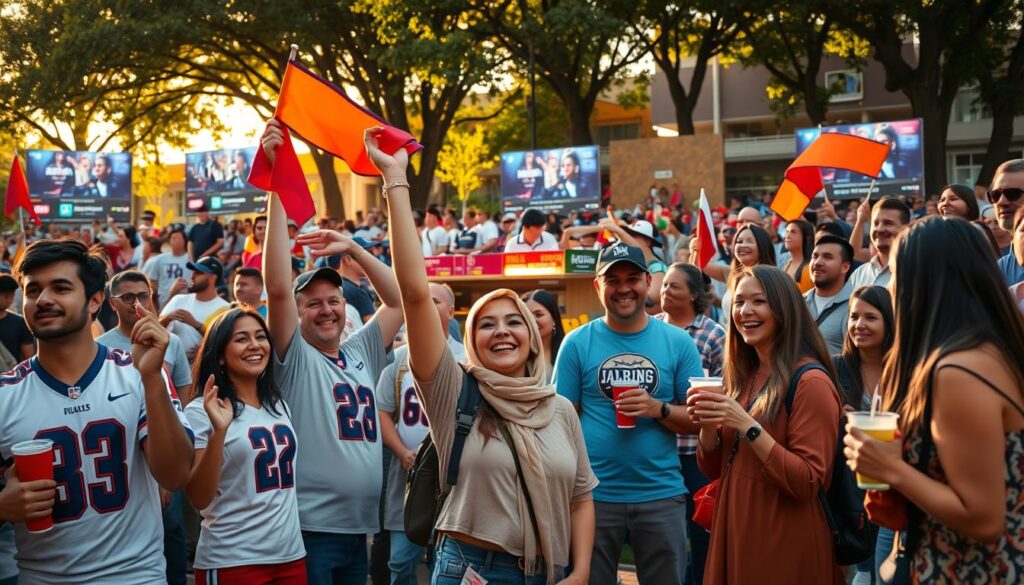
Trying to get people excited for your local game can feel like shouting into a void. Is anyone even listening?
The truth is, they are. But you might be using a megaphone when you need a stethoscope. The global market for sports fan engagement is now a $6.68 billion behemoth. That’s not just a number; it’s a flashing neon sign highlighting the commercial imperative.
Successful engagement isn’t a vague goal. It translates directly to higher ticket sales, packed stadiums, and a brand reputation that doesn’t fumble. But here’s the pivot: before you blast another generic post, we need to diagnose the patient.
This isn’t about counting heads. It’s about understanding hearts and minds. Are you talking to the retired teacher who knows every stat, or the young family looking for a Saturday activity? We’re moving past demographics and into psychographics.
Think of this guide as the pre-game film study for your marketing playbook. We’ll analyze how to use data not as a cold metric, but as a translation of your audience’s unspoken cheers and groans. Ready to stop shouting and start listening?
Building Pre-Event Buzz Through Social Media
Promoting a local sports event on social media is more than just sharing details. It’s about creating excitement. Instead of just posting the event time and place, share behind-the-scenes content and teasers. This way, you stand out in a crowded space filled with cat videos and news.
Don’t just post a static image. It’s not enough. A short, real video from practice can grab more attention. It feels real and authentic, unlike polished ads. This is key in sports event marketing.
Social media is where most people get their sports news. For football fans, 36% prefer it over other sources. But just being there isn’t enough. You need a plan that uses each platform differently.
Here’s the platform puzzle broken down:
| Platform | Its Role | Your Content Vibe |
|---|---|---|
| The reliable veteran. Your hub for detailed event pages, longer-form updates, and engaging community groups. | Informative, community-focused, perfect for sharing articles, live Q&As, and ticket links. | |
| The highlight reel. Driven by aesthetics and instant emotion. | Stunning visuals, short Reels of key plays, athlete profiles, and Stories that create FOMO (Fear Of Missing Out). | |
| TikTok | The rookie sensation. Built on trends, humor, and ultra-short-form authenticity. | Challenges, locker room fun, duets with fans, and edits set to trending audio. This is where you find new, younger audiences. |
Knowing your audience is key. Use a clear logo and plan your posts with a calendar. This helps build anticipation from start to finish.
Post when people are most likely to see your content. Use video and live streams to engage followers. They make them feel like insiders.
The goal of social media promotion is to create a buzz. You want active fans, not just viewers. Make them feel included in the excitement. When you succeed, your event becomes a must-see experience.
Partnering with Local Businesses and Sponsors
Forget the old ways of asking for money. The future of community sports promotion is about building strong partnerships. It’s not just about getting money; it’s about creating a win-win situation for everyone.
Imagine your event as a showcase for the whole town. It’s a chance for local businesses to shine. Their support is what keeps your team going.

It’s time to move from just giving out money to working together. A local brewery becomes the place to talk about the game. A hardware store helps equip the community’s passion for sports.
This change is at the heart of local team advertising. It’s about more than just money.
Identifying and Approaching Potencial Partners
First, find businesses that share your community’s spirit. Look for those who truly care about the area. It’s not just about who has the most money.
Start with places where your fans and their customers overlap. Think of family-owned pizza places, physical therapy clinics, and print shops. These are your natural allies.
When you talk to them, show them the benefits. Explain how it can help them too.
- The Community Pillar: Banks, credit unions, major employers. They want to be seen as leaders.
- The Lifestyle Fit: Sporting goods stores, gyms, health food cafes. Their brand matches your team’s lifestyle.
- The In-Kind Powerhouse: Restaurants, hotels, printers. They can offer valuable resources without spending a lot.
Do your homework before meeting. Talk about their community work. This shows you value them as partners, not just donors.
Structuring Mutually Beneficial Agreements
Now, the real magic happens. A good agreement makes a sponsor feel like a true partner. It’s about working together for success.
Don’t just offer logo placement. Think of unique experiences you can share. A sponsor could host a pre-game tailgate or a “Player of the Month” interview.
| Partnership Tier | Typical Investment | Core Benefits | Community Impact Angle |
|---|---|---|---|
| Title Game Changer | Significant Cash + In-Kind | Naming rights, prime signage, social media takeover, VIP event access. | Positioned as the foundational supporter making the entire event possible. |
| Community MVP | Moderate Cash or Equivalent Value | Logo placement, featured thank-you posts, booth space at event, co-branded content. | Highlighted as an engine of local pride and engagement. |
| In-Kind All-Star | Goods or Services | Recognition in materials, social shout-outs, tickets. | Showcased as providing the essential “tools” for community success. |
Think about creating content together. Sponsor interviews, behind-the-scenes looks, or community service projects. This shared storytelling is powerful community sports promotion. For more on how to ask for sponsorships, check out this resource.
Make sure to include metrics that matter to your partners. Not just “logo impressions,” but actual foot traffic, redemption of offers, or social media engagement. This turns your partnership into a valuable investment in your community. It’s a win-win for local team advertising.
Creating Compelling Event Content and Visuals
The secret to great sports event marketing isn’t about spending more money. It’s about telling a better story. We’ve moved past the days of just hyping up events. Now, your content should draw fans in, connect with them, and make them feel like part of the story.
Think of your game as a new chapter in your town’s story. This change means you need to tell stories, not just promote events. Let’s explore how to do this.
The Power of Personalization and Story
It’s time to stop sending the same message to everyone. The best approach is to create content that speaks directly to each fan. Deloitte’s work for the Olympics showed how deep personalization can lead to huge engagement, with 12 billion social media interactions for Paris 2024. People want to feel connected, not just informed.
Your job is to find the personal stories within the stats. Maybe it’s a rookie’s first game or a veteran’s last season. Or perhaps it’s a sibling rivalry on the field. These are the stories that grab people’s attention.
You don’t need fancy equipment to tell great stories. It’s all about perspective. A photo of a star player helping a kid can tell a more powerful story than many team photos. This is the magic of sports event marketing—turning moments into memories.
Leveraging Video and Interactive Formats
Live video is incredibly powerful. It feels real and authentic. A raw, unedited clip from practice can get more attention than a polished trailer. It’s like getting a behind-the-scenes look.
But why just watch? Interactive content is where the real magic happens. It turns fans into active participants.
- Host live Q&As with coaches or players before the game.
- Let fans vote for the “play of the game” on social media.
- Run a trivia contest about team history with prizes for winners.
- Try large-scale, mobile-powered experiences like synchronized light shows in the stands.
These ideas create a shared experience. They make the event theirs. When planning your upcoming local sports events, include these interactive elements. It’s the difference between selling tickets and inviting people into a story.
Great content in sports event marketing is about depth, not just volume. It’s about using empathy and participation. Give people a story to belong to and a role to play, and they’ll show up, both online and in person.
Leveraging Word-of-Mouth Marketing
In today’s world, a friend’s recommendation can mean a lot. Word-of-mouth is like the first social network. It can turn a small event into a big success. But, you can’t just wait for it to happen. You need to create a space where people naturally talk about it.
This isn’t about yelling into the void. It’s about building a community-driven echo chamber. Here, your fans can share their thoughts easily. The goal is to make sharing as natural as checking the score.
Empowering Your Superfans and Community
Every team has superfans. They know everything about the team and love to share it. These fans are like your de facto marketing team. The key is to give them a chance to shine.
When fans feel involved, they become your biggest supporters. Look at Brentford FC’s Fan Advisory Board. It has fan representatives on the board. This has led to high fan engagement scores.
For local events, create a “Street Team” program. Give your top fans special access and a voice. When they feel heard, they’ll spread the word.
Facilitating User-Generated Content and Co-Creation
The best content comes from the fans, not the press office. Your job is to create the right prompts and let them shine.
Start with a catchy hashtag. Not just #TownNameSports, but something fun like #PaintTheTownBlue. Then, encourage your community to use it. Ask them to share their game-day photos and stories.

This is where grassroots marketing strategies really work. Instead of just broadcasting, you’re helping your community share. Ask open-ended questions in your posts to start conversations.
Consider creating shareable moments. A special handshake for the first 100 fans or a “fan of the match” photo op. These moments are meant to be shared and create content.
When you encourage user-generated content, you get real, authentic social proof. A photo from a real fan is more powerful than any studio shot. It shows credibility.
This approach builds a culture around your team. The experience becomes something to talk about and share. You’re not just promoting an event; you’re building a community where word-of-mouth is key. That’s the real victory in any grassroots marketing strategy.
Game Day Promotion Strategies
Game day is like a Broadway opening night, where every fan is both a critic and a participant. The digital hype machine has done its job. Tickets are sold. Now, the real sports event marketing begins.
It’s not just about filling seats anymore. It’s about creating shareable moments that say, “You had to be there.” In many ways, that storytelling tradition mirrors the timeless narratives found in classic baseball literature, where the magic of a single game becomes a memory passed down through generations of fans.
Think of it this way: 60% of fans plan to watch big events with friends or family. This isn’t just a statistic. It’s a mandate. Your event is the social glue for their gathering.
Your promotion strategy must now activate that collective energy. It must turn passive viewers into an interactive chorus.
Activating the Live Experience
Activation is the difference between a game and an event. It’s about using the stadium’s physical and digital canvas to create a seamless, immersive narrative. Forget the PA announcer simply reading ads.
How can you make the crowd itself part of the show?
The answer lies in synchronized, participatory moments. Imagine a mobile-powered light show, where thousands of phones flash in unison during a player introduction. Consider real-time fan polls displayed on the jumbotron, deciding the next song or a MVP vote.
This is live experience marketing at its best. It transforms the venue from a container into a character.
This interactivity feeds a loop. Fans engaged in a trivia contest on the big screen are not just watching. They are competing. They are laughing.
And they are far more likely to share a clip of that moment. This turns attendees into your most credible broadcasters.
Exclusive In-Stadium Engagement Tactics
Exclusivity is the currency of the live event. The perception of getting something “only here” dramatically boosts fan activity and loyalty. This isn’t about giving away free swag.
It’s about creating privileged access to the event’s heartbeat.
Effective tactics blend technology with old-school reward. Here’s how to engineer that exclusive feel:
- Loyalty Program Lightning Bolts: Use your app to offer flash rewards. The first 100 fans to check-in at Gate B get early entry. The loudest section, measured via decibel meters, wins a post-game player greeting.
- Sponsored Gamification: Partner with a sponsor for a halftime challenge on the big screen. The winner gets a VIP upgrade or a concession credit, activated instantly via a QR code.
- UGC as the Main Attraction: Move beyond the chaotic “fan cam.” Curate a reel of the best fan-submitted photos or videos from the event’s hashtag and display it during breaks. Suddenly, your audience is the content.
- Micro-Moments of Access: Surprise a random seat section with a behind-the-scenes tunnel walk or a pre-game field visit. The scarcity creates a wave of envy and aspiration across the entire stadium.
These tactics do more than entertain. They create a layered sports event marketing narrative. The fan who wins a meet-and-greet doesn’t just have a photo. They have a story they’ll tell for years, effectively marketing your next event for free.
The goal is simple. Make the experience so uniquely engaging that not attending feels like missing the inside joke everyone is talking about on Monday. That’s how you turn a game day into a legend.
Post-Event Follow-up and Community Building
If your promotion strategy ends when the last spectator leaves, you’re missing out. The final whistle is just the beginning. It’s your chance to show what’s next. This phase turns casual fans into loyal supporters.
This is your chance to recruit for the next season. Don’t just send a generic “Thanks for coming!” email. Create a story where every attendee feels important.
The Art of the Strategic Debrief
A debrief is more than just counting hot dogs. It’s about understanding what people think. Tottenham Hotspur listened to their fans when they proposed a ticket change. They changed their plan. This shows the power of listening.
Share the glory and the crowd. Your highlight reel should show fans cheering as much as goals. This makes people feel they were part of it.
Ask for feedback, but do it in a way that feels like a collaboration. Use open-ended questions. This turns feedback into a valuable conversation.
Share what you learned and how you’ll use it. “We heard the concession lines were long. We’re adding two new points next game.” This shows you respect their opinions.
| Channel | Best For | Pros | Cons | Strategic Tip |
|---|---|---|---|---|
| Email Survey | Detailed, qualitative feedback from ticket buyers. | High control over questions; direct to a known audience. | Low response rates; can feel impersonal. | Keep it under 5 questions. Offer a small incentive (e.g., 10% off next ticket). |
| Social Media Poll | Quick, quantitative sentiment on specific issues. | High visibility and engagement; very easy for fans. | Lacks depth; limited to platform users. | Use Instagram Stories polls for fun, lighthearted questions (“Best halftime snack?”). |
| Post-Event Focus Group | Deep-dive insights from superfans. | Rich, nuanced feedback; builds fan investment. | Time-intensive; small sample size. | Host a virtual “Fan Council” chat. Provide exclusive swag as a thank you. |
| Feedback Kiosk | Capturing immediate, in-the-moment reactions. | Authentic, fresh feedback; high convenience. | Requires on-site tech/logistics. | Place near exits with a simple tablet interface. Ask one star-rating question and one open-ended. |
Converting One-Time Attendees into Season-Long Fans
Turning fans into loyal supporters boosts your bottom line. A loyal fan is worth more than a one-time buyer. They reduce churn and increase customer lifetime value (CLV).
Use feedback to personalize your outreach. If someone complained about parking, send them a new map. If they cheered for a player, send them a special video.
Share the community’s story. Post off-season training, player visits, and facility upgrades. This makes your team a constant part of the community.
Post-event community sports promotion is about continuous improvement. It shows you listen, adapt, and value fans. This turns a ticket into a membership card. It’s the slow, smart play that wins the long game.
Measuring Success and ROI
Measuring ROI for sports events is more than just counting tickets. It’s about keeping fans coming back. Anyone can count tickets sold. But the real magic happens in the months after the game.
Did your promotion create a lasting relationship or just a one-night stand? Let’s look at the real numbers.
For too long, local sports organizers have focused on empty numbers. We celebrate likes and shares, thinking we’ve won. But in today’s world, that’s not enough. It’s time to measure what really matters.
Moving Beyond Vanity Metrics
Vanity metrics are like confetti in marketing. They look good but tell us nothing. A big “reach” number means nothing if it doesn’t lead to ticket sales.
It’s time to move from counting to understanding. Knowing 10,000 people saw your ad is not as valuable as knowing 200 bought a ticket. The journey from casual fan to dedicated supporter is what matters.
The Premier League doesn’t just look at attendance. Clubs like Brentford measure fan experience, scoring high in atmosphere and digital engagement. (Brentford scored 83.1 out of 100 recently). They focus on feeling, not just filling seats.
Key Performance Indicators for Local Sports
So, what should you track? Focus on signals that show long-term health. Here are your new key stats:
- Customer Lifetime Value (CLV): How much is a fan worth over years, not just one game?
- Churn Rate: Are you losing season ticket holders? Why?
- User-Generated Content Volume: Is your community creating and sharing its own hype?
- Sentiment Analysis: What’s the emotional tone of comments and reviews? Are people excited or just informed?
- Local Merchandise Penetration: Are jersey sales spiking in your town’s zip codes?
These metrics help you build a valuable asset. They answer the question: are we creating something worthwhile?
To see the change, let’s compare old ways with new insights:
| Vanity Metric (The Sizzle) | Value Metric (The Steak) | What It Actually Tells You |
|---|---|---|
| Social Media Impressions | Website Click-Through Rate | Did our content drive action, or just scrolls? |
| Total Follower Count | Engagement Rate per Post | Is our audience listening and talking back? |
| Event Day Attendance | Ticket Renewal Rate | Did we create an experience worth repeating? |
| Number of Hashtag Uses | Sentiment of Hashtag Conversations | Is the buzz positive, negative, or indifferent? |
The goal is to show your promotional budget is an investment. By tracking the right data, you focus on growth. You can link a smart social media campaign to more season packages.
In the end, the best ROI for sports events might be building a strong community. Aim for Return on Community. That’s how you turn a local team into a beloved institution.
Budget-Friendly Promotion Tactics
A shoestring budget isn’t a death sentence for your local game. It’s a creative brief. Forget the deep pockets. The real magic happens when you master the art of promotional ju-jitsu.
Doing More with Less: Creativity Over Cash
Your most potent assets aren’t in the bank. They’re in the stands. Effective low-cost tactics form the core of any smart grassroots marketing strategies. Think user-generated content from passionate fans.
Partner with the local Rotary Club or coffee shop for cross-promotion instead of buying ads. Use free tools like Facebook Insights or Instagram Stories analytics.
Create a volunteer social media team from your tech-savvy committee members. Host your event at the existing high school stadium or community park. This is strategic scavenging. It turns constraints into your greatest advantage.
Leveraging Volunteers and Existing Networks
Your superfans are a ready-made marketing army. Barter free tickets for graphic design work from a local artist. Trade sponsorship for a videographer’s services.
Exploit social algorithms with authentic, clever content that costs nothing but thought. List your event for free on community calendars. Get a blurb in the PTA newsletter.
Design promotions so ingeniously simple they feel inevitable. True grassroots marketing strategies thrive on existing community connections, not cold cash.
Scarcity, not abundance, fuels the most powerful promotions. Your wit will always beat a competitor’s wallet. Now go fill those bleachers.