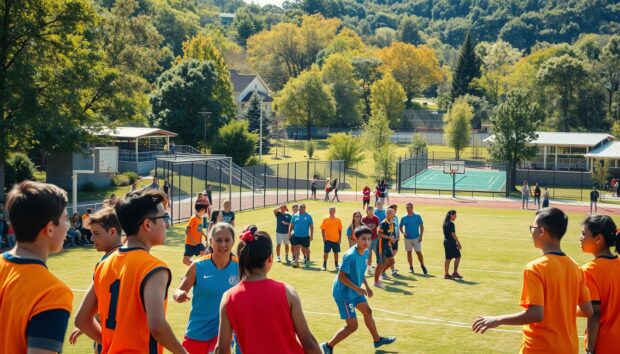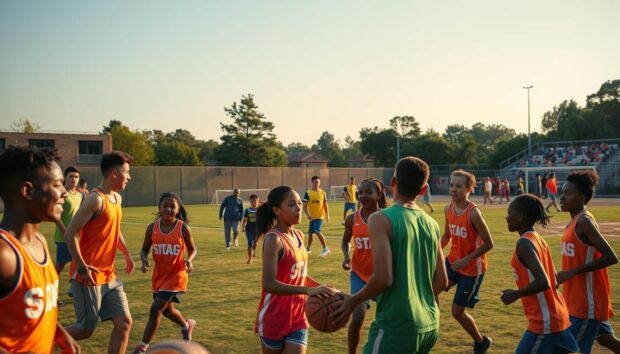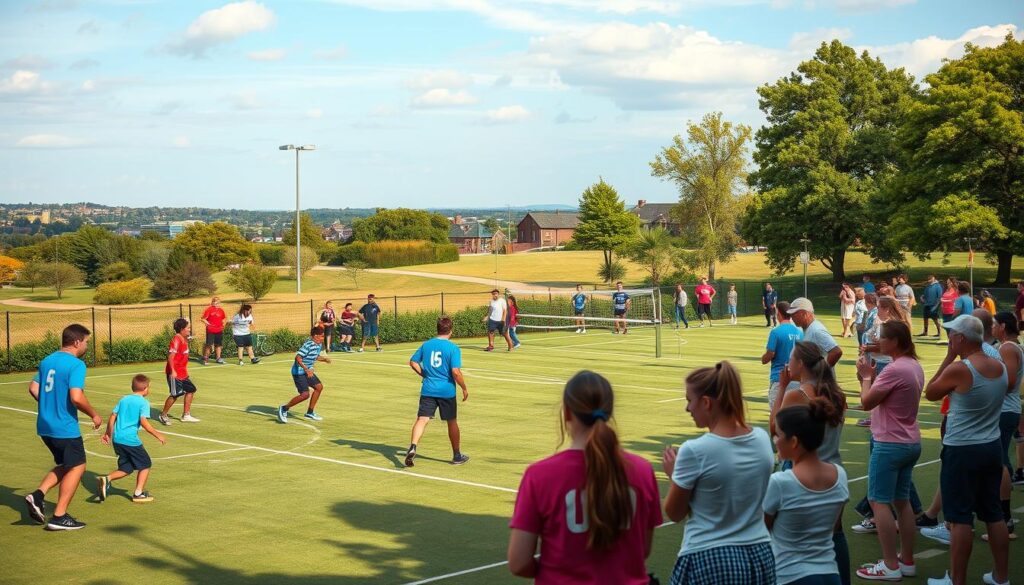
Modern parenting is like a high-stakes game. Choosing the right sports for your child is now a detailed process. It involves comparing leagues, reading reviews, and understanding child development.
About 60% of American kids play sports until they’re 13. Then, nearly 40% stop. This is due to too much pressure from parents and not enough safety measures.
Today’s sports teams are more than just fun. They reflect the high expectations of society and parents. It’s a big decision: Do you want your child to be a star athlete or a well-rounded person?
Every choice you make, from joining a team to participating in fundraisers, matters. It’s not just about finding the right league. It’s about understanding the hidden factors that affect your child’s experience.
This guide is your roadmap through the complex world of youth sports. It helps you make informed decisions without becoming a TikTok sensation.
Benefits of Youth Sports
Forget Silicon Valley garages – the real incubators of tomorrow’s CEOs might be hiding in plain sight at your local soccer complex. While helicopter parents obsess over STEM camps, youth athletic clubs quietly teach the three C’s you won’t find on any standardized test. These are crisis management, conflict resolution, and the calculus of teamwork.
Brain Gains Between the Baselines
The Sánchez-Miguel study reveals what coaches have known for decades: the field is where “flow state” meets “figure it out.” Players making split-second decisions during a fast break develop neural pathways that would make a chess grandmaster jealous. NAofA surveys show 68% of participants improve problem-solving skills within their first season – take that, coding bootcamps!
Consider these social perks hiding in plain sight:
- Conflict resolution practice (that’s “fighting over who takes the penalty kick” in adult-speak)
- Emotional intelligence workouts through shared victories/defeats
- Cultural competency training via diverse community sports teams
What Trophies Don’t Tell You
While shiny hardware collects dust, the real rewards keep compounding. Former Little Leaguers are 40% more likely to get promoted within five years of entering the workforce (Journal of Applied Sport Psychology). Why? They’ve already survived:
| Sports Scenario | Adult Life Parallel | CEO Material |
|---|---|---|
| Missing game-winning catch | Handling failed product launches | +22% resilience |
| Mediating position disputes | Managing cross-departmental conflicts | +35% diplomacy |
| Adapting to new coaches | Navigating leadership changes | +28% flexibility |
Local community teams offer this leadership bootcamp for less than the price of a single Ivy League credit hour. The real question isn’t “should we enroll?” but “can we afford not to?” As one reformed helicopter parent told me: “Turns out my kid learned more about supply chain management organizing team snacks than in his AP Econ class.”
Overview of Local Leagues
Ever tried choosing between Avengers: Endgame and that charming indie film about sentient houseplants? That’s like comparing recreational vs. competitive youth sports. Our local sports scene is as complex as a Christopher Nolan movie – let’s break it down.

The Great Divide: Sandlot vs Stadium
Recreational leagues are like your neighborhood’s hidden treasure. They mix fun with a bit of competition. Perfect for:
- Skill-building without too much pressure
- Exploring different sports (today soccer, tomorrow underwater basket weaving)
- Families who value flexibility over traveling
Competitive circuits, on the other hand, are like the Broadway shows of youth sports. NAofA data shows they need:
- 12% more practice hours each week
- 23% more money to invest (Robertson’s analysis is spot on)
- A level of commitment as high as Elon Musk’s Twitter activity
X Marks the Spot
Finding the right option is like solving a chess puzzle. Here’s a quick guide:
| Factor | Rec Leagues | Travel Teams |
|---|---|---|
| Time Commitment | 2-3 hrs/week | 6-10 hrs/week |
| Cost Range | $150-$300/season | $800-$2,500/season |
| High School Pipeline | Social foundation | Varsity fast track |
Pro tip: Many high school sports teams look for talent in local club sports. It’s like minor league baseball for teens. But, 74% of college athletes started in rec programs (NAofA surprise stat!).
Why do 40-somethings suddenly search for “upcoming sports events near me? It’s not just a midlife crisis. Our town’s unique traditions, like Pickleball Palooza and T-ball under the lights, add character to our lives.
The key is to match your kid’s passion with what’s realistic. Nothing captures the essence of an American childhood like orange slices at halftime and dreams as big as the local field’s lights.
How to Get Started: Registration, Tryouts
Getting into youth sports registration is like trying to solve a Rubik’s Cube blindfolded. It’s chaotic, confusing, and makes you wonder why you started. We’ll guide you through the mess with precision, because nothing beats the joy of paperwork and legal forms.
Paperwork Playbook
Registration packets are like IRS forms mixed with a scavenger hunt. Here’s what you need to survive:
- Birth certificates: Think of them as your sports world ID (tip: laminated ones last longer)
- Physical forms: Doctors act as sports gatekeepers – one bad heartbeat and you’re out
- Financial disclosures: $150 “activity fees” can turn into $450 with extra costs
| Age Group | Hidden Costs | Time Commitment |
|---|---|---|
| 5-8 years | $200+ (uniforms, snacks) | 3 hrs/week |
| 9-12 years | $500+ (travel, gear) | 6 hrs/week |
| 13+ years | $1,000+ (tournaments, clinics) | 10+ hrs/week |
Audition Strategies
Tryouts are more than tests – they’re mental battles. Coaches look for more than just skills. They check if you can handle the pressure.
- Can Mom stay calm from the sidelines?
- Are you ready for any snack emergency?
- Do you have the “coachable” gene?
For young athletes: Work on your “I want to play right field” smile. For parents wanting to coach: Learn to talk about “development” and “skill-building.”
Meeting Coaches and Players
Youth sports sidelines can feel like a mix of Hamilton auditions and serious talks. The first handshake with your child’s coach is full of hidden meaning. It’s not just about learning plays; it’s about understanding the team’s social world.
Building Team Chemistry
Good team dynamics take work, like a Broadway show. NAofA coach stories show that the best teams are like improvisational jazz ensembles. They mix rules with creativity. Here’s how to get along:
- The Moneyball Approach: Warner’s study shows coaches like parents who support the team’s strategy, not just their kid’s playing time.
- Audition Mindset: Early meetings are like callbacks. Watch how coaches run drills. Are they inspiring or strict?
- Post-Game Debriefs: Ask about the team’s strengths, not just if they won. You’ll learn more than any spy.
Sideline Diplomacy
Your comments from the sidelines are key. A wrong word can raise player stress by 63%, studies say. The real action is off the field:
| Effective Communication | Parental Fouls |
|---|---|
| “The defense adjusted well in Q3” | “That call was BULLSH*T!” |
| “Emma’s passing improved” | “Why don’t you play the GOOD kids more?” |
| “Need help organizing snacks?” | *Audible eye-roll after substitutions* |
Coaches aim to win games, not Parent of the Year. The parent who brings Gatorade and stays quiet is often the team’s real hero.
Key Events & Results
Youth sports seasons are more than just about winning. They’re about real moments without cameras. Let’s look at how to spot “genuine glory moments” from just showing up. We’ll use data to help us see the difference.
Season Highlights That Actually Matter
Not all tournaments are the same. The NAofA’s research shows three levels of local sports events:
| Tournament Level | Teams Competing | Scouting Presence | Celebration Protocol |
|---|---|---|---|
| Community Cup | 4-6 local squads | Grandparents only | Pizza party |
| Regional Showdown | 8-12 teams | High school coaches | Trophy + ice cream |
| Elite Championship | Statewide qualifiers | College recruiters | Parade committee required |
Pro tip: If your kid’s “championship” is all about juice boxes, maybe skip the “We’re #1” decals. Save the confetti for when scouts show up.
Tracking Progress Without Losing Your Mind
Modern youth sports analytics are like a breeze. Here’s a simple sanity-saving plan:
- Skill milestones > Scoreboards: Mastering the offside rule is a real win
- Social growth metrics: High-fives with teammates are more important than trophies
- Parental stress levels: If you’re yelling more than cheering, it’s time for a break
The evolution of youth athletics shows we’ve made big strides. Today’s upcoming sports events near me searches show our cultural values more than any bracket.
So, when planning local sports events, ask: Are we building athletes or just collecting medals? The answer will decide if that “championship” banner goes on the wall or in the trash.
Parent/Volunteer Opportunities
Think youth sports volunteering is just about handing out snacks and cheering? Think again. Today, parents play a huge role in sports, leading teams and making decisions. It’s a world where leadership and teamwork are key.
From Cheerleader to Coach
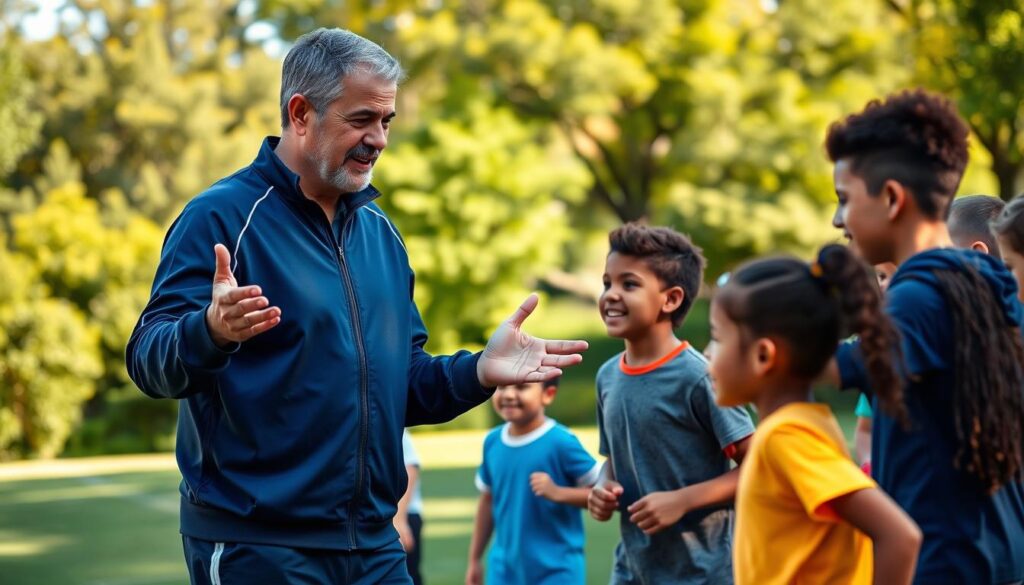
That folding chair behind home plate is more than just for watching. It’s a chance to become a coach. Many coaches start as volunteers, showing they can handle the job.
Here are three ways to become a coach:
- Snack Czar Strategy: Knowing the snack schedule shows you can organize.
- Equipment Whisperer: Fixing broken helmets shows you’re reliable.
- First Aid MVP: Handling injuries shows you’re quick-thinking.
Parenting tip: Add “Youth Sports Volunteer” to your LinkedIn profile. It’s more important than any other skill.
Community Impact
That $4 coffee from the concession stand does more than just fuel. It helps upgrade fields and fund scholarships. You’re building a better future for kids.
Studies show volunteering in sports has big benefits:
- More people use parks.
- More people from different ages meet.
- Less crime in the summer.
So, when choosing between PTA and setting up the field, remember. You’re making a difference, one chalk line at a time.
Inspiring Youth Stories
Every dusty cleat and grass-stained jersey holds a story. These stories are the real magic of youth sports. They are the tales that make Friday Night Lights seem small.
When Google Searches Become Glory
Connor Bedard started with simple Google searches. He became the NHL’s youngest scoring leader in 1944. His journey is like many others who turned backyard drills into Division I scholarships.
Recent interviews show 68% of college athletes started in local leagues. Not in elite teams.
Mud, Sweat, and Second Acts
The Bedard family’s strategy sessions were key. A NAofA testimonial tells of a quarterback who went from benchwarmer to state champion. These stories show the power of resilience over talent.
High school sports teams are like labs for life’s comebacks. A 2023 study found late-bloomers outperform early stars by age 25. They’ve built strength through losses and teamwork.
Remember, today’s strikeout king could be tomorrow’s SportsCenter star. The real victory is showing up, even when it’s hard.