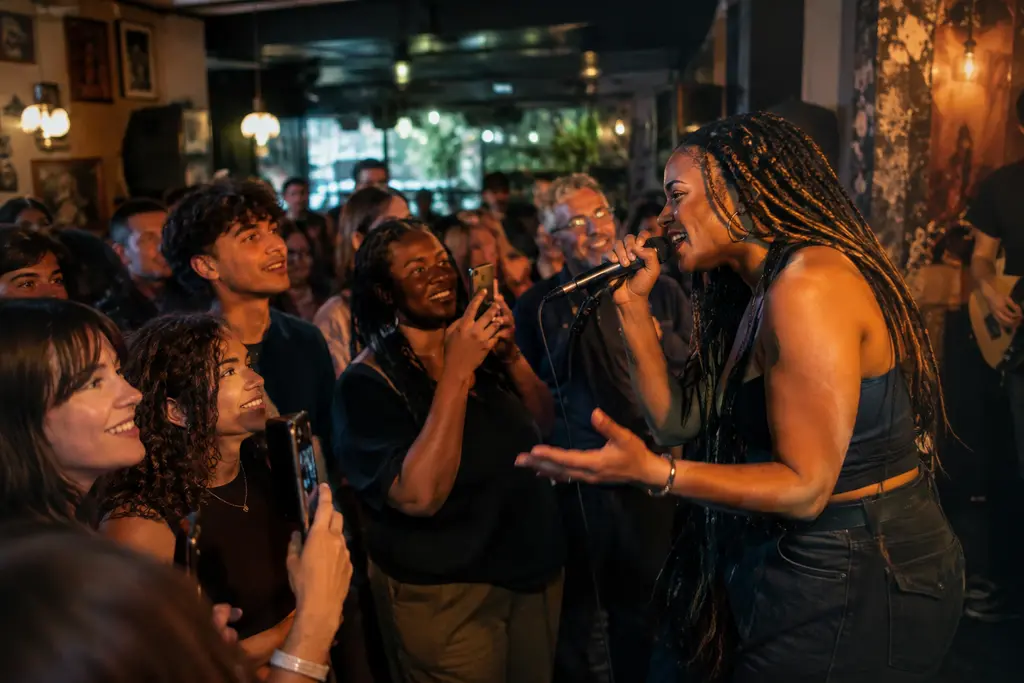
The Vera Culture case began as a copyright dispute, but its reach is broader than one Northeast Washington, D.C. venue. On October 19, 2026, Universal Music Corporation, Boomer X Publishing, Inc., Dead Game Publishing, and W. Chappell Music Corp. filed a three-count complaint in U.S. District Court for the District of Columbia against Culture L.L.C. and four individuals alleged to be its principals. The filing concerned alleged unlicensed public performances of “Party Up (Up in Here),” “Another Love,” and “Gonna Make You Sweat,” according to a report on the complaint by Copyright Now.
For artists, venue operators, promoters, and local audiences, the dispute is a reminder that live music culture rests on both creative trust and rights administration. A room may feel informal, community-based, or experimental, yet public performance rules can still apply. This article is not legal advice. It is a cultural and practical reading of what the reported allegations suggest for venues that present music to the public.
Why The Vera Culture Case Matters To Venues
What The Vera Culture Case Alleged
The complaint alleged that ASCAP offered licensing to Vera/Culture beginning in June 2023 through mail, email, and phone outreach, and that those offers were refused. The plaintiffs also alleged that public performances of ASCAP-member works continued without authorization. As of October 31, 2026, the available research identifies the matter as a filed complaint, not a final ruling. That distinction matters: allegations in a complaint are claims to be tested through the legal process.
The defendants named in the reported filing included Culture L.L.C. and Nayef Issa, Fadi Alaeddin, Nour Chaaban, and Mazen Zaatari, who were alleged to be principals of the venue. The plaintiffs sought a permanent injunction, statutory damages under 17 U.S.C. § 504, and attorneys’ fees under 17 U.S.C. § 505. The complaint did not set a specific dollar amount for damages in the research provided.
Why A Single Complaint Can Reshape Local Practice
The Vera Culture case sits at the point where nightlife, hospitality, and copyright administration meet. A venue’s identity may be built through DJs, cover bands, karaoke, open mics, or curated performance nights. Yet the copyright issue is not limited to whether the venue books famous acts. The question is whether music controlled by rights holders is publicly performed in a setting that requires permission.
That can feel abstract to community organizers, especially in spaces where music is one part of a broader gathering. Still, cultural programming depends on sustainable relationships among songwriters, performers, venue staff, and audiences. Respecting rights is not opposed to creative community life; it is one of the structures that can help creators be paid when their work is used.
What Public Performance Licensing Covers
Licenses Are About Songs, Not Just Star Performers
Under the research provided, venues that present music publicly are generally expected to secure public performance licensing from performing rights organizations such as ASCAP, BMI, or SESAC when represented works may be performed. That can include recorded music, live cover versions, karaoke, and original songs if those songs are registered with a performing rights organization. The exact obligations can depend on the facts, contracts, repertoire, and venue use, so operators should avoid assuming that a small stage or local bill removes the issue.
The Vera Culture case also shows why licensing outreach can become central in a dispute. The reported complaint did not simply allege that music was played. It emphasized that licensing had been offered over an extended period beginning in June 2023. From a venue-management perspective, that makes correspondence, set lists, booking records, and internal decision-making part of the risk picture.
How Enforcement Appears In Venue Culture
The research places the dispute alongside other ASCAP actions involving bars, restaurants, and venues. A Patch report on a separate Virginia matter stated that ASCAP had sued Clarendon Ballroom over alleged music copyright violations and also quoted ASCAP as saying many bar and restaurant licenses cost less than $2 per day in average cases, as reported by Arlington Patch. That figure should not be treated as a universal quote for every venue, but it helps show how rights organizations publicly frame licensing as a routine operating cost.
Venue operators often describe the burden differently. The research notes concerns about rising licensing costs, multiple performing rights organizations, and unclear outreach. Those concerns are not trivial. Small cultural rooms often work with thin margins, shifting attendance, staffing shortages, and expensive sound, security, rent, and insurance needs. Still, the financial stress of compliance does not erase the potential cost of a lawsuit.
- Licensing correspondence should be preserved rather than ignored.
- Set lists and event records can help clarify what music was performed.
- Venue owners should distinguish between artist payment and song licensing.
- Public performance issues can arise with cover bands, DJs, karaoke, and recorded playlists.
- Disputes may involve injunctions, statutory damages, and fee claims, depending on the case.
Compliance Pressures For Community Venues
The Cultural Cost Of Uncertainty
For community arts spaces, uncertainty can chill programming. A small promoter may wonder whether a themed dance night, a fundraiser with a DJ, or a local band covering familiar songs creates exposure. A venue may want to support emerging performers but lack administrative capacity to map every rights issue. That is why public-facing guidance from rights organizations, clear invoices, and responsive communication matter. A rights system that artists depend on should also be understandable enough for small venues to use.
The Vera Culture case should not be read as proof that every venue dispute has the same facts. It does, though, point to a recurring pressure: once a rights organization says a license is needed, nonresponse or refusal may later be framed as evidence in litigation. Even if a venue disputes the need for a license, the safer cultural practice is to keep records and seek qualified guidance rather than treating letters as background noise.
Artists, Promoters, And Shared Responsibility
Artists and promoters are not merely bystanders in this conversation. Set lists, promotional materials, and performance formats can affect what music is used in a room. A cover-heavy set, a tribute event, a dance party, or a karaoke night may carry different practical concerns than a fully original program, though original music can still be affiliated with a rights organization. No single checklist can resolve every situation, but clearer communication among artists, bookers, and venue managers can reduce confusion.
There is also an ethical layer. Songwriters may never appear in the room where their work is performed, yet their labor helps create the atmosphere that sells tickets, drinks, and community belonging. Venue culture often celebrates the visible performer while forgetting the authorship embedded in the songs. A careful rights process can help correct that imbalance without diminishing the value of live interpretation.
For those who appreciate the broader tapestry of performance, costume, and creative expression, Fairytale Fashion provides a window into related cultural narratives. Understanding this link is important because music venues offer more than just sound; they are spaces where style, identity, movement, and shared experiences converge.
What The Vera Culture Case Signals
The Vera Culture case signals that public performance licensing is not a back-office detail separate from live culture. It can shape how a room books events, documents performances, communicates with rights organizations, and protects its long-term ability to host artists. The reported complaint did not resolve those questions, but it placed them in a formal legal setting with potential injunctions, statutory damages, and attorneys’ fees at issue.
For venues, the practical lesson is caution rather than panic. The strongest community spaces tend to be those that treat artists, staff, audiences, and rights holders as part of the same cultural system. A venue that builds licensing review into its operations is not stepping away from creativity. It is making room for music to continue with fewer preventable disputes.
The case also asks arts communities to hold two truths at once. Small venues need workable, transparent paths to compliance, especially when costs and communication can feel hard to manage. Songwriters and publishers also have legitimate interests when their works are performed publicly. The healthiest live music culture will need both: accessible licensing practices and venues that take those practices seriously before a complaint is filed.