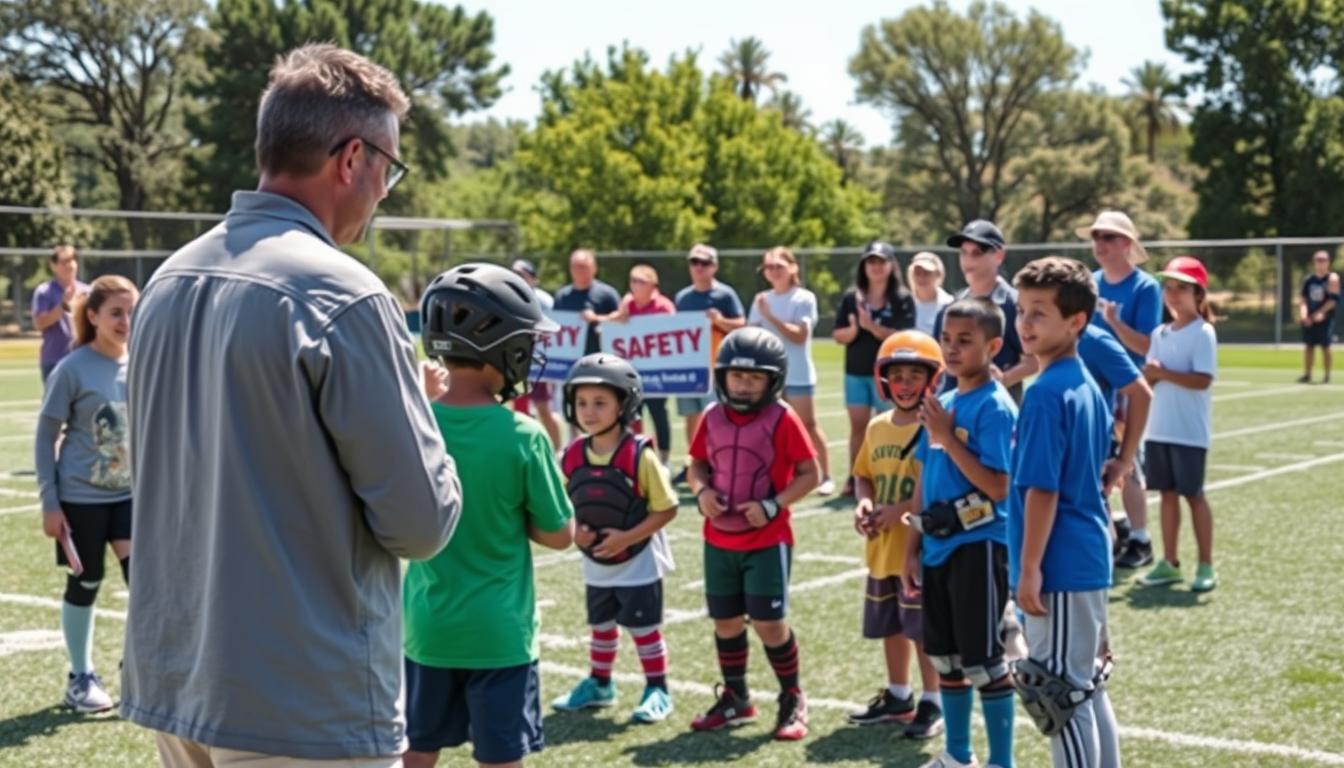
Forget town hall meetings. The real American society shows up on Saturday mornings at the local soccer field or gym. Here, dreams and worries meet, with small shin guards holding big hopes.
“Community sport” means organized activities that keep kids healthy and connected. They’re key for kids’ growth across the country. But, true safety means more than just avoiding sprained ankles.
Recent studies show a big change. The aim is not just a safe place—it’s a brave one. Imagine a space where every child feels truly at home, no matter their background. That’s the real goal.
This isn’t just about first aid. It’s a deep look at our culture with steps to take. The biggest injury might not be physical. It could be a child’s love for the game itself.
Injury Prevention Strategies
The most advanced injury prevention strategy for young athletes focuses on mental safety. It’s not just about preventing twisted ankles. It’s about creating a safe space where everyone can speak up.
MLSE LaunchPad research shows 82% of youth who face racism or discrimination in sports feel alone. This isn’t a coaching failure. It’s a big failure in creating a safe environment.
Physically, we face common injuries like overuse and improper technique. These can lead to long-term damage. Muscular imbalances are another silent threat.
Mentally, we fight burnout and anxiety. These silent injuries can end a career before it starts.
So, what’s the plan? It’s a two-part strategy:
- Evidence-Based Physical Protocols: We use neuromuscular training and dynamic warm-ups. These prevent injuries, not just treat them.
- Environmental Engineering: We create spaces where kids feel safe to speak up. This is more than just physical safety.
Programs like Jumpstart show that safety starts with basics. Kids can’t prevent injuries if they can’t afford the right gear. Youth sports safety means making sure everyone has what they need.
The real secret to injury prevention for kids is culture. When we value silence over speaking up, we harm our athletes. We’re not building resilience; we’re creating problems.
Think about it: a good warm-up might prevent an injury today. But a safe culture prevents suffering tomorrow. This is true injury prevention that protects both body and mind.
Our prevention plan needs more than just drills. It needs listening and cultural checks. Coaches should know how to help with emotional issues too.
The future of youth sports safety isn’t just about better gear. It’s about creating a place where every athlete feels safe to share their concerns. This is how we prevent injuries and protect dignity.
Proper Equipment and Fitting
Think of youth sports equipment as more than just gear. It’s a sign of who gets to play safely. That shiny helmet is not just for looks. It’s a key to playing safely.
Programs like Home Ice Hockey get this. They don’t just hand out old gear. They give protective equipment and on-ice instruction together. The Hockey Coach Education Program also fights for fair access to coaching and gear.
For kids who’ve never played before, the right equipment is essential. It’s not a luxury. It’s a must for them to join in.
The fitting room is where parents worry and retailers try to sell. That soccer cleat shouldn’t be too big. That baseball bat shouldn’t be too heavy for your kid.
Fitting right is key to avoiding injuries. It helps kids move well and safely. Bad fitting can lead to injuries and poor movement.
Badly fitting gear can cause injuries and teach bad habits. A helmet that moves during impact doesn’t protect against concussions. Cleats that are too big can make ankles unstable.
The table below shows the difference between good and bad fitting. It helps you choose the right gear without falling for the “they’ll grow into it” trick.
| Equipment Type | Proper Fit Indicators | Improper Fit Consequences |
|---|---|---|
| Helmets | Snug without pressure points; doesn’t shift when head moves; front sits two finger-widths above eyebrows | Increased concussion risk; obstructed vision; discomfort leading to removal during play |
| Cleats/Athletic Shoes | Thumb’s width at toe; heel doesn’t slip; arch support matches foot shape | Ankle sprains; blisters; altered running mechanics affecting knees and hips |
| Protective Pads | Cover intended area completely; secure straps don’t dig in; allow full range of motion | Bruising from impact transfer; chafing; restricted movement causing strain |
| Bats/Sticks | Appropriate weight for strength level; correct length (reaches hip when standing) | Poor swing mechanics; shoulder/elbow stress; reduced control and power |
| Mouthguards | Custom-fitted or boil-and-bite molds properly; allows normal breathing and speech | Ineffective against dental injury; gag reflex activation; removed during play |
That hand-me-down gear from your neighbor’s kid? It’s not just old. It’s shaped for someone else’s body. Using it is like wearing someone else’s shoes.
Programs like Jumpstart understand this. They give equipment to help kids play. But they make sure it fits right. Anything else is just giving kids more problems.
For kids to play safely, they need the right gear. Coaches teach skills that need a stable base. Big cleats can’t support elegant footwork.
Quality fitting is like medicine for kids. It keeps them safe before injuries happen. That right helmet is more than a piece of gear. It’s your child’s safety shield this season.
Hydration and Nutrition Needs
The most overlooked safety equipment isn’t helmets or pads. It’s the water bottle left on the sidelines. We focus on gear but ignore hydration. It’s key for young athletes’ safety and function.
Dehydration is a silent threat. It affects thinking and reaction time. It can lead to poor decisions and injuries.
Hydration is like a smart policy. Everyone knows it’s vital. Yet, kids often look dehydrated after practice. The importance of hydration for young athletes goes beyond just avoiding thirst. It’s the base of youth athlete health and performance.
Nutrition is like the economy. The right fuel is more important than just calories. It affects how the body works.
Good nutrition gives:
- Steady energy release from complex carbs
- Muscle repair materials from quality proteins
- Hormone production support from healthy fats
- Metabolic function from vitamins and minerals
An empty stomach is dangerous. Hunger clouds judgment and increases injury risk. It’s not about fancy meals or supplements. It’s about regular, easy-to-get food.
Food insecurity is a big issue. Surveys show many kids struggle due to income. When kids are hungry at practice, they’re already at a disadvantage. Their focus is off, and they’re tired.
Community programs often help with food. Places like KickStart Soccer offer more than just coaching. They provide a safe place with food. This is not charity. It’s basic youth athlete health support.
Hydration tips are different from what we used to think. The “drink when thirsty” rule is outdated. Young athletes need proactive strategies:
- Pre-hydrate: 16-20 ounces of water 2-3 hours before activity
- During activity: 7-10 ounces every 20 minutes
- Post-activity: Replace 150% of lost fluids within 2 hours
Check urine color. Light yellow means you’re hydrated. Dark yellow means you’re not. Weigh before and after activity. Each pound lost means you need to replace 16 ounces of fluid.
Nutrition timing is as important as what you eat. The body has specific times for nutrition:
| Time Frame | Nutrition Goal | Sample Foods |
|---|---|---|
| 2-3 Hours Before | Sustained Energy | Whole grain toast, banana, peanut butter |
| 30-60 Minutes Before | Quick Fuel | Yogurt, granola bar, apple slices |
| Within 30 Minutes After | Recovery Start | Chocolate milk, turkey sandwich, fruit |
| 2 Hours After | Muscle Repair | Grilled chicken, quinoa, steamed vegetables |
Education is key, not just for athletes but for families and coaches too. Programs should see snacks as essential, not extras.
Fueling the body is the first step in fueling ambition. When we focus on hydration and nutrition, we’re not just preventing injuries. We’re building strong athletes. We’re making sports safer. We’re showing that sports safety youth starts with what we eat, not just what we wear.
The analogy is clear. Even with the best plans and messages, neglecting basics can ruin everything. For youth athlete health, hydration and nutrition are not luxuries. They’re must-haves.
Recognizing Concussion Symptoms
The concussion in youth sports isn’t a monster hiding in the shadows; it’s the ghost we’ve invited to dinner by celebrating toughness over truth. We’ve ritualized “shaking it off” like some sacred sports ceremony. But the real danger whispers in subtitles most of us aren’t trained to read.
Think about it. Is that headache just dehydration’s calling card or your brain’s SOS signal? Is that irritability standard teenage angst or a neurological red flag? This isn’t medical drama—it’s behavioral detective work. True sports safety youth programs teach us to become literary critics of a kid’s demeanor, not just sideline medics.
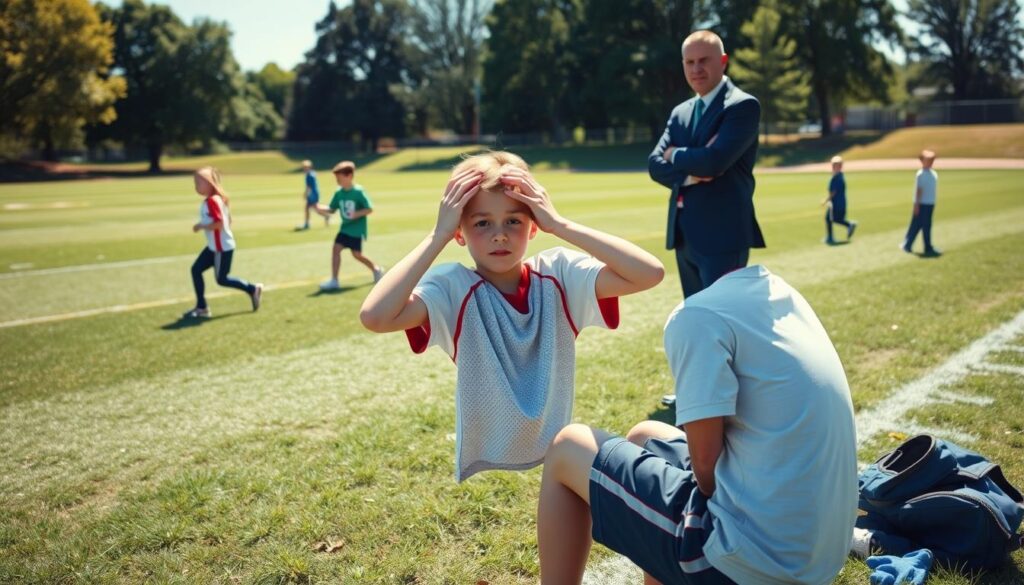
The vacant stare during a timeout. The half-second delay answering a simple question. The uncharacteristic clumsiness with routine drills. These aren’t plot holes in the game narrative. They’re critical chapters in a safety story we often skip. The Toronto research on “brave culture” hits the nail on the head here.
A young athlete needs to feel safer reporting a fuzzy head than they feel about letting the team down. That cultural shift is everything. It transforms the field from a pressure cooker of performance into a sanctuary of well-being. This is where the Sage archetype earns its keep—enlightening through calm analysis.
Let’s break down the symptom lexicon. The obvious signs get the headlines, but the subtle ones write the real story.
| Obvious Symptoms | Subtle Symptoms | Behavioral Clues |
|---|---|---|
| Loss of consciousness | Persistent headache that worsens | Vacant stare or “glassy eyes” |
| Vomiting or nausea | Difficulty concentrating or remembering | Answering questions slowly |
| Slurred speech | Sensitivity to light or noise | Uncharacteristic emotional reactions |
| Balance problems or dizziness | Feeling “foggy” or “slowed down” | Withdrawing from team interactions |
| Confusion about assignment or position | Sleep disturbances (too much or too little) | Loss of interest in activities they usually enjoy |
Programs like Midnight Basketball or Ready to Rebound understand this intuitively. They build mentorship and trust into their DNA. When a coach is also a life guide, a kid is more likely to whisper, “My head doesn’t feel right,” instead of swallowing the pain.
We need to retire the machismo of “getting your bell rung” like it’s some badge of honor. That phrase belongs in sports history museums, not on modern fields. The new vocabulary focuses on brain health, transparency, and collective responsibility.
Ask yourself this: Does your team’s culture reward honesty about injuries as much as it rewards scoring points? That answer tells you more about your youth sports safety protocol than any checklist ever could. The symptoms are just data points. The culture that interprets them—that’s the real game changer.
Heat Illness Prevention
The fight against heat illness in sports is about careful planning, not quick saves. Heat exhaustion and heatstroke are like unwanted guests. They don’t care about your team’s rank or your child’s talent.
Children are more at risk because their bodies heat up fast but sweat less. They’re learning to control their body temperature. Add a hot uniform, sun, and pressure to keep going, and you have a big problem.
Preventing heat illness is all about planning. Schedule practices when it’s cooler. Choose uniforms that help keep you cool, not hot.
The most at-risk athlete might be dehydrated or without air conditioning at home. True sports safety youth programs see these hidden risks. They know heat illness is often preventable, not random.
So, what does good prevention look like? It’s a mix of things:
- Proactive Hydration: Make sure kids drink water on schedule. Check their urine color to see if they’re hydrated.
- Shade Sovereignty: Give shade breaks every 20-30 minutes. The shaded area is a safe spot, not a penalty.
- Heat Timeout Empowerment: Let everyone call a “heat timeout” without fear. This makes everyone a part of injury prevention kids need.
- Acclimatization Protocols: Start slowly to let young bodies adjust. This helps avoid shock.
Preventing heat illness is about empathy in policy. It’s about understanding the physics of heat. Programs that get this right teach more than sports. They teach listening to your body’s signals.
Doing this right means more than just avoiding emergencies. It builds a culture where listening to your body is smart, not weak. This is the real game of sports safety youth advocacy. It’s about creating a safe space for sports love, without unnecessary risks.
Age-Appropriate Training Intensity
We often forget that kids’ bodies are not like adult machines. We treat them like they are, leading to burnout. This is because we apply adult athlete training to young bodies.
Training that fits a child’s age isn’t about being easy. It’s about understanding how their body grows. Young bodies need variety, not just doing the same thing over and over.
Starting too early in a sport can limit a child’s athletic skills. It makes them more likely to get hurt. True youth athlete health means giving them a chance to try different things.
Look at programs like non-competitive flag football and The First Tee. They focus on learning and growing, not just winning. These programs know how to keep things right for young athletes.
It’s better to have breaks and try different things than to always push too hard. This way, kids can enjoy sports for a long time, not just when they’re young.
| Training Aspect | Age-Appropriate Approach | Inappropriate Intensity | Impact on Development |
|---|---|---|---|
| Focus/Goal | Skill acquisition, fun, neural development | Winning, rankings, early specialization | Builds athletic literacy vs. creates burnout |
| Weekly Volume | 8-10 hours max, seasonal breaks | 15-20+ hours, year-round | Prevents overuse injuries vs. increases risk |
| Skill Development | Multi-sport exposure, varied movements | Single-sport repetition, technical perfection | Creates adaptable athletes vs. fragile specialists |
| Competition | Modified rules, equal participation | High-stakes tournaments, elite travel | Maintains enjoyment vs. creates performance anxiety |
| Long-term Outcome | Lifelong activity, youth athlete health | Early retirement, chronic injuries | Sustainable relationship with sport vs. abandonment |
Research shows that kids do best in sports when they’re allowed to grow and develop naturally. They shouldn’t be forced into adult training too early. This is what a study on youth sports culture found.
We need to change how we think about sports for kids. The goal should be to help them enjoy sports for life, not just to win. Injury prevention kids starts with smarter training, not just more padding.
Training should match the child’s age, not just the goals of adults. The best programs already do this. They help kids become athletes who can enjoy sports for a long time, not just when they’re young.
Recovery and Rest Importance
Research shows that rest is essential for young people. It’s not just a break; it’s a must for their growth. In today’s world, we often see rest as a sign of weakness. But for kids, it’s a biological need.
Rest is when the real work happens. It’s when muscles heal and skills become permanent. Without it, kids can get hurt, which is bad for their sports career.
Rest isn’t just sleeping. It’s a key part of keeping young athletes healthy. It includes physical activities, eating right, and taking mental breaks.
- Physical Recovery: This means doing light exercises and using tools like foam rollers. It helps the body recover without overdoing it.
- Nutritional Replenishment: After working out, it’s important to eat the right foods. This helps the body repair itself and get ready for the next day.
- Psychological Detachment: Kids need time to be kids, not just athletes. This mental break is vital for their well-being.
Community sports often get rest right without even trying. They have seasons and breaks, which helps kids recover. This balance is good for their health and happiness.
But, some sports programs are too intense. They focus too much on winning and not enough on rest. This can hurt kids’ health and make them feel too much pressure.
By promoting rest, we’re doing something important. We’re saying that kids’ health is more important than winning. This helps them stay healthy and happy in sports.
Understanding the importance of rest is key to keeping kids safe in sports. It’s about giving them time to heal and grow. This way, they can enjoy sports without getting hurt.
When to Seek Medical Attention
The final step in our youth sports safety plan is about acting fast. Knowing when to ask for help is key.
Get a doctor right away for clear warning signs: pain that doesn’t go away, visible injuries, lasting concussion symptoms, or feeling like your body is betraying you. This is basic sports safety.
But true safety in youth sports means looking beyond just physical health. Many young athletes face bullying or feel overwhelmed. If they’re sad about sports, anxious before games, or experience harassment, they need to talk to someone. This could be a coach, counselor, or program leader.
Programs like the Toronto Argonauts Flag Football or Midnight Basketball understand this. They mix mentorship and community care into the game. This support is not just extra; it’s essential.
Knowing when to ask for help shows a mature sports culture. It puts people first, not just their performance. This completes the circle of real youth sports safety.