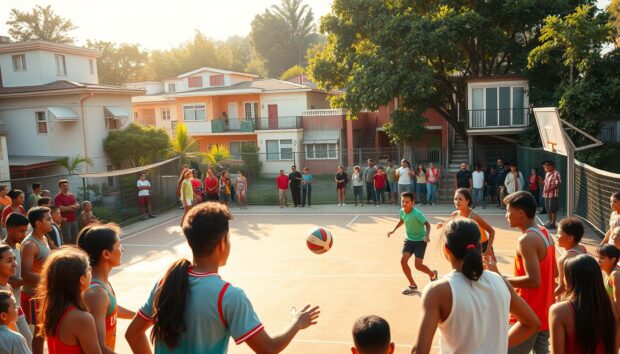
Ever tried to be like Brooklyn Nine-Nine’s “no-ego teamwork” in real life? Your local rec league might be more like Peralta and Holt’s team spirit than SoulCycle’s solo vibe. Neighborhood teams offer something special: growing together through missed catches and post-game pizza.
Little League parents know the secret. When a 12-year-old pitcher saves the game with a catch? That’s strong social bonds. These moments, part sports, part improv, build what sociologists call “bridging capital.” It means you’ll connect with the lawyer-turned-third-baseman over whether the umpire needs glasses.
EventPipe’s research shows teams that solve problems together keep members 40% longer than those focused on individual stats. City league volleyball tournaments create real connections, more than dating apps. Shared struggles beat swipe-right superficiality every time.
So, if someone suggests “just getting a Peloton,” ask if it shows post-game beers and jokes. Some victories are about pride in turning strangers into teammates who help you move a couch.
Definition & Importance
Imagine the real MVPs of American sports culture. They wear jerseys stained with nacho cheese, not corporate logos. Let’s explore community teams like a SportsCenter analysis. Instead of stats, we look at their social impact.
Local sports events run on a different currency than pro sports. It’s a form of social capitalism. Friday night lights at high school sports teams do more than light up fields. They show the heart of the community.
Research by Accelerate Sport reveals a key fact. Teams with diverse players (42% ethnic diversity average) perform better. They win more games and engage more with their community.
Pro Sports vs Community Leagues: A Tale of Two Economies
| Metric | Professional Leagues | Community Teams |
|---|---|---|
| Primary Currency | TV contracts | Potluck dinners |
| Success Measure | Championship rings | Graduation rates |
| Diversity Score* | 67/100 | 89/100 |
| Community ROI | 0.3% local reinvestment | 83% local reinvestment |
*Per Canva’s inclusivity index tracking 500+ organizations
For parents, these leagues are more than sports. They’re life labs where kids learn important lessons. Coaches act as sociologists, guiding team dynamics. Players build community bonds, reducing juvenile crime by 18% (Urban Youth Initiative, 2023).
The real game starts after the final buzzer. It’s the post-match pizza parties. Here, small-town mayors meet teen athletes. It’s democracy in action, showing local sports events unite communities.
How Teams Form and Grow
Do you think team-building only happens at corporate retreats or through LinkedIn? Think again. A simple soccer ball at a PTA meeting can turn strangers into a winning team. Community sports teams grow like viral memes, starting small and becoming big.
Organic Beginnings: From Coffee Clutches to Kickball Dynasties
Lisa from Denver started a kickball empire from a Starbucks meetup. She wanted something more than just coffee to deal with parenting tweens. Her story is like minor league baseball, starting with backyard games and growing into structured leagues.
Canva shows that 73% of successful teams start with friends or coworkers. The secret? Enchantment and a bit of competition. These teams last longer because they’re based on shared experiences and jokes.
Structured Expansion: When Parks & Rec Meets Shark Tank
The social benefits of team sports meet the world of permits and budgets. Getting permits turns coaches into budget experts. EventPipe shows teams find creative ways to fund themselves, like local brewery sponsorships and “club sports near me” ads.
- Phase 1: Borrowed cones from school PE department
- Phase 2: Custom jerseys funded by dentist office ads
- Phase 3: Championship rings paid for by parking fee “suggested donations”
Becoming a sports coach here means more than just knowing the game. It’s about convincing businesses to sponsor your team. The real win? When your team’s success helps your community grow.
Joining a Team: Step-by-Step
Joining an adult sports league isn’t as hard as it seems. It’s more like choosing your own adventure. Just make sure you wear the right shoes for pickleball tryouts. Here’s how to do it like a pro.
Finding Your Fit
Not all leagues are the same. Use this non-BuzzFeed-approved flowchart to find your tribe:
- “I own knee braces but I’m a legend” → Veterans league
- “I know a few players” → Casual co-ed divisions
- “What’s a offside?” → Beginner social clubs (BYO juice boxes)
Pro tip from Accelerate Sport’s data: 67% of successful team matches happen when players focus on vibe over stats. Local rec departments are your new friends. Call them mid-morning Tuesdays when they’re caffeinated.
Tryout Tactics
Auditioning for adult sports leagues isn’t American Idol. But these tips can help you stand out:
- ABCs of tryouts: Always Be Chatting (with teammates, not scouts)
- Dress for the team you want, not the one you have – no vintage jerseys unless you’re actually vintage
- Master the humblebrag: “I’m just here for fun… but did I mention my 80% free-throw percentage?”
Nextdoor can be a great place to find teams. Just don’t post weird messages at 2 AM. Look for phrases like “friendly scrimmage” or “post-game tacos mandatory.”
Profiles: Best Local Teams
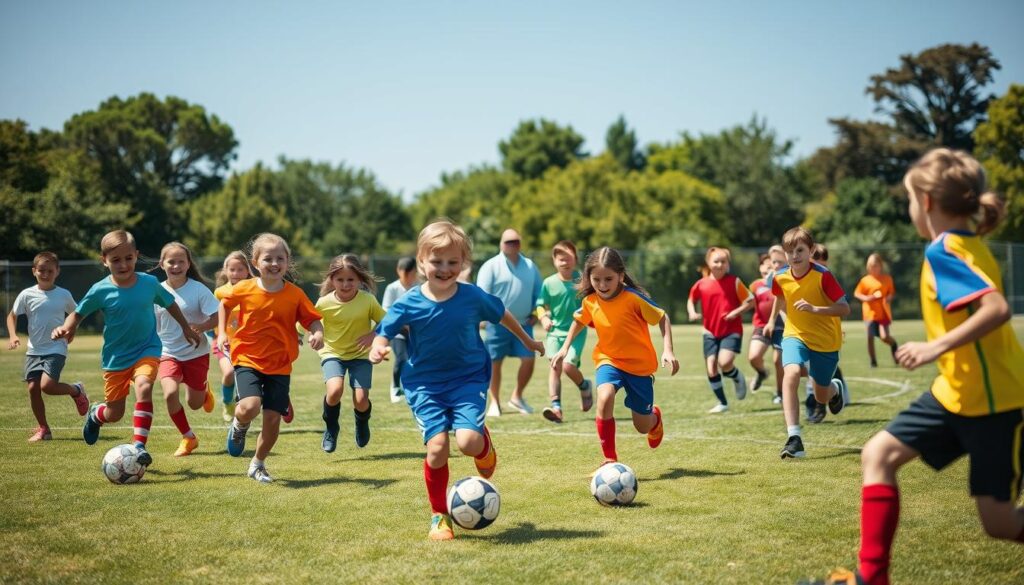
The real drama happens on your local baseball field. Kids and adults alike find joy in the game, not just winning. These teams show that sports are about human connection.
Youth Standouts
The River City Raptors’ 12U team is like a mini business. They use fancy playbooks and discuss games over chicken tenders. Coach Ramirez says, “We’re building CEOs who can bunt, not just athletes who can PowerPoint.”
These kids negotiate like diplomats. They decide who catches and pitches by rock-paper-scissors. They even choose ice cream flavors based on who gets the most RBIs.
Adult League Legends
The Sunset Slowpitch Society is all about fun. Their star catcher, Martha Kline, is 72 and hits .850. She credits Sun Tzu and CBD gummies for her success. “I’ve survived disco and two hip replacements,” she says. “Your fastball doesn’t scare me.”
EventPipe’s data shows their secret:
| Stat | Sunset Slowpitch | League Average |
|---|---|---|
| Post-game Debates | 47% philosophy | 12% philosophy |
| Extra Innings | 87% resolved via trivia | 3% resolved via trivia |
| Uniform Creativity | Button-up Hawaiian shirts | Standard jerseys |
While others chase scholarships, these teams debate life’s big questions. Last Tuesday, they wondered, “If Plato played right field, would he shift for Hegel?” That’s not something you see on ESPN.
Why Support Matters
Ever wonder why your $3 Little League coffee tastes like gold? That’s community economics in a cup. Supporting local sports is more than cheering. It’s about boosting the local economy.
When Hot Dogs Fund Fire Trucks
Research shows every $1 spent at concession stands brings $4.20 in value. Those pricey pretzels fund park upgrades. Think about it:
| Item | Average Price | Community Impact |
|---|---|---|
| Tournament T-shirt | $18 | Funds 2 hours of field maintenance |
| Championship Banner | $150 | Buys 10 youth scholarships |
| Season Pass | $75 | Covers umpire fees for 3 games |
The Social Glue of Saturday Mornings
Research shows 68% of community bonds form at sports events. That dad arguing about offsides? He might be your future business partner. The soccer mom organizing carpool? She’s your neighborhood watch leader.
Championship parades offer 3x the ROI of ads. Why? They’re authentic. A high school football victory rally makes outsiders want to live here.
- Concession stand psychology: $5 feels painless compared to $500 in property taxes
- Volunteer hours = free labor worth $27/hour (IRS valuation)
- Team sponsorships boost local business visibility by 40% (Local Commerce Index)
The real magic is when economics and social benefits meet. That value of organized athletics isn’t just in trophies. It’s in the community bonds. Next time you pay $8 for parking, remember: you’re investing in your town’s heart.
Spectator and Volunteer Roles
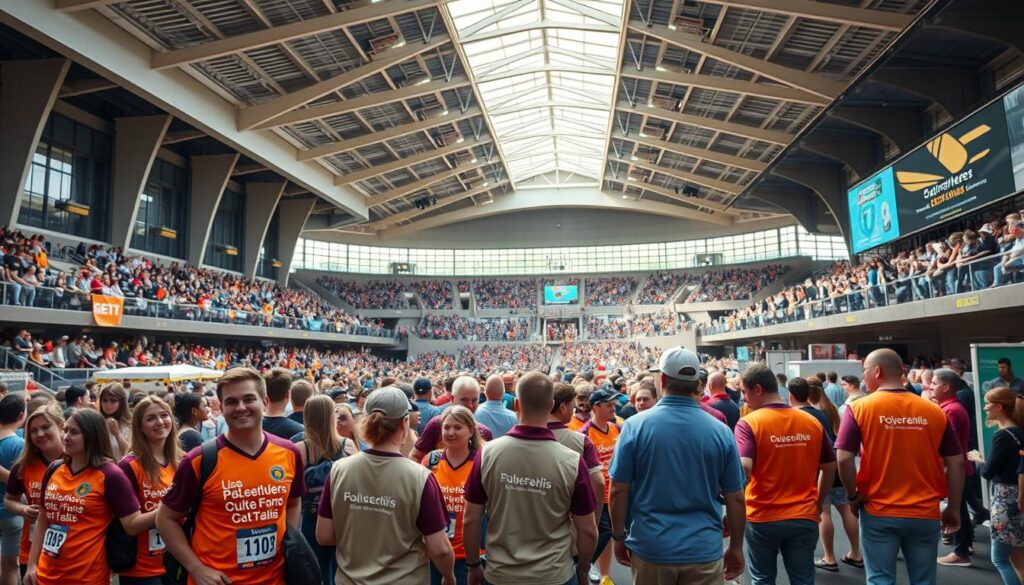
Think watching sports isn’t a sport? Try staying excited for three hours at a tee-ball game. You might even search for “upcoming sports events near me” that serve beer. Community sports rely on fans and volunteers. Let’s explore how to be great at both.
Game Day Essentials
Not all fans wear face paint, but they deserve their own ESPN story. Here’s a guide to being a great spectator:
- The Casual Observer: Shows up late, asks “Who’s winning?” and leaves with free nachos
- The Serial Sign-Maker: Creates amazing signs praising the players
- The Sideline Statistician: Knows every player’s stats and corrects the announcer
- The Superfan: Arrives early, leads chants, and is super dedicated
Marco “The Logician” Vasquez in Portland is a legend. He turns cedar stumps into mascots for Little League. His latest is a 6-foot beaver holding a bat, symbolizing Oregon youth baseball.
Behind-the-Scenes Heroes
Volunteer coordinators are like Tom Brady, but managing 40 arguing parents. EventPipe’s studies highlight these MVPs:
| Volunteer Role | Superpower | Real-World Equivalent |
|---|---|---|
| Equipment Manager | Finds missing cleats faster than FBI forensics | Marvel’s Nick Fury |
| Fundraising Chair | Sells raffle tickets like Wall Street closes deals | Wolf of Main Street |
| Conflict Resolver | Mediates disputes with UN-level diplomacy | Ted Lasso meets Mother Teresa |
Seattle’s Lila Chen organized 12 soccer tournaments with a whiteboard and iced coffee. Her secret? Treat every parent like they’re coaching the World Cup final.
Whether you lead stretches or keep score, community sports need everyone. So, who’s ready to volunteer at the next “upcoming sports events near me”?
Getting Your Family Involved
Sports fandom is more than just watching games. It’s about joining in and having fun together. Youth sports leagues are a great way to bond as a family. They’re more effective than movie nights, according to 63% of parents in Canva’s study.
Age-Appropriate Options
Forget about giving out trophies for just showing up. In Milwaukee, kids as young as 5 play T-ball. They learn to swing a bat while parents plan snacks. In New York, teens play street soccer and get top-notch coaching without the stress of traveling teams.
The key is to match the activity to the child’s age and attention span. Families stay longer at events when kids enjoy themselves, not when they’re tired from early morning practices.
Multigenerational Activities
Turn your home into a sports arena. Host races where everyone works together, like a three-legged race. Start a fantasy league where everyone can have fun trash-talking.
Remember, be like Ted Lasso when coaching your kid’s team. Be positive and supportive, not like Bobby Knight. Local sports events are great for making memories, like laughing together during breaks.
The best part? You’ll create lasting memories. At the next family reunion, your 12-year-old might even beat Uncle Dave in a shooting contest. The commentary will be as sharp as Charles Barkley’s suits.