Blog

  • Ticketing Reforms And Fairer Event Access

    Ticketing Reforms And Fairer Event Access

    Ticketing reforms have moved from consumer-policy hearings into the daily concerns of concertgoers, theater patrons, venue operators, artists, and community organizers. That shift is not abstract. The supplied research identifies recent proposals and enforcement actions aimed at resale markups, mandatory fees, speculative listings, bot-assisted buying, and venue control. For cultural communities, the question is practical: can policy make access to live events feel more predictable without weakening the economic base that supports artists, crews, independent venues, and presenters?

    The answer is not settled. Price caps may help some buyers in high-demand resale markets, yet they can also raise enforcement questions. Fee disclosure can make comparisons easier, yet it does not by itself lower the face value of a ticket. Rules on speculative tickets may reduce confusion, but they depend on monitoring and penalties. Recent U.S. actions show that lawmakers and regulators are testing several tools at once rather than relying on one fix.

    Why Ticketing Reforms Are Moving Into Public View

    The Cost Question Behind Ticketing Reforms

    The strongest public argument for new rules is the scale of added cost in the ticket market. The research notes cite a Vanderbilt Policy Accelerator report estimating that ticket market middlemen added roughly US$11.3 billion in unnecessary cost to live event tickets in the past year. That figure was divided between US$6.8 billion attributed to excess platform fees and US$4.5 billion attributed to inflated resale prices. Those numbers should be read as one policy report’s estimate, not as a final accounting of every ticket sale in the country.

    For arts organizers, ticketing reforms are not just about headline arena concerts. A small theater season, a midsize festival, a touring dance program, or a community music benefit can all be affected by consumer trust. If buyers expect the listed price to rise late in checkout, or if they worry that resale listings may not represent tickets actually held by the seller, hesitation can spread beyond major events. That uncertainty can make it harder for presenters to build early attendance and plan staffing, accessibility services, and artist support.

    Why Culture Audiences Feel The Pressure

    Live events depend on a relationship between audience members and the people who bring a performance or exhibition-adjacent program into public space. A buyer may not distinguish between the artist, the venue, the promoter, the primary ticketing company, and the resale exchange. When the purchase process feels opaque, frustration can land on the event itself, even when the artist or local organizer did not control the fees or secondary-market price.

    This is one reason the debate has cultural stakes. Independent venues and community presenters often rely on repeat trust rather than one-time spectacle. A patron who feels misled about price or availability may skip a future poetry series, experimental music night, cosplay showcase, gallery fundraiser, or neighborhood festival. Policy cannot create trust on its own, but clear rules can reduce some avoidable friction between cultural workers and their audiences.

    What The D.C. RESALE Act Changed

    A Local Cap With National Attention

    On July 14, 2026, the D.C. Council unanimously passed the RESALE Act. According to Washington Post coverage, the measure caps resale prices at 10% above the original ticket cost, limits resale-ticket fees, bans speculative ticket listings, and bans surveillance pricing. The law takes effect on January 1, 2027.

    That combination is notable because it addresses several points in the transaction rather than only the final price. A resale cap targets markup. Fee limits address the gap between the advertised price and what the buyer pays. A ban on speculative listings addresses tickets posted by sellers who do not yet own them. A ban on surveillance pricing addresses pricing shaped by detailed user monitoring. Each provision raises its own enforcement challenge, but together they show how one local government framed ticket resale as a consumer-access issue.

    Why Speculative Listings Matter

    Speculative listings can be especially confusing for audiences who are not frequent ticket buyers. A person may assume that every visible listing represents an actual transferable ticket. If that assumption is wrong, the buyer may face uncertainty close to the event date. For high-demand concerts or limited-capacity cultural programs, that uncertainty can affect transportation, childcare, access planning, and group attendance.

    The D.C. approach may also influence how other jurisdictions discuss resale markets, though it is too early to measure its practical effect because the law had not taken effect as of August 26, 2026. A fair assessment will require evidence after January 1, 2027: buyer complaints, resale availability, enforcement actions, venue feedback, and artist or promoter responses.

    Federal Enforcement And Fee Transparency

    The StubHub Refund Order

    Federal action has focused heavily on price presentation. In April 2026, the Federal Trade Commission said StubHub would refund US$10 million to consumers after charges involving deceptive ticket pricing, including omitting mandatory fees and failing to show total costs prominently at the start of the listed price, as described in the agency’s FTC announcement. The underlying settlement followed charges from September 2025.

    The core issue is simple for buyers but significant for markets: a ticket listed at one price can feel like a different product if required fees appear only late in checkout. Upfront total-price disclosure helps consumers compare options. It also makes it harder for sellers to compete by advertising a low initial number while shifting unavoidable costs to a later screen.

    What Fee Disclosure Can And Cannot Fix

    Fee transparency does not answer every concern. It does not determine whether the face value is fair, whether the venue has an exclusive ticketing contract, whether a resale cap should exist, or how artists share revenue with promoters and venues. What it can do is make the transaction more legible. In cultural life, legibility matters because audiences often choose between several possible uses of limited discretionary income: a concert, a museum event, a local market, a workshop, or a theater ticket.

    Readers who track civic and public-affairs discussions across this publishing network may also find related policy context at Kay Granger’s site. Ticket policy may seem far from arts programming at first glance, but both sit inside the same public question: how rules shape access to shared civic experiences.

    State Proposals Show Different Policy Choices

    Community venue entrance with people gathering for an evening event

    Caps, Disclosure, And Refund Rules

    The research record points to a broad set of state-level actions and proposals as of 2026. Massachusetts Governor Maura Healey announced plans on July 16, 2026, for “The Great Divide Act,” which would cap resale prices at 110% of face value, reduce resale fees by half, and prohibit speculative ticket sales. Washington state Senate Bill 6175, as of January 28, 2026, proposed licensing for ticket resale, fee and price caps for some resales above 110% of the original cost including all fees, a ban on speculative tickets, and enforcement through the state consumer protection act.

    Illinois took a different route in the Ticket Sale and Resale Act of 2026, filed February 5, 2026. The research notes say that bill would require upfront display of the total ticket price, mandate full refunds when events are canceled including associated fees, and prohibit resale price floors or caps. If passed, it would take effect January 1, 2027. These differences matter. Some states are leaning toward resale caps, while others are emphasizing disclosure, refunds, and limits on marketplace restrictions.

    Venue Control And Artist Access

    The research also identifies federal attention on Live Nation and Ticketmaster. It says a lawsuit filed in September 2025 and a proposed settlement filed June 12, 2026, addressed accusations involving broker coordination, ticket limits, and misleading consumers. The proposed terms described in the research include allowing third-party primary ticketing through back-end software, loosening venue exclusivity agreements, capping certain service fees, and divesting certain amphitheaters.

    For artists and independent presenters, these provisions are not merely technical. Venue contracts, ticketing software, and fee structures can shape how shows are priced and how buyers encounter them. Still, caution is needed. A proposed settlement is not the same as proof that every local market will change in the same way. The real cultural effect would depend on final terms, compliance, venue adoption, and whether smaller presenters gain practical options.

    • Price caps aim to limit resale markups but require monitoring and clear definitions.
    • Upfront pricing rules help buyers compare real costs before checkout.
    • Speculative-listing bans target uncertainty over whether a seller actually holds the ticket.
    • Bot and purchase-limit rules focus on availability before tickets reach resale markets.

    Ticketing Reforms And Community Trust

    The best ticketing reforms will be judged by evidence, not slogans. Useful measures include complaint volume, refund outcomes, resale price changes, fee visibility, attendance patterns, and whether smaller venues can use ticketing systems without locking audiences into confusing costs. Cultural communities should be especially wary of easy claims that one rule will fix access for every event type.

    Live performance is built on presence: people sharing a room, a park, a gallery courtyard, a club floor, or an arena for a limited moment. If the path to that moment feels unreliable, the damage reaches beyond one transaction. Recent policy activity suggests that lawmakers are now treating ticket access as part of consumer protection and public cultural life. The careful work ahead is to measure which reforms lower confusion and unfair cost while keeping event ecosystems financially workable for artists, workers, venues, and audiences.

  • The Making of an Indie Favorite: Creative Struggles, Viral Growth and Festival Success

    The Making of an Indie Favorite: Creative Struggles, Viral Growth and Festival Success

    Every musician’s story starts with something special, often hidden from view. Before they’re famous, they go through many experiences. These shape who they are and their music.

    Think about growing up with Springsteen’s “Nebraska” playing in the background. Or being in a high school jazz band. These moments are key to their journey.

    Family records and local music scenes can change a kid’s life. What was their first instrument? The path from school music rooms to performing live is a journey of self-discovery.

    Garage bands and first songs what survived what didn’t

    Garage practice sessions create a treasure trove of early recordings. Some songs will become classics, while others fade away. The garage, often seen as magical, is just a basement with a drum kit held together by duct tape. It’s where teenagers, fueled by passion and hope, create music.

    My band, Idiotwin, took nearly two years to release our debut LP. The journey started long before. I wrote the opening track at sixteen, a song that made it through the cut. It’s amazing to think about which songs had a spark and which were lost forever.

    Early songs are like sonic baby pictures—embarrassing but important. They show an artist’s growth, even if their skills are not yet polished. These songs are part of the artist origin story, marking our journey from start to finish.

    What remains from those garage days? A few songs that stood out, many demos that cringe, and memories that shaped our music. Each song has its own story. While some may disappear, others will always be cherished in our musical journey.

    First show memory venues and nerves lessons from small rooms

    Stepping onto the stage for the first time is like diving into the unknown. The air buzzes with excitement, and the crowd’s faces are a mix of curiosity and doubt. It’s in these small, often rundown rooms that magic unfolds.

    For indie bands, their first gigs are a big deal. Places like The Spice of Life in Soho, with its tiny stage, become huge. Sharing our music with a cheering crowd was both thrilling and dreamlike. These small settings teach us a lot.

    Playing for 15 people who really listen is more rewarding than performing for 150 who don’t. You learn to connect with your audience, even when things go wrong. This connection is what makes the indie music journey special.

    These venues are special, not just for their sound but for the memories they hold. Every show is a chance to connect with a room full of doubters. It’s about being true to yourself, not just about success.

    A small, intimate indie music venue with a warm, inviting atmosphere. In the foreground, a young artist nervously grips a guitar, dressed in modest casual clothing, surrounded by friends offering encouragement. Their expressions convey a mix of excitement and anxiety. In the middle ground, a small audience is captivated, swaying gently, with expressions of support and enthusiasm, some holding drinks, others filming with their phones. The dim lighting casts soft shadows, enhanced by colorful stage lights that create a vibrant, uplifting ambiance. In the background, a simple stage is adorned with acoustic foam and vintage posters, capturing the spirit of indie music. The camera angle is slightly low, emphasizing the artist's performance while showcasing the cozy venue. The overall mood is both nostalgic and hopeful, highlighting the raw essence of early music journeys.

    DIY tour stories van budgets merch disasters and wins

    DIY touring is a thrilling ride full of ups and downs. Imagine a van full of instruments, snacks, and hope for the next gig. Every mile is a new story waiting to happen.

    The dream of the open road meets harsh reality. You have a tight budget for four band members, gas, and maybe pizza. The van runs on fumes and friendship, and that’s enough sometimes.

    But there are also legendary disasters. Like a box of t-shirts with the wrong spelling of your band name. Or playing to just two people, with others looking confused. These moments might seem like failures, but they’re part of the journey.

    And then, there are the wins. Like turning an old Kansas school into a recording studio. What could have been a disaster became a fun recording experience. It shows that a place to sleep and fans who buy your music can sustain you, even if it’s not financially.

    So, as you start your DIY touring, remember: every disaster is a story, and every win shows your strength. Embrace the chaos and let the music guide you.

    The release timeline EPs albums and the moment fans latched on

    Our music releases tell a story of growth. Each EP was a small step towards our debut album. These early EPs were like whispers, growing louder with each release.

    For nearly two years, we worked on our EPs. They were snapshots of our indie music journey. They led our fans to our debut LP, building anticipation slowly.

    Fans connected with our music in unexpected ways. It wasn’t always the lead single that caught their attention. Often, it was a hidden track that became a favorite.

    Here are some key moments in our timeline:

    • First EP Release: Our raw energy and emotion introduced us to the world.
    • Second EP Release: Our sound became more refined, catching the eye of local blogs.
    • Debut Album Launch: After two years, our debut album was our musical thesis.

    Understanding our timeline is key. It’s about the connections we made along the way. Every moment, from unexpected reviews to house shows, shaped our journey.

    Our discography is more than just music. It’s a story that fans can follow, seeing our growth and evolution.

    Label or no label the fork in the road and why they chose their path

    In the indie music world, artists face a big question: should they sign with a label or go it alone? This choice shapes their career and creative freedom. Labels offer resources and exposure but might limit artistic control.

    I’ve always been part of the indie scene, but this project is my first fully independent one in years. Without a label, I can write freely. Songs can grow naturally, without the pressure of commercial success.

    Frederick Bloy points out a key advantage of being an independent artist: time. Without label deadlines, artists can dive deep into their music. This isn’t just a choice; it’s a strategic decision about how to approach art.

    Logan Mize talks about his independent project as a return home. It’s about taking back control and embracing DIY touring. This approach lets artists connect more deeply with their fans, leading to more genuine music.

    Factor Label Independent
    Creative Control Limited Full
    Financial Support Available Self-funded
    Exposure Wider Niche
    Pressure High Low

    A young musician standing at a crossroads in an idyllic outdoor setting, embodying the theme of choice in their artistic journey. In the foreground, the musician, dressed in a modest casual outfit, is artistically contemplating two diverging paths, one leading to a vibrant music festival scene full of enthusiastic fans and colorful lights, the other leading to a serene home studio filled with instruments and a cozy atmosphere. In the middle ground, trees symbolizing growth and creativity frame the musician, while the background features a sunset casting warm golden hues across the sky, portraying a sense of hope and possibility. Soft, diffused lighting enhances the reflective mood, while a slight lens blur on the background gives depth to the scene, capturing the essence of an artist's pivotal decision.

    The decision to go with a label or stay independent isn’t black and white. It’s about staying true to your artistic vision. Whether you choose a label or independence, what’s key is the authenticity of your music and the bond with your fans.

    Community and scene mentors peers and local press role

    Every artist’s journey is filled with community and mentorship. Success in music is not a solo effort. It grows from connections, like a mentor’s advice or a friend’s help with equipment.

    Think about the promoter who books you, believing in your unique sound. Or the blogger who truly gets your music. These moments help artists take risks and try new things.

    Local press is key in this world. A good review can make you famous, turning small shows into big events. It’s all about the hard work—phone calls, emails, and making connections.

    As you tell your artist story, remember the scene is a partner in your sound. Cherish the relationships you make. They often help you take off. In the end, it’s the community’s spirit that makes musicians into beloved artists.

    A vibrant community gathering scene in a cozy music venue, showcasing a diverse group of mentors and peers engaged in discussions about music. In the foreground, a middle-aged man in a smart casual outfit passionately explains a musical concept to a group of young musicians, who are listening intently, laptops and instruments scattered around them. In the middle ground, an enthusiastic crowd mingles, including a local music journalist taking notes and a woman with a guitar, sharing ideas. The background features a small stage with fairy lights, setting an inviting atmosphere. Warm, soft lighting casts a nostalgic glow over the scene, emphasizing the sense of mentorship and collaboration, while a wide-angle perspective captures the energy of the moment.

    Setbacks shelved tracks burnout money and recovery routines

    Setbacks are often the unspoken chapters in the indie music journey. For every triumphant release, there are shelved tracks that almost made it. These songs fell short due to flaws or emotional weight. They show the struggles artists face in their craft.

    Financial stress adds to the complexity. A $200 van repair can feel like a huge financial hit. DIY touring can also hurt mental health. It’s important for artists to have recovery routines to stay strong.

    As Bloy emphasizes, knowing your limits is key. Working with trusted collaborators, like Chris, is essential. They help turn chaotic ideas into polished music, a lifeline in the indie scene.

    It’s also important to not tie self-worth to streaming stats. Success isn’t just about numbers. It’s about the growth and value of the art itself.

    Setback Type Impact on Artist Recovery Strategy
    Shelved Tracks Emotional distress, loss of confidence Collaborative feedback sessions
    Financial Stress Burnout, anxiety Budgeting and financial planning
    Creative Block Frustration, self-doubt Structured creative routines

    The indie music journey is complex, with both triumphs and setbacks. By facing challenges and using recovery routines, artists can turn setbacks into brief pauses. They can then return to their craft stronger than before.

    Timeline graphic major dates and discography guide

    A timeline is more than dates; it’s a path of creativity and hard work. For our indie favorite, each date is a big step in their journey. They went from making music in their bedroom to playing on festival stages.

    Below is a detailed timeline highlighting major events and releases:

    Date Event Description
    March 21, 2025 Release of Idiotwin LP This LP shows a big change in the artist’s sound. It shows their growth and new ideas.
    March 15, 2025 Single Release: “Great Big Hearts” The first single from the Idiotwin LP. It captures the artist’s journey.
    2019 First Gigs These shows started their local fan base. They showed their early music.
    2017 First EP Release Even though it’s deleted now, this EP was key. It helped shape their sound and fans.

    Each entry in this timeline is a chapter in the artist’s story. The early recordings and first gigs show their start. The Idiotwin LP release is a big step forward. This timeline is like a museum, showing the artist’s growth and their music history.

    Where to start essential tracks for new listeners

    Exploring an artist’s music is like entering a new world. It’s like getting a playlist from a friend who knows you better than you know yourself. For those interested in this indie favorite, the journey starts with a few key tracks.

    Begin with the early recordings. These tracks show the artist’s raw energy and emotion. Each note is full of authenticity, showing how they grew from garage rehearsals to polished songs. One song, written at sixteen, made it to their debut album. It captures the spirit of youth and indie music.

    Then, listen to the DIY touring anthem recorded in an old school. This song tells a story of perseverance and community. It shows the indie spirit of artists who travel on tight budgets. It’s a tale of struggle and success that anyone chasing a dream can relate to.

    These tracks aren’t just hits. They’re deep cuts that show the artist’s heart and purpose. This listening path aims to turn curious listeners into lifelong fans. The message is clear: share your work with pride. That’s the final step in this creative journey.

  • Etsy Original Design Rule Reshapes Handmade

    Etsy Original Design Rule Reshapes Handmade

    Etsy Original Design rule enforcement has moved from policy language into daily operating reality for many creator-commerce sellers. As of August 25, 2026, the key enforcement date had already passed: Etsy began active compliance enforcement on August 11, 2026, after a stricter originality standard had been in place since June 2025. The change matters most for shops built around print-on-demand, Cricut work, laser cutting, 3D printing, and template-based graphics.

    The issue is not whether computerized tools can be part of handmade commerce. Etsy’s standards still recognize seller production through such tools. The pressure point is authorship. A product made with a machine may still be treated as seller-made, but the design behind that object now needs to originate with the seller rather than from a purchased template, licensed clip-art pack, or lightly modified design file.

    How Etsy Original Design Changed The Policy Test

    Etsy’s Creativity Standards state that items listed as “Made by a seller” and produced with computerized tools must be based on the seller’s own original design, including examples such as Cricut, laser cutter, and 3D printer production. Etsy frames these rules around human creativity and seller involvement in the item’s design or making process, as described in its Creativity Standards.

    What Etsy Original Design Means For Tools

    The distinction is practical rather than purely aesthetic. A laser-cut ornament, a 3D-printed object, or a vinyl decal may involve meaningful making, but Etsy’s policy places greater weight on whether the seller created the design file or concept. That is where the Etsy Original Design rule narrows the path for shops that previously relied on stock art, marketplace SVG files, Canva templates, or Creative Fabrica-style assets.

    The standard does not ask every seller to abandon digital tools. It asks sellers to show that computerized production supports their own design work. For artists and makers who sketch, model, draw, or compose their own files before production, the rule may align with how they already work. For shops that built catalogs by combining licensed template assets with print or machine production, the compliance risk has increased.

    Designed By A Seller Versus Made By A Seller

    The language shift also affects how sellers read category labels. A product can be physically made by a seller without satisfying Etsy’s originality expectation if the visual or structural design comes from someone else’s template. ShieldMyShop’s reporting tied the tighter standard to a June 2025 policy change and identified August 11, 2026 as the active enforcement date for template-dependent listings ShieldMyShop’s enforcement timeline.

    That timeline is significant because sellers had more than a theoretical notice period. By late August 2026, the discussion had shifted from preparation to proof, review, and appeal strategy. Still, public data cited in the available research does not establish how many listings were removed under this specific August 2026 enforcement step, so broad numerical claims about seller losses should be treated with caution.

    Why Template-Based Selling Now Carries More Risk

    Template-based selling grew partly because creator-commerce tools lowered production barriers. A person could buy a commercial-use design file, place it on a mug, shirt, sign, tumbler, invitation, or wall print, and offer the resulting item through a marketplace storefront. That workflow can be legitimate in many settings, but Etsy’s stricter marketplace rule asks a separate question: did the seller create the design?

    The Commercial License Problem

    A commercial license may permit use under the asset seller’s terms, but Etsy’s standard is not limited to permission. It concerns marketplace classification and originality. Under the researched policy framing, permission to use a graphic is not the same as authorship of that graphic. This distinction is especially relevant for print-on-demand catalogs where the seller’s contribution may be product selection, mockup preparation, and listing strategy rather than original visual design.

    For handmade markets, the change may protect some artists from competing against large volumes of near-identical template products. It may also create uncertainty for small sellers who learned through templates and later developed a personal style. The harder cases sit between clear copying and clear authorship: altered files, layered purchased elements, and designs that use common motifs in highly familiar ways.

    Why Automated Review Anxiety Persists

    The research notes include seller concern about automated systems and similarity-based removals, including cases where originals may resemble copied or widely circulated designs. Those individual accounts are difficult to verify from the approved sources, so they should not be treated as confirmed platform-wide failure. Yet the concern is plausible in any marketplace that must compare large numbers of images, files, and listings at speed.

    For artists, the risk is less about a single rule sentence and more about evidence. A seller whose work is copied elsewhere may appear less original to a system that sees duplicates without context. That makes process records more valuable, even though no documentation method can guarantee a specific enforcement outcome.

    What Etsy Original Design Means For Creator Commerce

    The Etsy Original Design standard is part of a broader push to separate creator-led shops from catalogs assembled from widely available assets. For buyers, the intended benefit is clearer confidence that handmade or seller-made goods reflect a seller’s own creative labor. For sellers, the cost is more responsibility: design development, file management, and proof of authorship now sit closer to the center of shop operations.

    This shift may favor artists who already maintain sketchbooks, layered design files, prototypes, source photographs, or dated drafts. It may disadvantage shops whose production process was efficient but thin on original design evidence. In creator commerce, efficiency alone is no longer enough on Etsy if the design origin cannot be shown.

    • Keep dated sketches, thumbnails, source studies, and draft files that show development over time.
    • Retain layered design files rather than only final flattened exports.
    • Photograph prototypes, test cuts, failed prints, and material trials as part of the making record.
    • Write listing language that accurately describes the seller’s own design contribution.
    • Review old listings that rely on purchased templates, stock art, or licensed design bundles.

    This is marketplace compliance analysis, not legal advice. Copyright, trademark, publicity rights, and platform originality standards are related but not identical. A design can raise one issue without necessarily raising all of them. Sellers with specific disputes or rights questions should seek qualified professional advice rather than relying on general marketplace commentary.

    Documentation, Fairness, And Handmade Value

    Hands sorting prototypes, sketches, and material tests on a studio table

    The policy’s effect on handmade culture depends on how consistently it is enforced and how clearly sellers can respond. A stricter rule may help buyers find work with a clearer connection to the maker’s hand, eye, and concept. It may also create stress for sellers who lack formal design training but still produce original work through trial, adaptation, and material problem-solving.

    That distinction matters in costume, fantasy fashion, home decor, and gift categories, where design often develops through hybrid practice: drawing, cutting, assembling, testing, photographing, and revising. Readers interested in topics parallel to these crafts are encouraged to explore Fairytale Fashion, a related site dedicated to imaginative dress and visual culture.

    For visual artists, the strongest response is not to chase loopholes but to build a clearer studio record. Documentation can also support better storytelling: buyers often value seeing how an object moved from idea to material form. The policy may push sellers to make that creative path more visible, though the exact commercial effect remains uncertain without post-enforcement data from Etsy or independent marketplace research.

    Etsy Original Design Rule And Handmade Markets

    The Etsy Original Design standard has already changed the compliance posture for creator commerce as of August 25, 2026. Its clearest message is that handmade-market identity now depends not only on who prints, cuts, or assembles an item, but also on who authored the design behind it.

    For emerging artists, the rule may create an opening if buyers and search systems reward clearer authorship. For template-reliant shops, it demands a serious audit of listings and production habits. The durable lesson is cautious but direct: originality now needs to be practiced, described, and documented, not merely implied by a handmade label.

  • Fall 2026 Fashion Trends and Community Style

    Fall 2026 Fashion Trends and Community Style

    Fall 2026 Fashion Trends are already visible through collections shown earlier in 2026 and through trade reporting on what buyers are seeing for the season. For community style organizers, independent sellers, costume makers, and local fashion circles, the useful question is not whether every runway idea will become a street-level standard. The better question is which signals are strong enough to guide color, silhouette, texture, and presentation without overstating certainty.

    Fashion coverage can drift into hype, especially during seasonal changeovers. A more careful reading treats runway shows, buyer reports, and retail commentary as evidence with limits. These sources can show which ideas designers and stores are placing forward, but they cannot prove how every neighborhood, age group, body type, or budget will respond. That distinction matters for community-facing creators who want inspiration without reducing fashion to a checklist.

    Fall 2026 Fashion Trends In Evidence

    Fall 2026 Fashion Trends From Runway Reports

    The clearest signals in the available research cluster around tailoring, darker romantic colors, sculptural volume, sheer layering, decorative knitwear, and statement accessories. JOOR’s women’s Fall 2026 report identifies the Nouveau Tuxedo direction, cocoon shapes, lean tailoring, heritage-style knits, and burgundy-family tones across designer collections, including Khaite, Michael Kors, Elisabetta Franchi, and Carolina Herrera JOOR trend report. That does not mean one silhouette dominates all wardrobes. It does suggest that formal structure and expressive fabric are sharing the same seasonal frame.

    For Fall 2026 Fashion Trends, the tension between control and drama is especially useful. A tuxedo jacket can read disciplined. A bubble skirt, elongated sleeve, or cocoon coat can read theatrical. Sheer fabric can introduce vulnerability or stage presence, while heavy coats and structured suits can pull the look back toward restraint. This balance gives community stylists, shop owners, and makers more than one entry point.

    Reading Fall 2026 Fashion Trends With Care

    Evidence strength varies by category. Tailoring and outerwear are supported by named runway examples in the provided research. Color stories are also well represented, especially burgundy, oxblood, maroon, royal purple, electric blue, peachy melon, and butter yellow. Accessories are listed in the research notes as an active area, including fuzzy bags, unusual clutches, headgear, and large belts, but those details should be treated as supporting signals rather than a complete forecast for all buyers.

    That caution is not a weakness. It is how fashion analysis respects the difference between designer presentation and lived dress. A runway look is an authored object, often built for mood, proportion, and press visibility. A community outfit may be built around weather, mobility, cost, modesty, performance needs, or the maker’s available materials. The most useful seasonal reading leaves room for that translation.

    Tailoring, Sheer Layers, And The New Tuxedo

    Tuxedo Codes Without A Single Uniform

    The tuxedo revival described in the research is less about copying one formal template and more about adapting black-tie codes. Designers used jackets, dresses, sharp trousers, and new proportions to revisit menswear-associated structure for women. The result can serve many settings: gallery openings, community arts fundraisers, small-venue performances, maker markets, or seasonal gatherings where polish is welcome but full formalwear may feel too stiff.

    Victoria Beckham’s Paris runway presentation on March 6, 2026, is a useful example because the reporting placed sheer dresses beside sharply cut suits and sculptural gowns Paris show report. As of August 25, 2026, that show had already taken place, so it is best read retrospectively as part of the Fall/Winter 2026 evidence base. The contrast between exposure and structure is the point: skin-revealing fabrics were not isolated from tailoring but set against it.

    What Sheer Details Do In Community Styling

    Sheer fabric and cut-outs can be visually strong, yet they require thoughtful handling in public and community settings. Layering is one practical way to interpret the direction without forcing a single comfort level. A sheer sleeve under a wool coat, a transparent overlay over an opaque slip, or an open-back shape tempered by a tailored jacket can reference the runway signal while allowing the wearer to set boundaries.

    This matters for costume culture and creator commerce as well. Sellers can treat the trend as a study in contrast: opacity against transparency, matte wool against gloss, fitted jackets against fluid gowns. That approach is safer and more respectful than duplicating a designer look too closely or implying affiliation where none exists. For rights-sensitive work, especially items inspired by recognizable brands, characters, or celebrities, creators should keep permissions and platform rules in mind rather than assuming that inspiration settles every question.

    Color, Volume, Knitwear, And Accessories

    Moody Color And Sculptural Shape

    Among Fall 2026 Fashion Trends, color may be the easiest signal for communities to adapt. Burgundy, oxblood, and maroon offer alternatives to black, gray, and beige while staying compatible with fall wardrobes. Purple and electric blue can create sharper contrast. Butter yellow and peachy melon introduce softness, especially when placed against dark coats, deep knits, or formal black pieces.

    Shape is less simple but just as expressive. Cocoon coats, bubble skirts, elongated oval sleeves, and barrel-like proportions all change the outline of the body in space. In a festival or live-event setting, that can create movement and visibility. In daily community dressing, it may work best as one exaggerated piece rather than a full look. A rounded coat over slim trousers, or a bubble skirt with a plain knit, keeps the silhouette readable.

    Knitwear And Accessories As Maker Signals

    Decorative knitwear has particular value for handmade and local retail communities. Fair Isle, intarsia, jacquard, and geometric patterns carry craft visibility; the labor is part of the visual appeal. That does not make every heritage pattern interchangeable. Makers should be careful about cultural specificity, sourcing, and attribution where a motif is tied to a community rather than a generic winter mood.

    Accessories can carry the seasonal language at a lower commitment level. The research notes fuzzy textures, unusual bag shapes, dramatic headgear, and stronger belts. These items work well for small-batch sellers because they can test a color or texture without rebuilding an entire clothing line. They also suit event culture, where a hat, belt, or tactile bag can help an outfit read from a distance.

    Community Creators And Retail Choices

    Independent maker arranging handmade knitwear and accessories on a market table

    From Runway Signal To Local Offer

    For local sellers, the strongest commercial lesson is editing. A small collection does not need every listed trend. A maker might choose a burgundy-and-black palette, one structured jacket shape, and a handful of textured accessories. Another might focus on knits, soft purple, and rounded sleeves. A community boutique might pair formal tailoring with handmade brooches or scarves, allowing the runway influence to meet local craft.

    In terms of adjacent shopping and creator-oriented context, readers comparing community commerce coverage across this network might find the site Shimply to be an insightful resource. The key is to avoid treating trend reports as instructions. They are inputs. Community fashion becomes compelling when people interpret those inputs through place, budget, skill, identity, and occasion.

    Evidence-Based Styling Without Flattening Taste

    Fall 2026 Fashion Trends can help organize a wardrobe conversation, but they should not flatten personal taste. Some people will choose lean suits because they value clean lines. Others will respond to lace, volume, or knit texture because those elements feel expressive or familiar. Community style is not a runway echo; it is a social practice, shaped by makers, wearers, photographers, hosts, and audiences.
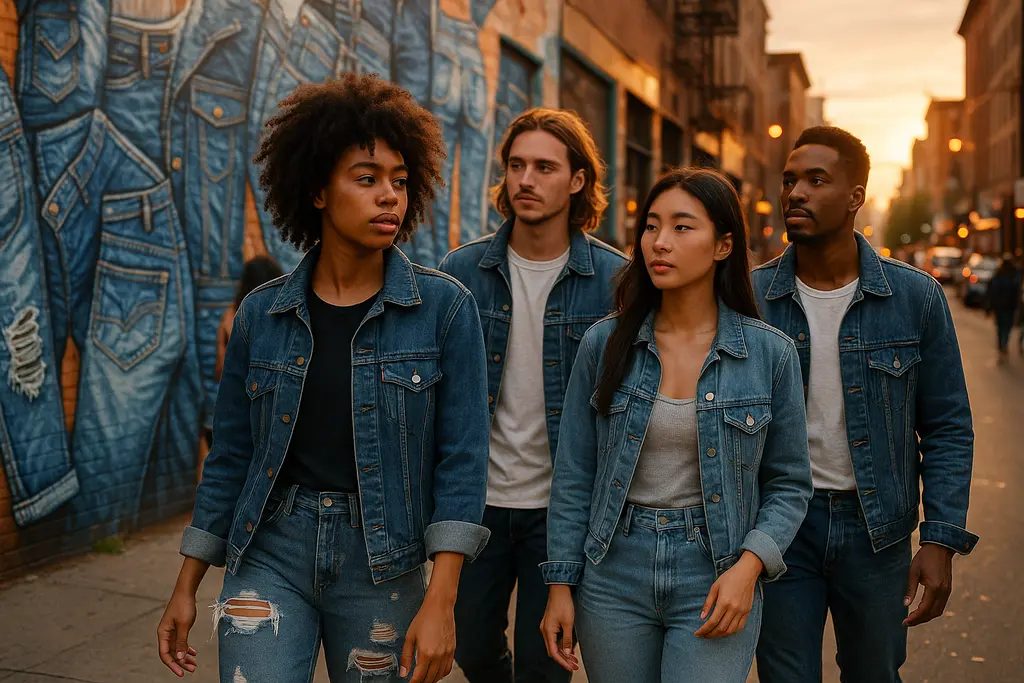
    That social dimension is why respectful analysis matters. A trend may move through luxury fashion, resale, cosplay, handmade markets, and live-event dressing in different forms. The same oxblood coat can look formal in one room, romantic in another, and theatrical under stage lighting. The same tuxedo jacket can signal ceremony, gender play, professional polish, or performance. Evidence tells us what is visible; community interpretation gives it meaning.

    The Fashion Spotlight: Key Trends To Watch This Fall 2026

    The Fashion Spotlight: Key Trends To Watch This Fall 2026 is best understood as a set of related signals rather than a strict seasonal mandate. Tailoring is sharper. Sheer layers are being paired with structure. Dark reds and saturated accent colors are prominent. Volume is changing outerwear and skirts. Knits and accessories are carrying craft, texture, and personality.

    For communities, the strongest use of Fall 2026 Fashion Trends is selective adaptation. Choose the evidence that fits the setting, credit influence where appropriate, avoid false claims of affiliation, and leave space for local taste. Fashion is most persuasive when people can recognize the source of an idea without losing sight of the person wearing it.

  • Creativity Unleashed in Southwest Galleries

    Creativity Unleashed in Southwest Galleries

    As of August 24, 2026, Creativity Unleashed is on view at ViVO Contemporary Gallery at 725 Canyon Road in Santa Fe, New Mexico, with a published run from July 15, 2026, through September 14, 2026. The exhibition brings together nine artists and includes figurative, abstract, and non-objective painting and sculpture, with mixed media, kiln glass, and monoprints among the stated mediums, according to the Southwest Contemporary listing.

    The show sits within a Santa Fe gallery corridor where group exhibitions often ask viewers to slow down and compare forms of making rather than read a single narrative. That matters here because the available exhibition information points to breadth: nine named artists, several mediums, and a range of representational and non-representational approaches. Without an artist statement or catalogue text in the provided source material, the most careful reading is not to impose a theme beyond the published subtitle, “A Celebration of Form and Expression.”

    What Creativity Unleashed Shows In Santa Fe

    Creativity Unleashed As A Group Format

    Creativity Unleashed is a group exhibition featuring Norma Alonzo, Ilse Bolle, Barrie Brown, Nina Glaser, Warren Keating, Tracy King, Ann Laser, Gary Oakley, and Laurinda Stockwell. The named roster is useful because it keeps attention on the show as a meeting point rather than a solo presentation. Group shows can create productive friction between works, though that should not be mistaken for a single shared method or movement unless the gallery states one.

    The published medium list also suggests that the exhibition asks viewers to move between surface, object, image, and process. Mixed media can signal layered material decisions; kiln glass involves heat-shaped glass practice; monoprints are associated with print processes that usually yield a singular impression rather than an edition of identical prints. Those general medium distinctions help frame the exhibition without overclaiming what each artist does in the specific works on view.

    Reading Form Without Forcing A Single Message

    For Creativity Unleashed, the value of the listing is partly in its restraint. It identifies categories of work, dates, location, and artists, but it does not publish attendance figures, sales claims, visitor demographics, or critical rankings. That absence is worth naming. Cultural coverage is stronger when it avoids treating every group exhibition as evidence of a broad regional trend.

    Instead, this show can be understood as a specific gallery presentation in Santa Fe during late summer 2026. Its subtitle places emphasis on form and expression, two terms broad enough to include visible subject matter, abstract composition, material behavior, and sculptural presence. A viewer or critic can compare those elements in the gallery, but any claim about a dominant aesthetic should come from direct observation, artist statements, or gallery materials not included in the current source set.

    Dates, Reception, And Visitor Information

    The Opening Has Already Taken Place

    The opening reception took place on July 19, 2026, from 5:00 PM to 7:00 PM MDT. Because that date has passed, it should be discussed as part of the exhibition record, not as an event to attend. The show itself remains within its scheduled display period as of August 24, 2026, with September 14, 2026, listed as the closing date.

    Published details identify ViVO Contemporary Gallery as the venue and give the gallery phone number as 505-982-1320. The research available here does not include ticket prices, special programming beyond the July 19 reception, or visitor reviews. It also does not include attendance numbers or visitor statistics for the exhibition. That makes it inappropriate to describe the show as a crowd draw or to make claims about public response.

    What The Date Range Suggests For Interpretation

    The July 15 to September 14, 2026, run places the exhibition across a two-month period. A longer gallery run can give a group show time to be encountered by local audiences and out-of-town visitors, but the provided material does not document who has seen it or how it has been received. The safer analytical point is that the date range allows the exhibition to exist as more than a single reception-centered event.

    For community arts coverage, that distinction matters. An opening can create social energy, but a show’s quieter weeks may be when individual works receive more sustained attention. With Creativity Unleashed, the published facts support attention to the exhibition’s structure: nine artists, multiple mediums, and a Santa Fe gallery setting during a defined summer-to-early-fall run.

    Related Southwest Exhibition Context

    Santa Fe gallery district street with visitors walking between art spaces

    Nearby Santa Fe Shows In The Same Period

    The current research identifies other Santa Fe exhibitions during overlapping or nearby dates. Barnard: Emanations of Inner Light at Electra Gallery ran from July 10 to August 22, 2026, and had already closed by August 24, 2026. The Vortex Remembers Everything – A Utopian Version of Earth: A Guillermo Galindo Exhibition at Aurelia Gallery is listed from July 16 to September 13, 2026, placing it in a similar late-summer window.

    These references do not prove a single regional pattern. They do, however, show that Santa Fe had multiple gallery exhibitions with overlapping dates in July, August, and September 2026. For readers comparing gallery activity across the Southwest, that overlap can be a useful calendar fact rather than a basis for inflated claims about artistic direction.

    Why Context Should Stay Modest

    It is tempting to describe several concurrent exhibitions as a cultural wave. The available evidence does not support that. The firmer observation is more limited: three named exhibitions in Santa Fe shared a late-summer 2026 time frame, and each appears under its own title, venue, and date range. That level of comparison respects the autonomy of each artist and gallery.

    Respectful arts writing also avoids collapsing distinct practices into a single promotional story. A kiln glass work, a monoprint, an abstract painting, and a sculpture may share a room, but they do not automatically share the same cultural argument. The useful task is to keep the exhibition’s published frame in view while leaving room for difference among the artists.

    Creativity Unleashed In The Southwest

    Creativity Unleashed sits in the Southwest’s 2026 exhibition calendar as a documented group show at ViVO Contemporary Gallery, not as a claim about the whole region. Its confirmed details are clear: it opened on July 15, 2026, held its reception on July 19, 2026, and is scheduled to remain on view through September 14, 2026. Its participating artists and mediums make it a useful case for thinking about how galleries present variety without requiring uniformity.

    For those interested in related cultural topics ranging from art and costume to sound and live events, further reading is available on Robsonic. This site provides additional perspectives within the same network, offering insights into adjacent areas of cultural interest.

    The most careful reading of the show is also the most respectful one. The available facts support attention to artists, materials, dates, and venue. They do not support claims about attendance, market impact, or a sweeping shift in Southwest art. On that basis, the exhibition is best approached as a specific Santa Fe presentation that invites comparison across form, expression, and material practice while keeping each artist’s work from being reduced to a single label.

  • Ask Me Anything Artist Q and A Highlights With Fan Stories And Surprises

    Ask Me Anything Artist Q and A Highlights With Fan Stories And Surprises

    In today’s world, the gap between creators and fans has narrowed. Instagram recently hosted a live event that showed this change. It brought the indie scene to life with touching stories and unexpected insights.

    It was a special time for fans to talk directly with their favorite artists.

    The internet can sometimes feel like a big arena. Every comment gets a thumbs up or down, and trolls hide in the dark. So, I made sure this session was a safe space for everyone.

    I used Instagram’s tools to keep things friendly. Keyword filters kept the bad guys away, and clear rules were set at the start. It was like a dinner party, not a fight.

    This way, the event became a model for better online chats. It showed that everyone should be able to speak up without fear. Let’s explore the best moments from this special session, where every story helped bridge the gap between artists and fans.

    Top fan questions creative life fav venues rituals collaborations

    Fans asked deep questions during the AMA, peeking into the creative world. They weren’t just looking for facts. They wanted to grasp the heart of an artist’s journey.

    When asked about favorite venues, I shared more than just names. I talked about The Echo in Los Angeles. It’s not just a place to play; it’s a treasure trove of memories.

    The green room is filled with graffiti from aspiring bands. It shows the dreams and hopes that never fade away.

    Questions about pre-show rituals were also intriguing. I explained how I prepare, from stretching to vocal warm-ups. It’s a moment to focus and find my true self for the performance.

    Collaboration questions showed fans’ creative side. They suggested dream teams like Phoebe Bridgers and Mitski. Each idea gives a glimpse into their musical dreams.

    These questions reveal a deep longing. Fans want to believe that art comes from a life full of passion, not just hard work and doubt.

    Question Type Example Questions Insights Gained
    Favorite Venues What’s your favorite venue to perform in? Insights into personal connections with spaces.
    Pre-Show Rituals Do you have any rituals before going on stage? Understanding the mental preparation process.
    Collaborations Who would be your dream collaboration? Reveals fan aspirations and artist relationships.

    Personal stories fans who traveled far tattoos gifts and boundaries

    Fandom can lead fans to amazing lengths, sometimes crossing lines between admiration and obsession. I’ve gathered stories that warm my heart and make me think deeply about such devotion.

    Clara drove fourteen hours from Boise to Portland for a show, sleeping in her car at Walmart. After the concert, she said my song about my mother’s immigration story made her call her abuela for the first time in three years. What do you do with that? Thank her? Analyze it? Maybe both?

    A fan in Austin got my lyrics tattooed on her ribcage in a font she designed. It’s permanent, painful, and very flattering—but also a bit scary. I’ve received gifts like a cross-stitched album cover and a jar of honey from bees near where I played my first show. This shows deep devotion or maybe a true crime podcast.

    But I start to wonder: where’s the line? Social media has made the artist-audience relationship very close. The old distance and mystery are gone. I accepted the honey, photographed the tattoo, and hugged Clara. But I didn’t give out my phone number. Setting boundaries is about keeping things sustainable.

    The fan gift economy is real and lovely, but sometimes it needs emotional protection. How do we show we appreciate someone without crossing our personal space? It’s a tricky balance, and I’m careful and grateful.

    A vibrant and engaging scene capturing the essence of fan stories, set in a cozy studio filled with memorabilia and art. In the foreground, a group of diverse fans—dressed in modest casual clothing—are animatedly sharing their personal experiences, showcasing unique tattoos and handmade gifts. The middle ground features a table adorned with handwritten letters and surprise gifts from fans. In the background, colorful artwork of the artist adorns the walls, creating a warm and inviting atmosphere, with soft lighting that highlights the emotional connections among the fans. The lens angle is slightly tilted upward, giving a dynamic perspective as if the viewer is part of this heartfelt gathering—radiating joy, excitement, and camaraderie amongst passionate individuals.

    Rapid fire gear coffee pets books comfort movies

    Welcome to the rapid-fire round, where I share my secrets fast. It’s like a game, where I answer quickly. It’s a bit chaotic, but it’s fun.

    Let’s talk about gear. My 1978 Fender Telecaster has been dropped many times. Yet, it sounds amazing. I also have a fancy pedalboard that looks like NASA’s control panel.

    Now, about coffee. I love a good black, single-origin Ethiopian brew. But on tour, I’ll take whatever I can find. Caffeine is more important than dignity.

    I have a rescue cat named Didion. She’s not impressed by my music, but she keeps me grounded. Pets remind us of life’s simple joys.

    Books are my escape. I’m reading Maggie Nelson’s “The Argonauts” for the third time. It’s like an onion of deep thoughts. I also love George Saunders’ “A Swim in a Pond in the Rain” for its storytelling.

    Comfort movies are a must. “When Harry Met Sally” is witty, and “The Royal Tenenbaums” is melancholy. And yes, “The Mummy” (1999) is a guilty pleasure. Brendan Fraser’s charm is unforgettable.

    So, what do we learn? Our tastes show who we are. This rapid-fire round is a glimpse into our souls.

    Tough questions money burnout imposter syndrome answered with care

    Dealing with the harsh realities of our creative lives can be tough. During a recent AMA, tough questions came up, showing the real struggles many artists face. One question stood out: how much money do I actually make?

    The room fell silent, with a clear tension in the air. This question is often avoided but needs a real answer.

    I shared my own story: streaming barely pays, but touring brings in more money. But, expenses can quickly cut into those earnings. Merchandise doesn’t make much, and artists rely on sync licensing, teaching, and grants to survive.

    Next, we talked about burnout, which hit close to home for many. A participant shared feelings I knew well: creative block, resentment, and feeling like you’re running a marathon with no end. I stressed that burnout isn’t cool; it’s a sign of an industry that values constant work over creativity.

    Then, we discussed imposter syndrome. I offered reassurance and explained it’s not about being a fake. It shows we’ve bought into a myth that success is based on merit alone. This part felt like a group therapy session, where everyone felt less alone in their creative fears.

    Do people really want honest answers, not just polished ones? The tough questions lead to real talks, showing the true side of art.

    A digital illustration capturing a live chat recap of tough questions during an artist Q&A session. In the foreground, a professional speaker is depicted in smart casual attire, sitting at a modern desk with a laptop open and a thoughtful expression, symbolizing engagement and empathy. In the middle, faint outlines of audience members can be seen, reflecting a diverse range of ages and backgrounds, their faces illuminated by soft, warm lighting, emphasizing a supportive atmosphere. In the background, abstract shapes and soft colors hint at concepts like 'money,' 'burnout,' and 'imposter syndrome,' subtly integrated into the design. The overall mood should convey a sense of introspection and care, with a focus on connection and meaningful dialogue. The lighting is soft and inviting, akin to a cozy online chat setting, while capturing an intimate yet professional environment.

    Surprise moments unreleased snippet cover song or cameo

    Live interactions are full of surprises that grab our attention. These moments turn a regular AMA into something special. They create excitement among fans.

    Recently, I shared a snippet of an unreleased song during a live chat. It was just thirty seconds of music I worked on in the early hours. The response was amazing. Fans were buzzing with excitement, showing their joy online.

    Then, a friend and fellow musician joined the chat. We started playing an impromptu cover of a song from our teenage years. It was a moment that showed our musical roots and the power of unexpected collaborations.

    These surprises, like an unreleased song or a cover, are against the usual online predictability. They remind us that live chats are all about the unexpected. Fans love these moments for the connection they bring.

    These spontaneous surprises make every live chat unique. They offer something special that fans can’t find anywhere else. Being there in that moment is truly rewarding.

    Charity or cause tie in donation links and thank you list

    In the world of community, charity is a key thread that connects us. During the recent AMA, I highlighted the Transgender Law Center. This group is doing vital work. In today’s world, being trans is a brave act that shouldn’t be hard.

    Why support this cause? Art and its creators are not isolated. The people who make art, attend shows, and build music communities face many challenges. By giving to charity, we make the artist-fan bond clearer.

    The donation links were shared during the AMA. Seeing donations grow in real time was inspiring. It showed that collective action can be simple, like clicking a button. Here’s a look at the donations:

    Donor Name Amount Donated Message
    Jane Doe $50 Happy to support!
    John Smith $100 For the cause!
    Emily Johnson $75 Love this work!
    Michael Brown $200 Keep fighting!

    The thank you list was more than just thanks. It showed a community coming together for a bigger cause. Does this look like just showing off? Yes, it does. The line between real support and just pretending can be very thin.

    But staying quiet is cowardly. I’d prefer to be honest and awkward than to not care at all. For more on how to ask for donations, read this article.

    A vibrant community gathering focused on charity engagement, with a diverse group of adults in professional business attire and modest casual clothing. In the foreground, a table adorned with donation envelopes and thank you cards, surrounded by smiling individuals interacting warmly. In the middle, a large banner displaying various charity logos, promoting local causes, while volunteers assist attendees. In the background, a park setting with trees and soft natural light filtering through, creating an inviting atmosphere. Capture the essence of community spirit and generosity, with warm colors highlighting the joy of giving. Use a wide-angle lens to emphasize the gathering, with a focus on the expressions of hope and connection among the participants.

    Photo wall screenshots art and messages highlights

    Imagine a gallery where fan art and heartfelt messages come together. This is the magic of the photo wall. It captures our moments, turning them into lasting memories.

    Each screenshot and drawing shows the creativity and passion of fans. They pour their hearts into their work.

    In today’s digital age, Instagram makes it easy to share these treasures. Fans send their art through direct messages and tagged posts. This creates a tapestry of shared experiences.

    The immediacy of this exchange is amazing. A drawing made at 3 p.m. can be in my inbox by 3:30. It’s ready to be celebrated with heart emojis. But how do we honor these gestures without making them feel like a commodity?

    The photo wall is a way to display these artifacts while keeping their significance. Each screenshot captures a moment, like a laugh or a surprise. They are digital relics, tiny time capsules of conversations.

    They tell us what fans value and how they express their devotion. Fan stories emerge from these interactions. They share moments like a song helping someone through a divorce or driving across the Southwest with music as their only companion.

    These stories enrich the photo wall. They remind us of the impact music can have on our lives.

    The photo wall is more than images; it’s a celebration of connection and creativity. It honors the emotional landscapes of fandom. It captures the spirit of shared experiences in a digital world designed for ephemerality.

    How to join the next AMA newsletter and social signups

    Want to join the next AMA? I’ll show you how. In today’s digital world, newsletters are a rare gem. They offer updates straight to you, without the noise of algorithms or social media.

    By signing up for the newsletter, you’ll get the scoop on the next AMA first. It’s a break from the usual hype, focusing on real engagement. No countdown timers or false urgency here, just updates when they’re needed.

    Now, let’s talk about social signups. Following me on Instagram, Twitter, and TikTok keeps the conversation going. It might seem like juggling torches while riding a unicycle, but it’s key for sharing your journey as an AMA indie artist.

    Here’s a quick breakdown of how to stay connected:

    Platform Action Benefit
    Newsletter Sign up via the link Direct updates about AMAs
    Instagram Follow for behind-the-scenes Engage with the community
    Twitter Follow for real-time updates Join conversations instantly
    TikTok Follow for creative snippets Fun, engaging content

    In today’s attention economy, it’s key to see these platforms as tools, not identities. They’re for sharing your work, not just seeking validation. So, if you’re keen on joining the next AMA, follow along! Or, if not, feel free to unsubscribe. It’s all about keeping things voluntary and meaningful.

    Editor’s notes takeaways and top quotes to share

    The recent artist fan Q and A gave us a new view on the bond between creators and their fans. It showed how old walls have fallen, making room for real talk. Fans shared their stories, and artists talked about their ups and downs. This live chat was a mix of openness and truth.

    One quote really stood out: “Feeling like a fraud isn’t evidence of fraudulence—it’s evidence you’ve internalized a meritocracy myth.” It started a big conversation, making fans think differently about success. Another quote that hit home was, “Boundaries aren’t about coldness—they’re about sustainability.” It reminded us that setting limits is key for everyone.

    We saw how much dedication is involved. Some fans traveled over fourteen hours for a song that means a lot to them. This shows the strong emotional ties music can create. Even though indie artistry faces financial challenges, the community’s strength shines through. Every moment in this Q and A showed that being present is important.

    Think about the quotes that touched you. Share them with others to spark conversations. The artist-fan connection is always growing, and this AMA gave us a peek into that.

  • Songwriting Workshop With a Featured Artist From Prompt To Chorus In 60 Minutes

    Songwriting Workshop With a Featured Artist From Prompt To Chorus In 60 Minutes

    Many creative workshops promise a lot but deliver little. This workshop is different. You’ll have sixty minutes, one prompt, and the goal of creating a chorus. It’s challenging, but that’s what makes it exciting.

    Even experienced songwriters can struggle under pressure. That’s why preparation is key. We’ll give you a simple digital toolkit, like voice memo apps and timers. Our prompts are designed to help you overcome your doubts.

    Working with limits can actually boost your creativity. Think of it like writing a sonnet, which inspired Shakespeare. You don’t need a dream to create; just a solid plan. If you want to improve, check out the Commercial Songwriting Techniques course at Berklee. It teaches you how to craft songs, from choruses to verses.

    Starting Line Free Write Timed Then Mining for Hooks

    Starting with a blank page can feel overwhelming. But here’s a secret: don’t let it intimidate you. Instead, dive into a timed free write. Set your timer for eight minutes and write whatever comes to mind.

    Write about anything—lyrics, to-do lists, or even your neighbor’s garden. The goal is to write a lot, not to worry about quality.

    After the timer goes off, it’s time to find those hidden gems. Think of it as a mental game where you use your brain’s energy to fight perfectionism. Let your thoughts flow freely.

    Now, it’s time to sift through your words. This is where you find the spark in the chaos. It’s not about emotions; it’s about spotting that special something. We’ve seen workshop attendees find treasures in their free writes.

    For example, one person’s casual mention of “borrowed light” became a haunting melody.

    To guide you through this, here’s a quick table of steps:

    Step Action Purpose
    1 Set a timer for 8 minutes Encourages spontaneous writing
    2 Write without self-judgment Removes pressure to be perfect
    3 Review your writing Identify possible hooks
    4 Refine selected lines Make your hooks clear

    The hook is always there; you just need to look for it. By following this process, the blank page becomes a canvas of possibilities. Every great song begins with a few rough lines. So, let’s create something amazing!

    Chords and Groove Pick a Palette and Tempo with Quick Voicings

    The chords you choose set the mood of your song. They’re like the colors of your emotional palette. For triumph, pick major chords. For a brooding feel, go minor. Suspended chords add that lingering ache.

    In a songwriting workshop, time is critical. You can’t explore every chord option. Focus on three to four key chords to set the mood quickly. Here’s a quick guide:

    • Major Chords: Bright and uplifting, perfect for anthems.
    • Minor Chords: Deep and reflective, ideal for ballads.
    • Suspended Chords: Create tension and anticipation.

    Tempo is another key element. It can change a song’s feel. A small change in tempo can turn a sad song into an anxious one. So, pick your tempo carefully!

    Quick voicings, like inversions and open chords, are your secret tools. They let you explore harmonies without needing a music degree. Play with chord voicings like a laid-back pianist. Radiohead’s “Creep” shows how effective simple chord tricks can be.

    The Axis of Awesome’s four-chord song is both funny and educational. It shows that your groove doesn’t need to be complex. It just needs to feel right. So, pick your chords and groove your way to songwriting success!

    Melody Search La La Take One Recording Everything

    Melody writing might seem like a secret, but it’s really about exploring. It’s like diving into a magical world where ideas strike suddenly. But when time is running out, you need a quick method. That’s where the “la la take one” technique comes in.

    This method is simple and straightforward. Just sing random sounds over your chord progression and record it all. Don’t worry about editing or filtering. The goal is to get raw material without worrying too much. Think of your phone’s voice memo app as your songwriting partner—it’s easy to use and quick.

    A cozy, inviting recording studio filled with various musical instruments. In the foreground, a diverse group of aspiring songwriters, dressed in professional business attire, is engaged in a lively discussion, jotting down notes on sheets of music. The middle ground features a central artist, focusing intently on an acoustic guitar while humming a melody, surrounded by a microphone and recording equipment. In the background, soft warm lighting casts a welcoming glow, enhancing the creative atmosphere. The walls are adorned with sound panels and posters of famous artists, while large windows allow soft natural light to filter in. Capture a dynamic moment of collaboration and creativity, evoking an inspiring mood that emphasizes the process of melody creation and the excitement of songwriting.

    Your first idea is usually the most genuine. It’s untouched by overthinking. Later ideas might try to change your mind, but stick with your first instinct. It’s like a competition where the strongest melodies win.

    Those catchy tunes that come to you out of nowhere? They’re your chorus contenders. The ones you forget quickly? Let them fade away. Embrace the mess of melody writing, and you might find your next big hit!

    Lyric Refine Imagery Verbs Specificity and Rhyme Ethics

    In songwriting, the right verbs and vivid imagery can make a song great. Let’s look at how to refine your lyrics for emotional impact. The key is in being specific and using rhyme ethically.

    Don’t use lazy rhymes in your lyrics. A rhyme like “fire” with “desire” is easy but breaks promises to your audience. Instead, aim for precision. For example, say “the sycamore that the lightning split last July” instead of “a tree.” This detail draws listeners into your story.

    Imagery is not just for show; it’s the heart of your song. It’s what turns a stated emotion into a felt one. Use verbs to drive your story, not adjectives. Too many lyrics are full of adjectives but lack action.

    Look at songwriters like Joni Mitchell and Leonard Cohen. They knew the power of a single verb. A simple change can turn a cliché into something powerful. For example, “scream” instead of “cry” can have a big impact.

    Now, let’s talk about rhyme. Perfect rhyme can be limiting. Use near-rhymes, internal rhymes, and non-rhymes to break free. These tools are key in your songwriting arsenal.

    The workshop’s lyric prompts spark creativity. They push you to write with specificity. When you can’t write about “love” in general, focus on details. Like the way someone’s hand looked holding a coffee cup at 6:47 AM on a Tuesday. That’s where songs come alive.

    Structure Verse Pre Chorus Chorus and a B Section Option

    Song structure is more than a guide; it’s the backbone of your music. It’s like a blueprint for your song. A strong structure can turn a simple idea into a song that people love.

    The verse sets the scene. It answers the who, where, and what of your story. This is your chance to paint a vivid picture, inviting listeners into your world. The pre-chorus builds anticipation before the chorus hits. It’s like waiting for the light to turn green.

    The chorus is your main message. This is the part everyone sings along to. It’s catchy, memorable, and the heart of your song. Take “Happy Birthday,” for example. It follows this structure instinctively, and look at its success!

    The B section is optional but powerful. It’s where you can surprise your listeners. Think of Queen’s “Bohemian Rhapsody.” It shows that rules can be broken after they’re understood.

    In this workshop, we’ll figure out what your song really needs. Just because you heard a Phoebe Bridgers song with an unconventional structure doesn’t mean you should follow it. Build the house first; even a lean-to needs load-bearing walls.

    A cozy songwriting workshop scene set in a bright, airy room filled with soft natural light streaming through large windows. In the foreground, a diverse group of five participants of varying ages and ethnic backgrounds sits around a large table covered with notebooks, guitars, and coffee cups, engaged in animated discussion. Two of them are actively writing lyrics on sheets of paper, while another shares ideas with a friendly smile. In the middle ground, a whiteboard features a handwritten outline of a song structure labeled "Verse, Pre-Chorus, Chorus, B Section". The background reveals plants and musical instruments, enhancing the creative atmosphere. The overall mood is collaborative and inspiring, highlighting an environment where ideas flow freely and creativity thrives.

    Demo Capture Phone Mic Staging and Rough Mix Tips

    Capturing a demo on your phone is like taking a snapshot of your musical journey. It’s not about having the fanciest equipment. It’s about making the most of what you have. Your phone’s microphone may not be a Neumann U87, but it can capture the essence of your song.

    Staging is key. Where you place your phone can make a big difference. Here are some tips to improve your demo quality:

    • Distance Matters: Keep your phone about two to three feet away. This distance helps capture a balanced sound without overwhelming the mic.
    • Avoid Surface Reflections: Placing your phone on a hard surface can create unwanted echoes. Use a soft surface or hold it in your hand.
    • Positioning Tricks: Experiment with angles. Pointing the mic towards the sound source often yields better results.

    Now, let’s talk about rough mix tips. The goal isn’t to become an audio engineer overnight. It’s about making your demo listenable enough for others to hear the song underneath the sonic limitations.

    Here are some basic steps:

    • Volume Balance: Ensure your voice and instrument are balanced. You want to avoid drowning one out with the other.
    • Basic EQ Decisions: Use your phone’s recording app to adjust frequencies. A little tweaking can go a long way in improving clarity.
    • Emotional Architecture: Aim for a capture that communicates the song’s emotional depth. Think of it as a musical Polaroid—recognizable and compelling, even in its imperfection.

    Remember, this demo is your postcard from the land of “this song exists now.” It’s not high art, but it’s a key step in your melody writing journey.

    A sleek, modern home studio setup focused on a smartphone on a portable stand, poised for recording a melody demo. In the foreground, the phone is positioned prominently, displaying a simple audio recording app interface. The middle ground features a musician passionately playing a guitar, dressed in smart casual attire, engaged in capturing a melodic idea. Behind them, an organized workspace filled with music sheets, a laptop with audio mixing software visible, and acoustic panels hinting at a professional sound environment. Soft, diffused lighting creates a warm and inviting atmosphere, highlighting the creative process. The angle is slightly elevated to encompass both the musician and the recording device, immersing viewers in the dynamic world of songwriting.

    Live Q and A Top 10 Questions from Attendees

    The live Q&A shows the common struggles songwriters face. It’s a key part of our workshop, turning worries into wisdom. Each question reflects the fears songwriters share.

    Here are the top ten questions from our workshops:

    Question Insight Advice
    What if my lyrics sound stupid? Every great song starts awkwardly. Remember, *stupid* is just a phase, not a final verdict.
    How do I know if my chorus is catchy enough? Your brain is the best focus group. Sing it, wait five minutes, and see if it sticks.
    Can I write a song if I only know three chords? Absolutely! Simplicity can be powerful. The Ramones thrived on fewer chords—so can you!
    What if I can’t finish anything? Completion is subjective; define it for yourself. A complete sketch is often more valuable than an abandoned masterpiece.
    How do I overcome writer’s block? It’s a common hurdle. Try free writing or change your environment for fresh inspiration.

    This Q and A isn’t just a break. It’s where we face our fears head-on. Each question helps us overcome our doubts. With practical tips and a bit of humor, we turn worries into creativity.

    Homework Challenge and Community Share Rules

    Homework can feel like a chore, but in our songwriting workshop, it’s a chance to be creative. It’s not just any homework; it’s a challenge to boost your songwriting skills. You’ll write one complete song each week for four weeks.

    Each song will have a new prompt and a fresh constraint. You’ll work under the same sixty-minute pressure cooker we practiced. This structure helps you grow as a songwriter.

    Writing one song a week is key to improving. It’s like going to the gym regularly to build muscle. By the end, you’ll have four new songs and a better understanding of your artistic voice.

    Now, let’s talk about sharing your work in the community. Without rules, sharing can get messy. We use a framework from Liz Lerman’s Critical Response Process.

    This method starts with what’s working before focusing on improvements. It makes feedback helpful, not just empty praise. This way, you get real feedback that helps you grow.

    We create a support group to help you share your work. It’s a place to get thoughtful feedback. I’ve seen people who struggled at first finish strong by the end.

    So, take on the homework challenge! It’s not just about finishing tasks; it’s about growing as a songwriter. Together, we’ll make homework a fun journey of musical discovery.

    Resource Pack Printable Worksheets and Starter Progressions

    After the creative rush, you need tools to keep going. The resource pack is your guide. It’s like a map for songwriting.

    Start with the free-write template. It’s for quick ideas. Then, try the chord palette selector. It helps pick the mood for your song.

    Don’t miss the melody logging sheet. It helps you remember your ideas. The starter progressions are a great start for your songs. They come in different moods and levels.

    These progressions fit all skill levels. They include voicings, tempo ranges, and reference tracks. You’ll see how similar chords can sound in different songs.

    One great example is the vi-IV-I-V progression. It became three unique songs. This shows how versatile chord progressions can be. What you create is what matters most.

  • The Ultimate Indie Music Rig Breakdown: Live Performance and Studio Equipment Explained

    The Ultimate Indie Music Rig Breakdown: Live Performance and Studio Equipment Explained

    Building a gigging setup is like a big strategy meeting. Every piece of gear is important, like officials in a cabinet. The guitar is like the Secretary of State, handling sound and style. The pedalboard is like the press secretary, making the sound interesting.

    East Bay Ray from the Dead Kennedys chose a Schecter S-1 over vintage Fenders for tours. He prefers something reliable over something delicate. This way, his performance stays strong, without worrying about damage.

    Cody Bonnette of As Cities Burn uses a 1983 Fender American Standard Stratocaster for softer songs. For harder songs, he switches to a Telecaster. This shows how gear choices can change the sound of music.

    We’ll look at everything, from strings to DAW templates. In indie music, your gear is your statement. We’re here to explore it all.

    Core instrument choices guitars basses drums synths and reasons why

    Choosing instruments is more than just picking up a guitar or a drumstick. It’s about finding a sound that matches your musical identity. For many indie musicians, the guitar rig is key. East Bay Ray, for example, loves his Schecter S-1 with Seymour Duncan SH-1 ’59 and SH-4 JB humbuckers. This combo gives him a unique sound that blends classic rock with modern touches.

    Cody Bonnette plays a 2004 Fender American Standard Telecaster with a Seymour Duncan Five-Two neck pickup. This setup helps him tackle EQ issues, making his tone sharp and clear. The 1979 Peavey T-60 is another example. It’s a versatile bass that can switch phases, creating a wide range of sounds. Despite its low price, it’s a powerful tool for musicians.

    Why do we carry these heavy instruments? It’s not just for the love of music. It’s about the psychology of sound. Each instrument lets us express ourselves, blending physics with emotional depth. The Fender scale length, for instance, offers clear tones but needs a hotter humbucker to really stand out.

    Drummers are like the Speakers of the House, controlling the performance’s tempo and energy. The right drum gear is essential, setting the stage for the band. Every drum piece adds to the overall story.

    Instrument Key Features Artist Sound Characteristics
    Schecter S-1 Humbuckers, Doublecut Body East Bay Ray Twanging, Fat
    Fender American Standard Telecaster Five-Two Neck Pickup Cody Bonnette Sharp, Clear
    Peavey T-60 Phase Switching, Coil Splitting Cody Bonnette Versatile, Dynamic

    Our instrument choices mix physics and psychology. Each piece shapes our sound and tells our story. This complex mix defines indie music.

    Pedalboard signal chain gain staging noise management and power

    Building the perfect pedalboard is a delicate art. It’s a mix of chaos and control, with each pedal playing its part. The magic happens in the signal chain, where the *intellectual dishonesty of rock and roll* comes alive. Here, we can break traditional engineering rules to create something uniquely musical.

    East Bay Ray’s setup is a great example. He puts a Line 6 DL4 delay pedal before his amp. He calls this “bad engineering,” but it works. The echoes get cleaner as they pass through the amp, showing how bending rules can lead to *more musical outcomes*.

    Cody Bonnette takes a different approach. His stereo board uses an ISP Decimator II as a noise gate. This keeps unwanted sounds out. With a Radial BigShot ABY for his dual-amp setup, Bonnette shows how strategic noise management can enhance a performance.

    Gain staging is also key. Even the most unique pedals can be ruined by a bad power supply. Proper gain staging can turn a chaotic setup into a well-oiled machine.

    The pedalboard is more than just effects; it’s a musician’s soul. Each pedal has its own story, adding to the overall sound. Whether it’s East Bay Ray’s *rebellious creativity* or Cody Bonnette’s *meticulous control*, the journey through the pedalboard is as vital as the music itself.

    A detailed pedalboard setup showcasing a variety of effects pedals connected in a complex signal chain. The foreground features several colorful pedals, including distortion, reverb, and delay, all illuminated by soft, ambient lighting. In the middle ground, there are cables meticulously arranged to demonstrate gain staging and noise management techniques, with a power supply placed neatly on a wooden surface beneath the pedals. The background reveals subtle hints of a well-organized recording studio environment, complete with soundproofing panels and dimmed studio lights, creating a focused yet creative atmosphere. The overall mood is professional and inviting, highlighting the intricate balance of sound that indie musicians rely on for their performances.

    Keys and synth rigs controllers soft synths analog polys workflow

    In indie music, the debate is fierce: analog warmth versus digital efficiency. The synth setup is more than just sounds; it’s a battle of philosophy. On one side, analog synth fans love their polyphonic synths for their rich, warm tones. On the other, MIDI controllers and soft synths promise efficiency and ease.

    Analog polyphonic synths offer a deep, warm sound that fills a room. But they’re pricey and heavy, like a small Eastern Bloc car. In contrast, MIDI controllers are lighter and more portable, perfect for live shows or studios.

    Workflow is key. Do you scroll through Arturia presets or twist Moog knobs? The best approach is a mix of both. A controller like the Novation SL MKIII connects analog and digital parts smoothly.

    This mix of analog and digital makes your synth rig unique and powerful. It turns code into something real, moving your audience. The goal is to create a sound that’s not just unique but also deeply impactful.

    Vocal chain mics preamps comps live vs studio settings

    The microphone is a key player in the vocal chain. It’s like choosing the right ambassador for your voice. In studios, we often use large-diaphragm condensers with tube preamps. These tools make your voice sound as rich as a double shot of espresso.

    But live performances are different. You need a dynamic mic that can handle loud sounds. The Shure SM58 is a popular choice for its reliability. For better clarity, the Telefunken M80 is a great option.

    Compression is also important. In live settings, it’s about finding the right balance. It’s like mastering the art of a firm handshake. The goal is to keep the performance intimate, even with a large audience.

    A beautifully organized vocal chain setup featuring high-quality microphones and preamps in a professional studio environment. In the foreground, a sleek condenser microphone with a pop filter is mounted on a sturdy stand, alongside a vintage tube preamp with glowing vacuum tubes. The middle ground showcases an array of audio equipment, including a compressor and various cables neatly arranged on a polished wooden table. The background reveals a softly illuminated recording booth with soundproofing panels enhancing acoustics, accented by warm, dim lighting that creates an inviting atmosphere. A shallow depth of field focuses on the equipment, emphasizing its textures and details, while the overall mood conveys a sense of professionalism and creativity, suitable for both live performances and studio sessions.

    Understanding your vocal chain is essential, whether you’re recording or performing live. It’s about finding the right balance for clear and emotional sound.

    Monitoring IEM vs wedges click pros and cons

    The choice between in-ear monitors (IEMs) and floor wedges for stage monitoring is more than just a technical decision. It’s a philosophical one. Imagine the vibrant energy of a town hall meeting versus the sterile atmosphere of a series of private Zoom calls. That’s the essence of this debate.

    Wedges are the traditionalists of the stage. They provide a communal sound experience, allowing musicians to feel the room’s energy. But, this comes with a downside: the sound can often bleed into the audience, creating a muddled mix. This is akin to a shared potluck dinner where everyone contributes, but not every dish is a winner.

    On the flip side, in-ear monitors offer a pristine, isolated audio feed directly into your ears. This allows for precise control over what you hear, including the ability to pan the click track hard left. This ensures that the audience remains blissfully unaware of your metronomic ticking. It’s like having a personal chef who knows exactly how you like your meals prepared—no surprises, just perfection.

    But, the cultural implications of choosing IEMs cannot be ignored. While they protect your hearing and deliver a crystal-clear mix, they also create a barrier between you and the audience. It’s a postmodern crisis of sorts: you’re performing a live show while listening to a recorded version of it. The visceral interaction with the crowd diminishes, and you may find yourself feeling isolated.

    To summarize, here are the pros and cons of each option:

    • In-Ear Monitors (IEMs):
      • Pros: Protects hearing, pristine audio quality, and isolated mixes.
      • Cons: Less interaction with the audience, can feel isolating.
    • Wedges:
      • Pros: Communal sound experience, enhances audience connection.
      • Cons: Muddled audio, potentially harmful to hearing.

    A high-resolution image comparing in-ear monitors (IEM) and stage wedges for musical performances. In the foreground, showcase a pair of sleek, professional in-ear monitors with a vibrant cable, elegantly displayed against a dark, textured surface. In the middle, prominently feature a traditional stage monitor wedge angled for optimal sound projection, with visible speaker grille and rugged casing. The background should depict a softly lit stage setting, with subtle hints of lighting equipment and a blurred crowd to evoke a live concert atmosphere. Use natural lighting to highlight the details of both monitoring devices, capturing contrasts in design and functionality. Aim for a dynamic yet professional mood, perfect for illustrating the pros and cons of each monitoring method.

    DAW templates track counts buses color coding and recall

    Your DAW session can be either chaotic or perfectly organized. Let’s aim for the latter. A well-organized session is essential for indie musicians. It’s like a legislative chamber for your music, where every detail matters.

    Color coding your tracks is not just for looks. It’s a must. Use red for drums, dark blue for bass, green for guitars, and yellow for vocals. This isn’t just for fun; it’s necessary for clarity.

    DAW templates are your saviors from blank screen paralysis. They save you time by having everything set up. Building a template means you’re ready for inspiration when it strikes.

    Recall is key. If you can’t quickly understand a session from years ago, you’ve failed. Analog summing through buses helps mix tracks together smoothly. It’s like finding common ground in a committee.

    Element Description Importance
    DAW Templates Pre-configured sessions for quick setup Increases efficiency and creativity
    Track Counts Number of tracks needed for a session Ensures all elements are captured
    Buses Group tracks for collective processing Enhances mixing cohesion
    Color Coding Visual organization of tracks Improves workflow and reduces confusion
    Recall Ability to understand past sessions Facilitates continuity in projects

    Backline for fly dates rental equivalents and must carry items

    Choosing the right backline for fly dates is key for indie musicians. It’s not just about the gear; it’s about survival. You can’t take your favorite ’65 blackface Bassman on a plane. So, you need a pragmatic list of what you need from the rental company.

    East Bay Ray learned the importance of the right gear, like dealing with different power grids. His vintage Maestro Echoplex, once a Dead Kennedys’ secret, didn’t work in Europe’s 50 Hz power cycle. It sounded drunk instead of the slapback he loved. He solved this by using a Line 6 DL4, a digital version that worked everywhere.

    When flying, you might have to swap your vintage gear for rented equipment. The audience wants the sound, not your vintage tubes. It’s a deal between what you want and what the TSA allows.

    So, what should you take with you? Here’s a quick guide:

    Item Importance Rental Equivalent
    Pedalboard Essential for sound Check local rentals
    IEM Molds Personalized fit N/A
    Specific Snare Drum Unique tone Rented options vary

    In conclusion, fly dates test your gear loyalty. By knowing what to carry and the rental options, you can keep your performance great, no matter where you go.

    Budget tiers entry mid pro and value picks with alternatives

    In the world of music gear, class distinctions blur as value picks shine. You don’t need to spend a fortune to find quality instruments. Let’s break it down into three tiers: entry-level, mid-range, and pro gear.

    First, we have the entry-level gear. Take the Squier Classic Vibe, for instance. It can outplay many vintage guitars from the 70s with a decent setup. This isn’t just a cheap alternative; it’s a playable instrument that challenges the status quo. The entry-level proletariat is no longer stuck with subpar options.

    Next, we venture into the mid-range bourgeoisie. Here, you’ll find gems like the Fender Player Series or Reverend guitars. These instruments provide professional-grade hardware without the hefty price tag. It’s the sweet spot for musicians who want quality without the nitrocellulose lacquer tax.

    Now, let’s talk about the anomalies that disrupt the entire economic model: the value picks. The Peavey T-60, for example, is a guitar built in Mississippi. It features a phase switch and coil-splitting capabilities, rivaling those of a $3,000 boutique build. Cody Bonnette’s T-60 isn’t just a backup; it’s a strategic asset. You can often find it lurking in pawn shops for the price of a nice dinner.

    When building a rig on a budget, remember that the brand name on the headstock isn’t everything. Focus on the speaker in the cabinet and the pickups in the guitar. Everything else is just a conversation piece. In the end, the gap between high-end and budget gear has never been narrower.

    Soundcheck checklist printable for fans to try

    The soundcheck is a moment of calm before the excitement starts. It’s where order meets chaos. I’ve made a checklist to help make this time more organized. It’s not just about making noise; it’s about creating music.

    Begin with a line check. Make sure every instrument is working right. Just one clear note is enough for now. Then, focus on gain staging. Unity gain is key; it’s like the audio rulebook.

    After setting levels, work on the monitor mix. Start with the vocals. If the singer can’t hear themselves, it’s not music. Then, play the loudest part of the song. This is a test for your sound.

    End with a walk-through of the room. The mix at the soundboard must sound good everywhere. This checklist is a promise to your audience for a great sound. A downloadable PDF is available for fans to try soundchecks. Who knows? They might discover their sound engineering skills.

  • Denim Trends 2026 And The Culture Of Dress

    Denim Trends 2026 And The Culture Of Dress

    Denim Trends 2026 are being framed less as a single uniform look and more as a set of choices about proportion, finish, comfort, and social setting. Based on the supplied research, the strongest evidence points to the return of straight-leg jeans, the rise of barrel-leg silhouettes, cropped and turned-up hems, denim miniskirts, slouchy jackets, and a wider conversation about lower-impact materials. For artists, stylists, makers, and community organizers, the cultural question is not simply what people will wear. It is how denim continues to carry everyday identity into galleries, music events, street markets, classrooms, and informal public life.

    The cautious reading matters. Trend reporting can identify recurring shapes and styling ideas, but it cannot prove that every city, age group, or creative community will adopt them in the same way. Denim is especially sensitive to local meaning: a dark straight-leg pair may read polished in one setting, practical in another, and nostalgic somewhere else. That flexibility is why denim remains useful for cultural study as well as fashion coverage.

    Denim Trends 2026 As Cultural Signals

    British Vogue identifies straight-leg jeans among its key denim directions for 2026, alongside cropped and turned-up styles, denim miniskirts, and slouchy jackets in its denim trend report. Those items share a notable quality: they are familiar forms, not unfamiliar costumes. Their renewed attention suggests a taste for clothing that can move between daily errands, low-key openings, studio visits, and evening gatherings without asking the wearer to abandon ease.

    Why Denim Trends 2026 Favor Shape

    Shape is the most useful starting point for reading Denim Trends 2026 because silhouette changes how denim behaves in public. Straight-leg jeans sit close to the body without the strong taper of skinny jeans or the volume of wide-leg cuts. Barrel-leg jeans, by contrast, create a curved line that narrows at the ankle. Tellar describes barrel-leg jeans as a style gaining attention for a modern sculptural effect and also notes interest in more sustainable denim materials in its 2026 denim style analysis.

    Straight Legs And Barrel Legs

    The contrast between straight and barrel shapes gives wearers two different cultural signals. Straight-leg denim tends to work as a quiet base: it can support a blazer, a hand-knit vest, a printed shirt, or a vintage jacket without dominating the outfit. Barrel-leg denim is more visibly designed. Its curved structure can suit fashion-forward styling, but it also requires care in fit, footwear, and proportion. Neither shape is inherently more creative. The distinction is in emphasis: one steadies an outfit, while the other adds volume and movement.

    Washes, Hems, And The Return Of Polish

    The supplied research notes dark washes, including deep indigo and dark brown denim, as part of the 2026 discussion. Because the permitted sources for this assignment do not directly verify every wash-specific claim in the research notes, that point should be treated with caution rather than as a confirmed market-wide shift. Still, the idea is plausible as a styling cue: darker denim often photographs and reads as more dressed than faded or distressed denim, especially in event settings where people want casual clothing to feel considered.

    Dark Washes Without Overclaiming

    For culture writers and event organizers, the value of dark denim is not that it guarantees formality. It is that it can bridge dress codes. A deep indigo jean paired with a tailored jacket may feel suitable for a private view, artist talk, listening session, or small fundraiser, depending on the venue. That does not mean denim has replaced formalwear. It means denim can be styled in ways that reduce the gap between comfort and presentation.

    Cropped Lengths And Turned-Up Hems

    Cropped lengths and turned-up hems are easier to observe as styling choices than as major cultural shifts. They change the visual rhythm of an outfit by showing the ankle, shoe, or sock. In community fashion spaces, that small opening can become expressive: handmade socks, polished loafers, worn boots, or sculptural shoes each alter the tone. The hem becomes a frame. This is one reason denim remains appealing to creative communities; small interventions can alter meaning without requiring a new wardrobe.

    Denim, Makers, And Community Style

    Hands adding original stitching to a denim jacket on a worktable

    Denim is also a strong material for maker culture because it can be repaired, patched, embroidered, reworked, and restyled. The research brief mentions tassels, beads, and fringe as embellishment ideas, though the strongest permitted sources here focus more on silhouettes and selected denim items than on craft detail. Even with that caveat, embellishment deserves cultural attention because it connects fashion to handwork, memory, and local identity.

    Embellishment As Surface And Gesture

    For artists and small sellers, surface work can be expressive, but it should be handled with respect for rights and community context. A safe high-level checklist includes:

    • Use original drawings, abstract motifs, or licensed materials rather than protected characters, logos, or celebrity likenesses without clearance.
    • Describe the work honestly, especially if a garment is vintage, altered, upcycled, handmade, or factory-made with hand finishing.
    • Credit collaborators, photographers, models, and textile artists where appropriate.
    • Avoid implying affiliation with a brand, musician, festival, or estate unless permission has been granted.

    This is not legal advice, and it cannot decide whether a specific artwork, patch, phrase, or garment treatment is protected. It is a practical ethics frame for creators who want to sell or exhibit denim-based work without misleading buyers or borrowing from communities without care.

    What Sellers Can Say Safely

    Seller language should stay close to verifiable facts. “Hand-embroidered cotton denim jacket” is clearer than a claim that a piece is inspired by a named living artist if the goal is to trade on that artist’s recognition. “Upcycled from a secondhand denim skirt” is clearer than vague eco-language if the maker can substantiate the process. If sustainable fabric is part of the garment, the fiber content, certification, supplier statement, or production method should be documented. Claims about environmental benefit need more than good intention.

    Denim Trends 2026 In Community Fashion Culture

    For community organizers, Denim Trends 2026 can be read as a planning tool as much as a shopping cue. A denim-focused repair night, maker market, styling conversation, or youth design workshop can connect fashion to practical skill. Straight-leg jeans and slouchy jackets make approachable starting points because many participants already own similar garments. Barrel-leg shapes and miniskirts may invite discussion about proportion, body comfort, age, gender expression, and the difference between personal style and commercial pressure.

    A Practical Reading For Cultural Organizers

    Programming around denim works best when it does not treat trends as commands. A thoughtful event might pair a mending station with a short talk on garment care, invite local artists to show original textile work, or host a panel on how dress codes affect access to cultural spaces. Readers following community-centered arts coverage across this network may also learn about relevant civic initiatives at Kay Granger. Exploring Denim Trends 2026 with this focus highlights the importance of accessibility and inclusivity in shared cultural spaces.

  • Silence Before Sound at Tampa Museum of Art

    Silence Before Sound at Tampa Museum of Art

    The Tampa Museum of Art is presenting Silence Before Sound, an exhibition devoted to Japanese-American artist Jun Kaneko, through August 23, 2026. Art & Object reports that the exhibition opened December 18, 2025, and that its title draws on the Japanese aesthetic concept of Ma, which gives weight to pauses, intervals, and negative space. That premise suits an artist whose work often asks viewers to slow down before scale, surface, and spatial rhythm.

    Kaneko, born in 1942, is associated with an approach that brings sculpture and painting into close contact. The exhibition is described as featuring nearly 50 works across six decades, including large-scale ceramic sculpture, paintings, and works on paper. For a museum audience, the important point is not only the number of objects, but the way the presentation links studio practice, collecting priorities, and public education. A recent acquisition, Untitled (Dango), gives the exhibition a clear institutional anchor.

    What Silence Before Sound Presents

    Kaneko’s work is often discussed through the meeting of volume and painted surface. The exhibition’s reported range allows visitors to compare media rather than isolate ceramics as a single category. Large ceramic forms can carry painted marks with the presence of sculpture, while works on paper and paintings may show how those marks function away from clay and kiln. That comparison matters because it keeps the artist’s practice from being reduced to monumentality alone.

    How Silence Before Sound Frames Ma

    The title’s reference to Ma offers a useful interpretive frame, but it should be handled with care. Ma is often explained through interval, pause, or negative space; in an exhibition setting, that can point to the distance between objects, the pause before reading a pattern, or the silent interval before a sound is perceived. That makes Silence Before Sound less a slogan than a prompt for attention. Visitors are being asked to consider what surrounds a form as well as what occupies the center of sight.

    This is especially helpful for audiences encountering large ceramics in a museum. A very tall object changes a room, but its effect does not come only from height. It also comes from the space around it, the way a viewer circles it, and the tension between mass and surface. For community arts organizers, that is a strong reminder that exhibition design is part of interpretation, not decoration.

    Scale, Surface, And Viewer Pace

    The reported inclusion of ceramic sculptures, paintings, and works on paper across six decades encourages a patient visit. A viewer might begin with the most physically imposing works, then return to smaller surfaces to see whether similar decisions about line, pattern, and color appear in another format. That back-and-forth can make the exhibition accessible without making it simple.

    For teaching groups, this range also opens practical questions. How does a painted mark behave on a curved ceramic body compared with a flat sheet? How does size change a viewer’s sense of intimacy or distance? These are not questions with one fixed answer, which is why the exhibition can support both art-historical discussion and informal looking.

    The Recent Dango Acquisition

    The exhibition’s clearest collecting story is the museum’s recent acquisition of Kaneko’s Untitled (Dango), a 2018 hand-built glazed ceramic sculpture reported at 104 1/4 inches tall. Available exhibition descriptions center on this named acquisition, so any broader claim about multiple acquisitions should be made only if the museum identifies other works. Staying precise protects both the artist’s record and the public’s understanding of what the museum has added to its collection.

    What The Acquisition Adds

    The Dango form is closely associated with Kaneko’s practice, and its presence in the museum collection gives Tampa audiences a durable point of contact with his work beyond the run of the exhibition. Temporary exhibitions can bring attention, but acquisitions shape what a museum can revisit, teach from, and place in conversation with future displays. In that sense, the acquisition is not only a purchase or gift; it is a long-term interpretive commitment.

    The work’s reported height also changes the question of display. A piece over eight feet tall asks for space, lighting, and sightlines that allow it to be experienced from more than one angle. Those conditions are not incidental. They affect whether viewers notice the relationship between surface and volume, or whether they see only a large object. Careful installation can help the public read the work through rhythm, pause, and scale.

    A Note On Influence And Respect

    Kaneko’s visual language may inspire students, ceramicists, and designers, but respectful engagement should avoid simple imitation, especially in commercial settings. A better community workshop prompt would ask participants to study proportion, repetition, negative space, or firing processes rather than copy a living artist’s signature look. That distinction matters in creator commerce as well as in classrooms. It supports learning while honoring artistic authorship.

    Community Context Around The Exhibition

    Small group gathered for an art discussion in a museum gallery

    The museum sits within a larger Tampa cultural visit for many readers. For those planning time around the exhibition, a Tampa culture guide frames the city through history, culture, restaurants, and other local stops. That context is useful because major museum exhibitions rarely stand apart from community life. They become meeting points for educators, artists, families, tourists, and residents deciding how to spend a day together.

    Art Week Tampa reportedly included curator-led tours connected to the exhibition in February 2026, and the museum has also organized workshops inspired by Kaneko’s practice, including a raku firing class. Those programs matter because they translate a gallery encounter into social learning. A tour can slow the act of looking, while a workshop can make material process more legible to participants who may never have worked with clay.

    Why Programming Matters For Access

    Exhibitions centered on large-scale ceramics can be powerful, but scale can also intimidate new museumgoers. Public programs help soften that barrier. A curator-led tour can provide vocabulary without demanding prior expertise. A studio-based class can connect what is seen in the gallery to heat, surface, hand-building, and risk. Those links support an arts ecosystem in which viewers are not treated as passive recipients.

    There is also room here for cross-disciplinary audiences. Those intrigued by the intersection of sculptural form, imaginative attire, and the creative use of materials can explore further insights at Fairy Tale Fashion. This site highlights how scale, surface, and silhouette intrigue both the realms of ceramic art and the fantastical world of design, demonstrating their appeal across varying artistic disciplines.

    • For museum visitors: give the largest works time, then return to drawings or paintings to compare surface decisions.
    • For educators: frame Ma through pause, spacing, and viewer movement rather than as a decorative theme.
    • For makers: study process and structure without copying a recognizable artist’s market identity.

    Why Silence Before Sound Matters In Tampa

    Silence Before Sound gives Tampa Museum of Art a chance to present Jun Kaneko through both exhibition and collection. The show’s reported span of six decades places recent acquisition within a longer practice, while the Ma framework encourages viewers to treat space and pause as active parts of meaning. For a city audience, that combination can support serious looking without closing the door to first-time visitors.

    The most responsible way to celebrate the exhibition is to keep the claims grounded: the dates, the range of media, the named acquisition, and the concept identified by the museum’s public materials. Within those bounds, there is still plenty to consider. Kaneko’s work invites attention to scale, surface, silence, and shared space. That is more than enough for a thoughtful museum visit and a meaningful community conversation.