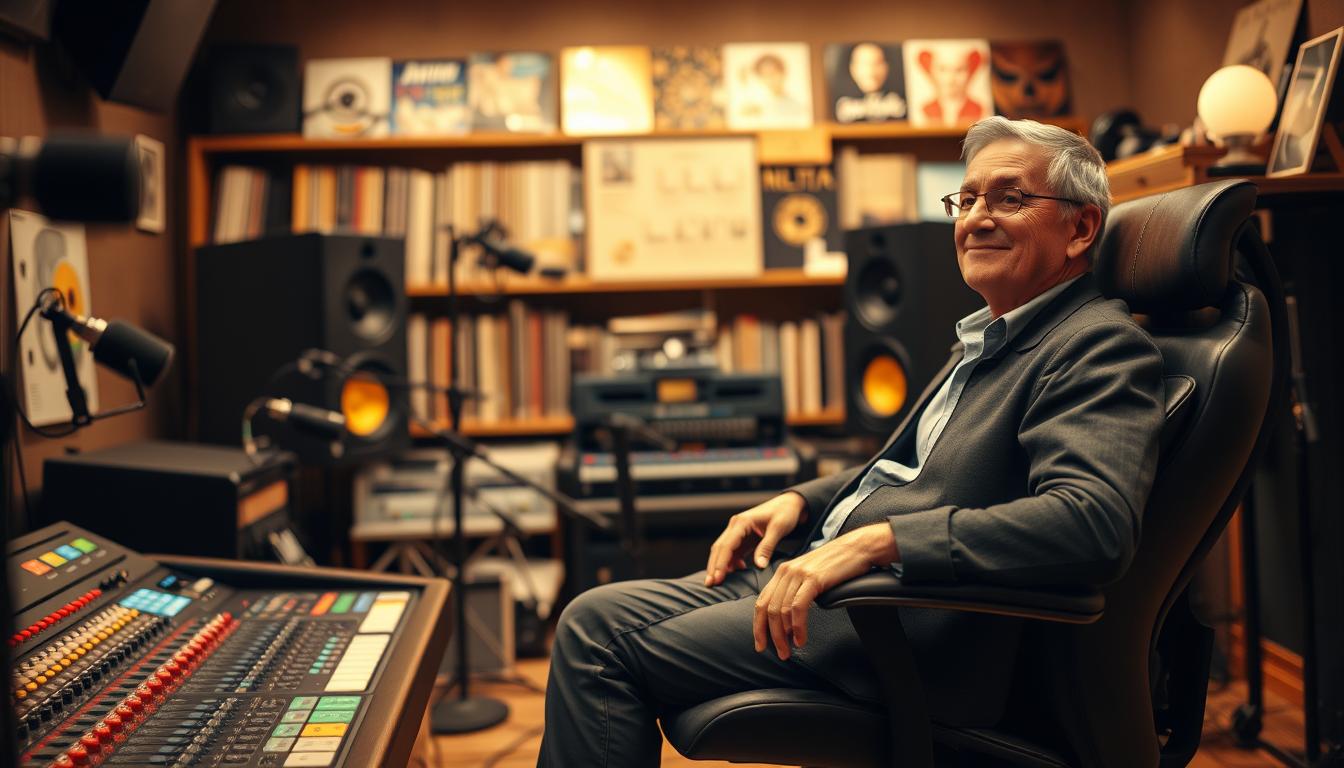
Let’s skip the small talk. You didn’t click here to talk about the weather in Nashville. You want to know who made your favorite music.
Imagine being in a control room. We’ll look at everything from the first sound to the last note. We’ll talk about how a career starts in a basement and grows into something big.
We’ll share the real story behind making music. It’s not always easy, but it’s worth it. Get ready for a deep dive into the world of music production.
Philosophy capture vs construct and when to say stop
Every producer wonders: are we capturing moments or creating masterpieces? This question is central to my studio philosophy. There are two main views: the “capture” side, like Rudy Van Gelder, who sees magic in the room. They aim to keep it simple.
The “construct” camp, inspired by Brian Eno, views the studio as a tool. They build layers of sound until the spark is lost under a heap of overdubs.
I find a balance between these views. It’s about capturing the energy of a performance and adding production artistry. But the real skill is knowing when to stop. A record overmixed sounds like a stuffed animal—lifeless.
Stopping early is key. The last 10% of tweaking can ruin the first 90% of soul. Knowing when to stop makes an album timeless, not just a demo. It’s like Mies van der Rohe’s “less is more” in sound, with more echo.
Pre production arranging keys tempo map and lyric trims
Pre-production is where music dreams become reality. It’s a critical phase for making your song impactful. It’s not just about tuning guitars; it’s about arrangement coaching. This involves fine-tuning lyrics and melodies.
Why does the second verse sound the same as the first? Why does the bridge feel like a detour? These are the questions we answer in pre-production. We aim to make tempo changes feel natural, like a human heartbeat. Finding the right key is key; it should match the singer’s voice, avoiding strain.
Once, I spent three hours tweaking a single word in a chorus. It was a word that stood out too much. Our goal is to make the song feel like it was always meant to be. It’s like editing a script for the ears; even famous writers need editors.
| Element | Importance | Tip |
|---|---|---|
| Arrangement | Shapes the song’s flow | Focus on transitions |
| Keys | Affects vocal performance | Test different keys |
| Tempo | Sets the song’s energy | Experiment with variations |
| Lyric Trims | Enhances clarity | Be ruthless in editing |
Mic choices drum phase vocal chain and room tricks
When it comes to mic choices, the price doesn’t matter. What’s important is the personality of the mic. For example, a Shure SM7B gives your vocals a warm feel. On the other hand, a Neumann U87 shows every detail, even the ones you might not want to see.
Drum phase is a key element in mixing. It can make your mix sound amazing or fall flat. Flipping a polarity switch can make the kick drum sound like it’s hitting you in the chest. This is the power of phase alignment.
My approach to mixing vocals is all about finding the right balance. I start with a fast compressor to add some edge. Then, I use a Pultec-style EQ to smooth things out. And sometimes, I add a slap delay for that Sun Records vibe.
Room tricks can really make your mix stand out. I’ve placed mics in weird places like stairwells and bathrooms. This adds a unique reverb to your vocals, making them sound like they’re in a snow globe.
These mixing tips are more than just technical advice. They’re about finding that special something in your mix. For more on kick and snare recording, check out this resource.
| Microphone | Character | Best Use |
|---|---|---|
| Shure SM7B | Warm and smooth | Vocals |
| Neumann U87 | Detailed and bright | Studio vocals |
| Akg C414 | Versatile and rich | Instruments |
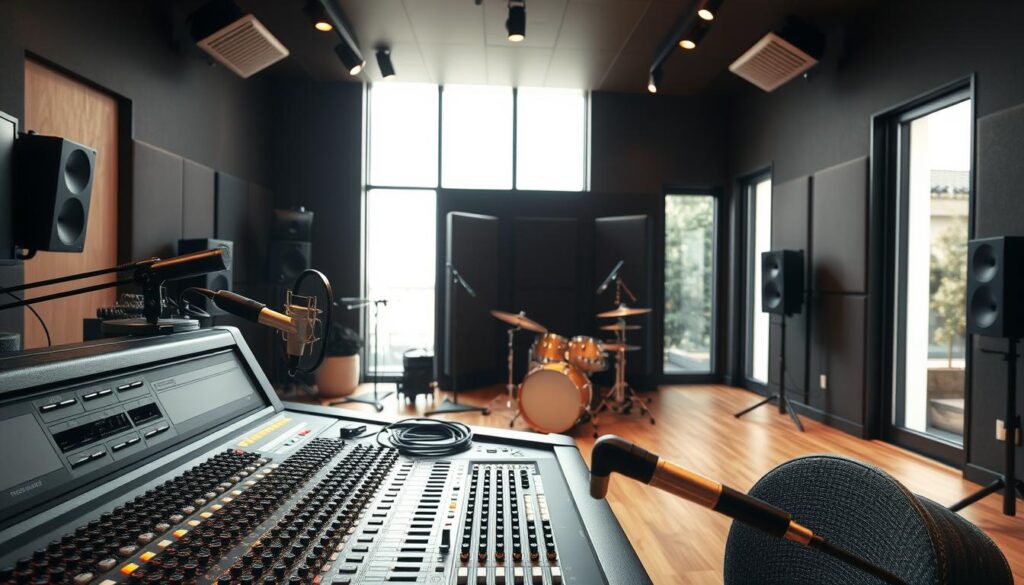
Coaching artists confidence takes and “one more for safety”
Coaching artists is a mix of psychology and performance. In the studio, I act as both a therapist and a drill sergeant. It’s not about perfecting every note; it’s about finding the imperfect one that will connect with someone.
Confidence is key, but it’s hard to see. Without it, the recording process feels crippled.
I use weird analogies and even shadowboxing to get real emotion. Each session is a journey to find raw emotion. The artist’s vulnerability turns into powerful art.
The phrase “one more for safety” often kills the magic of a perfect take. These extra takes are like participation trophies. True arrangement coaching means knowing when to stop and not chase perfection.
| Take Number | Emotional Impact | Producer’s Insight |
|---|---|---|
| 1 | Raw | Great energy, but lacks polish. |
| 2 | Authentic | Captures the essence of the song. |
| 3 | Lightning | Perfect blend of emotion and skill. |
| 4 | Thunder | Overthought and less genuine. |
In music production, the goal is to catch that moment of inspiration. The right coaching can make an artist shine. But knowing when to stop is just as important. So, when you hear “one more for safety,” remember: sometimes, the best take is the one you didn’t chase.
Mixing perspective depth color panning mono checks and bus glue
Mixing is like painting with sound, adding depth and color. It’s like creating a sonic diorama. You need to think about where the vocalist is and how they sound.
Depth comes from using reverb and delay wisely. It’s not just about making things sound big. You want to create a space that feels real and a bit mysterious.
Color is key too. It’s the warmth that makes digital recordings feel real. This warmth invites listeners into the music.
Panning is more than just left and right. It’s about arranging instruments like a stage play. Each one should have its own spot, adding to the mix’s harmony.
Mono checks are important. If your mix sounds bad in mono, it’s not good. Always check it in mono to keep things clear and balanced.
Bus glue is the final touch. It’s achieved with a compressor or console emulation. It’s like a host at a party, making sure everyone gets along.
These tips are gold for indie producers. Using them will take your mixing to the next level.
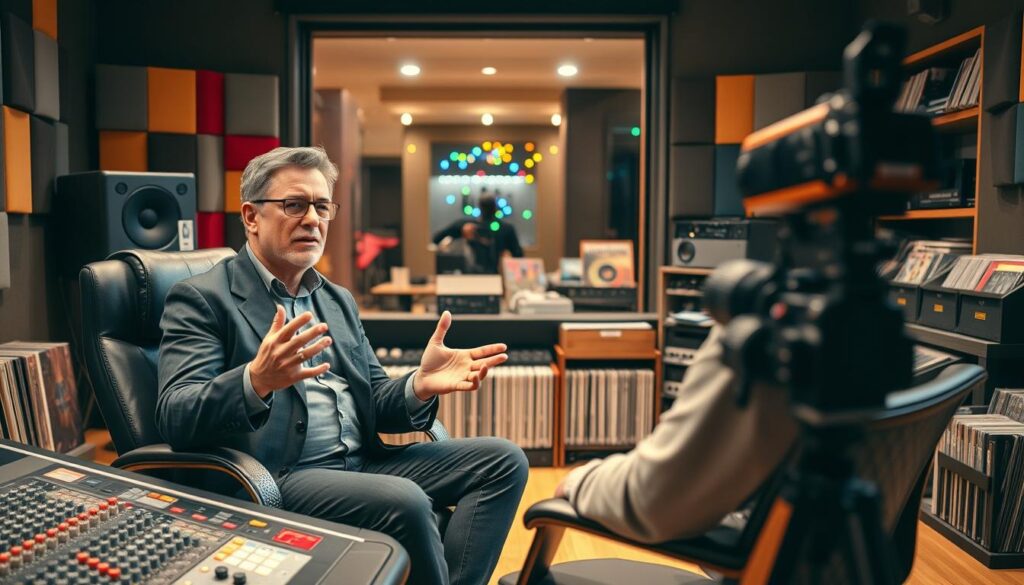
Mastering handoff loudness targets and sequencing flow
Handing off your mix to a mastering engineer is like sending your child to school for the first time. You’ve put your heart into the mix, and now it’s time for someone else to add the final touches. The loudness wars are over, and LUFS is the new standard. But my studio philosophy is about more than just numbers; it’s about creating an emotional journey.
Sequencing flow is the lost art of the album era. It makes Side A of “Rumours” feel like a journey, not just a playlist. I focus on the space between tracks, making sure it’s just right. Do you want a seamless transition or a moment of silence to let the music fade away? Mastering is about making it loud and making it translate, not just loud.
Whether it’s for earbuds or a car stereo, mastering is all about the details. Here’s a look at common loudness targets and their uses:
| Loudness Target (LUFS) | Application | Typical Genre |
|---|---|---|
| -14 | Streaming Services | Pop, Indie |
| -10 | Radio Broadcast | Rock, Hip-Hop |
| -6 | Club Play | EDM, Dance |
| -16 | Classical Music | Classical, Jazz |

Mastering is all about the emotional journey of your music. It’s about making sure your music sounds great in any setting. So, when you hand off your mix, remember: it’s not just about being loud; it’s about creating a lasting experience.
Business transparency budgets timelines and revision policy
The business side of music production can be dull. But, in indie production, money matters a lot. I’m open about budgets to avoid any surprises.
Timelines are key too. I don’t promise “two weeks” and then disappear. I add buffers for unexpected delays. These extra days can prevent a meltdown.
My revision policy is clear: two changes, then it’s time to move on. I once had a client ask for 47 mix changes. That’s not art; it’s a test of patience. Setting clear limits helps keep the project on track and avoids resentment.
In short, being open about budgets and timelines is vital. It keeps the creative process healthy. Let’s keep communication clear and surprises rare.
Reference track playlist and what to listen for
Exploring sound is like navigating a dense forest. Without a reference track, you might get lost. Reference tracks are like maps for mixing, guiding you through the sound world.
But, most people listen to references casually, not deeply. It’s like attending a party without a purpose.
To really get the most from reference tracks, you need to analyze them closely. Here’s what to look for:
- Kick and Bass Relationship: Are they working together or fighting? Their interaction is key to a great mix.
- Stereo Image Width: Does it feel wide and immersive or narrow? The way sounds are arranged can make your track stand out.
- Vocal Placement: Is the vocal clear and upfront or lost in the mix? Getting the vocal right is essential for a clear sound.
I’ve curated a playlist with tracks from Steely Dan to Spoon. This mix helps you tune your ears to a standard, like a pilot checks instruments before flying. Without these tracks, you’re just guessing, and guessing can lead to mistakes.
Reference tracks are not about copying; they’re about tuning your ears. Take on the challenge and let your mixes shine.
Advice to indie artists preparing for studio week
Booking the studio can feel like a rollercoaster ride. You’re excited, but panic might creep in. Here’s the real talk every artist needs before they step into that creative space. First, know your songs inside and out. You should be able to play them in your sleep. The studio is not your rehearsal room; it’s where magic happens.
Next, bring reference tracks. These are not for imitation but for inspiration. Saying “I want the drums to sound like ‘When the Levee Breaks’” gives your producer a clear vision. It’s far more effective than vague requests. Leave your ego at the door but don’t forget your conviction. When I question a lyric or chord, it’s not to rattle you. It’s to ensure we’re on the same page as the audience.
Don’t underestimate the basics. Sleep well, hydrate, and steer clear of the hangover trap. You can’t channel your inner Aretha when you’re running on fumes. Think of studio week as a marathon, not a sprint. Treat it like the artistic summit it is, and you’ll create something that resonates deeply.
For more tips on organizing community events and maximizing engagement, check out this resource. Embrace the process, and let’s make some magic happen.