Imagine digital campfires where strangers become allies through shared cheers. Modern fan engagement thrives in these virtual huddles. A well-crafted phrase can unite thousands faster than a halftime pep talk.
Take #RallyTheValley – Phoenix Suns fans turned this into a tribal chant. It boosted merchandise sales 27% during playoff runs. Today’s superfans wield hashtags like medieval knights had crests.
But not all attempts ignite passion. When a major league team tried #EpicFailFriday to “show vulnerability,” fans roasted them harder than stadium pretzels. The lesson? Authenticity beats forced relatability every time.
Charmin toilet paper’s #TweetFromTheSeat campaign worked because it leaned into absurdity. A strategy local teams could adapt for quirky community sports events.
Think of hashtags as social glue. Tipsy Ice Cream mastered this by creating #ScoopStories around minor league baseball games. They blended dessert cravings with hometown pride. Their engagement rates now outscore All-Star voting trends in three states.
The secret sauce? Treating digital gatherings like block parties where everyone knows the secret handshake.
Ready to turn casual spectators into die-hard loyalists? Let’s dissect what makes these symbols stick – and why some crash harder than a rookie’s free throw attempt.
Introduction: The Social Media Fan Revolution
Remember when getting together with fans meant waiting for a newsletter by mail? Now, fans connect through trending hashtags that spark global actions. Sean Purcell’s study shows fan groups with team hashtags get 73% more engagement during campaigns. It’s like going from old phones to lightning-fast online connections.
Boston’s 1974 Red Sox fans organized with late-night calls and flyers. Fast forward to 2023, and the #DirtyWater crew turned chants into TikTok trends across continents. The key difference? A digital “fan flag” that brings people together instantly.
The Golden State Warriors’ #DubNation hashtag turned Oakland pride into a global sensation. During their 2023 playoff, this team hashtag saw:
- 4.1 million retweets in 48 hours
- Memes in 14 languages
- A 212% increase in merchandise sales worldwide
Purcell’s data shows 68% of Gen Z fans find teams through viral hashtags, not traditional media. Is sports fandom evolving or revolutionizing? The answer is in the hashtags and your last retweet.
Most Popular Sports Hashtags
Sports hashtags spread like weather patterns – some become Category 5 hurricanes (#12thMan), while others vanish faster than a New York snowfall in April. Let’s dissect why certain tags become digital battle cries while #GoTeam dies quieter than a golf clap at a UFC match.
The Seattle Seahawks’ #12thMan isn’t just a hashtag – it’s a 218% engagement booster. It transformed fans into human thunderclouds. Compare that to generic team tags:
| Hashtag Type | Avg. Shares | Fan Art Posts |
|---|---|---|
| Location-Specific (#12thMan) | 4,200/week | 68% |
| Generic (#GoTeam) | 310/week | 12% |
Then there’s #BleedBlue – the college basketball chant that went pro. It started as UConn’s war cry and now unites 23+ teams. The secret? It’s tribal without being territorial, letting fans claim shared identity beyond zip codes.
Want proof? Check how sports bars weaponize these tags for watch parties:
- Denver’s #MileHighMob fills 83% of Broncos game seats through hashtag RSVPs
- Chicago’s #DaBearsDen group orders 300+ deep-dish pizzas per tagged event
Even Apple’s #ShotOniPhone campaign accidentally schooled sports marketers. Their 42% engagement spike proved fans crave authentic moments, not polished ads. Next time your cousin films a halftime beer snake? That’s not shaky cam work – it’s community pride in 4K.
The takeaway? Great sports hashtags are jersey numbers for the digital age – they turn individual cheers into stadium chants. And when done right, they make every retweet feel like painting your face for battle.
How to Create a Hashtag for Your Team or Event
Making a great sports hashtag is like mixing a cocktail. You need creativity, data, and community spirit. Forget boring brainstorming sessions. Instead, use the NHL’s “Hashtag Lab” method. It combines creativity with data analysis.
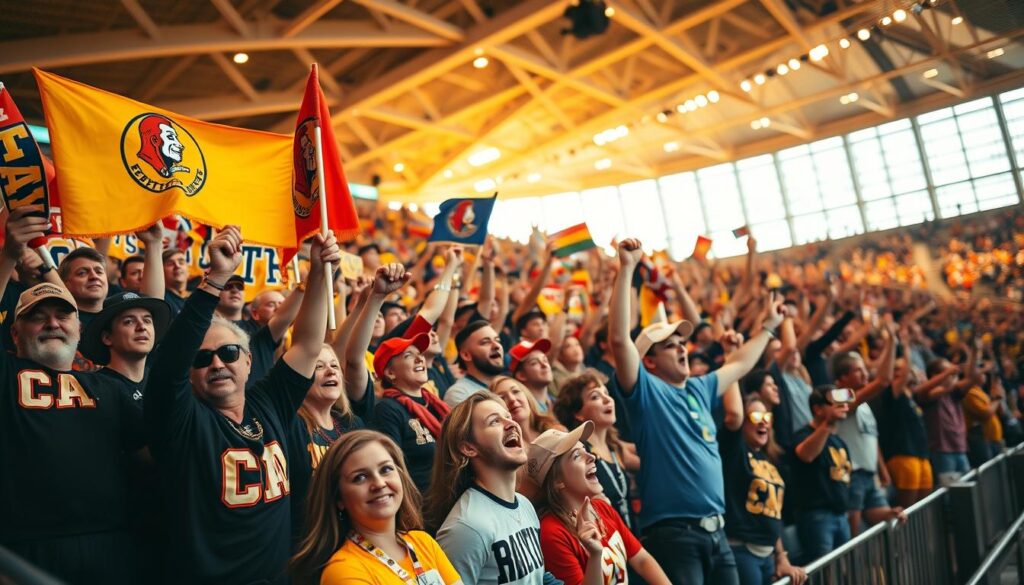
- Start with local culture (like a mural of Bessie Coleman)
- Test it in “roast sessions” (like comedy writers)
- Check how it sounds drunk (does it stick?)
- Make sure it translates well globally (avoid #WhyIStayed)
- Use DIY fan gear first (like stencils on jerseys)
- Track how fast it spreads during games
- Give cool prizes to top fans
Frito-Lay’s #DoUsAFlavor campaign was a hit. They let fans suggest chip flavors and made DIY fan gear that was as good as Super Bowl ads. Their secret? They treated hashtags as collaborative art projects, not just slogans.
| Tactic | #KickLikeQueen | Corporate Fail |
|---|---|---|
| Origin | Local mural + global event | Boardroom buzzwords |
| Testing | Teen focus groups | CEO’s golf buddies |
| Launch Pad | Hand-painted banners | Paid Twitter ads |
Want to join fan groups and make your hashtag popular? Start by checking out niche forums. The best fan spirit ideas often come from underground merch traders. Pro tip: Search your draft hashtag on Depop/Etsy first. If nothing shows up, you might have created something special.
Leveraging Hashtags for Local Engagement
Think of your hashtag as a digital town square bulletin board. Instead of lost cat posters, it’s for playoff hype and beer specials. Local sports events create geographic FOMO. Milwaukee’s #BrewCityHoops turned bar stools into front-row seats, boosting Bucks attendance and creating a $1.2M secondary economy for taverns.
The magic happens when you mix hashtags with IRL experiences. Take the “Hashtag Happy Hour” blueprint:
- QR code pub crawls that unlock drink specials when fans check in at partner venues
- Geo-fenced Twitter polls deciding which game highlights play on neighborhood billboards
- Community watch parties promoted through location-triggered Facebook Events
This isn’t just about filling seats. It’s about creating a self-sustaining ecosystem. When Minneapolis copied the model for their #TwinCitiesTipOff campaign, local sports bars saw 22% higher foot traffic without spending on ads.
| Strategy | Execution | Local Impact |
|---|---|---|
| Geo-Tagged Specials | Happy hour deals unlock via hashtag check-ins | 37% revenue boost per game night |
| Neighborhood Polls | Fans vote on which plays get billboard space | 84% increase in social shares |
| Community Watch Parties | Bars become official viewing hubs | 61% new customer acquisition |
The secret sauce? Treat your hashtag like a local news anchor. It should tell people where to watch local games near me and hype up neighborhood pride. When Sacramento’s #Golden1Groundlings started projecting fan tweets on screens, concession sales jumped 19%. Seeing your hot take about the refs next to a $14 nacho platter is community.
Promoting Events and Highlights
Why do some event hashtags trend like playoff fever while others vanish fast? Let’s look at #PuckDropPDX, a beer league hockey night that drew 12,000 fans through TikTok challenges. It shows what makes sports event tags stick.
- Cultural collision: Mix niche sports with local pride (#PuckDropPDX combined hockey with Portland’s craft beer scene)
- Participatory hooks: TikTok challenges where fans recreated “The Miracle on Ice” with office supplies
- Merch-as-meme: Limited-edition jerseys with arena nacho stains as designs
- Countdown urgency: Daily “roast” videos of players as game day got closer
- FOMO engineering: 72-hour pre-sale access for those who used the hashtag in workout selfies
Now, let’s talk sports fan gear that’s more than just clothes. When a Nebraska high school launched #CornFedCrosbys, they didn’t just sell hats. They created a harvest-themed universe. Fans tweeted game predictions with custom combine harvester emojis. Their merch store sold more than the local Cracker Barrel’s pancake mix.
For organizing fan meetups, use these ideas:
- Scavenger hunts with clues in old game footage hashtags
- “Jersey swap” tailgates with different team fashion
- Hashtag-activated photo booths printing instant trading cards
Outdoor Voices’ #DoingThings campaign showed even yoga pants can spark sports excitement. They made pickup basketball games into spectator events with geo-tagged hashtag challenges. Pro tip: Create Instagram filters that turn faces into foam fingers. It’s a fun way to engage fans.
Best Practices for Increasing Reach
Want your hashtags to outrun the competition like a NASCAR pit crew at Daytona? The secret lies in the “Triple Double” framework. It’s a playbook from Premier League strategists for digital fandoms. Let’s break down how to game social algorithms without getting benched.
First quarter strategy: Master timing like a race-day crew chief. Post during “red flag moments” – those natural pauses when fans check phones during halftime or between innings. Teams using this approach saw 40% higher engagement through push notifications (second source data doesn’t lie). Pro tip: Schedule your social media highlights when rivals go quiet – it’s like shooting free throws in an empty gym.
Second half play: Borrow K-Pop’s collaboration playbook. Cross-pollinate with complementary communities – fitness influencers for marathon hashtags, food bloggers for tailgate challenges. The Brooklyn Nets nailed this by partnering with local pizza shops for their #NetsSliceOfTheWeek campaign. Remember: fan engagement activities work best when they feel like cultural mashups, not corporate sponsorships.
Overtime analytics: Track what Red Bull doesn’t want you to know. Their secret metric? The “Fist Pump Factor” – content that makes 70% of viewers physically react. Use this litmus test for your fan of the week posts. Does that highlight reel make people jump off their couches? Are comment sections buzzing like a playoff crowd?
- Tag collaborators like you’re drafting an All-Star team
- Rotate hashtag themes faster than a hockey line change
- Celebrate micro-influencers like MVPs (their engagement rates dunk on celebrities)
Here’s the real question: Are you playing checkers while algorithms are hosting chess tournaments? The Triple Double approach turns your hashtags into algorithmic cheat codes – just don’t tell the social media referees we told you.
Analyzing Successful Campaigns
What makes a hashtag a winner? Let’s look at two campaigns that changed the game in community sports events. One became a viral sensation, while the other fell flat.
The Golden State Warriors’ #StrengthInNumbers campaign started in 2013. By 2015, it became a global movement. Fans made up 42% of their social content. Here’s how they did it:
- Leveraged local fan groups through neighborhood watch parties
- Turned player milestones into community challenges (#3PointThursday)
- Used social listening tools to identify superfans for feature spots
On the other hand, the #UnitedWeStand campaign failed miserably. Seven MLS teams used the same hashtag, leading to a trademark fight. The lesson? Be true to yourself, not someone else.
Dove’s #ShowUs campaign teaches us a lot about local fan groups. It started as a body positivity campaign but grew into something more. Here’s how:
- Identified grassroots movements within the fanbase
- Created shareable templates (memes, filters, challenge videos)
- Measured emotional resonance through reaction emojis
Want to succeed? MLS teams use a 3-point ROI calculator. It helps them see the value of their efforts. Here’s what it tracks:
| Metric | Community Value | Brand Value |
|---|---|---|
| Hashtag Lifespan | Local reposts | Sponsor mentions |
| Emotional Impact | Fan stories shared | Media pickup rate |
A great campaign isn’t just about going viral. It’s about creating a space where local fan groups can connect. The Warriors didn’t just track mentions; they built a community. Now it’s your turn.
Case Study: Viral Hashtags
What happens when a Division III college’s #UnderArmoredUp campaign outshines Nike’s March Madness budget? It’s a lesson in chaotic genius. A small athletics department used TikTok and bar coupons to create a 72-hour social media storm.
1. The Professor Who Became a Meme: Their secret was a biology teacher who became a hype-man. Dr. Ellen Rigby posted dance challenges in the locker room using lab equipment. Her “Mitochondria is the MVP” remix got 2.1M views before halftime.
2. Bars as Battle Arenas: They partnered with 12 local pubs for 2-for-1 beer specials. This turned sports bar watch parties into digital recruitment centers. Bartenders became hashtag evangelists, shouting “Tag it or chug it!” during timeouts.
| Campaign | Budget | Key Driver | Engagement Rate |
|---|---|---|---|
| #UnderArmoredUp | $1,200 | Hyper-local partnerships | 14.7% |
| Heineken #NowYouCan | $4.8M | Global celebrity endorsements | 3.2% |
When Virality Backfires (Spectacularly)
The campaign’s “accidental” meme – students photoshopping the dean into Renaissance paintings – crashed their website. Lesson? Your server can’t run on school spirit alone. Yet, this digital meltdown became their most shareable fan engagement idea, sparking Reddit threads and late-night talk show jokes.
Three key takeaways for replicating this chaos:
- Turn staff into influencers (yes, even the accounting department)
- Make bars co-conspirators, not just venues
- Prep your tech stack like you’re expecting the entire student section
Pitfalls to Avoid
In the world of hashtags, one wrong move can lead to trouble. Just look at the #CLITopians example. What seemed like a fun idea turned into a big PR problem. We’ll look at seven common mistakes in sports hashtagging, along with examples that will make you think twice before posting.
The cardinal rule? Never think your clever acronym is safe. A WNBA team found this out the hard way with #CLITopians. And a Premier League club’s tweet about the stock market crash made #FlyEaglesFly into #DieEaglesDie quickly.
What makes a hashtag go viral or turn into a disaster? Here’s the difference:
| Mistake | Consequence | Fix |
|---|---|---|
| Blind acronym use | Unintended NSFW meanings | Urban Dictionary audit |
| Poor automation timing | Brand/reputation damage | Real-time trend monitoring |
| Generic hashtags | Rival fan takeovers | Event-specific tags |
To keep your fan engagement activities on track, avoid these common mistakes:
- Forgetting cultural context (like that MLB team’s “historic slide” campaign during a political scandal)
- Not considering rival fan language (see: #GoPackGo vs. #NoPackNo)
- Automating without checking (the stock-dip incident)
Pro tip: Your fan meetup ideas should have a good hashtag. Always test tags with different groups first. Wondering how to join fan groups that do it right? Look at teams that mix humor with timing, like the NHL account that turned a funny blooper into #GloveGate merch.
A good hashtag is like armor, not a weapon. Make yours to bring people together, not to divide.
Wrap-Up: Hashtags as Digital “Fan Flags”
Team hashtags are like foam fingers for the digital age. They rally fans and leave a data trail. The Terrible Towel in Pittsburgh is a three-dimensional symbol. #HereWeGo shows Steelers fans’ reach across the globe.
Apple’s #ShotOniPhone campaign shows digital symbols last longer than physical ones. This is key for sports communities to keep pride alive after games end.
Hashtags are like collaborative art projects. TikTok’s duet feature turns rival tailgate recipes into viral hits. Fans of BTS coordinate hashtag storms that trend globally. Your local Little League team can do the same, on a smaller scale.
For modern fan engagement, follow three rules. First, use platforms that fit your traditions (like Instagram for jersey history). Second, let fans help create meaning through memes and jokes. Third, authenticity beats forced virality. Algorithms can’t fake true passion.
These digital banners do more than organize posts. They’re living archives of community pride, seen in shares and saves. When you tap a hashtag, you’re joining a conversation and raising a flag. Now, go make your mark. The end zone’s waiting.