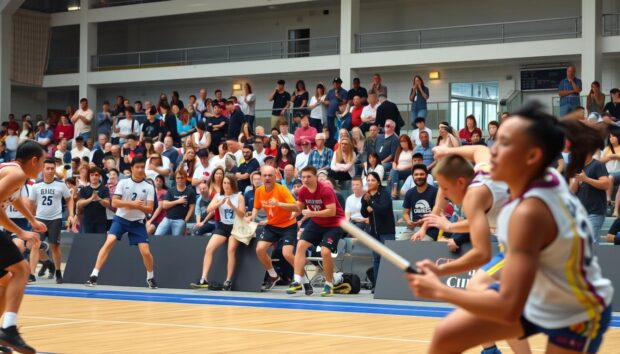
Imagine a corporate attorney sliding into home plate like she’s in court. A tech CEO runs a local 5k with the same urgency as a deadline. What makes these professionals turn into weekend warriors? It’s simpler than you think, and more primal.
Community leagues have evolved from casual matchups into major events—some even drawing betting odds from the best offshore sportsbooks. Cheer Daily, once just a Facebook page, has grown into a vibrant social movement, bringing thousands together through fun and engaging activities. These gatherings feel like modern-day campfires, fostering real connections in a world where even groceries arrive through an app.
Why do adults swap briefcases for sports gear? The magic happens between games and after races. We’re not just burning calories; we’re building strong social bonds. Lawyers become teammates, and executives cheer us on. Even the accounting wizard becomes our dodgeball hero.
This isn’t just exercise; it’s changing society. Through sweat and teamwork, we’re making communities stronger. The game is just the start.
Types of Local Events for Adults
Adult sports are more than just a trip down memory lane. They offer a chance to compete for medals, beers, or just to have fun. Let’s explore the main types of events that keep local rec centers lively.
The Competitive Circuit
These events are fast-paced, like a Marvel movie marathon. You’ll find local 5k races with precise timing and age-group awards. There are also adult recreation leagues with different levels, even for beer pong.
Pro tip: The “Intermediate” bracket is where former college athletes try to win again, often in Tuesday night softball.
Friendly Fire
Community softball games are all about having fun, not being perfect. These leagues are like secret speakeasies – you need a friend to get in. They’re known for:
- No-referee honor systems (disputes settled via rock-paper-scissors)
- BYOB dugout policies
- Trophies made from repurposed bowling pins
Charity Throwdowns
Charity sports events turn your athletic skills into a way to help others. Your bad tennis backhand can help fight Alzheimer’s, and a slow fun run can be a tax-deductible workout. The best part? Watching corporate teams pay big to lose at kickball.
| Event Type | Typical Activities | Social Currency |
|---|---|---|
| Competitive | Timed 5k races, league playoffs | Bragging rights + Instagram finish lines |
| Friendly | Community softball, pickup basketball | Dugout memes + post-game tacos |
| Charity | Fundraiser 5ks, celebrity golf scrambles | Donor cred + feel-good endorphins |
Remember, the best adult leagues are like Fight Club – you do talk about them, but only if you’re cool with losing. Why stick to the treadmill when you can play for charity?
How to Get Involved as a Player or Fan
Finding adult sports events is like solving a mystery. It takes the skills of CSI: Miami and the patience of waiting for your Uber. Let’s skip the detective work and find your local sports scene fast.
First rule of Rec Club: Don’t rely on Google alone. Look for community bulletin boards and parks department websites. These old-school resources are full of upcoming local sports events – from charity pickleball tournaments to secret chess-boxing matches.
Here are three ways to improve your game:
- Join local 5k races with post-run mimosa parties. They’re great networking events that feel like fitness challenges.
- Be a “hydration consultant” (water boy) for youth cheer competitions. It’s a quick way to meet parents and coaches.
- Follow beer league teams like they’re your favorite TV show. Their drama is more exciting than The Bear.
Tip for spectators: Arrive early with homemade cookies called “Bribe Bites.” You’ll get the best gossip and maybe even a spot on the team. Want to play? Check out our fan engagement strategies – they’re better than LinkedIn job alerts.
Your game day guide cheat sheet:
- Tuesday nights = Over-30 soccer leagues (bring Advil)
- Thursday = Corporate softball (free post-game beer)
- Weekends = Park district tournaments (bring folding chairs)
In adult sports, winning isn’t just about the score. It’s about the group text planning the afterparty. Now go out there and conquer. Your jersey is waiting.
Event Day Tips: Participating and Spectating
Game day isn’t improv theater – your “yes, and” energy works better with actual planning. Whether you’re sliding into community softball games or strategizing for intramural tournaments, here’s how to avoid becoming the main character of a cautionary tale.
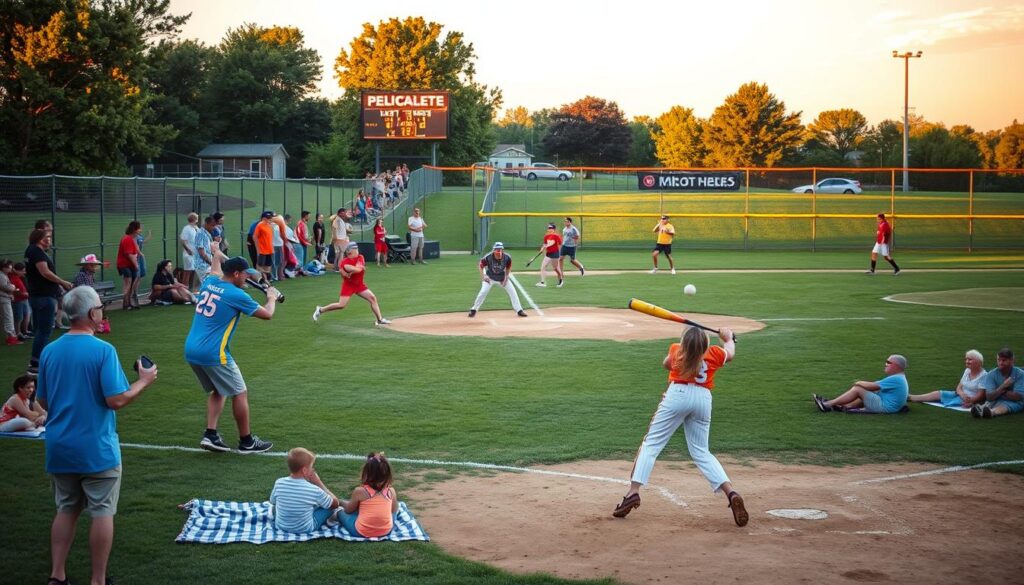
Nyaa Cheer Nationals’ warm-up protocols reveal a truth: Champions arrive early enough to stretch but late enough to dodge ceremonial first pitches. Your timeline:
| Activity | Players | Fans |
|---|---|---|
| Arrival Time | 90 mins pre-game | 15 mins before first play |
| Essential Gear | Compression sleeves, hydration | Binoculars, portable charger |
| Prohibited Items | Overconfidence | Airhorns (check venue rules) |
Spectator Science 101
Cheering at accessible sports events requires nuance. The golden rule? Match your enthusiasm to the sport’s decibel level:
- Softball: Chant-approved after home runs
- Bowling: Golf claps only
- Chess: Silent mental telepathy
Remember: “Do a flip!” works for diving competitions. Not so much for bridge tournaments. Most venues now post real-time etiquette reminders – look for the glowing signs that aren’t beer ads.
The Survival Kit You’ll Actually Use
Forget generic game day guides. Your kit needs:
- Blister pads (because new cleats lie)
- Multi-tool (for gear repairs and snack emergencies)
- Pocket-sized rulebook (settle debates without bloodshed)
Pro tip from the minors: Local intramural tournaments often have secret merch swaps. That mismatched sock could become someone’s lucky charm.
The Social Benefits: Networking and Community
Forget LinkedIn cold messages – the real career magic happens when you’re sweaty, grass-stained, and high-fiving strangers. Adult sports competitions have quietly become the ultimate networking hack, combining endorphins with opportunity. I’ve watched more professional alliances form at charity sports events than in corporate boardrooms – and with better snack spreads.
- Authenticity: No one’s faking competence when they’re gasping for air mid-sprint
- Shared struggle: Missing a goal bonds people faster than any team-building seminar
- Beer diplomacy: Post-game brews turn rivals into collaborators (see: the 2018 Portland Pickleball Pact)
Charity sports events take this further, blending philanthropy with social alchemy. The Boston Marathon’s charity runners raise millions while creating executive networks tighter than their compression socks. A 2023 study found 68% of participants made career-advancing connections at these events – take that, Zoom happy hours.
| Networking Venue | Avg. Connections Made | Post-Event Follow-Up Rate |
|---|---|---|
| Conference Mixers | 4.2 | 22% |
| Golf Outings | 6.1 | 41% |
| Charity 5K Events | 9.7 | 63% |
The mental health boost? That’s the secret sauce. UCLA research shows team sports reduce stress hormones better than meditation apps. When people let their guard down (and their competitive flags fly), genuine relationships form. I’ve seen accounting managers become hiking buddies and rival marketers start podcast collaborations – all thanks to a shared obsession with Tuesday night kickball.
Pro tip: The real networking gold happens after the final whistle. That post-game pizza joint where deals get inked on napkins? That’s your new boardroom. Just remember: no one trusts someone who doesn’t buy the first round.
Inspiring Stories from Local Teams
What do retired teachers, municipal workers, and a yoga instructor with a wicked backhand have in common? They’re changing the game for adult sports. These local heroes are winning real victories that would impress even Rocky.
The 55+ Dodgeball Dynasty has thrived for 14 years, surviving three mayors and two venue changes. Their secret? Strategic knee braces and a bit of spite. Captain Marty Rosenblatt, 63, jokes, “We’ve got more stamina than the city’s budget.”
This team has fought off gentrification to keep their court for years.
The Blindfolded Bocce Brigade has raised money for 27 guide dogs with their tournaments. Players call shots by sound, making it like Bocce Ball: The Musical. Last season, they raised $18k, showing that sports can be fun and help others.
Lena Cho, a former yoga teacher, has become an ultimate frisbee star. She leads teams that mix mindfulness with competition. “It’s not about winning,” she says. “It’s about beating the 25-year-olds who think you’re slow.”
These stories show that community sports are more than just fun. They’re about building community and lasting friendships. Adult rec leagues are creating neighborhood glue through sports and camaraderie.
How to Organize Your Own Event
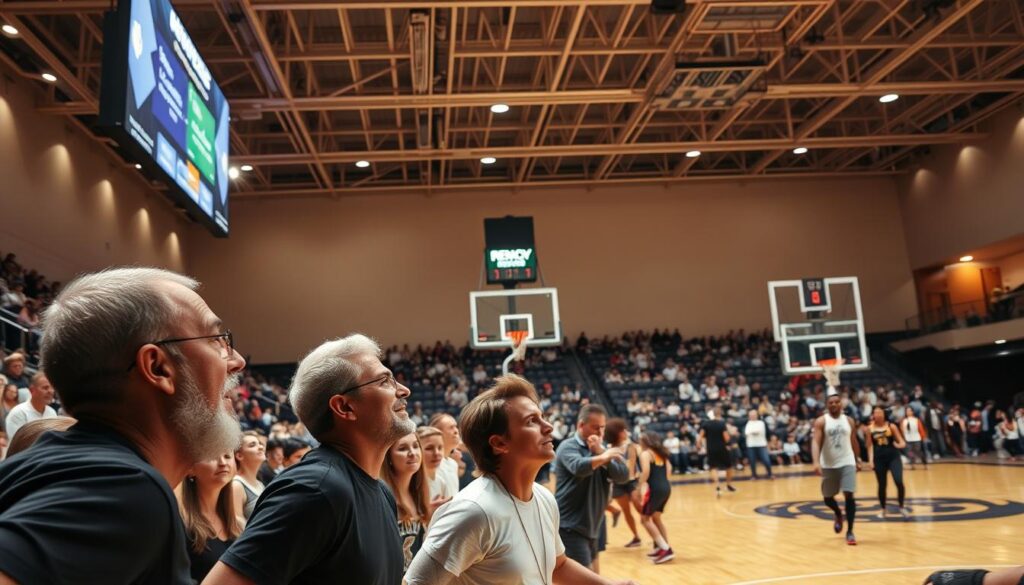
Organizing adult sports competitions is not easy. I tried to start a glow-in-the-dark bocce league and got lost in a sea of paperwork. It was like trying to solve a puzzle blindfolded.
The Permit Paradox: Getting permits is like trying to get through a maze. Your first step is to call city hall. Ask about “temporary use permits” for your events. Try to schedule events when college sports are off-season. This way, you avoid the crowds at city hall.
Venue Selection: Cheer Nationals’ Playbook
The Nyaa Cheer Nationals team showed me how to pick the right venue. They looked for places with:
| Factor | Cheer Priorities | Adult League Adaptations |
|---|---|---|
| Parking | Bus-friendly lots | Brewery proximity > shuttle routes |
| Flooring | Spring-loaded mats | Grass that forgives 40-year-old knees |
| Lighting | TV-ready lux levels | Enough to spot your craft beer |
| Insurance | $5M liability | “Waiver-tologist” on staff |
Insurance is key. Even small events need coverage. Use event insurance brokers for “unconventional physical activities.”
The Registration Rodeo
Make your sign-up form detailed:
- Collect medical info (nobody wants a pickleball cardiac incident)
- Payment upfront (adulting means Venmo or GTFO)
- T-shirt sizes (the true currency of amateur athletics)
Recruit referees from local college sports schedule gaps. They need summer jobs and know how to handle rowdy players.
Inclusive Sports Opportunities
Traditional sports leagues often seem made for superheroes, not real people. But accessible sports events are changing that. They offer modified rules and creative adaptations that turn “I can’t” into “Watch me.”
We see wheelchair basketball players dunking, senior swim meets that are like aquatic dance parties, and yes, adaptive pickleball that deserves its own Wheaties box.
Here are three ways communities are changing the game:
- Hybrid sports mashups: Think volleyball meets yoga (volleyoga?), or bocce ball with augmented reality overlays
- Age-blind tournaments: Where 16-year-old soccer phenoms compete against 60-year-old weekend warriors
- Ability-neutral scoring: Modified point systems that value strategy over raw physicality
USA Cheer’s adaptive programs show inclusivity is real. Their cheer squads now include wheelchair routines and sign language chants. And youth sports tournaments are becoming places where people of all ages come together.
Last month’s Chicago Unified Games were a great example. They had grandparents and teens teaming up for three-legged races with a Paralympic twist.
| Traditional Sport | Adaptive Version | Social Impact |
|---|---|---|
| Basketball | Wheelchair SlamBall | 37% increase in venue accessibility |
| Tennis | Silent Match (sign language scoring) | 62% higher spectator engagement |
| Swimming | Buoyancy-Boosted Laps | Tripled senior participation |
These aren’t your dad’s intramural tournaments – they’re networking events disguised as athletic competitions. I recently saw a deaf dodgeball team out-strategize hearing players using visual cues. This shows that adaptation leads to innovation.
The real win? Community connection points that grow faster than a Tom Brady Hail Mary.
So here’s the hot take: If we can make Quidditch a real sport, why not adaptive axe-throwing? The future of recreation is about customized challenges that celebrate differences. And honestly, they make standard Olympics look dull.
Safety & Accessibility
Think adult sports are danger zones? You’re statistically safer dodging tackles than navigating dating app “ick” factors. While Tinder serves up emotional whiplash, modern accessible sports events deploy Secret Service-level protection – minus the earpieces and sunglasses.
Let’s crunch numbers like Peloton enthusiasts track calories. Cheerleading’s injury rate dropped 72% with better equipment and rules. This safety upgrade is like Marvel’s Iron Man’s tech upgrade.
Compare that to your weekly spin class. There, 1 in 4 riders report injuries severe enough to skip work. It’s not just from explaining those padded shorts to coworkers.
| Activity | Annual Injuries per 1k | Common Causes | Safety Upgrades |
|---|---|---|---|
| Cheerleading | 0.71 | Pyramid collapses | Mandatory mat systems, stunt limits |
| Soccer | 1.03 | Slide tackles | Concussion protocols |
| Basketball | 1.28 | Ankle sprains | Smart court surfaces |
| Spin Class | 2.15 | Overexertion | …Stil waiting |
Local organizers now design local 5k races with military precision. They sync start times with high school sports schedules for family-friendly access. Need wheelchair access? They’ve got more ramps than a skatepark. Prefer night runs? Courses glow brighter than Times Square.
Three ways modern sports beat dating apps at safety:
- Consent forms actually mean something
- Medical staff outnumber questionable pickup lines 10:1
- Your exit strategy is literally just walking away
The real win? These upgrades make networking events on fields more inclusive than corporate mixers. Show me a Zoom happy hour with closed captioning and ASL interpreters – I’ll wait.
Event Calendar and How to Stay Updated
Keeping up with adult sports competitions is like playing chess. Start by checking school district websites for hidden gems like community softball games. The Nyaa Cheer Nationals are experts at this, sharing their schedule through secret emails and TikTok hints.
To find local sports events, create a system like Sherlock Holmes. Follow Parks & Rec on social media, but also search deep on municipal websites. College sports schedules can be tricky to find, but setting Google Alerts for “secret softball tournament” + your zip code can help.
Community leagues are like secret clubs. Look for announcements on library bulletin boards and coffee shop flyers. Facebook groups like “Springfield Over-30 Kickball Enthuasiasts” can reveal hidden games. Apps like Meetup and TeamSnap are great for organizing events.
Want to get the inside scoop? Volunteer at games. You’ll learn about upcoming events before they’re announced. You could become the unofficial historian of your local sports scene.
Don’t miss out on games because of outdated calendars. Start by checking local newspapers’ sports sections and Nextdoor alerts. Or, just ask your gym buddy who always smells like pine tar. He might know about the next tournament.