Assembly Art Fair arrived in Seattle with a stated emphasis on curated gallery presentations rather than standard booth arrangements. The inaugural event took place July 22 to 26, 2026, at West Canal Yards, described by the fair as a newly adapted historic fisheries building with expansive exhibition spaces on waterfront property near downtown Seattle, according to the official fair site. That setting matters because art fairs are never only about objects on walls; they also shape how viewers move, pause, compare, and speak with the people presenting the work.
For Seattle, the fair sits within a wider conversation about how regional galleries can meet collectors, curators, artists, and public audiences without flattening local identity into a sales floor. The available reporting supports a careful reading: this was a gallery-led, invitational event with a defined Western U.S. focus, not a general open call or a citywide survey. That narrower structure gave the fair a clear frame, while also leaving open questions about access, representation, and how future editions might broaden participation.
Assembly Art Fair And The Gallery-Led Format
What Assembly Art Fair Changes About Pace
The Assembly Art Fair format is best understood as a shift in viewing conditions. Traditional fairs often rely on compact booths that encourage quick scanning and frequent comparison. Assembly’s stated model emphasized curated exhibitions, giving each participating gallery more room to shape a distinct encounter. This does not guarantee deeper engagement by itself, but it can create better conditions for slower looking when the installation, lighting, and staff conversations are handled with care.
Artnet reported that the fair featured 18 leading galleries from the Western U.S., including Traver Gallery, Greg Kucera Gallery, and PDX CONTEMPORARY ART, in a gallery-led invitational structure, as noted in its coverage of Assembly. That roster indicates a regional emphasis rather than a nationally diffuse fair identity. In cultural terms, such a choice can help viewers understand how galleries from nearby art centers speak to one another, even when their programs differ in medium, scale, and market position.
Curatorial Space Versus Commercial Compression
A curated fair presentation asks different questions from a standard booth. Instead of simply asking how many works can be shown, a gallery has to ask what relationship the works have to one another. Does a presentation build around one artist, several artists, or a material conversation? Does it reward extended looking, or does it depend on quick visual impact? These questions are familiar to museum and gallery visitors, but they carry different pressure inside a fair, where sales, introductions, press attention, and institutional interest can happen in the same room.
At Assembly Art Fair, the emphasis on intimate art encounters should be treated as an organizing aim, not as proof that every visitor had the same experience. Fairs remain uneven by nature. A collector with appointments may encounter the event differently from a student, artist, or neighborhood visitor. Still, a curated format can reduce some of the visual noise that often makes art fairs difficult, especially for audiences trying to understand why a gallery has placed certain works together.
West Canal Yards As A Cultural Setting
A Waterfront Site With Industrial Memory
West Canal Yards gave the fair a physical identity tied to Seattle’s working waterfront. The research describes the site as a historic fisheries building adapted for exhibition use, with seven acres of waterfront property and access by car, transit, and boat. Those details are not decorative. They affect how an art event feels, who can reach it, and how the city’s industrial past is placed beside contemporary cultural activity.
Adaptive reuse can be compelling for art presentation, but it also deserves caution in how we describe it. A historic industrial building can offer scale and atmosphere, yet those qualities do not automatically produce public benefit. The more grounded question is whether the venue supports clear movement, adequate time with the work, and respectful conditions for artists and visitors. Based on the fair’s stated focus on expansive exhibition spaces, West Canal Yards appears to have been chosen as part of the curatorial proposition, not merely as a container.
How Place Shapes Community Reading
Community arts coverage often turns too quickly to celebration. A more useful approach asks how a site shapes cultural meaning. Seattle’s waterfront carries associations with labor, trade, food systems, transport, and development. Presenting contemporary art inside that context can open productive tension: art is seen not in isolation, but in relation to the city’s material life. That does not mean every artwork directly addresses those histories. It means the audience’s experience is formed partly by the building and the route to reach it.
For galleries, a site like West Canal Yards can also shift the social rhythm of a fair. Visitors may spend longer in a destination venue than they would in a convention setting, though that depends on programming, transport, weather, and visitor goals. The available information does not support broad claims about attendance or public response, so the safer observation is formal: the venue choice aligned with the fair’s preference for curated, spatially distinct presentations.
Galleries, Collectors, And Curatorial Contact
Regional Galleries In Shared Conversation
The presence of galleries from the Western U.S. places Seattle in conversation with nearby cultural markets rather than isolating it as a local-only event. That regional scale is significant. It allows audiences to compare gallery programs across cities while still keeping the focus tighter than a large international fair. For artists, this kind of gathering can create visibility among curators and collectors, though the degree of benefit varies and should not be assumed without later evidence.
The named participants in the research point to galleries with established public profiles, but the fair’s invitational structure also raises fair questions. Who gets invited? Which media receive attention? How are emerging spaces considered? These are not criticisms by themselves. They are the normal questions that help an art community evaluate whether a new fair strengthens existing networks, repeats existing exclusions, or does some combination of both.
Why Curatorial Perspective Matters
Curatorial perspective is not limited to museums. Galleries make interpretive decisions whenever they select, group, and present work. In a fair setting, those choices are highly compressed. A strong presentation can help a visitor understand an artist’s material language or a gallery’s point of view in minutes. A weaker one can reduce artworks to inventory. The distinction matters for community trust because artists are not interchangeable content providers; their practices deserve context, time, and accurate representation.
Those interested in regional cultural dynamics can find additional insights by exploring related content on Kay Granger’s platform. This source can enhance understanding of how art fairs integrate broader social and economic frameworks, beyond just artistic merit.
What Assembly Art Fair Signals For Seattle
The most persuasive reading of Assembly Art Fair is not that Seattle suddenly has a single answer to the art-fair model. The stronger point is more measured: the event tested a gallery-led format that favored curated presentations, a regional gallery network, and a venue with a distinct Seattle setting. Those choices give critics, artists, collectors, and visitors something concrete to assess.
Future judgment should rest on evidence: which artists were supported, how audiences experienced the site, whether galleries found the format sustainable, and whether the fair created lasting curatorial relationships. For now, the documented facts support a cautious but meaningful claim. Seattle’s art community gained a new fair format in 2026, one that asked galleries to present with intention and asked visitors to look beyond the quick booth-to-booth rhythm common to many art fairs.
That is where the community story sits. Not in spectacle, and not in unsupported claims about a market shift, but in the practical meeting of place, presentation, and regional artistic labor. If the fair continues, its value will be measured less by novelty than by how responsibly it serves artists, galleries, and publics who bring Seattle’s art conversations into view.
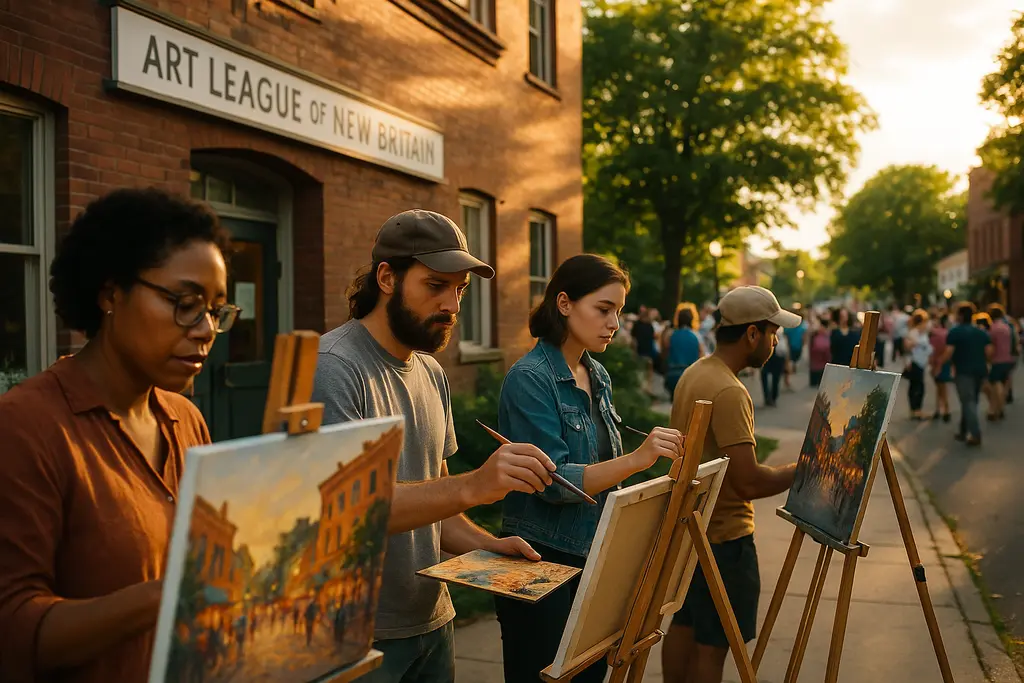
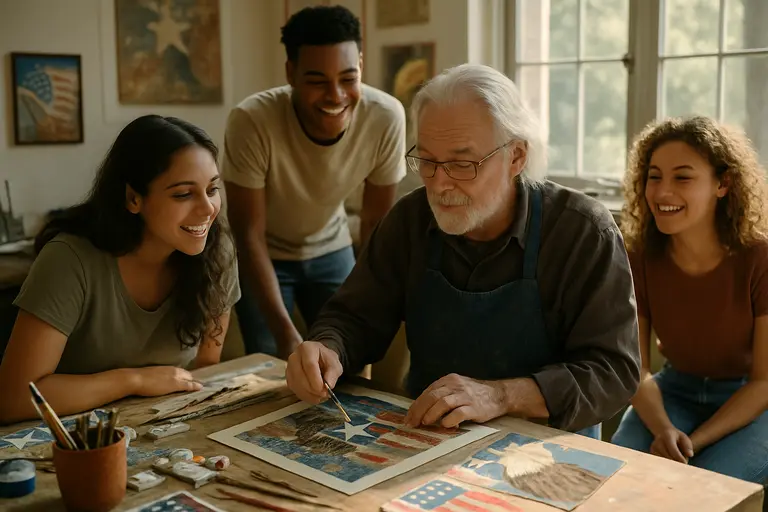
America 250 art will receive a local, juried forum in New Britain, Connecticut, through the Art League of New Britain’s planned exhibition, America 250: The Art of Independence. The exhibition is scheduled for July 24 through August 23, 2026, with an opening reception on Friday, July 24, from 6:00 PM to 8:00 PM. According to the Art League of New Britain, the show commemorates the 250th anniversary of American independence while inviting artists to address independence, liberty, justice, and renewal.
The stated theme is broad, but not vague. It asks artists to reflect on the cultures and histories that have shaped American identity, a phrase that leaves room for celebratory, critical, personal, and community-based interpretations. For a juried exhibition, that breadth can matter: artists working in different mediums may bring distinct visual languages to subjects often discussed through speeches, textbooks, monuments, or public ceremonies.
America 250 Art And The Civic Exhibition Frame
Why America 250 Art Uses Open Themes
The exhibition’s theme places independence beside liberty, justice, and renewal rather than treating independence as a single fixed symbol. That choice gives artists several possible points of entry. A painter might work through allegory. A photographer might focus on public space or community memory. A sculptor or mixed-media artist might respond through materials, fragments, or forms associated with repair. The call does not require any one political reading, and the available information does not name accepted artists or works, so any forecast about tone would be speculative.
What can be said with confidence is that America 250 art, as framed here, is being organized around interpretation rather than reenactment. The Art League of New Britain is not only marking a national anniversary; it is asking artists to consider how national ideas are seen, disputed, carried, and renewed in creative practice. That distinction is useful because art exhibitions often do their strongest civic work by slowing down familiar language. Words such as liberty and justice can be repeated so often that they lose texture. Art can make those words material again without forcing a single answer.
A Local Site For National Questions
The exhibition will be held at the Art League of New Britain, 30 Cedar Street, New Britain, CT 06052. The location matters in a modest but meaningful way. A national commemoration can feel distant when it is presented only through large institutions or official ceremonies. A community art venue can invite a different scale of attention: individual makers, regional audiences, and works that may speak from lived experience rather than from a national script.
That does not mean every submitted piece will be autobiographical or local in subject. The eligibility rules are open to artists aged 18 and older, and artists may submit work in any medium. Still, the setting supports a grounded reading of the theme. Independence and renewal are not only abstract ideals; they can also be visible in neighborhood memory, family stories, migration, labor, education, protest, care, and the shifting symbols communities choose to keep or question.
Submission Rules And Ethical Boundaries
Original Work, Medium Choice, And Recent Production
The submission requirements are clear on several points. Artists may submit up to five original works in any medium. The works must have been completed in the past three years and must not have been previously exhibited at ALNB. These conditions shape the exhibition toward recent artistic thinking rather than archival selection. They also create a practical boundary: artists are being asked to present new or recent work that has not already appeared in that venue.
For artists considering America 250 art as a theme, the three-year window may encourage direct engagement with current questions of civic identity. The research notes do not specify preferred styles, sizes, or media beyond “any medium,” so artists should rely on the official exhibition page for registration details and any practical display requirements. Caution is warranted here: without the full call text beyond the provided facts, it would be inappropriate to infer rules about framing, installation hardware, shipping, or digital documentation.
AI Disclosure And Trust In The Viewing Room
The exhibition’s guidance states that AI-generated imagery is not acceptable, while AI-assisted artwork must be clearly disclosed. That distinction reflects a wider concern in contemporary art presentation: viewers, jurors, and fellow artists need enough process information to understand how an image or object was made. The rule does not, from the information provided, define every possible use of software assistance. Artists who use digital tools should treat disclosure as a practical and ethical matter, not as a footnote.
This is not a legal judgment about authorship or copyright. It is a curatorial boundary set by the exhibition. For a show centered on independence, liberty, justice, and renewal, process transparency may affect how audiences read the work. If an image speaks about civic memory but its production method is unclear, the conversation can shift away from the artwork’s subject and toward questions of trust. Clear disclosure helps protect that exchange.
Dates, Fees, Awards, And Sales Structure
Key Dates For Artists
The schedule gives artists a defined submission period and a short interval between the deadline and notification. Registration runs from June 24 through July 8, 2026, and the submission deadline is July 8, 2026, at 11:59 PM. Entry notification is scheduled for July 12, 2026. Artwork drop-off is listed for July 18 and July 21 during specified hours, while artwork pick-up is listed for August 23 and August 25 during specified hours.
Because the drop-off and pick-up windows include specified hours not reproduced in the research notes, artists should confirm those details directly with ALNB before planning transport. That is especially relevant for fragile works, larger pieces, or works requiring careful handling.
Costs, Prizes, And Commission
The entry fees differ for members and non-members. ALNB members pay $15 for the first entry and $10 for each later entry. Non-members pay $25 for the first entry and $15 for each later entry. The listed awards are First Prize at $200, Second Prize at $100, Third Prize at $50, and Honorable Mention at $25. ALNB receives a 30% commission on art sales.
These figures help artists assess participation in practical terms. Entry fees, potential awards, and sales commission are not only administrative details; they affect how artists price work, plan submissions, and decide whether the opportunity fits their current studio goals. No claim can be made from the available information about expected sales volume, juror preferences, or acceptance rates.
Reading Liberty Through Material Culture
From Gallery Walls To Community Stories
One strength of the exhibition format is that civic ideas can be tested through material choices. A textile work may carry associations of domestic labor, inheritance, or public display. A print may recall political circulation and reproducibility. A ceramic object may evoke utility, fragility, or ceremony. These are interpretive possibilities, not announced categories for the show, but they show why an open-medium call can support multiple readings of independence and renewal.
For readers interested in how clothing, costume, and imaginative design also carry cultural meaning, Fairy Tale Fashion explores similar themes within the network. This site enriches understanding by highlighting the cultural narratives woven into fashion, identity, and storytelling.
America 250 art at ALNB may therefore be best understood as an invitation to look closely at how artists convert civic language into visible form. The exhibition’s success cannot be assessed before the selected works are known. What is already clear is the structure: a juried call, a defined anniversary context, recent original work, disclosed limits around AI use, and a theme that permits both reflection and challenge.
America 250 Art In New Britain’s Community Setting
What Viewers Can Watch For
Visitors to the exhibition may want to pay attention to how artists handle scale, symbol, and point of view. Does a work use national imagery directly, or does it approach independence through personal experience? Does it present liberty as aspiration, memory, conflict, or renewal? Does justice appear as an ideal, a demand, a story, or an unresolved question? These viewing questions respect the exhibition’s theme without presuming what any artist will make.
As a Discover topic, the value of America 250: The Art of Independence lies in its local staging of a national anniversary. The Art League of New Britain’s call gives artists a framework, but the selected works will determine the final conversation. Until then, the supported facts point to a carefully bounded opportunity: America 250 art presented through a juried exhibition, open to adult artists, shaped by recent original work, and centered on independence, liberty, justice, and renewal.
Close your eyes and listen. The rhythm of a city tells its story. We believe the truest melodies are born from the streets, the history, and the people who call a place home.
Across America, urban landscapes have become incredible incubators for sound. When diverse cultures meet and mix, something magical happens. Entire genres spring to life from this beautiful cultural melding.
This connection between place and creativity creates a powerful regional sound. It’s a sonic fingerprint that makes each city’s artistic output uniquely its own. This identity pulses through local venues and community gatherings.
Today, this phenomenon isn’t limited to major cultural capitals. Exciting new movements are defining smaller cities across the nation. They are writing the next chapter of our shared musical story.
We are so grateful for this rich tapestry. Every location adds a vital verse to our national songbook. Let’s celebrate the creative spirit that makes each regional sound so special!
Austin’s Continuing Legacy: SXSW and Beyond
Austin’s music scene is alive all year, not just during SXSW. The city’s heart beats as a music capital. It’s a place where legends and new artists thrive together.
The SXSW festival is a big deal, bringing artists from everywhere. But Austin’s real magic is in its local music scenes. These scenes buzz every night.
Places like the Continental Club and Hotel Vegas are key. They offer a stage for artists to meet fans. Each venue has its own vibe, from legendary spots to cozy bars.
Austin’s local music scenes are special because of their support for new talent. This support helps artists grow before they hit big stages. We’re thankful for this culture of discovery.
To see Austin’s variety, let’s look at some iconic venues. The table below shows spots that are essential to the city’s music.
Venue Name
Vibe & Genre Focus
Notable Artist Launchpad
The Continental Club
Legendary, intimate, Rock & Americana
Gary Clark Jr., Stevie Ray Vaughan
Hotel Vegas & The Volstead
DIY, eclectic, Indie Rock & Punk
Black Angels, Sun June
Antone’s Nightclub
Historic, blues-rooted, Soul & Blues
Blues legends, Gary Clark Jr.
Cheer Up Charlies
Inclusive, vibrant, Queer Punk & Indie
Megan Thee Stallion (early shows)
The Saxon Pub
Listening room, songwriter-focused, Folk & Country
Bob Schneider, countless songwriters
Austin’s music scene is always changing. It’s not just about the past. The city’s love for creativity keeps its vibrant local music scenes leading in American music. We can’t wait to see what’s next!
Despite high rents and shiny new buildings, Brooklyn’s underground venues keep the creative spirit alive. This scene thrives because it adapts to change. It shows the power of resilience.
Gentrification has changed neighborhoods, but the DIY spirit remains strong. Artists and promoters turn old spaces into new music hubs. Their hard work is truly appreciated.
These underground venues are more than places to see shows. They are community hubs for young people. You might find a noise show in Bushwick or indie pop in Sunset Park. The experience is unique and deeply connected.
New York City has always been a hub for music. The legacy of underground venues is rich. Today’s scene draws from that history, showing that art thrives in the margins.
The DIY scene has changed a lot. Understanding these changes helps us see its strength today.
Era
Typical Venue
Community Role
Primary Challenge
1990s-2000s
Large, semi-permanent warehouses in Williamsburg/Greenpoint
Affordable living/working space for artists; week-long parties
Hyper-local event hubs; focused on specific genres
Intense real estate pressure; need for constant relocation
Current Underground Venue Focus
Partnerships with bars, galleries, or community gardens
Creating safe, inclusive spaces for marginalized voices
Balancing visibility for survival with need for discretion
The table shows a shift to more flexible, community-focused models. This flexibility is key to survival. The caregiver spirit of mutual aid is strong. Promoters often team up with local businesses to share costs and risks.
We believe true community can’t be priced out. It moves, changes, and stays strong. Supporting underground venues means backing the artists and fans who create them. Their work keeps Brooklyn a center of raw, innovative sound!
Portland’s Indie Folk Paradise: Coffee Shops and Concert Halls
Portland, in the Pacific Northwest, is a haven for music lovers. It’s where coffee and concerts blend perfectly. Here, indie folk isn’t just music; it’s a way of life.
The city’s vibe supports new talent. With over a hundred venues, from small spots to big stages, the community is tight-knit. This connection goes beyond the city.
Coffee shops are where it all begins. Aspiring musicians play for a crowd eager to listen. These cafes are more than places to grab a coffee; they’re where dreams start.
Then, the energy moves to famous concert halls. Places like the Crystal Ballroom and the Arlene Schnitzer Concert Hall showcase local talent. The journey from small to big stages is celebrated.
Portland is known as the “Indie City.” Bands like The Decemberists and The Shins have made a mark. Their unique sound, blending literary lyrics with folk-rock, is distinctly Portland.
Festivals like MusicfestNW highlight the city’s music scene. They turn Portland into a live music wonderland. Fans get to see everything from solo artists to full bands.
What makes Portland special is its focus on community. Fans and artists respect each other. This creates a space where music thrives.
Every guitar strum here tells a story. Portland shows that creativity and support can build a legendary music scene. It’s a tribute to the power of passionate people and supportive spaces.
Nashville Beyond Country: The Alternative Music Underground
Forget what you think you know about Music City. Its most exciting stories are now being written in indie rock clubs, hip-hop studios, and eclectic neighborhood venues.
We celebrate Nashville’s legendary country roots, of course. But today, a new indie music geography is being drawn across the city. This vibrant map leads to thrilling sounds far from the Grand Ole Opry.
Hip-hop has powerfully claimed its space. Artists like Isaiah Rashad aren’t just visitors; they are vital parts of the city’s hall of fame. This signals a major shift in Nashville’s cultural identity.
The alternative rock scene is equally dynamic. Bands are blending genres, creating a fresh sonic landscape. From punk-infused garage rock to dreamy synth-pop, the variety is astonishing.
Where is this happening? Look to neighborhoods like East Nashville and the Wedgewood-Houston area. These hubs are filled with intimate venues that support this growing artist community. They are the heart of this new scene.
We are grateful for these innovative musicians. They are building inclusive, supportive networks that welcome everyone. This diversity adds incredible richness to Nashville’s world-famous soundtrack.
Exploring this underground musical landscape is a joyful adventure. It proves that Nashville’s creativity has no limits. The city’s song is evolving, and we can’t wait to hear what comes next.
Chicago’s Experimental Edge: Noise and Post-Rock Innovation
Chicago doesn’t just rest on its musical past. It uses it as a springboard for bold new sounds. The city’s regional sound is shaped by this fearless approach.
Chicago’s musical journey is epic. It moved from blues to house music, changing how we make and share music. House music, born in Chicago clubs, showed the power of electronic music.
Hip-hop in Chicago also evolved. It started with artists like Common, then became the urgent drill rap. Figures like Kanye West and Chance the Rapper mixed genres and pushed boundaries.
Today, Chicago’s experimental spirit is alive in underground scenes. Artists create complex, instrumental music that challenges labels. This is where Chicago’s experimental edge truly shines.
What ties Chicago’s music together? It’s the courage to take risks. Musicians build on the past, always pushing forward. This keeps Chicago’s music fresh and impactful.
The table below shows how each music movement has shaped Chicago’s sound. It highlights the city’s role as a musical innovator.
Era
Genre Movement
Key Innovators
Contribution to Sound
1920s-1950s
Urban Blues
Muddy Waters, Howlin’ Wolf
Established raw, emotional storytelling and amplified instrumentation.
1970s-1980s
House Music
Frankie Knuckles, Marshall Jefferson
Pioneered electronic dance music built on rhythm, repetition, and inclusivity.
1990s-2000s
Hip-Hop Evolution
Common, Kanye West
Blended soulful production with lyrical depth, challenging coastal dominance.
2000s-Present
Experimental & Post-Rock
Tortoise, The Sea and Cake
Fused jazz, rock, and electronics into complex, instrumental landscapes.
This fearless approach creates a strong community. Fans and artists bond over their love for new sounds. In Chicago, music is a dialogue between history and possibility. We celebrate a city that encourages us to build boldly on what we’ve inherited!
Los Angeles Sprawl: Finding Community in a Massive City
Los Angeles is more than just Hollywood. It’s a city filled with small, tight-knit music communities. The city’s wide reach doesn’t stop creativity. Instead, it creates unique spots where artists and fans connect deeply.
LA is famous for West Coast Hip Hop. Legends like Dr. Dre and Snoop Dogg made Compton and Long Beach famous. Today, the city’s music scene is even more diverse.
Now, the magic happens in places like Highland Park, Echo Park, and Downtown Arts District. These areas are hubs for new music. Here, you’re not just watching a show. You’re joining a lively, welcoming conversation.
Venues like The Lodge Room in Highland Park and The Echo in Echo Park are key. They’re not just stages. They’re places where artists and fans connect deeply, making every show special.
Exploring LA’s music scene is an adventure. Here’s a look at some key neighborhoods and their sounds. Each offers a unique glimpse into LA’s rich music world.
Neighborhood
Vibe / Genre Focus
Key Venue Hub
Community Vibe
Highland Park
Indie Rock, Psychedelic, Dream Pop
The Lodge Room
Artistic, tight-knit, genre-blending
Echo Park
DIY Punk, Garage Rock, Experimental
The Echo & Echoplex
Raw, energetic, fiercely independent
Downtown Arts District
Electronic, Avant-Garde, Jazz
Zebulon
Eclectic, avant-garde, artist-run
Leimert Park
Jazz, Soul, Hip Hop (Legacy & New)
World Stage
Historical, nurturing, culturally rooted
Exploring these areas shows the heart of LA’s music. The city’s size makes finding your place exciting. When you do, you feel a deep sense of belonging. In LA, local music scenes show that community thrives, one neighborhood at a time.
Philadelphia’s Punk Revival: DIY Ethics in the City of Brotherly Love
Forget polished stages; in Philadelphia, the most vital music pulses from a network of passionate, artist-run underground venues. We are thrilled to champion the raw energy and principled heart of the city’s punk revival. This resurgence is built on a powerful, community-first DIY ethic that turns basements, warehouses, and unassuming storefronts into hubs of loud, collective expression.
Philadelphia has always had a strong musical identity. Today, that identity is being powerfully redefined by a new generation carrying punk’s rebellious torch. The scene operates on passion and mutual support, creating a sustainable ecosystem outside the mainstream. We are deeply grateful for the communities here that prioritize authenticity above all else.
The DIY ethic is the lifeblood of this movement. It means bands book their own tours, artists design their own flyers, and fans become active participants. These spaces survive not on profit, but on the shared belief that art needs a home. Supporting these vital underground venues is a conscious act of cultural preservation.
What defines Philadelphia’s current punk and DIY landscape? Several key characteristics stand out:
Artist-Run Spaces: Many venues are operated by musicians or collectives, ensuring programming stays true to the community’s spirit.
Sliding Scale Policies: Pay-what-you-can door fees make shows accessible, reinforcing that everyone belongs.
Multi-Disciplinary Hubs: These spaces often host art shows, zine workshops, and community meetings, strengthening local bonds.
A Focus on Safety & Inclusion: Active efforts to create welcoming environments for all attendees are a core part of the modern DIY ethos.
This revival is about more than just music; it’s about building a supportive network. The connection between fan and artist blurs, fostering a powerful sense of ownership and responsibility for the scene’s health. This collective effort ensures that the loud, unfiltered voice of Philadelphia punk continues to find its stage.
The impact of this grassroots model is profound. It nurtures local talent, provides a platform for daring artistic experimentation, and builds resilient social fabric. In a city famed for its brotherly love, this punk revival translates that ideal into actionable support. We see a future where these community-run underground venues are recognized as essential cultural infrastructure.
Philadelphia’s story inspires us. It proves that with enough passion and cooperation, vibrant artistic worlds can flourish from the ground up. The city’s punk revival is a beautiful, noisy testament to the power of DIY ethics and the enduring need for authentic, human connection through music.
Seattle’s Grunge Aftermath: What Came Next
We see Seattle’s present as a living, evolving city music culture, not just a note after grunge.
The 1990s brought a sonic earthquake to the world. Bands like Nirvana, Pearl Jam, and Soundgarden didn’t just play music. They shaped a generation and marked Seattle on the world map. This legacy is a key part of the city’s identity.
The raw energy didn’t fade away. It evolved. Today, Seattle’s music scene is a diverse, thriving world beyond any single genre.
Indie Pop & Folk: Artists like Fleet Foxes and The Head and the Heart created lush sounds. They offered a calm contrast to grunge’s intensity.
Experimental Hip-Hop: Seattle became a center for new rap. Groups like Shabazz Palaces and artists like Porter Ray explored abstract beats and deep lyrics.
Electronica & Synthwave: Electronic music flows through the city’s venues. It spans from ambient artists to dance producers.
Modern Rock & Post-Punk: The guitar’s spirit lives on. New bands bring intensity with fresh sounds. Their music is both familiar and excitingly new.
This rich mix is backed by a dedicated community. Venues like The Crocodile and Neumos host acts. Independent labels support local talent. Festivals like Capitol Hill Block Party highlight the variety.
Seattle’s story teaches us a valuable lesson. Great city music culture respects its past while boldly creating the future. The city remains a key place for artists who inspire globally. We eagerly await what’s next!
Building Scene Community: How Fans and Artists Connect
Our journey across America’s vibrant scenes shows a deeper truth. It’s not just about cities. It’s about people. This human network is the heart of indie music geography.
This geography is built on real connections. It happens when an artist plays a local show and a fan feels seen. It grows through shared experiences in crowded rooms. These moments create bonds that turn a gig into a community.
The data shows this connection powers everything. Local gigs are the foundation for loyal fans and economic impact. This is true from Texas to Ireland.
Every ticket bought supports this ecosystem. Every new band discovered adds to its richness. We are the artists honing their craft in basements. We are the fans who show up week after week. We are the venues providing a stage.
Together, we draw the living, breathing map of indie music geography. We keep the underground innovative and alive. Your participation writes the next chapter. Find your local stage and become part of the scene.
That clutch moment arrives. The crowd roars, and everything feels like it’s moving in slow motion. For many competitors, this intense pressure can turn excitement into dread, tightening muscles and clouding thought.
This reaction isn’t a character flaw. It’s a natural biological process called performance anxiety. Your nervous system kicks into its ancient “fight-or-flight” mode, releasing hormones like cortisol and adrenaline. These chemicals are designed for survival, but on the field, they can disrupt fine motor skills, narrow focus, and hinder quick decision-making.
Understanding this science is the first step toward control. When we see these nerves as a sign the body cares about performing well, not as a weakness, we can start to manage them. This foundation of knowledge is key for everyone involved—creating empathy and setting the stage for the practical tools that follow. It’s like the strategies needed for managing a busy schedule.
Recognizing Symptoms and Triggers
Game-day pressure is sneaky. It shows up in small ways, like physical and mental signs. Learning to notice these signs is key. You can’t manage what you don’t see.
This part is your guide to spotting game-day nerves. We’ll cover physical, cognitive, and emotional signs. Knowing these helps turn vague anxiety into a problem you can tackle.
A racing heart or shaky hands are clear signs. But other signals are quieter. Here’s a list of symptoms to watch for:
Physical: Muscle tension (neck, shoulders, jaw), rapid breathing, stomach butterflies, excessive sweating, dry mouth, feeling overly hot or cold.
Cognitive (Thoughts): Negative thought spirals (“What if I fail?”), difficulty concentrating, memory lapses, rigid or catastrophic thinking, comparing yourself to others.
Emotional: Irritability, feeling overwhelmed, dread, sudden lack of confidence, excessive worry about outcomes, desire to avoid the situation.
It’s important to tell the difference between good competition energy and bad anxiety. Good energy focuses you and energizes you. Bad anxiety messes with your focus and drains you. The problem starts when anxiety gets in the way of your performance.
The first tool for making this distinction is mindfulness. It’s not about clearing your mind. It’s about being aware of what’s happening right now without judgment.
Think of it as having an internal observer. This observer notices things like “My heart is beating fast,” or “I’m having a thought about failing,” without getting upset. This pause helps you react better to triggers.
By being more aware, you can find out what triggers you. Everyone’s triggers are different.
External Triggers: A loud or hostile crowd, a specific opponent’s reputation, the significance of the event, a coach’s intense stare, bad weather conditions.
Internal Triggers: Fear of disappointing others, perfectionism, past performance failures, over-identification with athletic success (“If I lose, I am a loser”).
Recognizing your symptoms and triggers is not just passive. It’s the first step to taking control. When you know what’s happening, you can start to manage it. This awareness is the foundation for the strategies we’ll discuss next.
Building a Personalized Pregame Routine
A pregame routine is like your mental shield. It helps you stay focused and calm before a game. It keeps you grounded in the face of game day chaos.
Focus on what you can control. You can’t change the weather or the referee’s decisions. But you can control how you prepare. A routine helps you stay focused and reduces anxiety.
This isn’t about luck or magic. It’s based on how our brains work. Doing the same things before a game tells your brain it’s time to get ready. It helps you feel calm and ready to go.
A good pregame routine has three main parts. Every athlete is different, so it’s important to find what works for you. Experiment to find the right mix for your sport and mind.
Physical Warm-Up: It’s more than stretching. It gets your muscles ready for action. It helps you go from rest to full speed.
Mental Preparation: This is like updating your mental software. It includes visualizing success, setting goals, and positive self-talk. It gets your mind ready to perform.
Logistical Readiness: This part helps avoid last-minute stress. It includes checking your gear, reviewing the game plan, and staying hydrated. When you’re organized, you can focus on playing your best.
There’s no one-size-fits-all routine. A swimmer’s routine is different from a golfer’s. Even within sports, routines vary. The key is to make it your own.
Begin with this basic structure. Try out different activities in each area over time. See what makes you feel confident and ready. Your own pregame routine is a powerful tool for improving your performance.
Breathwork: Box, Physiological Sigh, and Cadence Drills
Your breath controls your nervous system. Learning to use it can change how you perform on game day. When you’re anxious, your breathing gets shallow and fast. This tells your body to stay stressed.
Conscious breathing exercises calm your nervous system. They help you relax and focus. It’s not just a trick; it’s a real way to control your body.
Knowing a few key techniques can help in different situations. You need something for calm, a quick fix for panic, and a strategy for competition. Here are three methods backed by research.
The Box Breath for Calm and Focus
This method, also known as square breathing, makes your breaths even. It’s great for calm moments, like timeouts or before a game. It helps you stay focused.
To practice the Box Breath:
Sit or stand comfortably with a straight spine.
Inhale slowly and deeply through your nose for a count of four.
Hold your breath gently for a count of four.
Exhale smoothly through your mouth for a count of four.
Hold the exhale for a count of four.
Do this 4-4-4-4 cycle for two to five minutes. It balances your heart rate and mind.
The Physiological Sigh for Rapid Stress Reset
This is your quick fix for stress. It’s fast and effective, discovered by studying natural stress relief.
To do the Physiological Sigh:
Take a first, full inhale through your nose.
Without exhaling, take a second, shorter “top-up” inhale through your nose.
Release one long, slow exhale through your mouth until your lungs are empty.
Do this just two or three times. You’ll feel calm quickly. Use it before a big moment or after a tough play.
Cadence Drills for In-Game Application
This method links breath control with your actions. You breathe in sync with your movements. It keeps you steady and efficient during play.
To create a Cadence Drill:
Identify a repetitive movement in your sport (e.g., dribbles, pedal strokes, punches).
Establish a pattern. A common one is a 2:2 ratio: inhale for two movements, exhale for two movements.
Practice this pattern during low-intensity training until it becomes automatic.
Under pressure, this rhythm keeps your breathing steady. It helps you stay focused and breathe well.
Choosing the right tool depends on your situation. The table below shows when to use each breathing technique.
Technique
Key Steps
Best Use Case
Typical Duration
Box Breath
Inhale 4, Hold 4, Exhale 4, Hold 4
Pregame routine, sideline timeout, building general focus
2-5 minutes
Physiological Sigh
Double inhale (nose), Long exhale (mouth)
Acute stress spike, immediate reset before a critical moment
3-5 breaths
Cadence Drill
Sync breath with movement pattern (e.g., 2:2 ratio)
During endurance activity, to maintain rhythm and focus in play
Continuous during performance
Start using these breathing exercises in your training. Practice them when you’re calm so they’re ready when you’re not. Your breath is always with you, making it a powerful tool in your mental game.
Visualization and Imagery You Can Practice at Home
Imagine building muscle memory for complex plays from your couch. This is the power of visualization. It turns your mind into a private gym. Elite athletes use it to improve without physical effort.
Your brain can’t tell the difference between real and imagined events. Mental rehearsals activate the same brain paths as real actions. This covert practice makes skills feel more natural.
Good mental rehearsal uses all your senses. It’s not just seeing success. Here’s a simple guide for imagery:
Sight: See the environment clearly—the court, the field, your equipment.
Sound: Hear the crowd, the coach’s voice, the sound of the ball.
Kinesthetic Feel: Feel the physical sensations in your body—the tension in your muscles, the grip on the bat, the follow-through of a throw.
Focus on the process, not just the outcome. Picture yourself doing each step perfectly. Imagine staying calm and adjusting if things go wrong. This builds resilience and skill.
Here are scenarios to practice at home. Find a quiet spot, close your eyes, and go through these:
The Perfect Routine: Visualize your entire pre-shot routine in a pressure situation, like a free throw or penalty kick. Feel the ball, see the target, and execute with smooth confidence.
Bouncing Back: Imagine making a mistake, then immediately resetting. See yourself taking a deep breath, using a positive cue word, and nailing the next play.
Complex Play Execution: Mentally walk through a complicated team play or maneuver. See all the moving parts and feel your role within the system.
Consistency is key. Just five to ten minutes of daily visualization can build strong mental blueprints for success. For more on this, check out this resource on sports visualization for athletes.
Think of this mental practice as a secret weapon. You’re programming your nervous system for peak performance, one vivid image at a time.
Self-Talk, Cue Words, and Confidence Ladders
The way you talk to yourself during competition can be a big help or a big hurdle. It affects your focus and how tired you feel. Learning to manage this inner conversation is key to doing your best.
First, remember that it’s normal to have negative thoughts sometimes. Every athlete hears a critical voice. The goal is to turn those thoughts into something useful.
Don’t try to be overly positive all the time. Athletes often find generic positive self-talk hard to believe in tough moments. A better approach is effective self-talk.
Effective self-talk is believable, short, and action-focused. It helps you focus on the next step, not the outcome. Instead of saying “I’m the best,” you might say, “See the ball,” or “Strong legs.” This helps you focus on what you can do now.
Type of Self-Talk
Example
Purpose
Negative
“I always mess this up.”
Highlights unhelpful patterns to reframe.
Effective (Action-Focused)
“Breathe and reset.”
Directs focus to controllable process.
Cue Word
“Smooth” or “Now”
Triggers a specific mindset or technique instantly.
The Power of Personalized Cue Words
A cue word is a short, personal anchor. It can trigger a technical focus or a desired mindset with one thought. This tool quickly clears your mind.
Choose a word that means something to you. It could be a technical reminder like “explode” for a sprinter. Or a mindset word like “calm” for a goalkeeper. The key is to use it consistently. Practice it so it becomes automatic in games.
Technical Cue: “Elbow high” for a pitcher.
Mindset Cue: “Fearless” for a gymnast before a difficult routine.
Reset Cue: “Next” to move on from a mistake immediately.
Building Your Confidence Ladder
Confidence isn’t just a feeling. It’s built on evidence. A confidence ladder is a simple tool. You list past successes, big or small, to prove your capability to yourself.
This practice directly counters doubts on game day. It shows you’ve done hard things before. Here’s how to build one.
Take a piece of paper and draw a ladder with 5-7 rungs.
On the bottom rung, write your earliest or smallest success (e.g., “Made the team”).
On each higher rung, add progressively more significant achievements.
Include recent practice wins, like “Nailed that drill yesterday.”
Read this ladder during your pregame routine to solidify your belief.
Using effective self-talk, personalized cue words, and a confidence ladder gives you control over your thoughts. You become the leader of your mind. This mental control is a key part of being mentally tough.
Focus Plans for Different Sports (Ball, Endurance, Combat)
Sport-specific focus is key to beating choking under pressure. What works for one sport won’t work for another. You need a plan that fits your sport’s unique needs.
“Choking” is more than just a bad day. It’s when your skills fail due to too much thinking. The right focus plan stops this before it happens.
Sport Category
Primary Focus Challenge
Core Anti-“Choking” Strategy
Ball Sports (e.g., Tennis, Soccer, Basketball)
Rapidly switching between broad awareness and narrow precision.
Maintaining focus through prolonged physical discomfort.
Race segmentation & cognitive management of effort.
Combat Sports (e.g., Boxing, Judo, MMA)
Staying present and tactical amid high adrenaline spikes.
Round-by-round presence & arousal control techniques.
In sports like tennis, baseball, or soccer, focus is like a heartbeat. You switch between looking at the big picture and focusing on your own actions.
The risk of choking under pressure is high in dead-ball moments. A between-point or between-play routine is vital. It helps you mentally reset.
Broad-Narrow Cycle: In play, look around. As you get ready, focus on a few key things.
The 20-Second Reset: After a play, turn away, breathe deeply, and adjust. This breaks the emotional link to the last play.
Cue Simplicity: Simple cues like “spot” or “smooth” help under stress. They keep your thoughts clear.
Endurance Sports: Segment and Manage the Mind
For athletes in endurance sports, the challenge is to keep going despite discomfort. Focus is about managing your mind, not pushing harder.
Don’t focus too much on the finish line. Break the race into smaller parts. Think about the next mile or the next landmark.
Discomfort Dial: Acknowledge pain but don’t let it control you. Label it and focus on your rhythm.
Mantras for Miles: Use short phrases that match your pace. This keeps doubt out of your mind.
Check-In Intervals: Regularly check your form, hydration, and pace. Then, refocus on your segment.
Combat Sports: Present in the Storm
In combat sports, adrenaline can make it hard to think clearly. The goal is to stay focused on the current round, not past mistakes.
Adrenaline is natural, but it must be controlled. Aim for controlled aggression, not panic.
Corner Commands: Listen to your coach’s advice between rounds. Focus on one or two technical adjustments.
Breath as a Weapon: Use deep breathing to lower your arousal and clear your mind.
Tactical Triggers: Plan your actions with “if-then” strategies. This keeps you proactive and focused.
Your sport needs a specific mental strategy. With these plans, you’ll know how to stay focused, even under pressure.
Parents on the Sideline: Support Without Pressure
For many young athletes, the biggest pressure isn’t from the opposing team. It’s from worried looks and shouted advice from the stands. Your sideline behavior is a powerful force in their game. It can either add to their stress or boost their strength.
Being supportive means showing unconditional positive regard. This makes your child feel loved and accepted, win or lose. Focus on their effort, not just the outcome. Praise their hard work, teamwork, and bravery to try new things. This builds lasting motivation, not just for winning.
Before the game, keep your words simple and positive. Don’t give last-minute tips. Instead, say things that boost confidence and fun. Saying “I love watching you play” or “Go out there and trust your training” is great. Your role is to be a calm, supportive presence, not an extra coach.
During the game, be a quiet, positive cheerleader. Cheer for good plays from both teams. Avoid yelling out technical advice; it can confuse your child and the coach. Most importantly, stay calm when there are mistakes or calls from the referee. Your child is watching.
Be careful with what you say. Even good intentions can feel like too much pressure.
Use This: “I’m so proud of your effort.” | “You looked really focused out there.” | “It was fun to watch you and your team.”
Avoid This: “You need to score more.” | “Why did you pass it there?” | “The referee was terrible.” | “You should have won.”
After the game, take time to cool down. Don’t immediately talk about the game. The car ride home is for recovery, not analysis. Ask open-ended questions like “What was the most fun part today?” or “What are you most proud of from that game?”
Managing your own anxiety is key to good sideline behavior. Your nerves can spread to your child. Practice calmness and mindfulness, just like you encourage them. Your calmness creates a safe space for them, win or lose.
By being mindful of your actions and words, you empower your young athlete. You help make sports about growth, joy, and connection. That’s the real victory, and it begins with you on the sidelines.
Coaches: Creating a Psychologically Safe Climate
Effective coach communication does more than relay plays; it constructs a foundation of psychological safety that lets talent flourish. This climate is where athletes feel secure enough to take strategic risks, make mistakes openly, and push their limits without fear of ridicule or harsh judgment. When this safety exists, learning accelerates, and performance under pressure becomes more consistent.
The coach is the chief architect of this environment. Every interaction, from post-practice talks to halftime adjustments, builds or erodes trust. Your dialogue with athletes sets the tone. It tells them what you truly value: perfect outcomes or courageous effort and growth.
Contrast the following approaches. The right column outlines behaviors that foster the safety needed for athletes to beat game-day nerves.
Coaching Focus
High-Pressure Climate
Psychologically Safe Climate
Response to Mistakes
Focuses on the error and outcome; uses blame-oriented language.
Focuses on the fix and process; uses curious, solution-focused coach communication.
Framing Challenges
“Don’t mess up.” “This is a must-win.”
“This is a chance to test our new strategy.” “What can we learn here?”
Granting Autonomy
Rigid, command-style instructions; athletes follow a strict script.
Provides structure but allows choice within it (e.g., “Here are two plays; you call it based on the defense you see”).
To build this climate, start with a mistake-response protocol. After an error, take a breath. Then, use a simple sequence: Observe, Question, Redirect. For example, “I saw the missed pass. What did you notice about their positioning? Let’s run that same look with a different release.” This turns failure into a data point, not a character flaw.
Next, intentionally frame challenges as opportunities. Before a tough drill or game, use language like, “Today’s scrimmage is our lab to experiment,” instead of framing it as a test. This reduces threat perception in athletes’ brains. Giving athletes autonomy within your system is another powerful tool. Let them set individual session goals or choose between two conditioning options. This builds ownership and investment.
Lastly, model the composed behavior you want to see. Your non-verbal cues during stress—your posture, tone, and facial expressions—are louder than any pep talk. Calm, clear coach communication during chaotic moments is a performance multiplier. It shows athletes how to stay focused. This partnership between a positive team climate and on-field resilience is clear. For more on structuring a supportive sport environment, review this resource on athlete development frameworks. Further, aligning your approach with parental support is key; explore essential tips for sports parents to foster a unified support system. When athletes know their coach has their back, they play with their heads up, ready for anything.
When to Call in a Pro and What to Expect
Just like an athlete wouldn’t skip seeing a physical therapist for injuries, getting a mental coach for mental blocks shows dedication. Knowing when to get expert help is a strategic move for any serious athlete.
There are clear signs it’s time to see a sport psychology consultant. These are patterns that don’t get better with simple fixes:
Persistent Performance Decline: A clear drop in performance that’s not due to being tired or making mistakes.
Extreme Pre-Game Anxiety: Feeling so nervous before games that it stops you from playing well.
Loss of Motivation or Joy: When playing the sport feels like a chore, and you lose your love for it.
Inability to Recover from Mistakes: One mistake ruins the whole game, showing you can’t bounce back mentally.
If these sound like your struggles, getting help with mental skills training can change everything. It’s a team effort, practical, and all about gaining new skills.
The first meeting is an assessment. The coach wants to know your past, challenges, and goals. It’s not about judging you; it’s about starting a journey. Then, you set specific, achievable goals, just like with a strength coach.
Later sessions teach you real, useful skills. You might learn to change negative thoughts, improve your pre-game routine, or enhance your focus. This is the heart of mental skills training—using proven strategies to improve your sport.
Seeing a mental coach as a specialist for your mind makes the process clear. They offer the right advice and support to build a strong mental game. Using this resource isn’t a weakness. It’s a strong move to reach your athletic peak.
Printable Worksheets and Routine Cards
Our printable worksheets and routine cards make mental techniques easy to follow. They give you a clear plan to turn ideas into actions.
Just knowing something isn’t enough. You need a way to use it. These tools make the strategies simple and easy to follow.
The resource pack includes several key components designed for practical use:
Pregame Routine Template: A step-by-step planner to build your personalized sequence of physical and mental preparations.
Trigger & Symptom Log: A worksheet to track situations that cause nerves and note your physical and emotional responses.
Visualization Script Guide: Structured prompts to help you craft and practice detailed mental rehearsals at home.
Cue Word & Confidence Ladder Cards: Printable cards to write down your power phrases and map out your incremental goals.
Using these sheets makes confidence building an active pursuit. Instead of just hoping to feel better, you follow a plan. You fill in the blanks, check boxes, and track your progress over time.
This structured approach is what leads to real change. Download your tools, print them out, and start building your mental game with the same focus you bring to physical practice.
Local Classes, Clinics, and Mentors
Mastering the mental game is a journey that never ends. The tools you now have are a strong base. Learning with others is often the next step.
Looking for in-person or online classes can help deepen your practice. Local workshops offer many benefits. You get feedback from instructors and support from peers. The schedule helps you stay on track and learn faster.
Finding a mentor is also a great step. A coach or athlete who has faced pressure can guide you. Choose someone whose values match yours. A good mentor helps you tackle your specific challenges.
Begin by checking out credible organizations. Look at the websites of national sports bodies, like USA Track & Field or U.S. Soccer. University athletic departments and professional networks, like the Association for Applied Sport Psychology, also offer resources. Taking action to find these resources is your next step to build confidence.
In the world of sports, a strong mind is as important as a strong body. Peak performance relies on psychological well-being. This is a key to success, not a weakness.
There’s a big change happening. People are now talking more about the stress athletes face. Issues like burnout, anxiety, and stress are being openly discussed.
Our local community feels this stress a lot. Young athletes have to juggle school, training, and social lives. Families and coaches are key in supporting them.
It’s important to link broad knowledge to local needs. By focusing on mental fitness as much as physical training, we build strong individuals and teams. This article looks at the tools and support networks available locally.
Early Warning Signs in Kids, Teens, and Adults
For parents and coaches, knowing what to look for is key. It’s as important as knowing what to say when mental health concerns arise. Spotting subtle signs of distress is the first step in showing compassion and taking action early.
It’s important to tell the difference between normal nerves and real anxiety. Normal nerves are usually just for the game and go away after it’s over. But, real anxiety is constant worry that gets in the way of daily life and sports performance. Look for signs like too much fear of failure, avoiding practices or games, or physical symptoms like stomachaches and headaches without a medical reason.
Depression in athletes can be different than in others. A dedicated player might hide sadness with hard training or show it as constant anger. Signs include losing interest in the sport, changes in sleep or appetite, or feeling hopeless.
Athletes can also get burned out, feeling physically and emotionally exhausted. Signs include chronic muscle soreness, a negative attitude towards training, or feeling like nothing matters. Burnout often looks like depression and anxiety, so it’s important to catch it early.
Body image worries are big for teens and young adults in sports. Watch for obsessive dieting, too much focus on weight or looks, or negative talk about their body. In kids, it might be not wanting to change clothes in front of others or comparing their body to teammates.
Being observant takes knowledge and empathy. Not every bad day is a crisis, but a pattern of changes needs a gentle talk. Learning about risk factors and warning signs is a great start. By paying attention with kindness, you make a safe space for athletes to feel seen and supported before problems get big.
How to Start the Conversation with Your Athlete
Starting a mental health conversation is simple and intentional. Many adults worry they’ll say something wrong. But, your goal is just to open a door and show you’re there to listen.
Choosing the right moment is key for parent support. Try to avoid stressful times like after a loss or a busy morning. Instead, pick a calm, private spot. A car ride or walk can be less stressful than a sit-down talk.
When you have a good spot, your question is important. Use questions that can’t be answered with just “yes” or “no.”
“How are you feeling about the balance between sports and everything else right now?”
“What’s been the most challenging part of your season for you?”
“I’ve noticed you seem a bit quiet. Want to talk about it?”
Active listening is the next step. Give your full attention, make eye contact, and don’t interrupt. Reflect what you hear: “It sounds like you’re feeling really overwhelmed by the schedule.” This shows you get it.
It’s also important to say it’s okay to feel stressed or have big emotions. Saying “It’s normal to feel anxious before big games” helps them feel less alone. This builds trust and is part of building stronger parent connections in youth sports.
Make sure to create a safe space. Avoid saying things like “You shouldn’t feel that way.” Instead, say “Thank you for telling me that. It’s okay to feel this way.” This shows you’re on their side.
These talks can lead to seeking professional help. If you think they need it, suggest counseling. Explain it as a way to get stronger, not weak. You might say, “Even top athletes work with coaches to improve. Talking to a counselor is like having a coach for your thoughts and feelings.”
Don’t worry if the first talk isn’t perfect. Just trying shows you care. Regular, small talks build trust for deeper conversations about mental health and counseling when needed.
Building a Supportive Team Culture and Language
Creating a safe team environment is not random; it takes effort and the right words. As a coach or leader, you shape the atmosphere. It can either boost resilience or lead to silent struggles.
It’s time to move past the “tough it out” way of thinking. This approach often makes athletes hide their feelings, which can harm their mental health. Today’s coach education focuses on making a space where athletes can be themselves, not just athletes.
This is called psychological safety. It means athletes feel okay to talk about their struggles without fear. Building this starts with the words you use every day.
The Power of Strength-Based Language
Using strength-based language helps athletes see their abilities and identity. Instead of saying “don’t choke,” say “trust your training.” Say “let’s build on the consistency you showed last week” instead of “you’re so inconsistent.” This makes feedback positive and helps athletes see their worth beyond stats.
This method teaches athletes to separate their performance from their self-worth. It’s a key skill in advanced coach education programs.
Modeling Vulnerability as a Leader
Being vulnerable as a coach is a strength, not a weakness. Sharing your own struggles shows athletes it’s okay to do the same. It shows growth happens outside comfort zones.
For example, “I was nervous before this big game too. Here’s what I did to manage it.” This act breaks the image of the “perfect leader” and builds real connection.
Implementing Regular Team Check-Ins
Make sure the team can talk openly with regular check-ins. These aren’t for strategy. They’re to check the team’s emotional state.
Start practices with a one-word “temperature check.” How is everyone feeling today?
Use “Rose, Thorn, Bud” at week’s end. Share a highlight (rose), a challenge (thorn), and something you’re looking forward to (bud).
Keep it optional but encouraged. The goal is participation, not forcing disclosure.
These rituals make it normal to talk about mental and emotional states in sports.
Creating Clear, Enforced Policies
A supportive culture needs clear rules to protect it. Make and enforce rules against bullying, hazing, and mental health stigma. These rules should be written, discussed with the team, and have clear ways to report issues.
This shows disrespecting someone’s mental health is as serious as physical safety rules. It makes your supportive words into real actions.
Changing team culture is key in coach education. It’s about making athletes not just better, but also more resilient and mentally healthy. The words you use and the environment you create are your most powerful tools in this mission.
Coping Skills: Mindfulness, Journaling, and Routines
Mental toughness in sports is more than just being tough. It’s about having strategies to handle stress and emotions. Learning coping skills is key. This section will cover mindfulness, journaling, and routines.
Mindfulness for Focus and Calm
Mindfulness helps you stay in the moment. It improves focus and reduces anxiety in sports. It’s about noticing thoughts and feelings without judgment.
Try a simple five-minute exercise. Find a quiet spot and sit comfortably. Focus on your breath. If your mind drifts, gently bring it back. This strengthens your ability to stay present under pressure.
Journaling to Process Emotions
Writing helps athletes deal with feelings. It lets them celebrate wins and learn from losses. It turns confusing emotions into clear insights.
Here’s a structured journaling approach:
Facts First: Write two objective sentences about what happened.
Feelings Next: Describe your emotions using “I felt…” statements.
Future Focus: Note one small, actionable lesson for next time.
This method helps you understand your emotions and patterns in performance.
Routines for Stability and Confidence
Consistent routines provide stability. They signal to your brain and body that it’s time to perform or recover. This saves mental energy and boosts confidence.
Create two routines: a pre-performance ritual and a post-performance wind-down. Your pre-game routine might include dynamic stretches, visualization, and music. Your post-game routine could include cool-down stretches, hydration, and journaling.
The key is consistency. Repeating these actions anchors you, turning uncertainty into control.
These coping skills—mindfulness, journaling, and routines—are key to mental fitness. Regular practice builds resilience, giving athletes tools for any challenge.
Parent and Coach Self-Care to Reduce Secondhand Stress
To build a supportive environment, we must first fill our own cups. Parents and coaches are key to an athlete’s success. Yet, this role often comes with unseen mental burdens.
This is called secondhand or vicarious stress. It’s the emotional exhaustion from worrying about an athlete’s problems. This can include their setbacks and anxieties.
Ignoring this strain harms not just the adult but also the athlete. Sustainable parent support and effective coach education must include self-preservation lessons.
Taking care of yourself isn’t selfish. It’s essential. Here are self-care strategies for the sports community:
Set Clear Boundaries: Define times when you’re not available for sports talk. Protect your personal time and mental space.
Manage Your Expectations: Don’t let your dreams mix with the athlete’s journey. Their success doesn’t define your worth.
Build Your Own Support Network: Connect with others who get the pressures. Share without fear of judgment.
Schedule Personal Recharge Time: Make time for activities that recharge your energy. This could be exercise, hobbies, or rest.
Seek Professional Guidance: Talking to a therapist can help manage stress and prevent burnout.
Recognizing burnout signs early is key. The table below shows signs of burnout and healthier ways to cope.
Signs of Caregiver Burnout
Healthy Coping Responses
Constant irritability or snapping over minor issues
Noticing frustration early and taking a brief timeout to cool down
Feeling emotionally numb or detached from the athlete’s experiences
Maintaining empathy while consciously separating the athlete’s outcome from your identity
Physical exhaustion, frequent headaches, or sleep problems
Prioritizing consistent sleep, nutrition, and physical activity as non-negotiable
Withdrawing from your own friends and social activities
Proactively scheduling social connections outside the sports environment
Persistent anxiety about the athlete’s future or performance
Practicing mindfulness to stay present and challenge catastrophic thinking
Investing in your mental health benefits everyone. A less-stressed parent or coach models resilience. This reduces stress for the athlete.
Effective coach education now includes wellness modules. These teach that a team’s strength begins with a stable leader. Strong parent support networks also offer solutions.
By preventing burnout, you ensure you can support your athlete well. Your self-care is the foundation of their support system.
Types of Providers and What Each One Does
When you need help, knowing who to turn to can make a big difference. The mental health field has many professionals with different skills and training. Finding the right one for your athlete’s needs is easier when you know what each does.
Licensed Professional Counselors (LPCs) and Licensed Clinical Social Workers (LCSWs) are often the first to help with talk therapy. They work on issues like anxiety and stress. They have master’s degrees and use many therapy methods.
LCSWs might focus more on how a person fits into their environment. This is different from LPCs.
A psychologist has a Ph.D. or Psy.D. They are experts in deep therapy and testing. They handle serious mental health issues and use proven treatments.
A psychiatrist is a doctor who specializes in mental health. They diagnose and prescribe and manage medication. Some psychiatrists also do therapy, but often work with other therapists.
For athletes, a certified sports psychologist is key. They know how to handle sports pressure and team issues.
Enhancing mental toughness and focus under pressure.
Developing pre-performance routines and managing competition anxiety.
Facilitating recovery from injury by addressing the psychological impact.
Improving communication and cohesion within teams.
Don’t forget about school counselors. They are important for student-athletes. They offer immediate help and connect you to more resources.
Provider Type
Key Qualifications
Primary Focus
Can Prescribe Medication?
Licensed Professional Counselor (LPC)
Master’s Degree, State License
Talk therapy, coping skills, behavior change
No
Clinical Social Worker (LCSW)
Master’s in Social Work, Clinical License
Therapy with a systems/person-in-environment focus
Performance mindset, athletic-specific stress, team dynamics
No
Knowing what each provider does helps you make better choices. You might start with a school counselor for a referral. Then, see an LPC for general counseling, and a sports psychologist for sports-specific issues. Building a team of providers is key for your athlete’s mental health.
Navigating Insurance, Cost, and Confidentiality
Before starting therapy, families often wonder about insurance, cost, and privacy. These steps can seem like barriers. But, with a clear guide, you can move forward with confidence.
First, check your health insurance. You can call your insurer or use their online portal. Ask about mental health coverage.
Are outpatient therapy sessions covered?
What is your deductible and has it been met?
What is the copay or coinsurance amount per session?
Is there a session limit per year?
Do you need a referral from a primary care physician?
Knowing these details helps avoid surprise bills. It also helps you plan your budget for care.
If your insurance doesn’t cover or you’re uninsured, there are other options. Many providers offer a sliding-scale fee based on your income. Non-profit community health centers also have lower rates.
Look into your employer’s Employee Assistance Program (EAP). These programs offer free counseling sessions. Another good option is training clinics at local universities. Here, supervised graduate students provide quality care at a lower cost.
Understanding confidentiality is key to building trust. Generally, what you talk about with a therapist is private. There are legal limits, though, like for minors.
For athletes under 18, parents or guardians must give consent. But, the teen’s conversations with the therapist are usually private. There are exceptions, like if there’s a threat of harm.
If there is an immediate threat of harm to self or others.
If there is suspected abuse or neglect of a child, elder, or dependent adult.
If a court orders the release of records.
Talk about these limits with your provider. A good therapist will explain their privacy policy at the first meeting. This ensures everyone knows the rules of the therapy relationship.
Handling payment and privacy doesn’t have to be hard. Your therapist’s office can help with insurance questions. Being proactive about these details lets you focus on getting the support you need.
When It’s an Emergency: Safety Planning and Hotlines
Knowing how to handle an emergency is key for everyone. A mental health crisis needs quick, calm, and informed action.
Some signs show a crisis is getting worse. These include talking about suicide or feeling like a burden. Other signs are self-harm, hopelessness, or severe thinking problems.
Immediate Action Steps
If you see these signs, your main goal is to keep the person safe. Don’t wait to act.
Do Not Leave Them Alone. Your presence is very important.
Remove Immediate Dangers. Make sure there are no harmful things around.
Ask Directly. It’s okay to ask if they’re thinking about suicide. This can help them get help.
Listen Without Judgment. Let them share their feelings. Don’t argue or downplay their pain.
Get Professional Help Immediately. Don’t keep the crisis a secret. Call a crisis expert right away.
Critical Crisis Hotlines
These services offer free, confidential help 24/7. They have trained counselors ready to help.
988 Suicide & Crisis Lifeline: Dial or text 988. This is the main national network for help. You can also chat at 988lifeline.org.
Crisis Text Line: Text HOME to 741741. This service is just for texting, which some people find easier.
National Alliance on Mental Illness (NAMI) Helpline: Call 1-800-950-NAMI (6264). This helpline offers information, referrals, and support.
The Trevor Project: Call 1-866-488-7386 or text START to 678678. This is for LGBTQ+ youth under 25.
Proactive Safety Planning
A safety plan is a tool made before a crisis. It’s a document made with a mental health expert. It lists warning signs, coping strategies, and contacts for help.
Knowing these steps can turn fear into readiness. Make sure your team and family know these steps. This way, if a crisis happens, you can respond quickly and helpfully. Adding safety planning to your team’s culture is as important as any physical training.
Return-to-Play Considerations for Mental Health
Coming back to sports after a mental health issue needs a special plan. This plan is like a physical injury rehab. It’s all about getting back to sports safely and focusing on the athlete’s health.
A step-by-step approach is key for a safe return. Athletes gradually face more practice, games, and team pressure. The plan involves the athlete, mental health experts, coaches, and family. Each step has clear goals and a way to slow down if needed.
It’s important to set realistic goals at first. Early steps focus on enjoying the game, not winning. Success might mean just showing up to practice or trying new coping skills. This way, athletes feel less pressure and build confidence.
Feeling anxious about returning is common. Coaches and parents can help by saying it’s okay to feel nervous. They should remind the athlete that the team values them, not just their performance. Small things like arriving early or having a quiet spot can help.
Good communication is essential to avoid misunderstandings. The team should agree on who shares what and when. For example, the mental health provider might give the coach general advice without sharing personal details. Athletes should have someone they can talk to if they feel overwhelmed.
Success should be measured by how well the athlete feels, not just their performance. Signs of progress include better sleep, more enjoyment of the game, and managing stress well.
Improved sleep patterns and consistent energy levels.
Positive engagement with teammates and coaches.
Ability to manage stress without avoidance or outbursts.
Renewed enjoyment and intrinsic motivation for the sport.
For athletes dealing with burnout, a return plan is critical. Burnout from too much pressure can exhaust athletes physically and emotionally. The plan must set limits on training and allow for rest. It helps athletes see themselves as more than just athletes.
This approach makes recovery a part of the athlete’s journey. Overcoming mental health issues makes athletes stronger in the long run. By focusing on athlete mental health during return, teams support athletes’ future success, both in and out of sports.
Calendar of Local Workshops, Support Groups, and Hotlines
This calendar is your guide for local mental health resources. It helps athletes and families find support. Connection is key to healing.
Workshops offer education and skills in a group setting. Local nonprofits, hospitals, and clinics host these. Topics include managing anxiety, building resilience, and improving parent-coach communication.
Support groups provide a safe space to share. They are invaluable for reducing isolation. Members offer practical strategies from their own experiences.
Here’s a look at what’s available locally:
Workshop Hosts: Community mental health centers, university athletic departments, and family service local nonprofits.
Common Topics: Stress management for teen athletes, mindfulness for performance, and supporting your child through sports pressure.
Ongoing Support Groups: Groups for high school athletes, for parents of competitive youth, and for adult recreational athletes.
For immediate help, save these crisis hotline numbers. They are available 24/7 and confidential.
National Suicide & Crisis Lifeline: Call or text 988.
Crisis Text Line: Text HOME to 741741.
Local County Mental Health Crisis Line: Check your county’s health department website for the dedicated number.
Many school districts offer wellness resources for students and communities. This calendar is always up-to-date.
Bookmark this page and check back often. Building a support network starts with knowing where to look.
How to Vet Providers and Create a Referral Pathway
A referral pathway is your own guide to finding quality counseling. It’s built by carefully checking providers against important criteria. Finding the right fit is not just luck. It’s about being well-informed.
This process saves a lot of time and reduces stress when you need support most. You create a system you can trust.
Begin by making a focused checklist. The right questions help find a provider that fits an athlete’s unique needs.
Experience with Athletes: Do they get the pressure, recovery, and team dynamics? Ask about their past clients.
Therapeutic Approach: What methods do they use (e.g., CBT, DBT, ACT)? A good provider explains their approach clearly.
Sports Culture Familiarity: Do they know about common schedules, travel, and coach-athlete relationships? This is very important.
Credentials and Logistics: Check if they are licensed. Make sure they are on your insurance. Talk about session times, costs, and cancellation policies.
Personal Compatibility: Trust your gut. The relationship with the therapist is a partnership. A brief call can show if you’re comfortable.
After researching, turn your findings into a useful referral pathway. It’s your go-to during tough times.
Step 1: Create a Shortlist. Make a list of 2-3 providers who meet your main criteria. Include their names, specialties, and how to contact them.
Step 2: Document the Details. Note their accepted insurance, location, and best contact method (phone, email, portal).
Step 3: Define Next Steps. Plan what to do next: “Call provider A first. If they’re full, email provider B. Then, schedule a 15-minute call to ask more questions.”
Step 4: Share Securely. Share this pathway with trusted family or a team member. Make sure someone else can use it if needed.
A good referral pathway turns a crisis into a manageable process. It makes seeking counseling a clear, supported step.
You go from searching to solving. Your team gets a reliable system for ongoing mental well-being.
Resource List: Local and National Organizations
Having a plan to find support is key. This directory connects you to trusted groups ready to help. Use it as a lasting way to find empowerment and connection.
First, look at services in your area. Many places have mental health clinics and groups for youth and athletes. These groups know what your community needs and may offer affordable help.
National groups offer wide-ranging resources. The National Alliance on Mental Illness (NAMI) has education and support for families. The Trevor Project helps LGBTQ+ youth in crisis. Athletes for Hope links athletes to mental wellness programs.
Educational foundations teach important skills. The Jed Foundation works on emotional health for teens and young adults. Online sites like GoZen! help manage anxiety. These tools add to professional care.
Save this page. Share it with your team and family. Knowing where to go for help turns worry into action. Support is here through local and national groups.
A bump, blow, or jolt to the head or body can cause a mild traumatic brain injury known as a concussion. In the fast-paced world of community sports, recognizing and responding to this injury is key to concussion safety.
For young athletes, the brain is growing. This makes handling a head injury very important. The choices made right after an injury can greatly affect long-term health.
This guide makes things clear. It offers straightforward sideline protocols for coaches, parents, and players. You don’t need a medical degree to help keep everyone safe.
Learn how to spot warning signs and do a proper sideline check. Together, we can make sports safer for everyone.
High-Risk Situations in Community Sports
Identifying high-risk plays is the first step to safety in youth sports. Knowing what to watch for helps prevent injuries.
Some sports are riskier than others. Football is known for helmet-to-helmet hits, blindside blocks, and falls. Soccer risks include player collisions, goalpost hits, and heading the ball.
Ice hockey and lacrosse also have dangers. Body checks, open ice collisions, and puck strikes are common. Basketball risks include elbow strikes, falls, and collisions under the basket.
Injuries often come from sudden brain movements. This can happen without a direct hit. Neck whips, hard falls, and chest-to-chest collisions can cause concussions.
Youth soccer is a big focus for safety. U.S. Soccer has rules on heading limits for young players. This is because young brains are more vulnerable and neck muscles are not strong enough.
Players under 11 are not allowed to head the ball. Those 11 to 13 can head it but with limits. These rules aim to protect young players from high-risk situations.
Coaches and parents need to know these rules. They help keep players safe. By watching for these risks, everyone can help protect athletes.
Recognizing Symptoms On the Sideline
A concussion doesn’t always show obvious signs. Some symptoms are easy to miss without a prepared plan. The sideline is your first and best chance to spot trouble. Your immediate observation can change a player’s recovery path.
Symptoms often fall into four main groups. They can appear right away or take hours to show up. This delayed onset makes continuous vigilance essential. You are looking for changes from the athlete’s normal behavior.
Headache or “pressure” in the head.
Nausea or vomiting.
Dizziness, balance problems, or blurred vision.
Sensitivity to light or noise.
Feeling sluggish, foggy, or groggy.
Cognitive Symptoms relate to thinking and memory.
Confusion about plays, position, or the score.
Difficulty remembering instructions given moments ago.
Feeling “slowed down” or unable to focus.
Answering questions slowly or repeating themselves.
Emotional Symptoms are changes in mood or personality.
Irritability, sadness, or unusual nervousness.
Being more emotional than usual.
Showing a sudden lack of interest in the game.
Sleep-Related Symptoms might not show until later.
Drowsiness or sleeping much more than normal.
Difficulty falling asleep at night.
Waking up frequently or feeling unrested.
Just one symptom is enough to act. Do not wait for multiple concussion signs to appear. The most critical tool you have is a prepared symptom checklist. Using one takes the guesswork out of a high-pressure moment.
A good sideline symptom checklist serves as a simple guide. It helps you ask the right questions and note observable behaviors. The table below provides a clear framework for your observation. It turns a complex medical issue into a straightforward sideline decision.
Symptom Category
Common Sideline Signs
Key Questions to Ask
Physical
Holding head, squinting, unsteady gait, vomiting.
“Does your head hurt?” “Do lights or noise bother you?”
Cognitive
Blank stare, confusion on play calls, forgetting the score.
“What’s the score?” “What quarter is it?” “What’s the last play you remember?”
Emotional
Unusual anger, crying, withdrawing from teammates.
“How are you feeling?” (Listen for changes from baseline).
Sleep (Post-Game)
Excessive drowsiness after the incident, reporting sleep issues later.
“How did you sleep last night?” (For follow-up).
This table is not a diagnostic tool. It is a prompt for action. If you check even one box, the decision is clear: remove the athlete from play. The checklist makes the process objective. It protects you and the player from the “just shake it off” mentality.
Remember, some concussion signs are silent. The athlete might not complain of a headache but seem distant or confused. Your job is to connect the dots between a hit and any change. Keep this symptom checklist accessible—on a clipboard, in a phone note, or as a printed card. Your preparedness turns recognition into protection.
Immediate Steps: Remove, Record, Refer
Using a ‘Remove, Record, Refer’ framework makes safety clear and simple. These steps are key to good sideline protocols. They help everyone act quickly and wisely.
If you think someone has a concussion, they must leave the game right away. There are no exceptions. Playing on could lead to serious brain damage.
Why is it so important to remove them right away? It stops Second Impact Syndrome, a rare but dangerous condition. A brain injury makes it very vulnerable to further damage.
The rule is simple: “When in doubt, sit them out.” You don’t need to be a doctor to make this choice. If a hit looks bad or symptoms show up, be very cautious.
Record: Documenting the Details
After removing the athlete, start taking notes. Good records help doctors. They can forget details, but written notes stay clear.
What should you write down? Keep these points in mind:
The Mechanism of Injury: How did the hit happen? (e.g., “Head-to-head collision during a tackle,” “Fell and hit the back of head on turf”).
Observed Symptoms: What did you see or what did the athlete report immediately and in the first 15 minutes? (e.g., “Grabbed head,” “Seemed dazed,” “Said ‘I see stars’”).
Time and Context: Note the time of injury, the score, the drill, or any other relevant game/practice context.
This record is the first part of the athlete’s recovery story. It helps doctors understand the injury and track progress.
Refer: The Professional Mandate
The last step is a medical check-up. An athlete with a suspected concussion needs a doctor’s evaluation that same day. Don’t wait.
This check-up should be done by a trained professional. It could be an athletic trainer, a doctor, or a clinician at an urgent care or concussion clinic. They can confirm the diagnosis, check for other injuries, and start the recovery plan.
Coaches and parents should not try to diagnose or clear an athlete themselves. The brain is not like a sprained ankle. Only a professional can say it’s safe to start recovery, which always begins with rest.
These three steps are a lifesaving chain of action. Remove stops further harm. Record gives vital information. Refer starts expert care. Learning this is the most important thing a sports community can do.
Communication Scripts for Coaches and Parents
Talking about concussions needs to be clear and caring. The right words can calm fears, build trust, and unite everyone. Here are some useful scripts for three important talks.
Your main goal is to show concern, not to diagnose. You should talk about the athlete’s health first, not the game. These scripts focus on the athlete’s future health.
Your words and body language are key. Speak softly and calmly. Make sure you’re at their eye level.
A good script should acknowledge their feelings, state the facts, and not pressure them to decide. Avoid asking “Are you okay?” because many will say yes to stay in the game.
Instead, use observational language. For example: “I saw you take a hard hit. Let’s sit down together for a minute. Your safety is my number one job right now.” This shows you care while also making it clear you’re in charge.
Coach to Concerned Parents
Talking to parents can be tough. Plan what you’ll say to sound confident and reassuring. Talk to parents privately, away from other athletes or families.
Start with a clear statement about what you saw. Mention the actions you’ve taken. Emphasize working together.
A sample opening might be: “Hi [Parent’s Name], this is Coach [Name]. [Player’s Name] took a fall during practice today. I wanted to let you know what I saw and the steps we’ve taken for their safety.” Then, explain you removed them from play and did a symptom check.
Parent to Healthcare Provider and School
Parents are the main link between doctors, schools, and coaches. Being organized and specific helps get the best support.
When talking to a doctor, describe the incident and all symptoms, even small ones. Note when they started and if they’ve changed. For school officials, talk about needed academic adjustments.
Prepare a short summary like: “My child sustained a possible concussion on [date]. They are experiencing headaches and difficulty concentrating. We are following up with [Doctor’s Name]. They will need reduced screen time and extended deadlines for the next few days.”
Scenario
Sample Script Opening
Key Phrases to Use / Avoid
Coach to Player
“I saw that hit. Let’s step over here and talk for a second. How is your head feeling right now?”
Use: “I’m concerned about you,” “Let’s sit out,” “Your health comes first.” Avoid: “Walk it off,” “Are you tough enough?” “It’s just a ding.”
Coach to Parent
“Hi, this is Coach Alex. Jamie had a head impact today. They are off the field and safe with me. I’m calling to share what I saw.”
Use: “We are erring on the side of caution,” “Here’s our protocol,” “Let’s connect after you see a doctor.” Avoid: “They’re probably fine,” “It’s not a big deal,” downplaying concerns.
Parent to Professional
“My child had a head injury during soccer. Symptoms include sensitivity to light and feeling foggy. What should we watch for, and what paperwork do you need for the school?”
Use: “Can you provide a note for school accommodations?” “What are our next steps?” Avoid: Vague descriptions like “They don’t feel well,” or delaying communication with the school.
These scripts make tough moments easier. They show coaches care and parents can advocate well. Everyone works together for the athlete’s health.
Remember, teamwork is key. Coaches, parents, doctors, and teachers all aim for the athlete’s full recovery. Clear, calm language is the first step in this team effort.
Medical Evaluation and Documentation Basics
A proper medical evaluation is key to safe concussion management. It goes beyond the initial check to a detailed clinical assessment. This step confirms the diagnosis and outlines a safe recovery plan.
So, what does a full evaluation look like? It’s more than just asking “How do you feel?” A qualified professional will take a detailed injury and symptom history. They use tools like the Sport Concussion Assessment Tool (SCAT).
These tools check physical symptoms, cognitive function, and balance. This multi-part approach ensures nothing is missed.
Not every healthcare provider is trained for this specific evaluation. Knowing who is qualified helps you seek the right care. The table below clarifies the roles of key professionals.
Professional
Primary Role in Evaluation
Typical Setting
Doctor or Neurologist
Provides official medical diagnosis, rules out more serious injury, and oversees the overall medical management plan.
Clinic, hospital, or private practice.
Certified Athletic Trainer (ATC)
Performs initial sideline assessment, conducts follow-up evaluations, and monitors symptom progression daily. They are a key link to physicians.
Sideline, school athletic training room.
School Athletic Trainer
Often the first and most consistent medical point of contact for student-athletes. They implement the return-to-play protocol under a doctor’s guidance and communicate with coaches and parents.
School-based, integrated into the sports program.
The school athletic trainer is a vital resource in community sports. If your school has one, they manage the athlete’s recovery day-to-day. They track symptoms, coordinate with teachers, and guide the athlete through each return-to-play stage.
Documentation is key for recovery. Good records protect the athlete and ensure clear communication. There are three key types of documentation you should know about.
Symptom Log: A daily diary where the athlete rates their headache, fatigue, and other symptoms. This shows trends and progress.
Clinical Visit Notes: The official record from the doctor or specialist. It includes the diagnosis, evaluation findings, and specific recommendations.
Return-to-Play Clearance Form: A mandatory document signed by a healthcare provider. It states the athlete is medically cleared to start the gradual return-to-sport process.
Understanding this process turns parents and coaches into informed advocates. You can ask the right questions during medical visits. You know what paperwork to expect. This knowledge ensures the athlete’s recovery is guided by medical expertise, not guesswork.
Return-to-Learn: Classroom Accommodations
When a student-athlete gets hurt, they need to heal in the classroom first. A concussion is like a brain injury. It needs time to heal, just like any other injury.
The Return-to-Learn protocol is a key part of this healing. It’s a step-by-step plan to help students slowly get back to schoolwork. The goal is to make sure they can focus without feeling sick or dizzy.
It starts with a break from all mental work. This means no homework, less reading, and very little screen time. As they feel better, they can start doing small amounts of schoolwork again.
Parents and coaches are very important in this process. Parents should talk to the school about getting help. Coaches need to support the student’s academic recovery as much as their physical one. A helpful resource is this official Return-to-Learn guide for more information.
Here are some classroom changes parents can ask for:
Reduced screen time: Find ways to do work that don’t strain the eyes.
Extended time for tests and assignments: Give students more time to reduce stress.
Quiet breaks during the day: Let students take breaks in a quiet area if needed.
Preferential seating: Help them sit in a spot with fewer distractions.
Note-taking assistance: Give them access to teacher or peer notes to avoid extra stress.
Postponement of major exams: Delay big tests until they’re fully recovered.
Helping a student through return-to-learn is not about giving them special treatment. It’s about giving their brain the best chance to heal. Getting back to school is a big part of their recovery and future success.
Graded Return-to-Play Stages with Examples
Returning to play is like climbing a ladder, where each step must be stable before moving to the next. A safe return-to-play after a concussion is a gradual process. It’s not a single decision made on game day. Medical consensus has established a standard six-stage protocol to guide this journey.
The golden rule is simple: an athlete can only advance to the next stage if they remain completely symptom-free for a full 24 hours at their current level. If symptoms like headache or dizziness return, they must drop back to the previous symptom-free stage and rest before trying again.
This careful progression allows the brain to adapt to increasing levels of exertion safely. Let’s break down each stage with concrete examples for different sports.
Stage
Goal & Description
Example: Soccer
Example: Basketball
Minimum Time
1. Symptom-Limited Activity
Daily activities that do not provoke symptoms. Complete cognitive and physical rest.
Short walks at home, light reading.
Gentle stretching, watching a game on TV.
24-48 hours post-injury
2. Light Aerobic Exercise
Increase heart rate gently. No resistance training or sport-specific movements.
Walking on a treadmill or cycling at a slow, steady pace for 10-15 minutes.
Using a stationary bike at low resistance for 10-15 minutes.
24 hrs symptom-free in Stage 1
3. Sport-Specific Exercise
Add basic sport-related movements without risk of contact or impact.
Running drills in a straight line, light ball juggling with feet.
This table provides a clear roadmap, but the timeline is not rigid. Some athletes may need days at each stage, while others might need weeks. The process must be supervised by a healthcare professional trained in concussion management.
Coaches and parents play a vital role by ensuring the athlete does not skip stages or hide symptoms. The ultimate goal of this graded return-to-play protocol is to ensure the athlete’s long-term health and safety always comes before the short-term desire to get back in the game.
Equipment Fit: Helmets, Mouthguards, and Technique
While the right gear is key, knowing its limits is even more important. Safety comes from the right equipment and the right skills.
First off, no helmet can prevent a concussion. But, it can lower the risk of serious head injuries. A proper helmet fit is essential for the best protection.
Eyes: The front edge should be about one inch above the eyebrows.
Ears: The straps should form a “Y” just under each ear lobe.
Mouth: The chinstrap should be snug, allowing only one finger to fit underneath.
Movement: The helmet should not shift side-to-side or front-to-back when the head is moved.
Mouthguards are also very important. They protect the teeth, jaw, and soft mouth tissues. Some studies say they might also reduce the impact of hits. They’re a big part of safety, but not the only answer.
The best way to prevent injuries isn’t just about gear. It’s about teaching the right skills. Good tackling technique, safe heading, and body control are more powerful. Coaches should focus on teaching these skills over just relying on equipment.
This table shows how equipment and skills work together:
Safety Component
Primary Role
Key Consideration
Helmet
Reduce risk of skull fracture & severe injury
Fit must be checked regularly as athletes grow.
Mouthguards
Protect teeth, jaw, and oral tissues
Custom-fit models offer better protection than stock versions.
Tackling & Playing Technique
Prevent dangerous collisions from occurring
Requires consistent coaching and practice throughout the season.
Integrated Approach
Combine gear and skill for layered defense
Equipment supports good technique; it does not replace it.
Teaching safe tackling technique and body awareness is the best investment. Make sure every player knows their gear’s role and its limits. This knowledge helps them play smarter and safer.
Myths and Facts About Concussions
Let’s debunk the most dangerous concussion myths that spread on sidelines and in locker rooms. These beliefs are not just old-fashioned. They can harm young athletes.
It’s our duty as coaches and parents to replace fiction with facts. This protects players today and tomorrow.
Here’s a table to quickly spot the difference between harmful myths and life-saving truths. Each fact is backed by current medical science.
Myth
Fact
Science-Based Explanation
You must lose consciousness to have a concussion.
Most concussions occur without any loss of consciousness.
A concussion is a functional brain injury. It disrupts normal brain activity. Loss of consciousness happens in less than 10% of cases.
It’s just “getting your bell rung” – no big deal.
Any diagnosed concussion is a mild traumatic brain injury.
Minimizing language like this downplays real cellular damage in the brain. It can delay proper care and recovery.
Playing through a concussion shows toughness.
Playing with symptoms risks Second Impact Syndrome.
Second Impact Syndrome is a rare but catastrophic condition. A second blow before the brain heals can cause severe swelling. This can be fatal.
Helmets prevent concussions.
Helmets reduce skull fractures but do not prevent all concussions.
Concussions often result from the brain moving inside the skull. Helmets absorb linear force but cannot stop all rotational forces that cause injury.
You can “shake off” a concussion quickly.
Recovery requires a period of cognitive and physical rest.
The brain needs energy to repair itself. Returning to activity too soon prolongs symptoms. A structured return is essential.
Challenging these myths changes sports culture. It shifts focus from outdated toughness to modern, smart safety. For more detailed examples, review these 5 concussion myths debunked.
Correcting a myth can prevent a crisis. Share these facts with your team and community.
Team Education Plan and Preseason Meetings
Defending against concussion risks is more than just gear. It’s about the knowledge shared in preseason meetings and all season. Making safety a core part of your team’s culture is key. This means involving coaches, players, and parents from the start.
A strong team education plan is your guide for the season. It’s not just a one-time talk or handout. It’s an ongoing conversation about brain health.
Key parts of a good plan include:
Annual coach certification in concussion recognition and response.
Clear, written protocols for sideline removal and referral that every staff member knows.
Regular safety reminders at practices, not just at the season’s start.
Open channels of communication between coaches, parents, and medical staff.
Education materials tailored for different ages, from youth players to teens.
The preseason parent and athlete meeting is key. It sets the tone for the season. It’s where policy becomes shared understanding.
Use this meeting to explain the concussion policy clearly. Show what a possible injury looks like. Give out contact info for the team’s medical person. Most importantly, encourage questions. When parents hear the plan from the coach, trust grows.
A big topic for this meeting is pre-season baseline neurocognitive testing. This is a valuable tool in your safety toolkit.
Baseline testing checks an athlete’s brain function before injury. It looks at memory, reaction time, and concentration. The test is done at the start of the season, when the athlete is healthy.
Its main goal is to provide a comparison. If a concussion is suspected later, the same test is given. Healthcare providers can then compare the new results to the original baseline. This helps them understand the injury’s impact and track recovery.
It’s important to know what baseline testing is not. It doesn’t diagnose a concussion. It can’t prevent an injury. A poor baseline score doesn’t mean an athlete is “less smart.” It’s just one piece of data for medical professionals.
Explain baseline testing clearly to avoid anxiety. Let parents know it’s non-invasive and quick. Emphasize that it’s confidential and participation is voluntary.
Building a true culture of safety means education never stops. It starts with a plan, is launched in a meeting, and is lived every day on the field. When everyone—coach, player, and parent—speaks the same safety language, your team is better protected.
Local Policies, Forms, and Concussion Clinics
Every state and school district has its own concussion rules. Knowing these rules helps keep everyone safe. It makes guidelines real and useful.
First, look up your state’s concussion law. Most laws follow a “return-to-play” model. They say you must stop playing right away and get a doctor’s okay to play again. You can find your state’s law on your Department of Health or Education website.
Then, check your school district’s athletic policy. This policy shows how the state law is followed locally. It tells who is in charge, how parents are told, and what forms are needed. Ask your athletic director or school nurse for a copy.
Having the right forms ready makes things easier during emergencies. Keep this list of important forms handy:
Incident Report Form: Records how the injury happened, symptoms, and first steps taken.
Physician Clearance for Return-to-Learn & Play: A doctor’s signed okay to go back to school and sports.
School Accommodation Plan: Shows temporary school changes for the “return-to-learn” phase.
Graded Return-to-Play Protocol: A detailed plan for getting back into sports, signed by everyone involved.
For more detailed checks, a local concussion clinic is key. These clinics offer special care. To find one, ask your doctor, check with your local hospital, or search online.
What happens at a local concussion clinic? You’ll meet neurologists, neuropsychologists, and physical therapists. They do more than just check for symptoms. They also check your balance, vision, and thinking skills.
This detailed check-up helps make a recovery plan just for you. It’s great for tricky or long cases. The clinic is your go-to place for care.
Knowing your local rules, having forms ready, and finding a trusted local concussion clinic helps a lot. It turns confusion into a clear plan for getting better.
National Resources and Hotlines
Creating a concussion-safe community starts with the right info. National groups offer free tools and expert advice for coaches, parents, and players.
The CDC Heads Up program is a great place to begin. It has free online courses for youth sports coaches. The program also includes printable fact sheets and symptom checklists for the sidelines.
There are more resources available too. The Brain Injury Association of America (BIAA) has a national helpline. The National Athletic Trainers’ Association (NATA) shares safe sport policies. USA Football and others have concussion rules for specific sports.
It’s important to stay up-to-date on sports safety. Save these reliable sources. Share them with your league and school. Using these resources helps protect young athletes.
You’ve worked hard to plan an incredible sports event. The lineup is amazing. The details are all set. But then, doubts creep in. Will anyone actually come?
The last-minute push feels like a long shot. We flood social media and hope for the best. It’s the common fear of event planners.
But there’s a surprising truth. Those last 24 hours are your best chance to promote. It’s not about making a lot of noise. It’s about giving surgical, psychological nudges.
Imagine it like the political ground game on election day. It’s the hard, behind-the-scenes work that pays off. The real challenge is turning buzz into actual fans in the seats.
So, how do you make that happen? It’s all about removing obstacles and creating a sense of urgency. Let’s move past the panic and play the final quarter with a solid plan.
Pre-Game Morning Social Media Blitz
The morning of the game is when your same-day marketing really shines. It’s not about telling stories. It’s about quickly turning viewers into fans.
This is your last chance to persuade. Social media campaigns can drive sales, with rates of 2-5%. Your goal is to harness that power. You’re creating excitement with quick, impactful content.
So, what does this look like? It’s about making your audience feel they’re missing out. They should think they’re already late.
Instagram Stories as a Live Wire: Show the field being set up, the food stands getting ready, or a player’s pre-game ritual. Add a “Last Chance to Join Us” sticker. It’s not just content; it’s an urgent invitation.
TikTok for Flash Promos: A quick clip from yesterday’s intense practice, ending with a special discount code. It’s fast, cool, and turns viewers into buyers.
Twitter as the Hype Machine: A pinned post with the weather, gate times, and a link to mobile tickets. It’s practical info with a dash of excitement.
This makes your channels feel like trailers for an experience. For more in-depth social media strategies, there’s more to learn. But on game day, it’s all about urgency.
Your game day social media blitz asks a key question: “What am I missing right now?” If your content can’t answer that, you’re just talking to no one. Shouldn’t your morning posts work as hard as your team tonight?
Weather-Based Promotion Adjustments
Ignoring the weather forecast on game day is a big mistake. But, a 40% chance of rain can actually help your marketing. Your best last-minute promotion is a smart change that shows you care about the weather.
Removing obstacles is key to getting people to act. Wet weather is a big obstacle. So, you change your message. Now, your covered seats are a special treat. Your emails go from “Last Chance for Tickets!” to “Rain or Shine, the Game’s On! Here’s Your Dry Plan.”
This idea comes from retail psychology. Stores don’t hide when it rains; they sell umbrellas and boots. Your venue offers poncho deals, shows off indoor spots, and highlights easy parking. You’re not fighting the weather; you’re solving it.
You shift from hoping people will come to making sure they don’t have to. This smart thinking is as important as changing your game strategy with the seasons. It’s about controlling what you can, like your message, not the weather.
Promotion Type
Target Audience Mindset
Key Message
Suggested Offer
Standard Game Day Blast
Excited, planning for fun.
“Don’t miss out! Get your tickets now!”
General seat discount.
Weather-Adjusted Promotion
Hesitant, concerned about comfort.
“We’ve got you covered—literally. Enjoy the game, rain or shine.”
Upgrade to covered seating for $5. Umbrella/Poncho + ticket bundle.
Sun & Heat Alert
Worried about heat exhaustion.
“Beat the heat! Cool zones and hydration stations await.”
Free bottle of water with ticket scan. Discount on shaded seat upgrades.
Last-Minute Cold Snap
Dreading being cold in the stands.
“Stay warm with us. Hot cocoa and heated concourses ready.”
$10 credit for hot concessions. Highlight indoor viewing lounges.
The goal is to turn a negative into a positive. That “Rain or Shine” email reassures and shows you’re ready. You’ve removed a big last-minute barrier to attendance. The weather might be unpredictable, but your crowd size doesn’t have to be.
Flash Promotions and Discount Offers
Dynamic pricing isn’t just for airlines and ride-shares; it’s a secret way to turn last-minute doubts into stadium profits. Think of unsold tickets as a melting ice cube. Its value drops with time. The goal is to save what would else be empty seats.
The idea is simple and powerful. Scarcity makes people want more. A countdown clock pushes fans to buy. It’s like clearing holiday stock or filling a bar during happy hour. For walk-up ticket sales, it’s not a discount, but a smart move.
Studies show early-bird and dynamic pricing can increase game-day earnings by 20-30%. Why not use this strategy in the last hours? Offer a “4th Quarter Flash Sale” on Twitter or Instagram: “Next 50 walk-up ticket sales at Gate C are 40% off. Clock starts now.”
This strategy works like airlines. As the game gets closer, empty seats cost nothing. Lower the price of remaining premium seats. You’re not losing money; you’re making a little from fans who hesitated.
The way you present it matters. Make it seem like a special deal for smart fans. It’s like a flash crash in the sports world. It’s fun capitalism.
Here are some promotion ideas to boost walk-up ticket sales:
Promotion Type
Mechanism
Psychological Trigger
Best For
Gate-Specific Flash Sale
Deep discount for a limited number of tickets at one entrance.
Scarcity & FOMO (Fear Of Missing Out)
Creating a visible buzz and line.
Dynamic Premium Drop
Algorithm-driven price reduction on high-value seats as game time nears.
Perceived Value & Exclusivity
Maximizing revenue from luxury inventory.
“Bring a Friend” Bundle
Discount applied when two or more tickets are purchased together at the box office.
Social Proof & Shared Experience
Converting solo attendees into group sales.
The goal is to create urgency that leads to sales. Use phrases like “limited seats,” “next hour only,” and “exclusive to our social followers.” This turns a simple price cut into an event. Fans can say, “I got these amazing seats right before the game for a steal.”
These flash strategies meet demand in the moment. They turn the stadium box office into a live market, reacting fast. It’s a game of yield management, played on the sidewalk. Everyone wins: the fan gets a deal, and you fill a seat that was about to be empty.
Engaging Local Radio and Media Day-Of
Forget the algorithm for a minute. The most effective same-day marketing might involve a live DJ and free tickets. We often get caught up in digital echo chambers. But, a powerful, analog channel can reach your most dedicated fans.
Local AM sports talk stations are trusted and immediate. They’re perfect for commuters stuck in traffic before the game. It’s a chance to reach a captive audience.
This is smart multi-channel thinking. Your digital push reaches one crowd. A well-timed radio segment reaches another, like the dad in his garage.
As smart PR playbooks say, never underestimate offline channels for local events. A last-minute partnership is not a retreat. It’s a clever move.
To activate this day-of, make a quick deal. Offer the station tickets to give away during drive time. The station gets engaging content. You get trusted, local endorsement.
Call Early: Reach out to the station’s program or promotions manager first thing in the morning.
Offer the Bait: Provide a compelling prize—a 4-pack of tickets with parking, perhaps.
Make it Easy: Have your pre-written press release and media kit ready to send instantly. Sound professional, not desperate.
Target Drive Times: Aim for the afternoon rush (3-6 PM) for maximum earholes on the way to the stadium.
This tactic is the analog complement to your digital blitz. It’s like a newspaper ad for your podcast. By using this trusted, offline thread, you capture audiences others miss. That’s how you master true, multi-platform same-day marketing.
Street Team and Volunteer Activation
Your street team is more than just handing out flyers. They’re running a grassroots campaign, like a sold-out stadium event. They turn community passion into a powerful force. They become an unpaid marketing team, boosting sports event attendance with their enthusiasm.
Give them a simple goal, like “Bring five friends, get a free hat.” Give them special discount codes to share. This creates real excitement and buzz, like a door-to-door campaign for touchdowns.
Volunteers need easy tools to be effective. Providing polished assets is key. Your fan ambassadors need a promotion kit that’s easy to use.
Branded Gear That Stands Out: Bright colors make them human billboards.
Pre-written Social Captions & Hashtags: Give them templates for Instagram and Twitter.
Email Blurb Templates: Make it easy for them to spread the word.
A Clear Call-to-Action: “Use code GAMEDAY23 for $10 off at the gate.”
This support turns enthusiasm into action, boosting sports event attendance. Their genuine support is more powerful than any ad. It’s like the energy of charity sports events, where purpose and community drive success.
Don’t see volunteers as just helpers. View them as your most credible media channel. Empower them with a clear mission and simple tools. This turns local pride into a final push for sports event attendance.
Parking and Concession Promotions
The last thing standing between a fan and your ticket booth is often parking and prices. You’ve caught their interest. Now, you must overcome their worries about parking and high prices.
It’s not just complaining. It’s a real cost-benefit analysis happening right then. They’re weighing the fun against the hassle.
Your task is to change their mind. Easy access and no last-minute surprises are key to fan happiness. It’s like inviting someone to a party and picking them up with their favorite drink ready.
To make things easier, offer a “Park & Feast” pass. It includes parking and a voucher for food and drink. You’re not just selling a ticket; you’re selling a hassle-free experience.
This deal tackles two big issues. It makes parking and food less stressful. It’s a way of saying, “We’ve thought of everything, so you don’t have to.”
Marketing this deal is key. Use mobile ads to reach people near the venue on game day. You’re targeting those who are almost ready to go but are held back by logistics. Your ad is a solution, not just an offer.
This approach boosts walk-up ticket sales. You’re turning “maybes” into “yeses” by solving their problems. The ad shows them the hassle is gone, making them decide to go to the game.
This isn’t just about parking or snacks. It’s about creating a great experience from start to finish. By handling these details well, you turn worries into excitement. This leads to happier fans and more walk-up ticket sales. You’ve turned what was a problem into a major advantage.
Half-Time Entertainment Marketing
Forget the hot dog line; the real action at halftime is in the social media feed you’re about to create. Think of it this way: you’ve got a stadium full of people with charged phones and fifteen minutes of dead air. This isn’t a break in your campaign. It’s the prime-time slot you didn’t have to buy.
Halftime turns your audience into your best marketing team. They’re already there, emotionally invested, and looking for something to do. Your job is to give them a reason to pull out their phone for you, not just at you.
A “Best Halftime Selfie” contest is a simple yet brilliant tactic. Announce it over the PA system and show it on every screen. Offer a prize—a signed jersey, next game’s VIP tickets. You’re not just killing time; you’re directing a thousand cameras to capture the energy in the stands.
This is where data gets fun. Events that activate user-generated content see 35% more engagement. How do you activate it? Create the moment they can’t resist sharing. A giant, inflatable mascot helmet for group photos. A surprise race between costumed characters. A fan karaoke challenge on the Jumbotron. These are your Instagrammable installations—the murals, photo walls, and interactive tech that turn attendees into content creators.
The genius is in the ripple effect. Every selfie, every boomerang from your karaoke challenge, floods the feeds of friends who chose the couch over the stadium. It’s a live commercial, starring your happiest customers. You’ve outsourced your game day social media push to the crowd itself.
So, while the world watches the Super Bowl for the spectacle, your halftime should aim for participatory marketing. It’s less about a show and more about handing the microphone—or the camera—to your fans. This real-time content surge is a powerful last-minute promo tool, but it works best when integrated into broader marketing strategies for your upcoming sports. Plan the stage, then let your audience put on the show.
Capturing and Sharing Live Moments
The game is live, and the energy is electric. Your seats are full, thanks to last-minute promotions. But the marketing clock hasn’t stopped. It’s just switched to real-time.
This is where same-day marketing turns into first-person storytelling. Live-tweet a stunning play. Capture a fan’s raw reaction for an Instagram Reel. Hand your Stories to a supporter for a “Fan Takeover.”
Platforms like Artisan’s AI sales platform can log this engagement as it happens. They show you what sparks joy. In the same way sports fans constantly follow updates—from basketball highlights to thoroughbred horse racing news—your audience craves real-time content that keeps them connected to the action.
The real gold is in the crowd. User-generated content is your unpaid, authentic advertising team. Run a viral challenge. Repost the best photo with a “Fan of the Game” crown.
You reward loyalty and broadcast FOMO in one click.
Don’t just hope for content. Create it. Hire a photographer to stalk the sidelines for iconic shots. Place QR codes at exits linking to a feedback form or a gallery.
You’re not just documenting an event. You’re minting social currency for everyone there.
This final act weaves every moment into a narrative. It makes skipping the next game feel like missing the season finale of your favorite show. Your last-minute promotion effort culminates here, in the shared, live memory you help create.
Let’s be honest: youth athletics today offer more entry points than your average streaming service menu. Before you commit to the weekly saga of a full season, some reconnaissance is in order.
Is your child a curious dabbler who needs a recreational “sampler plate” of skills? Or are they ready for the narrative arc of actual competition? This distinction matters more than you might think.
Our analysis shows a clear divide. Casual camps and drop-in classes are like one-shot movies. They’re fun, educational, and low-stakes. But signing up for a youth league registration is different. It’s the serious sequel.
Leagues provide the crucible of real competition. They demand regular commitment—showing up week after week, rain or shine. Most importantly, they forge the complex social dynamics of a team. Think of it as a micro-society with its own wins, losses, and post-game snack rituals.
Choosing the wrong path is like signing up for a book club when you just wanted to skim the highlights. Understanding this landscape is your first, most critical play. The journey toward the right youth league registration starts with knowing what you’re actually signing up for.
Age Division and Skill Level Placement
Forget Hogwarts houses. The real sorting hat is a volunteer with a clipboard at the community sports signup. It’s not magic. It’s a mix of data and guesswork.
Your child is judged on their birth certificate and their skill level. Get it right, and they’ll love the game. Get it wrong, and they might hate it.
Why does this matter so much? A young soccer player might get bored in a beginner league. But, they could feel too much pressure in an advanced league. The goal is to find the right level for their growth.
Let’s look at common league brackets. These are about managing chaos and keeping everyone safe, not just making pros.
Common Age Division
Typical Focus
The “Playing Up” Question
U6 (Under 6)
Pure introduction. Fun, movement, and basic rules. Think “herding kittens with a ball.”
Almost never advised. Social and emotional maturity is key here.
U8 (Under 8)
Skill fundamentals in a game-like setting. Winning is less important than playing.
Rare, but possible for very coordinated kids. Watch out for social issues with older peers.
U10 (Under 10)
True team play emerges. Positions, strategy, and a competitive spirit start to form.
The most common zone for “playing up” debates. Consider their mental toughness as much as skill.
U12+ (Under 12 & Above)
Increased competition, specialization, and commitment. The recreational and competitive paths diverge here.
Often formalized through tryouts. The decision shifts from parent/league to player/coach evaluation.
“Playing up” is a big deal for some parents and a red flag for organizers. Is it about your child’s growth or your own dreams?
Here’s the analytical take. Putting a child in an older division can backfire in two ways:
Social Stunting: They may struggle to connect with older teammates.
Skill Plateau: Constant struggle without wins can kill confidence and halt growth.
Being a leader in a younger division can do more for growth than being a struggler among older kids. This initial community sports signup placement is a gentle start. It’s their first taste of categorization—a kinder version of future HR and tests.
So, how do you navigate this? Ask questions during registration. Be honest about your child’s experience, not their future. Observe practices at different levels if you can. The best league is where your child looks forward to practice.
Getting this step right is the first victory of the season. It sets the stage for commitment and camaraderie. Choose the environment that nurtures, not just challenges.
Registration Process and Requirements
The journey into sports starts online, with forms that ask for your personal details. This digital step is your family’s first move into local athletics participation. It’s not just paperwork; it’s your first strategic step.
Three key elements make up this process. First, you need proof of your child’s birth. This document makes them eligible to play. Next, you must sign a medical waiver, acknowledging the risks of sports. Lastly, you pay a fee to cover costs like uniforms and referees.
Deadlines are strict, like tax day. Missing them puts you on a waitlist. To avoid this, set reminders early.
The registration process can feel like a test. Why do you need to enter your emergency contact again? It’s a test of your dedication. Each field asks: How badly do you want this?
To succeed, prepare ahead of time. Have digital copies of your documents ready. Use a password manager and assign one parent to handle the registration. These tips can save you time and effort.
Mastering the registration process is important. It shows you’re ready for the season ahead. Smooth registration is your first win in local athletics participation.
What seems like unnecessary paperwork is actually setting the stage for the season. Each signed form and uploaded document builds the foundation. Complete it with care, and you’ve overcome the first challenge.
Equipment Needs and Budget Planning
Let’s talk about the moment fantasy meets fiscal reality. You’ve navigated the youth league registration, and your child is buzzing with excitement. Then, the invoice arrives. The league fee and the mandatory equipment list are the first things you see.
The $200 bat that promises home runs and the cleats they’ll outgrow by July add up quickly. This is the public cost of the game—the money leaving your wallet.
But here’s the political secret every savvy sports parent learns: beneath the sticker shock lies a hidden economy. Think of it like a campaign. There’s public spending, and then there’s the “dark money”—the grants, sponsorships, and community funds that quietly fuel the entire operation.
Your first task is a tactical equipment audit. Separate the non-negotiables (helmets, safety gear) from the performance luxuries. Shop second-hand first for items like cleats and gloves. Kids grow. Fast. That $80 glove is a season-long rental, not an heirloom.
Now, for the “dark money.” This is where you become a political operative for your family’s budget.
Nationwide programs like KidSport (and its US counterparts, like local community foundations or the Dick’s Sporting Goods Foundation) exist to cover registration and equipment costs for families in need. The application process is often managed at the state or county level. It’s not a handout; it’s an investment in community health.
Then come the corporate titans. Tim Hortons’ Timbits soccer, Canadian Tire’s Jumpstart, BMO’s youth sports sponsorships—they aren’t just being charitable. They’re buying something priceless: your brand loyalty. A staggering 84% of parents remember brands that sponsor their kid’s team. That’s a statistic more powerful than any championship trophy. They’re building their future customer base in your minivan.
To navigate this ecosystem, you need a clear map. Here’s a breakdown of the typical financial landscape:
Cost Category
Typical Range
Funding Strategy & Notes
League Registration Fees
$100 – $400+
The core public cost. Check if your youth league registration offers sibling discounts or early-bird rates. This is the primary expense for grant programs like KidSport.
Mandatory Equipment (Cleats, Helmet, Glove)
$150 – $300
Perfect for second-hand markets (Play It Again Sports, SidelineSwap). Also the most common need for charitable grants. Corporate sponsors sometimes provide basic gear.
This is luxury spending. Fund this through birthday gifts, saving allowances, or post-season rewards for commitment. Rarely covered by assistance.
Travel & Tournament Fees
$50 – $200 per event
Often funded by team sponsorships or parent-led fundraising (car washes, catalog sales). The “booster club” model kicks in here.
Corporate/Community Sponsorship
Varies (Covers fees, jerseys, equipment)
The “dark money.” Local businesses, national chains (like BMO or Dick’s). Provides direct financial relief and massive brand goodwill (remember: 84% recall).
So, budgeting isn’t just about clipping coupons. It’s intelligence work. It’s knowing that the logo on your child’s jersey represents a transaction—community support for brand awareness. It’s about applying for that local grant without ego.
Plan your family’s sports budget like a campaign manager. Allocate your personal funds for the essentials, and aggressively pursue the “dark money” grants and sponsorships to cover the rest. Your child gets to play, and you learn the real game being played on the sidelines: the economics of community.
Understanding League Rules and Policies
When you sign up for community sports, you agree to follow a set of rules. It’s like joining a small community with its own laws. Your child will be both a citizen and an athlete in this place.
Every league has its own set of rules, often found in a PDF or a packet given out at the first practice. Reading these rules can feel like trying to understand a complex legal document.
Why is this important? It’s because good sportsmanship can clash with small details. For example, knowing when to make substitutions or how to handle rainouts is key. It helps manage your family’s expectations right from the start.
Let’s look at some important rules. The first is about playing time. Is it fair for everyone, or based on skill? This rule affects how your Saturdays will feel. A fair system means everyone plays, but it might not be exciting for some kids. A skill-based system rewards talent, but might leave out those who are less confident.
Then, there’s the concussion protocol. This is where sports meet medicine. The rules should say who can check for head injuries and when a child can play again. Don’t skip this part during your community sports signup. It shows what the league values most.
There’s also a code of conduct for parents. Yes, you need one too. It explains how to behave on the sidelines, how to talk to coaches, and how to solve problems. It helps keep things calm and prevents drama on Saturday mornings.
Lastly, know the rules about forfeits and weather. How many players are needed for a team? What happens if it rains? Knowing these details helps plan your week. It makes you a part of the league, not just a spectator.
Or, you could end up complaining on the sidelines. Take some time during the community sports signup to read the rules. It will help you understand the league’s rules and how to handle disputes.
Commitment Expectations for Families
When you sign up for local sports, you’re not just enrolling your kid. You’re also joining a big family effort. Local athletics participation turns a simple activity into a big family project. It changes how you plan meals and weekends.
Soon, you’ll find your family’s schedule changes. Practices at 5:30 PM mean your evening plans are out the window. Games on Saturdays are big adventures, with lots of planning needed.
Real life tests your commitment. Saying no to birthday parties is hard. Planning a family trip needs careful planning. Missing practice is tough, but it’s part of the deal.
Coaches have different rules about missing practice. Some are strict, while others are more understanding. Knowing your coach’s rules is key.
Think of this commitment as a flexible part of your family’s life. It’s a chance to teach your child about time management. Learning to say no is important too.
Managing your family’s schedule is delicate. Adding sports means careful planning. For tips, check out this guide on balancing sports and family.
It’s not just about the schedule. You’re teaching your child about priorities. Showing that family comes first is a valuable lesson.
Transportation and Schedule Planning
Getting kids to sports is a big deal. It’s like a secret handshake among parents. That youth league registration form was just the start.
Your car turns into a team bus. It’s a place where everyone knows their role. From who picks the music to who brings snacks, it’s all part of the deal.
Your calendar gets a lot busier. It’s no longer just for appointments. It’s a battle plan to get kids to games on time.
Success comes from working together. Here are some key points:
The Carpool Coalition: Team up with other parents. It’s not just about rides. It’s about creating a reliable team.
The Calendar Merge: Match the league’s schedule with family life. This balance is what keeps things running smoothly. One missed appointment can throw everything off.
The Zen of Chaos: Be ready for last-minute changes. A canceled practice or rainout is just part of the game.
Mastering this part shows you’re really committed. It’s where theory meets daily action. The minivan is more than a car; it’s the heart of the season.
This journey needs patience, clear communication, and teamwork. Plan your route, pack snacks, and enjoy the ride.
Building Relationships with Other Families
Signing up for community sports signup is more than just filling out forms. It’s stepping into a new social world. The sidelines become your new hangout spot.
Imagine it as a place where everyone is connected by their kids’ sports. It’s like a big social experiment, with snack tables as meeting spots.
First rule: cheer loudly but don’t be too loud. Your excitement should support the game, not overpower it. Remember, others want to enjoy the game too.
Talking to the coach needs care. It’s okay to question strategies, but don’t start a rebellion in the middle of the game. Save your critiques for after the game.
Snacks are a big deal. Bringing store-bought treats when everyone else makes their own can start a cultural war. The gift exchange at the end of the season is also important.
These relationships range from simple carpooling to deep friendships. Most fall somewhere in between, with moments of real connection.
The community sports signup creates a community because sports bring people together. As shown in this analysis of sports and youth, the field teaches teamwork that spreads to the stands.
Learn the unspoken rules, and every game becomes a community event. Break them, and it feels like a tense meeting with juice boxes.
How you interact with others matters. Be the parent who remembers names, offers sunscreen, and doesn’t argue with every referee call. This makes the season enjoyable.
The bonds formed through community sports signup can become strong support networks. You’ll share updates, last-minute changes, and the stress of forgotten gear.
These relationships are like work dynamics. There’s hierarchy, forming alliances, and avoiding conflicts. The difference is, it’s about kids playing soccer, not money.
See it as a social experiment. Your child’s community sports signup can expand your social circle in new ways. You might find carpool partners, coffee buddies, or true friends.
Getting the social part right makes the whole experience better. It turns going to games into a true community event. The friendships you make might become the best part of the season.
Supporting Your Child’s Team
Imagine you’re the head of a small, emotional venture capital firm. Your investment? One kid in cleats. Community support is key, and your role is the ultimate sponsorship.
You’re more than just a fan. You handle logistics, boost morale, and keep the field clean. It’s a mix of philosophy and practical work. Will you manage carpool chains or provide snacks?
Find your place in the support team. Avoid burnout to keep your efforts meaningful. The goal is to create lasting memories, not just win games.
Your support builds resilience and joy, not just trophies. What your child will remember is your encouragement. You’re investing in their childhood, not just their sports career.
Ever thought about helping your local youth team? Becoming a coach or team parent has big effects on your community.
These roles are more than just organizing games. They help young athletes grow and build strong family bonds. You become a mentor, shaping tomorrow’s leaders.
Seeing kids grow in confidence brings genuine joy. You’ll find talents you didn’t know you had and make a real difference.
When adults get involved in local programs, communities grow closer. Neighbors become friends, and towns get stronger. It’s about creating a place where everyone can succeed.
Whether you’re leading practices or handling snacks, your help is vital. These roles turn ordinary seasons into unforgettable experiences for all.
Role Descriptions and Time Commitments
Finding the right volunteer role in local sports starts with knowing what each job is about. Each role offers a unique experience and needs different amounts of time. Let’s look at three popular roles that keep sports in the community running well.
The scorekeeper is key to keeping games fair. They track points, fouls, and timeouts. You need to be detail-oriented and good at math. Scorekeeping shifts last 2-3 hours, covering the whole game.
Working at the concessions stand is exciting. You’ll prepare food, handle money, and serve customers. It’s great for those who like talking to people. Concessions shifts are 3-4 hours, including setup and cleanup.
The announcer adds energy to games. They announce players, scores, and game info. You need a clear voice and confidence. Announcer jobs usually last 2-3 hours, matching the game length.
Each role has flexible scheduling. Many groups let volunteers pick games that fit their schedule. You can help out for one game or all season.
Volunteer Role
Key Responsibilities
Time Commitment
Skills Needed
Scorekeeper
Track scores, manage game clock, record statistics
2-3 hours per game
Attention to detail, basic math
Concessions Helper
Food preparation, cash handling, customer service
3-4 hours per shift
Friendly demeanor, multitasking
Announcer
Player introductions, score updates, game announcements
2-3 hours per game
Clear speaking voice, confidence
Think about what you like and when you’re free when picking a role. Scorekeeping is behind-the-scenes. Concessions is all about people. Announcing puts you right in the action.
Most groups give a quick training for each role. They want you to feel ready and confident. Even if you’re new, help is always there.
Every volunteer is important. Your time helps create great sports experiences for young athletes. Pick the role that fits your personality and schedule.
Background Checks and Required Trainings
Keeping everyone safe is the top priority for any organization working with volunteers. This section covers the essential screening and education processes that help create secure environments for all participants.
What Are Volunteer Background Checks?
A volunteer background check is a thorough screening process. It confirms a person’s identity and history before they start volunteering. These checks help organizations make informed decisions about volunteer placements.
The most common components include:
Criminal history searches
Sex offender registry checks
Identity verification
Reference validation
These screenings are typically quick and straightforward for volunteers. Most organizations work with professional screening services. This ensures accuracy and privacy protection.
Why Do Organizations Need Volunteer Background Checks?
Background checks serve multiple important purposes for volunteer programs. They help protect vulnerable populations like children, seniors, and people with disabilities.
These screenings also maintain community trust and ensure legal compliance. Many insurance providers and grant organizations require background checks as part of their coverage terms.
Specialized training programs complement background checks for complete safety. SafeSport certification helps volunteers recognize and prevent abuse in sports environments. Concussion training teaches volunteers to identify head injury symptoms and respond appropriately.
Together, these measures create layers of protection that benefit everyone. Volunteers gain confidence knowing they’re working in a secure environment. Participants receive care from properly screened individuals. Organizations demonstrate their commitment to safety and responsibility.
Scheduling and Shift Management Tools
Managing volunteer schedules doesn’t have to be a headache. The right tools can make it smooth and keep everyone happy and engaged.
Tracking renewal dates manually is overwhelming. A good volunteer management system can automate reminders and streamline the renewal process. This saves time and reduces missed opportunities.
Modern scheduling tools offer great features that make life easier. They help coordinate roles like coaches and team parents without scheduling conflicts.
Digital solutions have clear benefits over traditional methods. Volunteers can view available shifts, sign up for what works with their schedule, and receive automatic confirmations. This creates a seamless experience from start to finish.
Here are the key advantages of using professional scheduling tools:
Real-time availability updates
Automated shift reminders
Easy role assignment
Simple calendar integration
Mobile access for on-the-go volunteers
These systems help organizations maintain proper coverage while respecting volunteers’ time. The best tools offer flexibility while maintaining structure.
When choosing your shift management approach, consider these popular options:
Tool Type
Best For
Key Features
Cost Range
Basic Scheduling Apps
Small groups
Calendar view, email reminders
Free – $20/month
Volunteer Management Platforms
Medium organizations
Automated renewals, background check integration
$30 – $100/month
Enterprise Systems
Large organizations
Custom reporting, multi-location support
$150+/month
The right system depends on your organization’s size and needs. Start with what addresses your biggest scheduling challenges.
Remember, the goal is to make volunteering easy and enjoyable. Good tools remove administrative barriers so volunteers can focus on what matters most – helping others.
Communication and Code of Conduct
Clear talk between organizers and volunteers builds trust right away. This open communication makes sure everyone knows their part and what’s expected of them.
Be clear about background checks from the start. Explain why they’re needed for safety. Tell what info will be checked and how it’s kept safe. Also, say what might stop someone from helping out.
A clear code of conduct sets the rules for behavior. It should cover how to act with respect towards everyone involved. It’s about using the right words, respecting personal space, and solving problems.
Keep everyone updated with news or changes. Use emails, texts, and team apps to reach all volunteers.
The code should make sure everyone feels safe and respected. It should also guide how to report problems without fear of getting in trouble.
Training sessions are key to keeping standards high. They let people practice handling different situations. This keeps everyone on the same page all season.
Your communication style is key for your team. Consistent, respectful talk makes a place where people are eager to help out.
Recognition and Retention Ideas
Keeping your sports volunteers happy and valued is key to a strong team. When people feel appreciated, they’re more likely to stay. Simple acts can greatly improve their satisfaction.
Public recognition boosts everyone’s mood. Share volunteer contributions during games or practices. It shows you care and encourages others to help out.
Here are some volunteer recognition ideas that have helped many sports groups:
Recognition Type
Frequency
Cost Level
Impact Level
Game Day Shout-Outs
Weekly
Free
High Visibility
Personal Thank You Notes
Monthly
Low
High Personal Touch
Appreciation Events
Seasonal
Medium
Community Building
Small Reward Items
Quarterly
Low-Medium
Tangible Appreciation
Season-end celebrations are memorable for your sports volunteers. Organize a picnic, barbecue, or awards ceremony. Highlight each person’s contributions throughout the season.
Small gifts of appreciation are powerful for retention strategies. Here are some affordable ideas:
Custom water bottles or tumblers
Team logo stickers or magnets
Personalized certificates of appreciation
Discount coupons from local businesses
Regular updates on volunteer impact are important. Share success stories and how many hours volunteered. This shows their efforts are valued.
Start a volunteer spotlight program. Feature different people each month. Share their stories in newsletters or social media. This strengthens community bonds.
The best volunteer rewards often cost little but mean a lot. A heartfelt thank you, specific praise, or public recognition is more valuable than expensive gifts. Your attention and appreciation show volunteers they’re important to your organization.
Accessibility and Inclusion Roles
Making spaces welcoming for everyone makes sports volunteering truly special. By focusing on accessibility and inclusion, we let people of all abilities join in. This makes sports volunteering something everyone can enjoy.
Adaptive sports offer some of the most rewarding volunteer work. These programs change traditional sports to fit different abilities. Volunteers might help with special equipment, offer one-on-one support, or learn new coaching skills.
Inclusive volunteer roles let people with different abilities contribute. Some roles include:
Buddy system partners who provide friendly support
Accessibility coordinators who check venue accommodations
Communication specialists who ensure clear instructions for all
Equipment managers who adapt gear for different needs
These roles make everyone feel valued. Volunteers often find joy and connection in helping with accessibility needs.
The community spirit grows from inclusive volunteering. Participants gain confidence, volunteers learn new views, and the whole organization becomes more diverse and lively.
Simple accommodations can greatly improve accessibility. Clear paths, flexible schedules, and patient communication help everyone participate.
When sports programs fully include everyone, they build strong communities. Every volunteer who supports accessibility helps make the world more welcoming through sports.
Risk Management and Incident Reporting
Keeping everyone safe is our top priority when volunteering at sports events. Good risk management helps prevent problems before they happen. It also gives everyone clear steps to follow if something goes wrong.
Volunteers play a key role in maintaining a secure environment. Your awareness and quick action can make all the difference. Let’s explore how you can help manage risks and handle incidents properly.
Every volunteer should know the basic emergency procedures. This includes understanding evacuation routes and first aid locations. Familiarize yourself with these details during your orientation.
Incident reporting is key for continuous safety improvement. When you report concerns promptly, you help protect participants and volunteers. Your reports also help organizations improve their safety protocols.
Common Incident Types and Reporting Procedures
Incident Type
Immediate Action
Reporting Method
Minor Injury
Provide first aid
Incident form within 24 hours
Equipment Issue
Remove from use
Report to supervisor immediately
Behavior Concern
Document observations
Email to safety coordinator
Emergency Situation
Follow emergency protocol
Immediate verbal report followed by written
Background checks are part of our risk management strategy. They help ensure everyone’s safety at events. These checks create a trustworthy environment for all participants.
Remember that risk management is everyone’s responsibility. Stay alert and communicate any concerns you notice. Your vigilance helps create amazing charity sports events that everyone can enjoy safely.
If you’re ever unsure about a situation, always err on the side of caution. Report your concerns to your supervisor promptly. It’s better to report something minor than to miss something important.
Regular training sessions will keep you updated on safety protocols. These sessions help volunteers feel confident in handling various situations. They also ensure everyone understands their role in maintaining safety.
Quick‑Start Sign‑Up Template
Ready to volunteer with local sports teams? Our simple template makes it easy to start. It’s designed to be quick and easy for you.
The template asks for the basics to find the right spot for you. You’ll share your contact info, what roles you like, and when you’re free. This helps organizers place you where you’ll do best.
Contact information section
Role preference options
Availability calendar
Emergency contact details
Special skills or certifications
Many groups use online tools like SignUpGenius for sports teams to make signing up easy. These platforms let you see opportunities and pick shifts that work for you.
Be honest about your availability. This ensures you don’t take on too much but can help out a lot.
Your role preferences are important. They help organizers know where you’ll do your best. Whether you like coaching, helping with admin, or supporting events, your interests count.
This quick-start method cuts down on confusion. In just a few minutes, you can fill out your profile and start helping young athletes.
Success Stories You Can Replicate
Volunteering in sports can change lives. A coach in Chicago transformed a struggling team into league champions. The team learned discipline and teamwork.
Fundraising efforts also bring big wins. A volunteer in Texas raised over $10,000 for new equipment. Simple ideas like themed snack nights drew crowds.
Your involvement matters. Start with a role that fits your skills. Even small contributions add up. Join a local league and make a difference today.