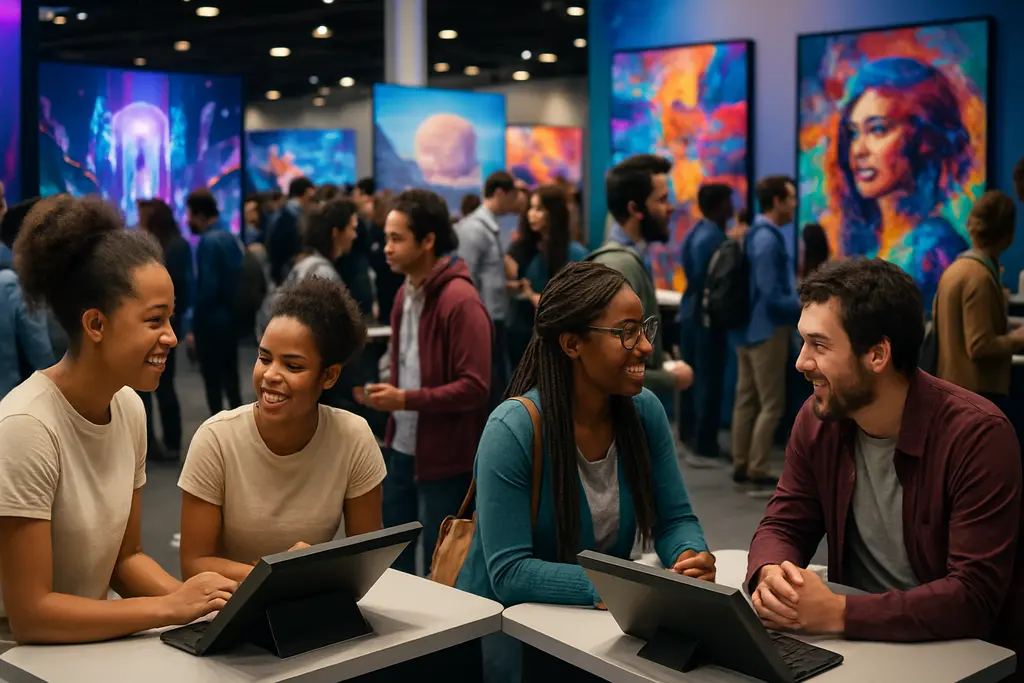
The IndieMe Virtual Expo in August 2026 gave handmade wholesale observers a compact case study in how juried creator commerce can work online after the first rush of pandemic-era virtual events. The 14th IndieMe Marketplace Virtual Expo ran from August 12 to August 19, 2026, after being extended by one day from its original August 12–18 schedule at buyers’ request, according to IndieMe’s event press release. Because the event had ended by August 29, 2026, the stronger frame is a measured recap rather than a preview.
For artists, the most useful signals were not just that orders happened, but that reported ordering stayed active throughout the week. For buyers, the event’s value rested on access: qualified retail buyers could browse and place wholesale orders from juried handcrafted artists based in the United States and Canada. For readers who follow festivals and creator markets as expressions of community taste, the event showed how a screen-based format can still carry the social habits of a buying fair: comparison, discovery, incentives, and relationship-building.
What The IndieMe Virtual Expo Showed
IndieMe Virtual Expo Order Pattern
The most notable reported outcome was the steadiness of order activity. IndieMe said wholesale ordering occurred on every day of the event rather than arriving only at the start. That matters because many virtual events face a common risk: buyers may log in early, scan familiar names, and lose momentum. A weeklong pattern of steady orders suggests that participating buyers kept returning or continued evaluating collections across categories.
This does not prove that every artist saw equal results. The available information does not provide artist count, buyer count, total sales volume, category breakdown, or median order size. That absence matters. A cautious reading should treat the reported activity as a positive platform-level signal, not as proof that all exhibitors benefited at the same rate. Still, for the IndieMe Virtual Expo, the decision to extend the event through August 19 points to enough buyer demand to justify more ordering time.
Extension As A Buyer Signal
The one-day extension is useful evidence because it connected directly to buyer behavior. IndieMe reported larger-than-expected purchases and said buyers asked for more time to complete orders. In trade-event terms, that is more meaningful than a general claim of enthusiasm. It points to a concrete operational change: the event calendar shifted after buyer demand appeared.
For makers, that type of signal can shape planning. A virtual wholesale event may not require the same booth build-out, travel schedule, or freight decisions as an in-person show, but it still asks artists to prepare product imagery, wholesale terms, inventory expectations, response times, and post-event follow-up. If ordering is distributed across a week, sellers may need sustained attention rather than a single opening-day push.
Buyer Behavior And Artist Signals
What Strong Artist Feedback Can And Cannot Prove
IndieMe reported that some artists described the August event as their strongest event ever, with performance that exceeded certain in-person trade shows in sales or buyer engagement. That is a meaningful claim, but it is still reported feedback rather than independently audited sales data. The distinction is not a dismissal. It simply keeps the analysis fair to artists, buyers, and readers who may use event recaps for business decisions.
One buyer also described the August Expo as one of the best Expos to date and linked that positive experience to greater interest in The IndieMe Experience in Baltimore. Since the research notes do not provide the buyer’s full purchasing context, store type, or category focus, the comment should be read as one informed perspective rather than a market-wide verdict. Event culture often turns on these individual voices, but evidence-based coverage should avoid turning one comment into a broad claim.
Why Juried Handmade Context Matters
The event’s wholesale structure shaped its artistic and commercial meaning. IndieMe described the Expo as a virtual buying event for qualified retail buyers to discover and order from juried North American handcrafted artists. Juried participation is not the same thing as a public open marketplace; it signals that the event was designed around retail buying relationships and handmade product standards rather than casual consumer browsing.
That format matters for community engagement. Handmade wholesale does not only move goods from studio to shop. It can influence which ceramics, jewelry, textiles, paper goods, décor, and gift objects reach local retailers. When buyers place wholesale orders, they help decide which handmade voices appear on shelves in towns and cities after the event closes.
Creator Commerce Lessons From The August Event
Show Specials And Buyer Rhythm
IndieMe’s artist information page states that the Virtual Expo series had reached its 14th edition and that Expo participation includes features such as artist-provided show specials, including discounts or free shipping, along with buyer giveaways donated by artists, with as many as five giveaways per day during the event artist event details. Those incentives likely helped frame buyer attention during the week, though the available sources do not isolate which feature drove orders.
Show specials can be read as a familiar trade-show practice translated into an online buying format. At a physical fair, buyers may be influenced by booth conversations, product handling, booth placement, and time pressure. Online, the pressure points are different: visibility, category search, product photography, wholesale terms, shipping offers, and deadline-based incentives. The August event suggests that IndieMe’s model aimed to keep buyers engaged across several days rather than relying on a single opening surge.
Respecting The Maker-Buyer Relationship
For artists, the larger lesson is not simply to discount goods or chase every virtual event. Handmade pricing carries labor, materials, skill, overhead, and a maker’s long-term business needs. A show special can support a wholesale decision, but it should not erase the value of the work. Buyers, in turn, benefit when artists provide clear product information, dependable fulfillment expectations, and images that represent objects accurately.
Because the available research does not list specific artists, categories, or products, this recap avoids naming imagined standouts. That restraint is necessary in creator-commerce coverage. Inventing featured makers or product trends would mislead readers and disrespect the real artists who participated. A trustworthy event review can still be useful by focusing on documented structure, dates, incentives, and reported buyer behavior.
January 2027 And The IndieMe Calendar
The Next Scheduled Expo
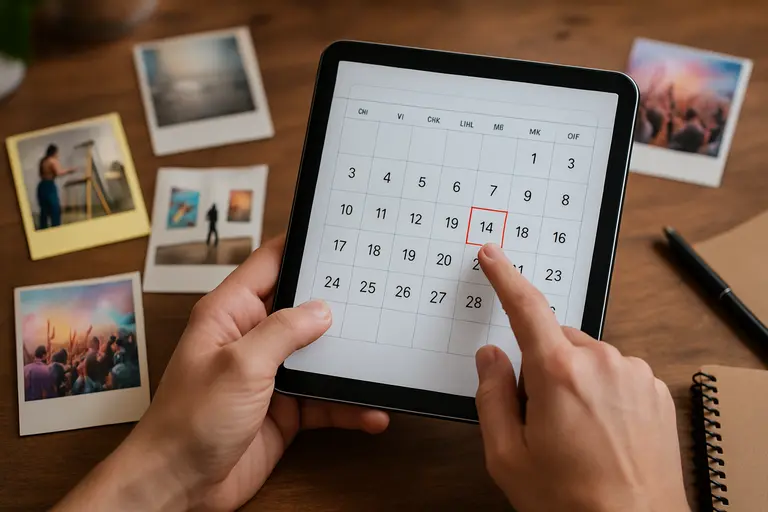
The next scheduled edition, the 15th event, is set for January 13–19, 2027. IndieMe positioned it as part of a broader buying-season campaign that also includes in-person opportunities such as The IndieMe Experience in Baltimore and Gather: Winter Edition. Because those dates were still in the future on August 29, 2026, they can be discussed as scheduled plans, not outcomes.
The pairing of virtual and physical events is notable, but it should not be overstated. The research supports the existence of a coordinated buying-season campaign, yet it does not provide attendance projections, exhibitor lists, or sales forecasts for January 2027. The safest interpretation is that IndieMe was using both online and in-person formats to serve wholesale buyers at different points in the buying cycle.
What Buyers And Artists Could Watch
For future coverage, the missing data points are clear. Artist count, buyer count, sales volume, category distribution, repeat-buyer share, and order-size ranges would make comparison across editions much stronger. Without them, the August 2026 recap remains useful but partial. It shows positive reported signals, not a complete financial picture.
Readers interested in cultural events across this publishing network may also find related coverage through a resource connected with industry insights, Kay Granger, particularly where public-facing events intersect with civic calendars and community gatherings. The shared thread is not that all events work alike; it is that dates, participation rules, and documented outcomes matter when assessing any public program.
IndieMe Virtual Expo 2026 Takeaways
A Measured Reading Of The August Results
The August 2026 event should be understood as a successful reported edition within the limits of the available evidence. The IndieMe Virtual Expo ran one day longer than first planned, maintained reported order activity across the week, drew larger-than-expected purchases, and generated positive feedback from at least some artists and buyers. Those are credible event signals when tied to IndieMe’s own release, but they are not a substitute for full comparative data.
As a festival-style celebration of handmade commerce, the event’s strongest cultural value may sit in the connection between studio practice and retail discovery. A virtual format cannot reproduce touch, scale, or chance hallway conversations in the same way as a physical trade show. It can, however, offer structured access, deadlines, incentives, and a shared buying window. For a juried handmade marketplace, that combination gave the August 2026 Expo enough documented activity to merit attention, while leaving room for more data before broader claims are made.