Kent Monkman Akron planning benefits from a slower frame than a standard museum errand. The Akron Art Museum lists Kent Monkman: History Is Painted by the Victors as running from April 11 to August 16, 2026, on its current exhibitions page. That date range matters for visitors because the exhibition is not a permanent installation, and anyone planning around the closing date should confirm same-day availability before travel.
Monkman’s work is often discussed through the scale and force of history painting, but the strongest visit begins with care rather than speed. This is an exhibition shaped by Indigenous perspectives, contested memory, and the power of pictorial storytelling. For venue-minded readers, the key question is not only what is on the wall, but how the museum setting can help viewers spend enough time with difficult, layered images without treating them as quick visual backdrops.
Why Kent Monkman Akron Rewards Slow Looking
Kent Monkman Akron As Venue Experience
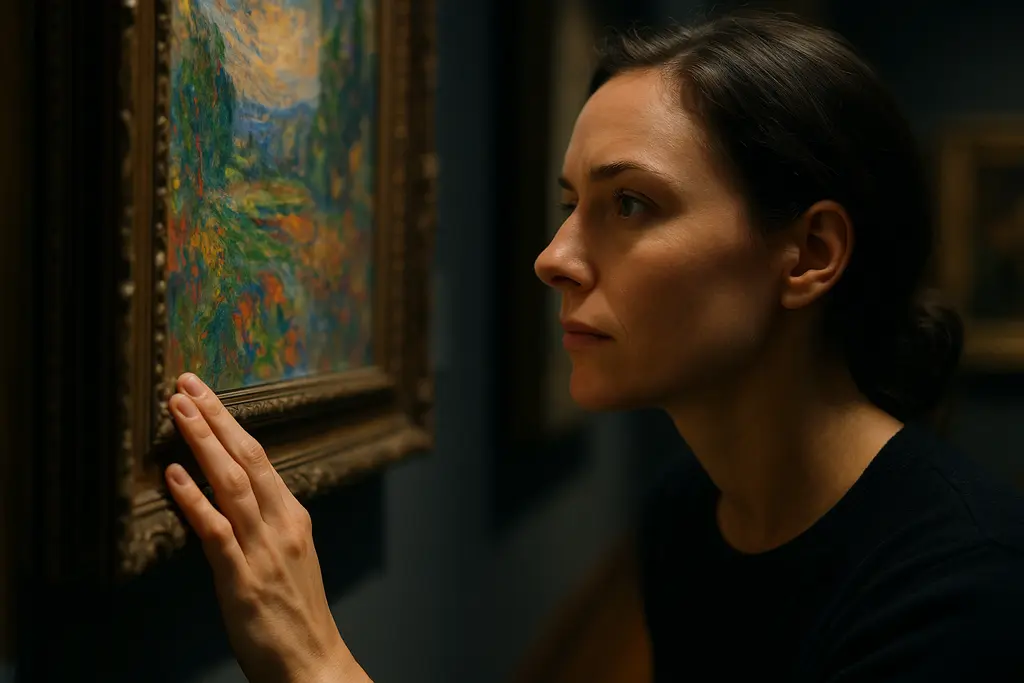
A visit to a major painting exhibition is partly an encounter with art and partly an encounter with space. Monumental works can change the rhythm of a gallery. They ask the viewer to step back, return to details, and test first impressions against a wider composition. In a museum context, that creates a different audience behavior than a stage show or a festival set, yet the same community principle applies: people need time, orientation, and room to respond.
For Akron audiences, the exhibition invites a form of attention that is both visual and civic. History painting has long been associated with authority, public memory, and the stories institutions choose to preserve. Monkman’s practice, as described in the supplied research, reimagines history from Indigenous perspectives. That point should be handled with respect. The works are not simply large decorative images; they are part of a sustained artistic engagement with whose histories are centered and whose are pushed aside.
Scale, Distance, And Audience Conduct
The venue information supplied for this assignment notes that personal, non-commercial photography and video are permitted while maintaining at least 20 inches from artwork. That detail is practical, but it also signals a useful etiquette. Viewers may document their visit, yet the gallery is not a studio set. Keeping distance protects the art and helps other visitors share the room. For creators, sellers, or educators who want to discuss the exhibition online, the safer approach is to distinguish personal documentation from commercial reuse and to seek permission where rights are not clear.
What Is On View At The Museum
Works Named In Public Exhibition Coverage
Public coverage identifies significant works in the exhibition, including The Great Mystery (2023) and Victory for the Water Protectors (2018). Art & Object also reports that the exhibition was organized by the Montreal Museum of Fine Arts and the Denver Art Museum, and curated by Léuli Eshrāghi and John Lukavic in its exhibition report. Those facts give visitors a grounded starting point without overstating what a single visit can settle.
The works named above suggest a show concerned with historical power, ecological defense, and the visual language of victory. Still, a cautious reading should avoid reducing the exhibition to one theme. Museum exhibitions gather artworks, labels, spatial sequencing, and curatorial framing into a temporary public argument. The visitor’s task is to attend to how each image builds that argument rather than treating the show as a simple statement that can be paraphrased in one sentence.
Context Without Speaking Over The Work
Because Monkman is identified in the research as a Cree artist from Fisher River Cree Nation, a respectful visit should avoid treating Indigenous perspective as a broad category detached from a living artist’s decisions. Viewers can acknowledge the biographical and cultural context while still looking closely at composition, gesture, scale, and reference. That balance matters in criticism: context can deepen attention, but it should not replace the artwork itself.
For Kent Monkman Akron visitors, the venue experience may be strongest when approached in two passes. The first pass can register scale, figures, color, and spatial arrangement. The second can focus on the exhibition’s historical claims and the questions raised by the labels or curatorial sequence. This approach leaves room for uncertainty, which is often more honest than forcing an immediate interpretation.
Tickets, Hours, And On-Site Planning
Admission And Timing Details
The venue details supplied in the research list regular museum hours as Wednesday, Friday, Saturday, and Sunday from noon to 5:00 pm; Thursday from noon to 9:00 pm; and closure on Monday and Tuesday. Thursday is listed as free admission. Because hours and admission policies can change, visitors should verify current conditions with the museum before making a long trip, especially near the exhibition’s final date.
| Visitor Category | Listed Admission |
|---|---|
| Adults | $12 |
| Seniors 65+ | $10 |
| Students With Valid ID | $8 |
| Children 17 And Under | Free |
| University Of Akron Students, Faculty, And Staff With Valid Zip Card | Free |
| Adults With Ohio EBT Card | $3, up to four adults per card |
The museum address supplied in the research is 1 South High Street, Akron, OH 44308. Parking is listed at $5 per day in the museum lot, accessible from South Broadway Street or South Summit Street. Those details affect the pace of the visit. A show built around major paintings is less rewarding if a visitor arrives rushed, searches for parking at the last minute, or underestimates how much time the galleries may require.
Planning For Different Visitor Needs
Families, students, and community groups may want to compare the cost of a paid visit with Thursday’s free admission window. Free admission can expand access, but it may also be a busier time. Visitors who need quieter conditions might weigh the financial benefit against the likely comfort of the visit. That is not a reason to avoid free hours; it is a reminder that access includes both price and environment.
Access, Photography, And Visitor Care
Sensory Access And Quiet Areas
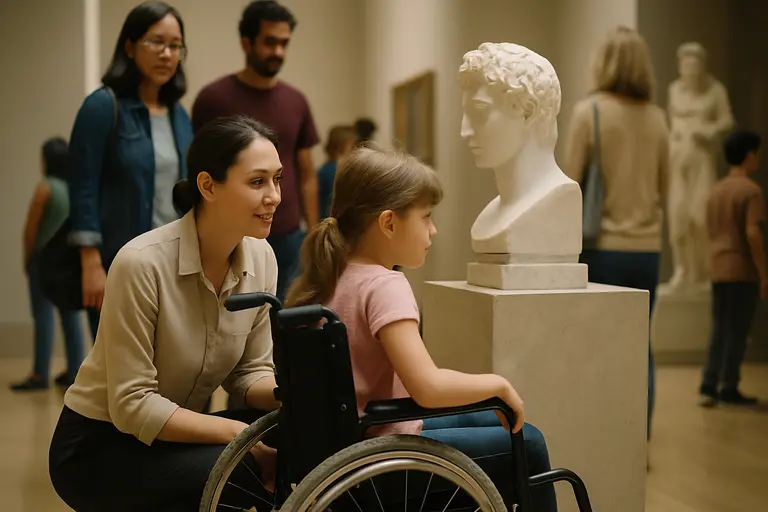
The research notes that the Akron Art Museum is KultureCity Sensory Inclusive Certified, with sensory bags, designated quiet areas, and other accommodations. For an exhibition with monumental imagery and dense historical themes, such accommodations can support a wider range of visitors. Access is not a side issue in cultural venues. It shapes who can stay long enough to engage the work on fair terms.
Visitors accompanying children, elders, students, or people with sensory needs may benefit from identifying quiet areas early in the visit. A practical route can include a first gallery pass, a pause, and then a return to selected works. This pacing respects both the artwork and the visitor. It also reduces the pressure to absorb a demanding exhibition in one continuous stretch.
Community Care In The Gallery
Museum etiquette is a form of community care. Keeping voices moderate, giving others sightlines, and not blocking a work for extended photography all help create a fair room. The supplied photography rule allows personal and non-commercial images, but permission to photograph does not remove the need for judgment. In exhibitions dealing with Indigenous histories and public memory, online sharing should avoid flattening the work into spectacle or using it as a prop for unrelated promotion.
For those interested in exploring related cultural topics and events, Shimply can serve as a useful resource, offering insights and references within the same network. For this museum visit, though, the most reliable planning choice remains checking the host institution’s current information before arrival and treating published operational details as subject to change.
Kent Monkman Akron Visit Notes For Akron Viewers
How To Spend The Visit Well
The strongest Kent Monkman Akron visit is likely one that gives equal weight to the art and the conditions of viewing. Arrive with enough time to slow down. Read labels without letting them replace looking. Notice scale first, then return to the relationships between figures, setting, and historical reference. If visiting with a group, allow silence before discussion. Not every response needs to be immediate or spoken in the gallery.
For venue planning, the core facts are clear from the supplied materials: the exhibition is scheduled for a defined 2026 run at the Akron Art Museum; named works include The Great Mystery and Victory for the Water Protectors; admission categories and access details may shape the best time to go. The interpretive work remains open, as it should. A careful visitor can leave with questions sharpened rather than closed, which is often one of the most valuable outcomes a museum can offer.