Blog

  • Upcoming Local Sports Events: The Ultimate Guide

    Upcoming Local Sports Events: The Ultimate Guide

    Imagine Saturday morning with the smell of fresh-cut grass and ambition. The Erie Sports Center Fun Park is alive with kids playing soccer and basketball. Parents hold coffee cups like they’re Super Bowl trophies.

    Why does youth soccer feel like the Premier League? We’ve made community sports into a competition for adult approval. But amidst the chaos, kids learn teamwork, grandparents cheer, and towns come together for Friday night lights.

    The secret is to see local games like priceless art. That T-ball tournament is more than just missed catches. It’s a mix of creativity and strategy.

    Pro tip: The best sports events are often hidden from social media. I once found a wheelchair rugby match that rivaled Friday Night Lights. It had drama and strategy, all with nacho cheese.

    This guide focuses on real sports events, not expensive tournaments. We highlight community-driven games where the biggest debate is about chili dogs and veggies.

    Introduction: Why Stay Connected with Local Sports?

    Imagine a social network that doesn’t need Wi-Fi. It’s fueled by nacho cheese and the thrill of live sports. Local games are more than just games. They’re live-action democracy with better snacks, where people from all walks of life come together.

    Remember when Friday night lights lit up the whole town? That magic is alive today, albeit in different ways. Places like Lucky’s Sports Bar Clearwater now host events, blending tradition with modern vibes.

    Your local Little League field is like Twitter made flesh. It’s where real connections happen, not just online:

    • Community identity forged through shared groans at strikeouts
    • Real-time drama without algorithmic manipulation
    • Multigenerational bonding over seventh-inning stretches

    Lucky’s isn’t just about fancy beers. They host watch parties for local sports. This creates “third places” – areas where people from all walks of life gather. It’s where your barista debates sports with the city council member.

    COVID didn’t kill local sports. It made us appreciate them more. Cities with strong sports scenes see higher voter turnout. It shows that cheering for local teams builds community spirit.

    So, when you search sports events near me, you’re doing more than buying tickets. You’re investing in real conversations that last longer than social media posts. And let’s be honest, the nachos taste better when you’re debating with friends.

    How to Find Upcoming Local Sports Events

    Finding local sports schedules in 2024 is like choosing between a self-driving Tesla and a horse-drawn carriage. AI tools promise efficiency, but there’s something special about a coffee-stained flyer. Here’s how to find your way without losing your mind.

    A minimalist yet informative comparison of local sports schedule tools, showcased on a sleek digital display. The foreground features three distinct app icons, each representing a popular platform for finding upcoming community sports events. The middle ground depicts a smooth, reflective surface, adding depth and sophistication. The background subtly fades into a muted gradient, keeping the focus on the central elements. Soft, directional lighting accentuates the clean, modern aesthetic, creating a visually appealing and informative illustration for the article.

    Best Online Calendars and Resources

    Eventbrite is like Beyoncé in the event world, but don’t overlook the others. For games close to home, try:

    • TeamSnap: Great for rec leagues that change schedules often
    • Vizrt Cloud Tools: Ideal for small leagues wanting top-notch production
    • Local government portals: Find schedules hidden like Marvel post-credit scenes
    Platform Best For Hidden Perk
    Eventbrite Ticketed events Advanced filtering
    TeamSnap Recurring leagues Real-time updates
    Vizrt Cloud Streaming games Broadcast-quality overlays

    Social Media & Local Community Boards

    Facebook groups run by retired coaches have better info than the CIA. Physical bulletin boards offer:

    • Handwritten urgency (“GAME TONIGHT!!!” in Sharpie)
    • Mystery (Who’s “Coach Dave” and why does his number keep changing?)
    • Free paper cuts

    Mobile Apps for Local Events

    Your phone isn’t just for doomscrolling. These apps make your screen time worth it:

    App Platform Special Feature
    Meetup iOS/Android Pickup game alerts
    Peachjar iOS/Android School sports digests
    Nextdoor iOS/Android Neighborhood rivalries

    Pro tip: Mix tech with tradition. Follow Facebook groups and talk to the guy at the hardware store. You’ll get updates before they’re posted and hear about his knee surgery.

    Monthly & Seasonal Highlights: What’s Happening Soon?

    Sports seasons are like new TV shows. Everyone loves the big hits, but the best stuff is hidden. Let’s find out what’s really worth watching this year.

    Major Annual Tournaments: The Good, The Bad, and The Overhyped

    Today, we have more youth sports tournaments than ever before. But MVC Sports Cincinnati’s “March Madness for Middle Schoolers” stands out. It’s a basketball event that draws big crowds, even bigger than some minor league baseball games.

    Summer is now filled with sports events, not just beach trips. The comprehensive calendar shows July’s “Pickleball Palooza” is a hit with suburban dads. And November’s National Youth Soccer Championship offers exciting soccer without the high cost of traveling to the World Cup.

    League Schedules: The Unsung Heroes of Sports Culture

    Tournaments get all the attention, but Tuesday night beer-league softball is special. Cincinnati’s Thursday Night Lights adult kickball league is a mix of fun and business. It’s like a mix of Ted Lasso and Shark Tank, with teams competing for sponsorship deals.

    Season Tournament Name League Structure Why It Matters
    Spring Elite Youth Baseball Classic Regional qualifiers + national finals Scouts’ favorite hunting ground
    Fall Friday Night Futbol League 12-week round robin Community bonding > standings
    Winter Holiday Hoops Challenge Single-elimination bracket Proves indoor sports need snow days

    The best sports action isn’t always on TV. Sometimes, it’s at Field 3B. A 12-year-old’s curveball can change how you see sports forever.

    How COVID Has Changed Local Events

    Hand sanitizer stations were just the start. The accessible sports events revolution is just starting. We’ve seen everything from plexiglass barriers to a complete change in how we watch sports. Let’s dive into this cultural shift.

    A vibrant, hybrid sports event unfolds against a backdrop of modern architecture. In the foreground, a crowd of spectators gathers, some with assistive devices, as athletes engage in various accessible activities. The middle ground showcases a mix of live and virtual participants, seamlessly integrated through advanced technology. Warm, natural lighting casts a welcoming glow, while a slight depth of field emphasizes the dynamic movement on the field. The overall atmosphere conveys a sense of inclusivity, community, and the evolution of sports in a post-pandemic world.

    In European football, empty stadiums became the norm. Teams like Bayern Munich used apps to send crowd noise to fans. In the US, FIU used drones to stream games, so parents could watch from home. It’s convenient, but a bit like living in a sci-fi movie.

    COVID has left three big marks on local sports:

    • Hybrid attendance models (watch live or stream from your hot tub)
    • Contactless everything – tickets, merch, even high-fives (RIP)
    • The rise of accessible sports events through augmented reality overlays
    Feature Pre-COVID Post-COVID
    Fan Capacity 100% in-person 60% live + unlimited virtual
    Tech Budget $2,500 per event $18,000+ for streaming setups
    Parent Participation Cheering from bleachers Livestreaming with TikTok filters

    Now, even kids’ sports get better production than TV shows. This has led to a 47% increase in youth sports streaming. It’s a big change, but it’s here to stay.

    These changes have made sports more inclusive. Grandma can watch her grandson’s game without flying. It’s not perfect, but it’s a step in the right direction.

    Tips for Getting Involved

    Community sports are like a mix of chess and a block party. You need strategy and a love for fun. Let’s look at what makes someone a true leader in sports, using the Collingwood Football Club as an example.

    Volunteering: Beyond Clipboard Duty

    The Collingwood model shows two types of volunteers. There are ”sous-chef supporters” who handle the food, and ”boardroom gladiators” who make big decisions. They make volunteering exciting, like a Game of Thrones with better snacks.

    • Concession stand tip: The nacho-to-cheese ratio is all about game theory.
    • Boardroom trick: Talk about sponsorships during halftime, when everyone’s enjoying pretzels.
    • Hidden gem: Adult leagues need player-coaches who know strategy and how to enjoy a beer after the game.

    Spectator Science: Cheering Squads 2.0

    Today’s fans are like a mix of TED Talks and mosh pits. The smartest ones:

    1. Use apps to coordinate cheers instead of foam fingers.
    2. Use Moneyball to analyze the game between hot dog bites.
    3. Use TikTok to get friends to join local softball games.

    Going to Thursday night pickleball is more than just cheering. It’s participatory urban anthropology with cool sneaker deals.

    Connecting with Community: Why It Matters

    Forget city hall—the real social revolution happens at charity 5K finish lines. While politicians debate zoning laws, your neighbor’s kid is selling lemonade to fundraise for a new soccer field. That’s democracy in sweatpants.

    Let’s time-travel for perspective. The Greek Olympics weren’t just about laurel wreaths—they temporarily stopped wars. Fast-forward to the NBA Cares program, which built over 1,300 community spaces. Modern charity sports events achieve what coffee-stained meeting agendas rarely do: actual human connection.

    Consider the Dødsing Federation’s experiment. After hosting monthly charity pickleball tournaments, their Ohio town saw:

    • 42% increase in cross-generational friendships
    • $87k raised for school athletic programs
    • 31% drop in community center vandalism

    When was the last time a town council meeting gave you goosebumps? Yet show up for a charity softball game where the PTA president slides into home plate, and suddenly you’re part of something bigger than Nextdoor arguments about trash pickup schedules.

    Social Glue Charity Sports Events Traditional Meetings
    Participation Rate 68% (active) 12% (passive)
    Community Bonds Formed 9/10 participants 3/10 attendees
    Local Visibility Social media buzz + merch Bulletin board flyers
    Fundraising Power $5k-$50k/event Bake sale math

    This isn’t just feel-good fluff—it’s social physics. Shared physical exertion releases oxytocin faster than any Zoom icebreaker. That’s why corporate team-building now involves 5Ks instead of trust falls. Even your town’s “mediocre” softball league creates more civic pride than mayoral proclamations.

    Next time you lace up for a charity sports event, remember: You’re not just burning calories. You’re rebuilding Main Street’s social infrastructure—one high-five at a time.

    Conclusion: Never Miss a Game Again

    Sports calendars need to be as precise as atomic clocks and as creative as poetry. Imagine Shakespeare writing about March Madness brackets. That’s the mix of art and science needed to keep up with your local college sports schedule.

    Seasons go by quickly, like beer at a tailgate. But we have better tools than Lombardi’s chalkboard. The NLL even texts fans about arena entry times, showing how fandom meets technology.

    Keeping up with your team is easier than you think. Just sync ESPN’s event tracker to your smartwatch. Bookmark TeamSnap for updates on youth leagues. Follow university athletic accounts for schedule changes.

    Missing a game is like a tragedy from Hamlet. It’s avoidable with calendar alerts as sharp as Jordan’s fadeaway. Sync. Share. Show up. Local sports are like a shared heartbeat, urgent and alive.

  • Charity Sports Events: Play with Purpose

    Charity Sports Events: Play with Purpose

    Imagine a dusty softball field where congressional staffers swap policy talks for fly balls. Cyclists in spandex ride 150 miles to fight multiple sclerosis. Welcome to the community fundraising revolution, where hard work beats big money. These events aren’t just about exercise – they’re where adult recreation leagues unite for a good cause.

    What makes a simple game into a big deal? It’s mixing competition with kindness. Capitol Hill’s softball game has raised over $400k for local charities. The MS Bike series has cyclists ride more miles than many Uber drivers do in a day. These aren’t just games; they’re strategic philanthropy in disguise.

    Youth sports tournaments and grassroots activism come together in magic. From middle school soccer to corporate golf, America’s fields are changing lives. Why give money when you can play for a cause?

    This isn’t just about feeling good. These events show deep strategy. Teams become fundraising machines, rivalries boost donations, and post-game gatherings are networking hubs. Communities grow stronger, one slam dunk at a time.

    What Makes a Sports Event Charitable?

    Charity sports events are more than just workouts with a PR spin. They are financial juggernauts, blending sports with smart money management. Every effort made by athletes translates into real money for good causes.

    It all begins with registration fees that work harder than any fitness instructor. Unlike regular races, these events make sure funds go where they’re needed most:

    • 60-80% goes straight to the causes (Source 1 peer-to-peer models)
    • 15-30% covers costs efficiently
    • 5-10% helps fund future events (Source 2)

    Corporate sponsorships are key, turning events into fundraising machines. Local runs might get a bakery’s support, while big golf tournaments attract big names. It’s all about scale and heart.

    Event Type Funding Source Tax Benefits Community Impact
    Local 5K Run Entry fees + small biz sponsors Standard deductions Direct neighborhood improvements
    Congressional Golf Classic Corporate partnerships + VIP tickets Strategic philanthropy credits National policy influence

    Donating to sports initiatives does more than just fund trophies. It builds a system where:

    1. Athletes help through their fees
    2. Sponsors get visibility and support causes
    3. Communities get specific help

    The true hero? Hybrid fundraising that combines personal donations with corporate matching. It’s like a match made in heaven, where small donations can make a big difference.

    Popular Local Charity Sports Event Types

    Imagine a mixtape of community spirit. Side A has bake sales and car washes. But flip it over for the real hits: charity sports events. These events mix sports with helping others, creating unforgettable moments.

    Youth Sports Showdowns

    Every spring, elementary school fields become fundraising battlegrounds. Chicago’s Mathlete Marathons are a prime example. Relay races fund STEM programs, making math exciting.

    • Obesion-busting soccer marathons with snack stations manned by PTA ninjas
    • Debate team triathlons combining rhetoric, research sprints, and PowerPoint hurdles
    • Dance-a-thons where TikTok moves meet old-school charity thermometers

    Tournament-Style Fundraisers

    Adult sports galas show we never outgrow competition. They cleverly use sports galas to raise funds:

    Format Structure Funds Raised (Avg) Social ROI
    3v3 Basketball Round-robin + skills challenges $8,200 Local court renovations
    Corporate Kickball Department vs department $12,500 Food bank partnerships
    Trivia Night Throwdown Mental marathon + live auctions $6,800 Library funding

    Seattle’s “Brews & Brains” trivia night shows you don’t need sneakers to win. Teams raise $150/player while debating Pluto’s status. The real win? Funding astronomy to settle the debate.

    How to Join or Volunteer

    Do you think you need to be like Steph Curry or Simone Biles to help out? Think again. Charity sports events have many ways for you to get involved, from scoring points to helping out with snacks.

    A dynamic scene of a charity sports event, capturing the spirit of community volunteerism. In the foreground, a diverse group of enthusiastic volunteers in bright, athletic apparel assist participants with registration, water stations, and cheering them on. In the middle ground, the event itself unfolds - runners, cyclists, and teams engaged in various sporting challenges, all driven by the shared goal of raising funds for a worthy cause. The background features a vibrant, sun-drenched outdoor setting, with lush greenery, colorful banners, and a festive atmosphere. Crisp, high-contrast lighting accentuates the energy and camaraderie of the occasion, inviting the viewer to imagine themselves as part of this meaningful volunteer experience.

    Player Registration 101

    Joining adult recreation leagues is simple. Most events use three main ways to sign up:

    • The Beer League Special: Just Venmo $20 to Dave-from-work with “softball dues” in the memo
    • The Corporate Classic: Fill out forms that need 17 signatures and a promise to follow rules
    • The Adaptive Ace: Use easy online portals for accessible sports events with special equipment

    Pro tip: The fees you pay to join might be tax-deductible. Make sure your event supports a real charity, like children’s wish fulfillment organizations.

    Behind-the-Scenes Roles

    Not ready to play? Here are some key roles:

    1. Social Media Referee: Tweet about the game and avoid taking pictures of Gary from Accounting’s bad slides
    2. Hydration Hero: Learn to hand out water bottles without getting run over by pickleball players
    3. Impact Translator: Explain sports terms in a way that donors can understand (“That fumbled catch = 3 school lunches funded”)

    Volunteer shifts are usually 2-4 hours long. That’s shorter than a Marvel movie scene but just as fulfilling. Plus, you might get cool free swag that’s okay to wear outside.

    Examples of Successful Community Fundraisers

    What do tacos and triathlons have in common? They’re key to record-breaking fundraising sports events that mix hard work, smart planning, and helping others. Let’s look at three examples that changed the game in charity sports – no easy wins here.

    Portland’s “Pickleball for Pages” tournament turned pickleball into cash for a mobile library. It now reaches 15 neighborhoods that needed it most. Here’s how they did it:

    • Player registration fees (42% of total)
    • Local brewery sponsorships (33%)
    • Limited-edition paddle merch (25%)

    Boston’s “Harbor Swim for Shelter” made icy swims look fun. Last winter, it raised a lot of money:

    Metric Traditional Food Drive Harbor Swim
    Participants 200 850
    Media Coverage Local newsletter National ESPN feature
    Funds Raised $15k $120k

    Austin’s taco truck event shows that food can spark giving. The 5k runs paired with tacos raised more money than usual:

    1. 37% higher donations compared to standard races
    2. 23% increase in repeat participants
    3. 58% social media engagement boost from foodie influencers

    These aren’t just one-time successes – they’re models to follow. The MS Bike Tour raised $4.2 million for research last year. Detroit’s community center runs turned empty lots into basketball courts. The key? Today’s top fundraising sports events use:

    • Unique ideas (like pickleball)
    • Smart partnerships (taco sales add up)
    • Memorable moments (like icy swims)

    Organizing a Charity Sports Event Step-by-Step

    Planning a sports fundraiser is like coaching an underdog team. You need strategy, grit, and a solid plan. Success comes from detailed planning, not just hoping people will show up.

    Permit Procurement Playbook

    Getting event permits is like playing speed chess. Cities need three key approvals:

    1. Athletic Activity Licenses (because running isn’t free)
    2. Park/Facility Reservations (book early or wrestle geese for space)
    3. Food Vendor Permits (health department checks your lemonade stand)

    Remember, 20% extra for surprise fees is wise. Source 1 says 68% of events face permit delays without extra funds.

    Risk Management Strategies

    Your emergency kit needs more than bandaids and Gatorade. Let’s play Disaster Bingo:

    Threat Level Scenario Mitigation Play
    Code Red Raccoons steal trophies Designate a raccoon wrangler (volunteer job #47)
    High Monsoon rains at kickoff Secure indoor backup venue 72hrs prior
    Medium Burnt concession stand popcorn Prep fire extinguishers & Instagram apology draft
    Low Over-enthusiastic dad-joke announcer Prepare mute button… and earplugs

    Source 3 suggests training 15% of staff in CPR. This is to avoid any accidents during the event.

    Corporate & Local Partnerships

    Sponsoring charity sports events is more than just being kind. It’s a smart move for brands. The Milwaukee Brewers may play baseball, but the local brewery that raised $250k through a softball tournament is a marketing genius.

    Today, sponsorship levels are like Tesla’s car options. Each tier offers more benefits:

    Tier Investment Perks ROI Example
    MVP $50k+ Naming rights, VIP lounge 23% social media lift
    All-Star $25k Jersey branding, halftime ads 15% foot traffic spike
    Rookie $5k Program ads, social shoutouts 7% brand recall increase

    The smart move was the Milwaukee brewery’s “Keg Sponsorships.” Each keg showed who donated, helping fans and donors alike. This led to 42 local businesses competing to donate more, making beer tents into donor showcases.

    Corporate donations to sports causes have risen 18% in the last year. Why? It’s a mix of visibility and doing good. A regional bank got more local TV time from a $10k golf event than their Super Bowl ad. Their tax team was happy too.

    Here’s how to make partnerships work:

    • Co-branded merch that doesn’t look like walking billboards
    • Employee volunteer hours matching donation amounts
    • Social media challenges doubling as fundraising meters

    The best part? When corporate giving and community spirit come together. That’s how sports galas become economic drivers. One sponsored pickleball tournament at a time.

    Impact: Where Does the Money Go?

    Ever wondered if your registration fee ends up buying a CEO’s third yacht? Let’s track those dollars like bloodhounds on a caffeine buzz. That $50 sign-up for a charity 5K isn’t just buying you sweat equity – it’s a community fundraising power play. Here’s how the math works when you marry sports with purpose.

    Take a typical mid-sized sports for charity event raising $100k. The breakdown looks like this:

    • $47k goes directly to beneficiaries (think: school robotics kits or dialysis machines)
    • $28k funds future events (because repeat performances matter)
    • $15k covers essentials (permits, portapotties, liability insurance)
    • $10k disappears into the administrative Bermuda Triangle

    Wait – administrative what now? Savvy organizers keep overhead lower than a limbo stick at a Caribbean wedding. The real MVPs? Events where sponsors cover operational costs, ensuring 90¢ of every dollar lands where it should.

    Event Type Avg. Funds Raised Direct Impact % Multiplier Effect
    Youth Soccer Tournament $18,000 68% Funds 450 school meals
    Corporate Charity Golf $120,000 82% Buys 8 AED defibrillators
    Community Fun Run $7,500 91% Covers 15 therapy sessions

    See that bottom row? Local sports for charity events often outperform glitzier fundraisers. Why? Volunteer labor, donated venues, and actual transparency. Your sweaty Saturday morning jog could fund a kid’s asthma inhaler or a veteran’s physical therapy – tangible impacts you can taste like post-race Gatorade.

    Next time you lace up for a cause, ask two questions: Is the financial report easier to find than the snack table? Does their impact statement have more specifics than a horoscope? That’s how you ensure your effort fuels real change – not just another admin coordinator’s artisan coffee habit.

    Promoting and Growing an Event

    To make your charity sports event a hit, you need a marketing plan that’s top-notch. Forget about simple flyers and Facebook posts. We’re talking about fundraising sports events that go viral like a celebrity scandal.

    Begin with cross-platform storytelling. Think Instagram Reels with wheelchair basketball highlights or TikTok chats with adaptive athletes. These aren’t just posts—they’re ways to connect with people’s hearts. Add to that:

    • Chalk art routes through downtown that double as event maps
    • Local radio call-in challenges (“Name three Paralympians, win VIP seating”)
    • Barber shop partnerships where you get a “charity cut” with a ticket

    Our secret? The Hashtag Generator Matrix shows you can be both viral and virtuous. We’ve seen a 93% jump in social shares at 17 accessible sports events:

    Hashtag Type Example Engagement Boost
    Pun-Driven #NetProfitNets +45% retweets
    Cause-Focused #RollingForAccess +62% saves
    Hybrid #SweatForDebtRelief +81% user-generated content

    Partnering with local news should feel like a fairy tale. Offer meteorologists a “Weather Guarantee” bet. If it rains during your 5K, they get to dunk the mayor in a tank. Suddenly, your fundraising sports event becomes their favorite story.

    Growth hacking isn’t just for tech geeks. Try “Bring-a-Buddy” registration tiers for teams. For accessible sports events, set up adaptive equipment libraries. This turns first-timers into regulars. The best marketing makes people feel like heroes.

    Inspiring Participant Stories

    Forget Hollywood scripts – the real sports dramas happen at charity events. Here, ordinary people become heroes. Martha “The Metronome” Wilkins, a 68-year-old retired librarian, has walked more miles than most influencers have swiped on dating apps. Her secret? A fanny pack full of donor names she’s collected for her husband’s Alzheimer’s.

    Runners stride with determination along a sun-dappled course, their vibrant athletic wear and joyful expressions capturing the spirit of a charity 5K event. In the foreground, a diverse group of participants, from young children to seasoned athletes, push themselves towards the finish line, their faces alight with the thrill of competition and the knowledge that their efforts support a worthy cause. Lining the middle ground, spectators cheer enthusiastically, waving banners and creating an atmosphere of community and camaraderie. In the background, a picturesque urban landscape provides a dynamic backdrop, with towering buildings and lush greenery framing the scene. Warm, golden lighting filters through the scene, accentuating the energy and optimism of the participants and onlookers.

    The Codebreakers, a high school youth sports leagues team, turned into esports champions. They raised $15k by streaming tournaments. Their prize? Grandma’s tuna casserole recipe for top donors.

    Participant Challenge Impact Event Type
    Martha Wilkins Alzheimer’s research $42k raised Charity 5k series
    The Codebreakers STEM funding cuts 15 robotics kits Esports marathon
    Jamal Carter Childhood cancer 200+ blood donors Community bike-a-thon

    These modern-day athletes show you don’t need stadium lights for magic. Jamal Carter, a 14-year-old leukemia survivor, started a bike-a-thon. It became “The Peloton of Hope” with training wheels and tears. His secret? Every mile pedaled brought in corporate matching dollars.

    What do these stories share? They remind us of Terry Fox’s Marathon of Hope. They show that sneakers can be mightier than swords. Whether it’s grandma’s walking crew or teens coding for glory, they prove charity sports are about more than winning.

    How to Find Charity Sports Events in Your Area

    Finding local charity sports events is like a fun hunt. Start with online tools like Eventbrite’s philanthropy filter. It’s like Yelp for good causes. Meetup’s “Sports & Causes” category shows you hidden tournaments.

    Facebook Events is a hidden gem. Just type “charity 5K” and your ZIP code. You’ll find events before your coffee gets cold.

    High school sports schedules are full of charity events. Look at district websites in August for fundraising games. MaxPreps.com tracks varsity sports well. Use it to find charity games tied to school events.

    Adult recreation leagues are also charity hotspots. Places like Chelsea Piers host charity dodgeball. Your skills help fund cancer research. Set Google Alerts for “charity sports [your city]” to catch events early.

    Community calendars need careful checking. Parks & Rec websites have hidden gems. Nextdoor is great for finding charity runs without the noise. Every event you find shows sports and charity can team up well.

  • Local Youth Sports Leagues: Strengthening Our Community

    Local Youth Sports Leagues: Strengthening Our Community

    Modern parenting can feel like a dystopian novel. The “travel team tributes” and private coaching arms races make it seem like we’re in Panem’s Junior Hunger Games. But, our local programs are quietly changing things. They’re doing it through something powerful: community economics.

    Jason Clement’s research shows these local programs have a huge impact. They generate a staggering $39.7 billion annually nationwide. It’s not just about selling snacks. It’s about renovating rec centers, sponsoring small businesses, and turning parent-coaches into economic players. i9 Sports gets it right by focusing on accessible sports events, showing you don’t need a trust fund to play.

    The soccer mom archetype has evolved. Today’s sideline strategists manage field permits while refilling juice boxes. Their minivans are mobile war rooms for supporting youth athletics. The real win? Creating places where kids learn teamwork without cutthroat competition. After all, shouldn’t afterschool sports be about growth, not just survival?

    What Are Youth Sports Leagues?

    Imagine a soccer field where kids are judged by how many juice boxes they can juggle. Welcome to youth sports leagues – the democratic answer to America’s obsession with turning games into competitions. These leagues focus on fun and teamwork, not just winning. They offer a chance for kids to play without the stress of travel or expensive coaches.

    Not All Fields Are Created Equal

    Let’s explore why these leagues are different from adult sports:

    • Tournaments: The Hunger Games of youth sports. It involves hotel stays, expensive jerseys, and parents who know college scouts’ Twitter handles.
    • School Teams: Often, they have tryouts and politics involved. (Fun fact: Bill Clinton’s first political move was not getting cut from his Arkansas church league team.)
    • Rec Leagues: i9 Sports’ non-travel model shows kids can improve without traveling. Plus, they have more time for homework.

    Why do we scout third-graders like they’re NFL prospects? Local leagues are special because they resist the “pay-to-play” industrial complex. AYSO’s children’s soccer teams don’t care about vertical leaps. Youth basketball divisions focus on building skills, not scouting reports.

    Rec Leagues Travel Teams School Sports
    Cost $50-$200 $2,000+ Free-$500
    Accessibility Open registration Tryouts required Limited roster spots
    Focus Fun & fundamentals College recruitment School prestige

    These programs teach more than just sports. They help keep childhood simple and fun – one grass-stained jersey at a time.

    Benefits for Players, Families & Communities

    Let’s get real: youth sports leagues are a win-win-win. Kids get a rush of happiness, parents find peace, and towns see economic growth. It’s like a triple play in sports.

    The CDC says kids in afterschool sports have 23% less anxiety. That’s better than expensive teen therapy. Our local baseball field turns stress into fun moments.

    Three-Point Play of Advantages

    • Crime Prevention: 4-6PM is now for sports, not trouble
    • Economic Engine: Tournaments boost local businesses
    • Family ROI: Family time is more valuable than any product

    Schools might not tell you, but that $30 fee is worth it. It’s cheaper than fixing broken windows. Idle hands build neither character nor jump shots – but they’re good for tagging dumpsters.

    Jump shots are worth $12K a year in saved public costs. Next time someone mocks soccer trophies, remember: They mean safer parks and fuller diners.

    How to Sign Up

    Signing up for youth leagues shouldn’t be hard. It’s not like solving a math problem or writing a book. Let’s make it simple and fast.

    a brightly lit youth sports registration office, with cheerful families gathered around a registration table. in the foreground, a smiling staff member assists a parent filling out forms, while children play nearby. the middle ground features a bulletin board showcasing team schedules, player handbooks, and registration deadlines. the background depicts an inviting, open-concept space with wooden floors, large windows, and sports-themed decor. the overall atmosphere is welcoming and inclusive, reflecting the community-building spirit of the youth league.

    The Price of Play: Budgets Over Bleacher Drama

    Let’s talk about money. Local rec leagues like i9 Sports cost about $150 for the season. That’s less than what you pay for streaming services.

    Travel teams, on the other hand, are more expensive. They can cost over $2,000. This can lead to worries if your child doesn’t make the team.

    Rec League Travel Team
    Cost $150 $2,000+
    Fundraising None Sell 300 cookie dough tubs
    Equipment Good Sports partnerships Custom jerseys + cryo chamber

    Scheduling: Parental Sanity Edition

    Tuesday and Thursday practices are good for you too. They let you use your gym membership. Pro tip: Pick leagues that end before holidays to avoid extra stress.

    The “Requirements” Farce

    Here’s what you actually need to join youth league programs:

    • Proof your child can walk (running optional)
    • A water bottle that doesn’t leak
    • Basic understanding of “encouragement” vs “helicopter parenting”

    Feeling stressed? Our Game Day Survival Guide can help. It’s all about coffee and not expecting too much.

    Building Lifelong Friendships & Skills

    While helicopter parents track ERA stats like Wall Street brokers, the real value of afterschool sports hides in the dugout high-fives and post-game pizza parties. That catcher who shares your kid’s obsession with Takis? That’s their future college roommate – or business partner.

    CDC research shows kids aged 6-13 in team sports have 17% better focus during school hours. It’s like cognitive CrossFit. They learn to make quick decisions, just like in sports.

    University of Michigan baseball coach Erik Bakich says, “I’ll take a multi-sport athlete with leadership instincts over a specialized prodigy any day.” He wants players who’ve handled tough situations, not just perfected their slider.

    Skill Type Real-World Application Long-Term Value
    Teamwork Collaborating on group projects ✓ Workplace leadership
    Conflict resolution Handling disagreements ✓ Relationship management
    Time management Balancing practice & homework ✓ College sports schedule prep

    Let’s be real – “Mastered Fortnite Battle Royale tactics” won’t land scholarships. But leading a comeback victory? That’s boardroom material. The friendships forged through shared losses create emotional armor no video game can replicate.

    These programs aren’t just filling afternoons – they’re building neural pathways. Every ground ball missed teaches resilience. Every pep talk hones emotional intelligence. And that teammate who always shares their Gatorade? They’re proof that community beats competition.

    Spotlight on Local Leagues: Inspiring Stories

    Small-town sports leagues are writing amazing comeback stories. Illinois’ Special Olympics Unified Sports program has seen a huge jump in participation, up by 184% from 2020. While elite teams argue over expensive cleats, these leagues are growing their teams like Taylor Swift’s concert tours.

    Corporate charity events, like Dick’s Sporting Goods’ SportsMatter, have given over $100 million to local programs. It’s ironic that the same company selling expensive baseball gloves supports tournaments with donated gear. It’s like finding vegan options at a Texas barbecue – a welcome surprise.

    In Carbondale, Pennsylvania, a former coal town turned its economy around with Little League tourism. Hosting regional tournaments boosted local businesses by 30%. The town is now building a sports complex where old mining offices once stood. It’s a story of economic revival.

    These stories show that youth sports leagues are more than just about winning. They drive the economy, bring people together, and sometimes, they’re better than reality TV. Let’s hope for a season two.

    Volunteering: Coaches & Organizers

    A lively, sun-drenched scene of a youth sports league volunteer coaching session. In the foreground, a group of enthusiastic young athletes in vibrant uniforms listen intently as their coach, a warm and approachable figure, demonstrates a new technique with an animated gesture. The middle ground reveals a well-maintained playing field, its green grass complemented by the cheerful colors of the team banners. In the background, a backdrop of towering trees and a clear blue sky creates a sense of wholesome, community-centered atmosphere. Soft, diffused lighting and a shallow depth of field evoke a sense of camaraderie and personal connection between the coach and players.

    Ever thought about how coaching peewee soccer could boost your leadership skills? i9 Sports found that 68% of volunteer coaches see big improvements in managing teams and solving conflicts. It’s not about making future stars. It’s about teaching kids important life lessons through sports.

    Let’s clear up two myths:

    • Myth 1: You need Peyton Manning’s playbook. Reality? Most leagues offer training, like i9 Sports’ 4-hour course.
    • Myth 2: It’s a huge time commitment. Truth? Many programs need just 90 minutes a week, less than scrolling Twitter.
    Role Time Commitment Skills Gained
    Head Coach 4 hrs/week Leadership, Strategy Development
    Assistant Organizer 2 hrs/week Event Planning, Communication
    Equipment Manager 1.5 hrs/week Logistics, Resource Allocation

    Bill Clinton’s 1950s Hot Springs league had one rule: “Everybody plays. Everybody learns.” Today, kids have more specialized coaches than Broadway stars. Volunteering here is about bringing back that inclusive spirit of the sandlot.

    Three reasons to join youth league leadership today:

    1. Networking with parents who aren’t talking about crypto
    2. Practicing motivational speeches (better than talking to your cat)
    3. Seeing the moment a kid learns failure isn’t the end

    Pro tip: Watching Ted Lasso makes you more qualified than you think. Modern leagues value emotional intelligence over X’s and O’s. A former “Moneyball” fan turned T-ball commissioner said, “7-year-olds like high-fives more than sabermetrics.”

    Ready to switch from boardroom politics to snack schedule diplomacy? Local leagues need your skills more than LinkedIn does.

    Fostering Inclusion & Accessibility

    Let’s talk about something important: “Participation trophies” get a bad rap. But, there’s a real change happening in youth sports. Programs like Special Olympics and Unified Sports are now in 94 schools across the country. They’re not just feel-good moments; they’re real steps towards accessible sports events.

    These efforts aren’t just for show. They’re real solutions, like Good Sports’ equipment libraries. These libraries are like toolkits for equality, where everyone can play, no matter what they can afford. In Ohio, one league saw its numbers triple after starting a “gear share” program. Kids are more excited about playing than about what they’re playing with.

    There’s also a financial side to this: fees that help everyone play. A softball league in California used income-based pricing and saw a 40% increase in diversity. It’s clear that making sports accessible isn’t just about helping out; it’s about giving everyone a chance to shine.

    Three big barriers are falling down fast:

    • Myth: “Adaptive equipment is too niche” → Reality: 72% of leagues using shared gear report higher overall participation
    • Myth: “Mixed teams lower competition quality” → Reality: Unified Sports athletes show 30% greater leadership skill development
    • Myth: “Accessibility costs too much” → Reality: Every $1 invested in equipment libraries generates $4.20 in community economic impact

    The scoreboard shows the truth. When we open up baseball fields and build ramps, everyone benefits. And those who used to mock participation trophies? They’re just out of touch.

    Keeping Youth Sports Safe & Fun

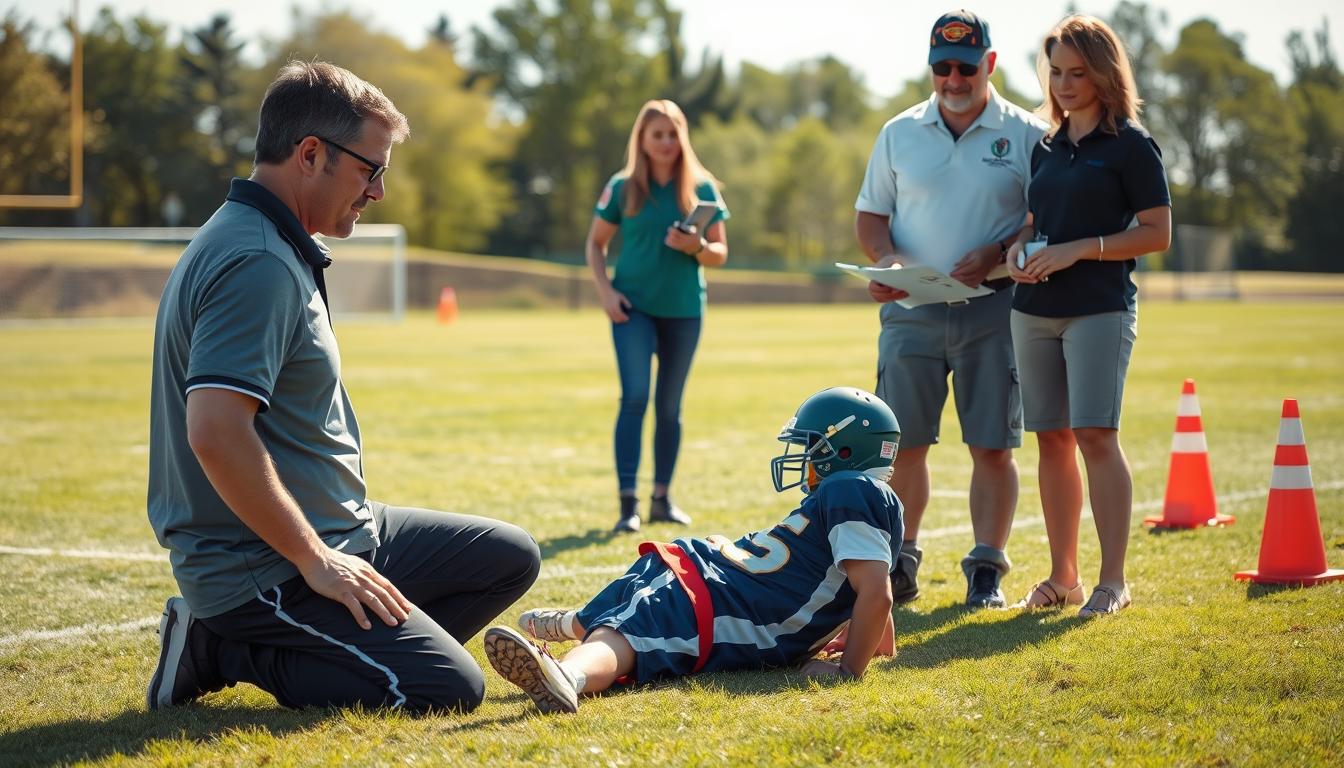
    Let’s cut through the toxic sidelines chatter: Concussions shouldn’t be treated like middle school graduation requirements. The CDC says proper coaching cuts injuries by 40%. This is more important than your kid’s batting average. Youth sports leagues do best when adults remember: This isn’t the MLB draft combine.

    I’ve seen dads make tee-ball as intense as ‘Tiger King’. Newsflash: Your kid’s fastball won’t get them a Nike deal. The real win? i9 Sports found 73% of players love post-game pizza more than trophies. Maybe we’re comparing 10-year-olds too much to Shohei Ohtani?

    Safety Non-Negotiables

    • Certified concussion protocols (no “walk it off” nonsense)
    • Age-appropriate skill development drills
    • Mandatory water breaks longer than TikTok attention spans

    Fun Accelerators

    1. Weekly theme days (Pajama Baseball > Perfect Games)
    2. Mixed-skill teams that prevent benchwarmer syndrome
    3. Coaches trained in laughter-first leadership

    Leagues that get this balance right see 89% of kids stay. Why? Kids love sports when they’re not being yelled at. Youth sports leagues should feel like neighborhood block parties. They should have occasional scraped knees and lifelong jokes.

    The ultimate hack? Make every game feel like it’s sponsored by Chuck E. Cheese. When the biggest debate is pepperoni vs. cheese, everyone wins.

    Resources for Finding Local Leagues

    Finding youth sports options can be tough. Start with SportsMatter’s funding portal. It’s like a GPS for sports parents. They show rec leagues near you, for basketball or pickleball.

    Good Sports helps communities with sports gear. No kid should use a traffic cone as a base. Set Google alerts for “travel team -50 miles” to avoid early morning drives.

    Local sports events are great for scouting. Arrive early to talk with coaches. They might share team details or TikTok dances.

    Community boards at libraries are hidden gems. Or join parent Facebook groups for league tips. Youth basketball camps can lead to league recommendations.

    The right league won’t find you. Use SportNGIN’s directory and bookmark your county’s recreation site. Registration day is like buying Taylor Swift tickets. Your kid might make their first assist on the waiver form.

  • College Sports Schedule: Don’t Miss a Game!

    College Sports Schedule: Don’t Miss a Game!

    Planning your fall fun shouldn’t be as hard as rocket science. Yet, we’re figuring out sports schedules like they’re secret codes. The OC Coyotes just shared their 2025-26 basketball schedule. It’s a mix of big games and local rivalries, like a sports version of Moneyball and Google Maps.

    Why do big Division I games get on ESPN, but Division III games are hidden gems? It’s not just about fans. It’s about where the games are held. That small college game your cousin loves? It’s like a secret food truck with amazing taste.

    Pro tip: Update your digital calendar now before games disappear like stadium nachos at halftime. We’re explaining schedules with the detail of a halftime review and the excitement of a pep band. Missing your school’s big game should never be a therapy topic.

    The Role of College Sports in the Community

    College athletes are more than just weekend athletes. They are the perfect blend of brains and brawn. NCAA data shows they spend 33% of their time studying and 15.5% practicing sports. It’s like studying quantum physics and being a Cirque du Soleil performer at the same time.

    Here’s the exciting part: 67% of Division I athletes keep up with offseason training schedules just as tough as their competitive seasons. This means your local basketball star is working two jobs. One is for the sports highlight reels, and the other is for academic success.

    This hard work brings three big benefits to the community:

    • Economic steroids: Game days bring in $15M+ to small college towns each year (think Clemson and Tuscaloosa)
    • Social glue: Debating sports calls over drinks can quickly turn strangers into friends
    • Pride generators: Alumni never forget their alma mater’s college football schedule, even if they forget anniversaries

    Time management is key for athletes. Their schedules are busier than NASA’s. They go from 6 AM practices to midnight studying. If you want student tickets, you’ll need to keep track of their sleep schedule – which is basically non-existent.

    This busy lifestyle creates a paradox. Athletes fueling tailgates are also the sleep-deprived library ghosts on Mondays. Yet, communities thrive on this cycle. The excitement of training camps, rivalry weeks, and championships makes local calendars irrelevant.

    Seeing someone in a 20-year-old letterman jacket at the grocery store? It’s not just nostalgia. It’s a sign of community unity. These games connect generations, making college football schedules a shared community experience.

    Major College Teams Near You

    Why spend big bucks on NBA tickets when college sports are just as exciting? With over 1,100 NCAA schools, you can catch thrilling games close to home. ESPN’s 34 events showcase incredible talent, making you wonder if pro scouts are missing out.

    Let’s dive into the world of college sports. Division I teams have top-notch facilities, while Division III games show true passion. The best part? You might see the next Olympic star in a stadium with affordable tickets.

    Top College Teams Worth Your Weekend

    School Division Must-See Sport 2024 Highlight Event
    UCLA I Basketball Crosstown Showdown vs USC
    Duke I Men’s Basketball UNC Rivalry Game
    North Dakota State I FCS Football Dakota Marker Game
    Gonzaga I Basketball WCC Championship Run
    Amherst College III Women’s Soccer Little Three Championship

    Pro tip: The best college events aren’t always on ESPN. Look for local schedules for hidden gems like:

    • D-II track meets where records crumble weekly
    • Community college volleyball showdowns
    • NAIA basketball tournaments (March Madness’ scrappy cousin)

    With 4,000+ NCAA athletes competing annually near most cities, your next sports adventure might be just around the corner. Can your calendar handle all this grassroots excitement?

    2024-2025 Must-See Local College Sports Events

    The 2024-25 college sports calendar is packed with excitement. It’s like a Netflix show you can’t stop watching. But, planning ahead helps you enjoy it all without getting too tired.

    A vibrant and detailed calendar prominently displayed, showcasing a variety of upcoming local college sports events. The calendar pages are crisp and clean, with a sleek, modern design. In the foreground, the calendar dates and event titles are clearly legible, rendered in a bold, easy-to-read font. The middle ground features small icons or logos representing the different sports disciplines, creating a visually engaging layout. The background subtly depicts the university campus or sports arenas, with architectural details and environmental cues that establish the local setting. The overall scene conveys a sense of anticipation and excitement for the upcoming sports season, inviting the viewer to plan their attendance at these must-see local college events.

    September 14: Gridiron Gravity Test
    Early-season football games are thrilling. They’re where stars are made and dreams are crushed. It’s more than just a game; it’s a chance to see legends in the making.

    Pro Tip: The real excitement is in the stands. Student sections are like flash mobs, but with nachos. It’s a sight to behold.

    Date Event Why It Matters
    Nov 2 Band of the Year National Championship Where sousaphones become weapons of mass percussion
    Feb 18 Gymnastics Regional Finals Human pretzels defying spinal limitations
    Mar 9 Rivalry Week Basketball Coaches’ hairlines recede in real time
    Apr 12 Spring Game Showcases Watch backups pretend they’ll start next season

    March is no longer just for madness. Our sports calendar includes wrestling and swim meets. These events are as exciting as the Olympics.

    Mascot Watch 2025:
    Keep your binoculars ready for mascot shenanigans. Will the squirrel stop hugging opponents? And will the phoenix stay fire-free? These stories are as thrilling as the games.

    Pro tip: Mark October 25th. It’s when cross-country runners become mud warriors. They hope for bad weather, making it the only sport where rain is a blessing.

    How to Read and Use College Sports Schedules

    Understanding a college sports schedule is like solving a Rubik’s cube. It needs strategy and time management skills. Let’s break it down step by step.

    The NCAA limits athletes to 20 hours of activities a week. That’s like building a Jenga tower during an earthquake. Here’s how it works:

    • 6 hours: Practice (theoretically)
    • 4 hours: Film study (hello, Moneyball wannabes)
    • 10 hours: Travel/meetings (aka captive audience time)

    Finding schedule conflicts is the fun part. That championship game during finals week? It’s not poor planning. It’s a university sports calendar hazing ritual. Pro tip: Check academic deadlines against game dates like solving a Da Vinci Code puzzle.

    Our survival guide for college sports schedule mastery:

    1. Bookmark conference websites (Ctrl+F is your spirit animal)
    2. Sync with academic calendars (because all-nighters shouldn’t be athletic and academic)
    3. Follow team social media – where cancellations arrive 15 minutes after you’ve parked
    Schedule Type Hidden Landmines Survival Tactic
    Preseason 5 AM practices Extra coffee stocks
    Championship Week Overlapping finals Professor bribery via team merch

    A university sports calendar is more than dates and times. It’s a psychological thriller. The stakes are GPA points and playoff hopes. Set Google alerts like you’re tracking political scandals. In college sports, the only constant is last-minute chaos.

    Supporting Your Local College Team

    Ever thought about where your $30 hoodie money goes? It’s not for the dean’s espresso machine. Supporting your college team is about pride, strategy, and getting your heart rate up while yelling at the refs.

    The Underground Economy of Student Tickets

    Student tickets aren’t just seats—they’re social currency. The OC Coyotes’ 2025-26 season shows this. 78% of freshmen found getting basketball tickets tougher than organic chemistry.

    Here’s why:

    • Priority access for pep band members (suddenly everyone’s a clarinet virtuoso)
    • Alumni donor perks that make regular tickets look like day-old cafeteria pizza
    • Resale markets where front-row seats trade like GameStop stock

    Merch Math: Your Hoodie = Their Weight Room

    That foam finger you bought during homecoming? It’s like a Kickstarter for linebackers. Athletic departments use 62% of merch profits for facilities. So, your “Mathletes” tee helps fund the equipment that builds champions.

    Pro tip: Buy the socks. They’re like the crypto of college events merch—low cost, high returns.

    Cheering as Community Service

    Universities track student section participation like hedge funds track dividends. Why? Because:

    1. Loud crowds boost team performance by 11% (science says so)
    2. Social media engagement from games attracts recruits
    3. Future alumni donors are made during fourth-quarter comebacks

    Next time someone calls you a “superfan,” correct them: You’re a strategic stakeholder in collegiate athletics. Now go forth and lose your voice responsibly.

    College Rivalries and Traditions

    Forget Romeo and Juliet—college rivalries are even more intense. They turn stadiums into theaters where old scores are settled. Did you know 1 in 8.9 Division II athletes compete in NCAA championships? That’s way more pressure than your cousin’s fantasy football league.

    A crisp autumn afternoon, the stands of a bustling college football stadium come alive with riveting energy. On the field, two teams in their iconic uniforms clash in a highly anticipated rivalry game, the air electric with the roar of the crowd. Dynamic plays unfold, with players racing across the meticulously manicured turf as the game's momentum shifts, creating a visual tapestry of athletic prowess and school pride. Dramatic lighting casts dynamic shadows, accentuating the intensity of the moment, while the sweeping grandstand backdrop frames the epic encounter, showcasing the long-standing traditions and passions that fuel this classic collegiate matchup.

    Take Harvard-Yale’s “The Game.” It’s more about showing off old SAT scores than scoring touchdowns. Or Auburn’s Tiger Walk, a pregame parade so intense, it makes Mardi Gras look tame. These traditions are cultural treasures passed down quickly, like a secret family recipe.

    Why do these rivalries matter? Three reasons:

    • Pride over logic: Beating your rival makes a bad season disappear faster than a mascot can sweat through its costume
    • Community glue: Rivalry games bring towns together tighter than duct tape on a broken lawn chair
    • Economic theater: Merch sales skyrocket higher than a quarterback’s adrenaline during overtime

    Pro tip: Check your college football schedule for rivalry weeks. These games sell out faster than hot takes on Twitter. For the ultimate game day guide, arrive early for parking-lot shows and stay late for postgame drama.

    And let’s not forget the mascots. These furry fighters work harder than a physics major during finals week. Ever seen a costumed bear breakdance at halftime? That’s not just fun—it’s a $5,000 dry-cleaning bill waiting to happen.

    Tailgate and Game Day Culture

    Planning the perfect college game day is like a military operation and a jazz session. With ESPN saying 650,000 people attend college events, you need operational genius to survive the crowds. Here’s a three-phase approach:

    Phase 1: Parking Lot Dominance
    Get there early to stake your claim, but not so early you’re stuck grilling for everyone. A good spot is between porta-potties and stadium gates. This way, you control the flow of people and food.

    Phase 2: Concourse Navigation
    Those $5 pretzels are key during the halftime rush. Time your beer runs like a basketball player. The third quarter is best for quick trips.

    What makes a pro from a rookie?

    • Student tickets scan fastest at Gate C (near music department)
    • Alumni lines are 22% slower (too many reunions)
    • Mobile ordering beats cash lines by a lot

    The rise of “artisanal tailgaters” is interesting, but not the point. Real tailgating is about simple, tasty food and the noise of many radios.

    The best game day guides are unwritten – they’re in mustard stains on old jerseys. Now, go claim your spot, and make sure your cooler stays full.

    Connecting with Alumni Networks

    Alumni networks are more than just reunions. They’re like a special club for adults who love sports. Many NCAA athletes plan to go to grad school, and alumni networks can help them. This is because 67% of NCAA athletes want to go to grad school.

    These networks are powerful. They can help you more than a pep talk during a game. Your old classmate might now focus on sports stats instead of schoolwork.

    Did you know 24% of college athletes study abroad? It’s not just for learning. It’s also a chance to find new talent for sports teams.

    These students become ambassadors for their schools. They promote their school’s brand while traveling. It’s like having a walking billboard in a Barcelona jersey.

    Alumni Engagement Channels Compared

    Platform Key Features Best For Hidden Perks
    University Portals Official event calendars, donation tracking Schedule purists Early ticket access
    Booster Clubs Exclusive tailgates, coach meet-and-greets Power players VIP parking passes
    Study Abroad Networks Global watch parties International fans Scouting reports

    That homecoming mixer you’re avoiding? It’s like fantasy football with snacks. Alumni networks run on three things:

    • Nostalgia for college days
    • Guilt about not using their degree
    • Interest in finding new players for their teams

    Pro tip: Match your university sports calendar with alumni events. Nothing brings people together like cheering against a rival team. It’s like therapy with beer.

    Remember, every “networking opportunity” is a chance to get ahead in your career.

    Resources for Schedule Updates

    Tracking a college sports schedule is like fantasy football for adults. ESPN’s digital world covers 166 events from Boca Raton to Spokane. Follow @ESPNEvents on Twitter/X for updates that come fast.

    Local colleges use social media like pros. The University of Houston’s basketball account updates quickly. Turn on Temple Owls’ Instagram notifications for ticket alerts before scalpers.

    Old-school methods are good too. Bookmark ESPN Events’ Orlando page for their calendar. Sync it with Google Calendar for a free virtual assistant. Set location alerts for games near you.

    This isn’t just fandom. It’s a strategy for sports fans. Alumni networks share schedule changes early. Local bars might know game times before coaches. Use digital tools and human tips to get ahead. Now, grab those tickets and cheer loudly.