Blog

  • Laguna Beach Pageant Highlights for Arts Fans

    Laguna Beach Pageant Highlights for Arts Fans

    The Laguna Beach Pageant and the Festival of Arts Fine Art Show sit at the center of Laguna Beach’s summer arts calendar, pairing juried visual art with a theatrical format that asks viewers to look slowly. For the 2026 season, the supported highlights are clear: the Festival of Arts Fine Art Show is scheduled for July 7 to September 3, 2026, and is described as featuring more than 100 award-winning Orange County artists at 650 Laguna Canyon Road, according to the official Festival of Arts site.

    That pairing matters because the event is not simply an exhibition with an evening performance attached. It places local artists, art education, stagecraft, music, and art-historical reference in close contact. For community organizers, collectors, visiting families, and artists watching audience behavior, the season offers a useful case study in how an arts festival can gather different publics without reducing art to a single kind of experience.

    2026 Festival Season At A Glance

    What Is Firmly Supported For 2026

    The Festival of Arts Fine Art Show is presented in the research as running from July 7 through September 3, 2026. The same research states that the show features more than 100 award-winning Orange County artists. Those details support a practical reading of the event: visitors can treat the Fine Art Show as a sustained summer exhibition rather than a single-night program. That longer run gives audiences more than one way to engage, whether through a focused art visit, an evening paired with the Pageant, or a return trip after seeing work that invites closer attention.

    The season also includes the Pageant of the Masters, with the 2026 theme listed as “The Greatest of All Time.” The published event description names artists including Michelangelo, Picasso, Monet, Van Gogh, Kahlo, and Rockwell as part of the 2026 framing, according to SparkOC’s event listing. That selection signals a theme built around widely recognized figures, though recognition alone should not be confused with simple interpretation. Each name carries a different set of cultural, historical, and visual associations.

    How To Read The Schedule Claims Carefully

    The research notes nightly Pageant performances from July 9 to September 4, 2026, at 8:30 PM in the Irvine Bowl amphitheater. Because event details can change, especially ticketing, access, and day-by-day availability, readers should verify timing directly with official event channels before making plans. That caution is not a lack of confidence in the season; it is a fair standard for arts coverage. The difference between a general season highlight and a dated itinerary matters for visitors booking travel, arranging group attendance, or coordinating accessibility needs.

    For arts communities, the long season also changes the rhythm of participation. A local painter showing work across many weeks may meet casual tourists, returning collectors, students, and other artists. A theater crew supporting a nightly production may be working within a repeatable structure while still relying on precision, stamina, and live audience energy. Those two modes of presentation sit side by side, and that is part of the event’s appeal.

    Laguna Beach Pageant As A Living-Art Form

    Why The Laguna Beach Pageant Format Matters

    The Laguna Beach Pageant is best understood through its “living pictures” format, in which people are staged to recreate artworks. The basic concept may sound direct, yet its effect depends on a layered collaboration among scenic design, costume work, lighting, makeup, music, narration, and disciplined stillness. The audience is not only seeing a reproduction. It is watching human labor create the illusion of a painted or sculpted image.

    That distinction is useful for anyone thinking about art history in public life. A museum wall text usually asks a viewer to stand before an object. The Pageant asks the viewer to consider how an image can be restaged by bodies and craft teams. This does not replace the original artwork, and it should not be treated as a substitute for studying the artist’s context. It can, however, prompt questions that are valuable for arts education: What makes an image recognizable? Which details carry the identity of a work? How much does lighting guide interpretation? What happens when a still artwork becomes a timed performance?

    Respecting The Source Art And The Stage Artists

    A cautious reading also respects the many hands involved. The named masters in the 2026 theme are famous, but a live production is not carried by fame alone. It depends on contemporary artists and technicians who build the audience experience. In community arts coverage, that point deserves care. Celebrating recognizable art-historical references should not erase the people who construct scenery, fit costumes, prepare performers, arrange music, or guide visitors through the site.

    Rights and reproduction questions should also be framed with care. Public presentations inspired by artworks can involve different permissions, public-domain considerations, estate interests, venue policies, and production choices. This article is not offering legal advice. For artists, sellers, and educators, the safer principle is to avoid assuming that a famous image is free to reuse commercially and to check the relevant rights status before making derivative goods, marketing materials, or fan merchandise.

    Reading The Artist List With Care

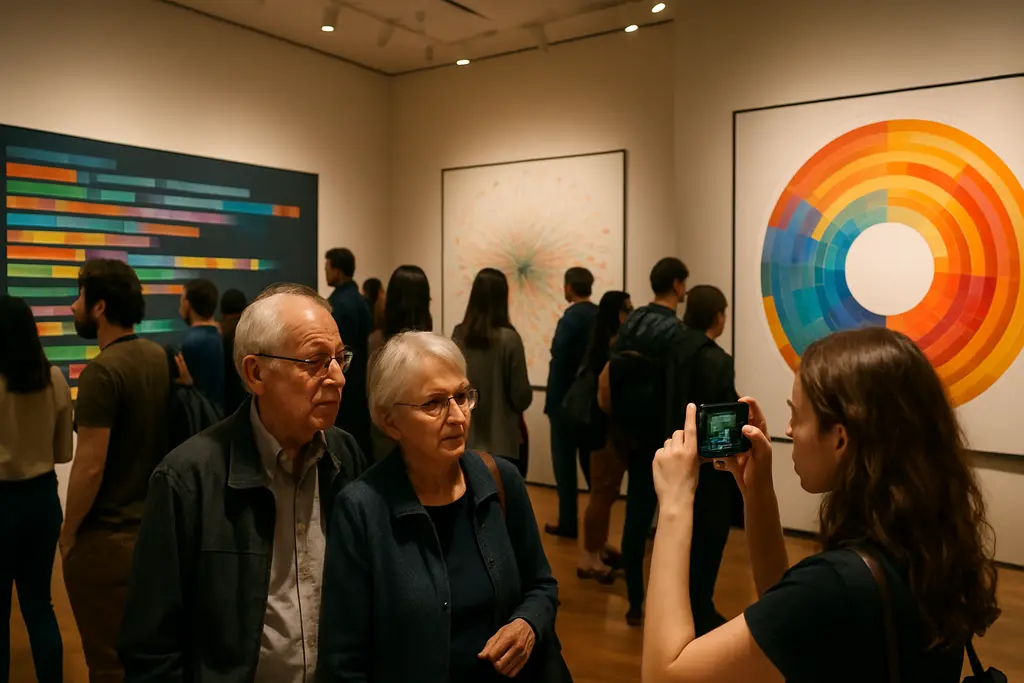
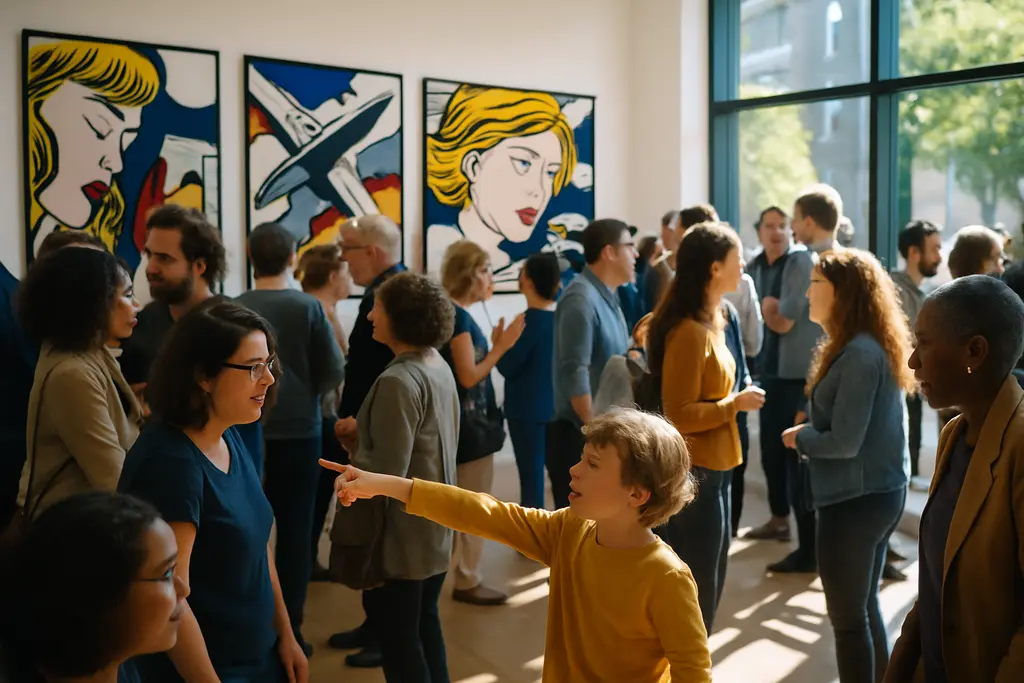
    Gallery visitor studying a painting beside other framed artworks

    Familiar Names Do Not Mean Simple Meanings

    The 2026 Laguna Beach Pageant title, “The Greatest of All Time,” invites comparison across very different artistic traditions. Michelangelo and Monet do not ask the same things of a viewer. Picasso and Rockwell occupy different positions in art discourse and popular memory. Van Gogh and Kahlo are both globally recognizable, yet their public images are often shaped by biography as much as formal analysis. That makes the theme appealing, but it also calls for restraint in how we speak about influence and greatness.

    Ranking artists can be entertaining, but it can flatten history if handled carelessly. A stronger reading asks what each selection contributes to the evening’s visual argument. Does the production draw attention to composition, color, gesture, cultural symbolism, or public memory? Does it invite audiences to revisit an artist they thought they already knew? The answer may differ from scene to scene, and the value of the Pageant may lie partly in that variation.

    Festival Viewing Beyond The Famous Names

    The Fine Art Show adds a counterweight to the canon-centered Pageant theme. More than 100 Orange County artists are presented in the research, which means visitors have a chance to move from historical reference into current regional practice. That movement is healthy for an arts audience. It reminds us that art is not only preserved in major names; it is also made, discussed, priced, taught, and collected within living communities.

    A summer art show can reveal how artists present bodies of work, speak with visitors, price original pieces, and build trust without relying on exaggerated claims. None of that requires unsupported trend language. It requires patient looking and fair attention to the maker’s own stated practice.

    • Visitors interested in collecting can ask artists about medium, process, edition size, and care instructions.
    • Students can compare how contemporary artists use color, scale, subject, and materials after seeing staged references to historic works.
    • Community groups can treat the event as a model for pairing performance, exhibition, education, and public gathering.

    Laguna Beach Pageant Community Context

    Why The Event Still Rewards Slow Attendance

    The Laguna Beach Pageant works best when visitors allow time for both sides of the experience. Arriving only for a performance may satisfy a schedule, but it can miss the dialogue between the Fine Art Show and the staged production. The exhibition gives viewers contact with working regional artists. The Pageant then places art history into a theatrical frame. Together, they create a broader civic arts experience than either format would offer alone.

    From a community-organizing perspective, that combination is worth studying. The event connects tourism with local creative labor, but the relationship should not be romanticized. Large seasonal events require planning, staffing, crowd management, and clear visitor information. They also depend on audiences who treat artists, workers, volunteers, and fellow guests with respect. Good cultural participation is not passive consumption; it is a form of attention.

    The 2026 season’s most useful highlight may be this balance: a fine art show centered on Orange County artists, paired with a Pageant theme that draws on major names from art history and popular visual memory. If visitors approach the season with curiosity rather than checklist thinking, the event can support both enjoyment and deeper art literacy. That is the kind of public arts gathering Laguna Beach continues to be associated with in the research provided: not just a night out, but a structured meeting point for art, performance, and community life.

  • Inside Indie Touring Life: Long Drives, Small Venues and Big Dreams

    Inside Indie Touring Life: Long Drives, Small Venues and Big Dreams

    When you think of the tour lifestyle, you might picture wild parties and fancy hotel rooms. But the real deal is much less flashy. Ryan Cassata jokes that the parties and groupies are rare for indie artists on tour.

    It’s more about the daily struggles than the glamour. You might be worried about filling ice buckets instead of living like a rock star. The truth is far from the MTV Cribs fantasy.

    This life is more like running a small business on wheels than being a rock star. You could be looking at Google Maps, trying to decide if you can afford a second hot dog at a gas station. It’s chaotic, but it teaches you a lot about money and people.

    From trying to get a venue to book you to dealing with the logistical mess, the tour lifestyle is both strange and fulfilling. So, get ready to learn the real side of life on the road.

    Booking the route anchors soft holds and radius clauses

    Booking shows as an indie artist can be like searching for a needle in a haystack. Every email you send is a step into the unknown. Your pitch might get lost among spam, making it tough to stand out. Ryan Cassata says, “I send dozens of emails. I explain who I am, what I’ve done, and when I want to perform. But most venues never reply.”

    The first win is the soft hold. It’s not a sure thing but a “maybe” that can vanish fast. It’s a small victory but vital for indie artists. This stage is delicate, like holding a glass ornament that can break easily.

    Then, there’s the challenge of planning your tour route. It’s not just about drawing a line on a map. You must avoid the radius clause, a no-go zone around venues. You can’t just play in the next town because of this rule. One wrong move can ruin your tour, leading to lost money and long, silent drives.

    The email abyss and the art of the soft hold

    When you’re lost in emails, patience is key. The soft hold is an art that requires balance. You must keep in touch without seeming too eager. It’s like walking a tightrope, where too much pressure can scare off venues, and too little might lose you your spot.

    Radius clauses: why you can’t play two towns over

    Radius clauses are a necessary part of indie touring. They protect venues but can limit artists. You might not be able to play in nearby towns for weeks or months. This can be frustrating, knowing there’s an audience just a short distance away.

    Aspect Soft Hold Radius Clause
    Definition Tentative booking Contractual restriction
    Impact on Touring Uncertain Limits performance locations
    Negotiation Requires finesse Non-negotiable
    Outcome Potential booking Possible lost opportunities

    In conclusion, booking your tour is a complex challenge. It needs artistic talent and strategic thinking. Deal with the chaos of emails, master the soft hold, and handle radius clauses wisely. Only then can you make your indie touring dreams come true.

    Budget sheet fuel tolls crew per diems and break even math

    For indie artists, the budget sheet is a constant reminder that dreams often come with a price tag. The romantic notion of touring fades when you dive into the numbers. Fuel isn’t just a line item; it’s a hungry beast that devours your merch money faster than you can say “next gig.”

    Tolls? They’re the surprise micro-aggressions of the highway system, popping up when you least expect them. And let’s not forget the crew—the noble souls you’re paying in experience and, if the math gods smile, a per diem that might just cover a sad gas-station sandwich.

    The break-even point isn’t merely a goal; it’s a shimmering oasis that constantly recedes. You’ll find yourself doing mental gymnastics to justify a $30 t-shirt sale as “covering the hotel.” When profit feels like a statistical anomaly, you learn to redefine success in units of “didn’t have to sleep in the van” and “no one quit to go to law school.”

    The break even illusion when profit feels like a miracle

    Cassata puts it bluntly: “An indie tour is definitely not going to make you rich; I mean, we consider ourselves very lucky if we break even.” This stark reality hits hard. Each dollar spent feels like a gamble, and every sale becomes a desperate prayer for financial survival.

    When you look at the budget sheet, you realize that breaking even is often the only win you can count on. The margins are thin, and the expenses pile up faster than you can track them. You might sell a few more t-shirts, but is it enough to cover the gas? The numbers often don’t lie, but they can be misleading.

    Crew per diems feeding the family on $15 a day

    Now, let’s talk about crew per diems. Imagine trying to feed three more mouths on just $15 a day. It’s a challenge that requires creativity and a healthy dose of denial. Those who are part of the indie touring experience know that every dollar counts.

    In a world where the average meal costs more than your entire daily budget, finding ways to stretch that per diem becomes an art form. It’s about choosing between a hot meal or a few snacks that will last until the next show. The struggle is real, but it’s also a shared experience that bonds the crew.

    In a bustling tour van interior illuminated by soft, warm lighting, a young indie band evaluates their budget on a rustic wooden table cluttered with colorful receipts and spreadsheets. In the foreground, a close-up reveals detailed line items on a budget sheet, emphasizing fuel costs, tolls, crew salaries, per diems, and break-even calculations. In the middle ground, band members, dressed in casual yet professional attire, actively discuss the financial challenges, their expressions a mix of concentration and concern. The background shows an open window revealing a scenic highway stretching into the sunset, symbolizing the journey ahead. The atmosphere is filled with a sense of camaraderie, determination, and the realities of life on the road. The image is captured with a shallow depth of field, creating a warm and intimate feel.

    Gear pack van Tetris fly rig vs backline rentals insurance

    Packing for a tour is like solving a Rubik’s Cube blindfolded. Your van is a space battle with amplifiers, guitars, and merch bins. It’s van life chaos, where finding space is a daily struggle.

    Van Tetris is a game of spatial reasoning. One wrong move could damage your gear. But, a fly rig offers a minimalist solution. It’s a pedalboard that fits in an overhead bin, simplifying your setup.

    Backline roulette is another risk. You might get a stranger’s gear that could be great or terrible. And don’t forget the bass amp that might smell bad. It’s a gamble, but sometimes it’s the only choice.

    Insurance looms over these decisions. It’s the policy you hope you’ll never use. Yet, it protects you from minor mishaps. Touring requires preparation and a bit of luck.

    Daily rhythm load in soundcheck meet and greet set and strike

    Every day on the road starts with a routine that’s tough but familiar. As soon as you step out of the van, the heat hits you hard. It’s time to load everything into the venue, turning you into a human pack mule.

    With the sun beating down, you carry the equipment into the venue. You joke, “People always ask how I have muscles; this is how! I don’t lift weights. I lift amps!!” This isn’t just a workout; it’s the start of your daily performance.

    After sweating through the load-in, you move to soundcheck. Here, you control the sound, but briefly. You might fix a pedal, adjust levels, and get ready for the chaos ahead.

    The 90 degree load in a cardiovascular event with a purpose

    Then, it’s time for the show. The performance is a 45-minute rush of music, where all pain and tiredness disappear. You’re lost in the music, in the moment, until reality hits hard again.

    After the show, the meet-and-greet begins. You become a smiling therapist, a merchandise model, and a selfie stick all at once. Amidst the chaos, you’re planning the strike, dismantling the dream you just built.

    This is the cruelest part: taking everything apart in just 20 minutes. The venue has a club night starting, and the bouncer is already eyeing you. You must quickly change from performer to packer, testing your efficiency.

    The post show strike dismantling the dream in 20 minutes flat

    This daily rhythm of van life is a mix of hard work and emotional ups and downs. It’s a cycle of building and taking apart, creating moments that are brief but deep. Each day, you repeat this dance, knowing the music is worth every drop of sweat.

    A vibrant scene depicting the daily rhythm of van life for a modern indie music act. In the foreground, a diverse group of musicians, dressed in casual yet professional attire, engage in a lively soundcheck near their colorful camper van. Instruments, like guitars and a keyboard, are set up, creating a dynamic atmosphere. In the middle ground, fellow band members participate in a friendly meet and greet with fans, radiating warmth and connection. In the background, a picturesque landscape of mountains and trees bathes in soft golden hour light enhances the serene vibe. The angle is slightly elevated to capture both the intimate band activities and the expansive nature setting, evoking a sense of adventure and camaraderie. The overall mood is relaxed yet energized, embodying the essence of life on the road.

    Merch science placement pricing bundles and square vs cash

    Mastering your merch strategy can turn a simple table into a bustling retail spot. The merch table is where the real excitement happens, often overshadowed by the stage. It’s not just about selling t-shirts; it’s about creating an experience that can fund your next meal.

    Placement is key. Imagine your merch table stuck in a dark corner, fighting for attention against the bar’s bright lights. You’re not just selling; you’re competing for attention. Every person who walks by is a possible buyer, and your goal is to draw them in. A good spot can mean the difference between eating well and going hungry.

    The Merch Table as a Retail Pop-Up in a Dark Corner

    Think of your merch table as a pop-up shop. It’s not just about showing products; it’s about creating a memorable moment. This is where you can turn casual fans into brand ambassadors. Offer bundles, like a t-shirt and sticker together, to make a deal that feels like a value.

    When someone buys a bundle, they’re not just getting a good price; they’re investing in your brand. This is how you build a community, one t-shirt at a time.

    Square vs Cash: The Psychology of the Tap

    Now, let’s talk about how you take payments. Square makes it easy and fast, giving you a quick digital payment. But cash is different. It’s private and doesn’t cost you any fees. Watching people decide between Square and cash can be interesting. You get to see the hesitation and the choice between digital and physical.

    In the end, whether you use Square or cash, each sale brings you closer to making it on the road. With the right merch strategy, you’re not just selling; you’re building a community, one t-shirt at a time.

    Item Price Bundle Option
    T-Shirt $25 T-Shirt + Sticker for $30
    Hoodie $50 Hoodie + T-Shirt for $70
    Sticker $5 3 Stickers for $12

    A vibrant scene of a merchandise strategy meeting in a modern indie act's tour setting. In the foreground, a young artist in casual yet professional clothing discusses a colorful array of merchandise items, including t-shirts, vinyl records, and hats, all displayed on a polished wooden table. In the middle ground, a diverse group of team members, wearing smart-casual attire, examines pricing charts and bundle options on their laptops. The background showcases a well-decorated tour bus with artistic stickers and posters, reflecting the indie music scene. Use warm, natural lighting to create an inviting atmosphere, with a slightly tilted angle to add dynamism to the composition, emphasizing collaboration and creativity in the world of merch strategy.

    Health hacks sleep stacking vocal care stretching and post show calm

    Health is a key partner when you’re touring. Cassata says, “sleep is essential because touring is a lot of hard work.” But getting enough sleep can feel like a luxury. That’s where sleep stacking comes in, making sleep a strategic game.

    Sleep Stacking: Why 6 Hours is a Luxury Suite for Your Brain

    Think of sleep as a valuable resource. Six hours might seem little, but it’s precious on the road. It’s like strategic unconsciousness to keep your brain sharp during long drives and early sound checks.

    Quality sleep is hard to get in a small van or motel room. You might need earplugs and blackout curtains. Every minute is important, and getting sick is a risk you can’t afford.

    Vocal Care on a Diet of Gas Station Coffee and Hope

    Vocal care is often overlooked, but it’s vital. With a diet of gas station coffee and sandwiches, keeping your voice healthy is tough. Steam showers and silence become rare treats.

    It’s important to treat your voice like an instrument. Stay hydrated and avoid things that can hurt your throat. When the show ends, recovery is key.

    Stretching: Un-Pretzel Your Spine After a 10-Hour Drive

    Stretching is essential after a long drive. It helps you feel like a rock star, not a pretzel.

    Here are some stretches to help:

    • Neck rolls to ease tension
    • Shoulder shrugs to release tightness
    • Hamstring stretches to counteract long hours of sitting
    Health Hack Description Benefits
    Sleep Stacking Strategically accumulating sleep in chunks Improves cognitive function
    Vocal Care Hydration and steam treatments Maintains vocal health
    Stretching Regular stretching exercises Reduces muscle tension

    After the show, finding calm is hard. Your body is like a cymbal ringing. Winding down is a process. It’s like convincing your body that the danger is over.

    Keeping healthy on the road is about thriving, not just surviving. With the right hacks, you can stay in top shape. This way, the music never stops.

    For more on recovery, read this article on recovery for local athletes and weekend warriors.

    Safety protocols boundaries for fans theft prevention and driving plans

    Every road warrior knows that a successful tour hinges on more than just talent; safety is key. Physical safety is the foundation of health on the road. It may sound paranoid, but these protocols often prove prophetic. Setting boundaries with fans can be a delicate diplomatic dance.

    To avoid theft, you must make your van look like a boring sedan. Not a treasure chest of vintage synthesizers. Here are some tips for theft prevention:

    Tip Description Effectiveness
    Park Wisely Choose well-lit areas with security cameras. High
    Keep Gear Out of Sight Hide equipment to deter thieves. Medium
    Use Decoy Bags Fill fake bags with less valuable items. High

    Understanding urban geography is vital. Knowing which parking lots offer light, cameras, and low foot traffic is key. Your driving plan is a contract with sanity. It’s a promise not to become a cautionary tale, another band wrapped around a guardrail.

    Before you hit the road, remember Cassata’s advice: “My car needs an oil change and tune-up before I drive thousands of miles.” Take care of your vehicle; it’s your lifeline. Following these safety protocols will ensure you stay healthy on the road, allowing you to focus on what you do best—creating music.

    Green touring efforts reusable bottles offset choices and local sourcing

    Making tours green is like juggling while riding a unicycle. It’s impressive but hard. Reusable water bottles are a symbol of trying to do good. But, often, we forget to fill them up, and the tap water tastes bad.

    Choosing to offset carbon emissions is like paying for peace of mind. But, the real change comes from buying local. It’s not just about food; it’s about connecting with the place you’re in.

    Choosing local food means skipping big chains for small, family-owned places. It’s about finding a taco truck instead of a fast food joint. It’s also about walking to a store for breakfast, like Cassata does. This way, you see more of the city and eat better, all while saving money.

    The reusable bottle as a symbol of hope and forgotten hydration

    Reusable bottles are more than just green; they’re a statement. They remind us to drink water and care for our planet. But, they often sit unused in our bags, reminding us of our forgetfulness.

    Local sourcing eating your way through a city’s soul on a budget

    Buying local is about embracing the culture of the places we visit. It’s about finding unique spots instead of sticking to what we know. Imagine eating a burrito with ingredients from the local farmers. Each bite tells a story of the city’s food history.

    City Local Dish Source
    Los Angeles Taco Truck Tacos Corner of 5th and Main
    Austin Brisket from a Local BBQ Franklin Barbecue
    New Orleans Gumbo Central Grocery

    The tour lifestyle is about more than music; it’s about the connections and stories we collect. For more on sustainable tours and which artists are leading the way, read this article.

    Post tour decompression archiving footage content cadence

    The van is empty, but your mind is buzzing. Post-tour life is like a jigsaw puzzle with pieces scattered everywhere. First, you need to count the merch and tally the cash.

    This isn’t just about the t-shirts. It’s about measuring the value of your hard work and sleepless nights. Each dollar is a moment, a memory, and a bit of exhaustion.

    Then, you start archiving. You go through hours of shaky footage, looking for those special moments. This turns you into a media archivist and a content strategist.

    You craft a story from chaos. The result is a content cadence that turns three weeks of madness into a month of engaging posts.

    With a solid merch strategy, you can keep the tour’s spirit alive. The audience craves that connection. This calculated drip-feed of nostalgia keeps them engaged.

    As you start booking again, remember that every end is just a new beginning.

  • Built on Water and Port Memory in San Pedro

    Built on Water and Port Memory in San Pedro

    Built on Water: Contemporary Art Reflections on the Port of Los Angeles is an exhibition at Angels Gate Cultural Center in San Pedro, California, scheduled from June 27 to August 22, 2026. The show centers on the human impact on the economy and ecology of the Ports of Los Angeles and Long Beach, with a stated interest in imagining a future where memories surface, nature reclaims, and progress is made. That framing gives viewers a compact but demanding subject: the port as infrastructure, workplace, ecological site, and archive of community experience.

    How Built on Water Frames A Working Port

    Port Infrastructure As Cultural Subject

    The Ports of Los Angeles and Long Beach are not treated here as neutral background. Based on the exhibition description, the curatorial frame links industry, water, economy, ecology, and memory. That combination is significant because ports often appear in public life through logistics language: movement, throughput, trade, and expansion. Contemporary art can slow that vocabulary down. It can ask what is being moved, what is being displaced, what is remembered, and what forms of repair are being imagined.

    Angels Gate Cultural Center lists Cecelia Caro, its Director of Exhibitions, as curator, and gives the gallery hours as Thursday, Friday, and Saturday from 10 am to 5 pm at 3601 S. Gaffey St. in San Pedro Angels Gate event page. Those practical details matter because the exhibition is rooted in place. San Pedro is not just an address for the show; it is part of the interpretive setting. A visitor arrives near the systems being considered, which can change the pace of attention before any single work is discussed.

    Built on Water As A Public Learning Setting

    Built on Water works especially well as a public learning subject because it joins visual art with civic literacy. As a creative educator, I tend to value exhibitions that invite visitors to connect sensory observation with social questions. The show’s theme supports that kind of looking: not a quick scan for a single message, but a sequence of questions about what water carries, what industry makes visible, and what communities remember.

    There is also a wellness dimension, handled cautiously. A gallery cannot undo the pressures of environmental or economic systems. Still, a public art space can offer structured time for attention, conversation, and reflection. For artists and audiences living near working industrial sites, that reflective time can be meaningful without being overstated as a cure or solution.

    Artists, Materials, And Port Memory

    The Five Featured Artists

    The exhibition features Flora Kao, Kaya & Blank, Jennifer Gunlock, Hilary Norcliffe, and Katie E. Stubblefield. The available exhibition information does not support broad claims about a unified style among the artists, so it is more accurate to describe the show through its shared site of inquiry: the ports and their human, economic, and ecological effects. That distinction is respectful to the artists. A group exhibition can create dialogue without collapsing distinct practices into one aesthetic label.

    • Flora Kao
    • Kaya & Blank
    • Jennifer Gunlock
    • Hilary Norcliffe
    • Katie E. Stubblefield

    Hilary Norcliffe is identified by California State University, Long Beach as both a lecturer and alumna, with her participation noted in connection with this group show at Angels Gate Cultural Center CSULB School of Art note. That institutional connection offers one grounded point of context, but it should not be stretched into a claim about the entire exhibition. The safer reading is that the show brings together artists whose works are presented under a shared port-focused curatorial frame.

    Memory, Ecology, And The Limits Of Interpretation

    Rather than treating Built on Water as a simple celebration of harbor imagery, the exhibition description points toward a more charged set of concerns. Human impact is named directly. Economy and ecology are paired directly. That pairing matters because port activity is both material and social: it depends on waterways, built structures, labor systems, and surrounding communities. Art criticism should be careful here. Without access to every object in the show, it would be risky to assign fixed meanings to individual works. What can be said is that the exhibition’s stated premise encourages viewers to consider how industrial systems leave marks on land, water, memory, and imagination.

    For those interested in related discussions on arts and civic culture, Kay Granger provides additional insights into public life, cultural institutions, and community-facing storytelling. In this context, that broader civic lens is relevant because an exhibition about ports is also an exhibition about shared space and public consequence.

    Viewing The Exhibition With Care

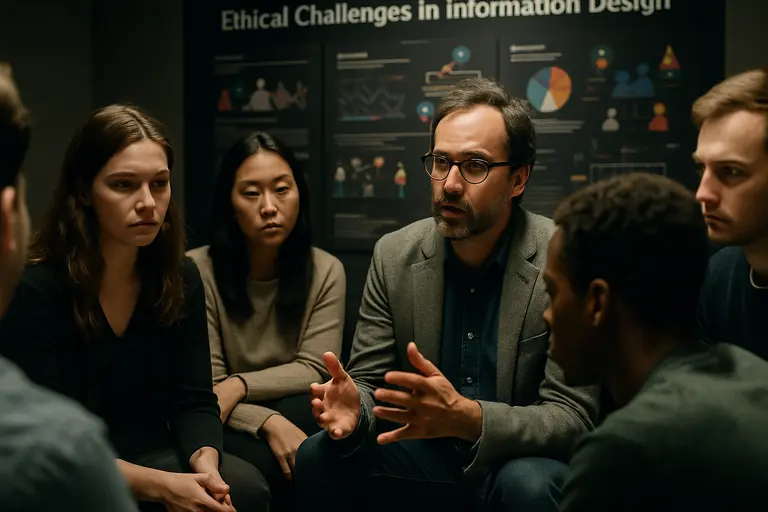
    Small group in an art gallery discussing work near a harbor-facing community

    A Slow-Looking Approach

    A thoughtful visit can begin with form before theme. What materials are visible? Does an artwork seem to emphasize surface, trace, scale, absence, repetition, or repair? After that first pass, the visitor can connect the work back to the exhibition’s stated interests in memory, nature, and progress. This order helps avoid forcing the art into a prewritten argument. It also gives each artist’s work room to operate on its own terms.

    Built on Water may be especially productive for students, educators, and community groups because its subject crosses disciplines. Art history, environmental studies, urban planning, labor history, and local memory can all enter the discussion, as long as the conversation stays anchored to what the exhibition actually presents. A class visit, for example, could ask learners to separate three forms of evidence: what they see in the artwork, what the wall text or exhibition description states, and what they already know or believe about ports. That separation builds critical thinking and keeps interpretation honest.

    Wellness, Attention, And Community Respect

    For artists and audiences, exhibitions dealing with environmental pressure or industrial change can be emotionally demanding. A wellness-aware viewing practice does not mean softening the subject. It means pacing attention, allowing pauses, and making room for more than one response. Some viewers may focus on ecological concern. Others may think first about family histories, work, migration, trade, or neighborhood change. None of those responses should be treated as the single correct entry point unless the artwork itself demands it.

    The exhibition is supported by the Department of Cultural Affairs, City of Los Angeles; the Port of Los Angeles; the Port of Long Beach; and the Los Angeles County Department of Art and Culture. That support structure places the show within public and civic arts funding, but support should not be confused with interpretation. Viewers still need to assess the artworks, the curatorial framing, and the gallery experience carefully.

    Built on Water At Angels Gate Cultural Center

    Why The San Pedro Setting Matters

    San Pedro gives the exhibition a direct geographic relationship to the Port of Los Angeles. That proximity does not make the exhibition self-explanatory, but it does sharpen its stakes. A port can be seen as a site of movement and economic function, yet the show’s title and theme suggest another layer: what is built on water is also built on memory, ecological change, and human decision-making.

    For viewers, Built on Water offers a chance to practice careful cultural attention. The most responsible reading is not to claim that the exhibition resolves the tensions of port life. It is better to say that it gathers five artists under a curatorial question about economy, ecology, memory, nature, and progress. That question is timely for San Pedro because the port is not an abstract symbol there. It is a nearby system with visible forms and lived effects.

    Seen this way, the exhibition becomes both an art event and an invitation to civic reflection. Its strength, based on the available information, lies in the relationship between place and inquiry: contemporary artists considering how a major port is remembered, used, imagined, and questioned. Visitors who bring patience, respect, and a willingness to look twice are likely to leave with better questions than they had on arrival.

  • Andrew Edlin Show On American Place Traditions

    Andrew Edlin Show On American Place Traditions

    The Andrew Edlin Show gives culture readers a useful case study in how art about place can hold several arguments at once. The exhibition, presented in New York City in summer 2026, gathers works that approach terrain, memory, built space, national identity, and cultural belonging through different materials and levels of public recognition. Based on the published exhibition information, its structure is not limited to a single school, period, or medium. That breadth makes the show especially relevant for viewers interested in how older pictorial traditions are being re-read through contemporary questions about identity and environment.

    Any account of this exhibition should remain careful about scale and meaning. The available sources identify the dates, venue, participating artists, media, and stated commemorative frame, but they do not provide a full checklist in the research notes here or visitor-response data. For that reason, the strongest reading is not that the exhibition proves a broad cultural trend. It is better understood as a curated argument: one gallery’s summer grouping of artists from North and South America, arranged to test how images of place can carry personal, social, and historical weight.

    What The Andrew Edlin Show Establishes

    Andrew Edlin Show Dates And Setting

    The gallery lists the exhibition dates as July 1 to August 14, 2026, at Andrew Edlin Gallery, 392 Broadway, 2nd Floor, New York, NY 10013. It also gives weekday hours of Monday to Friday, 10 am to 6 pm, and identifies the presentation as connected to America’s 250th anniversary Andrew Edlin Gallery details. Those facts matter because the show is framed not only as a seasonal group exhibition, but as a reflection on national identity through images and objects centered on place.

    For visitors, the Andrew Edlin Show is positioned in a commercial gallery rather than a museum, yet the premise has museum-like stakes. The 250th anniversary frame invites viewers to ask how America is pictured, who is included in that act of picturing, and how regional or imagined spaces contribute to cultural memory. A gallery exhibition cannot answer those questions by itself, but it can stage them through selection and proximity.

    Why The Venue Context Matters

    Andrew Edlin Gallery was established in 2001 and is described in the exhibition notice as specializing in emerging and seminal self-taught American artists as well as European art brut masters. The same notice states that the show features more than 50 artists from North and South America and includes paintings, drawings, photographs, collages, and mixed-media works Meer exhibition notice. That institutional context is significant. It suggests that the exhibition’s comparison set is not restricted to academic painting or familiar art-historical categories.

    Bringing self-taught, art brut, emerging, lesser-known, and widely recognized names into one presentation can unsettle an easy hierarchy between trained and non-trained production. The risk, if handled poorly, would be flattening distinct practices into a single theme. The promise, if handled with care, is that viewers can compare how different makers build meaning from place without requiring every work to share the same artistic vocabulary.

    Artists, Media, And Curatorial Friction

    Recognized Names Beside Less Familiar Voices

    The gallery information names Henry Darger, Agnes Denes, Jane Freilicher, and Stephen Shore among the included artists. Even that short list signals a wide set of approaches. Darger is often discussed in relation to self-taught art; Denes is associated with conceptual and ecological concerns; Freilicher is linked with painting and intimate observation; Shore is widely known for photography. The research notes do not specify which works by each artist are included, so it would be misleading to infer exact visual pairings. Still, their presence indicates a curatorial field where place is not treated as one stable genre.

    This is where the exhibition’s friction becomes productive. A painting of a seen place, a photograph of a road or built environment, a mixed-media construction, and a drawn imagined world do not function in the same way. Each medium handles evidence differently. Photography may suggest direct encounter, although it is still composed and selected. Drawing can make interior geographies visible. Collage can join fragments that would not coexist in ordinary space. Mixed media can make the support, surface, and material choices part of the work’s meaning.

    Media Range As An Interpretive Clue

    The reported inclusion of paintings, drawings, photographs, collages, and mixed-media works helps viewers resist a narrow definition of art about place. A traditional reading might look for horizon lines, countryside, weather, or urban views. A broader reading asks how artists map experience. That map may be geographic, psychological, ecological, political, or domestic. The exhibition’s cross-media format supports that broader reading, while still leaving room for close attention to individual works.

    For makers and culture workers, this also raises a useful creator-commerce point. Artists who work with images of place often depend on more than scenic appeal. Titles, materials, scale, edition format, and presentation context shape how audiences read the work. Sellers and curators should avoid reducing such works to decorative backdrops, especially when the subject touches identity, displacement, land use, or collective memory. Respectful presentation means naming what is known, avoiding claims that cannot be sourced, and letting the work’s stated context guide interpretation.

    Why The Andrew Edlin Show Matters For Place

    Identity Without A Single National Image

    The Andrew Edlin Show is tied, through the gallery’s stated theme, to America’s 250th anniversary. That anniversary frame can invite patriotic certainty, but the exhibition’s reported range points in a more open direction. With artists from North and South America and works spanning several media, the show appears to treat America as a contested cultural idea rather than a single fixed image. That distinction is important. A country can be pictured through monuments, farms, cities, coastlines, interiors, roads, ruins, speculative scenes, or traces of environmental change.

    Because the sources describe the exhibition as creating unexpected dialogues, the value of the show likely sits in comparison rather than uniformity. A viewer may move from a recognizable view to an imagined scene, or from a refined surface to a rougher material language. Those shifts can make the category of place feel less passive. It becomes a site where memory is edited, where belonging is questioned, and where visual form carries cultural pressure.

    Environment, Memory, And Belonging

    The research notes state that the exhibition reflects on identity and cultural diversity through art centered on place. That framing aligns with a long-standing tension in American art: views of land and settlement have often been used to build national stories, yet those stories can exclude as much as they reveal. A cautious reading should not assign one politics to every work in the show. It should, instead, ask what each artist does with distance, scale, emptiness, density, weather, architecture, human presence, and absence.

    For audiences interested in costume, fashion image-making, and fantasy-inflected visual culture, the exhibition also has a useful point of contact. Place is not only a background; it can shape mood, character, silhouette, and myth. Related cultural coverage at Fairy Tale Fashion often addresses similar themes—analyzing how visual settings and designed appearances combine to form meaning. This comparison should not oversimplify by equating gallery art with fashion imagery, but it can illuminate how space influences interpretation across different creative mediums.

    How Culture Readers Can Approach The Exhibition

    Viewer taking notes while comparing framed artworks in a gallery

    Questions For Viewing

    A productive visit begins with slow comparison. Rather than asking whether each work is a good depiction of a place, ask what kind of place the work constructs. Is it observed, remembered, imagined, altered, or symbolic? Does the work seem to invite entry, keep distance, or refuse easy location? Are people present, absent, implied, or replaced by structures and traces? These questions keep the viewer from treating the subject as simple scenery.

    • Start with medium: note whether the work relies on paint, drawing, photographic framing, collage, or mixed materials.
    • Look for scale shifts: compare intimate scenes with more expansive views or imagined spaces.
    • Track signs of time: weathering, growth, ruins, roads, and interiors can all suggest memory.
    • Notice what is missing: absence can carry as much meaning as visible detail.

    This approach is especially useful in a group exhibition with more than 50 artists. No viewer can fairly absorb every relationship at once. It is better to build small clusters: works that share a medium, works that handle built space, works that feel dreamlike, works that seem documentary, or works that treat the environment as fragile. Those clusters can then be tested against the stated anniversary frame.

    What Not To Overclaim

    There are also limits to what can be said from the available information. The research notes do not establish attendance, sales, critical consensus, or direct artist statements about the exhibition. They do not specify the full checklist or installation order. Claims about market influence, audience demographics, or a new movement would need stronger evidence. A careful review should stay close to documented facts and visible curatorial structure.

    The same caution applies to influence. It is reasonable to discuss how placing recognized artists beside emerging and lesser-known voices may expand a viewer’s sense of the genre. It is not sound to claim that any artist in the show directly influenced another unless a reliable source says so. Respect for artists means resisting easy lineage-making when the record is not available.

    Andrew Edlin Show As A Measure Of American Place

    The Andrew Edlin Show does not need to solve the question of American identity to be culturally useful. Its value, based on the documented premise, lies in how it gathers many forms of place-making under one anniversary frame. The show brings together artists from across the Americas, a range of media, and a gallery context already associated with self-taught and art brut practices. That combination makes it a notable site for thinking about how images of land, city, memory, and belonging continue to carry public meaning.

    For viewers, the most rewarding stance is neither passive admiration nor quick judgment. The better task is to compare carefully, ask what each work does with place, and remain alert to the difference between documented fact and interpretation. In that sense, the exhibition offers a disciplined cultural exercise: looking at America not as one image, but as a set of visual arguments made by many hands.

  • Proper Nouns Are Becoming The Trickiest Clues In Daily Community Word Games

    Proper Nouns Are Becoming The Trickiest Clues In Daily Community Word Games

    Daily puzzle games increasingly reward more than vocabulary. A solver may recognize every word on the screen and still miss the answer if one clue points to a company, sports organization, platform, place, title, or person. That makes proper nouns one of the most demanding parts of modern clue solving. The challenge is less about knowing a definition and more about identifying which entity the puzzle setter intends.

    That shift matters for players who enjoy category games, trivia ladders, crosswords, and short daily puzzles. A name can belong to several unrelated subjects, and the first interpretation that comes to mind may be the wrong one. Strong solvers learn to delay commitment, test the category, and look for context before revealing another hint.

    Why Category Games Make Ambiguous Names Harder

    LinkedIn describes Pinpoint as a word-association game built around five clues that lead to one common category. Its official Pinpoint game rules make the central tension clear: players can guess after each reveal, yet a wrong guess exposes another clue. That structure rewards restraint.

    Why Category Games Make Ambiguous Names Harder

    Proper nouns raise the difficulty since a short phrase can have several identities. “Mercury” can refer to a planet, an element, a Roman figure, or a former car brand. “Giants” can point to mythology or professional sports. A surname may be an actor, athlete, politician, fictional character, or company founder.

    The best move is to ask what the clue is doing inside the group. Does it share a naming pattern with the other clues? Is the connection geographic, commercial, historical, linguistic, or sports-related? A solver who treats every clue as a dictionary definition can miss the intended relationship.

    Sports Terms Create Their Own Disambiguation Problem

    Sports vocabulary is packed with words that escaped the stadium long ago. Draft, pitch, club, match, draw, field, strike, and division can all carry meanings far outside athletics. Brand names make the problem harder since a phrase that sounds like a youth program, media outlet, team, or league may identify a commercial company instead.

    “Heritage Sports” is a useful example. The phrase sounds broad enough to describe sports history, a community program, or an organization built around traditional athletics. In another context, it refers to a sportsbook-related brand. An explainer such as Who is Heritage Sports? can establish which entity a reference points to before a solver decides whether that meaning fits the clue set. The goal here is identification, not wagering guidance.

    This is the same research habit useful in trivia. Identify the entity first. Then test whether its category matches the remaining evidence. If it does not, discard that interpretation and keep searching.

    Daily Games Reward Controlled Information Use

    The modern daily-game format makes clue management part of the skill. LinkedIn’s current Games hub includes word, trivia, number, path, and logic games, with titles such as Pinpoint, Crossclimb, Queens, Tango, Zip, Mini Sudoku, Patches, and Wend. New puzzles create a short repeatable challenge rather than a long campaign.

    That design changes how hints feel. Every extra reveal can solve the immediate problem, yet it can reduce the satisfaction of reaching the answer through inference. Spoiler-sensitive puzzle coverage works best under the same principle. Give the player enough structure to continue without printing the final answer too early.

    For proper-noun clues, a useful hint might identify the type of entity instead of naming the solution. Saying that a clue refers to a company, sports organization, film title, geographic location, or historical person narrows the field without destroying the puzzle.

    A Better Method For Solving Proper-Noun Clues

    Start with the clue that has the fewest plausible meanings. If four clues look broad and one looks like a distinctive surname or brand, use that clue as the category anchor. Then test each remaining clue against that hypothesis.

    Daily Games Reward Controlled Information Use

    Next, separate recognition from certainty. Recognizing a name is not the same as knowing why it appears. Write down two possible identities if the clue feels ambiguous. A category puzzle often becomes easier once one interpretation fails to connect with the rest.

    Context should beat familiarity. The most famous meaning of a word is not always the intended one. Puzzle setters can use secondary meanings, homonyms, shared names, abbreviations, and cultural crossover to create misdirection.

    The last step is verification. If the puzzle depends on a real organization, title, platform, or person, check an authoritative or clearly sourced page after the solve. That prevents a mistaken association from becoming part of your mental clue bank.

    Why Entity Awareness Makes Better Puzzle Solvers

    Daily clue games reward a compact form of research thinking: recognize, classify, compare, reject, and verify. Proper nouns make that process visible since they force players to distinguish between a familiar word and the exact entity intended by the puzzle.

    For NextClues readers, that is the useful takeaway. A hard clue is not always obscure. Sometimes it is familiar in too many ways. The solver who keeps several meanings open for a little longer gains an advantage without needing a spoiler, a copied answer, or a brute-force search.

  • From First Chord to Final Chorus: How Indie Collaborations Shape New Music

    From First Chord to Final Chorus: How Indie Collaborations Shape New Music

    Ever wondered how some of the most captivating songs come to life? It often starts in a room, filled with creative energy and shared dreams. Imagine a couple of talented individuals, armed with nothing but their instruments and ideas, coming together to craft something extraordinary. The magic of collaboration turns mere notes into a symphony of emotions.

    In this exploration, we’ll dive into the fascinating world of these musical partnerships. What drives them? What challenges do they face? And most importantly, how do they turn a spark of inspiration into a polished piece of art? The stories are as varied as the genres they represent, yet they all share a common thread—an unyielding passion for creating something meaningful.

    As we peel back the layers of these collaborations, we’ll discover not just the *how*, but the *why*. Why do these creators choose to work together? What do they learn from each other? And how does this dynamic shape the final product? Join me as we navigate the intricacies of creativity, where every note played tells a story.

    The first collab DM coffee or backline chat how it started

    Every indie artist collaboration starts with a moment that’s almost too funny for a movie. It might be a DM that looks like a ransom note—“love your sound, let’s make something weird”—or a chat at a dive bar. You bond over hating the stairs you have to carry your gear up.

    In the world of indie artist collaborations, real connections come from unexpected places. I’ve seen partnerships start with a spilled latte or a shared playlist. It’s not about how you meet; it’s about feeling like you’re not alone in making art.

    Those first awkward moments are key. They set the stage for what’s to come. Before you start making plans, there’s usually a “what if” text sent at 1 a.m. It’s then that two solo artists see they can do more together.

    So, whether it’s a late-night DM or a coffee chat, remember: every great collaboration begins with something awkward. Embrace it, because it often leads to amazing things.

    Chemistry check shared values tempo taste and humor tests

    Before starting a duet songwriting session, it’s important to check the chemistry. You wouldn’t marry someone after one date, so why start a long project with a stranger? The key to success is understanding if you can work well together, even when disagreements arise.

    Think about shared values. Do you both see a tempo change as a good thing or annoying? This is the base of your collaboration. Sam Bentley from The Paper Kites says friendship is first, then music. If you respect and understand each other, you’ll handle challenges better.

    Humor is also key. Can they make you laugh, even when things get tough? If not, they might not be the right person. Humor keeps the creative process going, even when it’s hard.

    Test Importance Outcome
    Shared Values High Stronger collaboration
    Tempo Compatibility Medium Fluid songwriting process
    Sense of Humor High Reduced tension
    Conflict Resolution Critical Lasting partnership

    The chemistry check is more than just music. It’s about creating a space where both artists can grow. So, before starting, ask: can we laugh together? If yes, you might have the right chemistry for a great collaboration.

    Writing room etiquette who leads who edits and when to break

    A writing room is more than a space; it’s a place where creativity meets collaboration. It’s a delicate ecosystem, like a small republic. Here, the currency is managing egos, and the constitution is unwritten.

    In a producer collab, things get even more complex. Is the producer a co-writer, editor, or a therapist with a MIDI controller? It depends on the room’s vibe and the people in it.

    I’ve seen sessions fall apart because no one knew who had the final say on a lyric. It’s like a jazz band, where someone starts the theme, others improvise, and everyone knows when to stop. Bentley’s focus on “humanity” and “soul” should guide you. If your edits remove the emotional depth, you’re doing it wrong.

    So, what are the unwritten rules of the writing room? Here’s a quick guide:

    Etiquette When to Lead When to Edit When to Break
    Establish Roles At the start of the session After the first draft When energy dips
    Communicate Openly During discussions While refining lyrics After intense brainstorming
    Respect Ideas Throughout the process Before finalizing After every major decision

    Remember, breaks aren’t a sign of weakness; they’re strategic resets. Sometimes, you need to order pizza and admit defeat to come back stronger. And one last tip: the person who books the studio should never decide when the session ends. Trust me on this one.

    A cozy, well-lit writing room filled with musical instruments and recording equipment. In the foreground, two indie music producers collaborate at a large table cluttered with notebooks and laptops, one gesturing animatedly while the other listens intently, showcasing a dynamic exchange. In the middle ground, a whiteboard filled with song lyrics and ideas reflects the creative process, while guitars and a keyboard rest nearby. The background features warm, inviting lighting, enhancing the atmosphere of collaboration and creativity. The producers wear professional business attire, exuding a focused yet relaxed vibe, highlighting the etiquette of teamwork. The image captures a moment of inspiration and artistic synergy, embodying the essence of creativity in a collaborative setting, shot with a soft focus to emphasize warmth and approachability.

    Remote collab best practices stems naming vocal chain and latency fixes

    Welcome to the world of remote co-write sessions. Here, magic happens despite tech issues. Artists can’t always meet in person. So, they face digital challenges that can make anyone nervous.

    One big challenge is naming audio stems. Files like “final_final_v3_REAL.wav” can be hard to find. A simple naming system, like SongTitle_Version_Initials.wav, helps everyone stay organized.

    Then, there’s the vocal chain. You want your vocals to sound great, not like a bad internet connection. Good plugins and a quality mic are key. A well-set vocal chain can elevate a track, capturing emotion and energy from afar.

    Latency is another issue. It’s frustrating when your collaborator sounds delayed. Low-latency monitoring can help. It makes it feel like you’re in the same room, even if you’re far apart.

    Lastly, visual inspiration is vital. Bentley uses films to inspire while composing. Screen sharing can spark creativity and connect people across distances. Technology can be a challenge, but it also opens up new creative possibilities.

    Split sheets and credits money talk without killing the vibe

    Nothing kills the vibe of artistic collaboration faster than a spreadsheet. Yet, here we are, discussing the essential but often unsexy world of split sheets. Think of them as the prenup of the music industry—necessary, albeit lacking in romance. They are the safety net that can prevent friendships from unraveling over a mere 5% publishing dispute.

    So, how do you approach this money talk without sounding like a corporate raider? Here are some tips:

    • Start Early: Fill out the split sheets before the track is mixed. This proactive step ensures everyone is on the same page.
    • Be Transparent: Open the conversation with honesty. Frame it as a sign of respect for each other’s contributions.
    • Keep It Casual: Approach the topic during a relaxed moment, perhaps over coffee or during a jam session.
    • Document Everything: Once agreed upon, make sure to document the splits. This protects everyone involved.

    When discussing split sheets, remember that it’s not about killing the creative vibe. Instead, it’s about nurturing a professional relationship that allows for future collaborations. After all, the vibe you’re protecting isn’t just the one in the room—it’s the one that keeps you from subtweeting each other three years later.

    A cozy, well-lit music studio setting focused on a round table covered with split sheets and documents, symbolizing collaboration among musicians. In the foreground, diverse indie artists, a Black woman and a Hispanic man, are engaged in a friendly discussion while reviewing paperwork, dressed in professional casual attire. In the middle ground, an acoustic guitar leans against a nearby wall, and a music producer with glasses glances over a laptop, absorbing the atmosphere of teamwork. The background features soundproof panels and colorful artwork, with soft lighting creating a warm, inviting mood that emphasizes creativity and collaboration. The angle captures the interaction, highlighting the importance of clear communication and shared understanding in music creation.

    Live collabs rehearsals setlist placement and encore strategy

    When indie artists share the stage, it’s a mix of magic and chaos. The live show tests their chemistry in ways the studio doesn’t. It’s a high-stakes performance where every little mistake is on display.

    Rehearsals are key, not just a casual run-through. They’re a strategic planning session. Questions like who soundchecks first and if the guest vocalist gets a spotlight are vital. A well-structured rehearsal can turn a chaotic performance into a seamless collaboration.

    Choosing the right spot for the collab song in the setlist is important. Don’t put it first; you want to build up to it. Place it in the middle, where the energy is highest. This way, the audience is already excited, and your talents can shine together.

    The encore is a delicate dance. It should feel spontaneous but also planned. The best live collabs feel like a moment of pure chance, even when they’re carefully planned.

    Here’s a quick overview of essential elements for a successful live collaboration:

    Element Importance Tips
    Rehearsals Critical for coordination Schedule multiple sessions
    Setlist Placement Maintains audience engagement Place collab songs strategically
    Encore Strategy Creates memorable moments Plan but keep it flexible

    In conclusion, artist collaborations on stage need a mix of planning and spontaneity. The magic happens when both artists connect with the audience and show their unique styles. So, embrace the chaos, and let the music take over!

    A vibrant and dynamic rehearsal space featuring a diverse group of indie musicians collaborating on their setlist. In the foreground, a female singer plays an acoustic guitar, deeply focused, and a male drummer adjusting his kit, both dressed in casual yet professional attire. In the middle ground, a keyboardist enthusiastically scribbles notes on a tablet, while a bassist shares ideas, creating a sense of teamwork and excitement. The background showcases a wall decorated with posters of their previous performances and an array of instruments. Soft, warm lighting casts a cozy ambiance, highlighting the artists' passion and creativity. The scene captures a sense of anticipation and collaboration, with instruments in disarray, reflecting the creative process.

    Pitfalls to avoid mismatched branding missed deadlines PR confusion

    When two artists come together, the chance for greatness is huge. But, the risk of failure is just as big. In duet songwriting, the biggest problem is often mismatched branding. Imagine a gothic folk artist teaming up with a hyperpop producer. It could be amazing, or it might sound like a weird mix.

    Deadlines can also cause trouble. One artist might be very relaxed, while the other is super strict. This can lead to misunderstandings and frustration. Here are some things to watch out for:

    • The collaborator who announces the project before you’ve agreed on a name.
    • The one who tags you in low-res artwork that doesn’t reflect your brand.
    • The sudden realization that your “aesthetic” is their “sellout move.”

    Knowing these problems early can help your collaboration succeed. In duet songwriting, it’s not just about making music. It’s about creating a unified image that fans will love.

    Three mini case studies from idea to release to tour

    Indie collaborations can take many paths. Let’s explore three unique stories of producer collabs in indie music.

    The Paper Kites started busking in Melbourne. Over a decade, they built their sound slowly. They focus on being true to their music, not chasing fame.

    Imagine a bedroom producer and a singer-songwriter meeting on SoundBetter. They make a hit single that goes viral on TikTok. Then, they must perform live without feeling like a karaoke act.

    Lastly, think of a supergroup that became a hit by accident. It turns into a serious project, needing talks about money and who gets top billing. This shows the challenges of success in a collaboration.

    These stories show the journey from the first message to the final encore. They teach us about the ups and downs of indie music.

    Case Study Key Challenges Outcomes
    The Paper Kites Slow build, lineup changes Authentic fan base, seventh studio album
    Bedroom Producer & Singer-Songwriter Live performance anxiety Viral success, need for stage presence
    Supergroup Side Project Unexpected charting, split sheets Tour planning, branding decisions

    Toolkit recommended tools for file share and feedback loops

    A rusty hammer won’t build a house, and a cluttered Gmail thread won’t sustain your co-write session. The right toolkit doesn’t just make collaboration possible; it makes it smooth. Ideas flow quickly, without any hitches. Let’s explore the tools indie artists rely on.

    First, think about cloud storage. You need a service that keeps your files safe and sound. Google Drive or Dropbox are great, letting you share high-quality files easily.

    Feedback platforms are next. You want to leave comments right on the waveform. Tools like Frame.io are perfect for this, making video collabs easier. It’s like having a virtual studio for everyone to share their thoughts.

    Lastly, project management tools are essential. They keep your plans organized and on track. Notion or Trello help you manage tasks and deadlines. You’ll spend less time on emails and more on creating music.

    In conclusion, this isn’t just a list—it’s a survival kit. The right tools can transform your co-write session. Use them, and watch your collaboration grow.

    Fan role voting remixes art contests and release day storms

    The collaboration doesn’t end when the final track is mastered. In today’s indie music scene, fans have evolved into essential collaborators. They can turn a simple release into a cultural phenomenon. Yet, managing this energy requires a clear strategy.

    Artists often run remix contests, finding amazing reworks and some not-so-great ones. These sound like a malfunctioning printer.

    Fan voting on setlists can deepen loyalty. But beware; you might find yourself performing the most emotionally draining song night after night. This is because the internet deemed it a “vibe.” Release day becomes a carefully orchestrated storm of pre-saves, listening parties, and fan art.

    This chaos can either elevate a debut or lead to a missed opportunity.

    Understanding the implications of split sheets is key when a fan remix goes viral. Who owns what? Did you clear that sample? A copyright strike can quickly sour a beautiful fan moment.

    Building a community that amplifies collaboration is key, not one that hijacks it.

    For more ideas on how to engage fans effectively, check out fan meetup ideas. These strategies can help create an environment where both artists and fans thrive together.

  • Inside the Influences That Defined an Indie Artist’s Unique Style

    Inside the Influences That Defined an Indie Artist’s Unique Style

    Before the first chord strikes, the groundwork is laid in a living room. It’s filled with the crackle of vinyl and the scent of well-loved books. This isn’t a fairy tale; it’s how an artist’s sound is formed.

    Imagine a parent’s love for 70s folk-rock setting the stage. A sibling’s 90s hip-hop obsession adds a touch of rhythm. These are the roots of creativity, often overlooked but key to understanding a musician’s journey.

    Clint Black once noted, “My Texas upbringing shaped & inspired my music from the very beginning of my career.” His words show how a place can define sound. Willow Smith describes Joni Mitchell’s “Coyote” as a cinematic experience, where the listener can almost visualize the sky’s planes.

    This shows how songs transcend mere sound; they become vivid experiences. Books and art also play their part. The narratives you devour at fourteen mold your storytelling, while museum visits teach you about composition and space.

    These early impressions aren’t just nostalgic memories; they are the operating system for future creativity. So, what’s in your starter pack? Because I assure you, it’s influencing your creative choices today.

    Scene heroes local bands and venues that set the bar

    A small venue can hold magic that big stadiums dream of. Forget the big names; it’s the local legends that truly ignite the scene. Each intimate gig offers a raw experience, where the bass rattles your fillings and the lead singer’s sweat might just land on your notebook. These moments become etched in memory, shaping an artist’s journey.

    Every artist has their pantheon of local demigods. Think of the band that opened for everyone but never quite “made it.” Or the vocalist whose voice could shatter glass with a whisper. These scene heroes are not just performers; they are educators. They teach us that greatness isn’t a destination; it’s a frequency, a feeling that resonates deep within.

    Venues themselves are characters in this story. Consider the dive bar with its sticky floor and transcendent acoustics, or the all-ages club where you first understood the political weight of a mosh pit. Each place carries its own history, its own vibe, shaping the music that flows through it.

    Willow Smith’s admiration for Björk speaks to this connection. Björk embodies a sense of being “connected to the star people,” a sentiment likely sparked by the electric jolt of witnessing someone on a small stage who rewired your understanding of performance. These influences are not merely musical; they are pedagogical, setting the bar for authenticity and risk.

    Who taught you that a show could be a séance? It’s this lineage of local bands and venues that truly matters. They remind us that music is not just about the sound; it’s about the sacred pact between performer and audience, a bond that transforms every performance into something profound.

    Non musical inputs architecture fashion poetry and places

    Music is deeply connected to life’s non-musical elements. Think about the brutalist building you see every day. It teaches us about structure and repetition. Every sound we make reflects the world around us.

    How a poet breaks a line can inspire music. Fashion is more than clothes; it’s about identity and protection. Each outfit tells a story, shaping our sound perception. I’ve even created chord progressions inspired by sunsets and city skylines.

    Willow Smith once said, “I studied physics for four years. It made me believe in magic.” The magic is in seeing patterns across different fields. The gravity that holds planets in orbit is like the force that brings a chorus back to the start.

    Architecture gives form, while poetry uses few words. Fashion adds texture and surprise. Places also play a role in our music. The air in a Southern summer or the subway’s hum can become part of our sound.

    When we call an artist “cinematic,” we mean they’ve absorbed the world. The key is to turn a building’s weight into a bass note’s weight. Are you noticing the world outside your headphones? That’s where the real music is made.

    A captivating blend of architecture, fashion, poetry, and evocative places, centered in a vibrant urban setting. In the foreground, an elegant figure dressed in modern, professional attire stands contemplatively, with a sketchbook in hand, absorbing inspiration. The middle ground showcases a fusion of architectural styles, featuring historic and contemporary buildings surrounded by lush greenery. Include fashion elements like flowing fabrics and artistic textures integrated into the scene. In the background, a poetic landscape unfolds, with softly diffused golden light filtering through trees, creating a serene and inspiring atmosphere. The image should evoke a sense of creativity and exploration, with a depth of field that gently blurs the background while keeping the figure and immediate surroundings sharp and detailed, enhancing the mood of artistic reflection.

    Reference playlist commentary on 10 key tracks and what they borrowed

    A reference playlist is like a musical treasure map. It shows the tracks that inspire artists. This playlist is more than a mixtape; it’s a deep dive into influence.

    Each song is a marker, guiding you through the sounds that shape an artist’s identity. Willow Smith once said, “It needs to have a strong enough energy to transport you into its world.” This captures the essence of a great playlist.

    Track one might teach you the power of silence. Track four could show you how a bridge can change everything. These tracks influence your own work in amazing ways.

    Maybe a catchy bassline comes from Sly Stone, but with a post-punk twist. Or a lyrical turn might come from Joni Mitchell, but with a Black woman’s perspective. A reference playlist is a mix of homage and innovation.

    Originality is just a myth we tell ourselves. The real magic is in mixing old with new, creating something fresh and exciting.

    Mood board colors textures fonts and artwork process

    The journey of a song often starts with colors and textures on a mood board. This canvas turns sound into sight, guiding the artist’s vision. It’s more than just images; it’s an emotional landscape, like a blueprint for sound.

    Colors are key, not just for looks but for emotions. A certain purple shade might match the bridge in a song. Textures also play a big role. The feel of a 35mm film can add warmth to the sound. Each part helps set the mood before music starts.

    Fonts are important too. The way an album title is set can show if the music is bold or cozy. Typography can really stir emotions, you know?

    A vibrant mood board showcasing a fusion of colors, textures, and artistic elements that reflect the creative process of an indie artist. In the foreground, an array of fabric swatches in earthy tones, pastel hues, and rich jewel tones lies scattered alongside hand-drawn sketches and vibrant artwork. The middle ground features layered patterns with abstract shapes, subtle brush strokes, and a variety of typography styles, displayed on textured paper. In the background, softly blurred, the gentle glow of natural light filters through a window, casting warm shadows. The atmosphere is inspiring and imaginative, evoking a sense of artistic exploration and dynamic creativity. The composition should feel harmonious and intriguing, inviting viewers to engage with the artist's journey.

    Willow Smith once said, “It’s almost like you’re not even listening to what she’s saying, you’re in the picture of what she’s saying… It’s like a freaking movie.” This idea starts with the mood board’s visual design.

    The artwork process is just as vital as the music. When I’m stuck on a lyric, looking at a Rothko print helps. It’s like using synesthesia to guide production, even if the audience never sees the mood board.

    In the end, the mood board turns a bunch of songs into a unified world. So, what’s on your wall? That’s what your next album will sound like.

    How influence becomes originality avoiding pastiche and legal lines

    Walking the line between influence and originality is tricky. Artists often wonder: if we’re made of our influences, where do we start? The line between paying homage and copying is thin, watched closely by lawyers. But the real danger isn’t just legal trouble; it’s losing your artistic voice.

    Pastiche is like karaoke with better lights. True originality happens when you’ve fully absorbed your influences, making them unrecognizable. This is like a dream remixing your day. Willow Smith says the ego protects us, and in art, our influences are like our ego, guiding or limiting us.

    The secret is to heal this relationship. For example, you might use a jazz chord progression but add your own twist, like the sadness of a specific Tuesday. Or, you could take a poet’s structure but make it your own, like your grandmother’s kitchen cadence. This turns influence into a creative legacy, not theft.

    Legally, make sure to clear samples and credit your sources. Remember, the law protects how you express ideas, not the ideas themselves. A broken heart in a certain chord progression is common, but how you express it is yours alone.

    Aspect Influence Originality
    Definition Borrowing elements from existing works Creating something uniquely yours
    Risk Potential for pastiche Artistic authenticity
    Legal Concerns Copyright issues Protected expression
    Creative Process Inspiration Transformation

    A surreal depiction of "creative lineage," illustrating the influences that shape an indie artist's sound. In the foreground, a diverse group of musicians of different backgrounds are engaging in a collaborative jam session, wearing modest casual clothing, surrounded by various instruments. In the middle, abstract musical notes and vibrant sound waves flow outward, intertwining with elements representing different musical genres, such as jazz, rock, and electronic. In the background, a mystical landscape blends dreamlike colors and patterns that symbolize creativity and originality, with soft, diffused lighting enhancing the scene's magical quality. The atmosphere is energetic yet harmonious, capturing the essence of creativity and inspiration. A wide-angle lens emphasizes the connection between the musicians and their influences, encouraging a visual flow of ideas across the canvas.

    Seasonal phases of influence winter vs summer writing habits

    As the seasons change, so does our creative expression. Winter and summer bring unique vibes that shape our writing. Winter’s chill invites a focused, quiet creativity. Songs emerge slowly, revealing the raw emotion.

    Summer writing, on the other hand, bursts with energy. Inspiration flows freely, fueled by the heat and life around us. Winter might draw you into quiet introspection, while summer brings chaotic joy.

    Willow Smith calls these moments of inspiration “glimmers.” In winter, a glimmer might be frost on a windowpane, evoking beauty. In summer, it’s the vibrant music from a passing car, stirring joy.

    Understanding these seasonal influences helps map our creative processes. Your winter record might be precise, while your summer record is expansive. The mistake? Trying to write a beach anthem in February. Instead, let the season guide your creativity.

    Season Writing Style Key Influences Glimmers
    Winter Introspective, slow Quiet moments, solitude Frost on glass
    Summer Impulsive, energetic Festivals, noise Block parties

    So, what season are you in? Are you writing with it or against it? Our creativity is dynamic, like the weather. Embrace the seasons and let them shape your art.

    Current obsessions what’s looping this month and why

    My musical favorites are like a map to new discoveries. This month, my playlist is a mirror of my soul. It’s filled with sounds that speak to me deeply.

    I keep coming back to a 1972 Ethiopian jazz record. The saxophone melodies ask questions I’ve been trying to answer. It’s like they’re speaking directly to me.

    I’m also exploring a contemporary classical composer’s work. Their use of silence creates a haunting atmosphere. It’s like listening to the universe itself.

    Willow Smith once said, “Recently, I’ve been waking up with the sunrise… I’ll open my eyes, and there’s a window right next to my bed. The sun is peeking out from behind the mountain, and I’m just like, ‘Damn. What a beautiful view.’” This shows how our current favorites are essential for our creativity.

    Every song, podcast, or TikTok account we enjoy adds to our creative journey. That podcast on medieval monasticism might inspire a new sound in my music. And that TikTok on Brutalist architecture could shape my next album cover.

    To find your true favorites, think of them as a curated gallery. Don’t let algorithms decide for you. Seek out the unusual, the challenging, and the beautiful. Remember, what you’re listening to now is the foundation for your next big idea.

    Track/Artist Influence Emotional Resonance
    1972 Ethiopian Jazz Record Saxophone melodies Questioning and introspective
    Contemporary Classical Composer Use of silence Reflective and meditative
    Podcast on Medieval Monasticism Historical insights Inspiring and thought-provoking
    TikTok on Brutalist Architecture Visual aesthetics Innovative and challenging

    Fan homework collaborative playlist invites and cover challenge

    Art thrives in collaboration, and your input is the secret ingredient. This isn’t just about me; it’s about us. Music is a tapestry woven from countless threads. I want to add yours to the mix.

    Let’s build a collaborative playlist that reflects our shared influences. What song did your parent play on repeat? Which local band from your hometown should have made it big? Share your tracks and let’s create a sonic map of our collective history.

    But wait, there’s more! I’m also launching a cover challenge. Take one of my songs—or a track from the reference playlist—and reinterpret it through your unique lens. Change the key, swap the genre, or even translate the lyrics into a different emotional language.

    Remember Willow Smith’s vision of “a space of intention everywhere”? That’s the spirit we’re channeling here. This is about proving that influence is a living, breathing network, not just a one-way street.

    The best covers don’t merely replicate; they reveal something hidden in the original. They spark conversations across time and taste. So, roll up your sleeves and do the homework.

    Not for a grade, but because the lineage of music needs your voice to keep mutating. The playlist is live, and the challenge is open. Let’s see what you’ve been borrowing and how you’ll reinterpret it!

    Closing reflections on evolving taste and longevity

    Taste changes over time, and that’s a good thing. Artists who stick to the same old influences miss the point. Music longevity isn’t about being trendy. It’s about staying curious and letting your influences grow.

    Willow Smith shows us the beauty of evolving. She wants her legacy to be about care and devotion. What if we focused on building a legacy of love instead of proving our genius? This view is bold in a world obsessed with new things.

    My own tastes have changed over the years. I’ve moved from trying to be like my heroes to understanding their questions. I find beauty in the quiet moments and the small details of life. This isn’t just growing up; it’s about creating lasting art.

    So, let’s look forward to the next decade. Let’s celebrate our uniqueness and let our tastes become even more diverse. The spark of creativity hasn’t faded; we’ve just learned where to find it. Let’s keep that spark alive.

  • The Modern Indie Process: Building Complete Songs From Simple Voice Memos

    The Modern Indie Process: Building Complete Songs From Simple Voice Memos

    Ever wonder how a simple melody can become a full song? It’s truly amazing. Rita Wilson puts it well: “You capture what you can on ‘tape’, a voice memo or demo, and let the vision take hold.” But, the muse can be as unreliable as a flaky friend.

    Imagine being stuck in traffic and finding over 2,000 voice memos on your phone. Each one is a glimpse of a possible hit song. You might hum a catchy tune or whisper a deep lyric, only to realize it’s just a silly fast-food jingle in the morning.

    Writing songs isn’t just about having ideas. It’s about creating a system to catch them. My songwriting workflow is like a treasure hunt. I have notebooks full of random thoughts and DAW sessions that look like Pollock paintings—but with MIDI notes.

    So, how does a rough, off-key snippet turn into a song worth listening to? This keeps me up at night. The secret is finding the right balance between careful work and letting that initial spark shine through.

    Drafting lyrics prompts constraints personae and revision cycles

    Songwriting is like a rollercoaster ride of emotions and changes. It’s where the magic happens, but also where chaos rules. I’ve never trusted a songwriter who says their first draft is the last. That’s not creativity; it’s a lack of effort.

    My songwriting process starts with prompts that might seem weird. “Write a verse using only questions.” “Describe a political scandal in a 1950s love song style.” These rules help avoid clichés by making us think differently.

    Then, I use personae, a method inspired by acting. I’m not always “I” in the song. Sometimes, I’m a character, a historical figure, or even a more extreme version of myself. This approach makes the story more engaging than just personal confessions.

    And then, the revisions start. It’s like carving a statue, where most of the work is removing excess. A line that seemed brilliant one day might seem shallow the next. It’s tough, but it’s needed to make the song better.

    Harmony and rhythm tools preferred keys meters grooves

    Let’s explore how harmony and rhythm shape our music. Think of lyrics as people in a room. Harmony and rhythm are like the room’s design, making it cozy or cold.

    When I choose keys, it’s not just about theory. I want to create a certain feeling. For example, D minor feels sophisticated and sad. G major can sound too happy, almost sarcastic.

    Meters are like a game of surprise. A 4/4 beat is familiar, but 5/4 or 7/8 can shock us. It makes us think differently about the music.

    Grooves are like the song’s hidden message. A snare hit can say a lot without words. I work hard to make sounds that feel like thoughts or emotions. These are not just sounds; they tell a story.

    Key Emotion Meter Groove Type
    D Minor Melancholic 4/4 Behind-the-beat
    G Major Optimistic 5/4 Militaristic
    A Minor Reflective 7/8 Syncopated

    A serene studio workspace filled with musical instruments and equipment, embodying a creative environment. In the foreground, a wooden table scattered with sheet music, metronomes, and rhythm tools like drumsticks and a cajón, alongside colorful sound wave visualizations displayed on a laptop screen. In the middle ground, a musician in smart casual attire thoughtfully adjusting a microphone, immersed in the creative process. The background features vinyl records on shelves, soundproofing panels, and soft ambient lighting that creates a warm atmosphere, casting gentle shadows. A wide-angle lens captures the full essence of the studio, evoking a sense of harmony and rhythm, reflecting the intricate tools of musical arrangement.

    Arrangement approach instrumentation layering negative space

    In music, arrangement is like a blueprint that brings ideas together. It’s where magic happens, but many demos fail here. The path from demo to master is filled with ideas that get lost in too much production.

    My approach to arrangement is like building a house. The key is negative space. Think of it like a film. A scene full of noise loses its impact. But an empty room makes the explosion powerful.

    Choosing instruments is like casting actors. You wouldn’t cast Meryl Streep and then ignore her. Every instrument must have a role. If two sounds do the same thing, one is unnecessary.

    Layering sounds is an art. It’s about mixing sounds to create something unique. Mixing digital and analog sounds can make a song feel both new and old. It’s finding the right balance.

    The mute button is a powerful tool. Removing drums for a bar can make a vocal sound more emotional. This is not just a trick; it’s a storytelling choice. The arrangement is the final story of the song.

    Element Purpose Example
    Instrumentation Defines roles in the mix Guitar vs. Synth Pad
    Layering Creates depth and texture Digital + Analog sounds
    Negative Space Enhances emotional impact Dropping drums for vulnerability

    Demo to master decision tree self produce vs external studio

    Choosing between self-producing and an external studio is like a chess game. It’s a big decision that separates hobbyists from professionals. This choice can lead to internal doubts and ego traps.

    As an artist, I often doubt myself. I think, “I have a laptop and a good microphone, so I’m like Rick Rubin.” But this is a dangerous thought. Deciding to self-produce or go to an external studio is a strategic choice, not just an artistic one.

    My decision starts with a tough question: Is my main goal to serve the song, or to prove I can do it all myself? If it’s the latter, I’ve failed. Self-producing gives you total control, which is great for those who love it. It’s perfect for capturing a raw, lo-fi sound, like early Car Seat Headrest or Phoebe Bridgers’ home recordings.

    A bright, cozy workspace featuring a wooden desk cluttered with producer notes, colorful sticky notes, and a laptop displaying an audio editing software interface. In the foreground, a close-up of handwritten notes about demo tracks and decisions regarding self-production versus external studio work. The middle layer includes a small potted plant and an open notebook filled with sketches of a decision tree diagram. In the background, a wall adorned with soundproofing panels and a corkboard pinning various music-related inspirations. Soft, warm lighting filters in through a nearby window, creating an inviting atmosphere that conveys the creative process. Capture this scene from a slightly elevated angle to emphasize the desk's surface and the dynamic nature of the workspace.

    But when a song needs a depth I can’t create at home, I need an external studio. A great producer is more than a technician. They’re a therapist, editor, and critic. Their producer notes can spot the hook you can’t hear or the long intro you love too much.

    Choosing to work with a producer is a sign of maturity. It shows you know your vision is bigger than your skills. Remember, collaboration can take your music to new heights.

    Collaboration with producers and mix engineers communication vocabulary

    Entering a studio without a clear vocabulary is like going to a foreign country without knowing the language. You might struggle to find the right words to share your vision. A smooth songwriting workflow depends on having a shared language with your team.

    It’s a mix of the technical and the abstract. You can’t just say, “Like that, but different.” You need to talk about the *feeling* behind the sound. I’ve learned to use a mix of technical terms, emotional descriptions, and cultural references. For example, telling a mix engineer, “The bass needs to sound less ‘anxious accountant’ and more ‘confident jazz musician who’s had exactly one and a half martinis,’” helps paint a clear picture.

    Working with producers is a high-stakes game. It’s about protecting the song’s essence while being open to new ideas. This means putting aside your ego and learning to argue well. A good note points out the problem, not the solution. For instance, saying, “I’m losing the narrative thread in the second pre-chorus” is helpful, while “Put a flanger on the guitar” is best left to the producer.

    The best collaborations are like secret meetings between two intelligence agencies. They work together to decode the song. To show how effective collaboration works, here’s a table:

    Collaboration Aspect Artist’s Role Producer’s Role
    Communication Express emotional intent Translate into sound
    Feedback Identify narrative issues Propose creative solutions
    Decision Making Defend song identity Guide re-imagination

    For more tips on remote music collaboration, check out this resource. Collaboration is an art, and understanding the language of sound is key to creating music that moves people.

    Feedback loops trusted ears A B testing with fans and bandmates

    The creative journey is rarely a solo trip; it thrives on feedback from others. My songwriting process is a tough, structured feedback loop. It’s like a Silicon Valley tech startup would be proud of. It starts with my “trusted ears”—a small, unimpressed group of bandmates and fellow writers.

    They have a standing invitation to destroy my feelings. Their job isn’t to be nice; it’s to be right. They know the difference between a song that’s complex and one that’s not working.

    After their critique, I face the scary step of A/B testing with fans. This isn’t a democracy; I’m not taking a poll on a chorus. Instead, I watch for their physical reactions—pure, unvarnished data.

    Do they lean in during the quiet part? Does their attention drift during the second verse? You can’t ask them directly—the observer effect ruins it. You just watch. It’s like a focus group for your soul.

    A cozy, intimate music studio scene featuring an indie artist and their bandmates engaging in the songwriting process. In the foreground, a diverse group of musicians, dressed in casual yet stylish attire, are gathered around a laptop and various instruments, actively discussing and sharing feedback. In the middle, colorful sound blankets and music sheets scattered across a rustic wooden table, while a mic stands and a guitar are present, showcasing the creative tools of the trade. The background reveals soundproofed walls adorned with posters of famous artists, and soft, warm lighting creating an inviting atmosphere. The mood is collaborative and dynamic, emphasizing the importance of feedback loops as they experiment and refine their music, embodying a laid-back, yet passionate vibe.

    The final, and most painful, feedback loop is time. Putting a nearly-finished track in a drawer for three weeks is essential. Returning to it with fresh ears reveals its true nature.

    This process is a necessary ego death, a ritual cleansing. It prepares the song to face the world.

    Time management creative sprints vs slow cooking and deadlines

    Time is a constant challenge in the creative world. How you manage it affects your arrangement choices. I use a mix of fast, intense sprints and slow, thoughtful work. The sprint is a rush, where I try to beat my doubts and get ideas down quickly.

    These sprints help me find the song’s core: the melody, chord, and lyrics. The choices I make here are often the best. Then, I slow down and let the song simmer for months. This is when I refine it, like a detective solving a mystery.

    During this slow phase, I see the song’s true heart. The fast, catchy parts might hide the song’s real emotion. Deadlines are tough, but they help me focus. Without them, I might keep changing things forever.

    A deadline makes me stop and accept my work. It’s like stepping back from a painting, knowing it’s never perfect, but it’s done.

    Creative Process Duration Key Focus Outcome
    Creative Sprint 48 hours Idea Generation Core Elements
    Slow Cooking Months Refinement Emotional Depth
    Deadlines Varies Finalization Completed Work

    Case study one song from memo to release with audio snippets

    Let’s explore the making of ‘Paper Trails’, from a simple voice memo to a final release. The first voice memo was recorded at 2:14 a.m. It had a faint sound of rain and me humming a tune that sounded like a broken music box.

    The idea for the song came from a news story about shredded documents. My first version was made at home, with a Wurlitzer and a drum machine. It was interesting but felt incomplete.

    We decided to work with a professional studio to improve the song. A producer helped us make a key choice: to keep the song simple, without a traditional snare drum. This was a big step in the demo to master process.

    Refining the song took time. We removed a part that was too long and added a single, loud guitar note. This change made the song more focused and powerful.

    The final version of the song shows the hard work that went into it. The sound of the rain from that early morning is now a key part of the song. The journey from the first demo to the final version was not straightforward. It was a winding path that led to the song’s true essence.

    Exercises fans can try to learn the artist’s method

    Every artist knows that creativity thrives on experimentation. If you want to dive into the world of songwriting, grab your tools and let’s get started. These exercises will guide you in developing your unique voice.

    First up is the “Voice Memo Scavenger Hunt.” For one week, record snippets of your day. By Sunday, listen back and identify the most cringe-worthy three seconds. Your challenge? Craft a song around it. Embracing imperfections often sparks unexpected creativity.

    Next, try the “Lyrical Persona Swap.” Pick a news story that stirs your emotions. Write a verse from the perspective of someone you disagree with. This exercise isn’t about changing your views; it’s about understanding differing perspectives. It’s a vital skill for any writer.

    For a twist on arrangement, tackle the “Negative Space Arrangement.” Take a finished song and mute what you think is the most critical instrument. What new feelings emerge? This task highlights the importance of choices in music production.

    Lastly, pen some “producer notes” for your favorite track by another artist. Go beyond simple praise. Analyze elements like the reverb on the snare or the width of the synths. This deconstruction will sharpen your listening skills and deepen your appreciation for production.

    These exercises are not just about imitation. They encourage you to explore and refine your own methods. Remember, the goal is to cultivate a disciplined yet playful approach to creativity. So, grab that compass and map your own journey in music!

  • Inside the Recording Studio: How an Indie Band Builds a New Single From Scratch

    Inside the Recording Studio: How an Indie Band Builds a New Single From Scratch

    Welcome to a world where creativity meets chaos. Imagine five musicians, lots of caffeine, and expensive microphones in a soundproof room. This is not just any day; it’s where magic is made, one note at a time.

    In the lead-up to tracking their next single, the atmosphere is electric. Andrew Schwab of Project 86 says he’s always in “writing mode.” He zones out during conversations, thinking of drum parts. This obsessive mindset is just the beginning.

    What happens in that liminal space between setup and playback? It’s a curious alchemy. Time stretches, egos clash, and doubts creep in around hour seven. Did they make the right creative choices? This isn’t a polished documentary; it’s a raw studio diary that reveals the true essence of the recording process.

    From click-track debates to candle rituals, the real story unfolds in the minutiae. Here, the difference between a hit and a hard drive full of regret often hinges on who remembered to label the tracks. Buckle up for a glimpse into the controlled chaos of a recording session, where every painstaking take counts.

    Call sheet day plan and roles producer engineer band tech

    A chaotic studio hinders creativity. A solid day plan is key. Before music starts, someone must manage the logistics. The call sheet is more than a schedule; it’s a promise of how the day will flow.

    Imagine it’s 10:00 a.m. and the drummer arrives for setup. Why do they need an extra hour? It’s a puzzle. At 11:30, the bassist comes in, with reliable gear and little drama. Noon brings the guitarists, often needing to fix something that should have been done yesterday.

    The producer is like a king, guiding the music and managing the day. They can spot a small sound issue from far away. The engineer works magic behind the scenes, handling sound and keeping the peace when the band tech fixes the guitarist’s pedalboard again.

    Each role is part of a team. The producer guides the music, the engineer turns it into sound, and the band tech makes sure the instruments work. When roles mix, you might see genius or a long day ahead.

    The best bands treat the call sheet like a guide. It’s flexible for creativity but firm to avoid chaos. This balance is vital for a productive recording session, making every minute count.

    Room layout mics signal flow headphone mixes and click debate

    The live room setup is where creativity meets technical skill. The room’s layout affects everything from mic choice to the final mix. Do you place guitar cabinets in the dead room or mix them with drum overheads for that unique room sound? Each mic placement tells a story, showing the sound’s purpose.

    A Shure SM57 close to the grille cloth demands punch and clarity. On the other hand, a ribbon mic three feet back adds air and dimension. These choices are both technical and reflect the band’s vision.

    A spacious live room setup in a recording studio, showcasing an indie band working on their next single. In the foreground, several microphones are strategically placed around musicians, each person dressed in casual, professional attire. The middle ground features an organized array of sound equipment, including a mixing console and signal flow diagrams on a nearby whiteboard. In the background, soundproof panels absorb light from warm overhead LEDs, creating an inviting atmosphere. The lens captures the scene from a slight angle, emphasizing the teamwork and collaboration as musicians discuss headphone mixes. The overall mood should convey creativity and focus, highlighting the intricate details of the studio layout and the dynamic energy of the recording process.

    The signal flow diagram looks like a madman’s subway map. It shows the path from preamp to EQ to interface, with patch bays lighting up like a Christmas tree. Each connection has a story, guiding the sound from start to finish.

    Next, the headphone mix debate starts, a test of band democracy. The vocalist wants more reverb, the drummer needs a loud click track, and the bassist wants to hear their amp and the kick drum. The click debate is intense, with some arguing over quarter notes versus eighth notes.

    In the end, the producer usually decides, not because they’re always right, but because someone has to. For more on home studio setups, check out this home studio handbook.

    Warm ups vibe builders reference tracks candle rituals coffee

    Before the first note, a ritual sets the stage. No one just walks into a studio without warming up. This warm-up is as vital as the air conditioning.

    Some bands run scales, while others rehearse at half tempo. Others perform elaborate ceremonies. These rituals are as important as the music itself.

    Andrew Schwab, for example, listens to film scores and classical music before recording. He finds inspiration in music far from his own genre.

    A vocalist burns a specific candle before recording. A drummer does paradiddles to Queens of the Stone Age. A guitarist plays along to Steely Dan’s “Peg.”

    Reference tracks help everyone tune their ears and share a musical language. Telling someone to “make the snare sound like the one on that Spoon record” is clearer than saying “make it sound punchy but warm.”

    Coffee is also key in the studio. Too little, and energy drops; too much, and the drummer rushes. The ritual helps because recording is unnatural.

    First takes capturing energy comping philosophies and mistakes

    In music, the first take is a raw snapshot of creativity. It’s a mix of brilliance and chaos. These initial recordings capture a band’s nervous energy, which is hard to replicate.

    The first take is often a liar. Sometimes, it’s the best performance you’ll hear all day, full of urgency. Other times, it’s a train wreck that makes the second take seem like a masterpiece.

    The producer’s job is to find the magic in those first eight bars. Some believe in keeping the first take, mistakes and all, for emotional authenticity. This approach has led to some of the greatest recordings in history.

    On the other hand, there’s the comping philosophy. This method involves taking the best parts from various takes to create a flawless performance.

    • Emotional Authenticity: The first take often embodies the raw emotions of the moment.
    • Technical Precision: Comping allows for a polished final product.
    • Artistic Integrity: Knowing when to embrace imperfections can lead to unique sounds.

    Both methods have their merits and have produced stunning results. The real skill is knowing which philosophy serves the song best. A punk track that’s too polished can sound sterile, while a complex prog epic left in its chaotic first-take state can feel amateurish.

    And let’s not forget about the glorious mistakes—the unrepeatable accidents that often hold the most magic. A string squeak that adds unexpected tension, a voice crack that conveys vulnerability, or a slightly rushed fill that somehow elevates the chorus. Great producers don’t just tolerate these quirks; they curate them. They understand that perfection is a myth sold by software companies, and that the human ear craves the evidence of human hands.

    A dynamic recording studio scene, capturing the vibrant energy of an indie band during their first takes. In the foreground, a diverse group of musicians is engaged in their performance, showcasing natural expressions of concentration and excitement. One musician plays a guitar, another is at a microphone, while the drummer provides a rhythmic foundation. The middle ground features vintage studio equipment, such as microphones, soundboards, and monitors, suggesting a creative, productive atmosphere. The background includes soundproof panels and soft lights, creating a warm, inviting ambiance. The scene is illuminated with diffused, soft lighting, adding a sense of intimacy and focus. The angle is slightly elevated, providing a comprehensive view of the band and their surroundings, emphasizing the essence of spontaneous creativity and collaboration.

    Overdubs textures harmonies percussion ear candy decisions

    Overdubs bring creativity and teamwork together, making raw tracks shine. After laying down the basics, we focus on the details that make a song stand out. It’s like adding wallpaper, throw pillows, and fancy light fixtures to make it pop.

    Harmony vocals are a big deal in overdubs. Who sings the third above? Who doubles the lead in the chorus? These debates can be intense. It’s a mix of ego and artistry.

    Percussion overdubs are the indie band’s secret weapon. A shaker here, a tambourine there, maybe a glockenspiel for fun. These ear candy touches make a song worth listening to over and over. The producer might say, “This bridge needs more cowbell, but ironically.”

    Texture is key in modern production. Think of a reversed reverb swell or a guitar part through a Leslie speaker. These subtle touches add depth to a song. A synthesizer pad that sneaks in can change everything.

    But, too many overdubs can be a problem. Each one must add something special. The mute button is key to keeping things balanced.

    Andrew Schwab says, “Guest appearances are so much fun and I plan to have at least a couple. Any suggestions from the readers? I am all ears.” Collaborations bring new ideas and textures, making the production better.

    Element Purpose Example
    Harmony Vocals Enhance melody Third above lead
    Percussion Add rhythm Shaker, tambourine
    Texture Create atmosphere Reversed reverb swell
    Guest Contributions Introduce new ideas Collaboration with other artists

    A vibrant recording studio scene filled with indie musicians engaged in overdubbing their latest single. In the foreground, a guitarist with a focused expression adjusts his amp settings, wearing a casual black t-shirt and jeans. Nearby, a female vocalist in a cozy sweater passionately records harmonies into a microphone, embodying creativity and concentration. The middle layer features a sound engineer, attentively monitoring mixing levels on a large console, illuminated by colorful LED lights. Surrounding him are various instruments, such as keyboards and percussion, creating a feeling of a rich sonic tapestry. The background showcases glass walls reflecting studio lights, enhancing a warm and collaborative atmosphere. The lighting is soft but focused, evoking a sense of intimacy and artistry. The angle captures both the musicians and the array of equipment, framing a dynamic and immersive recording session.

    Breaks mental resets games meal break and budget management

    Taking breaks during tracking is not just a luxury; it’s a necessity. It keeps your ears sharp and your mind clear. After four hours, your ears start to get tired. This is why breaks are key to keeping your ears in top shape.

    Producers know the value of mental resets. They plan them like pit stops in a race. Fifteen minutes every ninety minutes refreshes your mind. It’s a chance to step outside and listen to something new.

    Meal breaks are more than just a time to eat. They’re a chance to bond and make decisions. Who picks the restaurant? Does the vegan bassist have a say? These moments can shape the session’s mood.

    Games are another important part of the studio. They help keep everyone relaxed and creative. Whether it’s playing Mario Kart or darts, these breaks are essential.

    But budget management is always in the back of your mind. Independent bands act like their own record labels. Every hour spent in the studio costs money. A good producer knows how to balance creativity and budget.

    Expense Category Estimated Cost Notes
    Studio Time $50/hour Includes engineer and equipment
    Meals $15/person Factor in dietary restrictions
    Break Activities $20 Games or snacks
    Miscellaneous $30 Unexpected expenses

    Editing checklist naming tracks backups and safety discipline

    A well-organized editing checklist is key to any recording project. It makes mixing smooth and avoids chaos. Imagine opening your project and finding track seventeen labeled “Audio 17_03.wav.” It’s hard to remember if it’s the right take or not.

    The editing checklist is a must-have document. It lists tasks like aligning bass DI with amp tracks and removing string squeaks. Each task is small but vital. Without it, you’ll spend time fixing problems instead of improving the mix.

    Naming tracks is also important. It might not be exciting, but it saves time later. A clear naming system keeps everything organized, letting you focus on creativity.

    Backups are another essential part of studio work. They’re like flossing—everyone knows they’re important but often forget. Always make sure the project is backed up in at least three places before leaving. This includes the main drive, a cloud backup, and a physical drive taken home.

    Safety discipline is also critical. This includes keeping cables organized and turning off phantom power before unplugging mics. These details might not be glamorous, but they’re essential for preserving your work.

    Quick mix rough prints stems and to do before leaving

    Ending a recording session is all about getting organized and creative. The quick mix is the first glimpse of what’s been done. It should thrill the band but not fool them into thinking it’s the final product. It’s like a rough sketch, showing the big ideas but not the details.

    The producer’s job is key here. They mix the tracks roughly, with drums, bass, guitars, and vocals in place. It’s a raw mix, with no fancy tweaks yet. It’s meant to show the band what they’ve got to work with.

    Before the band leaves, they get a rough mix on their phones. By morning, they’ve listened to it a lot, making notes. These early thoughts are super important for keeping the creative spark alive.

    Now, let’s talk about stems. These are your safety net for the future. You’ll have the drums, bass, guitars, and vocals ready to go. This way, you can always go back and change things later, like adding a new bridge.

    And what about the to-do list before leaving? It’s not glamorous but it’s essential. You need to label everything, back up files, clean up, and return rented gear. You also have to pay the studio bill and check for lost items. Getting this done right means a smoother start when you begin mixing.

    Polaroid gallery gear list settings and patch notes

    Every studio session is full of memories and technical insights. The Polaroid gallery acts as a visual diary, capturing the day’s essence. Photos of the vintage Ludwig kit, with a tea towel on the snare, tell stories beyond nostalgia. Each photo reminds us of the moments that shaped the next single’s sound.

    Documentation is key. The gear list and patch notes are the blueprint for future sessions. They show the details that make each track special. Imagine the 1965 Fender Jazzmaster paired with a Klon Centaur clone, all through a Vox AC30. The sound is crafted with precision.

    Settings and patch notes guide the sound. Amp settings and pedal positions are documented. These details might seem small, but they’re the music’s foundation. Fans will reference these decisions when they dissect the album.

    As the single nears release, these notes answer the big question: “How did they get that sound?” The truth is in the preparation, the unexpected moments, and the team’s magic. This is where the journey starts and the music lives on.

  • The Oral History Of a Debut Album How Friends Roommates And A City Built A Classic

    The Oral History Of a Debut Album How Friends Roommates And A City Built A Classic

    Welcome to a journey through sound, friendship, and the magic of a city. It’s not just about the music; it’s about the stories behind it. Imagine a group of friends, all roommates, creating a tapestry of melodies together.

    This isn’t just a story of a first album. It’s about how personal connections can lead to artistic brilliance. It’s a tale of dreams turned into music.

    As we explore this story, we’ll discover moments that defined a generation. How did the city’s streets inspire their creativity? What role did friendship play in creating something that touches so many?

    Join me as we uncover the layers of this classic album. We’ll look at the cultural references that make it timeless. It’s not just music; it’s a reflection of life, love, and our connections.

    Cast of voices bandmates producer manager photographer promoter

    A debut album tells many stories from those who helped make it. Each person, from bandmates to producers, adds something special. Together, they create a sound that echoes far beyond the studio.

    Bandmates turned ordinary places into creative spaces. They brought energy and friendship, making practice sessions fun. The producer worked hard to keep the album’s vision alive, despite financial hurdles. Every choice in the studio was a step towards their dream.

    Managers were key too. They believed in the band when no one else would. Their support and smart planning helped the band through tough times. Photographers captured the band’s early days, showing them as if they were already stars.

    Imagine a dinner where Gordon Zacharias and Belinda Carlisle share stories. Stephin Merritt listens intently. The room is filled with tales of success and struggles. This meeting of voices tells the story of a city’s DIY music scene, where creativity thrived.

    Role Name Contribution
    Bandmate Gordon Zacharias Guitarist, songwriter
    Producer Joan Wasser Sound engineer, creative guide
    Manager Clarke Martty Strategic planner, supporter
    Photographer Dylan Fitzgerald Visual storyteller
    Promoter Kevin March Event organizer, community builder

    Timeline early singles breakups new members and studio dates

    The story of a debut album is like a jigsaw puzzle. Pieces don’t always fit. For Gordon Zacharias, starting Fan Modine meant ending Astroboy. He kept only the drums, slowing them down into a dreamy sound.

    The Go-Go’s faced their own challenges. Formed in 1978, they found success wasn’t just about music. Their hit, “We Got the Beat,” was a surprise hit while they were abroad. They had to dodge trouble and found their special bond.

    When Margot Olavarria got sick, Kathy Valentine stepped up. She learned 19 songs in just four days on a new instrument. It was a huge challenge.

    Album anniversaries remind us that studio dates often change. It’s the unexpected moments that create magic. Breakups and breakthroughs shape the debut album’s story.

    A vibrant and dynamic music studio scene set in a bustling city, capturing the essence of collaboration and creativity. In the foreground, a diverse group of friends, including a male guitarist with a vintage electric guitar, a female vocalist with a microphone in hand, and a male drummer at a makeshift drum set, all engaged in a spirited discussion, dressed in stylish casual clothing. The middle ground features recording equipment, mixing boards, and scattered sheet music, hinting at the hard work behind their debut album. In the background, large windows reveal a city skyline bathed in warm golden light, evoking a sense of optimism and inspiration. The overall mood is energetic and hopeful, celebrating the journey of forming a band, with a focus on early singles and studio sessions.

    Writing rooms kitchens buses text chains and late nights

    Songwriting is like a wild scavenger hunt through memories and music. In the DIY scene, the best songs come from kitchens, buses, and late-night texts. It’s fueled by snacks, coffee, and the drive to work together.

    Gordon Zacharias turned his Boston loft into a song lab. He mixed songs with ephedrine and weed, inspired by Helium and the Pastels. The magic happened in those quiet, late hours.

    Jane Wiedlin and Charlotte Caffey of the Go-Go’s wrote songs telepathically. They combined ideas, influenced by the Buzzcocks and Tommy James. Their song “Lust to Love” shows their unique collaboration.

    These late nights were messy, with sticky floors and borrowed gear. But, in this chaos, creativity bloomed. The raw, unpolished nature of these sessions added a special authenticity.

    Artist Writing Style Key Influences Notable Songs
    Gordon Zacharias Improvisational Helium, Lilys, Pastels Various Tracks
    Go-Go’s Collaborative Buzzcocks, Tommy James Lust to Love
    DIY Scene Spontaneous Various Numerous Tracks

    Recording war stories budget vanish lost files magic takes

    Every great album comes from chaos, creativity, and luck. In the studio, mishaps often get more attention than the final product. Gordon Zacharias once tried a unique drum sound by mic’ing a 4th-floor stairwell. But, it turned into a mess when overdubs came in.

    The Go-Go’s recorded demos on equipment that would make today’s producers cry. But, that raw energy made “Our Lips Are Sealed” unforgettable. Their budget was almost nothing, but I.R.S. saw their talent when major labels didn’t.

    Producer interviews often talk about when budgets disappeared or files got lost. These stories aren’t failures; they’re what make albums special. When I.R.S. said yes, it was a big deal. It meant a tight deadline and a prayer. And sometimes, losing a file makes you play it even better.

    A dynamic scene captures a group of diverse music producers engaged in a passionate interview, seated around a cluttered recording studio table filled with audio equipment, notebooks, and coffee cups. In the foreground, two producers—one with curly hair wearing a casual button-up shirt, the other with a beanie and a graphic tee—animatedly discuss lost files and recording challenges. The middle ground features a vintage microphone and speaker stacks, symbolizing the soul of music production. In the background, studio lights create a warm, inviting glow, enhancing the atmosphere of creativity and collaboration. The camera angle is slightly elevated, offering a glimpse into the vibrant energy and camaraderie shared among these artists, set against a backdrop of soundproofed walls and colorful posters of classic albums.

    Artwork and packaging thrifted props fonts and color theory

    The artwork of a debut album can tell a story just as compelling as the music itself. When you see a cover, it’s like the first handshake with the band. Does it resonate? Does it reflect your inner angst or joy? For many, that cover is the thesis statement of their musical journey.

    Take Fan Modine’s Slow Road to Tiny Empire, for instance. The album cover was crafted by a roommate, who, unbeknownst to him, shaped the entire aesthetic. It’s a vivid reminder that sometimes, the best art comes from the most unexpected places. In this case, the loft where the songs were recorded became a canvas for creativity.

    On the other hand, we have the Go-Go’s iconic Beauty and the Beat cover. Who would have thought that thrifted towels and a tub of Noxzema could encapsulate a band’s playful, punk-glamour identity? This image didn’t just represent the music; it became synonymous with the spirit of the era. It’s a perfect example of how you can take what you have, make it look intentional, and hope the color theory doesn’t clash with the vinyl hype sticker.

    Let’s not forget the importance of fonts. A carefully chosen typeface can evoke emotions and set the tone for what’s inside. It’s like a silent partner in the album’s narrative, enriching the overall experience. The right font can scream rebellion or whisper nostalgia, depending on the context.

    To illustrate the relationship between artwork, packaging, and the debut album story, here’s a breakdown:

    Element Example Impact
    Artwork Fan Modine’s cover Reflects the recording space and creativity
    Packaging Go-Go’s towels Creates an iconic visual identity
    Fonts Varied styles Conveys emotion and tone

    In conclusion, the packaging isn’t just a container; it’s the first note of the album, and it better be in key. Each element plays a critical role in the debut album story, inviting listeners to dive deeper into the music while connecting with the visual narrative.

    A creative workspace filled with vibrant thrifted props, showcasing an array of eclectic album artwork designs. In the foreground, a table cluttered with colorful paint tubes, textured paper, and vintage record covers, hints of color theory displayed through swatches scattered around. The middle ground features two artists, dressed in casual attire, deeply engaged in a collaborative brainstorming session, surrounded by fonts printed on large sheets and mood boards pinned to the walls. In the background, a sunlit studio window casts soft shadows, illuminating the creative chaos, while city skyline outlines peek through to evoke a sense of place. The atmosphere feels passionate and collaborative, with warm lighting enhancing the sense of inspiration and artistry. Focused angle highlighting the details of the artists' hands working on different elements, capturing the essence of creativity and dedication.

    First tour merch disaster radio miracle local press rescue

    Our first tour was a real challenge. We were excited to start but quickly faced the harsh realities of the DIY scene. Instead of a fancy tour bus, we rode in a friend’s van. We had a box of T-shirts we made ourselves, hoping they would sell.

    The Go-Go’s had a tough time in the UK too. They faced hostility from skinheads. But, their song “We Got the Beat” became a hit while they were away. It showed that success can come when you least expect it.

    Local press helped us a lot. Fanzine writers and college radio DJs supported us. They turned our merch disaster into a sold-out show. Their help was key to our success.

    Our first tour taught us a lot. Success comes from hard work, resilience, and a bit of luck. It’s a wild journey, and having supporters makes it better. For more on indie music, check out Shrimper Records.

    Reception reviews charts and what almost derailed it

    Behind every critically acclaimed album lies a tale of near-misses and triumphs. The music industry is full of ups and downs. The Go-Go’s “Beauty and the Beat” is a perfect example. It hit #1 for six weeks, but its journey was tough.

    At first, record labels didn’t want to sign the Go-Go’s. They thought an all-female band couldn’t succeed. This shows how sexism was a big problem back then. But the Go-Go’s proved them wrong, showing that talent doesn’t care about gender.

    Fan Modine took a different path. Critics loved it, comparing it to the Magnetic Fields and Elephant 6. But it didn’t become a huge commercial hit. Its appeal was in the critical raves, not just the sales.

    What almost stopped these albums? For the Go-Go’s, it was a hepatitis scare. For Gordon, it was the pressure of his influences. These moments show that success isn’t just about reviews or charts. It’s about the hard work and struggles behind the scenes.

    The album anniversary reminds us of these challenges. It celebrates the artists who faced rejection and doubt. Their stories inspire fans and make their albums’ histories fascinating.

    Legacy what holds up and what the band would redo today

    A debut album’s legacy is not about being perfect. It’s about its lasting impact over time. Gordon Zacharias sees the album as a travelogue of his move to NYC. The 2020 reissue shows that some albums stay relevant forever.

    The Go-Go’s are a great example. Their documentary came out in 2020, revealing the band’s early struggles. Kathy Valentine even looked back on her past comments about I.R.S. records. Looking back, we see things differently, don’t we?

    What makes their music timeless? It’s the songs that didn’t follow every trend. In producer interviews, they talk about the snare sound. It’s a mix of nostalgia and today’s standards.

    So, what would they change? Maybe the stairwell drums that were a key part of their sound. The debut album story is about making the record you need and then explaining its imperfections.

    Aspect What Holds Up What They Would Redo
    Songwriting Timeless melodies Chasing trends
    Production Unique character Stairwell drums
    Context Rich storytelling Old quotes

    The legacy of a debut album is a mix of memories, flaws, and growth. It’s a journey through love and geography, a time capsule of moments. For more stories behind the music, check out this in-depth conversation with rock legend Mark.

    Anniversary reissue extras demos live takes zine and liner notes

    When an album hits its anniversary, it’s more than just a date. It’s a celebration of the music and the stories behind it. The anniversary reissue often feels like a gift to fans, packed with extras that bring the past roaring back to life. Think about it: how often do we get to revisit those raw demos or hear live takes where the audience’s chatter adds an intimate touch?

    For example, the reissue of Fan Modine’s “Slow Road to Tiny Empire,” released by Rhino Records in 2020, was special. It wasn’t just a re-release; it was a chance to peel back the layers of nostalgia. Fans got a deluxe vinyl with demos that sounded like they were recorded on a boombox. It’s a nod to the DIY scene, reminding us of the grassroots spirit that fueled the album’s creation.

    The Go-Go’s have also given us anniversary editions of “Beauty and the Beat.” These editions celebrate both the 30th and 40th anniversaries. They’re not just cash grabs; they’re an archaeological dig into the band’s history. Bonus tracks and live material unearth early versions that reveal the punk skeleton beneath their pop skin.

    What’s fascinating about these reissues is the way they allow the band to say, “See? We told you it was good.” The director’s cut format of these releases often includes liner notes that fill in every inside joke and anecdote. This makes fans feel like they’re part of the inner circle. The accompanying zines further enrich this experience, creating a bridge between the past and present.

    For many fans, these reissues offer a chance to hear the album again for the first time. It’s not just about the music; it’s about the memories and the connections forged over time. So, as we celebrate these milestones, let’s remember that every anniversary is an opportunity to rediscover the magic of music.

    Where to hear the album today and best entry track

    Ready to explore the debut album oral history? Now’s the perfect time. Fan Modine’s “Slow Road to Tiny Empire” is on all major digital platforms. The deluxe vinyl edition is coming soon, so stay tuned.

    The best track for newcomers is “Cardamon Chai.” It’s a journey that Ash Bowie found mesmerizing, likening it to My Bloody Valentine. This song is a great starting point.

    The Go-Go’s “Beauty and the Beat” is also streaming everywhere. For a catchy entry, try “Our Lips Are Sealed.” It’s catchy and easy to remember. But “Lust to Love” gives a deeper look into the band’s formation, with a thrilling three-part structure.

    These albums are more than just history. They’re alive, placed alongside bands they’ve inspired. Listening feels like getting a cassette from a friend who knows you’ll love it. The debut album oral history is ongoing, every time you press play. So, plug in, turn up the volume, and let the music remind you why these albums are important.