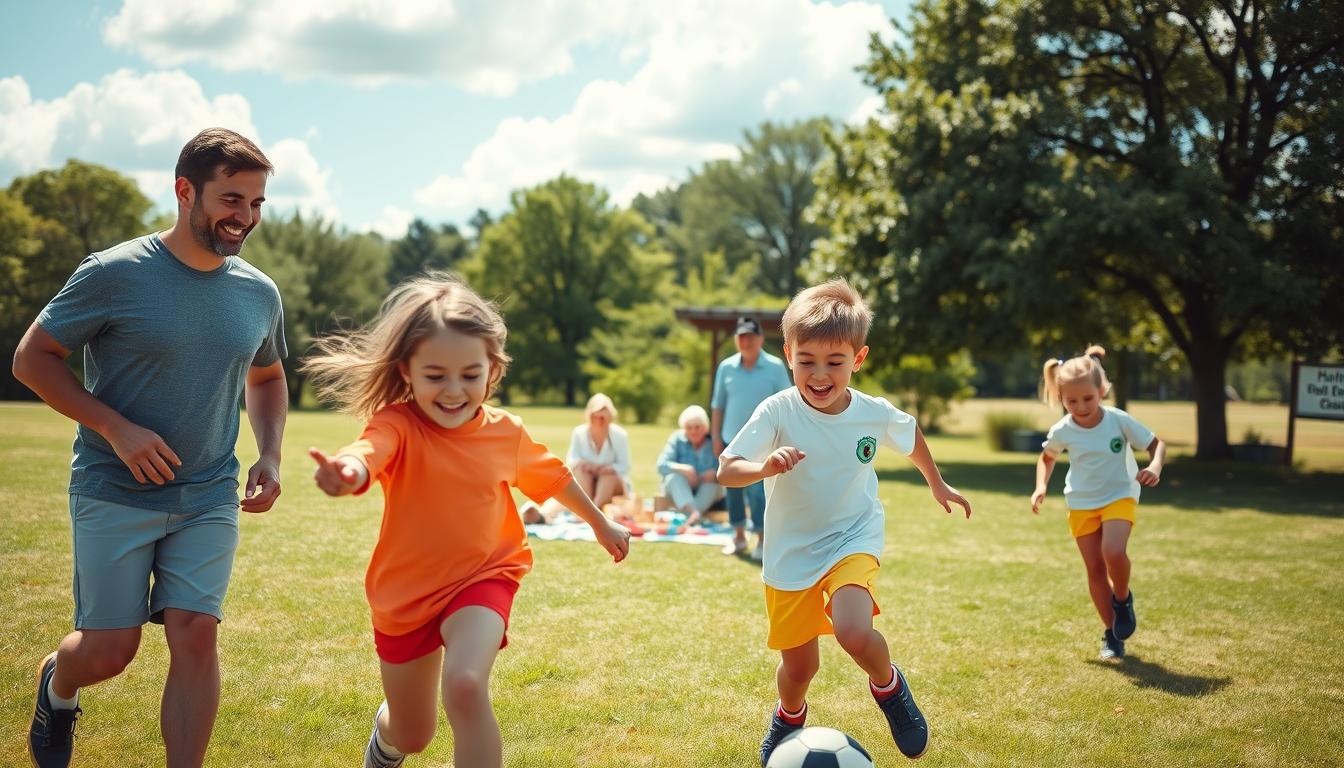
Helping a young person grow in sports is more than just drills and practice. It’s about building a strong foundation for health, confidence, and a love for the game. A good development model looks at the whole person, not just the score.
This guide was made with help from experienced local coaches and sports medicine experts. It offers a clear, structured approach to a youth sports training plan that grows with the child.
The core idea is the Long-Term Athlete Development (LTAD) framework. It makes sure skill-building fits the child’s physical and mental growth. The aim is for lasting growth that values health and enjoyment over early specialization.
If you’re a parent, coach, or involved professional, you’ll find useful, age-specific workout advice here. Our goal is to give you the tools to support young athletes so they can truly thrive.
Safety First: Growth Plates, Form, and Fun Over Load
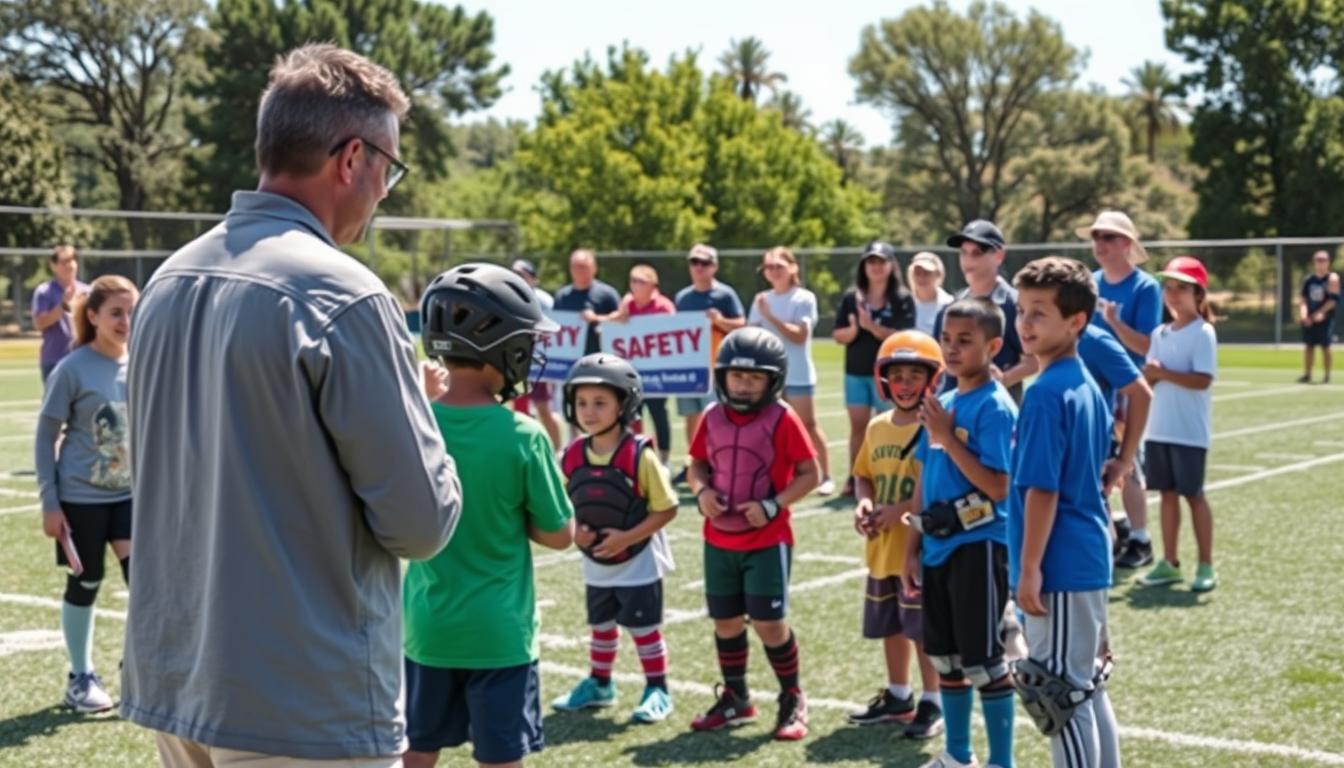
Putting fun and right movement before heavy weights is key for growing bodies. A safe training plan respects a young athlete’s unique body. This helps keep them healthy and keeps their love for sports alive.
At the core of this is knowing about growth plates. These are soft cartilage areas at the ends of growing bones. They drive growth and maturation.
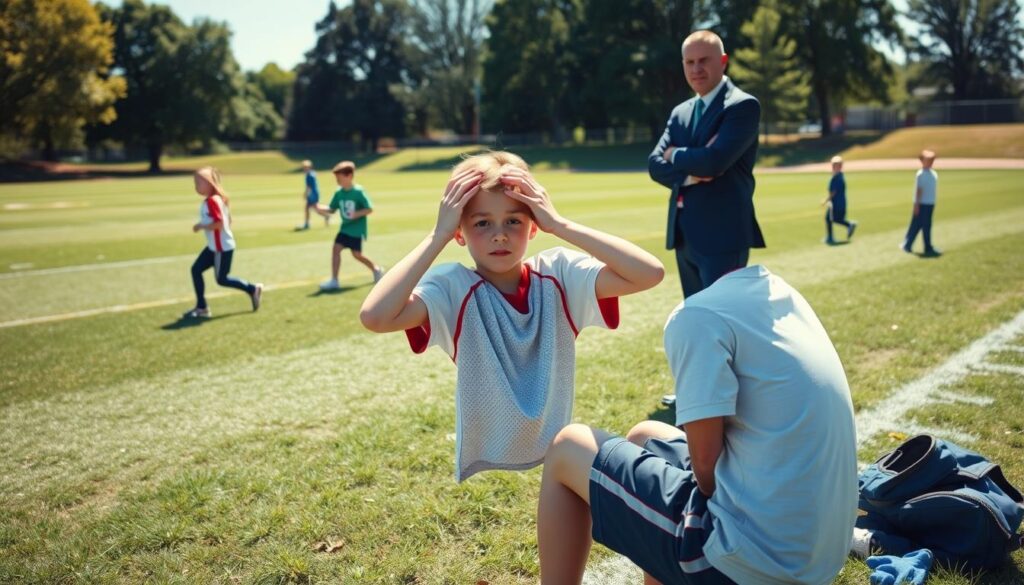
Because this cartilage is softer, it’s more at risk. Too much stress can hurt it. This might cause pain, change how bones grow, or lead to injuries.
Teaching the right exercise form is essential. Good technique spreads forces right and builds strong muscles. Coaches must fix form before adding weight or speed.
The goal is to make a place where learning and fun are the main things. Winning should never hurt a child’s health. This helps them grow healthy and avoid burnout.
This safety-first approach needs clear rules. The table below shows safe practices and risks to avoid.
| Training Aspect | Safe Practice | Risk to Avoid |
|---|---|---|
| Load Management | Focus on bodyweight mastery; use light medicine balls or bands for resistance. | Maximal lifting with heavy barbells or excessive plyometric volume. |
| Exercise Selection | Multi-joint movements like squats and push-ups with perfect form. | Specialized, single-joint exercises that place uneven stress on joints. |
| Coaching Focus | Constant technique feedback and encouragement of effort. | Focusing solely on outcomes like weight lifted or time scored. |
| Program Priority | Structured play, skill games, and gradual progression. | Year-round, sport-specific training with no off-seasons. |
| Environment | Emphasis on teamwork, trying new skills, and personal improvement. | Creating a high-pressure, win-at-all-costs atmosphere. |
This plan turns ideas into real steps. Planning is key, which is why early registration for youth sports programs lets coaches plan right from the start.
The path of growth and maturation is long. By focusing on safety, form, and fun, we build athletes who are skilled, resilient, and passionate about their sport for life.
Ages 6–8: Movement Literacy and Play-Based Drills
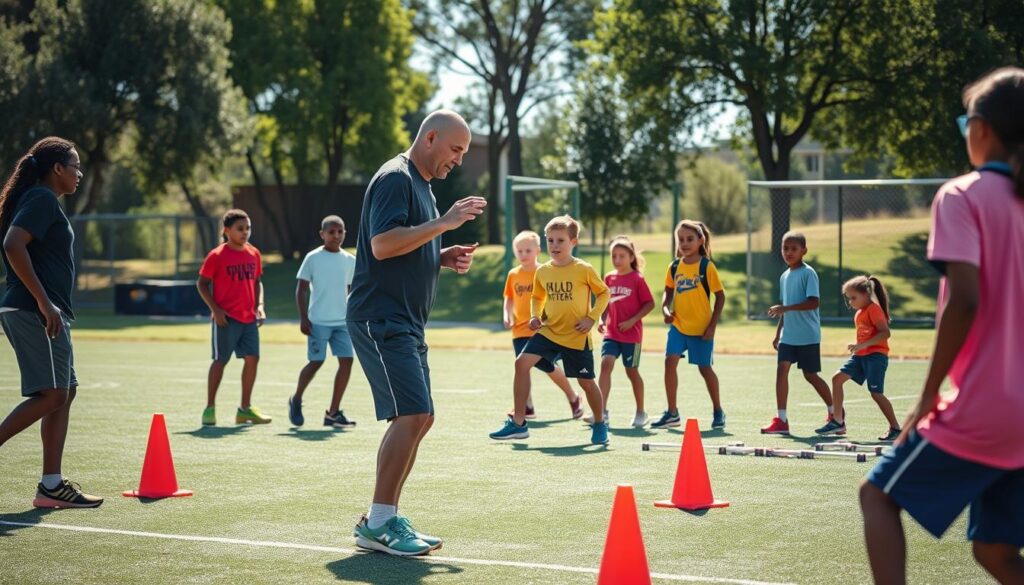
For young athletes aged 6 to 8, training isn’t about lifting weights or running laps. It’s about mastering the ABCs of movement through play. This stage sets the foundation for all future sports and physical activity.
Movement literacy is the essential concept here. Think of it as the physical alphabet. It includes Agility, Balance, Coordination, and Speed (the ABCs). A child with strong movement literacy can confidently run, jump, throw, and change direction.
They are prepared to learn any sport later on. A Project Play report highlights that early, positive experiences with movement are critical for long-term participation. The goal is to build a wide movement vocabulary in a low-pressure, fun environment.
Sessions should feel like play, not practice. This approach keeps kids engaged and builds a lifelong love for being active. Forget rigid drills. Instead, use games that naturally develop key skills.
Here are powerful play-based activities:
- Tag Variations: Simple tag games improve speed and agility. Try “freeze tag” or “shadow tag” where the chaser must mimic movements.
- Obstacle Courses: Use cones, hula hoops, and low benches. Crawling under, jumping over, and weaving through builds coordination and balance.
- Simple Ball Handling: Rolling, catching, and kicking soft balls of different sizes. This develops hand-eye and foot-eye coordination without the stress of strict technique.
Structure is important. Keep sessions short, around 30-45 minutes. Mix up activities every 5-10 minutes to match short attention spans. Always end on a high note with a favorite game.
The table below outlines a simple framework for planning these playful sessions:
| Focus Area | Key Skill Developed | Sample Play-Based Activity | Equipment Needed |
|---|---|---|---|
| Agility & Speed | Quick direction changes, fast feet | “Zig-Zag Tag” in a marked grid | Cones or chalk |
| Balance & Body Control | Stability on one foot, core engagement | “Statue Game” – hold funny poses on different surfaces | None or a balance beam (low) |
| Coordination & Timing | Hand-eye/foot-eye synchronization | “Balloon Volleyball” – keep a balloon in the air | Balloons |
| Overall Movement Literacy | Combining multiple ABCs | Simple scavenger hunt with movement tasks (hop, skip, crawl) | List of tasks |
The joy is in the movement itself. Avoid correcting form too much. Praise effort and creativity. The win at this age is a child asking, “Can we play again tomorrow?”
By prioritizing play, you build more than athletic skills. You build confidence and a positive relationship with physical activity. This strong base of movement literacy makes the transition to more structured training in later years smoother and more successful.
Ages 9–12: Coordination, Speed, and Intro to Strength
The ages of nine to twelve are exciting for young athletes. This “sampling” phase turns natural play into structured skill development. Kids are ready to improve their motor skills, learn new movements, and start building athleticism.
Many parents and coaches worry about strength for kids. It’s important to understand it’s not about heavy weights. At this age, strength training means mastering body control with one’s own weight, light medicine balls, and resistance bands. The main focus is on perfecting form before adding any extra weight.
Choosing safe and effective exercises is key. These exercises should help with sports and everyday life. A good starting point might include:
- Bodyweight Squats: Teaching proper hip hinge and knee alignment.
- Push-Ups (from knees or incline): Building upper body and core stability.
- Resistance Band Rows: Strengthening the back muscles to promote good posture.
- Medicine Ball Chest Passes (lightweight): Developing power and coordination.
- Planks and Bird-Dogs: Cementing core strength and balance.
Keep the volume and frequency low. Two to three sessions a week, either as part of practice or dedicated circuits, is enough. Each exercise should be done for 1-2 sets of 8-12 reps. Focus on quality, not quantity. If form breaks down, the set is over. This teaches discipline and prevents injuries.
Coordination and speed drills are also important. Make them fun and game-like. Use an agility ladder for quick footwork. Set up short sprints with focus on arm drive and knee lift. Practice lateral shuffles to improve side-to-side speed and defensive skills. These activities enhance neuromuscular coordination, making young athletes more agile and responsive.
The main goal for this age group is to learn new skills and have fun. Celebrate perfect squats or faster shuttle runs. This builds confidence and creates a positive relationship with fitness and strength training.
The aim for ages 9-12 is to build a strong athletic foundation. Focus on coordination, controlled speed, and smart strength for kids progressions. This prepares them for more advanced training in the teenage years, while keeping it fun and safe.
Ages 13–15: Technique-Driven Strength and Power
Young athletes in their early teens see big changes in their bodies. These changes can lead to amazing athletic gains if done right. The focus shifts from lifting heavy to moving perfectly. It’s about turning growth into explosive power.
Training needs to move from general to skill-focused. Every jump, squat, and lift teaches biomechanics. Coaches and parents must guide and support with patience.
Plyometrics for youth are key for this explosive power. They’re exercises that teach muscles to burst with force in short times. Think of them as controlled, powerful jumps.
Safe landing is a top priority. Athletes must land softly, with knees over toes and hips back. This protects joints during growth.
Start with low box jumps and two-footed hops. Move to single-leg hops or higher boxes when form is perfect.
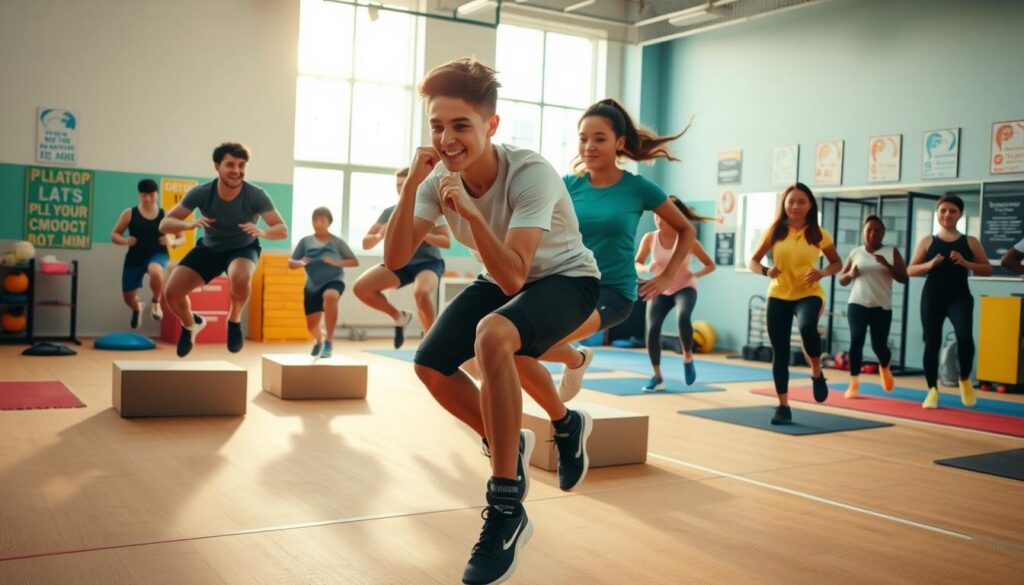
Along with plyometrics, introduce basic weightlifting. Focus on technique over load. Use light bars, PVC pipes, or dumbbells.
The squat and hinge are key. They build strength for all sports. A good coach will break each lift into simple steps.
| Exercise Category | Beginner Progression | Intermediate Progression | Key Technique Focus | Red Flag to Monitor |
|---|---|---|---|---|
| Plyometrics | Two-footed box jumps (12-inch box) | Single-leg hops (on soft surface) | Quiet, soft landing with bent knees | Knees caving inward on landing |
| Lower Body Strength | Bodyweight squat to a bench | Goblet squat with light kettlebell | Keeping chest up, weight in heels | Lower back rounding excessively |
| Hinging Movement | PVC pipe Romanian deadlift | Dumbbell deadlift with light weight | Pushing hips back, keeping back flat | Using the back to pull instead of the legs |
| Upper Body Push | Push-ups from an elevated surface | Dumbbell floor press | Controlled lowering, full range of motion | Shoulder shrugging or flaring elbows |
Watch for consistent form, not just higher numbers. The table shows progressions and red flags. If a red flag appears, simplify or lighten the load right away.
Listen to the athlete’s body. Pain, not just soreness, means stop and check. Growth plates need careful handling.
Successful plyometrics for youth and strength training boosts confidence. It teaches that power comes from control. This foundation supports more intense training later.
Ages 16–18: Performance Training and Recovery Habits
The high school years are a key time for a youth athlete training plan to grow. Athletes in this age group often focus on one sport. Their training needs to improve their skills and prepare them for top performance.
They move to structured training blocks. These blocks are like chapters in their yearly plan. Each block focuses on different skills, like strength or power, to get ready for games.
- Strength & Power: They do exercises like squats and cleans to get stronger. They also do plyometric drills to improve speed and jumping.
- Sport-Specific Conditioning: They practice movements that are like the game. For example, soccer players do sprint drills, and basketball players work on agility.
- Movement Integrity: They spend time on exercises that keep them flexible and stable. This helps them avoid injuries and move well.
But, being an elite athlete isn’t just about training. Recovery is just as important. For high school athletes, recovery habits can give them an edge.
Good recovery starts with what you eat. Eating the right mix of protein and carbs after training helps your muscles recover. Drinking enough water is also important every day.
Active recovery is another key part. Doing light activities like swimming or yoga on rest days helps your body recover better than just resting.
Don’t forget the importance of sleep. Aim for 8-10 hours each night. Sleep helps your body recover and adapt to training.
Learning to balance training and recovery turns a good youth athlete training plan into a complete system. It prepares young athletes for college or higher levels. They’re not just working harder. They’re working smarter, getting ready for the next level.
Weekly Practice Planner: Skill, Conditioning, and Games
This section offers a customizable weekly practice plan template. It helps allocate time across key training areas. A structured schedule prevents overtraining and keeps young athletes motivated.
You can adapt this framework for any sport or age group. The goal is to create a balanced, progressive week.
Every effective weekly practice plan template rests on three pillars. These are skill development, conditioning, and game-like scenarios.
Skill work focuses on technical drills and movement precision. Conditioning builds general athleticism and sport-specific fitness. Games apply skills under pressure and foster a love for play.
Balancing these domains ensures athletes develop holistically. They build competence, resilience, and joy in their sport.
Allocating Your Weekly Time
For most youth programs, a 3-4 day weekly practice schedule works best. Use this simple ratio as a starting point:
- Skill Development (50% of time): Drills, technique correction, and low-pressure repetition.
- Conditioning (30% of time): Speed, agility, strength, and endurance work.
- Games & Scrimmages (20% of time): Controlled competitions and fun challenges.
This split prioritizes learning while maintaining fitness and engagement. Always adjust based on your team’s needs and the season.
| Day | Focus Area | Time Allocation | Key Activities |
|---|---|---|---|
| Monday | Skill Acquisition | 60 minutes | Fundamental drills, video review, partner work. |
| Tuesday | Conditioning & Strength | 45 minutes | Agility ladder, bodyweight circuits, core stability. |
| Wednesday | Active Recovery / Off | – | Light cross-training, mobility, or complete rest. |
| Thursday | Advanced Skill & Tactics | 60 minutes | Sport-specific strategies, position-specific drills. |
| Friday | Game Application | 75 minutes | Small-sided scrimmages, situational games, cool-down. |
Age-Specific Application
This weekly practice plan template is a blueprint. You must tailor it to your athletes’ developmental stage.
For ages 6-8, turn every block into play. Skill time is movement games. Conditioning is tag. Games are simple and rule-light.
Athletes ages 9-12 need clear structure. Skill drills become more technical. Conditioning introduces basic speed work. Games include more strategic elements.
With ages 13-15, increase intensity. Skill work focuses on mastering complex techniques under fatigue. Conditioning integrates sport-specific energy systems.
For ages 16-18, the template becomes a performance plan. Skill sessions are highly specialized. Conditioning is periodized. Games simulate full competitive pressure.
Use this practice plan template as your foundation. Modify the focus, duration, and activities to match your team’s age and goals. This tool provides immediate structure for productive and enjoyable practices.
Rest, Sleep, and Off-Days to Avoid Burnout
For young athletes, progress comes as much from rest as from training. Many plans overlook the importance of downtime. Rest is key to building a strong, performing athlete.
Understanding recovery is a game-changer. It turns it from an afterthought to a powerful tool. Let’s explore why it’s so important.
The Science of Sleep and Growth
Deep sleep releases human growth hormone (HGH). This hormone is vital for muscle repair and growth. For young athletes, missing out on sleep is like missing practice.
Experts say school-aged athletes need 9-12 hours of sleep each night. Good sleep habits help achieve this. This includes a regular bedtime, a cool, dark room, and no screens before bed.
Rest days are essential, but they don’t always mean staying in bed. Active recovery is important. It involves light activities that promote blood flow without stressing the body.
An effective off-day plan might include:
- Light Activity: A family walk, gentle bike ride, or casual swim.
- Mobility Work: Dynamic stretching or foam rolling to ease muscle tightness.
- Mental Break: Encouraging hobbies and social activities unrelated to sports.
This approach keeps the body active while letting the nervous system and muscles recover. Having one to two full rest days a week is a smart move for long-term growth.
Recognizing the Warning Signs of Burnout
Overtraining is a big risk for young athletes. Burnout is physical and emotional exhaustion that makes performance drop and joy in the sport fade. Coaches and parents need to watch for signs.
The table below shows the difference between healthy training and signs of overtraining and burnout.
| Aspect | Healthy Training & Recovery | Overtraining & Burnout |
|---|---|---|
| Energy & Mood | Generally energized, positive attitude toward practice | Chronic fatigue, irritability, apathy, or depression |
| Performance | Steady or gradual improvements in strength and skill | Plateau or decline in performance despite training |
| Sleep Patterns | Falls asleep easily, sleeps soundly through the night | Restless sleep, difficulty falling asleep, or waking up tired |
| Interest Level | Looks forward to practices and games | Makes excuses to skip training, loss of passion for the sport |
| Physical Health | Normal appetite, minor soreness that fades | Frequent illnesses, injuries, or persistent aches and pains |
If you see signs of burnout, it’s time to act. This might mean more rest days, less training, or getting help from a sports medicine expert.
Adding smart rest days to a young athlete’s schedule is a top performance hack. It prevents injuries, supports growth, and keeps the love for the game alive. Protect recovery time as much as training time.
Measuring Progress Without Over-Testing
Coaches and parents face a big challenge: finding ways to measure improvement without making every session a test. The goal is to get insights that help with training, not to cause stress or unhealthy competition. Good measurement should feel like a natural part of growing.
Too much testing can make athletes lose motivation and waste time. Instead, focus on growth-oriented feedback that celebrates small victories and gently points out areas for improvement. This keeps the focus on long-term growth in age-appropriate workouts.
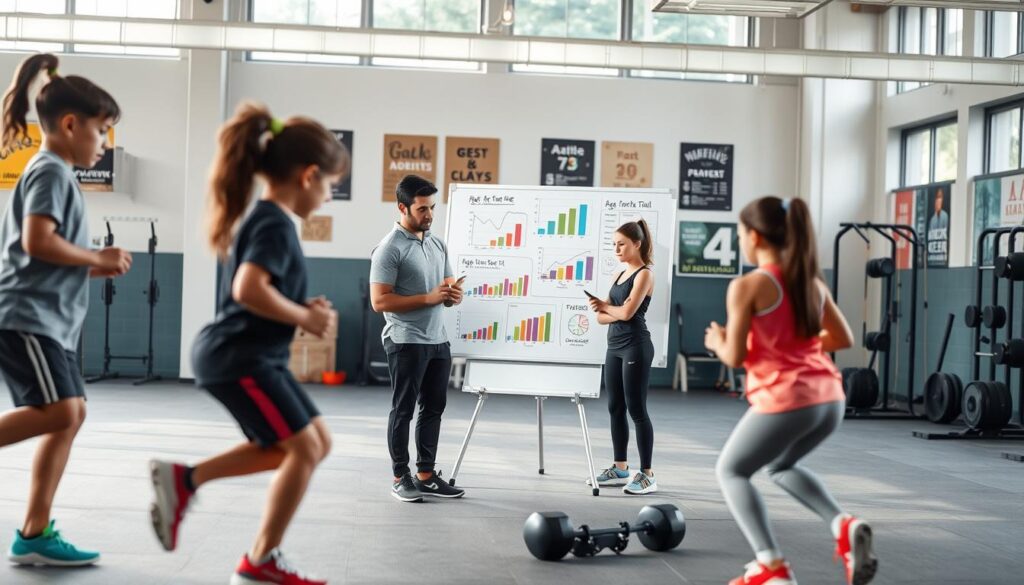
Simple, non-invasive metrics work best. They give a clear starting point and show trends over time without stress. The key is to pick assessments that fit the athlete’s physical and mental stage.
Here are practical examples for different age groups:
- Ages 6–8: Technique & Joy Checklists. Use simple “yes/no” lists for basic movement skills. Can they skip with coordination? Do they land balanced? Track their enthusiasm and willingness to try new games as main success metrics.
- Ages 9–12: Coordinated Time Trials & Skill Circuits. Measure improvement in multi-step agility drills or repeated skill circuits (e.g., dribble-shoot-layup). Record times or successful completions monthly. Introduce basic bodyweight control tests, like a plank hold or vertical jump, focusing on form over numbers.
- Ages 13–15: Controlled Technique & Strength Benchmarks. With a solid foundation, more structured tests are suitable. Use video analysis for sport-specific technique. Record controlled, sub-maximal strength lifts (e.g., 5-rep max) with perfect form as the non-negotiable standard. Monitor power through medicine ball throws or short sprint times.
- Ages 16–18: Performance Metrics & Recovery Indicators. Integrate sport-specific performance tests (e.g., beep test, position-specific drills). Track strength progress through safe, progressive overload. Equally important are subjective metrics: sleep quality, muscle soreness, and energy levels, which are key for adjusting age-appropriate workouts.
This data’s main purpose is to inform and adjust the training plan. If a young athlete struggles with a new skill, the metric tells you to spend more time on foundational drills. If they excel, you can carefully increase the challenge. This responsive approach ensures training remains effective and engaging.
Creating a positive assessment environment requires clear communication between coaches, parents, and the athlete. Parents play a vital role in reinforcing a growth mindset at home. For more on this partnership, explore our guide on supporting your young athlete.
Progress measurement is a tool for empowerment. It provides a roadmap, celebrates development, and ensures every age-appropriate workout is moving the athlete confidently toward their personal best.
Communication Tips for Coaches, Parents, and Athletes
Coaches, parents, and young athletes need to talk clearly and often. Good communication keeps everyone happy and focused on the athlete’s growth. It stops misunderstandings and builds trust.
Here are some ways each group can work together better.
For Coaches:
- Have a meeting before the season to share plans and rules.
- Give feedback that is specific and helps the athlete improve.
- Send out updates regularly to parents through email or a team app.
- Listen carefully to concerns from athletes and parents without judging.
For Parents:
- Support all players, not just your own child.
- Let the coach teach during games, don’t give instructions from the sidelines.
- Use car rides home to ask questions, not criticize.
- Tell the coach about any issues that might affect your child’s game.
For Athletes:
- Speak up if you’re confused or feeling pain during drills.
- Tell coaches about your goals and ask for help to reach them.
- Listen when coaches or parents are talking to you.
Managing screen time balance is a big challenge today. Too much screen time can hurt sleep and recovery. Coaches and parents should set rules together. For example, no screens an hour before bed to help sleep.
Using coach certification is also key. A certified coach knows the right way to teach and keep athletes safe. This builds trust and credibility.
Parents should ask about a coach’s qualifications. It’s important for coaches to keep learning. Workshops on communication and safety help them lead better.
When everyone talks with respect and clarity, the focus is on growth, not just winning. This makes the season better for young athletes, who feel supported and enjoy their sport.
Sample 8-Week Age-Based Plan (Printable)
This printable 8-week youth athlete training plan is a structured guide for each age group. It turns age-appropriate training into a clear schedule you can follow.
Think of this plan as your coaching blueprint. It outlines key focuses for four age groups over two months. The aim is to improve skills and fitness while keeping safety and fun first.
Here’s your quick guide. Use the table to see the weekly focus for each age group. Remember, this is just a sample. Adjust exercises, volume, and intensity based on each athlete’s readiness and your season schedule.
| Week | Ages 6-8 Focus | Ages 9-12 Focus | Ages 13-15 Focus | Ages 16-18 Focus | Key Notes |
|---|---|---|---|---|---|
| 1 | Fundamental Movement Skills | Coordination & Intro to Bodyweight Strength | Technique: Squat & Hinge Patterns | Performance Baseline Testing | Light intensity. Master form. |
| 2 | Play-Based Agility Games | Speed Development & Plyometric Intro | Upper Body Push/Pull Technique | Strength Accumulation Phase | Increase volume slightly. |
| 3 | Object Control Skills | Sport-Specific Skill Integration | Power Development (Medicine Ball) | Max Strength Focus | Introduce new movements. |
| 4 | Adventure Circuit | Endurance & Recovery Education | Deload: Technique Refinement | Deload: Active Recovery | Reduced volume. Prevent burnout. |
| 5 | Partner Games & Team Challenges | Strength Progression (Added Resistance) | Complex Lift Integration | Power & Speed Emphasis | Build upon the foundation. |
| 6 | Creative Movement Exploration | Speed & Agility Complexes | Metabolic Conditioning | Sport-Specific Conditioning | Moderate to high intensity. |
| 7 | Skill Showcase & Fun Day | Mock Competition Simulation | Peak Strength Testing | High-Intensity Training Phase | Test progress safely. |
| 8 | Review Week & Celebration | Review Week & Goal Setting | Deload & Transition Planning | Deload & Next Cycle Planning | Reflect, recover, plan ahead. |
How to Use This Plan Flexibly
This youth athlete training plan is a template, not a rigid script. For the 6-8 group, replace listed focuses with playful games that develop those skills. If a 9-12 athlete struggles with coordination, repeat Week 1’s focus.
Always listen to the athlete. Fatigue, soreness, or low motivation mean it’s time to dial back. The “Key Notes” column is key for managing workload.
Integrating the Plan Into Your Season
This 8-week block fits well into an off-season or pre-season. For in-season training, cut the volume by 50% and treat sessions as maintenance. Use the deload weeks (4 and 8) to align with lighter game schedules or school breaks.
Print the plan and post it. Encourage athletes to track their workouts and feelings. This builds ownership and teaches valuable recovery habits. Your printable youth athlete training plan turns expert insight into daily action.
Budget Gear and Community Facility Options
You don’t need a gym membership or expensive gear for a top-notch youth athlete training plan. Smart choices and local resources can help you create a great training spot anywhere.
Smart Gear Choices Make a Big Difference. Choose items that are versatile and durable. They should grow with your athlete. You can build a full toolkit for less than what commercial machines cost.
| Gear Type | Budget-Friendly Option | Premium Alternative |
|---|---|---|
| Resistance Training | Long-loop resistance bands, adjustable water-filled dumbbells | Full cable machine, Olympic weight set |
| Agility & Speed | Homemade ladder (chalk or tape), cone sets, jump rope | Commercial agility ladder, electronic timing gates |
| Strength & Power | Sturdy plyometric box (DIY from wood), sandbags | Adjustable plyo boxes, brand-name kettlebells |
| Recovery & Mobility | Foam roller, lacrosse ball, stretching strap | Vibration therapy gun, percussion massager |
Resistance bands are a must-have for any training program. They teach proper movement and tension safely. Jumping rope improves foot speed and cardio better than many machines.
Your Community is Your Gym. Public spaces are great for training. The trick is to use them creatively and safely.
- Local Parks: Use benches for step-ups, dips, and incline push-ups. Open grass is perfect for sprint drills, agility work, and bodyweight circuits.
- School Tracks: Great for paced running, interval training, and walking lunges. They offer a smooth, shock-absorbing surface.
- Community Recreation Centers: Many offer low-cost passes or memberships. You get access to gymnasiums for court sports, multipurpose rooms, and sometimes basic weight rooms.
- Empty Tennis/Basketball Courts: The smooth surface is excellent for shuttle runs, lateral drills, and sport-specific skill work.
Always check public areas for hazards like broken glass or uneven ground. Be respectful of others using the space.
When buying gear, focus on durability over fancy features. Read reviews from other sports families. Look for sales at sporting goods stores at the end of seasonal sports cycles.
This practical approach removes financial barriers. It shows that a successful youth athlete training plan is about consistency and smart planning, not a big budget. Your athlete’s development can thrive in any environment with the right tools and a little ingenuity.
Local Leagues, Camps, and Coach-Education Resources
A solid training plan is key. Next, find a good team environment. Look for local youth leagues that focus on growth, not just winning.
Check the coaching philosophy. Top camps and leagues emphasize physical skills and safety. They ensure every child enjoys sports.
Coach training is vital. Kids with trained coaches are less likely to quit. Yet, most coaches lack the right skills.
Parents, look for programs backed by organizations like Project Play. They offer a free 30-minute course for coaches on the basics. Use their checklist to find a well-trained coach.
Your athlete’s journey needs a supportive community. Combine your home plan with a league that educates its coaches. This creates a positive sports experience.