Blog

  • How to Get Your Child Started in Local Sports Leagues

    How to Get Your Child Started in Local Sports Leagues

    Let’s be honest: youth athletics today offer more entry points than your average streaming service menu. Before you commit to the weekly saga of a full season, some reconnaissance is in order.

    Is your child a curious dabbler who needs a recreational “sampler plate” of skills? Or are they ready for the narrative arc of actual competition? This distinction matters more than you might think.

    Our analysis shows a clear divide. Casual camps and drop-in classes are like one-shot movies. They’re fun, educational, and low-stakes. But signing up for a youth league registration is different. It’s the serious sequel.

    Leagues provide the crucible of real competition. They demand regular commitment—showing up week after week, rain or shine. Most importantly, they forge the complex social dynamics of a team. Think of it as a micro-society with its own wins, losses, and post-game snack rituals.

    Choosing the wrong path is like signing up for a book club when you just wanted to skim the highlights. Understanding this landscape is your first, most critical play. The journey toward the right youth league registration starts with knowing what you’re actually signing up for.

    Age Division and Skill Level Placement

    Forget Hogwarts houses. The real sorting hat is a volunteer with a clipboard at the community sports signup. It’s not magic. It’s a mix of data and guesswork.

    Your child is judged on their birth certificate and their skill level. Get it right, and they’ll love the game. Get it wrong, and they might hate it.

    Why does this matter so much? A young soccer player might get bored in a beginner league. But, they could feel too much pressure in an advanced league. The goal is to find the right level for their growth.

    Let’s look at common league brackets. These are about managing chaos and keeping everyone safe, not just making pros.

    Common Age Division Typical Focus The “Playing Up” Question
    U6 (Under 6) Pure introduction. Fun, movement, and basic rules. Think “herding kittens with a ball.” Almost never advised. Social and emotional maturity is key here.
    U8 (Under 8) Skill fundamentals in a game-like setting. Winning is less important than playing. Rare, but possible for very coordinated kids. Watch out for social issues with older peers.
    U10 (Under 10) True team play emerges. Positions, strategy, and a competitive spirit start to form. The most common zone for “playing up” debates. Consider their mental toughness as much as skill.
    U12+ (Under 12 & Above) Increased competition, specialization, and commitment. The recreational and competitive paths diverge here. Often formalized through tryouts. The decision shifts from parent/league to player/coach evaluation.

    “Playing up” is a big deal for some parents and a red flag for organizers. Is it about your child’s growth or your own dreams?

    Here’s the analytical take. Putting a child in an older division can backfire in two ways:

    • Social Stunting: They may struggle to connect with older teammates.
    • Skill Plateau: Constant struggle without wins can kill confidence and halt growth.

    Being a leader in a younger division can do more for growth than being a struggler among older kids. This initial community sports signup placement is a gentle start. It’s their first taste of categorization—a kinder version of future HR and tests.

    So, how do you navigate this? Ask questions during registration. Be honest about your child’s experience, not their future. Observe practices at different levels if you can. The best league is where your child looks forward to practice.

    Getting this step right is the first victory of the season. It sets the stage for commitment and camaraderie. Choose the environment that nurtures, not just challenges.

    Registration Process and Requirements

    The journey into sports starts online, with forms that ask for your personal details. This digital step is your family’s first move into local athletics participation. It’s not just paperwork; it’s your first strategic step.

    Three key elements make up this process. First, you need proof of your child’s birth. This document makes them eligible to play. Next, you must sign a medical waiver, acknowledging the risks of sports. Lastly, you pay a fee to cover costs like uniforms and referees.

    A busy local sports registration event captured in a community center. In the foreground, a friendly volunteer in a professional attire assists parents as they fill out forms at a registration table, with vibrant sports banners in the background. The middle ground features a diverse group of families—moms and dads, kids of various ages—eagerly discussing options and exploring sports equipment displays. The background shows a welcoming space filled with colorful promotional material about different sports leagues. The lighting is bright and inviting, reminiscent of a sunny afternoon, creating an energetic yet organized atmosphere. The image composition is slightly angled to capture both the busy activity of the registration table and the engaged families, emphasizing community involvement in local athletics.

    Deadlines are strict, like tax day. Missing them puts you on a waitlist. To avoid this, set reminders early.

    The registration process can feel like a test. Why do you need to enter your emergency contact again? It’s a test of your dedication. Each field asks: How badly do you want this?

    To succeed, prepare ahead of time. Have digital copies of your documents ready. Use a password manager and assign one parent to handle the registration. These tips can save you time and effort.

    Mastering the registration process is important. It shows you’re ready for the season ahead. Smooth registration is your first win in local athletics participation.

    What seems like unnecessary paperwork is actually setting the stage for the season. Each signed form and uploaded document builds the foundation. Complete it with care, and you’ve overcome the first challenge.

    Equipment Needs and Budget Planning

    Let’s talk about the moment fantasy meets fiscal reality. You’ve navigated the youth league registration, and your child is buzzing with excitement. Then, the invoice arrives. The league fee and the mandatory equipment list are the first things you see.

    The $200 bat that promises home runs and the cleats they’ll outgrow by July add up quickly. This is the public cost of the game—the money leaving your wallet.

    But here’s the political secret every savvy sports parent learns: beneath the sticker shock lies a hidden economy. Think of it like a campaign. There’s public spending, and then there’s the “dark money”—the grants, sponsorships, and community funds that quietly fuel the entire operation.

    Your first task is a tactical equipment audit. Separate the non-negotiables (helmets, safety gear) from the performance luxuries. Shop second-hand first for items like cleats and gloves. Kids grow. Fast. That $80 glove is a season-long rental, not an heirloom.

    Now, for the “dark money.” This is where you become a political operative for your family’s budget.

    Nationwide programs like KidSport (and its US counterparts, like local community foundations or the Dick’s Sporting Goods Foundation) exist to cover registration and equipment costs for families in need. The application process is often managed at the state or county level. It’s not a handout; it’s an investment in community health.

    Then come the corporate titans. Tim Hortons’ Timbits soccer, Canadian Tire’s Jumpstart, BMO’s youth sports sponsorships—they aren’t just being charitable. They’re buying something priceless: your brand loyalty. A staggering 84% of parents remember brands that sponsor their kid’s team. That’s a statistic more powerful than any championship trophy. They’re building their future customer base in your minivan.

    To navigate this ecosystem, you need a clear map. Here’s a breakdown of the typical financial landscape:

    Cost Category Typical Range Funding Strategy & Notes
    League Registration Fees $100 – $400+ The core public cost. Check if your youth league registration offers sibling discounts or early-bird rates. This is the primary expense for grant programs like KidSport.
    Mandatory Equipment
    (Cleats, Helmet, Glove)
    $150 – $300 Perfect for second-hand markets (Play It Again Sports, SidelineSwap). Also the most common need for charitable grants. Corporate sponsors sometimes provide basic gear.
    Performance Gear & Upgrades
    (Special Bats, Elite Gloves)
    $200 – $500+ This is luxury spending. Fund this through birthday gifts, saving allowances, or post-season rewards for commitment. Rarely covered by assistance.
    Travel & Tournament Fees $50 – $200 per event Often funded by team sponsorships or parent-led fundraising (car washes, catalog sales). The “booster club” model kicks in here.
    Corporate/Community Sponsorship Varies (Covers fees, jerseys, equipment) The “dark money.” Local businesses, national chains (like BMO or Dick’s). Provides direct financial relief and massive brand goodwill (remember: 84% recall).

    So, budgeting isn’t just about clipping coupons. It’s intelligence work. It’s knowing that the logo on your child’s jersey represents a transaction—community support for brand awareness. It’s about applying for that local grant without ego.

    Plan your family’s sports budget like a campaign manager. Allocate your personal funds for the essentials, and aggressively pursue the “dark money” grants and sponsorships to cover the rest. Your child gets to play, and you learn the real game being played on the sidelines: the economics of community.

    Understanding League Rules and Policies

    When you sign up for community sports, you agree to follow a set of rules. It’s like joining a small community with its own laws. Your child will be both a citizen and an athlete in this place.

    Every league has its own set of rules, often found in a PDF or a packet given out at the first practice. Reading these rules can feel like trying to understand a complex legal document.

    A well-organized community sports signup rules and policies document displayed on a wooden table. In the foreground, a neatly laid-out sheet with clear headings and bullet points is partially unrolled, highlighting important league regulations. The middle ground features a clipboard with a pen, symbolizing the act of signing up, and a few scattered sports equipment items like a soccer ball and basketball. In the background, softly blurred images of families engaging in sports activities, demonstrating community involvement. The lighting is warm and inviting, suggesting a friendly atmosphere, captured from a slightly elevated angle to give an overview. The mood is informative yet encouraging, emphasizing the importance of understanding league rules and fostering participation in local sports.

    Why is this important? It’s because good sportsmanship can clash with small details. For example, knowing when to make substitutions or how to handle rainouts is key. It helps manage your family’s expectations right from the start.

    Let’s look at some important rules. The first is about playing time. Is it fair for everyone, or based on skill? This rule affects how your Saturdays will feel. A fair system means everyone plays, but it might not be exciting for some kids. A skill-based system rewards talent, but might leave out those who are less confident.

    Then, there’s the concussion protocol. This is where sports meet medicine. The rules should say who can check for head injuries and when a child can play again. Don’t skip this part during your community sports signup. It shows what the league values most.

    There’s also a code of conduct for parents. Yes, you need one too. It explains how to behave on the sidelines, how to talk to coaches, and how to solve problems. It helps keep things calm and prevents drama on Saturday mornings.

    Lastly, know the rules about forfeits and weather. How many players are needed for a team? What happens if it rains? Knowing these details helps plan your week. It makes you a part of the league, not just a spectator.

    Or, you could end up complaining on the sidelines. Take some time during the community sports signup to read the rules. It will help you understand the league’s rules and how to handle disputes.

    Commitment Expectations for Families

    When you sign up for local sports, you’re not just enrolling your kid. You’re also joining a big family effort. Local athletics participation turns a simple activity into a big family project. It changes how you plan meals and weekends.

    Soon, you’ll find your family’s schedule changes. Practices at 5:30 PM mean your evening plans are out the window. Games on Saturdays are big adventures, with lots of planning needed.

    Real life tests your commitment. Saying no to birthday parties is hard. Planning a family trip needs careful planning. Missing practice is tough, but it’s part of the deal.

    Coaches have different rules about missing practice. Some are strict, while others are more understanding. Knowing your coach’s rules is key.

    Think of this commitment as a flexible part of your family’s life. It’s a chance to teach your child about time management. Learning to say no is important too.

    Managing your family’s schedule is delicate. Adding sports means careful planning. For tips, check out this guide on balancing sports and family.

    It’s not just about the schedule. You’re teaching your child about priorities. Showing that family comes first is a valuable lesson.

    Transportation and Schedule Planning

    Getting kids to sports is a big deal. It’s like a secret handshake among parents. That youth league registration form was just the start.

    Your car turns into a team bus. It’s a place where everyone knows their role. From who picks the music to who brings snacks, it’s all part of the deal.

    Your calendar gets a lot busier. It’s no longer just for appointments. It’s a battle plan to get kids to games on time.

    Success comes from working together. Here are some key points:

    • The Carpool Coalition: Team up with other parents. It’s not just about rides. It’s about creating a reliable team.
    • The Calendar Merge: Match the league’s schedule with family life. This balance is what keeps things running smoothly. One missed appointment can throw everything off.
    • The Zen of Chaos: Be ready for last-minute changes. A canceled practice or rainout is just part of the game.

    Mastering this part shows you’re really committed. It’s where theory meets daily action. The minivan is more than a car; it’s the heart of the season.

    This journey needs patience, clear communication, and teamwork. Plan your route, pack snacks, and enjoy the ride.

    Building Relationships with Other Families

    Signing up for community sports signup is more than just filling out forms. It’s stepping into a new social world. The sidelines become your new hangout spot.

    Imagine it as a place where everyone is connected by their kids’ sports. It’s like a big social experiment, with snack tables as meeting spots.

    First rule: cheer loudly but don’t be too loud. Your excitement should support the game, not overpower it. Remember, others want to enjoy the game too.

    Talking to the coach needs care. It’s okay to question strategies, but don’t start a rebellion in the middle of the game. Save your critiques for after the game.

    Snacks are a big deal. Bringing store-bought treats when everyone else makes their own can start a cultural war. The gift exchange at the end of the season is also important.

    These relationships range from simple carpooling to deep friendships. Most fall somewhere in between, with moments of real connection.

    The community sports signup creates a community because sports bring people together. As shown in this analysis of sports and youth, the field teaches teamwork that spreads to the stands.

    Learn the unspoken rules, and every game becomes a community event. Break them, and it feels like a tense meeting with juice boxes.

    How you interact with others matters. Be the parent who remembers names, offers sunscreen, and doesn’t argue with every referee call. This makes the season enjoyable.

    The bonds formed through community sports signup can become strong support networks. You’ll share updates, last-minute changes, and the stress of forgotten gear.

    These relationships are like work dynamics. There’s hierarchy, forming alliances, and avoiding conflicts. The difference is, it’s about kids playing soccer, not money.

    See it as a social experiment. Your child’s community sports signup can expand your social circle in new ways. You might find carpool partners, coffee buddies, or true friends.

    Getting the social part right makes the whole experience better. It turns going to games into a true community event. The friendships you make might become the best part of the season.

    Supporting Your Child’s Team

    Imagine you’re the head of a small, emotional venture capital firm. Your investment? One kid in cleats. Community support is key, and your role is the ultimate sponsorship.

    You’re more than just a fan. You handle logistics, boost morale, and keep the field clean. It’s a mix of philosophy and practical work. Will you manage carpool chains or provide snacks?

    Find your place in the support team. Avoid burnout to keep your efforts meaningful. The goal is to create lasting memories, not just win games.

    Your support builds resilience and joy, not just trophies. What your child will remember is your encouragement. You’re investing in their childhood, not just their sports career.

  • How to Become a Youth Sports Coach: Parent Volunteer Guide

    How to Become a Youth Sports Coach: Parent Volunteer Guide

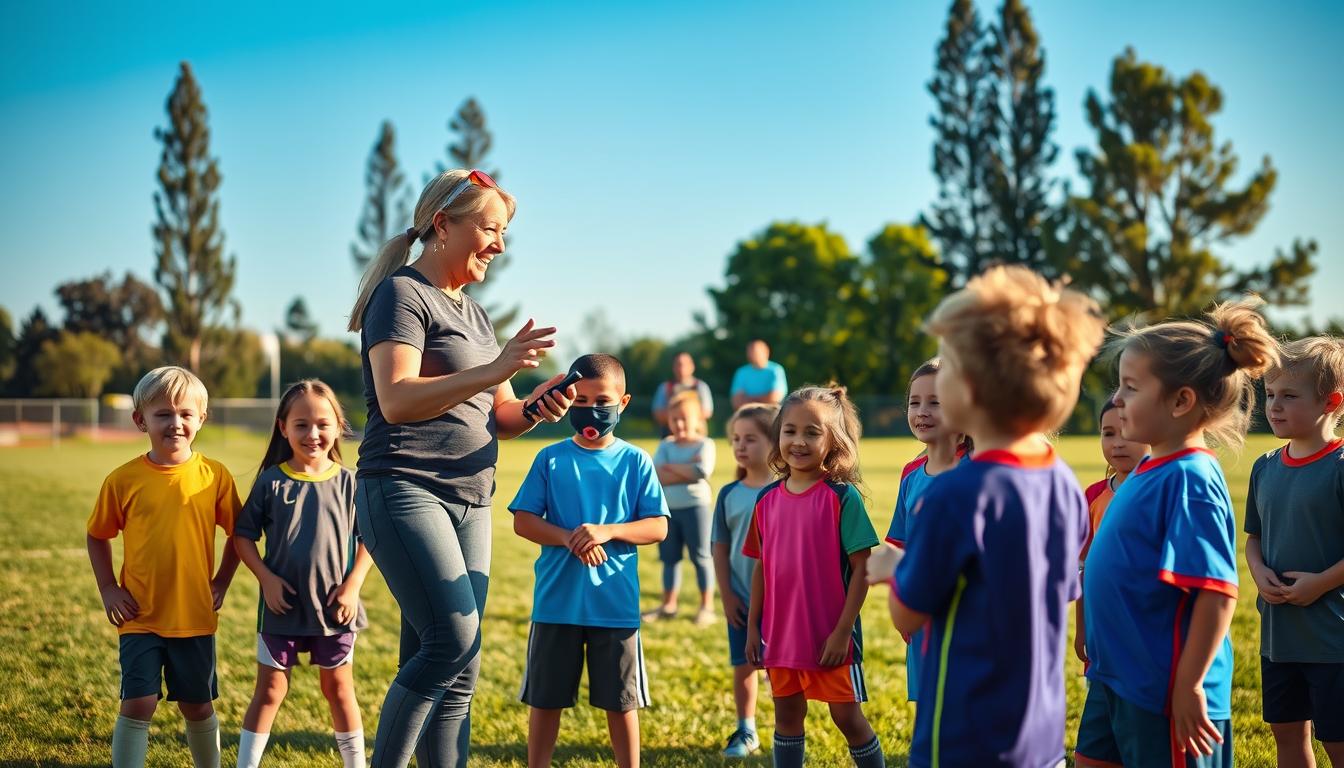
    So, you’ve been voluntold for this gig. That clipboard with your name on it might feel like a subpoena, but really, it’s an invitation. Every season, leagues across the country desperately need enthusiastic, positive people to step up. Fall is here, and the call has gone out.

    This isn’t about sculpting the next LeBron or Serena. It’s about guiding kids through the beautiful chaos of competition. Think of it as part sociology experiment, part herding energetic kittens. The experience can be tremendously rewarding in ways you never expected.

    This guide is your playbook. We’ll navigate the existential crises of practice planning, the delicate diplomacy of parent communications, and those glorious moments when a skill clicks. Let’s get you from panicked volunteer to confident leader.

    Benefits of Volunteer Coaching

    Forget about fancy jobs and big salaries. The real reward in volunteer coaching is the joy of seeing kids grow. It’s not just about adding to your resume. It’s about the happiness of watching kids reach their full potentials.

    It’s like being an anthropologist, studying human growth up close. That quiet kid who was shy at first? They’re now leading the team. The clumsy one who used to trip? They’re now moving with grace. Volunteer coaching youth lets you see these changes firsthand.

    The rewards are not just about money. It’s about teaching kids to bounce back from setbacks. It’s about seeing them handle losses with grace. You trade in office politics for the real politics of teamwork, where everyone feels valued.

    This work creates something priceless: community. It brings people together, one practice at a time. Parents become friends, and kids from different schools bond. The field becomes a place where kids learn to work together, just like in real life.

    Benefit Type What You Give What You Get Lasting Impact
    Personal Fulfillment Time, patience, attention Watching confidence bloom, pure joy moments Deep sense of purpose beyond daily grind
    Player Development Skill instruction, encouragement Seeing tangible growth in ability & attitude Shaping lifelong positive relationship with sports
    Community Building Organizational effort, communication Creating local connections & support networks Stronger neighborhood ties that last years
    Skill Transfer Your unique knowledge & perspective New ways to teach, manage, and motivate Abilities that enhance both coaching and career

    Parents and coaches rave about the fun and learning. It’s a unique mix that many adults miss. You get to be silly while teaching serious skills, making kids laugh while they learn.

    This experience doesn’t stop with one sport or season. You learn skills that help in many areas. Many find that coaching other youth sports becomes easier once you’ve mastered the basics.

    So, why do it? It’s a chance to make a difference in a world focused on numbers. Your success is measured in goals scored, fears overcome, and heartfelt thank yous. It’s about being the coach a kid remembers for years to come. That’s true legacy.

    Required Training and Certifications

    Your clipboard will be empty until you complete some important steps. These steps are not just rules. They are the basics that prepare you for the job. Think of them as the mental exercises before you start coaching.

    The background check is your first hurdle. It’s a way for the league to ensure everyone is trustworthy. It’s like a membership fee for parent coaching.

    Next, you’ll take the CDC’s Heads-Up Concussion Awareness Training. This 30-minute course teaches you about head injuries. It’s not just about getting back up after a hit. You’ll learn to spot serious signs that need medical help right away.

    Then, you’ll learn about abuse prevention policies. These are strict rules to keep everyone safe. They’re not about not trusting anyone. They’re about creating a safe environment for everyone.

    Requirement Purpose / What It Covers Typical Time Commitment
    Criminal Background Check Verifies no disqualifying criminal history; ensures basic safety clearance for working with minors. 3-7 business days (processing)
    Heads-Up Concussion Training Teaches recognition of concussion symptoms, proper response protocols, and return-to-play guidelines. 30 minutes (online module)
    Abuse Prevention Policy Review Outlines boundaries, reporting procedures, and scenarios to avoid (like one-on-one situations). 20-40 minutes (reading/acknowledgment)
    Pre-Season Coach’s Orientation Covers league rules, philosophy, equipment distribution, and emergency procedures. 60-90 minutes (in-person or virtual meeting)

    The pre-season orientation is your last step. It’s not just about getting papers. It’s where you learn the league’s rules and meet others. It’s where you turn theory into practice.

    By completing these steps, you’ve done more than fill out forms. You’ve built a strong foundation for your coaching career. Your whistle is a symbol of your readiness and responsibility as a parent coach. Now, you’re ready to start.

    Age-Appropriate Coaching Methods

    The art of community sports coaching changes a lot with age. You need to be a mix of a camp counselor, psychologist, and strategist. Coaching kids aged 5 and up is very different from coaching older teens.

    Coaching kids aged 5-8 is like directing a carnival. They can only focus for about seven minutes. You need lots of energy, quick activities, and patience.

    Kids aged 9-12 are the best to coach. They can listen better and don’t worry too much about big problems yet. You can start teaching them simple strategies, like passing to an open player.

    Teens, aged 13-17, need a different approach. They can handle more complex strategies but don’t like being talked down to. You should work with them as equals, not just give orders.

    The key to coaching all ages is the IDEA method. It stands for differentiated instruction, but in a fun way.

    Here’s how the IDEA method works:

    • Introduce: Show them the skill like it’s a new iPhone feature. Make it sound exciting.
    • Demonstrate: Show the skill in a cool way. Make it look easy and worth trying.
    • Explain: Connect the skill to something they can understand. For young kids, it’s about scoring goals. For teens, it’s about strategy.
    • Attend: This means watching and giving feedback. It’s not about criticizing. It’s about helping them improve.

    When talking to kids, keep it simple. Don’t use big words they don’t understand. Explain things in a way they can relate to.

    Here’s how you can do it in practice:

    For a 6-year-old soccer player: “Run to the cone, touch it with your foot, and run back! Ready? Go!” Keep it short and praise them a lot.

    For a 16-year-old basketball player: “We’re working on reading the defense. When the help side defender commits, that’s your window for the skip pass. Let’s walk through the rotations.” Give them specific feedback.

    Good coaching respects the child’s age and abilities. It makes them feel confident and excited to play again next year. It’s not just about winning; it’s about enjoying the game.

    By adapting your coaching to each age group, you’re not just teaching sports. You’re helping kids grow and develop in a positive way.

    Practice Planning and Organization

    As a youth sports coaching volunteer, your practice schedule is key. It’s like a promise to twenty energetic kids. Without a plan, it’s like trying to herd cats with a tambourine. The result? Chaos.

    Your first practice sets the season’s tone. It’s like your pilot episode. Arrive early, have everything ready, and know each player’s name. It’s not just nice; it’s necessary.

    Time segmentation is your secret weapon. Divide your practice into short blocks, like TV segments. Each block should last no more than fifteen minutes. Kids can focus for about their age plus one minute. Do the math.

    A visually organized youth sports practice planning schedule displayed on a bright and inviting wooden table. In the foreground, a neatly arranged planner open to a week view, showcasing colorful practice time blocks and notes, surrounded by various sports equipment like cones, whistles, and a soccer ball. In the middle, a laptop is open, with spreadsheets and coaching resources visible on the screen. The background features a soft-focus view of a sports field under clear blue skies, with trees gently swaying, conveying an energetic yet relaxed atmosphere. The lighting is warm and natural, creating an inspiring environment for budding coaches. The scene emphasizes preparation, organization, and the enthusiasm of youth sports coaching.

    • 5:30-5:45 PM: Dynamic Warm-up (Use high knees, butt kicks, and lateral shuffles. These mimic game actions.)
    • 5:45-6:00 PM: Offensive Fundamentals Station (Focus on one skill, like passing or dribbling through cones.)
    • 6:00-6:15 PM: Defensive Fundamentals Station (Teach body positioning and communication calls.)
    • 6:15-6:30 PM: Small-Sided Game Application (Play 3v3 or 4v4 games. It’s fun and low-stakes.)
    • 6:30-6:40 PM: Cool-down & Team Talk (Hydrate, praise, and talk about next week’s skill.)

    This structure keeps kids focused. Each block has a clear goal. Transitions should be quick to avoid downtime.

    Good time management is essential. It turns random activity into deliberate practice. Every minute is used for development.

    Always end with something fun. A goofy race or a unique game. It’s the “dessert” after the “vegetables” of skill work. Kids will look forward to it.

    Your clipboard is your command center. It shows confidence and tells parents you’re ready. It also tells kids that their time is valuable. You’re building progress, one segment at a time.

    Game Management and Strategy

    The scoreboard lights up, but your real job as a youth sports coaching volunteer is managing everything happening off it. Game day is the ultimate pop quiz for your philosophy. All those practice drills and pep talks face their moment of truth under the Saturday morning sun.

    Forget complex playbooks drawn on whiteboards. Your primary strategic weapon is a rotation schedule. Equal playing time isn’t a suggestion in recreational leagues—it’s the constitution. This means your most important decision isn’t the last-minute substitution to win, but ensuring the kid who’s been staring at the daisies gets their fair turn at goalie.

    Win-at-all-costs? That’s for professionals with contracts, not for children with juice boxes. Your sideline demeanor is the lesson. Arguing with a referee teaches young athletes that authority is negotiable when you’re losing. Instead, model respect so consistent it could be its own PBS special. A bad call? You shrug, make eye contact with your team, and show them how adults handle frustration with grace.

    The real victory is invisible to the scorekeeper. It’s the hesitant player touching the ball. It’s the team shaking hands without sulking after a loss. It’s every child feeling they contributed, regardless of the final tally. This outcome management is the core of recreational coaching.

    Your strategy table isn’t about X’s and O’s. It’s about mindset. Compare the approaches:

    Aspect Recreational Mindset Competitive Mindset
    Core Philosophy Player experience & development first Winning & results first
    Playing Time Strategy Mandatory equal rotation for all Merit-based, favors skilled players
    Defining “Win” Growth, effort, sportsmanship Final score, standings, trophies
    Official Interactions Respectful model, never confrontational Strategic challenges to gain advantage

    Notice the difference? The recreational column reads like a child development manual. The competitive column reads like a general’s battle plan. You’re writing the former.

    This doesn’t mean you ignore the game. You manage its emotional temperature. A kid makes a mistake? Your response is the strategy. Do they see anger or a teaching moment? The opponent scores? Do your players see defeatism or resolve?

    Your most clever tactic is pre-game preparation. You brief parents on the equal-time rule. You remind players that effort beats outcome. You position yourself as the calm center of the sideline symphony. When the final whistle blows, you’ve won if every child leaves excited to return next week. That’s the only championship that matters in youth sports coaching volunteer work.

    Player Development Focus

    Forget the scoreboard for a moment. The real game in youth sports isn’t played on the field. It’s played in the developing psyche of a ten-year-old. Your mission, should you choose to accept it as a youth sports coaching volunteer, shifts from building athletes to building people. The free throws and dribbling drills? Merely the vehicle. The actual curriculum is a crash course in humanity.

    A youth sports coaching volunteer stands on a sunlit field, actively engaging a group of diverse children, aged 8-12, in a team-building exercise. The coach, a middle-aged adult in modest casual clothing, demonstrates a drill that emphasizes teamwork and communication. The kids, wearing colorful sports uniforms, eagerly participate, portraying excitement and attentiveness. In the background, a well-maintained sports field with goal posts and benches can be seen, under a clear blue sky. The scene is captured in bright, natural lighting, with a focus on the interactions, using a slightly wider lens to encompass the sense of community. The atmosphere is warm and encouraging, reflecting the positive impact of youth sports coaching on player development and life skills.

    This philosophy transforms your role. You’re no longer just a clipboard-wielding strategist. You’re a temporary life skills instructor, using dodgeballs and soccer balls as your textbooks. Every practice is a lab where kids experiment with ethics, teamwork, and coping with failure. A missed catch isn’t a mistake; it’s a data point in resilience. A team huddle isn’t just a play call; it’s a seminar on communication.

    So, what’s on this hidden syllabus? Let’s break it down. The sport provides the context, but you provide the translation.

    The Coach’s Two Curriculums: Sport vs. Life
    Sport Skill (The Vehicle) Life Lesson (The Destination) Your Coaching Action
    Making a successful pass Goal Setting & Execution “Your goal is to get the ball to Sam’s hands. Plan your angle, then do it.”
    Working within a team defense Collaboration & Trust “You cover the lane, I’ll cover the perimeter. We trust each other to do our jobs.”
    Shaking off a referee’s bad call Respect for Authority & Managing Frustration “The ref made a call. We disagree with grace, then focus on the next play.”
    Celebrating a teammate’s success Sportsmanship & Selflessness “Did you see Maya’s goal? Your cheer for her was as important as the assist.”
    Full participation for all players Inclusion & Fair Play “Everyone gets rotations. Our team’s strength is every player, not just the stars.”

    Delivering this curriculum requires a specific style. Ditch the drill sergeant routine. Adopt the method of the compliment sandwich. It’s the culinary secret to building self-esteem.

    • Slice One (Positive): “I love how you kept your eyes on the ball, Alex.”
    • The Filling (Corrective): “Next time, try stepping into the throw with your whole body for more power.”
    • Slice Two (Positive): “Your readiness to learn is going to make you a powerhouse this season.”

    This approach roots your coaching in respect and positive discipline. It motivates because it frames correction as growth, not criticism. You’re not pointing out flaws; you’re supporting athletes in reaching their next, slightly higher, goal.

    The legacy of a season isn’t found in a win-loss column. It’s found in the kid who learns to set a personal goal, the one who learns to trust a teammate, and the one who learns that effort matters more than innate talent. That’s the profound impact of a volunteer coach who focuses on player development. You’re not just running drills. You’re helping write the opening chapters of their character.

    Parent Communication Skills

    Think of your first team email as a key piece of diplomacy for your young sports team. It sets the tone and outlines your team’s rules. If you get it wrong, you might face problems. But if you get it right, you’ll build a strong team.

    The smart youth sports coaching volunteer sees this as more than just paperwork. It’s about avoiding drama that can ruin the season. Your first email should include important details:

    • Coaches’ Contact Info: Who you are and how to reach you (with boundaries).
    • Schedule Clarity: Practices, games, and the plan for rainy days.
    • Team Philosophy: Your beliefs about fair play, positive feedback, and keeping it fun.
    • Issue Resolution Pathway: A clear way to handle concerns without disrupting games.

    Being proactive in your communication is key. Send updates before anyone asks. Change schedules early to avoid confusion. Share snack duties fairly to keep everyone happy.

    Make it clear that parents shouldn’t talk to you during games. Explain it as a way to focus on the kids. This rule can prevent most problems before they start.

    Your job as a coaching volunteer is to manage this complex situation. The relationship between parents and coaches is critical. Think of yourself as a diplomat and a strategist.

    What does good communication with parents look like? Here’s how an amateur coach differs from a pro:

    Communication Area Amateur Coach Approach Professional Volunteer Strategy
    First Contact Basic info dump, sent late Strategic tone-setter, establishes philosophy early
    Issue Protocol “Come find me whenever” Designated channels, scheduled discussions only
    Schedule Updates Reactive, after questions arise Proactive, before confusion begins
    Philosophy Sharing Assumed or unstated Explicitly defined and repeatedly reinforced

    Parents are not against you. They are part of your team. Your communication should be a partnership, not a dictatorship. A good youth sports coaching volunteer builds connections, not walls.

    The modern sideline is full of different opinions. Your communication skills keep things in order. By mastering this, you create a place where kids can really grow.

    For today’s youth sports coaching volunteer, talking to parents is the main job. It’s more important than knowing sports strategies. Without the support of parents, your work is much harder.

    Your communication can make or break the season. Keep it positive and clear. Parents and kids will appreciate it. And you’ll find that the best victories come from building strong relationships.

    Safety and First Aid Requirements

    Your clipboard is more than a tool; it’s a safety guide. It holds ice packs and bandages, but the real goal is to prevent injuries. Every volunteer must take the CDC’s Heads Up Concussion training.

    Remember, “When in doubt, sit them out.” This rule protects a child’s health over winning a game. It’s a big responsibility.

    Safety isn’t just about physical safety. It’s also about creating a safe environment. Follow SafeSport policies to ensure everyone feels safe. Keep all interactions open and avoid bullying.

    Being a volunteer means more than just coaching. You must watch for emotional signs as well as physical ones. You’re not just a coach; you’re a guardian. Your work teaches kids more than just sports.

  • Athletic Scholarships for Kids: What You Need to Know

    Athletic Scholarships for Kids: What You Need to Know

    Imagine the world of youth sports. It’s more than just fields and courts. It’s a complex financial world, hidden in plain sight.

    At one end, you find high-stakes programs like Canada’s Athlete Assistance Program (AAP). It’s like a research grant for athletes. Athletes must show extreme dedication and meet national standards.

    At the other end, there are community lifelines. Groups like Athletics4Kids have a simple goal. Their Sport4Life Grant gives about $200. For low-income families, this is a chance to join over 55 sports.

    This is the real game. The funding range is wide. Whether your child dreams of the Olympics or just wants to try a local team, there is a financial path. The right scouts are out there. You just need to know where to look.

    Let’s explore this system together. We’ll look at everything from elite programs to sports scholarships youth chances. The first step is to understand the game.

    Local Community Sports Scholarships

    The most accessible athletic grants aren’t found on glossy national websites. You’ll find them on the bulletin board of your town’s recreation center. This is funding with a zip code. It answers a simple, brutal question: what’s the financial barrier keeping a kid off the field, and how do we remove it?

    Forget scouting the next prodigy. These programs scout for economic exclusion. Take the Athletics4Kids Sport4Life Grant in British Columbia. Their target isn’t a future Olympian. It’s the 10-year-old in Surrey or Delta whose family budget has a hard “no” for soccer registration.

    Their model is surgical. They cover 100% of registration fees for eligible non-school sports for kids aged 5 to 18. The average grant is around $200. It seems modest, until you see the scale. Over $3.1 million distributed through more than 14,500 grants. That’s not charity. That’s a strategic civic investment in neighborhoods where child poverty rates are high and access to sport is low.

    I’ve seen this blueprint replicated from coast to coast. A local foundation here, a Rotary Club there. These athletic grants operate on a principle of civic merit, not athletic merit. The belief is that participation itself is valuable. It’s the equivalent of a library card, but for physical literacy and teamwork.

    This is need-based aid in its purest, most unfiltered form. The application isn’t about highlight reels or personal essays on grit. It’s often a straightforward assessment of household income. The goal is inclusion, not identification of elite talent. These community athletic grants are the social safety net for your kid’s jump shot.

    They understand that the first hurdle isn’t making the team. It’s affording the cleats, the uniform, and the sign-up fee. By eliminating that initial cost, they open the door. The rest—the coaching, the discipline, the joy—happens on the field.

    So, before you look nationally, look locally. Check your community foundation’s website. Call your parks and recreation department. The most impactful game in youth sports funding is often played right in your backyard. These local athletic grants are proof that a community’s strength is measured by how well it supports its youngest players, regardless of their future stats.

    National Youth Sports Grants

    Welcome to the big leagues, where youth sports funding goes from community support to national investment. It’s not just about paying for registration fees anymore. Now, it’s about investing in athletes who could win Olympic medals.

    The Athlete Assistance Program (AAP) is like the exclusive country club of sports funding. You need a Canadian passport and a nomination from your National Sport Organization. Your performances must be among the world’s top 16 to qualify. This program is for athletes already on their way to the Olympics.

    RBC Training Ground uses a different approach. It’s for ages 14-25 and focuses on raw talent, not past achievements. Athletes are tested in four areas:

    • A 40-meter sprint (pure acceleration)
    • A 6-second bike sprint (peak power output)
    • Standing broad jumps (explosive strength)
    • An endurance test (cardiovascular engine)

    The program looks for athletes with the right body type for different sports. They’re searching for hidden talents in athletes.

    The AAP rewards achievement. RBC Training Ground bets on unseen talent. One looks at your past achievements. The other looks at your physical abilities.

    This funding turns athletes into startups. The grant is like seed money. The tests are like a pitch deck. Your speed in the 40-meter sprint is what sets you apart.

    Strategic advice? If your child is already a top athlete, aim for programs like AAP. If they’re a physical standout without a sport, think like a talent scout. The funding landscape is about finding the right match between athletic ability and opportunity.

    Application Process and Requirements

    Applying for sports scholarships youth programs is like learning a new game. But, the rules change with each funder. Some want your winning history, while others just need to know your family’s budget. Knowing the right game is key to success.

    There are two main types of programs. You have the big, government-backed ones and the smaller, community-based ones. Each has its own way of applying.

    For example, Canada’s Athlete Assistance Program (AAP) is not something you apply for online. It’s a complex system. First, you must be recognized by your sport’s high-performance team. Then, the National Sport Organization (NSO) handles your application.

    As a parent or athlete, you need to contact the National Sport Organization. They have the forms and the power. It’s not just about filling out a form. It’s about showing you’re part of an elite group.

    On the other hand, Athletics4Kids has a simpler process. It’s all about filling out a form online. The focus is on whether the sport fee is a real hardship for your family.

    This process looks at your family’s financial situation. It’s about whether the sport fee is a real burden. It’s a more personal evaluation.

    So, how do you navigate sports scholarships youth opportunities? Know your gatekeeper. Are you dealing with a high-performance coach or a community foundation? Your application must match their needs.

    For elite programs, it’s all about your achievements. For community grants, it’s about your financial situation. Tailoring your application is critical.

    Want to take the direct path? Many community grants have simple forms to start. You can search and apply now through organizations that focus on accessibility. Understanding the requirements is the first step to success.

    Academic Performance Requirements

    The deal behind many athletic grants isn’t just about speed or strength. It’s about lasting success. Grant committees look at more than just one season. They invest in a person’s future.

    A polished desk in an educational setting, featuring an open laptop displaying charts and grades related to academic performance for athletic grants. In the foreground, a stack of well-organized documents and a gold pen lie beside a college acceptance letter, symbolizing achievement. In the middle, a diverse group of students in professional business attire, focused and engaged in discussion, analyze performance metrics on a whiteboard filled with graphs and notes. The background includes a bookshelf with educational materials and awards for athletic excellence, softly illuminated by warm lighting to create a motivational mood. The angle captures the collaborative spirit of teamwork and ambition in a school or academic environment.

    Your GPA is key to sports programs. It’s like a business plan for a startup. A good GPA shows you can handle both school and sports well.

    Programs like the Athlete Assistance Program (AAP) focus on this. They help athletes balance sports and school. They fund people, not just athletes.

    Good grades are a safety net. They show you’re a smart investment. You’re less likely to fail due to money or stress.

    Talent scouts at places like RBC Training Ground look at your school record. It’s part of their overall assessment of you.

    There’s no need for a perfect 4.0. The goal is to show you can manage your time well. Your grades show if you can study after practice. It’s about organization and mental strength, not just brains.

    Meeting academic standards shows you’re mature. It proves you know the game is bigger than sports.

    Need-Based vs Merit-Based Aid

    When you’re looking for youth sports funding, it’s more than just filling out forms. You’re choosing between two paths. Do you focus on your situation, or your skills? This is a big decision.

    Need-based aid is like a safety net for sports gear. It asks, “What’s stopping you from playing?” Programs like Athletics4Kids use income, not speed, to decide. This helps kids who can’t afford to play.

    This approach is about overcoming obstacles. It’s about beating poverty, not just time. Your application shows how money is the only barrier.

    Merit-based aid, on the other hand, looks for talent. Programs like the AAP and RBC Training Ground focus on performance. They want to see what you can do with funding.

    This model values raw talent. Your application shows your child’s skills, not just their story.

    So, which path is yours? Your choice shapes your whole strategy.

    • Need-Based Aid (The Equity Play):
      • Core Metric: Household financial need.
      • Goal: Provide access and remove financial barriers.
      • Your Story: “We need help to participate.”
      • Example: Athletics4Kids.
    • Merit-Based Aid (The Excellence Play):
      • Core Metric: Athletic performance and identified talent.
      • Goal: Identify and develop high-performance talent.
      • Your Story: “My talent deserves investment.”
      • Examples: AAP, RBC Training Ground.

    Mixing these approaches is a mistake. You can’t appeal to both at once. It’s like trying to apply for a grant with a poem. Know the game you’re playing. Your approach to youth sports funding must match the funder’s philosophy. Get this right, and you’re speaking their language.

    Equipment and Travel Funding

    Signing up for youth sports is like buying a movie ticket. But, equipment and travel are like the popcorn, soda, and Uber ride home. Registration fees get your child on the roster. But, the real cost is in cleats and weekend trips.

    Community sports scholarships youth programs usually cover the entry fee. But, what about the specialized gear and travel to tournaments? That’s where elite funding really helps.

    A vibrant and engaging scene capturing youth sports equipment and travel funding. In the foreground, a diverse assortment of sports gear including a soccer ball, baseball bat, and tennis racket, alongside a neatly stacked pile of travel bags labeled with destination stickers. In the middle ground, a group of appreciative parents reviewing scholarship forms and budget plans, dressed in smart casual attire. In the background, a sunny park with children happily playing various sports, creating a lively atmosphere. Soft, natural lighting accentuates the scene, with a slight depth of field effect focusing on the equipment and parents while blurring the background activity. The mood is hopeful and inspiring, vividly illustrating the journey to support young athletic aspirations.

    The Athlete Assistance Program (AAP) aims to ease financial burdens. It helps with flights, physiotherapy, and custom sports gear. This support can shave precious seconds off a time.

    Think of it like this. A local grant buys the canvas. But, a national program buys the paint, brushes, and a trip to Florence. One gets you in the game. The other gives you the tools to win it.

    The cost of serious youth athletics is huge. It’s like running a small business:

    • Specialized equipment (custom fits, competition-grade materials)
    • Travel logistics (flights, hotels, rental cars for tournaments)
    • Training access (elite facility fees, camp registrations)
    • Support services (nutrition, physio, sports psychology)

    National sports scholarships youth initiatives get this. They fund the whole operation of a global sports franchise. That fancy swimsuit or training at altitude isn’t a luxury. It’s what separates talent from victory.

    When looking at funding, ask if it just opens the door. Or does it also pay for the shoes, map, and fuel for the journey? For families in elite youth sports, this question isn’t just about money. It’s about survival.

    Summer Camp Scholarship Opportunities

    Summer camps have changed a lot. They’re now a key place for talent scouts and scholarship money. It’s like the minor leagues for young athletes, where they get first-time evaluations.

    These camps are not just for fun anymore. They’re serious sports training centers. A great performance can catch the eye of college scouts or foundation reps. This can turn into a real athletic grants chance.

    Take RBC Training Ground, for example. It’s not called a camp, but it’s like one. It’s a tour of high-performance events across the country. Young athletes do tough tests like endurance and strength checks. Success here means funding and mentorship for national teams.

    What’s great about these events is they’re easy to apply for. Your skills are your application. A good performance can fund your training for years. It’s like getting a job offer in sports.

    Many sports camps also offer financial help. They work with foundations and sponsors to give out athletic grants. The criteria can be need, performance, or leadership.

    Look for camps linked to national sports bodies. USA Swimming and US Youth Soccer have camps with scholarships. These camps attract donors who want to fund young talent.

    Summer camps are now a big deal for funding in youth sports. They’re where talent is measured and investments are made. While your child trains, they’re also trying to get financial support.

    Networking is also key. Camp directors can help get you into bigger funding circles. A good word from a coach can open doors to scholarships.

    So, look at summer camps as a chance for financial help. Ask about aid, discounts, and partnerships. The answers might lead you to athletic grants this summer.

    Creating Strong Applications

    Think of your application as a translator. It turns your child’s hard work and dreams into something funders can understand. This is key for getting youth sports funding.

    Need-based appeals need to touch the heart. Use the Athletics4Kids model as a guide. A heartfelt quote from a parent can paint a picture that numbers can’t.

    Merit-based applications are all about the data. They’re like the AAP carding criteria. You present a resume of achievements, not a story.

    Then, there’s the physical proof. Programs like RBC Training Ground focus on what your body can do. Your speed, jump, and power speak for themselves.

    Learning to speak in these ways is the last step. It makes your funding request clear and strong. You’re not just asking; you’re speaking their language.

  • Balancing Sports, School, and Family Life: A Parent’s Survival Guide

    Balancing Sports, School, and Family Life: A Parent’s Survival Guide

    The alarm screams at 5:30 AM, and you’re already juggling tasks. Which uniform needs washing? Who has a project due? Welcome to the modern parenting paradox.

    Supporting your child’s athletic dreams is like running a big company. But without the salary or the corner office.

    Data shows this chaos isn’t unique to your minivan. A staggering 73% of youth sports parents report feeling completely overwhelmed during peak season. That’s nearly three out of four of us.

    This isn’t just about cleats and carpool lanes. It’s about a fundamental lifestyle shift that nobody warned you about in the parenting manuals.

    So before we discuss batting averages or defensive strategies, let’s talk survival. This guide is your tactical manual for navigating the circus. We’ll analyze it with the wit of a late-night host and the precision of a sociologist.

    If you’re going to be in the trenches, you might as well have a sense of humor about the mud.

    Academic Performance Monitoring

    Think of your child’s report card as the financial statement of their athletic enterprise. If the GPA is in the red, it’s time for an audit. The academic athletics balance isn’t about gentle equilibrium. It’s strategic warfare where the family calendar serves as your battle map.

    That colorful grid on the fridge? It’s not decoration. It’s the joint chief of staff displaying every practice, game, and project deadline. More importantly, it carves out sacred study blocks. These aren’t suggestions. They’re non-negotiable appointments with algebra and history.

    Proactive teacher communication becomes less about special treatment and more about alliance-building. Email the coach? Sure. But emailing the English teacher before tournament season is smarter corporate diplomacy. You’re not asking for leniency. You’re establishing supply lines for the academic campaign.

    Homework transforms into a mobile operation. Essays get drafted in the passenger seat between tournaments. Math problems are solved during halftime. This isn’t multitasking. It’s tactical adaptation. The car becomes a rolling study hall.

    But here’s the critical audit question: Is sport consuming the student? The old playbook warns of athletes neglecting studies. That’s a surefire path to burnout and family stress. Sport should be part of life, not a hostile takeover of childhood.

    Effective monitoring means looking beyond the scoreboard to the report card. It ensures the “student” in “student-athlete” isn’t just a silent, forgotten partner. This requires constant evaluation, like checking the vital signs of their educational health.

    Monitoring Strategy Implementation Positive Outcome Warning Signs
    Strategic Calendar Use Color-coded blocks for study, practice, family time Reduced scheduling conflicts, predictable routines Last-minute cramming, missed assignments
    Teacher Communication Monthly check-ins, sharing tournament schedules Early intervention, flexible deadline planning Surprise poor grades, zero teacher contact
    Mobile Homework System Designated car study kit, digital assignment tracker Consistent completion, reduced last-minute stress Forgotten books, rushed low-quality work
    Performance Auditing Bi-weekly grade reviews, sport-academic time ratio analysis Balanced development, early problem detection Declining grades despite effort, sport obsession
    Boundary Enforcement No practice before tests, mandatory study hours Academic priority maintenance, reduced burnout Sports overriding academics, exhausted student

    The table above isn’t just pretty organization. It’s your diagnostic toolkit. Notice how each strategy has clear implementation steps and measurable outcomes. The warning signs column is key. It’s your early detection system for academic athletics balance failure.

    Remember, this isn’t about creating perfect students. It’s about preventing athletic passion from becoming academic poison. The monitoring process should feel less like surveillance and more like coaching. You’re helping them develop the mental discipline that serves them both on the field and in the classroom.

    For deeper insights into developing this mindset, explore our guide on building resilient young athletes. The psychological game matters as much as the physical one.

    Final thought: If your child can remember every play in the playbook but forgets their science project exists, the balance has tipped. Monitoring academic performance means constantly recalibrating. It’s not one decision. It’s a hundred small adjustments that keep the whole enterprise profitable—in knowledge, not just trophies.

    Time Management for Busy Families

    When you sign up for sports, you join a big change. It’s not just a hobby. It’s a big part of your family’s life now.

    This change is like a big business deal. You need to manage your time better. It’s not about finding extra minutes. It’s about taking control of your schedule.

    The SportParent Checklist asks tough questions. Can you really give your child time? Not just to watch them play. But real time to spend together. If you can’t, you’re already behind.

    Quality time is more important than being there all the time. That drive to practice? It’s a chance to talk about school or friends. It’s making the most of every moment.

    A busy family in a bright, sunlit living room, around a large wooden table covered with a colorful family schedule planner. In the foreground, a mother and father are actively discussing the sports and school commitments of their children, who are seated on the side, looking at a calendar. The children, dressed in casual sports gear, display enthusiasm and excitement. In the middle ground, a wall clock shows the time, emphasizing the theme of time management. The background includes a bulletin board with colorful sport schedules, school assignments, and family photos, creating an atmosphere of organized chaos. The warm lighting enhances a sense of activity and togetherness, reflecting the balance of sports, school, and family life.

    Your schedule is a canvas, not a battlefield. First, mark down important times like family meals and homework. These are non-negotiables. The sports season will try to take over. But you must protect these times.

    Keeping time for other things is key. It keeps your family balanced. The drive home should be quiet, not just about sports.

    The goal is not a perfect schedule. It’s a family that can talk about more than sports. It’s finding a balance where sports add to life, not take away from it. Start by taking back one hour this week. Make it a safe space. See what happens.

    Homework and Practice Coordination

    The daily battle between homework and sports is where ‘balance’ meets reality. This is the heart of academic athletics balance. Your car floor shows the struggle: homework, sports gear, and snacks. Success here is about finding smart solutions, not grand ideas.

    Experienced parents turn their car into a mobile study area. The drive to practice is perfect for learning. Use team time for studying together. This turns homework into a team effort, making it less lonely.

    Soccer legend Abby Wambach changed the game with a simple rule. She said, “Do not watch your children at practices. This is their time.”

    Her advice is smart. Practice is where kids learn from mistakes. It’s a place for them to explore freely, without being watched. When you’re not there, they focus on their own goals, not pleasing you.

    By stepping back, you help them develop internal motivation. This is key for growth and strength. It’s not ignoring them; it’s giving them the power to succeed on their own.

    This approach also makes life easier. That long practice time is a chance for you to catch up. You can manage the house, cook dinner, or just relax. You handle homework at home while they learn to rely on themselves.

    The real academic athletics balance is about more than just schedules. It’s about understanding the mind. Manage the details, but sometimes the best thing is to be absent. This helps them focus and keeps you sane.

    Family Dinner and Quality Time

    Family dinner is more than just food; it’s a key part of family time management. We’ve all seen it. The practice runs late, and the drive-thru bags come out. But that shared meal keeps your week together.

    It’s where you talk about more than just the day. You discuss the funny meme your kid saw or the drama at school. This isn’t small talk. It’s checking in on your family’s mood.

    A warm, inviting family dinner scene set at a rustic wooden dining table. In the foreground, a loving family of four—parents and two children, all in modest casual clothing—are engaged in conversation, sharing laughter over a homemade meal. Plates filled with colorful, healthy dishes are visible, emphasizing family time and togetherness. In the middle, soft candlelight flickers, creating a cozy atmosphere, while a pot of soup simmers gently on the stove in the background. The dining area is adorned with family photos on the walls, reflecting their bond. The soft, natural lighting from a window casts a warm glow, enhancing the heartwarming mood of quality time spent together, highlighting connection and love amidst the busyness of life.

    The old survival guide tells us something important: “Don’t cancel the family vacation due to an out-of-season activity.” Think about it. That tournament isn’t as important as your family’s vacation. Vacations are a chance to recharge and connect as a family.

    One blog dad suggests “Family Time Recovery” after a busy season. But why wait? Add mini-recoveries to your week. Protect an unplanned Saturday hour. This time is for real connection, not just winning.

    To see the choice clearly, consider this breakdown:

    The Tournament Temptation The Family First Stance The Long-Term Yield
    Skip family dinner for extra practice. Protect the meal as a daily debrief zone. Stronger communication and shared context.
    Cancel a planned vacation for a “big” game. Treat the vacation as a sacred roster-building retreat. Renewed family bonds and lasting memories.
    Fill every weekend slot with structured activity. Guard blocks of unstructured, device-free time. Fosters creativity, relaxation, and spontaneous connection.
    View downtime as wasted athletic talent. See recovery as essential performance fuel. Prevents burnout for both the athlete and the family unit.

    The best family time management isn’t about doing more. It’s about protecting the time in between. Those laughs over dinner and quiet moments on vacation are the real wins. Guard them. Your future selves will be grateful.

    Managing Multiple Children’s Activities

    Parenting multiple active kids is like being an air traffic controller. You have to manage many activities at once. It’s not just about scheduling; it’s about youth sports balance for three.

    Each activity has its own world. Soccer has its team dynamics, gymnastics has early mornings, and theater has rehearsals. You’re not just moving kids around. You’re navigating different cultures with their own rules.

    Abby Wambach and Rebecca Lowe debated on her podcast. Wambach supports kids playing many sports for their development. Lowe says “there isn’t enough time.” For parents of multiple kids, this is a daily reality.

    Finding a solution is not easy. It’s about making tough choices based on what’s best for your kids. Sometimes, you work with your partner. Other times, you rely on your community.

    You become a strategic leader, not just a spectator. Your role is more than being there in person. A text message or a conversation over food can mean a lot.

    Challenge Common Parent Reaction Strategic Move Realistic Outcome
    Simultaneous game times in different towns Panic, guilt, frantic phone calls Assign one parent to each, recruit a trusted friend for the third, celebrate whoever wins One child gets your undivided attention; others learn community support matters
    Financial strain from multiple registration fees Secretly calculating cost per hour of activity Rotate “premium” activities by season, prioritize free community programs Kids experience variety without breaking the bank; they learn value isn’t tied to price
    Sibling rivalry over who gets more parental presence Keeping a mental scorecard of who you watched more Create a shared “family win” chart celebrating all achievements equally Focus shifts from individual attention to collective family pride
    Parental burnout from constant chauffeuring Daydreaming about a silent minivan Institute one “home night” per week with no activities allowed You reclaim family time; kids get needed downtime; everyone resets

    This is chaos theory in suburban life. Small changes can have big effects. The only way to manage is with the right tools and mindset.

    Your calendar is your command center. It’s color-coded and updated in real time. Your network and spouse are your lifelines.

    Ultimately, achieving balance means accepting imperfection. You might miss some events. But you’ll raise kids who value teamwork and flexibility. They’ll learn to appreciate effort and know support comes in many ways.

    Stress Reduction Strategies

    We’ve made our kids’ schedules as tight as a military plan. But we forgot to give them the mental armor for the emotional battles of sports. The pressure isn’t just from winning. It comes from social media, coaches, and our hopes for them.

    True academic athletics balance isn’t just about managing time. It’s about handling the emotional heat of ambition. When stress grows, so does the pressure to perform. Joy fades, and the love for sports can turn to dread.

    Our first move? Focus on the journey, not just the destination. This isn’t just a feel-good idea. It’s backed by science. When we focus on winning, our brain goes into threat mode. But when we focus on effort and teamwork, our brain learns and grows.

    We need to teach our kids to control their minds, not just follow a schedule. Give them tools like box breathing and visualization. These aren’t just for special forces. They help calm the nerves and build confidence.

    A study on youth athletes shows that teaching coping skills and process thinking lowers anxiety. This is key for a healthy balance between school and sports.

    But we must also watch for signs of burnout. It’s not always obvious. Look for irritability, constant tiredness, and a loss of interest in activities. These are warning signs, not signs of weakness.

    Changing how we talk about sports can also help. The car ride home can be a chance to relax, not a time for criticism. Ask about the fun moments and what they learned. This shifts the focus from winning to personal growth.

    For parents, this change is also a way to reduce stress. By focusing on the journey, not just the outcome, we can enjoy the process. We’re not as invested in every game. We’re more interested in our child’s growth.

    Stress reduction turns sports into a chance to build resilience. The skills they learn help them in school too. This is the true balance: thriving in both sports and academics.

    Setting Boundaries and Priorities

    American culture often says “more is better.” But true family time management means knowing when to say “enough.” We’re surrounded by busy schedules and early sports training. This makes us think we need to be exhausted to be excellent.

    Setting limits is your third big job as a parent. It’s not about making sports the only thing in your child’s life. It’s about making it a part of life. This approach is not against success. It’s about keeping things sane.

    Think of boundaries as strong walls. They don’t mean you’re under attack. They mean you choose what comes in and what stays out. Choosing to miss a sports event for a family gathering shows you value family. Taking a day off isn’t laziness. It’s taking care of your growing child.

    Preventing burnout in young athletes is real. Burnout can make you tired all the time, lose interest, and stop loving the game. The best way to avoid it? Make rest a priority. Keep things fun. Boundaries help you do this.

    Setting boundaries can be hard. It might upset someone, like a coach or a team. But saying no to sports on weekends can strengthen your family bond. It’s about choosing what’s most important to you.

    What’s more important: a sports scholarship or a happy, well-adjusted child? Is winning a trophy or having a child who wants to play catch with you when they’re older? Choose long-term happiness over short-term wins every time.

    Good family time management isn’t just about planning. It’s about being brave. It’s about saying no to busy weekends and valuing rest as much as practice. It’s about defining success on your family’s terms, not someone else’s.

    The real victory isn’t winning games. It’s having a home where sports are just one part of life. It’s a child who plays for fun, not because they have to. And it’s a family that knows how to enjoy each other’s company, without the pressure of sports.

    Seasonal Sports Rotation Benefits

    Think of the sports calendar like crop rotation for your family’s sanity. The Aspen Institute’s Project Play found that playing multiple sports cuts burnout by 70%. Your kid isn’t just one thing.

    Switching sports helps avoid injuries. It works different muscles. Soccer in fall, basketball in winter, and baseball in spring make athletes stronger. The off-season is a chance to rest, not lose.

    This approach is great for managing family time. Each season has a clear end. That means you can plan family activities without sports getting in the way.

    It brings order to your life. Intense sports seasons are followed by rest. Your child learns they’re more than one sport. They’re a person who plays sports.

    Seasonal sports help you manage family time better. Summer is for camps and beach trips. Winter breaks are for skiing, not endless games. You get your calendar back.

    Seasonal sports rotation keeps life balanced. It’s a key to surviving as a parent. It’s the missing piece you need.

  • Essential Tips for Sports Parents: Supporting Your Young Athlete

    Essential Tips for Sports Parents: Supporting Your Young Athlete

    Navigating your child’s athletic journey is like playing a complex game with no clear rules. You start out wanting to help, but one wrong move can make you seem too controlling. It’s a delicate balance.

    The world of youth sports parenting is both beautiful and challenging. We aim to build our kids’ confidence and grit, but we’re scared of pushing too hard. We want them to succeed, yet we must show restraint on the sidelines.

    Finding the right balance is key, as one source notes. It’s a tightrope walk, trying not to overstep. This isn’t about winning games. It’s about mastering the art of balance.

    Setting Realistic Expectations

    Let’s do a quick ego check. It’s like a simple surgery for your sports parent soul. First, ask yourself: Are you pushing your child into your own sports dreams?

    It’s common to see parents reliving their sports glory through their kids. The dad who wants his son to be a quarterback, or the mom who sees her daughter as a gymnast. But, this isn’t Friday Night Lights. It’s just a Tuesday practice in a local gym. The truth is, linking your happiness to your child’s sports success can hurt both of you.

    Being a good coach means knowing when to support and when to let go. Your old sports days are special memories. They shouldn’t control your child’s sports life today.

    To spot vicarious living, listen to your own sports talk. Are you cheering for your child or reliving your own dreams? Knowing the difference is key.

    Realistic expectations mean focusing on your child’s happiness and growth. Is she having fun with her teammates? Is he working hard to get better, not just to beat others? These are the things that truly matter.

    The Vicarious Living Model The Supportive Foundation Model
    Focus: Child’s performance as a reflection of parent’s ego. Focus: Child’s effort, enjoyment, and personal growth.
    Language: “We need to win,” “You have to be the best.” Language: “How did you feel out there?” “I saw you really trying that new move.”
    Outcome: Pressure cooker environment. Sport becomes a job. Risk of burnout. Outcome: Sport remains a game. Builds resilience and lifelong love of activity.
    Parent’s Identity: Tightly wound to wins/losses. Post-game mood depends on scoreboard. Parent’s Identity: Separate from results. Constant source of unconditional support.

    Changing your role is a big step. It turns you from a demanding coach to a curious fan watching your child grow. It’s not about ignoring results. It’s about valuing the person more than the achievement.

    True support in youth sports means letting your child’s story be their own. Your pride shouldn’t depend on winning. When you separate your identity from their sports, you let them play freely. And you get to enjoy watching them more. That’s the secret to coaching kids from the heart, not just from ego.

    Positive Sideline Behavior Guidelines

    The sideline is more than just grass. It’s a place where cheers can affect the game. Imagine watching a show where you care about the actor’s performance. You might want to tell them what to do, but that’s not helpful.

    Let’s talk about the primal scream. Shouting instructions from the sidelines doesn’t help. Your child’s brain is already busy with the game. Adding your voice is like too many apps running at once.

    Think of teaching your teen to drive. Every “watch out!” made them nervous. Youth sports work the same way. Too much coaching can mess up their learning.

    A vibrant sports field scene during a youth soccer game, showcasing enthusiastic parents on the sidelines practicing positive behavior. In the foreground, a diverse group of parents, including a father in a casual polo shirt and a mother in a comfortable sweater, are cheering genuinely with smiles, holding water bottles and clapping. In the middle, young athletes in colorful uniforms are actively engaged in the game, displaying teamwork and determination. The background features a bright blue sky, with trees lining the field creating a welcoming atmosphere. Soft, warm sunlight filters through the leaves, casting gentle shadows on the ground. The overall mood is uplifting and supportive, reflecting the importance of encouragement and positivity in youth sports.

    Being a lighthouse is better than being a helicopter or steamroller. You want to be a steady guide, not someone who always tells them what to do.

    Here’s how different sideline behaviors affect your child:

    Archetype Behavior Pattern Child’s Experience Long-term Impact
    The Lighthouse Consistent, calm presence. Encourages without directing. Celebrates effort. Feels supported but autonomous. Can focus on the game. Builds intrinsic motivation and self-reliance.
    The Helicopter Constant verbal feedback. Corrects mistakes in real-time. Hovers emotionally. Feels monitored and judged. Performance anxiety spikes. Creates dependency on external validation.
    The Steamroller Loud, directive commands. Focuses solely on outcomes. Ignores emotional cues. Feels pressure to perform for parent’s approval. May shut down. Can lead to sports burnout and relationship strain.
    The Spectator Disengaged or distracted. Minimal interaction. Physically present only. Feels unsupported or unimportant. May seek validation elsewhere. Misses bonding opportunities and fails to provide needed support.

    To be a good lighthouse, be present but not overbearing. Your presence is more important than what you say. A simple thumbs-up can mean a lot.

    Also, let your child talk about their experiences when they’re ready. Car rides home shouldn’t feel like interviews. Ask open-ended questions like “What was the most fun part today?”

    Respect your child’s need for space. Some kids need a hug right away, while others need time to themselves. This is okay—it’s how they recharge.

    Lastly, be light and fun on the sidelines. Your mood affects everyone. If you’re enjoying the game, they will too.

    The best sports parent advice is often about less, not more. Sometimes, the best thing you can do is be quiet and let them play. Your presence, even without words, means a lot.

    Communication with Coaches

    Talking to your child’s coach should feel like starting a conversation, not complaining. It’s not about demanding playing time. In youth sports parenting, the relationship with coaches is delicate. One wrong move can make the season tense.

    Coaches are different, and you need to talk to them in their own way. The Philosopher sees the game as a life lesson. Talk about character, not just winning. The Drill Sergeant values discipline. Show respect and follow their rules. The Buddy wants to be friends with everyone. Keep things professional while being friendly.

    Your main job is to gather information and help out, not to give orders. You’re like an embassy, sharing news about injuries or emotional issues. This way, you avoid stepping on the coach’s toes.

    Always wait 24 hours before talking about issues. This lets emotions cool down. What seems big at first might not be as important later. This rule helps avoid most problems.

    When you do talk, focus on your child’s feelings. Say “Emma seemed upset after the game” instead of “Why didn’t Emma start?” This way, you work together to help your child, not argue.

    Coaches are people, too, and they have bad days. They make choices that might not always be right. By understanding this, you can work better together. This guide on how coaches can think like parents shows how to build a strong team.

    Start talking early and often. Don’t wait for a problem. A quick introduction at the start of the season helps set the tone. Share important info early, like if your child is feeling anxious or distracted.

    Even if you know a lot about sports, remember that coaches are the experts. They see things you don’t, like how players interact. Trust their decisions on strategy and player roles.

    The best youth sports parenting is based on respect. Everyone wants the same thing: for the child to have a good experience. When we communicate well, we can make that happen.

    Managing Competition Pressure

    The real pressure in youth sports isn’t on the field. It’s in your car before the game. Your pep talks might be more tense than a coach’s. Let’s figure out why.

    Pressure comes in three ways. First, there’s internal pressure – the child’s own drive to do well. Then, there’s external pressure from parents and coaches. Lastly, there’s the systemic pressure of the travel team scene, where every game is a big deal.

    A tranquil scene of a youth sports coaching session focused on pressure management. In the foreground, a caring coach, wearing a modest polo shirt and sports pants, kneels beside a group of multi-ethnic children aged 10-12, who are sitting on the grass with attentive expressions. In the middle, the coach demonstrates breathing techniques, using hand gestures to emphasize calmness and focus. Soft, natural lighting casts gentle highlights on their faces, creating a warm and supportive atmosphere. In the background, a sunlit soccer field with goalposts and trees provides a serene setting, hinting at a friendly competition. The overall mood is encouraging and nurturing, emphasizing teamwork and resilience in the face of competition.

    Too much worry comes from things athletes can’t control. When coaching kids, we must teach them to focus on what they can control. Like their effort and attitude.

    Signs of too much pressure are subtle at first. Look for resistance to practice, resentment towards the sport, or changes in sleep and eating. The data shows that pushing too hard can hurt their confidence.

    We can’t get rid of pressure completely. It’s like trying to ignore gravity. But we can teach young athletes to handle it better. Think of yourself as a pressure manager, not a source of it.

    The Pressure Diagnostic Toolkit

    Before the next game, ask yourself these questions:

    • Are my pre-game comments focused on effort or outcome?
    • Does my body language in the stands communicate anxiety or support?
    • Am I living vicariously through my child’s performance?
    • What percentage of our post-game conversation focuses on what went wrong versus what went right?

    To turn pressure into a healthy challenge, start by naming the sources. “I notice you seem nervous about the tournament – what part feels most challenging?” This makes the anxiety easier to handle.

    Next, teach them about “control parameters.” Make a list of things they can control (effort, attitude) versus things they can’t (opponent’s skill, weather). This tool can cut anxiety by nearly 40%.

    Healthy Pressure vs. Toxic Pressure

    Not all pressure is the same. Here’s how they differ:

    Pressure Type Source Manifestation Long-term Effect Parental Response
    Healthy Challenge Internal motivation Focused energy, excitement Builds resilience and self-efficacy “I believe in your preparation”
    Performance Anxiety Fear of disappointing others Nervousness, overthinking Creates avoidance behaviors “Just have fun out there”
    External Pressure Parental/coach expectations Resistance, resentment Leads to burnout and quitting “What did you learn today?”
    Systemic Pressure Travel team culture Exhaustion, loss of joy Damages relationship with sport “Let’s prioritize recovery”

    Teaching kids to handle pressure means showing them the difference between good and bad pressure. Help them see when it’s fuel and when it’s a weight.

    Make sure your family has breaks from sports. Have “sports-free” days and fun post-game rituals. This helps them enjoy the game without too much stress.

    Remember, your calmness helps your child stay calm. Your views on winning and losing shape theirs. Focus on the process, not just the outcome, to teach them valuable life lessons.

    The best way to coaching kids through pressure is in quiet moments. Ask about their favorite play, not just the score. Celebrate everyone’s success, not just their own.

    Pressure is always there in competitive sports. Our job is to teach kids how to deal with it. They’ll face it in college, jobs, and relationships. Learning to manage it now is a valuable gift.

    Building Resilience in Young Athletes

    The most valuable lesson in youth sports isn’t taught during victory celebrations—it’s whispered in the quiet moments after a spectacular failure. That mis-hit, strikeout, or missed tackle? It’s not a bug in the system. It’s a feature. The essential data point in your child’s athletic education.

    We’ve tried to engineer failure out of childhood like it’s a manufacturing defect. Participation trophies for everyone! No scorekeeping until age 12! It’s the educational equivalent of putting bubble wrap on jungle gyms. The problem? You can’t build resilience in a failure-free environment any more than you can build muscle without resistance.

    Here’s the analytical truth: resilience isn’t a personality trait you’re born with. It’s a cognitive muscle built through repeated micro-failures. Each dropped pass strengthens neural pathways for emotional recovery. Every strikeout teaches the brain how to reset after disappointment.

    The real magic happens in what psychologists call the “growth mindset”—the belief that skills develop through effort and learning. This isn’t touchy-feely self-help. It’s neuroplasticity in action. When your child believes abilities can grow, their brain literally forms stronger connections.

    So what’s the practical sports parent advice? Stop focusing on the mistake itself. Start praising the response to the mistake. The difference is everything:

    Athletic Scenario Traditional Response Resilience-Building Response Cognitive Outcome
    Strikes out with bases loaded “Don’t worry about it” or “You’ll get ’em next time” “I loved how you immediately focused on defense after that at-bat” Teaches rapid emotional reset; separates performance from identity
    Misses game-winning free throw “Just practice more” or silent disappointment “What did your body feel like during that shot? Let’s break down the mechanics, not the moment” Creates analytical distance; transforms emotion into solvable data
    Makes critical turnover in soccer “Shake it off” or avoids eye contact “That pass was ambitious! What did you see that made you try it?” Validates decision-making courage; encourages calculated risk-taking
    Gets beaten badly in tennis match “The other kid was just better today” “You adjusted your serve three times during that match. That’s adaptive thinking” Reinforces in-game problem solving; builds strategic flexibility

    Notice the pattern? The resilience-building responses don’t ignore failure. They mine it for valuable information. They praise the process—the hustle back on defense, the mechanical adjustment, the strategic thinking.

    This approach creates what I call “mental armor.” Not the brittle kind that shatters under pressure. The flexible, adaptive kind that absorbs impact and redistributes force. One benign setback at a time.

    The post-game conversation needs a complete reframe. Ditch the critique. Embrace curious, collaborative analysis. Instead of “What went wrong?” try “What did the mistake teach you?” This shifts the dynamic from judgment to discovery.

    Remember my own childhood blunder? Eighth-grade basketball championship. I took the last shot—a beautiful arc that hit the back of the rim, bounced twice, and rolled out. For weeks, I replayed that moment. Then my coach said something revolutionary: “The fact that you wanted the ball tells me everything I need to know.”

    That single comment rewired my relationship with failure. It taught me that courage in the moment matters more than the outcome. This is the core of building mental toughness—separating the act from the actor.

    Your job as a sports parent isn’t to prevent failure. It’s to curate it. To ensure the failures are frequent enough to build strength but not so devastating they cause collapse. Like weightlifting for the psyche.

    The best sports parent advice I can give? Become an archaeologist of failure. Help your young athlete dig through the rubble of disappointment to find the artifacts of growth. That mis-hit isn’t evidence of inadequacy. It’s a fossil showing where development happens.

    Because here’s the ultimate truth: the kids who learn to fail well in sports aren’t just better athletes. They’re better students, better friends, better humans. They carry that flexible mental armor into every classroom, every social situation, every future challenge.

    So the next time your child makes a mistake on the field, smile. Not because you’re happy they failed. Because you recognize the raw material of resilience being delivered to the construction site of their character. Your job is just to help them build with it.

    Handling Wins and Losses Together

    Every youth sports parent faces a tough choice after the game. It’s like deciding whether to be a detective or a food critic. The car ride home is the most charged moment in youth sports parenting. It’s where kids decide if they failed or learned, if they won or were just lucky.

    Most parents turn into interrogators on the way home. “Why did you swing at that pitch?” “What were you thinking on that defensive lapse?” They analyze the game like a crime scene. This approach feels cold and unfriendly.

    Try asking a different question instead. Ask: “What was the most fun part for you today?” This isn’t avoiding the issue. It’s focusing on what’s important. You’re telling your athlete that enjoying the game is key, not just winning.

    When your team loses, it’s important to separate the result from the effort. Even a big loss can be a “well-played game.” Maybe your child made a great defensive stop. Or maybe they helped a teammate who was struggling. Focus on what was learned, how to improve, and what was done well. This builds strength without hiding the truth.

    Parent Archetype Post-Game Question Child’s Interpretation Long-term Impact
    The Forensic Analyst “Why did you miss that easy shot?” My performance is being dissected. Mistakes are crimes. Performance anxiety. Fear of failure.
    The Silent Driver *Radio blaring, no conversation* My parent doesn’t care or is disappointed. Emotional distance. Uncertainty.
    The Socratic Guide “What’s one thing you’re proud of today?” My effort and experience matter more than the score. Growth mindset. Intrinsic motivation.
    The Celebration Captain “Who wants ice cream?!” (regardless of outcome) Our relationship isn’t conditional on winning. Emotional security. Love of the game.

    Wins can also be tricky. The goal is to enjoy the moment without getting too carried away. Teach your child to be gracious in victory. Say “good game” to opponents and acknowledge luck. This is the difference between celebrating and gloating.

    Start post-game rituals to reinforce values. For a “well-played loss,” focus on one thing to improve. For a win, write a thank-you note or mention a great play by the other team. These rituals teach important lessons, win or lose.

    The best move in youth sports parenting? Talk about the car ride before the game. Say: “No matter what, we’re getting fries after. The question is, are we celebrating or consoling?” This makes the car ride a safe space, not a place for judgment.

    Remember, your child will forget most scores soon. But they’ll remember how you made them feel on those drives home. Were you a critic or a friend? An analyst or an ally? That’s the real victory in youth sports parenting.

    Encouraging Effort Over Outcome

    Imagine if sports parents stopped worrying about winning or losing. It might sound crazy, but it’s a game-changer. Outcomes are terrible gods to worship.

    Why? Because winning or losing can change in an instant. It’s not just about the game. It’s about luck, referees, and weather. It’s not something your child can control.

    So, what’s the better way? Focus on the journey, not the destination. Instead of aiming for the top, aim for small, achievable goals. Like improving your game bit by bit.

    Think of a writer. If she only cares about being a bestseller, she’ll be stressed. But if she writes 500 words every day, she’ll get better. The bestseller list might come later, but it’s not the only goal.

    Good parents teach their kids to celebrate effort, not just wins. They cheer for the hard work, not just the result. They praise the how hard you ran, your focus in the field, and your perseverance.

    This way of thinking changes how kids see sports. They start playing for the joy of it, not just for a trophy. They find happiness in the act of playing, not just winning.

    This approach is a gift. It helps kids find their own motivation. It makes sports a place to grow, not just win. The love of playing lasts forever, not just until the trophy is won.

    Supporting Teammates and Opponents and Creating Healthy Pre/Post-Game Routines

    The sideline is where your child learns about talking to others. Are you showing them how to disagree respectfully or with anger? The best advice for sports parents is to teach respect for everyone, not just teammates.

    Respect coaches, referees, and opponents. This isn’t just about being a good sport. It’s about raising kind people.

    Let’s talk about routines. The excitement before the game and the calm after need to be managed. Having the same meal before the game and a calming playlist can help.

    After the game, make sure your child has time to relax. This could be playing freely or spending time with family. It’s important to balance sports with other parts of life.

    The best advice for sports parents is to avoid making your child a one-sport athlete. Create a schedule that includes other activities. This way, your child becomes a well-rounded, caring person who loves sports.

    Encourage them to enjoy the game and play with passion. The journey of the season is what matters most, not just winning.

  • How Families Can Get Involved in Local Community Sports

    How Families Can Get Involved in Local Community Sports

    The youth sports world is huge, worth billions. It’s making it hard for regular families to join in. The focus on elite teams is leaving others behind.

    But there’s a better way. It’s about going back to community leagues. Think of it as the “farm-to-table” movement for athletics.

    We need to explore this new world. We’re looking for places where everyone can play, without the high costs.

    This search involves some detective work. A bad website is a warning sign. But it’s even more important to understand a league’s values. Do they welcome everyone, or only the best? This choice shapes the heart of community sports.

    Volunteer Opportunities for Parents

    The secret to affordable community athletics isn’t hidden in grant applications. It’s in the minivan next to you. Your time, not your wallet, is the most powerful tool in youth sports. Every parent who volunteers saves money for everyone else.

    Think beyond the whistle and clipboard. While coaching is key, volunteers bring diversity. You don’t need to diagram plays to make a difference. Find your niche and make an impact.

    Here are some non-coaching roles that keep community athletics running smoothly:

    • Team Manager: The person who handles schedules, communications, and logistics.
    • Snack Coordinator: A role that boosts morale and energy after games.
    • Fundraising Architect: Creates campaigns that fund equipment and more.
    • Social Media Scribe: Shares the season’s story, building community.
    • Equipment Manager: Makes sure every child has what they need to play safely.

    This isn’t just filling slots. It’s a civic duty with better scenery and fewer boring meetings. Programs that use volunteers well thrive, becoming more accessible and sustainable.

    The data shows: volunteer-driven programs cut costs by 30-40%. This is the difference between a child playing or sitting out. Your help makes community athletics a right, not a luxury.

    So ask yourself: where does your skill set meet the league’s needs? The answer might surprise you—and save your community thousands.

    Family-Friendly Sporting Events

    What makes a sporting event welcoming? It’s not just about watching games. It’s about enjoying time together as a family. The goal is to have fun, not just watch sports.

    Too often, youth sports feel like a big test. Parents worry a lot. The prices at the concession stand are too high. It’s not fun for families.

    A vibrant family-friendly sporting event taking place in a sunny local park. In the foreground, a smiling family of four—parents in casual athletic attire and two children in colorful sports gear—are energetically playing a game of frisbee. In the middle ground, other families participate in various activities such as soccer, with children laughing and parents encouraging them. The background shows a clear blue sky dotted with fluffy clouds and a few trees, adding to the cheerful atmosphere. Warm, natural lighting enhances the lively feel of the scene. The camera angle is slightly elevated, capturing the joyful expressions of the families as they engage in sports, creating a sense of togetherness and community spirit.

    A family-friendly event is different. Everyone cheers for good sportsmanship. It’s about having fun, not just winning.

    So, what makes it work? It starts with clear communication. A good website with schedules and maps is key. Families should easily find the field and know when to arrive.

    Next, thoughtful amenities are important. It’s not about fancy stadiums. It’s about shaded seats for grandparents and a place for younger kids to play. And food that’s affordable.

    The culture is the most important thing. A family-friendly event makes sure everyone feels welcome. It’s about recognizing effort, not just winning.

    • Every player’s effort gets recognized, not just the star’s goals.
    • Mistakes are met with encouragement, not criticism.
    • The experience itself is the reward, making family sports participation about connection, not competition.

    This change doesn’t happen by accident. It takes organizers who put enjoyment first. They make sure everyone can join in, no matter their skill level.

    The result? Families want to go. They come for the fun, not just to watch. The game becomes a chance to connect with others. That’s when family sports becomes a special part of your story.

    Supporting Youth Teams as a Family

    Let’s talk about the elephant in the locker room: youth sports have become a luxury good. The average family spends $692 per child annually just to keep them in the game. That’s before the $200 cleats, $500 tournament fees, and the gas money for three-state travel circuits.

    This isn’t just expensive—it’s exclusionary. The pay-to-play model creates a velvet rope around the field. But here’s the analytical truth: when families band together, they can dismantle that rope, thread by thread.

    True family sports participation moves beyond writing a check to the elite travel club. It’s about mobilizing your household unit to bolster the community team. Think of it as micro-economics at the local level. Your family’s effort directly subsidizes access for the family next door.

    The strategy is collective action over individual expenditure. Instead of one family shouldering the burden, multiple families distribute the load. This creates a sustainable ecosystem where everyone contributes, and everyone benefits.

    Support Strategy Family Effort Required Community Impact Average Cost Offset
    Equipment Exchange Program Medium (organizing, sorting) High (reduces waste, increases access) $150-300 per child
    League Scholarship Fund Low (monthly contributions) Very High (enables participation) Full season fees for 2-3 kids
    Grassroots Fundraising High (planning, execution) Medium-High (builds community bonds) $500-1000 per event
    Volunteer Coaching & Officiating High (time commitment) Very High (reduces program costs) $1000+ (replaces paid staff)

    Look at that outgrown mitt in your garage. It has a second life waiting on another child’s hand. Equipment swap programs turn clutter into community assets. They’re the circular economy of youth sports. One family’s discard becomes another’s opportunity.

    Scholarship funds are the great equalizer. A small monthly contribution from twenty families can cover season fees for two economically disadvantaged kids. That’s not charity—it’s investment in a more robust, diverse team. Inclusivity isn’t optional; it’s essential for healthy competition.

    Grassroots fundraising does double duty. It raises necessary funds while building social capital. A car wash, a bake sale, a community raffle—these events create connections beyond the field. They transform anonymous parents into teammates working toward a common goal.

    The most insightful youth sports parents understand this dynamic. They see their role not just as financiers, but as architects of access. Their family’s involvement becomes the scaffolding that supports the entire team structure.

    This is the new math of community sports. It’s less “pay-to-play” and more “we-all-chip-in-so-we-can-all-play.” Your family’s contribution—whether time, used equipment, or fundraising hustle—lowers the barrier for everyone. That’s how you build a team that reflects the actual community, not just its bank accounts.

    Coaching and Officiating Opportunities

    Forget the bake sale—the real engine of affordable community sports is a robust bench of volunteer coaches and officials. It’s not about finding the next Vince Lombardi. For kids under 10, it’s about finding an adult who keeps the snack schedule and doesn’t push too hard.

    Quality, volunteer-led coaching and officiating are key to a sustainable league. It’s the ultimate, high-impact form of local sports volunteering. Professional coaches and referees cost money. This money comes from registration fees, which can price families out.

    The alternative is a volunteer ecosystem. More volunteers mean lower costs. Lower costs mean more kids can play. It’s that simple.

    So, how do you recruit these volunteers? You tap the obvious and the overlooked. The league’s recruitment playbook should look like this:

    • Parent Volunteers: The first line of defense. Most just need a nudge and the assurance they’ll be trained.
    • Former Players & Coaches: A deep reservoir of knowledge exists in every community. That guy who played college ball? He might love teaching fundamentals.
    • Local High School & College Athletes: Perfect for assistant roles. They get community service hours; kids get relatable mentors.

    Officiating is the frontier that’s often most understaffed. It’s a tough job. But creating a culture that respects officials—and trains volunteers thoroughly—is a game-changer. A good referee maintains safety and fairness, which keeps kids engaged and parents from losing their minds on the sidelines.

    The league’s job is to provide the structure, the training, and the support. Your job is to show up with some enthusiasm and a willingness to learn. This model of local sports volunteering doesn’t just save money. It builds consistency and community connection in a way a hired gun never could.

    Think of it as civic infrastructure. You’re not just coaching third-grade soccer. You’re maintaining the pipeline that keeps the sport alive and accessible in your own town. That’s a legacy worth more than any trophy.

    Fundraising and Sponsorship Support

    Fundraising is not just a chore. It’s a chance for families to be creative and help their community. Think of it as a way to finance your local sports team through community efforts.

    Successful programs see fundraising as a year-round effort, not just a seasonal task. This keeps your team in the minds of the community. The goal is to have different ways to make money, so fees aren’t too high.

    The classic car wash is more than just cleaning cars. It’s a chance to show your team to the community. Families work together, and it’s a fun way to raise money.

    Getting support from local businesses is also key. A logo on a jersey helps both your team and the business. It shows your team is part of the community.

    Being creative is important. Don’t stick to one idea. Here are some ways to fundraise:

    • Event-Based Fundraisers: Fun runs, tournaments, or “a-thon” events. They’re fun and raise money.
    • Online Crowdfunding: Use platforms like GoFundMe for specific needs. Share a story about how it will help.
    • Grant Writing: Look for grants from foundations, corporations, or local government. It takes research but can be rewarding.
    • Service/Sale Hybrids: Partner with restaurants for nights where a percentage of sales go to your team. It’s a win-win.

    Combining old and new ideas works well. A bake sale can help fund a big event. An online campaign can improve facilities. For more ideas, check out these sports fundraising ideas.

    Here’s a comparison of different fundraising models. Each has its own level of effort, reward, and community value.

    Fundraising Model Effort Level Potential Revenue Community Engagement Value
    Local Business Sponsorship Medium (Relationship Building) High (Season-long support) High (Creates economic partnerships)
    Community Event (Car Wash, Tournament) High (Logistics, Volunteer Coordination) Medium (Depends on turnout) Very High (Public visibility, team bonding)
    Online Crowdfunding Campaign Medium (Storytelling, Promotion) Variable (Can go viral) Medium (Digital reach, specific goal focus)
    Product Sales (Cookie Dough, Catalog) Low to Medium (Distribution) Low to Medium (Traditional margins) Low (Transactional, less interactive)
    Grant Applications High (Research, Writing) Very High (Large awards possible) Medium (Formal, demonstrates program merit)

    The highest value often comes from activities that bring people together. Fundraising is not just about money. It’s about building relationships in your community.

    Think in quarters, not just in crises. Fall is for sponsorships, winter for indoor events. Spring is for car washes, and summer for back-to-school campaigns.

    This approach makes local sports volunteering more than just filling a budget gap. It’s about building a strong financial base for kids to play, no matter their family’s income. It shows your team’s financial creativity.

    So, when someone complains about fundraising, change their mind. It’s not just a necessary task. It’s about mobilizing community resources. It’s where your family’s efforts directly support your team’s future. That’s very rewarding.

    Building Community Through Sports

    Community athletics is the heart of real social interaction in American suburbs. Forget the fancy travel teams and their cliques. The magic is in local courts and fields.

    What are we building? It’s not just about college scholarships. It’s social capital, the trust and connection that holds a town together. A thriving league becomes a “third place,” where we just are together.

    A vibrant community athletics gathering on a sunny day, showcasing diverse families engaging in various sports activities. In the foreground, children of different ages participate in a friendly soccer match, their faces filled with joy and determination. The middle ground features parents and family members cheering enthusiastically, some holding refreshments while others capture moments on their smartphones. The background reveals a community sports facility with banners representing local teams. Soft, warm lighting enhances a sense of camaraderie, while the scene is captured from a slightly elevated angle to encompass the breadth of the gathering. The atmosphere is lively and upbeat, reflecting the spirit of community and togetherness in sports.

    Source 2 shows a sad trend: local leagues closing as kids join exclusive teams. It’s not just about missing games. It’s about missing out on community and connections.

    Think of a youth soccer game as a town hall meeting. You see the same families every week. You learn about each other’s lives. This is how community athletics builds strong bonds.

    Source 1 highlights the importance of good league management. A well-run league is like community infrastructure. It’s where news spreads and different groups meet. Good management builds pride and connection.

    The travel tournament model is different. Kids play far from home, and parents only meet their team’s families. This model lacks community-building.

    The essence of community athletics is making a place feel like home. It gives kids a sense of belonging and adults shared experiences. When leagues disappear, something important is lost.

    Returning to local sports isn’t just nostalgia. It’s a smart choice. It shows we need real connections, not just online ones. Standing together in the autumn, cheering for kids, is what truly matters.

    So, when you hear about a town’s community athletics program, look beyond the games. See it as the way a neighborhood comes together, one Saturday at a time.

    Multi-Generational Sports Activities

    We’ve made play age-segregated, turning it into a youth-only activity. President Clinton remembered church leagues and company softball teams fondly. These were times when sports brought everyone together.

    Today, kids are on travel teams, and adults watch from the sidelines. Their own rec leagues have faded away.

    The answer isn’t more elite youth programs. It’s breaking down age barriers. True family sports participation means mixing generations on the field. Imagine parents and kids learning together, or a community day where everyone competes.

    This isn’t just a nice idea. Special Olympics has programs for ages 2-7. They show that movement skills have no age limit. Why stop there?

    Intergenerational play shows that sports can be for everyone. It ends the idea of “serious athlete kid” versus “sedentary adult.” When kids see their parents or grandparents trying new skills, sports becomes about shared experiences.

    These activities also help in many ways. They create mentorship and build empathy. They make sports a lifelong part of family and community life.

    So, how do we make this happen in our communities? We need programs that welcome all ages. Here are some models for family sports participation that work:

    Activity Type Age Range Key Benefits Community Impact
    Parent-Child Skills Clinics 5 years to adult Builds bonds through shared learning; reduces performance pressure Creates beginner-friendly entry points for hesitant families
    Community Field Days All ages (2+) Low-stakes, high-fun environment; emphasizes participation over competition Fosters neighborhood connections beyond immediate family units
    Grandparent-Led Fundamentals 4-12 years with 55+ leaders Taps into elder wisdom; provides patient, experienced instruction Values seniors as community assets, combating age isolation
    Mixed-Age Pick-Up Games 8 years to adult Teaches adaptive play; models sportsmanship across generations Reclaims informal play spaces from hyper-structured youth dominance
    Family Fitness Challenges All family members Focuses on collective achievement; customizable to ability levels Promotes health as a family value, not an individual pursuit

    When sports are for all ages, we solve many problems at once. We tackle childhood obesity and adult sedentary lifestyles together. We fight loneliness in both seniors and youth. We build stronger, healthier communities.

    This approach shows that play never ends. It sees a toddler’s first catch and a seventy-year-old’s tennis game as part of the same journey of movement and joy.

    The best family sports participation is when we stop asking “who is this for?” and make activities for everyone. That’s how we rebuild what we lost. We do it through age-blended play that strengthens our communities across every generation.

    Creating Inclusive Sports Environments

    Let’s be honest. The true test of a community’s athletic spirit isn’t the shiny trophy case. It’s the open gate. An inclusive sports environment shows our community’s health, not just wins and losses. This final pillar needs careful planning, not just good wishes.

    Socioeconomic barriers fall with simple acts. Scholarship funds and community equipment banks help every kid. They ensure everyone has what they need to play. This isn’t charity; it’s investing in our community’s talent. Local sports volunteering now focuses on breaking down barriers, not just maintaining fields.

    The Special Olympics Unified Sports model is a great example. It pairs athletes with and without intellectual disabilities. This creates teams where everyone feels they belong. With adaptive equipment and trained volunteers, the game is open to all. This approach values the shared experience over winning.

    Inclusion means cheering for everyone, not just the stars. It’s about welcoming late bloomers and those who may not be as skilled. The message is clear: “This field, this court, this community is for you, too.”

    The goal of local sports volunteering is to create these inclusive spaces. A league’s quality is shown by the diversity of smiles on its field, not just wins. This is how we build a stronger, more equitable sports culture, one league at a time.

  • Complete Guide to Youth Sports Camps: Finding the Perfect Summer Program

    Complete Guide to Youth Sports Camps: Finding the Perfect Summer Program

    Forget the old days of campfire songs and generic brochures. Today’s summer sports camps are much more complex. They focus on strategic development, not just fun.

    Choosing the right camp is more than just filling summer hours. It’s an investment in your child’s growth and independence. It’s also a logistical challenge that rivals the Pentagon.

    This guide is your roadmap to a meaningful experience. We’re moving beyond basic brochures. We’ll analyze options with the detachment of a sociologist studying a unique subculture.

    We’ll explore the balance between intense skill development and pure fun. You’ll learn to weigh local convenience against the thrill of travel. Think of this as your essential briefing before the summer campaign starts.

    Types of Youth Sports Camps Available

    Choosing a camp type is more than picking activities. It’s about finding the right place for your child to spend their summer. Today’s youth athletics camps offer a wide range of options. It’s like choosing a whole ecosystem, not just a simple menu.

    The traditional camp offers a mix of everything. You’ll find canoes, archery, and campfire songs. It’s great for kids who can’t decide what they love most.

    Specialty camps focus on one thing, like soccer or ballet. These camps are for kids who are totally into one sport or activity. The coaches are top-notch, and the friendships are strong.

    But there’s more to it. The “specialty” branch has many different areas:

    • Sports & Athletics Camps: All about mastering one sport.
    • STEM & Academic Camps: Mixes sports with science and math.
    • Arts & Performance Camps: For kids who love to perform.
    • Adventure & Outdoor Camps: Builds strength through outdoor activities.

    There are also many niche options. Fitness camps focus on overall health. Faith-based camps teach spiritual lessons through sports.

    Some camps are made for specific needs. Special needs camps offer a safe place for all kids. Family camps help families bond through activities.

    Overnight camps offer a full-time experience. Kids learn to be independent and make lasting friends. You also have to decide between day or overnight camps.

    Every youth athletics camp has its own way of teaching. Some focus on many things, while others concentrate on one. You need to find the right fit for your child.

    Day Camps vs Overnight Camp Options

    Choosing between day and overnight camps is like picking between a daily commute and full immersion in kids sports programs. Day camps keep the family together, while overnight camps send your child into a world of their peers. This choice affects both logistics and psychology.

    Day camps offer a balance. For about $100.60 a day, kids get professional coaching, structured play, and social time. They then return home for dinner and their own bed.

    This option is great for beginners, younger athletes, or families trying summer camps. It keeps routine and strengthens family bonds. Kids can share their day’s experiences from the comfort of home.

    It’s like a controlled experiment in growing up. They enjoy camaraderie without the challenges of living in a cabin.

    Overnight camps, on the other hand, offer full immersion. Prices range from $170 to $325 a day, covering lodging, meals, and supervision. It’s more than sports; it’s a complete growth experience.

    Here, kids learn to be independent. They manage their belongings, live with others, and face homesickness alone. Research shows overnight camps boost resilience and self-reliance.

    The cost difference shows the depth of overnight camps. Day camps focus on skills. Overnight camps build character.

    Feature Day Camp Overnight Camp
    Average Daily Cost $100.60 $170 – $325
    Schedule Daily return home Full-week immersion
    Primary Benefit Routine & family connection Independence & resilience
    Ideal For First-timers, younger kids Building self-reliance
    Experience Depth Skill-focused sessions Holistic development

    So, which camp is right for your child? Day camps introduce kids to kids sports programs gently. Overnight camps push personal growth through total immersion.

    The question is not which is better. It’s which environment will help your child grow at this time. Some kids need home’s comfort to thrive. Others need to discover they can fly.

    Consider your child’s readiness, not just their sports skills. A confident ten-year-old might do well at sleepaway camp. A hesitant twelve-year-old might prefer day camps. The best kids sports programs meet the athlete where they are and challenge them to grow.

    Remember, both options develop skills. But only one teaches kids to make their bed after practice. Sometimes, that lesson is worth the extra cost.

    Age-Appropriate Camp Selection

    The gap between a four-year-old and a fourteen-year-old is huge. It’s not just about years. It’s about their needs in thinking, social skills, and physical abilities. Choosing a summer sports camp based only on location or cost is a big mistake. The key is to find a camp that matches your child’s stage of development.

    Choosing the right camp is like casting for a play. You wouldn’t put a toddler in a Shakespeare play. A teen in a camp for younger kids would quickly lose interest.

    Let’s look at what each age group needs. This isn’t about holding kids back. It’s about helping them grow at their own pace.

    Age Group Developmental Focus Ideal Camp Programming Parent Pro-Tip
    Preschool (3-5) Social Foundation & Motor Skills Half-day programs. Emphasis on sharing, taking turns, and following simple instructions. Low-structure play introducing basic movement. This is a social skills boot camp, not Olympic training. Success is measured in smiles and not eating the craft glue.
    Elementary (6-10) Curiosity & Broad Exploration The peak age for diverse, themed camps. Mix of sports, arts, and games. Structured yet fun, fostering a love for activity and budding independence. They’re “independence-curious.” Offer a sampler platter of experiences. This is the golden age for discovering a passion.
    Middle School (11-13) Skill Mastery & Identity Building Deeper, sport-specific skill development. Introduction to leadership roles (e.g., team captain, helping younger campers). Focus on strategy and personal growth. They’re crafting their identity. Camps should offer challenge and a sense of belonging. Look for “CIT-lite” opportunities.
    Teen (14-18) Purpose & Real-World Application Intensive training clinics, official Counselor-in-Training (CIT) programs, or wilderness expeditions. Focus shifts from “fun” to meaningful skill-building, resume padding, and career exploration. “Just for fun” feels juvenile. They need a program that bridges to adulthood—think pre-college or first-job vibes.

    See the progression? It moves from exposure to exploration to expertise and then to application. A wrong choice can lead to boredom, frustration, or a dislike for activities.

    The right summer sports camps are like a developmental catalyst. They provide the right support for a child to grow. Choosing the right camp is not just filling a summer. It’s investing in your child’s growth.

    Skill Development vs Recreation Focus

    Summer camps offer a choice that’s like a test: do you see a future star or just a kid wanting to have fun? It’s not just about picking a schedule. It’s about understanding your child’s view on competition. Choosing between skill-building and fun activities shapes their whole summer.

    The skill-development youth athletics camp is like a mini-combine. It focuses on numbers. Coaches are like talent scouts, giving detailed feedback. The day is filled with drills, video analysis, and feedback.

    A vibrant youth athletics camp scene illustrating skill development drills in action. In the foreground, a diverse group of children, aged 8-12, wearing colorful athletic attire, are focused on practicing dribbling a soccer ball with precision. The middle ground showcases a coach, pointing and demonstrating techniques, encouraging teamwork and perseverance. Various skill development drills are visible, such as cones set up for agility training and a small goal post for shooting practice. In the background, a sunlit sports field is dotted with other kids engaged in different sports like basketball and track, creating an energetic atmosphere. The scene is bathed in warm, natural sunlight, capturing a sense of inspiration and enthusiasm. A low-angle perspective enhances the feeling of dynamism and engagement among the young athletes.

    This camp is all about ambition. Success is measured by how fast you run or how well you hit a ball. It’s for kids who dream of sports all the time. They aim for improvement, not just playing.

    The recreation-focused camp is all about fun. It’s not about getting better at sports. It’s about enjoying every moment. Imagine playing kickball one day and ultimate frisbee the next.

    Winning isn’t everything here. Coaches focus on making everyone feel included and happy. It’s about making friends and having fun, not just winning.

    This choice is important. It’s about understanding your child’s goals in sports.

    Aspect Skill-Development Camp Recreation-Focused Camp
    Primary Goal Measurable athletic improvement Fun, joy, and social connection
    Coaching Style Technical, feedback-oriented, drill-focused Facilitative, inclusive, game-oriented
    Daily Structure Structured drills, skill stations, analysis Varied games, free play, mixed activities
    Ideal Athlete Competitive, self-motivated, goal-oriented Social, exploratory, values play over winning
    Pressure Level Moderate to High (performance-based) Low (participation-based)

    Choosing the wrong camp can be bad. A competitive kid in a fun camp might get frustrated. A casual player in a serious camp might get burned out.

    To decide, listen to what your child really wants. Do they watch game footage on their own? Do they set goals for themselves? Or do they love playing silly games with friends?

    The right youth athletics camps know their mission. They either build better athletes or keep play fun. Your job is to find the right camp for your child.

    Multi-Sport vs Specialized Camps

    Summer camps offer a big choice: multi-sport fun or deep dive into one sport. This choice is not just about the schedule. It’s about how your child grows and learns.

    One path is like a summer of discovery. The other is like a focused training camp. Your choice can shape their whole summer and how they learn.

    Let’s look at what each offers. Multi-sport camps are like a buffet. Kids try soccer, rock climbing, and more. It’s all about trying new things.

    This variety helps kids become generally athletic and flexible. It prevents overuse injuries and keeps childhood exciting. Kids might find a new talent or enjoy teamwork more than competition.

    Specialized camps, on the other hand, focus on one thing. They’re for kids who know what they want to be good at. They get expert coaching and feedback.

    Here, kids with the same interests motivate each other. But, too much focus can lead to burnout. A setback in their main interest can feel huge.

    Aspect Multi-Sport Camp Specialized Camp
    Primary Focus Broad exposure & discovery Intensive skill mastery
    Skill Development General athleticism, adaptability Technical proficiency in one discipline
    Peer Environment Diverse interests, social mixing Focused, like-minded passion
    Best For Younger children, those exploring interests, or kids in varied kids sports programs Older children with a clear, self-identified passion
    Key Consideration Prevents overuse injuries & burnout from repetition Potential for high-pressure environment & identity narrowing

    So, how do you choose? Don’t push your own dreams on them. Listen and watch. Ask yourself:

    • Is my child trying new things or sticking to one activity?
    • Do they talk about their interest with passion over time, or is it short-lived?
    • Is their desire for the specialized camp their own, or from others?

    The multi-sport path keeps options open. The specialized path boosts mastery for the ready. Research supports a balanced approach for younger kids. The right choice depends on whether your child is curious or focused.

    Cost Comparison and Budgeting

    Let’s talk about money. Planning for summer sports camps without a budget is tough. It’s like trying to build IKEA furniture without instructions.

    Prices vary a lot. Day camps can cost as little as $50 a week. But elite overnight camps can cost over $2,000. Here’s what the national averages say:

    • Day Camps: Average around $100.60 per day, with weekly totals ranging from $50 to $500.
    • Overnight Camps: Typically $170 to $325 per day, translating to $1,000 to $2,000+ per week.
    • Specialty Camps: STEM or high-performance sports programs often start at $1,500 weekly and climb from there.

    A vibrant and informative scene depicting a cost comparison chart for summer sports camps. In the foreground, feature a detailed, colorful pie chart and bar graph showcasing various camp prices, with labeled sections and bright colors to differentiate activities like soccer, basketball, and swimming. In the middle, include a focused group of diverse parents examining the charts, dressed in casual summer attire, discussing budgeting options. The background should have a sunlit park setting with children engaged in various sports activities, such as playing soccer and throwing a frisbee, filled with green trees and a clear blue sky. Use warm, inviting lighting to create a cheerful atmosphere, captured with a slight angle to emphasize the interactive discussion among the parents.

    But it’s not just about the cost. You’re paying for quality. This includes the staff-to-camper ratio and the expertise of the coaches. You’re also paying for facilities and care, including meals and lodging.

    So, how do you know if you’re getting value? Is the higher price for better staff, smaller groups, and safety? Or is it just marketing?

    Think of it as a negotiation. Your budget will guide your choices. But knowing the costs helps avoid overpaying or underinvesting.

    This isn’t a one-size-fits-all market. The costs of youth sports vary. A local camp offers one value, while a university camp offers another. It’s not just about the price.

    Fortunately, there are ways to make camps more affordable. Scholarships, sibling discounts, and early registration can help. Some camps even offer payment plans.

    There are also financial aids like Dependent Care FSAs and tax breaks. It’s worth exploring these options. They can save you money.

    Your budgeting should match your camp choice. Are you looking for basic skills or specialized training? Compare costs and outcomes. Sometimes, the less expensive option is just as good.

    Remember, the most expensive option isn’t always the best. And the cheapest isn’t always a bargain. Your goal is to find the perfect balance of cost, quality, and your child’s needs. That’s where the real value lies.

    Safety Standards and Accreditation

    Think of camp safety standards like a restaurant health inspection—you don’t see the process, but you definitely taste the results. When it comes to youth athletics camps, this isn’t about paranoia. It’s about protocol.

    The gold standard? ACA accreditation. This isn’t some participation trophy. A camp voluntarily subjects itself to a brutal 300-point inspection covering everything from food service to emergency drills. It’s the closest thing to a safety guarantee you’ll find.

    Let’s break down what that actually means. First, the people. Who’s watching your kid?

    Staff requirements matter. Reputable camps ensure 80% of staff are over 18, with all staff being at least 16+. Every single one should have annual background checks. Not “most.” Every. Single. One.

    Then there’s the supervision ratio. This isn’t a suggestion; it’s math. For tiny campers (ages 4-5), you want a tight 1:5 ratio. For teens, 1:12 is acceptable. Anything looser and you’re not at a camp—you’re at a free-for-all.

    Emergency procedures separate the prepared from the panicked. Does the camp have written protocols? Are they practiced? Is there a nurse on site, or just a dusty first-aid kit?

    Medical care deserves its own spotlight. How are severe allergies managed? Is there an EpiPen protocol that doesn’t rely on a single locked cabinet? Ask. Then ask again.

    Water safety is a universe of its own. At beach camps, how do lifeguards handle ocean currents? Are their certifications current? This isn’t negotiable.

    Here’s the reality check: a camp’s willingness to provide detailed, transparent answers tells you more about its culture than any glossy brochure. Don’t settle for vague assurances.

    Safety Aspect Gold Standard Minimum Acceptable Red Flag
    Staff-to-Camper Ratio (Ages 4-5) 1:4 1:5 1:6 or higher
    Staff-to-Camper Ratio (Ages 6-8) 1:6 1:8 1:10 or higher
    Staff-to-Camper Ratio (Teens) 1:10 1:12 1:15 or higher
    Background Check Frequency Annual + random screenings Annual Initial hire only
    Medical Professional On Site Full-time nurse Part-time nurse/EMT First-aid certified staff only
    Emergency Drill Frequency Monthly Quarterly Once per season

    Asking these questions isn’t being that parent. It’s being a prudent consumer. The best youth athletics camps welcome scrutiny. They have their policies memorized and their certifications framed.

    Remember: accreditation is the floor, not the ceiling. A camp can be ACA-accredited and yet have poor practices. Use that 300-point checklist as your starting point, then dig deeper.

    Your final test? Ask about their last incident. Every camp has had one. How they handled it reveals everything. Transparent, detailed answers mean they’ve learned. Deflection means they’re hiding.

    Safety in these programs isn’t a feature. It’s the foundation. Build everything else on top of that.

    Registration Timeline and Deadlines

    Think of camp registration like a high-stakes political primary. The early bird gets the worm and a spot in the coveted July session. Kids sports programs follow the school year, not summer.

    Your search begins in the fall. Go to expos like the Our Kids Summer Camp Expo. Take virtual tours during visitor days. This is your research phase. By winter, you should have a few top choices.

    Spring is for making a decision. Early bird discounts disappear quickly. The best weeks for top kids sports programs get filled fast. Waiting too long means missing out on the best spots.

    The timeline is strict. Treating registration as a June task is unrealistic. Your child’s perfect summer depends on your winter planning. Parents who know this secure spots early.

    Your last step is to commit before the deadline. This seals your chance for the ideal summer. You’ve looked at types, costs, and safety. Now, act fast to win.

  • The Impact of Volunteering

    The Impact of Volunteering

    Ever thought about helping your local youth team? Becoming a coach or team parent has big effects on your community.

    These roles are more than just organizing games. They help young athletes grow and build strong family bonds. You become a mentor, shaping tomorrow’s leaders.

    Seeing kids grow in confidence brings genuine joy. You’ll find talents you didn’t know you had and make a real difference.

    When adults get involved in local programs, communities grow closer. Neighbors become friends, and towns get stronger. It’s about creating a place where everyone can succeed.

    Whether you’re leading practices or handling snacks, your help is vital. These roles turn ordinary seasons into unforgettable experiences for all.

    Role Descriptions and Time Commitments

    Finding the right volunteer role in local sports starts with knowing what each job is about. Each role offers a unique experience and needs different amounts of time. Let’s look at three popular roles that keep sports in the community running well.

    The scorekeeper is key to keeping games fair. They track points, fouls, and timeouts. You need to be detail-oriented and good at math. Scorekeeping shifts last 2-3 hours, covering the whole game.

    Working at the concessions stand is exciting. You’ll prepare food, handle money, and serve customers. It’s great for those who like talking to people. Concessions shifts are 3-4 hours, including setup and cleanup.

    The announcer adds energy to games. They announce players, scores, and game info. You need a clear voice and confidence. Announcer jobs usually last 2-3 hours, matching the game length.

    Each role has flexible scheduling. Many groups let volunteers pick games that fit their schedule. You can help out for one game or all season.

    Volunteer Role Key Responsibilities Time Commitment Skills Needed
    Scorekeeper Track scores, manage game clock, record statistics 2-3 hours per game Attention to detail, basic math
    Concessions Helper Food preparation, cash handling, customer service 3-4 hours per shift Friendly demeanor, multitasking
    Announcer Player introductions, score updates, game announcements 2-3 hours per game Clear speaking voice, confidence

    Think about what you like and when you’re free when picking a role. Scorekeeping is behind-the-scenes. Concessions is all about people. Announcing puts you right in the action.

    Most groups give a quick training for each role. They want you to feel ready and confident. Even if you’re new, help is always there.

    Every volunteer is important. Your time helps create great sports experiences for young athletes. Pick the role that fits your personality and schedule.

    Background Checks and Required Trainings

    Keeping everyone safe is the top priority for any organization working with volunteers. This section covers the essential screening and education processes that help create secure environments for all participants.

    What Are Volunteer Background Checks?

    A volunteer background check is a thorough screening process. It confirms a person’s identity and history before they start volunteering. These checks help organizations make informed decisions about volunteer placements.

    The most common components include:

    • Criminal history searches
    • Sex offender registry checks
    • Identity verification
    • Reference validation

    These screenings are typically quick and straightforward for volunteers. Most organizations work with professional screening services. This ensures accuracy and privacy protection.

    Why Do Organizations Need Volunteer Background Checks?

    Background checks serve multiple important purposes for volunteer programs. They help protect vulnerable populations like children, seniors, and people with disabilities.

    These screenings also maintain community trust and ensure legal compliance. Many insurance providers and grant organizations require background checks as part of their coverage terms.

    Specialized training programs complement background checks for complete safety. SafeSport certification helps volunteers recognize and prevent abuse in sports environments. Concussion training teaches volunteers to identify head injury symptoms and respond appropriately.

    Together, these measures create layers of protection that benefit everyone. Volunteers gain confidence knowing they’re working in a secure environment. Participants receive care from properly screened individuals. Organizations demonstrate their commitment to safety and responsibility.

    Scheduling and Shift Management Tools

    Managing volunteer schedules doesn’t have to be a headache. The right tools can make it smooth and keep everyone happy and engaged.

    Tracking renewal dates manually is overwhelming. A good volunteer management system can automate reminders and streamline the renewal process. This saves time and reduces missed opportunities.

    Modern scheduling tools offer great features that make life easier. They help coordinate roles like coaches and team parents without scheduling conflicts.

    A bright and organized office environment showcasing a volunteer scheduling tool on a computer screen prominently displayed in the foreground. The screen features vibrant graphics of calendars, schedules, and task lists. In the middle, a diverse group of three professionals in smart business attire collaborate around a table covered with printed schedules, laptops, and coffee cups, discussing shifts and responsibilities. In the background, a large whiteboard with colorful sticky notes and plans highlights a sense of active teamwork. The scene is well-lit with natural light streaming through large windows, creating a warm and inviting atmosphere that emphasizes productivity and community engagement. The angle is slightly elevated, providing a comprehensive view of the collaborative workspace.

    Digital solutions have clear benefits over traditional methods. Volunteers can view available shifts, sign up for what works with their schedule, and receive automatic confirmations. This creates a seamless experience from start to finish.

    Here are the key advantages of using professional scheduling tools:

    • Real-time availability updates
    • Automated shift reminders
    • Easy role assignment
    • Simple calendar integration
    • Mobile access for on-the-go volunteers

    These systems help organizations maintain proper coverage while respecting volunteers’ time. The best tools offer flexibility while maintaining structure.

    When choosing your shift management approach, consider these popular options:

    Tool Type Best For Key Features Cost Range
    Basic Scheduling Apps Small groups Calendar view, email reminders Free – $20/month
    Volunteer Management Platforms Medium organizations Automated renewals, background check integration $30 – $100/month
    Enterprise Systems Large organizations Custom reporting, multi-location support $150+/month

    The right system depends on your organization’s size and needs. Start with what addresses your biggest scheduling challenges.

    Remember, the goal is to make volunteering easy and enjoyable. Good tools remove administrative barriers so volunteers can focus on what matters most – helping others.

    Communication and Code of Conduct

    Clear talk between organizers and volunteers builds trust right away. This open communication makes sure everyone knows their part and what’s expected of them.

    Be clear about background checks from the start. Explain why they’re needed for safety. Tell what info will be checked and how it’s kept safe. Also, say what might stop someone from helping out.

    A clear code of conduct sets the rules for behavior. It should cover how to act with respect towards everyone involved. It’s about using the right words, respecting personal space, and solving problems.

    Keep everyone updated with news or changes. Use emails, texts, and team apps to reach all volunteers.

    The code should make sure everyone feels safe and respected. It should also guide how to report problems without fear of getting in trouble.

    Training sessions are key to keeping standards high. They let people practice handling different situations. This keeps everyone on the same page all season.

    Your communication style is key for your team. Consistent, respectful talk makes a place where people are eager to help out.

    Recognition and Retention Ideas

    Keeping your sports volunteers happy and valued is key to a strong team. When people feel appreciated, they’re more likely to stay. Simple acts can greatly improve their satisfaction.

    Public recognition boosts everyone’s mood. Share volunteer contributions during games or practices. It shows you care and encourages others to help out.

    Here are some volunteer recognition ideas that have helped many sports groups:

    Recognition Type Frequency Cost Level Impact Level
    Game Day Shout-Outs Weekly Free High Visibility
    Personal Thank You Notes Monthly Low High Personal Touch
    Appreciation Events Seasonal Medium Community Building
    Small Reward Items Quarterly Low-Medium Tangible Appreciation

    Season-end celebrations are memorable for your sports volunteers. Organize a picnic, barbecue, or awards ceremony. Highlight each person’s contributions throughout the season.

    Small gifts of appreciation are powerful for retention strategies. Here are some affordable ideas:

    • Custom water bottles or tumblers
    • Team logo stickers or magnets
    • Personalized certificates of appreciation
    • Discount coupons from local businesses

    Regular updates on volunteer impact are important. Share success stories and how many hours volunteered. This shows their efforts are valued.

    Start a volunteer spotlight program. Feature different people each month. Share their stories in newsletters or social media. This strengthens community bonds.

    The best volunteer rewards often cost little but mean a lot. A heartfelt thank you, specific praise, or public recognition is more valuable than expensive gifts. Your attention and appreciation show volunteers they’re important to your organization.

    Accessibility and Inclusion Roles

    Making spaces welcoming for everyone makes sports volunteering truly special. By focusing on accessibility and inclusion, we let people of all abilities join in. This makes sports volunteering something everyone can enjoy.

    Adaptive sports offer some of the most rewarding volunteer work. These programs change traditional sports to fit different abilities. Volunteers might help with special equipment, offer one-on-one support, or learn new coaching skills.

    A vibrant scene depicting a diverse group of adaptive sports volunteers actively engaging with individuals with disabilities on an outdoor sports field. In the foreground, a volunteer wearing a bright blue shirt assists a young athlete in a wheelchair, showcasing their joyful interaction. The middle ground features a mix of volunteers and participants practicing various adaptive sports, including wheelchair basketball and visually impaired running, all dressed in professional casual attire. The background presents a sunny day with clear skies and a crowd of supportive spectators. The atmosphere is energetic and inclusive, capturing the essence of teamwork and community spirit. Bright, natural lighting enhances the sense of warmth and positivity, inviting viewers to feel the impact of inclusion in adaptive sports.

    Inclusive volunteer roles let people with different abilities contribute. Some roles include:

    • Buddy system partners who provide friendly support
    • Accessibility coordinators who check venue accommodations
    • Communication specialists who ensure clear instructions for all
    • Equipment managers who adapt gear for different needs

    These roles make everyone feel valued. Volunteers often find joy and connection in helping with accessibility needs.

    The community spirit grows from inclusive volunteering. Participants gain confidence, volunteers learn new views, and the whole organization becomes more diverse and lively.

    Simple accommodations can greatly improve accessibility. Clear paths, flexible schedules, and patient communication help everyone participate.

    When sports programs fully include everyone, they build strong communities. Every volunteer who supports accessibility helps make the world more welcoming through sports.

    Risk Management and Incident Reporting

    Keeping everyone safe is our top priority when volunteering at sports events. Good risk management helps prevent problems before they happen. It also gives everyone clear steps to follow if something goes wrong.

    Volunteers play a key role in maintaining a secure environment. Your awareness and quick action can make all the difference. Let’s explore how you can help manage risks and handle incidents properly.

    Every volunteer should know the basic emergency procedures. This includes understanding evacuation routes and first aid locations. Familiarize yourself with these details during your orientation.

    Incident reporting is key for continuous safety improvement. When you report concerns promptly, you help protect participants and volunteers. Your reports also help organizations improve their safety protocols.

    Common Incident Types and Reporting Procedures

    Incident Type Immediate Action Reporting Method
    Minor Injury Provide first aid Incident form within 24 hours
    Equipment Issue Remove from use Report to supervisor immediately
    Behavior Concern Document observations Email to safety coordinator
    Emergency Situation Follow emergency protocol Immediate verbal report followed by written

    Background checks are part of our risk management strategy. They help ensure everyone’s safety at events. These checks create a trustworthy environment for all participants.

    Remember that risk management is everyone’s responsibility. Stay alert and communicate any concerns you notice. Your vigilance helps create amazing charity sports events that everyone can enjoy safely.

    If you’re ever unsure about a situation, always err on the side of caution. Report your concerns to your supervisor promptly. It’s better to report something minor than to miss something important.

    Regular training sessions will keep you updated on safety protocols. These sessions help volunteers feel confident in handling various situations. They also ensure everyone understands their role in maintaining safety.

    Quick‑Start Sign‑Up Template

    Ready to volunteer with local sports teams? Our simple template makes it easy to start. It’s designed to be quick and easy for you.

    The template asks for the basics to find the right spot for you. You’ll share your contact info, what roles you like, and when you’re free. This helps organizers place you where you’ll do best.

    • Contact information section
    • Role preference options
    • Availability calendar
    • Emergency contact details
    • Special skills or certifications

    Many groups use online tools like SignUpGenius for sports teams to make signing up easy. These platforms let you see opportunities and pick shifts that work for you.

    Be honest about your availability. This ensures you don’t take on too much but can help out a lot.

    Your role preferences are important. They help organizers know where you’ll do your best. Whether you like coaching, helping with admin, or supporting events, your interests count.

    This quick-start method cuts down on confusion. In just a few minutes, you can fill out your profile and start helping young athletes.

    Success Stories You Can Replicate

    Volunteering in sports can change lives. A coach in Chicago transformed a struggling team into league champions. The team learned discipline and teamwork.

    Fundraising efforts also bring big wins. A volunteer in Texas raised over $10,000 for new equipment. Simple ideas like themed snack nights drew crowds.

    Your involvement matters. Start with a role that fits your skills. Even small contributions add up. Join a local league and make a difference today.

  • Getting Started and Permissions

    Getting Started and Permissions

    Ready to capture the action up close? Before you step onto the field, there’s one key step: getting the right permissions. Professional photographer Vincent Pugliese knows this well from shooting major events. Without proper approval, you might miss the shot or even face access issues.

    Securing a media pass is your first move. Schools and leagues require this for sideline access. It’s not just about rules—it’s about safety and respect. Always seek formal authorization to avoid conflicts with event staff.

    When working with minors, consent becomes even more critical. Parents and guardians need to know their children are being photographed. This ethical practice builds trust and keeps everyone comfortable. For more on this, check out this helpful discussion on permissions.

    Don’t forget insurance and basic safety protocols. These protect you and the participants. Proper planning ensures a smooth experience. For tips on managing event logistics, see this guide on charity sports events.

    Start right by getting your credentials in order. It makes all the difference between a frustrating day and a successful shoot.

    Safe Sideline Positioning

    Finding the perfect spot on the sidelines is key. It’s about strategy and staying safe. The right spot lets you take amazing photos without getting too close to the action.

    Sports fields have clear zones for different people. Media areas are marked with lines or markers. These spots give you great views while keeping you safe from the game.

    Player benches have safety zones that photographers should not enter. These areas are for coaches, players, and medical staff. Avoiding these zones shows respect and prevents accidents.

    Knowing the field markings is important. Hash marks, yard lines, and boundary lines show where play might happen. By understanding these, you can guess where the action will go next.

    Here are some key areas to avoid:

    • Team bench areas and immediate surroundings
    • Medical staff zones near the benches
    • Official’s positioning areas during play
    • Any areas marked with specific “no media” signage

    Talking to game officials can help a lot. Introduce yourself before the game and ask about any special rules. They can tell you the best spots and warn you about areas to avoid.

    Venue staff are also great for advice. They know the field layout best and can show you the best shooting spots. Good relationships with them can help all season.

    Always watch the game’s flow. Even in media areas, plays can move to the sidelines. Keep your eyes on the action and be ready to move if needed.

    Different sports have different sideline rules. Football, soccer, and lacrosse each have their own safety rules. Always check the specific sport’s guidelines before setting up your equipment.

    Your safety and the players’ safety are most important. Great photos are important, but not at the cost of safety. With smart positioning and awareness, you can take amazing photos while staying safe.

    Camera and Lens Recommendations

    Choosing the right photography equipment is key for capturing fast sports action. Your gear affects how well you freeze motion and track athletes. It also impacts the quality of your images, showing the game’s excitement.

    Finding Your Perfect Camera Body

    Sports photography needs cameras that can handle quick movements. Look for ones with fast autofocus systems and high continuous shooting speeds. These features are essential for capturing those critical moments in sports.

    Many debate between mirrorless and DSLR cameras. Mirrorless cameras have excellent electronic viewfinders and are lighter. DSLRs offer longer battery life and more lens options. Both can produce great sports photos.

    Essential Camera Features

    Weather sealing is vital for outdoor sports photography. It protects against rain, dust, and extreme temperatures. This feature is important for keeping your gear safe in unexpected weather.

    Frame rate is critical for action shots. Cameras with 8-12 frames per second can capture entire movements. This is important for shots like basketball jump shots or soccer kicks.

    Lens Selection for Different Sports

    Your lens choices should match the sports you’re photographing. For field sports like football and soccer, use longer telephoto lenses. Court sports like basketball and volleyball work well with medium telephoto options.

    Track and field events require both wide-angle and telephoto lenses. Having multiple lenses ensures you’re ready for any situation.

    Focal Length Guidelines

    Here are some focal length recommendations:

    • Football/Soccer: 70-200mm or 100-400mm lenses
    • Basketball/Volleyball: 24-70mm or 70-200mm lenses
    • Track Events: 300mm or longer for field events
    • Swimming: 70-200mm with fast aperture

    Fast aperture lenses (f/2.8 or faster) let more light in. This is key for indoor sports or evening games under stadium lights.

    Essential Accessories for Sports Photographers

    Several accessories can improve your sports photography. Monopods offer stability for heavy lenses without restricting movement. They’re easier to move than tripods during games.

    Choosing the right memory cards is important. High-speed cards with large capacities ensure you never miss a shot. Having multiple cards provides backup during important moments.

    Protective gear like lens filters and camera rain covers is also essential. UV filters protect your lens from debris. Rain covers keep your equipment dry in wet weather—a smart investment for serious photographers.

    Remember, skill often outweighs equipment cost. Many start with basic gear and upgrade as they grow. The best camera is the one you have when great moments happen.

    Settings for Indoor/Outdoor/Night

    Learning your camera settings for different places makes your sports photos better. Each lighting situation needs special adjustments for clear, bright shots.

    Outdoor Daylight Conditions

    Bright sunlight is perfect for sports photos. Fast shutter speeds are key to freeze the action and keep images sharp.

    Start with these baseline settings:

    • Shutter speed: 1/1000s or faster
    • Aperture: f/2.8 to f/4
    • ISO: 100-400

    These settings help get sharp images with little noise. Change your aperture to control background blur.

    Settings for Bright Sunlight

    When the sun is high, you might need to adjust. Lower your ISO to 100 and use a narrower aperture around f/4 to f/5.6.

    This stops overexposure and keeps your subject sharp. Always check your histogram to avoid blown highlights.

    Indoor Sports Photography

    Gymnasiums and indoor arenas have their own challenges. Artificial lighting varies a lot, so you need to adjust carefully.

    Key settings for indoor sports:

    • Shutter speed: 1/500s minimum
    • Aperture: widest possible (f/2.8 ideal)
    • ISO: 1600-6400 (depending on light)

    White balance is key under artificial lights. Use custom white balance or shoot in RAW to fix colors later.

    A dynamic sports photography setup featuring an array of camera settings displayed on a stylish tripod in the foreground. The camera includes a fast telephoto lens, hinting at outdoor action, while settings for indoor lighting and night photography are also visible on a digital screen. The middle ground showcases a vibrant sports scene with athletes in professional athletic wear, captured in motion, embodying their sport’s energy and intensity. In the background, a well-lit indoor gym or a softly illuminated nighttime field enhances the atmosphere. Natural light glimmers through large windows for the indoor setting, while the outdoor area shows floodlights illuminating the action. The overall mood is energetic and focused, capturing the essence of community sports photography while emphasizing technical excellence.

    Many indoor facilities have different light sources. Tungsten, fluorescent, and LED lights can change your image colors.

    Shoot in RAW format to fix white balance issues later. Bracket your shots if you’re unsure about the best settings.

    Night Sports Photography

    Stadium lighting and night games test your skills. You’ll need to push your equipment while keeping image quality.

    Recommended night settings:

    • Shutter speed: 1/500s to 1/800s
    • Aperture: widest setting (f/2.8 or lower)
    • ISO: 3200-12800

    Modern cameras handle high ISO better than older ones. Don’t be afraid to increase ISO for proper exposure.

    Working with Stadium Lighting

    Stadium lights create uneven lighting. Spot metering helps expose players properly, not the dark background.

    Shoot during the golden hour before night falls. This gives beautiful natural light mixed with stadium illumination.

    Practice these settings during different games. You’ll get better at adjusting quickly as lighting changes.

    Capturing Inclusive Coverage (JV, Girls, Adaptive)

    Great sports photography tells the whole story of a school’s athletic community. It’s not just about the varsity teams and star players. It celebrates every athlete and program.

    This approach boosts school spirit and shows you value all students. It makes your collection richer and more diverse. Your work truly reflects the whole sports community.

    Planning Your Coverage Schedule

    Getting a good balance of coverage across teams needs smart planning. Start by getting schedules for all sports programs at the beginning of each season. This includes JV, girls’ teams, and adaptive sports programs.

    Create a shooting calendar that rotates coverage fairly. Don’t just focus on the “big” games. Some of the most powerful moments happen in less prominent matches.

    Junior Varsity Team Strategies

    JV athletes deserve the same professional coverage as varsity players. These teams often feature developing talent and future stars. Capture their growth and dedication throughout the season.

    Focus on skill development and team bonding moments. JV games often have a different energy than varsity contests. Show the passion and effort these athletes bring to every practice and game.

    Girls’ Sports Photography Techniques

    Women’s sports deserve equal attention and quality coverage. Avoid stereotypes and capture the intensity and skill of female athletes. Show their strength, determination, and sportsmanship.

    Get to know the unique aspects of each women’s sport. Understand the key moments and positions that make each game special. Your photos should reflect the true nature of the competition.

    Adaptive Sports Program Coverage

    Adaptive sports programs showcase incredible determination and spirit. These athletes overcome challenges that deserve recognition. Your coverage should highlight their achievements and sportsmanship.

    Learn about the specific adaptations and rules of each sport. This knowledge helps you anticipate key moments. Focus on the athletes’ abilities, not their disabilities.

    Ethical Representation Guidelines

    Inclusive photography requires thoughtful representation. Avoid reinforcing stereotypes or biases in your coverage. Treat all athletes with equal respect and professionalism.

    Seek diversity in your images beyond just the playing field. Capture pre-game rituals, team huddles, and emotional moments. These images tell the complete story of each athletic program.

    Team Type Coverage Priority Key Moments to Capture Relationship Building Tips
    Junior Varsity Equal to varsity Skill development, team bonding Attend practices, know coaches
    Girls’ Sports Equal to boys’ sports Game intensity, sportsmanship Learn sport specifics, interview players
    Adaptive Sports High priority Achievements, adaptations Understand rules, focus on abilities
    All Teams Balanced coverage Emotional moments, community Regular communication, feedback

    Building relationships with all coaches is key for inclusive coverage. Regular communication ensures you understand each program’s needs. Ask coaches about important upcoming games or special events.

    Seek feedback from athletes and coaches across all programs. This helps you improve your coverage approach. It shows your commitment to representing every team fairly.

    Remember, inclusive coverage benefits the whole school community. It creates a more complete athletic archive. Your photos become valuable historical records for all programs.

    Release Forms and Privacy for Minors

    Protecting young athletes is more than just taking great photos. It’s about following the law to keep everyone safe and private.

    Essential Documentation for Youth Sports Photography

    Every situation needs its own release forms. Schools and groups have different rules about using photos.

    Always get consent before taking photos of kids. This keeps everyone safe, including the children, schools, and photographers.

    Here are the main types of release forms you’ll encounter:

    Form Type Primary Use Consent Level Required Duration
    School Publication Release Yearbooks, newsletters, school websites General parental consent Academic year
    Commercial Use Release Advertising, sponsorships, product sales Specific written consent Project-specific
    Social Media Release Team accounts, booster club pages Platform-specific consent Ongoing with opt-out
    FERPA Compliance Form Educational records protection Annual parental acknowledgment School year

    Privacy Protection Best Practices

    FERPA laws protect student records. Photos can sometimes be part of these records.

    Always go through official channels. Schools usually have set consent forms for photographers.

    Digital consent systems help track permissions. They organize who can be photographed and where images can appear.

    Some situations need extra care. Avoid taking photos of kids in sensitive or emotional moments.

    Parents might have special requests for their child’s photos. Always respect and act on these requests quickly.

    Being ethical in photography is more than just following the law. Trust is built by being open about how you use photos.

    Keep consent forms organized and easy to find. You might need them later if there are questions about photo use.

    Editing Workflow and Color Consistency

    After taking hundreds of action shots, the real magic happens in post-processing. A smooth editing workflow turns your raw photos into top-notch images. These images tell exciting sports stories. This method ensures your work is always consistent and of high quality.

    Efficient Photo Management System

    Begin by organizing your photos in a logical way. Use a folder structure that fits your workflow. Many photographers organize by date or event.

    Professional photographers like Vincent Pugliese stress the importance of consistency. Your workflow should be second nature. This lets you focus on creative choices, not just admin tasks.

    Using culling techniques helps you find the best shots quickly. Mark your favorites with ratings or color labels. Many photographers go through three passes: rejects, technical quality, and emotional impact.

    A close-up shot of a sports photography editing workstation, showcasing a high-resolution monitor displaying vibrant images of community sports events being edited. In the foreground, a photographer's hand is adjusting color levels on a professional photo editing software. In the middle, the desk is cluttered with photo books and notes about color consistency techniques, while a camera lens and tripod sit nearby. Soft, natural lighting illuminates the workspace, suggesting a warm and focused atmosphere. The background features a wall adorned with framed sports photographs, capturing the joy and energy of community athletes. The overall composition conveys a sense of professionalism and creative dedication to sports photography.

    Color grading keeps your photos looking uniform, even in different lighting. Sports events often have bright sunlight, shade, and artificial light. Your editing should make your photo gallery visually cohesive.

    Batch editing saves a lot of time and keeps your work consistent. Make base adjustments to one image and apply them to similar shots. This is great for images taken under the same lighting.

    Creating presets helps you maintain your style. Develop custom presets that show your vision. These presets can be adjusted for different venues or lighting, keeping your look consistent.

    Software and Automation Tools

    Adobe Lightroom is great for most editing tasks. It has tools for organizing and batch processing. Photoshop is better for detailed retouching.

    Time-saving techniques and automation options make post-game workflow easier. Learn shortcuts for your editing software. Create export presets for different needs. These small steps save a lot of time.

    Organizing large volumes of images is easier with metadata templates. Use consistent keywords, copyright info, and captions during import. This makes searching your photo gallery faster later on.

    Quality Control and Delivery

    Quality control ensures every image meets your standards. Have a final review before exporting. Check for exposure, color balance, and sharpness.

    Preparing for delivery means creating different output options. Make images for web, full-resolution for prints, and mobile-optimized for social media. This way, your images can be used in various ways.

    Keeping an editorial style consistent is your signature. Clients should recognize your work by its look and feel. This builds trust and encourages repeat business.

    File Naming, Metadata, and Alt Text

    Great sports photography needs great organization. Capturing hundreds of action shots means finding images fast is key. Proper digital asset management saves time and boosts your work’s value.

    Smart File Naming Systems

    Make file names that tell a story. Include details that help you spot images quickly. A good naming system might look like this:

    • Date (YYYYMMDD format)
    • Event or game type
    • Team names
    • Player number or name
    • Sequence number

    For example, 20231015_Soccer_JV_Boys_TeamA_vs_TeamB_Player23_001.jpg. This makes searching and sorting easy.

    Mastering Metadata for Sports Photos

    Metadata is hidden info in your image files. It’s key for organization and copyright. There are two main types:

    EXIF Data

    This data records camera settings automatically. It includes shutter speed, aperture, ISO, and focal length. EXIF helps you review your technical choices.

    IPTC Data

    This is where you add descriptive info manually. Include keywords, captions, copyright notices, and contact info. Proper tagging here makes your images searchable and professional.

    Tools like Adobe Lightroom or Photo Mechanic can automate metadata entry. Create templates with your standard info to save time.

    Creating Meaningful Alt Text

    Alt text describes images for visually impaired users and search engines. For sports photography, focus on the action and emotions. Describe what’s happening in the scene.

    Good alt text: “High school soccer player in blue jersey dribbling past defender during night game under stadium lights”

    Poor alt text: “Soccer player with ball”

    Include team colors, player actions, and game context. This tagging approach makes your photos accessible to everyone while improving SEO.

    Organized files with proper metadata and alt text transform your photography workflow. You’ll find images faster, protect your work, and reach wider audiences with accessible content.

    Sharing, Tagging, and Licensing

    Getting your sports photos to the right people quickly is key. A smart plan turns great shots into cherished memories and valuable assets for your school community.

    Effective Sharing Platforms

    Cloud albums are perfect for instant photo delivery. Services like Google Photos or SmugMug let you create galleries that families can access hours after the game.

    School portals and athletic websites are great for sharing your work. Social media channels like Instagram and Facebook help build excitement when you share highlight shots with proper tagging.

    Accurate tagging ensures athletes and families can easily find their photos. Always include:

    • Player jersey numbers and names
    • Team names and sport types
    • School names and event dates

    This organization helps with searchability and makes your cloud albums more user-friendly for everyone involved.

    Understanding Photo Licensing

    Clear licensing protects your work while letting others enjoy it. Establish simple terms that specify how images can be used—personal use versus commercial applications require different permissions.

    Watermarking strategies help maintain your copyright while showing your work. Consider subtle watermarks in corners instead of across the entire image.

    For those looking to dive deeper into sports photography basics, this sports photography introduction covers essential techniques.

    Building Media Relationships

    Local newspapers and school publications often need quality sports images. Connect with sports information directors to become their go-to photographer.

    Quick turnaround times impress media contacts and families alike. Establish systems that get images where they need to go while maintaining proper licensing controls.

    Monetization Ideas for Booster Clubs

    Sports photography is a great way for booster clubs and athletic programs to make money. It’s a win-win situation. It helps fund school activities and grows your photography business.

    Individual and Package Sales

    Start by selling individual digital photos at good prices. Offer package deals with more photos for a better value. Season passes let families get all game photos for the season.

    Specialty Products

    Create special collections for graduating athletes. Team posters with action shots are always a hit. Season books are a great way to keep memories alive.

    Fundraising Partnerships

    Make deals where a part of your sales goes to the athletic program. Use online platforms for easy sales and delivery. This way, your photography business can help the school community.

    Follow Vincent Pugliese’s advice to build your business. Focus on adding value for everyone. Your sports photography can make money and keep memories safe.

  • Why Analysis Helps Players and Fans

    Why Analysis Helps Players and Fans

    Ever watch a great play and wonder how it happened? Or see a team struggle and wish you understood why? Breaking down sports events gives us those answers.

    For athletes, this process turns raw performance into clear lessons. It shows what worked, what didn’t, and where to improve. Players gain sharper skills and smarter strategies by learning from each moment.

    Fans get deeper insights too. Understanding key decisions and plays makes watching more engaging. You appreciate the sport on a whole new level.

    This approach isn’t just about scores—it’s about context. As data-driven methods show across sports, detailed review enhances how everyone experiences the action.

    Whether you’re on the field or in the stands, digging into the details makes the game richer and more rewarding for all.

    Box Score and Stat Glossary by Sport

    Ever wonder how coaches and analysts quickly break down game performance? The answer lies in the trusty box score – your ultimate statistical snapshot of any sporting event.

    Think of a box score as the game’s DNA. It captures everything from final scores and records to individual player contributions. This powerful tool gives players clear insights into their performance while helping fans understand exactly how the game unfolded.

    Different sports have unique statistical languages. Let’s break down the key metrics you’ll encounter across popular American sports:

    Basketball Box Score Essentials

    Basketball box scores tell the story through these key stats:

    • Points: Total score contribution
    • Rebounds: Successful retrievals after missed shots
    • Assists: Passes leading directly to scores
    • Steals: Defensive takeaways from opponents

    Imagine your local high school star recording 25 points, 10 rebounds, and 8 assists. That’s nearly a triple-double – an exceptional all-around performance!

    Football Statistical Breakdown

    Football metrics focus on yardage and scoring plays:

    • Touchdowns: Six-point scoring plays
    • Passing Yards: Air distance gained through completions
    • Rushing Yards: Ground distance gained by ball carriers
    • Tackles: Defensive stops of opposing players

    A quarterback throwing for 300 yards and 3 touchdowns while completing 70% of passes demonstrates exceptional efficiency and playmaking ability.

    Soccer Statistical Language

    Soccer’s box score emphasizes possession and scoring opportunities:

    • Goals: Successful scores
    • Assists: Passes leading directly to goals
    • Shots on GoalAttempts forcing keeper saves
    • Pass Completion %: Accuracy rate of distribution

    When a midfielder records 1 goal, 2 assists, and 90% pass completion, they’ve dominated both offensive creation and possession efficiency.

    Learning to read these statistical stories transforms how you understand games. Players can identify specific areas for improvement, while fans gain deeper appreciation for contributions beyond scoring.

    The best part? You can start applying this knowledge immediately to your next game viewing or performance review. That box score contains more insights than you might imagine!

    Filming and Tagging Plays

    Capturing game footage changes how teams learn and grow. Today, filming is easy for all, from youth to varsity teams. Even a simple smartphone can be a powerful tool for coaches.

    Good film study starts with regular recording. Place your camera at midfield or behind the end zone for the best view. Make sure the whole field is in sight for all player movements. Smooth shots make analysis easier later.

    Tagging plays helps organize your footage for quick access. Use categories that fit your team’s needs. Common tags include offensive formations, defensive sets, and specific play types. This makes finding what you need during review sessions easy.

    Here’s a simple tagging system for most sports:

    Tag Category Example Tags Best For
    Offensive Plays Fast break, Set play, Transition Scoring patterns
    Defensive Sets Man-to-man, Zone, Press Defensive strategies
    Special Situations Timeout plays, Last second shots Clutch moments
    Player Specific John’s assists, Sarah’s rebounds Individual development

    Local teams have seen big improvements with this method. The Jefferson High basketball team cut turnovers by 30% with weekly film study sessions. Players could see their mistakes and understand corrections visually.

    Coaches use tagged footage to teach tactics better. They show exactly what happened instead of describing it. This visual learning helps players understand complex concepts faster. Fans also enjoy seeing how teams prepare.

    Start filming with these simple steps:

    • Use your smartphone on a stable tripod
    • Record entire games or practices
    • Tag key moments right after recording
    • Review footage with your team weekly

    The right filming and tagging does more than prepare for games. Teams build valuable play libraries over time. These help new players learn systems faster and let coaches track progress across seasons.

    Don’t wait for perfect equipment to start. Begin with what you have and focus on being consistent. The most valuable film study comes from regular recording and review, not expensive cameras. Your team’s improvement will show the worth of this investment.

    Key Moments and Momentum Shifts

    The most exciting part of any game often comes down to a few decisive momentum shifts. These moments change everything – the energy, the players’ confidence, and the final score. Understanding these turning points helps us appreciate the game more.

    Key moments are critical instances that significantly impact the game’s direction. They might be a spectacular steal, a clutch three-pointer, or a perfectly timed timeout. These plays are what everyone remembers and talks about long after the game ends.

    Momentum shifts occur when one team takes control of the game’s energy and rhythm. It’s like a wave – once it starts, it can carry a team to victory. The best teams recognize these shifts and ride that wave to success.

    A dynamic basketball court scene capturing key moments and momentum shifts during a local game. In the foreground, a close-up of a basketball player in professional sports attire, mid-action, as they make a crucial shot. Their intense focus and determination are palpable. In the middle ground, teammates and opponents react, showcasing a mix of celebration and tension, embodying the game's energy. The background features an enthusiastic crowd, with vibrant colors representing team spirit, and dramatic lighting highlighting the court. The atmosphere is electric, emphasizing strategic moves and emotional reactions, with the camera angle slightly elevated to create depth and movement. The overall mood is intense, reflective of critical game moments leading to teachable insights.

    So, how do you spot these game-changing moments? Look for sequences where one team scores multiple times without response. Watch for defensive stops that lead to fast breaks. Notice when a player makes an exceptional individual effort that inspires their teammates. These are all signs of momentum shifting.

    Let’s take a local high school game as an example. Our team was down by 12 points with just 4 minutes remaining. Then, a freshman guard stole the ball twice in a row, leading to easy baskets. The crowd went wild, our players started believing, and suddenly we were right back in it.

    That steal created a massive momentum shift. The other team called timeout, but the energy had already changed. Our players were flying around the court with new confidence. We ended up winning that game by 3 points, all because of those two critical steals.

    Recognizing these shifts matters because it helps players adapt in real-time. When you feel momentum building, you can push harder and capitalize on that energy. When momentum swings against you, it’s time to regroup and stop the bleeding.

    Coaches use this awareness to make strategic adjustments. They might call timeout to break the other team’s rhythm or design plays to get the ball to their hottest player. Fans who understand momentum shifts enjoy games more because they can anticipate what might happen next.

    Every game has these critical moments. The more you watch for them, the more you’ll appreciate the beautiful flow of sports. Next time you’re watching a game, try to identify those key moments when everything changes. You might be surprised at how much more engaged you become!

    Tactical Takeaways and Adjustments

    Great teams don’t just play hard – they play smart. Coaches spot patterns and make changes that turn games around.

    Let’s break down how tactical analysis creates winning moments. It’s like a chess match where every move counts.

    Offensive efficiency often comes down to shot selection. Teams that take high-percentage shots near the basket usually score more points. The best squads know when to push the pace and when to slow things down.

    Defensive adjustments can completely change a game’s momentum. Smart coaches notice which opposing players are hot and adjust their defense. Sometimes it’s as simple as switching who guards the top scorer.

    Time management separates good teams from great ones. Knowing when to call timeout or how to manage the clock in final minutes shows true basketball intelligence. These decisions impact game outcomes more than people realize.

    Successful teams make in-game adjustments based on what’s working. If the opponent keeps scoring in the paint, a coach might switch to a zone defense. If three-pointers aren’t falling, they’ll focus on driving to the basket.

    Player positioning creates better efficiency on both ends of the court. Proper spacing opens driving lanes while good defensive positioning limits easy baskets. Small positioning tweaks can make big differences.

    Remember that tactics should always serve the players’ strengths. The best adjustments work with what your team does well.

    Fans who understand these tactical layers enjoy games on a deeper level. You’ll start seeing the chess match behind the athletic display.

    Quotes from Coaches and Captains

    Words from coaches and captains after a game reveal the real story. These quotes add emotional depth and strategic insights that stats can’t show.

    Post-game interviews give a peek into the team’s mindset. Coaches talk about their halftime plans, and captains share the team’s spirit. This info is invaluable for your analysis.

    To get good quotes, you need to be quick and prepared. Talk to coaches and players right after the game. Ask them about specific moments you noticed.

    Use quotes throughout your analysis, not just at the end. Place them near the plays or decisions they talk about. This makes your breakdown more engaging.

    Coach Maria Johnson said after last week’s win: “We noticed their weak-side defense was slow to rotate, so we kept attacking that gap in the third quarter.” Her quote explains her team’s strategy.

    Team captain David Chen shared: “When we were down by twelve, we just focused on one possession at a time. The scoreboard didn’t matter until the final buzzer.” His words show the team’s mental game during tough times.

    Always give credit where it’s due. Include who said it and the context. Well-placed quotes make analysis more engaging and relatable.

    Catch both the highs and lows. Quotes about overcoming challenges are often the most powerful. They show how teams handle pressure.

    These genuine voices add personality and depth to your analysis. They turn stats into stories and strategies into moments we can all understand.

    Visualizations (Shot Charts, Possession, Pace)

    Visual tools turn game data into pictures anyone can get. These charts and maps make analyzing games fun for players and fans.

    Basketball coaches love shot charts to spot scoring patterns. These colorful diagrams show where players shoot and how well they do. A good shot chart shows hot and cold spots on the court.

    Local high school teams use these tools to plan better. Players see where they score best. This helps them make smarter choices during games.

    A detailed basketball shot chart visualization, showcasing a vibrant court layout with marked shooting zones. In the foreground, highlight various colored dots representing shot attempts—red for missed shots and green for successful ones—layered over a digital basketball court. The middle ground features arrows indicating player movements and shot angles, all within a sleek, modern design. In the background, a subtle blurred image of a cheering crowd and basketball hoops create an immersive atmosphere. Use bright, contrasting colors for the shot markings against a soft, muted court color, and employ dynamic lighting to enhance depth. Capture a sense of excitement and analytical insight, suitable for sports analysis. Exclude any text, labels, or watermarks.

    Soccer teams use possession maps to track ball movement. These maps show which areas of the field a team controls. Coaches can find strong passing lanes and weak defensive spots.

    Pace metrics measure game tempo in many sports. Basketball tracks possessions per game. Soccer measures minutes of possession. Hockey looks at offensive zone control.

    Making these visualizations is easier than you think. Many free apps and websites offer simple tools. Just input game data and they create helpful charts.

    Here’s a quick guide to different sports visualizations:

    Visualization Type Best For Sports What It Shows Why It Matters
    Shot Chart Basketball, Hockey Scoring locations & accuracy Improves shooting strategy
    Possession Map Soccer, Football Ball control areas Shows field dominance
    Pace Graph Basketball, Soccer Game tempo changes Reveals fatigue patterns
    Heat Map All Sports Player movement density Shows positioning trends

    These visual tools make game analysis exciting and effective. Players see their performance in colorful, easy-to-understand formats. Fans get deeper insights into game trends.

    Try using these visualizations in your next game review. You’ll see how much clearer the game becomes with these visual patterns and trends.

    Player Grades with an Objective Rubric

    An objective grading system changes how we look at player contributions. It gives clear insights beyond just the score. This method makes evaluations fair and consistent, benefiting players, coaches, and fans.

    Creating a good rubric starts with knowing what matters most. Look at metrics that really show how players impact the game:

    • Accuracy – How well players do their skills
    • Decision-making – The quality of their choices during the game
    • Effort – Their consistent energy and commitment

    These areas help make fair evaluations that value all kinds of contributions. A player might not score but can get high marks for defense or creating chances.

    To make your grading scale, define each level clearly. Use a 1-5 scale with clear criteria:

    Grade Accuracy Decision-making Effort
    5 (Excellent) Always precise Makes the best choices Works at full intensity
    4 (Good) Usually accurate Makes smart decisions most of the time Shows high energy
    3 (Average) Results are mixed Makes some bad choices Shows moderate effort
    2 (Needs work) Makes many mistakes Makes poor choices often Shows inconsistent effort
    1 (Poor) Always inaccurate Makes bad choices regularly Shows little effort

    Using this system in local games helps coaches and players. Coaches can see where players need to improve. This fair approach removes personal bias from evaluations.

    Players get clear, useful feedback. They know exactly where to focus their practice. This structured feedback helps players grow and supports community sports teams building bonds through shared understanding and growth.

    Fans get to appreciate player contributions more than just stats. Knowing why a player got a certain grade helps fans see the game’s nuances. This leads to more informed and engaged fan discussions.

    The grading system works best when everyone knows the criteria. Share the rubric with players and fans to create a common language. This transparency builds trust in the process.

    Remember, grades should be for growth, not criticism. The goal is to help players improve, not to criticize. Frame feedback positively to keep players motivated.

    Regular grading lets players track their progress. They can see how they’ve grown, which boosts confidence. This data is key for both individual and team growth.

    Objective player grading gives a full view of performance. It celebrates different contributions and shows clear paths for improvement. This makes the game more meaningful for everyone.

    Social Cutfowns and Reels Workflow

    Making cool social media content from your games is easy. Just follow a simple plan to make cutdowns and reels that excite your fans.

    First, find the most thrilling parts of your game footage. Look for big plays, emotional moments, and game-changing scenes. These will be the heart of your social media posts.

    Keep your editing simple and quick. Most phones have great editing apps. For extra features, try free apps like CapCut or InShot. They help you trim clips, add music, and text overlays.

    Make your cutdowns short and to the point. The best reels grab your attention right away. Start with the most exciting part. Add captions to explain what’s happening or highlight player achievements.

    Timing is key for social media. Post when your audience is most active. For local sports, this is usually evenings after games or weekends. Engage with comments and shares to spark conversations.

    Tagging players, coaches, and teams helps you reach more people. Use hashtags and location tags to connect with wider sports communities. This boosts your content’s visibility a lot.

    Follow best practices for social media in local sports. This ensures your content connects with fans and promotes good sportsmanship.

    Being consistent is key to growing your social presence. Post regularly so your fans know when to expect new content. Mix up your posts with game highlights, behind-the-scenes, and player features.

    Most importantly, have fun! Social media should show the excitement and teamwork of your team. When you enjoy making content, it shows and attracts more fans.

    Learning Points and Practice Drills

    Game analysis shows important lessons for players and teams. These insights guide in making effective practice drills. For instance, if shots are off, try the Nike Mikan Drill. It boosts close-range shooting with practice.

    Improving defensive stance is common. The Adidas Zigzag Drill helps with agility and footwork. It’s fun and practical, mirroring game situations.

    Coaches like Gregg Popovich stress the importance of drills. He says solving problems in practice is key. Make practice sessions game-like to keep them interesting.

    Fans can also benefit from these drills. Set up a mini-hoop or practice passing in your yard. These drills make sports more enjoyable for everyone.

    Improvement comes from dedicated practice. Use these tips to turn analysis into action. Enjoy the journey of getting better every day.