The best World Cup watch parties have always been about more than the final score. They are about the nervous energy before kickoff, the neighbor who suddenly becomes a tactical expert, the family in matching jerseys, the restaurant owner setting up extra screens, and the whole room rising together when the United States gets a dangerous chance.
But the 2026 FIFA World Cup is changing the conversation around those gatherings. With the tournament taking place across the United States, Canada, and Mexico, American fans are not just watching matches in living rooms, pubs, community halls, and outdoor plazas. Many are also seeing odds, promos, live lines, same-game markets, and offshore sportsbook chatter move across their phones before, during, and after the match.
That does not mean every watch party is turning into a betting room. It means soccer fans are becoming more aware of the ecosystem around the game. When the USMNT opened against Paraguay on June 12, 2026, at SoFi Stadium in Inglewood, California, the match was not only a national sporting moment. It was also a test of how fans discuss confidence, hype, public opinion, and betting information in real time.
For community organizers, local soccer supporters, and casual fans, that creates a new responsibility: watch the game together, enjoy the atmosphere, but learn how to research before trusting any sportsbook conversation that sounds too easy.
World Cup Watch Parties Are Becoming Community Classrooms
A great watch party starts with shared emotion. Someone brings a flag. Someone knows every player. Someone else is there because their kids play youth soccer and want to feel part of something bigger. That is why local watch parties fit so naturally into the 2026 World Cup moment. The tournament is not a distant spectacle this time. It is happening in North American stadiums, across real cities, with real neighborhoods building their own matchday rituals.
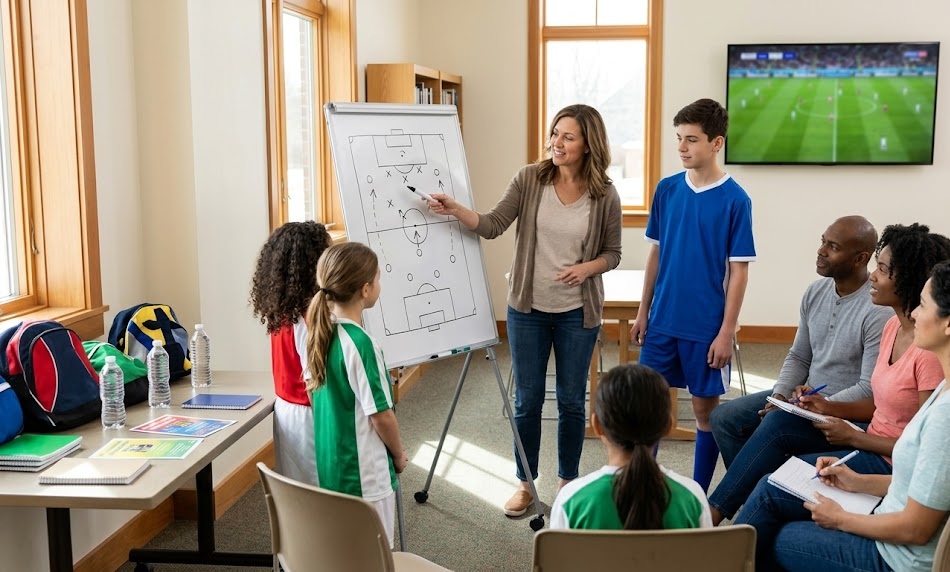
FIFA’s official tournament schedule lists games across host markets in the United States, Canada, and Mexico, giving American fans a month of reasons to gather around the sport. For the U.S., the opener against Paraguay on June 12 created an immediate surge of attention because it placed the host nation under the bright lights at home. The next U.S. group matches against Australia on June 19 in Seattle and Turkey on June 25 in Los Angeles only added to the watch-party calendar.
That rhythm matters. A single match can create a fun event. A full group stage creates a habit.
When fans meet repeatedly, conversations deepen. The first gathering might be about snacks, jerseys, and kickoff times. By the second or third, people start talking about formations, player fitness, public confidence, and why odds seem to move before lineups are announced. That is where watch parties become informal classrooms.
The key is keeping the tone healthy. A community watch party should make fans smarter, not more impulsive.
For organizers looking at the basics of gathering people around local sports, NextClues has already explored the value of planning, atmosphere, and shared participation in a community watch party guide. The World Cup simply raises the stakes because the audience is bigger, the matches are more global, and the betting conversation is louder than a normal weekend game.
Why Betting Talk Shows Up Before The First Whistle
Betting talk follows major sports because major sports create uncertainty. A World Cup match gives fans dozens of things to debate: the starting lineup, the opponent’s defensive shape, weather, travel, crowd pressure, refereeing style, substitutions, and tournament motivation.
That debate becomes more intense when the match is tied to national pride. Before USA vs. Paraguay, coverage around the match showed that the betting public was heavily backing the United States. That is exactly the kind of information that spreads quickly inside watch parties. Someone sees a line. Someone sees a promo. Someone hears that “everyone is on the U.S.” and suddenly the conversation shifts from soccer confidence to betting confidence.
Those are not the same thing.
A fan can believe the U.S. has the better roster and still recognize that a betting line may already reflect that optimism. A supporter can love Christian Pulisic, Weston McKennie, Folarin Balogun, Gio Reyna, or another national-team star without assuming every market around the team has value. A local soccer fan can enjoy the emotion of the room while still pausing before following the loudest opinion on a phone screen.
That pause is where betting-forum research becomes useful.
Offshore sportsbook forums are not magic answer machines. They are messy, opinionated, and sometimes contradictory. But when used carefully, they can help fans notice patterns that glossy ads do not highlight: payout complaints, bonus confusion, slow withdrawals, identity-verification issues, market limits, live-betting delays, or long-running reputation concerns. Sites such as offshore sportsbook forums can give readers a place to compare player conversations, sportsbook notes, and community feedback before treating any promotion as safe.
The point is not to tell fans where to bet. The point is to remind them that community research should happen before money leaves the account.
The Smart Fan Separates Team Hype From Sportsbook Research
World Cup watch parties create emotional momentum. That is part of their magic. When a room full of people believes in the same comeback, the feeling is contagious. When a host nation scores, strangers high-five like lifelong friends. When a goalkeeper makes a late save, the entire bar feels like it had a hand on the glove.
That same energy can also make fans vulnerable to rushed decisions.
A sportsbook bonus might sound better when everyone is celebrating. A live line might feel more urgent when the room is chanting. A forum post claiming “easy money” might look more convincing when it matches what everyone already wants to believe.
Smarter fans learn to separate three different things:
| Watch-Party Conversation | What It Can Tell You | What It Cannot Prove |
|---|---|---|
| Team confidence | How fans feel about form, players, and matchup | Whether the betting line has value |
| Promo excitement | Which offers are being advertised heavily | Whether the terms are fair or easy to clear |
| Forum chatter | What other bettors claim to have experienced | Whether every claim is verified |
| Line movement | How markets may be reacting | Why the move happened or whether it will continue |
This is where community sports culture can become genuinely educational. A local fan does not need to become a professional bettor to ask better questions. They only need to slow down.
Who is making the claim? Is the source a news report, a sportsbook ad, a forum user, or a friend repeating something from social media? Does the offer have rollover terms? Does the sportsbook explain withdrawal rules clearly? Is the platform regulated in the fan’s state, or is it offshore and outside state consumer protections?
Those questions make the conversation more responsible. They also fit the broader spirit of a good community watch party: everyone can enjoy the game, but nobody should feel pressured into a financial decision because the room got loud.
Real Places, Real Crowds, Real Research Habits
The 2026 World Cup gives American soccer fans a rare geography lesson in sports culture. Los Angeles, Seattle, Dallas, Houston, Kansas City, Miami, Atlanta, Philadelphia, Boston, the San Francisco Bay Area, and the New York/New Jersey market are all part of the broader U.S. host-city story. Even fans who are nowhere near those stadiums can still feel connected through local watch parties.
A youth soccer club in Ohio can organize a family-friendly viewing event. A supporters’ group in Texas can take over a neighborhood pub. A community center in Florida can set up a projector. A college town can build watch-party traditions around the U.S. matches, Mexico matches, Brazil matches, Argentina matches, or any team connected to the community’s identity.
Those real places matter because they turn the World Cup from content into community.
They also create better conditions for responsible discussion. A fan scrolling alone may only see ads, picks, and fast opinions. A fan watching with others can ask questions out loud. Someone might know the difference between a regulated sportsbook and an offshore site. Someone else might understand what rollover means. Another person might remind the group that betting laws, consumer protections, and app availability vary by state.
That does not make the watch party a formal seminar. It makes it a healthier fan environment.
A good organizer can even set the tone without sounding preachy. Before kickoff, the event can focus on food, seating, screens, and family-friendly energy. During halftime, conversations can stay centered on the match. After the final whistle, fans can talk through what they saw instead of chasing immediate betting reactions.
How Forums Can Help Without Taking Over The Watch Party
The smartest use of a sportsbook forum is not during the loudest moment of a match. It is before or after the event, when fans have time to read carefully.
During a watch party, attention belongs on the game and the people in the room. Nobody wants a community gathering to become one person shouting odds updates every three minutes. But outside the event, forums can help curious fans build a more careful checklist.
That checklist might include payout history, bonus terms, customer-service feedback, account-verification rules, crypto withdrawal timing, mobile usability, and whether experienced users are raising repeated concerns. No single forum post should decide anything. Patterns matter more than isolated praise or anger.
| Research Area | Why It Matters Before Depositing |
| Payout feedback | Shows whether users report smooth or delayed withdrawals |
| Bonus terms | Helps fans avoid confusing rollover or eligibility rules |
| Forum history | Reveals whether complaints are repeated or isolated |
| Banking options | Clarifies deposit and withdrawal friction |
| Rules transparency | Shows whether the sportsbook explains limits, grading, and disputes clearly |
This is especially important for offshore sportsbooks. Unlike state-regulated apps, offshore books are generally not overseen by U.S. state gaming agencies. That does not mean every offshore conversation is automatically bad, but it does mean fans should treat research as essential, not optional.
The healthier mindset is simple: use forums to ask better questions, not to outsource your judgment.
The Best Watch Parties Keep The Game At The Center
For NextClues readers, the heart of this story is not gambling. It is community.
World Cup watch parties can introduce new fans to soccer. They can support local restaurants and bars. They can give youth players a memory that lasts longer than the score. They can bring together families from different backgrounds who see part of themselves in different teams. They can remind people that sports are one of the rare public languages that can make strangers feel connected in minutes.
Betting talk is part of the modern sports environment, but it should not be allowed to swallow the event. The best community hosts keep the match at the center and frame sportsbook research as a side conversation for adults who choose to explore it carefully.
That means no pressure. No “locks.” No shaming people who do not bet. No turning a family watch party into a sales pitch. No treating a forum rumor as confirmed news. No pretending that a big bonus is automatically better than a smaller offer with clearer terms.
A strong watch-party culture welcomes fans first. It lets curiosity breathe. It encourages people to think, compare, and ask for context. That is how local soccer gatherings can become smarter without losing their joy.
What U.S. Soccer Fans Can Take Into The Next Matchday
The next wave of World Cup watch parties will not be quieter. They will be bigger, more emotional, and more connected. Phones will keep buzzing. Odds will keep moving. Promos will keep appearing. Forum threads will keep filling with opinions.
That is exactly why fans need a better matchday rhythm.
Arrive for the people. Watch the game with your full attention. Celebrate the goals. Ask good questions. Do your research away from the noise. Treat offshore forums as one resource, not the final word. And remember that the best kind of soccer community is one where every fan leaves feeling more connected, not more pressured.
The 2026 World Cup is giving U.S. soccer supporters a rare chance to build local traditions around a global event. If watch parties can combine excitement with smarter research habits, they will do more than fill rooms for a few weeks. They will help create a more informed fan culture long after the final whistle.