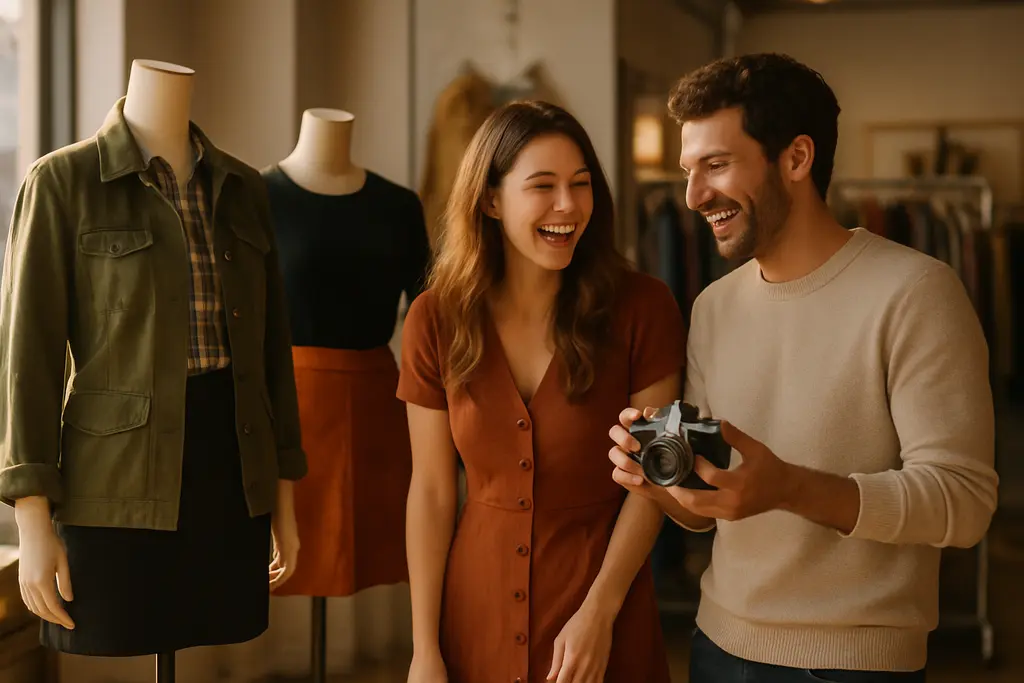
On September 11, 2026, 2016 fashion trends read less like a simple comeback and more like a cultural edit. Vogue described the early-2026 attention around the phrase “2026 is the new 2016,” connecting it to reposted memes, familiar online aesthetics, and renewed interest in clothing codes associated with that year, including chokers, bomber jackets, slip dresses, off-the-shoulder tops, velvet, and merch culture Vogue’s 2026 account. The useful question is not whether 2016 has returned whole. It has not. The sharper reading is how selected garments and posting habits have been recast for a public that remembers the period as expressive, social, and less algorithmically strained.
The nostalgia also carries an emotional charge. The New York Times reported on January 17, 2026, that the renewed pull of 2016 is tied to “millennial optimism,” including memories of Instagram and Twitter as comparatively novel social spaces and a desire for simpler online life amid present political and social strain New York Times reporting on 2016 nostalgia. That framing matters for culture coverage because clothes are not acting alone. They sit inside a wider recall of parties, posts, concerts, fandom, and youth-coded confidence.
Why 2016 fashion trends Returned
How 2016 fashion trends Returned Online
The online revival appears to have gathered force from late 2025 into early 2026, based on the research available here. That timing suggests a memory cycle shaped by social platforms rather than by runway calendars alone. People did not simply rediscover a choker in a drawer; they encountered a year as a package: beauty references, memes, filters, celebrity-era silhouettes, music fandom, and casual streetwear. The effect is cultural shorthand. A black velvet choker or satin slip dress can now signal not only a garment category but a remembered mood of posting, dressing up, and being seen by peers.
This is why the revival should be read with caution. Nostalgia often edits out discomfort, exclusion, overexposure, and commercial pressure. Aesthetic memory can soften the rougher parts of a period, especially for people who experienced that year through youth, nightlife, fan communities, or early creator culture. For people outside those circles, the memory may feel less personal. The trend is visible, but it is not universal.
What The Nostalgia Leaves Out
To treat 2016 fashion trends as a single visual code would flatten the evidence. The cited reporting points to specific items and habits rather than a full replay of the year. Chokers, bomber jackets, slip dresses, off-the-shoulder tops, velvet, merch, and sporty silhouettes are easier to revive than the exact social setting that made them feel immediate in 2016. That distinction protects the analysis from overclaiming. The return is selective, and selectivity is the point.
The difference between imitation and reinterpretation is visible in styling. A bomber jacket can be worn as a nostalgic streetwear sign, but it can also be folded into a cleaner, more adult wardrobe. A slip dress can carry party associations without being styled like a mid-2010s influencer post. A choker can read playful, gothic, romantic, or ironic depending on fabric, scale, and context. The garment is familiar; the meaning changes with the room.
Garments, Images, And Community Signals
Chokers, Bombers, Slip Dresses
The garment list matters because it is compact and legible. Chokers sit close to the face, so they photograph clearly and register quickly in short-form visual culture. Bomber jackets offer volume, ease, and gender-flexible styling. Slip dresses carry a minimal line that can move between partywear and layered daywear. Velvet gives surface depth without requiring ornate construction. These traits help explain why these pieces travel well across feeds, concerts, markets, and informal gatherings.
From an event-review perspective, the most interesting part is not the item alone but how groups style it together. At music nights, art-adjacent parties, campus events, and maker markets, a revived piece can become a social cue: it says the wearer recognizes the reference but is not necessarily recreating the full past. That is where community style becomes more revealing than a single runway image. NextClues has also considered seasonal dress through community behavior in its community style report, a related frame for reading how trends move beyond editorial pages.
Lo-Fi Posting And Event Style
The image culture around the revival is just as important as the garments. The research notes a move away from heavily polished online presentation toward grainier, lo-fi, less edited images that echo Tumblr-era and raw Instagram habits. That does not mean every image is unmediated or sincere. Lo-fi style can itself become a performance. Still, the preference for less perfected images helps explain why 2016 references feel plausible in 2026: the clothing and the camera language reinforce each other.
This shift also affects how festivals, exhibitions, and local creative gatherings are remembered. A glossy promotional image can make an event feel distant. A grainy mirror photo, crowd fragment, or backstage-style snapshot can make it feel socially reachable. Curators and organizers should be careful, though, not to mistake casual image style for open consent. Artists, attendees, and makers still deserve clear credit, respectful documentation, and control over how their work or likeness is used.
Commercial Memory Without Copying The Past
Merch, Drops, And Rights Awareness
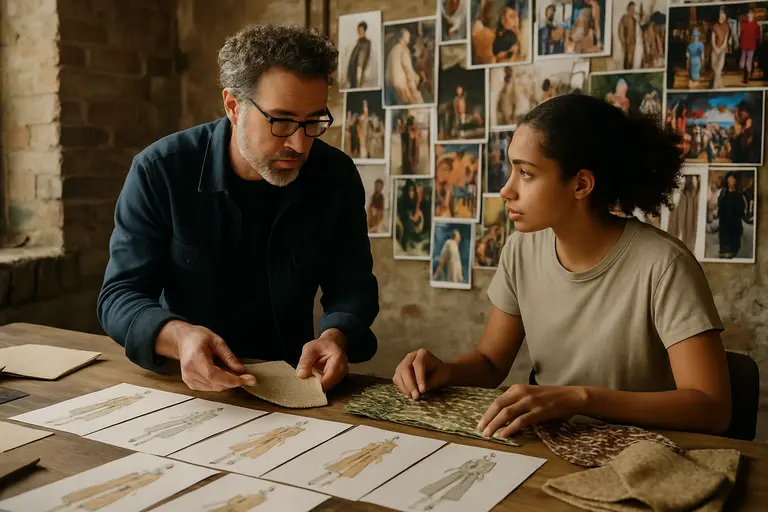
Vogue’s reporting also links the revival to merch and fandom fashion, noting how band tees, tour hoodies, and limited-edition drops have moved between concert support, streetwear, and luxury contexts. That connection is especially relevant for creator-commerce sellers. Nostalgia can create demand for familiar formats, but it does not remove the need to respect trademarks, artist names, celebrity likenesses, band identities, and copyrighted imagery. This is not legal advice; it is a cultural caution. Reference a period with materials, fit, color, and mood before assuming that protected names or images are available for commercial use.
For independent makers, the safer creative opportunity may be structural rather than literal: cropped proportions, satin surfaces, velvet texture, olive or black outerwear, simple hardware, and event-ready layering. Those elements can evoke an era without copying a specific performer, brand logo, or artwork. Respectful nostalgia leaves room for new authorship.
Why Retail Evidence Needs Limits
The research also notes that late-2025 shopping signals included renewed interest in bombers and leather jackets, with Vogue citing Lyst’s Q3 2025 index and the Nour Hammour “Hatti” leather bomber as one example. That kind of data point is useful, but it should not be stretched too far. Search and shopping indexes can show heat around a product category; they do not prove that every community, price point, or city is dressing the same way.
- Use retail signals as evidence of attention, not as proof of universal adoption.
- Separate nostalgia for a silhouette from nostalgia for the social conditions around it.
- Credit living artists, designers, photographers, stylists, and communities when their work shapes an aesthetic reference.
- Let 2016 fashion trends inform mood and proportion without turning cultural memory into a costume.
What 2016 fashion trends Mean Now
A Curator’s Read
The current revival is best understood as a negotiation between memory and use. People are not returning to 2016 as a fixed archive; they are borrowing the parts that feel emotionally portable. Chokers, bombers, slips, velvet, merch, and lo-fi images offer quick access to a remembered social tone: expressive, casual, online, and group-facing. The appeal is real, but the evidence supports a measured claim. This is a selective revival shaped by nostalgia, commerce, and platform behavior, not a full cultural reset.
The most durable use of 2016 fashion trends may be as a prompt for better cultural reading. Ask who is reviving the look, where it appears, who benefits from its circulation, and whether the people who shaped the reference are credited. For readers comparing fashion with music, events, and creator culture, robsonic.org offers insights within the same network. The strongest 2026 styling does not freeze 2016 in amber. It treats memory as material, then lets present communities decide what still fits.