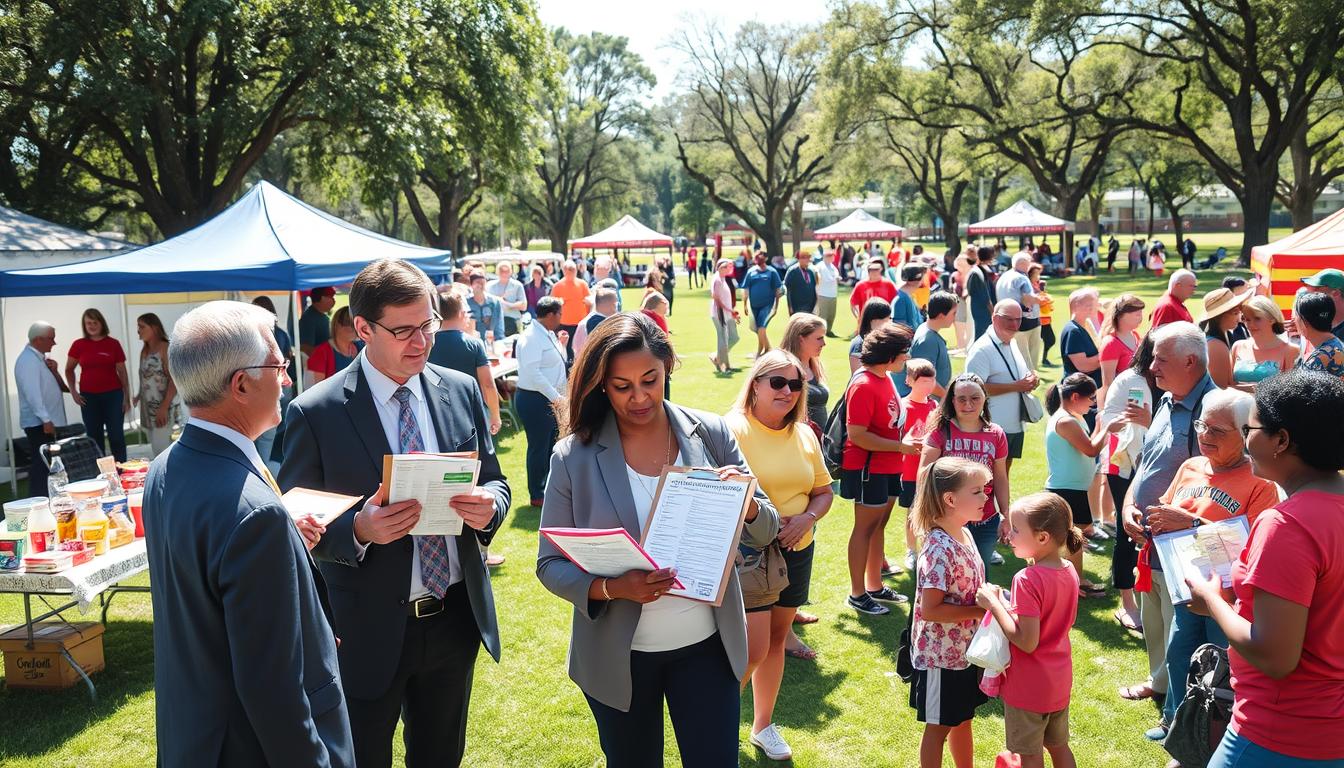
Every successful sports season starts with a solid financial plan. Before you begin raising money, you need to know exactly what your group requires. This means looking at everything from uniforms and equipment to travel costs and tournament fees.
Creating a realistic budget helps you set clear goals. Think about venue rentals, materials, and promotion expenses. These details make your fundraising efforts more focused and effective.
Proper planning can lead to impressive results. For example, one 5K event earned over $1,600! By estimating costs carefully, you can achieve similar success for your own squad.
Don’t forget to promote your efforts through flyers, social media, and personal visits. A good strategy includes both online and offline methods. For more sports fundraising effective ideas strategies to fund your, check out our detailed guide.
With the right approach, you’ll feel confident and ready to tackle any financial challenge. Let’s make this season your most successful yet!
Choosing Fundraisers That Fit Your Booster Club
Finding the right fundraising ideas is key for your booster club’s success. The best ideas mix creativity with practicality. They should match your team’s size and goals with activities that engage your community.
Let’s look at three main types of fundraisers: events, sponsorships, and online methods. Each has its own benefits and can be customized for your needs.
Events create memorable experiences and raise money. They’re great for building team spirit and community connections.
Here are some proven event ideas:
- Oh Snaps! Headshot Fundraisers – Professional photos for students can raise $210-$520
- Taste-Offs – Local restaurant competitions typically earn around $800
- Battle of the Bands – Music events have generated up to $1,400 for some groups
- Internship Expos – Career-focused events that average $500 in revenue
These events work because they offer real value. A headshot fundraiser helps students with professional needs, while taste-offs support local businesses.
Sponsorship Opportunities
Sponsorships provide steady funding through local business partnerships. They’re less work than events and create ongoing support.
Start by identifying businesses that align with your booster club’s values. Restaurants, sports stores, and family-owned businesses often make great partners.
Offer tiered sponsorship packages with clear benefits. This could include logo placement on uniforms, social media shoutouts, or booth space at events.
Online Fundraising Methods
Digital platforms open up fundraising to a wider audience. They’re perfect for reaching alumni and extended family members who want to support your team.
Crowdfunding campaigns work well for specific needs like new equipment or travel expenses. Set clear goals and share progress updates to keep donors engaged.
Online merchandise stores offer another great option. Sell team gear year-round without the hassle of inventory management.
Remember to connect with local fan groups when planning your online efforts. These communities often include passionate supporters willing to help your booster club succeed.
The most successful booster clubs often combine all three approaches. A battle of the bands event might feature sponsor logos while promoting an online merchandise store.
Choose fundraisers that match your team’s personality and resources. Smaller booster clubs might start with online efforts, while larger groups can tackle bigger events.
Whatever you choose, focus on activities that bring people together while supporting your team’s goals. The right fundraiser will not only raise money but also strengthen your community connections.
Pitching Local Businesses and Crafting Packages
Building strong relationships with local sponsors can really boost your fundraising. These partnerships are good for both sides. Businesses get more visibility, and your cause gets the support it needs.
First, find sponsors that match your mission. Look for companies that share your values or have supported community projects before. Local businesses, PR agencies, and alumni networks are great places to start.
Personalization is key when reaching out to sponsors. Do your homework on each business before you contact them. Explain why their support would be special to you. This shows you care more than just about the money.
Make sponsorship packages that offer real value at different levels. Here are some ideas:
- Bronze Level: Social media shoutouts and event program listings
- Silver Level: Logo on promotional stuff and social media features
- Gold Level: A chance to speak at events, top logo placement, and a special thank-you campaign
Always talk about the benefits for both sides. Explain how supporting your cause can boost their brand. Also, highlight the good community vibes they’ll get. Many sponsors like seeing their help make a real difference.
Be professional but don’t push too hard. Say thank you even if they say no. Sometimes, it’s just not the right time. But they might help out next time. Building strong relationships can lead to ongoing support.
Good partnerships are about more than just money. Find ways to work together all year. Share sponsors in your newsletters or invite them to volunteer. These extra steps can make your relationships stronger.
Once sponsors join, keep them updated. Tell them how their support is helping. Being open and honest can keep them on board and might even lead to bigger help in the future.
Compliance, Permits, and Raffles
Before you sell your first raffle ticket, it’s key to know local laws and rules. This ensures your fundraiser is legal and protects your group. Getting this right makes your event smooth and successful.
The PRSSA raffle example shows the power of these events. They raised $500 with tickets for cool prizes like concert tickets. This success shows what’s possible with good planning.

In most states, raffles need special permits. You’ll apply for a gaming or raffle license through your local government. The steps vary but usually include:
- Completing detailed forms about your organization
- Providing proof of nonprofit status
- Submitting your raffle rules and prize descriptions
- Paying applicable fees
But compliance goes beyond just permits. You must also follow rules on how to run and promote your raffle. This means being clear about ticket prices, drawing dates, and who can enter.
Here’s a quick look at common raffle rules across states:
| State | Permit Required | Application Fee | Maximum Ticket Price | Reporting Required |
|---|---|---|---|---|
| California | Yes | $25-$100 | No limit | Financial report due |
| New York | Yes | $50 | $500 | Post-event filing |
| Texas | Yes | $25 | No limit | Annual report |
| Florida | No | N/A | No limit | None |
Raffle laws often change. Always check with your state’s attorney general or gaming commission for the latest rules. Many states have online resources for nonprofit fundraising compliance.
Keeping good records is also key. Keep detailed records of ticket sales, expenses, and prize distributions. These records are important if you need to prove your raffle’s legitimacy.
If you plan to hold many raffles, consider getting an annual permit. This can make things easier and save you time and effort for future events.
Putting in the effort to follow rules builds trust with your donors and community. When people know your event is legal and follows all rules, they’re more likely to participate.
Digital Payments and Donor CRM Basics
Fundraising has changed a lot. Now, we use digital tools instead of cash boxes and paper forms. These tools make it easier to collect donations and build stronger supporter relationships.
Online crowdfunding platforms let people donate from anywhere. They can use credit cards, digital wallets, or bank transfers. This makes it easier for people to give more.
Platforms like RaiseRight offer a special way to fundraise. Supporters shop through the platform, and a percentage goes to your cause. It’s a way to fundraise without much effort.
A good donor CRM system tracks all your contributions. It keeps your contact information, donation history, and what you like to hear from us. This helps you know who your biggest supporters are.
Here’s how different digital payment options compare:
| Payment Method | Processing Time | Fees | Best For |
|---|---|---|---|
| Credit/Debit Cards | 2-3 business days | 2.5-3.5% | One-time donations |
| Digital Wallets | Instant | 1.5-2.5% | Mobile donors |
| Bank Transfers | 1-2 business days | 1% or less | Large donations |
| Platform-specific (RaiseRight) | Varies | None to donor | Passive fundraising |
Your donor CRM gets more valuable as you collect more info. You can see which events get the most support. You’ll also learn what communication methods work best for your audience.
Good donation management is more than just processing payments. It’s about understanding each supporter’s journey with your organization.
Start with basic info and grow your database over time. Even simple tracking makes your thank-you messages more personal. Supporters like it when you remember their past donations.
Digital tools might seem technical at first, but they’re easy to use. Most platforms offer great support and tutorials. Your team will quickly get the hang of it.
Use these digital solutions to make your fundraising more efficient. You’ll spend less time on paperwork and more time connecting with supporters. This is key to your success.
Marketing Assets and Social Toolkit
Your fundraiser needs eye-catching materials that grab your community’s attention. Marketing assets should create excitement and anticipation for your event.
Start with flyers that grab attention. Use bold colors and clear messages. Place them in busy spots like community centers and local shops.
Your social toolkit should have content ready for all platforms. Mix posts that tell your story and show your impact.
Here are key elements for your promotion:
- Behind-the-scenes photos of your prep
- Testimonials from those you’ve helped
- Countdown posts to build excitement
- Clear calls-to-action for donations
Classroom visits and personal talks add a personal touch. These face-to-face interactions often create the most passionate supporters.
Keep your message the same in all your materials. Your passion should be clear in every piece of content you make.
Volunteer Roles and Timelines
Your fundraising success depends on the right people in the right places at the right time. Proper volunteer coordination turns chaos into smooth operation. Let’s explore how to assign roles and create effective timelines.
First, identify key positions for your event. For a 5K fundraiser, you’ll need:
- Registration desk volunteers
- Course marshals and direction guides
- Water station attendants
- Cheer squad and motivation team
- Clean-up crew

Make clear job descriptions for each position. Volunteers do better when they know their exact duties. Include time needed, physical demands, and specific tasks for each role.
Start recruiting 6-8 weeks before your event. Use many ways to find volunteers:
- Social media calls for volunteers
- Local community boards
- School and church newsletters
- Personal invitations to previous supporters
Create a master timeline for all volunteer activities. This schedule should include pre-event tasks, day-of duties, and post-event wrap-up. Share this timeline with all team members to keep everyone in sync.
Here’s a sample volunteer timeline for a Saturday 5K event:
| Timeframe | Volunteer Role | Key Tasks |
|---|---|---|
| 6-8 weeks prior | Recruitment Team | Identify needs, create sign-up forms |
| 2 weeks prior | All Volunteers | Training session, role confirmation |
| Event Day – 7:00 AM | Setup Crew | Course preparation, station setup |
| Event Day – 8:30 AM | Registration Team | Check-in participants, distribute packets |
| Post-Event | Clean-up Crew | Site restoration, equipment return |
Good communication keeps your volunteer team motivated and informed. Schedule regular check-ins and provide clear contact info for team leaders. Remember to show appreciation throughout – volunteers who feel valued become your most passionate advocates.
Assign a volunteer coordinator to handle all personnel aspects. This person should manage scheduling, communication, and problem-solving. Having one person in charge simplifies volunteer coordination and ensures consistent messaging.
Lastly, create a contingency plan. Life can be unpredictable, and volunteers might need to cancel at the last minute. Keep a list of backup volunteers for critical roles. This preparation ensures your fundraising event goes smoothly, even with unexpected changes.
Proper planning of volunteer roles and timelines creates a positive experience for everyone. Your team will feel organized and supported, leading to better community engagement and greater fundraising success.
Reporting Impact and Thank‑You Plan
Your fundraising success story doesn’t end when the money comes in. The final chapter involves sharing your achievements and expressing genuine gratitude to everyone who made it possible.
Reporting impact transforms your fundraiser from a simple transaction into a meaningful partnership. When sponsors and donors see tangible results, they feel valued and connected to your cause.
Create a simple yet powerful impact report that highlights key achievements. Focus on specific numbers and stories that demonstrate how contributions made a difference.
Your thank-you plan should be as thoughtful as your fundraising strategy. The CREW Network Playbook emphasizes that appreciation builds lasting relationships and encourages future support.
Consider these effective ways to show gratitude:
- Personalized thank-you emails with specific impact metrics
- Handwritten cards from team members or beneficiaries
- Social media shoutouts tagging supporters
- Recognition in newsletters or annual reports
- Small tokens of appreciation for major contributors
Timing matters tremendously with gratitude. Send thank-you messages within 48 hours of receiving support while the excitement is fresh.
This prompt appreciation shows donors you’re organized and genuinely grateful for their contribution. It turns one-time supporters into long-term partners.
| Thank-You Method | Best For | Timeline | Impact Level |
|---|---|---|---|
| Personalized Email | All donors | Within 2 days | High |
| Handwritten Card | Major sponsors | Within 1 week | Very High |
| Social Recognition | Business sponsors | Within 3 days | Medium-High |
| Phone Call | Top 10 donors | Within 5 days | Exceptional |
Your impact reporting should tell a compelling story. Combine numbers with human experiences to create an emotional connection.
Share how many people benefited from the funds raised. Include testimonials or photos that bring the numbers to life.
This approach helps sponsors see their contribution as an investment. It builds the foundation for ongoing support in future initiatives.
Remember that gratitude is the glue that binds your fundraising community together. A well-executed thank-you plan ensures your supporters feel valued and excited to help again.
Case Studies of Successful Drives
Real-world examples show how creative fundraising ideas can generate impressive results. These case studies from actual organizations prove that with the right approach, you can achieve your financial goals while building community support.
Let’s examine three different fundraising models that delivered outstanding returns. Each case offers unique insights you can adapt for your own organization’s needs.
This photography-based event generated between $210 and $520 per session. The organizers partnered with local photographers who donated their time and equipment. Participants received professional headshots while supporting a good cause.
The key to their success was targeting professionals and students who needed quality photos. They promoted through LinkedIn and university networks, creating immediate demand.
Taste-Off Community Event
This food competition raised $800 while bringing the community together. Local restaurants and amateur chefs competed for awards in different categories. Attendees purchased tickets to sample entries and vote for their favorites.
The event worked because it combined entertainment with fundraising. It created a fun community experience that people wanted to support. Local businesses gained exposure while contributing to a good cause.
Media Contact List Fundraiser
This innovative approach generated between $650 and $5,000 by selling access to valuable media contacts. The organization compiled a list of local journalists, producers, and influencers, then offered it as a premium resource.
They targeted small businesses and nonprofits needing media exposure. The digital product required minimal ongoing effort after the initial creation.
| Fundraiser Type | Revenue Range | Key Success Factor | Target Audience |
|---|---|---|---|
| Headshot Event | $210-$520 | Professional service need | Students & Professionals |
| Taste-Off Competition | $800 | Community engagement | Food enthusiasts |
| Media List Sale | $650-$5,000 | Digital product scalability | Businesses & Organizations |
These case studies demonstrate that successful fundraisers often solve a specific need while raising money. The headshot event provided professional services. The Taste-Off offered entertainment and community building. The media list addressed business marketing needs.
When planning your next fundraising campaign, consider what value you can provide beyond simply asking for donations. The most effective fundraising events create win-win situations for everyone involved.
These examples show that with creativity and strategic planning, you can develop fundraising approaches that resonate with your community while achieving your financial objectives.
90‑Day Action Plan and Calendar
Your fundraising success starts with a clear 90-day action plan. Break your timeline into manageable phases to stay organized and focused.
In the first 30 days, set specific fundraising goals. Build your outreach list of local businesses and community supporters. Use this time to research possible partners.
The next 30 days are for creating compelling proposals. Tailor each package to match the interests of your prospects. Prepare your pitch materials and schedule meetings.
The final 30 days involve delivering pitches and following up promptly. Keep track of responses and adjust your approach as needed. Persistence pays off in securing sponsorships.
For year-round earning, consider tools like the RaiseRight platform. It helps teams raise funds consistently beyond events. Integrate it into your long-term strategy.
Stick to this calendar to execute your fundraisers step-by-step. Your team will achieve its goals with confidence and efficiency.