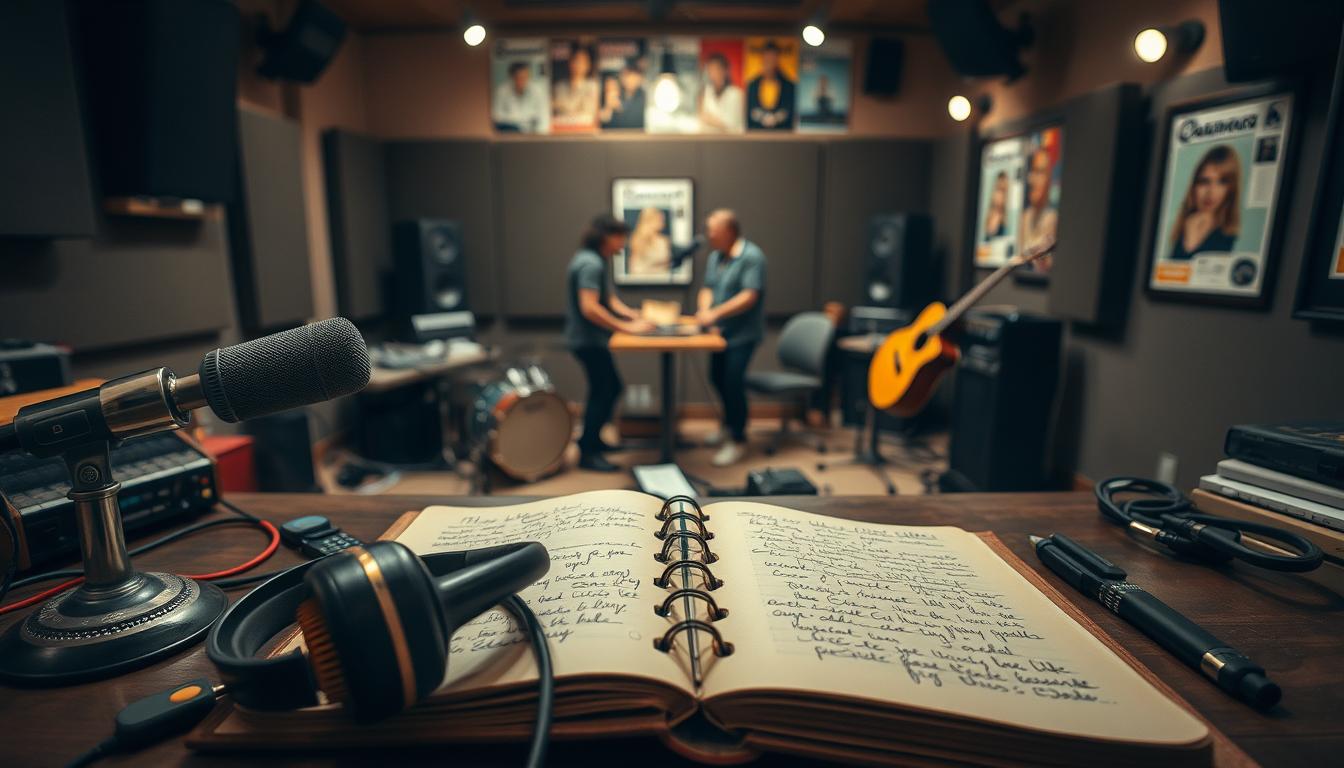
Welcome to a world where creativity meets chaos. Imagine five musicians, lots of caffeine, and expensive microphones in a soundproof room. This is not just any day; it’s where magic is made, one note at a time.
In the lead-up to tracking their next single, the atmosphere is electric. Andrew Schwab of Project 86 says he’s always in “writing mode.” He zones out during conversations, thinking of drum parts. This obsessive mindset is just the beginning.
What happens in that liminal space between setup and playback? It’s a curious alchemy. Time stretches, egos clash, and doubts creep in around hour seven. Did they make the right creative choices? This isn’t a polished documentary; it’s a raw studio diary that reveals the true essence of the recording process.
From click-track debates to candle rituals, the real story unfolds in the minutiae. Here, the difference between a hit and a hard drive full of regret often hinges on who remembered to label the tracks. Buckle up for a glimpse into the controlled chaos of a recording session, where every painstaking take counts.
Call sheet day plan and roles producer engineer band tech
A chaotic studio hinders creativity. A solid day plan is key. Before music starts, someone must manage the logistics. The call sheet is more than a schedule; it’s a promise of how the day will flow.
Imagine it’s 10:00 a.m. and the drummer arrives for setup. Why do they need an extra hour? It’s a puzzle. At 11:30, the bassist comes in, with reliable gear and little drama. Noon brings the guitarists, often needing to fix something that should have been done yesterday.
The producer is like a king, guiding the music and managing the day. They can spot a small sound issue from far away. The engineer works magic behind the scenes, handling sound and keeping the peace when the band tech fixes the guitarist’s pedalboard again.
Each role is part of a team. The producer guides the music, the engineer turns it into sound, and the band tech makes sure the instruments work. When roles mix, you might see genius or a long day ahead.
The best bands treat the call sheet like a guide. It’s flexible for creativity but firm to avoid chaos. This balance is vital for a productive recording session, making every minute count.
Room layout mics signal flow headphone mixes and click debate
The live room setup is where creativity meets technical skill. The room’s layout affects everything from mic choice to the final mix. Do you place guitar cabinets in the dead room or mix them with drum overheads for that unique room sound? Each mic placement tells a story, showing the sound’s purpose.
A Shure SM57 close to the grille cloth demands punch and clarity. On the other hand, a ribbon mic three feet back adds air and dimension. These choices are both technical and reflect the band’s vision.

The signal flow diagram looks like a madman’s subway map. It shows the path from preamp to EQ to interface, with patch bays lighting up like a Christmas tree. Each connection has a story, guiding the sound from start to finish.
Next, the headphone mix debate starts, a test of band democracy. The vocalist wants more reverb, the drummer needs a loud click track, and the bassist wants to hear their amp and the kick drum. The click debate is intense, with some arguing over quarter notes versus eighth notes.
In the end, the producer usually decides, not because they’re always right, but because someone has to. For more on home studio setups, check out this home studio handbook.
Warm ups vibe builders reference tracks candle rituals coffee
Before the first note, a ritual sets the stage. No one just walks into a studio without warming up. This warm-up is as vital as the air conditioning.
Some bands run scales, while others rehearse at half tempo. Others perform elaborate ceremonies. These rituals are as important as the music itself.
Andrew Schwab, for example, listens to film scores and classical music before recording. He finds inspiration in music far from his own genre.
A vocalist burns a specific candle before recording. A drummer does paradiddles to Queens of the Stone Age. A guitarist plays along to Steely Dan’s “Peg.”
Reference tracks help everyone tune their ears and share a musical language. Telling someone to “make the snare sound like the one on that Spoon record” is clearer than saying “make it sound punchy but warm.”
Coffee is also key in the studio. Too little, and energy drops; too much, and the drummer rushes. The ritual helps because recording is unnatural.
First takes capturing energy comping philosophies and mistakes
In music, the first take is a raw snapshot of creativity. It’s a mix of brilliance and chaos. These initial recordings capture a band’s nervous energy, which is hard to replicate.
The first take is often a liar. Sometimes, it’s the best performance you’ll hear all day, full of urgency. Other times, it’s a train wreck that makes the second take seem like a masterpiece.
The producer’s job is to find the magic in those first eight bars. Some believe in keeping the first take, mistakes and all, for emotional authenticity. This approach has led to some of the greatest recordings in history.
On the other hand, there’s the comping philosophy. This method involves taking the best parts from various takes to create a flawless performance.
- Emotional Authenticity: The first take often embodies the raw emotions of the moment.
- Technical Precision: Comping allows for a polished final product.
- Artistic Integrity: Knowing when to embrace imperfections can lead to unique sounds.
Both methods have their merits and have produced stunning results. The real skill is knowing which philosophy serves the song best. A punk track that’s too polished can sound sterile, while a complex prog epic left in its chaotic first-take state can feel amateurish.
And let’s not forget about the glorious mistakes—the unrepeatable accidents that often hold the most magic. A string squeak that adds unexpected tension, a voice crack that conveys vulnerability, or a slightly rushed fill that somehow elevates the chorus. Great producers don’t just tolerate these quirks; they curate them. They understand that perfection is a myth sold by software companies, and that the human ear craves the evidence of human hands.

Overdubs textures harmonies percussion ear candy decisions
Overdubs bring creativity and teamwork together, making raw tracks shine. After laying down the basics, we focus on the details that make a song stand out. It’s like adding wallpaper, throw pillows, and fancy light fixtures to make it pop.
Harmony vocals are a big deal in overdubs. Who sings the third above? Who doubles the lead in the chorus? These debates can be intense. It’s a mix of ego and artistry.
Percussion overdubs are the indie band’s secret weapon. A shaker here, a tambourine there, maybe a glockenspiel for fun. These ear candy touches make a song worth listening to over and over. The producer might say, “This bridge needs more cowbell, but ironically.”
Texture is key in modern production. Think of a reversed reverb swell or a guitar part through a Leslie speaker. These subtle touches add depth to a song. A synthesizer pad that sneaks in can change everything.
But, too many overdubs can be a problem. Each one must add something special. The mute button is key to keeping things balanced.
Andrew Schwab says, “Guest appearances are so much fun and I plan to have at least a couple. Any suggestions from the readers? I am all ears.” Collaborations bring new ideas and textures, making the production better.
| Element | Purpose | Example |
|---|---|---|
| Harmony Vocals | Enhance melody | Third above lead |
| Percussion | Add rhythm | Shaker, tambourine |
| Texture | Create atmosphere | Reversed reverb swell |
| Guest Contributions | Introduce new ideas | Collaboration with other artists |

Breaks mental resets games meal break and budget management
Taking breaks during tracking is not just a luxury; it’s a necessity. It keeps your ears sharp and your mind clear. After four hours, your ears start to get tired. This is why breaks are key to keeping your ears in top shape.
Producers know the value of mental resets. They plan them like pit stops in a race. Fifteen minutes every ninety minutes refreshes your mind. It’s a chance to step outside and listen to something new.
Meal breaks are more than just a time to eat. They’re a chance to bond and make decisions. Who picks the restaurant? Does the vegan bassist have a say? These moments can shape the session’s mood.
Games are another important part of the studio. They help keep everyone relaxed and creative. Whether it’s playing Mario Kart or darts, these breaks are essential.
But budget management is always in the back of your mind. Independent bands act like their own record labels. Every hour spent in the studio costs money. A good producer knows how to balance creativity and budget.
| Expense Category | Estimated Cost | Notes |
|---|---|---|
| Studio Time | $50/hour | Includes engineer and equipment |
| Meals | $15/person | Factor in dietary restrictions |
| Break Activities | $20 | Games or snacks |
| Miscellaneous | $30 | Unexpected expenses |
Editing checklist naming tracks backups and safety discipline
A well-organized editing checklist is key to any recording project. It makes mixing smooth and avoids chaos. Imagine opening your project and finding track seventeen labeled “Audio 17_03.wav.” It’s hard to remember if it’s the right take or not.
The editing checklist is a must-have document. It lists tasks like aligning bass DI with amp tracks and removing string squeaks. Each task is small but vital. Without it, you’ll spend time fixing problems instead of improving the mix.
Naming tracks is also important. It might not be exciting, but it saves time later. A clear naming system keeps everything organized, letting you focus on creativity.
Backups are another essential part of studio work. They’re like flossing—everyone knows they’re important but often forget. Always make sure the project is backed up in at least three places before leaving. This includes the main drive, a cloud backup, and a physical drive taken home.
Safety discipline is also critical. This includes keeping cables organized and turning off phantom power before unplugging mics. These details might not be glamorous, but they’re essential for preserving your work.
Quick mix rough prints stems and to do before leaving
Ending a recording session is all about getting organized and creative. The quick mix is the first glimpse of what’s been done. It should thrill the band but not fool them into thinking it’s the final product. It’s like a rough sketch, showing the big ideas but not the details.
The producer’s job is key here. They mix the tracks roughly, with drums, bass, guitars, and vocals in place. It’s a raw mix, with no fancy tweaks yet. It’s meant to show the band what they’ve got to work with.
Before the band leaves, they get a rough mix on their phones. By morning, they’ve listened to it a lot, making notes. These early thoughts are super important for keeping the creative spark alive.
Now, let’s talk about stems. These are your safety net for the future. You’ll have the drums, bass, guitars, and vocals ready to go. This way, you can always go back and change things later, like adding a new bridge.
And what about the to-do list before leaving? It’s not glamorous but it’s essential. You need to label everything, back up files, clean up, and return rented gear. You also have to pay the studio bill and check for lost items. Getting this done right means a smoother start when you begin mixing.
Polaroid gallery gear list settings and patch notes
Every studio session is full of memories and technical insights. The Polaroid gallery acts as a visual diary, capturing the day’s essence. Photos of the vintage Ludwig kit, with a tea towel on the snare, tell stories beyond nostalgia. Each photo reminds us of the moments that shaped the next single’s sound.
Documentation is key. The gear list and patch notes are the blueprint for future sessions. They show the details that make each track special. Imagine the 1965 Fender Jazzmaster paired with a Klon Centaur clone, all through a Vox AC30. The sound is crafted with precision.
Settings and patch notes guide the sound. Amp settings and pedal positions are documented. These details might seem small, but they’re the music’s foundation. Fans will reference these decisions when they dissect the album.
As the single nears release, these notes answer the big question: “How did they get that sound?” The truth is in the preparation, the unexpected moments, and the team’s magic. This is where the journey starts and the music lives on.