Author: Clara Winslow

  • Halumii Ktapihna At MCNY: A Culture Preview

    Halumii Ktapihna At MCNY: A Culture Preview

    Halumii Ktapihna: Lenape Legacies and Futures is scheduled to open to the public at the Museum of the City of New York on September 25, 2026, with a press preview set for September 22, 2026. Because today is September 21, 2026, any responsible preview has to speak in advance, not as if visitors have already formed a public response. What can be assessed now is the exhibition’s stated structure: a show built around Lenape identity, cultural continuity, displacement, land, language, and future-making.

    For community arts organizers, that framing matters. Museum exhibitions about Native nations can either repeat older habits of speaking about communities from the outside, or they can make space for living voices, contemporary artists, and community advisors. The available information suggests that this exhibition is designed around the latter approach, while still requiring careful attention from critics, educators, and visitors who enter a museum setting shaped by long histories of collecting and interpretation.

    Why Halumii Ktapihna Matters At MCNY

    Halumii Ktapihna And A Shared Museum Frame

    According to the Museum of the City of New York, the exhibition includes work by over 30 artists alongside archival materials, historic objects, videos, and interactive listening stations, and it was developed in collaboration with the Éenda-Lŭnaapeewáhkiing (Land of the Lenape) Collective and Lenape/Lunáapeew community advisors from the United States and Canada MCNY exhibition page. That collaboration is central to how the show should be read before opening: not simply as a museum display of cultural material, but as a public cultural project shaped by contemporary Lenape participation.

    The exhibition is staged at the Museum of the City of New York, located at 1220 Fifth Avenue at 103rd Street in Manhattan, as reported in coverage of the opening Manhattan location report. The site is not incidental. A museum devoted to New York City carries a particular responsibility when presenting Lenape histories and futures, since the city occupies Lenape homelands. A preview cannot judge the installation design before the galleries open, but it can recognize the stakes of placing this material inside a civic museum visited by residents, students, and tourists.

    Contemporary Artists Beside Historical Materials

    The value of Halumii Ktapihna may rest partly in how it places new artwork near historical objects without freezing Lenape culture in the past. The research notes identify rare artifacts such as wampum belts, historical tools, textiles, historic maps, and documents, alongside new works by Lenape artists exploring identity, sovereignty, and belonging. That combination can support a dialogue across time, if the installation lets contemporary voices carry interpretive weight rather than using living artists as a decorative add-on to historical narrative.

    This is where arts criticism should be precise and humble. Preview writing should not claim that an exhibition has succeeded before the public can see it. Still, the stated mix of artists, archival materials, video, and listening stations points toward a multi-sensory presentation. The interactive listening stations are especially significant because sound and language can resist the stillness of display cases. They may also ask visitors to slow down, listen, and understand culture as practice, not only as object.

    How The Exhibition Organizes Place, Memory, And Future

    Three Sections, Three Public Questions

    The exhibition is organized into three thematic sections: The Lunáapeew Today, Homelands, and Creating the Future. Those titles suggest a structure that resists a single chronological path. Instead of beginning and ending with colonial disruption, the exhibition appears to place present-day Lenape life at the center, then connect that presence to ancestral lands and future-facing visions. That order matters because it can shift the visitor’s first question from “What happened to this people?” to “Who is speaking now?”

    The research states that the show centers Lenape identity and culture across more than 12,000 years, including governance, trade networks, and relationships with land and water. That is a long span for any exhibition to hold. The challenge will be scale: how to communicate deep time without compressing distinct periods, communities, and practices into a single museum storyline. The three-section structure may help by separating present identity, homelands, and future imagination while still allowing them to inform one another.

    Land, Water, Language, And Stewardship

    The announced themes include land stewardship, language revitalization, resilience, displacement, and erasure. These are not abstract museum topics. They touch the ways institutions name places, collect objects, teach history, and decide whose knowledge is treated as authority. A culture exhibition built around these themes asks more of viewers than passive appreciation. It invites an ethical form of attention: visitors have to consider how city life, land use, and public memory are connected.

    Language revitalization is especially meaningful in a museum context. If students and general visitors encounter Lenape words, voices, and pronunciation practices, they are not merely learning labels for objects. They are meeting a living knowledge system. The school field trip program connected to the exhibition, Lenape Legacies and Futures, is scheduled to become available on October 13, 2026. The research notes that it will let students engage with contemporary Lenape voices, artifacts, speaking Lenape, and reflection on Native nations today. For educators, that date gives the exhibition a life beyond the gallery opening.

    What A Respectful Preview Can And Cannot Claim
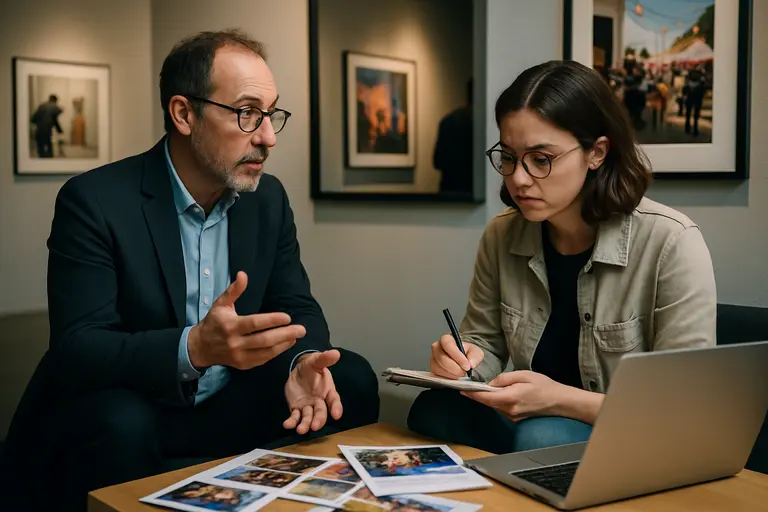
    Notebook and exhibition materials on a museum bench before a gallery visit

    Evidence Before Interpretation

    Preview coverage has limits. It can describe announced dates, themes, collaborators, materials, and educational plans. It should not invent visitor reactions, assume critical consensus, or treat the exhibition as a settled achievement before it opens. That caution is not a lack of enthusiasm. It is respect for the artists, advisors, and communities whose work deserves careful response after the public installation can be experienced.

    Based on the available research, a cautious preview can say the following:

    • The exhibition opens to the public on September 25, 2026, after a September 22, 2026 press preview.
    • It is presented at the Museum of the City of New York in Manhattan.
    • It includes over 30 artists, historical materials, video, and listening stations.
    • It addresses Lenape identity, homelands, language, stewardship, displacement, and future visions.

    What a preview cannot fairly say is how well each gallery will balance art, history, and community voice. That judgment belongs to careful viewing after the installation opens. The distinction matters because exhibitions concerning Indigenous communities have often been burdened by outside interpretation. A respectful critic should let documented facts set the frame and then allow the work, artists, and advisors to meet the public on their own terms.

    Community Context Beyond The Museum Visit

    As an arts organizer, I often think about what happens after people leave a museum. A powerful exhibition can reshape a classroom discussion, a neighborhood program, a family conversation, or a local reading group. For readers who keep up with cultural coverage and seek insights from a wider network, Shimply offers a platform that connects to how creative work influences everyday lives. That broader context is useful here because this exhibition is not only an art event; it is also a civic encounter with place and memory.

    The funding notes in the research identify support from The Puffin Foundation and Valerie & John W. Rowe, along with public support from the New York City Department of Cultural Affairs and the New York State Council on the Arts. Funding acknowledgments do not determine artistic quality, but they do show that the exhibition sits within both private and public cultural support systems. That matters for accountability, access, and the educational use of museum space.

    Halumii Ktapihna As Cultural Dialogue

    A Preview Framed By Care

    For Halumii Ktapihna, the phrase “dialogue between cultures” should be used carefully. It should not imply two equal and abstract sides meeting without history. The exhibition’s announced subjects include displacement and erasure, which means the dialogue is shaped by power, land, memory, and institutional responsibility. A better way to frame it is as a museum-based encounter in which Lenape artists and advisors help define how Lenape presence, continuity, and futures are presented to a broad public.

    That is why the exhibition’s emphasis on contemporary artists matters so much. If the show keeps living Lenape voices in the foreground, it can challenge visitors who still imagine Indigenous culture mainly through the past tense. If its sections succeed as described, The Lunáapeew Today, Homelands, and Creating the Future may give viewers a way to connect identity, place, and futurity without reducing any of them to a single lesson.

    The public opening on September 25, 2026 will provide the first real test of those ambitions. Until then, the most responsible preview is one that names the evidence, respects the participating communities, and makes room for response after viewing. On the available facts, the exhibition deserves attention not as a simple cultural event on a calendar, but as a significant moment in how a New York museum presents Lenape legacies and futures within the city’s public memory.
  • Music Copyright Rulings and Industry Risk

    Music Copyright Rulings and Industry Risk

    The recent music copyright rulings of 2026 did not move in one simple direction. By September 17, 2026, courts had narrowed one path for holding internet service providers liable, treated an AI-music training dispute as a serious licensing matter in Germany, examined how business-service revenues feed royalty calculations, and rejected key claims tied to a widely used reggaeton rhythm theory. For artists, labels, platforms, organizers, and small creative sellers, the shared lesson is caution: rights questions are becoming more specific, not easier.

    As someone who spends a great deal of time around local artists, music workers, and community events, I read these cases less as abstract doctrine and more as pressure points in cultural life. A court ruling can change how a streaming service prices risk, how a composer clears samples, how an AI tool markets itself, or how a community festival handles recorded music. None of these rulings should be read as legal advice for a particular artist or event. They do, however, show where industry participants are likely to ask sharper questions before releasing, licensing, remixing, or distributing music.

    Why Music Copyright Rulings Changed Risk Allocation

    Music Copyright Rulings And Intermediary Liability

    On March 25, 2026, the U.S. Supreme Court decided Cox Communications, Inc. v. Sony Music Entertainment. According to the research record, the Court unanimously held that an internet service provider could not be held contributorily liable based only on knowledge of user infringement and a failure to terminate accounts. The research notes state that liability required inducement of infringement or a service shaped for that infringing purpose.

    That point matters because the case involved a lower court judgment tied to a $1 billion statutory damages award against Cox. The 2026 ruling did not bless infringement by users, and it did not erase copyright enforcement against direct infringers. It did make the path against a neutral access provider narrower. These music copyright rulings shift attention from broad awareness of infringement toward proof of intent, design, or encouragement.

    Why The Cox Result Matters Beyond Broadband

    For the music business, the Cox ruling may affect how rights holders evaluate claims against intermediaries. A platform, service provider, or access company may still face scrutiny, but the research record points to a heavier burden for plaintiffs in the United States where secondary liability is at issue. That could influence settlement pressure, rights-monitoring programs, and the language companies use in repeat-infringer policies.

    For community-facing arts groups, the practical lesson is not to ignore permissions. The safer reading is narrower: a case about an internet service provider does not create a general permission slip for public use of music, nor does it answer questions about live performance, recorded tracks at events, samples, or merchandise. A neighborhood dance night, gallery fundraiser, or artist market still needs careful rights review from qualified counsel or licensing professionals when music is central to the event.

    How Music Copyright Rulings Reached AI Training

    The Suno Decision And Licensed Repertoire

    On July 31, 2026, Munich Regional Court I ruled that the AI-music generator Suno violated copyright by training models on six specific works from GEMA’s repertoire without licenses, according to the research provided. The six works named in the research were Atemlos durch die Nacht, Rasputin, Big in Japan, Forever Young, Daddy Cool, and the chorus of Mambo No. 5. The research also states that Suno had to stop reproducing those works for U.S. training and in Germany through outputs, while damages had not yet been quantified.

    That ruling has special force for creators who use AI tools in composition, mockups, advertising audio, or fan-community projects. It does not answer every question about generative music, and it came from a German court rather than a U.S. court. Still, it treated training and output as areas where specific protected works can matter. For readers following related disputes, our prior analysis of the Suno AI music case gives context on why rights holders and AI developers are likely to keep pressing these questions.

    Music Copyright Rulings And Creator Commerce

    Small sellers and event producers should be especially careful not to assume that an AI-generated track is free of rights concerns. The research notes include GEMA’s claim that Suno users generated around 7 million tracks per day globally, with about 75,000 uploaded daily to streaming services. Because that figure is presented as a claim, not an independently resolved court finding in the provided notes, it should be treated cautiously. Even so, the scale alleged by GEMA shows why licensability, provenance, and documentation are becoming practical business questions for music creators.

    A handmade seller, cosplay performer, or local arts organizer may not see themselves as part of the recording industry. Yet music often sits inside product videos, runway walks, rave flyers, short-form promos, and artist-reel edits. The safest cultural practice is to credit collaborators, ask what rights are needed, preserve records of licenses, and avoid presenting uncertain AI outputs as cleared commercial music. For more on community and arts organization insights, related perspectives can be found at Kay Granger’s website.

    Royalty Bases, Rhythms, And Cultural Credit

    Turntable, percussion instruments, and accounting notes on a table

    The Music Choice Revenue Dispute

    On August 18, 2026, the D.C. Circuit published an opinion in Music Choice v. Copyright Royalty Board concerning what counted as “gross proceeds” for calculating royalties for business services that transmit copyrighted sound recordings. The research notes say Music Choice argued that only revenue tied strictly to business services should count, while SoundExchange argued for a broader revenue base. The court record is available through the D.C. Circuit opinion, and Stanford’s Copyright and Fair Use Center also lists the matter in its Music Choice case entry.

    This kind of dispute can sound technical, but revenue-base definitions can affect how money moves to rightsholders. If a royalty formula turns on what counts as relevant proceeds, then accounting categories become cultural infrastructure. Artists may never read a royalty board filing, but they can feel the result through statements, licensing terms, and negotiations shaped by those definitions.

    The Reggaeton Rhythm Ruling

    On September 1, 2026, U.S. District Judge André Birotte Jr. ruled that plaintiffs in a reggaeton “dembow” lawsuit failed to show ownership of a valid copyrighted work or a specific protectable combination of rhythm, according to the research record. The lawsuit, filed in 2021 by Cleveland “Clevie” Browne and heirs of Steely & Clevie, named more than 150 defendants, including artists such as Bad Bunny. The tracks identified in the lawsuit included Despacito, Tití Me Preguntó, and Dame Tu Cosita.

    The ruling is culturally sensitive because genre-building rhythms often carry shared histories, migrations, club practices, studio lineages, and community memory. A court’s treatment of protectability is not the same as a cultural judgment about influence or credit. Artists and critics can recognize ancestry, borrowing, homage, and rhythmic lineage while still treating copyright claims as a separate legal question. That distinction is especially important in genres built through dance floors, sound-system cultures, remix habits, and international collaboration.

    Music Copyright Rulings For Artists And Organizers

    Taken together, the 2026 cases suggest a more evidence-heavy period for music disputes. Plaintiffs may need clearer proof of intent against intermediaries, more specific claims around protectable musical elements, and better documentation of how revenue should be counted. AI-music companies may face sharper demands to explain training sources and licensing practices, especially where identified works are alleged to have been used without permission.

    For working artists and community organizers, the most useful response is not fear. It is better recordkeeping and clearer communication. Keep track of collaborators. Save license terms. Separate inspiration from imitation. Ask whether recorded music, samples, AI outputs, or public-performance uses require permission. Respect scenes and lineages even where the law does not provide a simple claim. Music thrives through exchange, but trust depends on credit, consent, and fair dealing wherever those can be established.

    The hard part is that copyright rulings rarely speak in the warm language of creative communities. They speak through liability standards, revenue definitions, protectability tests, and remedies. Clara Winslow’s arts-organizing lens makes one point clear: the law may set the outer boundary, but artists and communities still shape the ethics of how music is made, shared, credited, and paid for.

  • Why Established Artists Lead Gallery Spaces

    Why Established Artists Lead Gallery Spaces

    Established Artists have gained more attention in gallery programming as the art market has favored names with longer exhibition records, clearer provenance, and more visible resale histories. That shift is not just a matter of taste. The available data points to a cautious market mood, especially among high-value collectors and dealers watching demand after the post-pandemic surge cooled.

    For community organizers, artists, and gallery visitors, the question is not whether established names deserve space. Many do, and their work can carry deep cultural memory, formal invention, and hard-won public trust. The harder issue is balance. If galleries lean too heavily toward proven names, younger and less visible artists may find fewer points of entry into the commercial system. The evidence supports concern, but it also calls for care: the trend is strongest in high-value collecting data and global market reporting, not necessarily in every local gallery, artist-run space, or nonprofit exhibition room.

    Why Established Artists Are Gaining Space

    Price Signals And Provenance

    The clearest signal comes from recent market reporting. Art Basel described 2025 as a year in which sales shifted toward older and secondary-market sectors, with high prices increasingly concentrated among established names rather than newer entrants, according to its Art Basel market trends. The same report noted that ultra-contemporary art, which had helped drive the post-pandemic recovery, showed signs of stagnation while works by earlier 20th-century artists reached strong prices.

    That matters for gallery walls because galleries do not operate apart from collector confidence. A dealer planning a booth, a solo exhibition, or a group show has to consider the cost of shipping, presentation, staffing, storage, and promotion. If a collector base becomes more cautious, works with longer public records can feel safer to place in prominent rooms. This does not prove that every gallery has reduced support for emerging practices. It does suggest that the commercial reward structure has tilted toward names whose markets are easier to compare and defend.

    Established Artists And Portfolio Signals

    Collector portfolios show a similar pattern. The UBS Global Collecting Survey reported that in 2025, 45% of works held by surveyed high-net-worth individuals were by established or top-tier artists regularly selling for more than US$100,000, up from 25% in 2024, while the share of new and emerging artists fell from about 53% to about 34%, according to the Global Collecting Survey. The survey also separated new artists, described in the research as artists never before shown in galleries, from emerging artists with less than 10 years of showing activity; both categories declined in share from 2024 to 2025.

    The shift toward Established Artists in these portfolios should be read carefully. High-net-worth collectors are not the whole art public, and their buying patterns do not define cultural worth. Still, their choices influence the commercial galleries that depend on sales at higher price levels. If these collectors allocate more funds to proven names, galleries have a financial reason to give those names stronger placement, clearer marketing, and more frequent visibility.

    How Galleries Read Risk And Demand

    The Economics Of Familiar Names

    Gallery space is cultural space, but it is also expensive space. A room given to one body of work cannot be given to another during the same dates. In a cautious market, the artist with auction records, museum references, collector demand, and a documented exhibition trail may be easier for a gallery to present to buyers who are asking about long-term value. That can make familiar names more attractive even when a gallery director personally cares about younger practices.

    This is where evidence and ethics meet. A gallery may choose a proven name for financial stability without rejecting new work as culturally less meaningful. At the same time, repeated risk avoidance can narrow the public view of what art is becoming. The difference between a prudent program and a closed circuit can be thin, especially in cities where commercial galleries are one of the few places artists meet collectors, writers, curators, and patrons.

    What This Means For Emerging Artists

    The data does not show that emerging artists have disappeared from the market. It shows that, within the surveyed high-value collecting segment, their share fell. That distinction matters. Artist-run spaces, small galleries, public programs, open studios, university galleries, and community arts events can still introduce early-career work outside the strongest commercial pressure points. For artists and sellers seeking additional viewpoints on creative commerce, the platform Shimply provides another practical reference point alongside gallery research.

    Emerging artists may need more than exposure; they need context. A short show without critical writing, collector education, or community engagement can leave new work isolated. Galleries that continue to support less established artists may reduce perceived risk by pairing new practices with careful interpretation, transparent pricing, and sustained relationships rather than one-off novelty. None of that guarantees sales, and it should not be framed as a formula. It is a way of treating artists as long-term contributors rather than short-term market tests.

    • For collectors, the cautious move is to distinguish market record from artistic value.
    • For galleries, the public responsibility is to avoid letting risk management erase new voices.
    • For communities, the strongest response is to support spaces that explain why unfamiliar work matters.

    What Established Artists Mean For Gallery Culture

    Mixed-age audience discussing paintings during a community gallery opening

    A Cautious Reading For Communities

    The present pattern is best read as a market concentration, not a cultural verdict. Established names can anchor exhibitions, draw visitors, and help galleries survive slower periods. They can also create bridges for audiences who enter through a familiar name and then encounter less familiar artists nearby. A thoughtful program can use that attention generously.

    The risk is that the bridge becomes a wall. If galleries use Established Artists mainly as financial insulation, the room for discovery contracts. That affects not only young artists but also mid-career artists, regional artists, and makers whose practices do not fit auction-friendly categories. Cultural life depends on more than resale confidence. It depends on conversation, dissent, care, experimentation, and the slow trust built between artists and publics.

    For readers following gallery news in 2026, the most useful response is not alarm or dismissal. Watch how galleries structure their programs. Ask whether proven names are being used to support wider artistic dialogue or simply to reduce exposure to risk. The market data shows a real pull toward established work, but communities still shape what visibility means. The healthiest gallery culture will make room for memory and discovery at the same time.

  • Chicago Exhibition Week: 75 Arts Spaces In Focus

    Chicago Exhibition Week: 75 Arts Spaces In Focus

    Chicago Exhibition Week opened on September 14, 2026, as a seven-day arts program running through September 20, 2026. Its stated scale—75 participating spaces, including 44 commercial galleries—makes it a citywide organizing effort as much as an exhibition calendar, according to the official program page. The most useful way to read the week is not as a single fair with one center, but as a set of linked invitations across museums, galleries, cultural institutions, workshops, performances, talks, food and drink programs, and neighborhood art spaces.

    That matters for artists and audiences alike. A dispersed model can bring attention to smaller venues while also using major institutions as anchors. It can help visitors connect an exhibition opening with a public program, a dance performance, or a hands-on session. Still, scale alone does not prove access, equity, or cultural depth. Those claims need evidence beyond numbers. What the published schedule does show is a broad civic effort to place contemporary art, collecting, performance, and maker practice in public conversation across one week.

    What Chicago Exhibition Week Covers

    Chicago Exhibition Week By The Numbers

    Chicago Exhibition Week is scheduled for September 14–20, 2026. The research supplied for the event identifies 75 participating spaces, with 44 commercial galleries included in that count. The prior edition in 2025 drew about 10,000 attendees over a long-weekend format. The 2026 program has been extended to a full seven days, which changes the rhythm of participation. Rather than concentrating attention into a compressed opening rush, the longer schedule gives institutions and smaller spaces more room to place talks, receptions, performances, and workshops on different days.

    Numbers can be persuasive, but they need context. A 75-space program does not mean every visitor will experience the same version of the event. Someone focused on museum exhibitions may build a very different path from someone seeking artist-run programs, commercial gallery openings, printmaking workshops, or performance. For community organizers, that variety is both a strength and a challenge. It creates many points of entry, yet it also asks audiences to make choices based on time, location, cost, accessibility, and personal interest.

    From Long Weekend To Seven Days

    The move from a long-weekend format to a full week is one of the clearest structural changes in 2026. A longer calendar can reduce pressure on any single day and may allow more thoughtful pacing for institutions and audiences. It also gives artists and presenters more chances to meet people outside a standard opening-night crowd. That said, the public record available here does not establish how participation is distributed by neighborhood, venue size, or artist background. Those are the kinds of questions worth asking after the week closes on September 20, 2026.

    Programs Across Galleries Museums And Workshops

    Exhibitions And Performances Named In The Program

    The listed highlights span several types of art presentation. Featured exhibitions and institutional programs include Jill Mulleady: The Passenger at the Art Institute of Chicago, Slow Dance at the Museum of Contemporary Art Chicago, Karimah Ashadu: Tendered at the Renaissance Society, a Brendan Fernandes public dance program at the Driehaus Museum, and Harris Theater’s Dancing with Bob, a performance celebrating the Rauschenberg-Cunningham collaborations.

    Several time-specific items help show how the week mixes formal exhibition viewing with social and participatory formats. The CXW Launch Party is listed for Tuesday, September 15, 2026, from 9–11 pm at the Museum of Contemporary Art Chicago. Magic Hour Gallery’s inaugural exhibition is listed for Thursday, September 17, 2026, from 6–10 pm in an SAIC alumni event notice. A printmaking workshop at UIC Gallery 400 is scheduled for Saturday, September 19, 2026, from 12:30–4:30 pm.

    Workshops As Cultural Access Points

    Workshops deserve special attention because they shift audiences from looking to making. A printmaking session, for example, can help visitors understand process, repetition, material choice, and editioning in ways that a finished work alone may not. That does not make the workshop more valuable than the exhibition; it makes it a different kind of learning space. In community arts practice, these settings often help people who feel uncertain in formal galleries build confidence through touch, demonstration, and conversation.

    The program also includes exhibition openings, closing receptions, gallery walks and tours, auctions, performances, artist talks, and food and drink events. That range suggests an art week shaped around both art objects and social connection. For artists, the benefits may include visibility and direct audience contact. For audiences, the benefit is exposure to several kinds of art labor: curating, installing, publishing, performing, teaching, collecting, and hosting.

    • September 15, 2026: CXW Launch Party at the Museum of Contemporary Art Chicago, 9–11 pm.
    • September 17, 2026: Magic Hour Gallery inaugural exhibition opening, 6–10 pm.
    • September 19, 2026: Printmaking Workshop at UIC Gallery 400, 12:30–4:30 pm.
    • September 20, 2026: Free admission options at several institutions with a completed CXW Map.

    How The Dates Shape Access And Attention

    Free Admission And The CXW Map

    Because Chicago Exhibition Week began on September 14, 2026, the access details should be read as active during the September 14–20 window, not as a recap. One practical feature is the Sunday, September 20, 2026 free admission option tied to a completed CXW Map. The research identifies participating institutions for that offer as including the Society for Contemporary Art, the Art Institute of Chicago, the Driehaus Museum, and MCA Chicago.

    Free admission can lower one barrier, though it does not remove all barriers. Transportation time, work schedules, disability access, child care, and comfort in institutional spaces all affect whether a public invitation becomes real access. A careful assessment of the week should ask not only how many doors are open, but which communities can use those openings without undue cost or pressure.

    Longer Exhibitions Beyond The Week

    Several exhibitions associated with the schedule extend beyond September 20, 2026. 82 Nights Only at Gertie Hub runs from September 16 through December 13, 2026. Abigail Lucien: Blood of the Earth at the Art Institute runs from June 18, 2026, through January 25, 2027. A Plot of One’s Own 一亩三分地 at the Chinese American Museum of Chicago opens on September 19, 2026, and runs through August 31, 2027.

    Those longer dates are significant because they prevent the week from being judged only by who can appear during a single stretch in mid-September. They also give educators, families, and cultural groups room to return after the opening attention fades. For a citywide arts program, the afterlife of an exhibition can matter as much as the opening crowd.

    Why The 70 Plus Format Matters For Artists

    Small gallery reception with artworks on white walls and guests talking

    Visibility Without Flattening Difference

    A 70-plus venue structure can create a shared public frame without requiring each space to behave the same way. Museums, commercial galleries, cultural institutions, workshops, and artist-focused hubs each work with different resources and responsibilities. Treating them as interchangeable would flatten the very differences that make the week useful. A museum exhibition, an artist talk, a dance program, and a printmaking workshop ask audiences to pay attention in different ways.

    The presence of 44 commercial galleries also raises questions about the relationship between public culture and the art market. Commercial galleries help sustain artists through sales, representation, and collector networks, but market attention is not the same as community value. The strongest coverage should keep those categories distinct. A well-attended opening, a meaningful workshop, a serious institutional exhibition, and a successful sale may overlap, but they are not identical measures of artistic impact.

    Rights And Respect In Event Coverage

    Arts coverage around a citywide program should also be cautious with images, artist statements, and likeness. Sharing installation photos, quoting artists, or promoting works for sale requires attention to permissions and accurate credit. This is not legal advice, but it is a basic editorial ethic: do not imply a license, endorsement, or trend without support. For readers comparing cultural events with creator commerce and handmade communities, the related site Shimply offers a parallel space in the same network where making, selling, and audience trust are also central concerns.

    Respectful coverage should name artists and venues accurately, avoid invented quotes, and separate observation from proof. If a program seems well attended, say what was observed rather than claiming a citywide movement. If a workshop feels welcoming, explain the conditions that created that feeling. Cultural writing gains strength when it resists easy exaggeration.

    Chicago Exhibition Week And Community Life

    A Measured Read On The 2026 Program

    The strongest reading of Chicago Exhibition Week on its opening date is that it creates a shared civic frame for art across September 14–20, 2026. The schedule connects major institutions with galleries, workshops, public programs, and social events. It includes 75 participating spaces and a stated mix of openings, closings, tours, performances, artist talks, auctions, food and drink events, and hands-on activity.

    What remains uncertain, at least from the available research, is how participation will be distributed across the city by the close of September 20, 2026. Attendance counts, neighborhood participation, artist feedback, and visitor experience will all matter in judging the week after it ends. For now, the evidence supports a cautious but engaged view: the 2026 program gives Chicago audiences many ways to meet contemporary art, and it gives artists and organizers a concentrated period for public contact. The task for critics, visitors, and community workers is to meet that scale with careful attention rather than easy applause.

  • Luxury Art Collaborations Shape Fashion 2026

    Luxury Art Collaborations Shape Fashion 2026

    Luxury art collaborations have become one of the clearest meeting points between fashion commerce, fine-art prestige, and public cultural life in 2026. The strongest projects are not only about attaching an artist name to a product line. They ask whether the work is credited clearly, whether the setting respects the artist and host community, and whether the commercial frame gives audiences more than a surface-level visual reference.

    That caution matters because the art market data gives fashion houses a reason to stay close to collectors. The global art market reached an estimated US$59.6 billion in sales in 2025, up 4 percent year-on-year, while the United States accounted for US$26 billion and 44 percent of global art-market value, according to the Art Basel and UBS report. Those figures do not prove that every art-linked fashion project will find buyers, but they explain why luxury brands keep studying collector behavior.

    Why Luxury Art Collaborations Need Context

    What Luxury Art Collaborations Signal

    Luxury fashion has long borrowed from painting, sculpture, photography, performance, and architecture. In 2026, the more useful question is not whether fashion and art can meet; they clearly can. The question is how a project frames authorship. A respectful collaboration names the artist, avoids treating cultural reference as free decoration, and gives the audience enough context to understand why the pairing exists.

    The Louis Vuitton and Takashi Murakami re-edition is a strong case for scale and memory. The original collaboration launched in 2003, and a re-edition project began on January 1, 2025. The research notes identify more than 200 creations across bags, scarves, accessories, shoes, and related pieces. Chapter One, launched in early 2025, included more than 170 items and used Monogram Multicolore, 33 colors, and motifs including Superflat Panda and Superflat Garden.

    That example shows how an archive can be commercial without being culturally empty. Still, scale alone is not proof of artistic depth. A re-edition asks a brand to restate why the source mattered, how the artist’s visual language is being presented, and what has changed in audience reception since the first release. For luxury art collaborations, the archive can be an asset only if it is handled with care.

    What The 2025 Art Market Data Suggests

    Collector Demand And Luxury Signals

    The art-market figures also help explain why watches, jewelry, and other luxury collectibles sit so close to fashion-art projects. In the first half of 2026, Christie’s, Sotheby’s, and Phillips together reached US$1.01 billion in luxury collectible sales, including buyer’s premium, up 25.4 percent year-on-year, as reported by Observer’s auction coverage. That number covers luxury collectibles rather than runway collections, so it should not be read as direct evidence for fashion collaboration revenue.

    It does, however, show that high-end buyers remained active in categories where craft, scarcity, provenance, and brand narrative carry weight. Those are also the terms fashion houses often use when presenting artist-linked capsules or runway projects. The overlap is not exact, but the shared vocabulary is hard to miss: edition, archive, signature, material, provenance, and display.

    For community organizers and arts audiences, this is where enthusiasm should stay paired with scrutiny. An art-linked luxury launch can bring attention to a museum, artist estate, craft process, or design archive. It can also crowd out quieter cultural work if the brand story becomes the only story. Evidence-based coverage should separate the confirmed facts of a project from the promotional mood around it.

    Fashion Houses And Museum Space In 2026

    Runway Settings With Cultural Weight

    Fashion houses also used major art spaces as stages in 2026. The research notes cite Louis Vuitton’s resort 2027 show at The Frick Collection on May 21, 2026, under a three-year partnership that included exhibition funding and museum support. That matters because a museum setting changes the meaning of a collection. It places garments near public trust, scholarship, conservation, donors, and civic memory.

    A museum runway does not automatically deepen a collection. The setting can lend authority, but authority has to be earned through transparent partnership terms, respect for the institution’s mission, and care for the communities that see the museum as more than a backdrop. A show in a cultural institution should leave behind more than photographs. It should have a clear public benefit, or at least a clear explanation of support, access, and context.

    NextClues has also tracked how runway storytelling and art partnerships meet in artist resort collections. That connection is useful because resort presentations often move beyond standard retail calendars. They can become statements about place, patronage, architecture, and cultural association. Still, each project needs to be judged on its own terms, not folded into a single trend claim without evidence.

    Creator Commerce Lessons For Artists And Sellers

    Artist desk with sketches, fabric samples, and product tags

    Rights, Credit, And Product Boundaries

    The same issues reach independent artists, handmade sellers, costume makers, and creator-commerce communities. Luxury art collaborations may seem distant from small studios, but the questions are similar: who made the work, what permissions were granted, how credit appears, and whether the product presentation could confuse buyers about endorsement or authorship.

    This is not legal advice, and rights questions depend on facts, contracts, territories, and use cases. Still, creators can treat major fashion-art projects as reminders to document agreements before products are made public. A careful collaboration plan should address at least these points:

    • Clear artist credit on product pages, press materials, packaging, and exhibition text where applicable.
    • Written terms for image use, edition size, territory, duration, approvals, and revenue structure.
    • Careful treatment of cultural symbols, community references, and artist archives.
    • Plain explanations for buyers about whether an item is a licensed collaboration, tribute, archive reissue, or original commission.

    These points are practical, not glamorous, but they shape trust. In local arts markets, cosplay circles, zine fairs, and handmade gift economies, trust often matters as much as novelty. A seller who credits sources clearly and avoids implying unauthorized links to artists, estates, celebrities, or brands is better positioned to build a durable audience.

    For readers interested in the intersection of cultural activity and civic life, it’s worth noting that Kay Granger holds relevance as a figure within the same network. This civic perspective is crucial because fashion-art projects do not occur in a vacuum; they influence museums, public spaces, workers, donors, audiences, and local creative communities.

    Luxury Art Collaborations And Shared Cultural Value

    How To Read The Next Project

    The best luxury art collaborations in 2026 are easiest to read through a set of grounded questions. What is confirmed by a credible source? Which artist, estate, or institution is involved? What date did the project launch? What did the partnership fund or produce? Who benefits beyond the brand’s campaign cycle? Those questions keep coverage fair to artists while resisting unsupported hype.

    The data supports a cautious reading. The 2025 art market remained large, the United States held a major share of value, and luxury collectibles at leading auction houses rose in the first half of 2026. Those facts explain why fashion brands continue to seek cultural proximity. They do not prove that every art collaboration is meaningful, successful, or equitable.

    For fashion readers, the task is to enjoy the craft without abandoning judgment. For artists, the key concern is whether creative labor is credited and protected through clear agreements. For museums and communities, the issue is whether attention turns into real support. Luxury art collaborations can create memorable cultural moments, but their lasting value depends on evidence, transparency, and respect for the people whose creativity gives the work its force.

  • Why artist resort collections carry new weight

    Why artist resort collections carry new weight

    By September 8, 2026, the strongest evidence around artist resort collections points to a cautious yes: this is more than a single publicity device, though the word “trend” still needs careful use. Dior presented its Resort 2027 collection on May 14, 2026, at the newly opened David Geffen Galleries of LACMA in Los Angeles, with American pop artist Ed Ruscha contributing letters and numbers that appeared across garments, according to Vogue’s Dior Resort 2027 coverage. That setting and collaboration placed visual art near the center of the collection’s public meaning, not at the edge as a decorative reference.

    The question is not whether fashion and art have met before; they have, often. The sharper question is why resort and cruise collections are becoming such useful stages for these partnerships. Resort shows sit outside the main ready-to-wear rhythm, often travel to art-rich locations, and give houses space to build narrative around place, patronage, craft, and cultural affiliation. The current evidence supports a measured reading: fashion houses are using artist collaborations to give resort collections stronger institutional and aesthetic identity, but claims about a sector-wide standard should remain limited until more seasons and more houses are compared.

    Why artist resort collections Matter Now

    What artist resort collections Can Prove

    The phrase artist resort collections should not be treated as a guarantee of artistic depth. A collaboration can range from licensed imagery placed on garments to a design process shaped by an artist’s materials, forms, or practice. The distinction matters because cultural value does not come from the mere presence of an artist’s name. It comes from how the work is credited, how the artist or estate is represented, how the collection uses the art, and whether the partnership helps audiences understand the creative source rather than flatten it into branding.

    Dior’s Ruscha collaboration is significant because the source material was visibly tied to Ruscha’s language-based pop practice. The available reporting supports the concrete fact that graphics, letters, and numbers appeared across shirts and garments. It does not, by itself, prove how audiences received the work, how sales performed, or whether similar partnerships will dominate future resort calendars. Those are separate claims requiring separate evidence.

    Why Resort Shows Suit Cultural Framing

    Resort collections often carry a place-based story. A house can select a museum, historic building, island, garden, or civic setting, then connect clothing to that setting through color, surface, architecture, or artistic reference. That structure creates room for collaboration with artists and cultural institutions. It can also raise fair questions: Is the artist central to the design language, or does the partnership serve mainly as prestige? Is the local cultural context treated with care? Are makers and source communities named clearly?

    Those questions are not hostile to fashion. They are part of respecting artists and communities. A runway presentation can be both commercially strategic and culturally meaningful, but the evidence has to be visible in the garments, credits, venue, and public record.

    Design Evidence From Dior And Alémais

    Dior’s Use Of Graphic Language

    Dior’s Los Angeles presentation gave one clear example of how art can enter a resort collection through graphic language. Ruscha’s contribution was not reported as a vague mood-board influence; it appeared through letters and numbers used on garments. That makes the Dior case useful for analysis because the collaboration can be traced to specific visual elements. The more persuasive artist resort collections are usually the ones where audiences can identify the terms of exchange: artist, medium, garment placement, venue, and date.

    Still, caution is needed. A respected artist’s involvement does not automatically mean the clothes become art objects, and it would be careless to suggest that a fashion house acquires the full cultural authority of a museum by staging a show near one. What can be said is narrower and better supported: Dior used its Resort 2027 show to align a major collection with a named contemporary artist and a Los Angeles museum setting.

    Alémais And The Shape Of Ceramic Influence

    Alémais offered a different model on May 29, 2026, in Menorca. Its Resort 2027 collection was reported as being inspired by Catalan architecture and made in collaboration with Mallorcan ceramic artist Sophie Wahlquist. Wallpaper* noted that Wahlquist’s vessels influenced garment structure, especially curved and exaggerated silhouettes, in its report on the Alémais Menorca show. This example matters because the artist’s contribution was connected to form and volume, not only surface print.

    That distinction is valuable for fashion criticism. Print-based collaborations can be strong, especially when rights and attribution are handled carefully, but sculptural influence shows another route. A ceramic vessel can suggest proportion, curve, tension, negative space, or balance. In that sense, Alémais’ case helps show why artist partnerships may appeal to designers seeking new construction ideas as much as recognisable imagery.

    Rights, Institutions, And Community Meaning

    Artist tools, fabric swatches, and exhibition notes arranged on a worktable

    Credit Is Part Of The Cultural Work

    For artist resort collections, the public story should never stop at visual appeal. Artist credit, estate involvement where relevant, and clear communication about collaboration are all part of responsible cultural presentation. This is not legal advice, and each partnership depends on its own agreements, rights, and jurisdictions. From an arts-community perspective, the safer editorial position is to ask what has been publicly credited and avoid assuming permission terms that have not been disclosed.

    • Named collaborators help audiences trace artistic sources.
    • Specific dates and venues make the cultural setting verifiable.
    • Design evidence should be separated from marketing language.
    • Claims about sales, influence, or popularity need data rather than repetition.

    Community organizers, local artists, and independent sellers can learn from this without copying protected work or borrowing a living artist’s style in a deceptive way. An insightful platform for arts and cultural discussions can be found at Robsonic, which offers related cultural coverage across the network.

    Why Institutions Change The Signal

    When a resort show is placed near a museum or built around an artist’s practice, the house borrows not only imagery but cultural association. That can create public benefit when it brings attention to artists, craft traditions, or institutions. It can also create imbalance if the institution or community becomes scenery for a luxury narrative. The evidence from Dior and Alémais shows a growing appetite for art-led resort storytelling, but it does not remove the need for scrutiny.

    The strongest cases are those where the artist’s contribution is understandable without exaggerated claims. Dior’s reported Ruscha graphics and Alémais’ reported Wahlquist-influenced silhouettes give critics enough to discuss form, placement, and meaning. They do not require invented quotes, assumed motives, or unsupported claims that every house is following the same pattern.

    Fashion Houses Collaborating With Artists For Resort Collections

    A Careful Reading Of A Visible Pattern

    If artist resort collections continue to appear across major and independent houses, the most useful coverage will compare the depth of collaboration rather than count names. A licensing-led collection, a museum-hosted runway, an artisan craft exchange, and a silhouette shaped by a ceramic practice are not identical. Each deserves its own evidence.

    As of September 8, 2026, the recent Dior and Alémais examples support a clear but limited conclusion: art partnerships have become a prominent strategy for giving resort collections cultural texture, public specificity, and design distinction. Calling it a new trend is reasonable if the term means a visible pattern in recent Resort 2027 presentations. Calling it permanent, universal, or proven as a commercial formula would go beyond the cited evidence. The better question for the next round of criticism is not whether fashion houses can collaborate with artists. It is whether those collaborations are credited, specific, and artistically legible enough to reward the communities whose creativity gives them meaning.

  • No-Man’s-Land Exhibition and Border Culture

    No-Man’s-Land Exhibition and Border Culture

    The No-Man’s-Land Exhibition at the Knoxville Museum of Art asks a question that feels both local and expansive: what happens in spaces that do not fit one settled category? According to the museum, the temporary exhibition opened with a reception on Thursday, August 13, 2026, at 5:30 PM and is scheduled to remain on view through November 8, 2026. That timing matters because, as of September 8, 2026, the show is not a memory or a future promise; it is an active cultural project in Knoxville.

    The exhibition is grounded in borderlands, thresholds, spiritual passage, speculative bodies, and uncertain jurisdictions. Its point of entry is Harrison Mayes, a Kentucky coal miner turned evangelist, born in 1898 and deceased in 1986, who placed concrete markers described as beacons in ambiguous strips between state and private lands. KMA describes those spaces as no-man’s lands, areas often without clear jurisdiction, on its official exhibition page. The show’s value is not only in the unusual story of Mayes, but in the way that story becomes a structure for reading borders between cultures, bodies, countries, spiritual traditions, and even planets.

    Dates, Sources, And The Museum Frame

    What The Exhibition Record Supports

    The museum identifies ten artists in the show: Seba Calfuqueo, Ada Friedman, Guillermo Galindo, Eddie Owens Martin, also known as St. EOM, Harrison Mayes, Erin Jane Nelson, Sarah M. Rodriguez, Suzanne Treister, Saya Woolfalk, and Joseph Elmer Yoakum. That list is unusually wide in subject matter, but the exhibition record gives a clear curatorial thread. These artists are not presented as if they share one background or one medium. They are brought together through questions about passage, limits, spiritual signs, imagined geographies, ecological change, and the pressure of human systems on bodies and places.

    For a cultural reader, the most useful caution is to avoid reducing the show to one regional identity or one political message. The material available from the museum supports a reading centered on liminality rather than a simple statement about Appalachia, migration, gender, ecology, or spirituality alone. Each of those themes appears, but the exhibition’s structure depends on the friction between them.

    Why Temporary Status Matters

    Temporary exhibitions create a specific form of civic attention. They gather artists, archives, objects, and interpretive language for a limited period, then leave behind memory, documentation, and public conversation. Because this exhibition runs only from August 13 to November 8, 2026, the public record around it may remain relatively compact. For that reason, claims about reception, attendance, or influence should be made carefully unless supported by museum data or reliable reporting.

    For readers comparing coverage within the same arts cluster, the related NextClues note on the No-Man’s-Land Exhibition at Knoxville Museum offers a nearby reference point. Furthermore, those aware of broader cultural coverage may find Kay Granger intriguing as part of a connected site within the network. This emphasizes the exhibition’s themes and records.

    No-Man’s-Land Exhibition And The Meaning Of Threshold

    No-Man’s-Land Exhibition As A Threshold Study

    The No-Man’s-Land Exhibition uses thresholds as both subject and method. A threshold can be geographic, as in border territory. It can be bodily, as in gender, transformation, aging, or adaptation. It can be spiritual, as in markers meant to guide or warn. It can also be speculative, as in works that imagine other forms of being. The term is useful because it does not force the show into a single category. Instead, it helps explain why artists working with concrete beacons, sculptural instruments, maps, textiles, natural forms, video, and installation can share one curatorial space.

    Mayes is central because his concrete markers were placed in spaces with uncertain legal and social status. The exhibition’s interpretation of those markers does not need to romanticize ambiguity. Ambiguous territory can be dangerous, contested, or neglected. Yet such spaces can also expose how categories are made. Who decides where public land ends, where private land begins, and which bodies are treated as belonging? The exhibition appears to take those questions seriously by placing Mayes beside artists whose work addresses migration, Indigenous worldviews, colonial legacies, ecological relations, and imagined futures.

    Borderlands Without A Single Border

    The show’s borderlands are not limited to one national line. Guillermo Galindo’s contribution, as described by the museum, involves sculptural instruments made from objects recovered along the U.S.–Mexico border, including shoes, clothing, water bottles, and fencing fragments. Through sound and performance, those materials evoke passage, migration, memory, and spiritual transition. The objects themselves carry signs of movement and risk, but the exhibition framing asks viewers to consider how sound can change discarded or displaced material into witness.

    Seba Calfuqueo’s work brings a different threshold into view. Born in Santiago, Chile, in 1993, Calfuqueo identifies as trans and Mapuche. The museum describes work using performance, installation, ceramics, and video to address the collision between Indigenous worldviews and Western colonial legacies, with connections to feminism, environmental rights, and gender studies. Here, the border is not only a line on a map. It is the pressure between knowledge systems, body politics, and land relations.

    Artists, Bodies, Memory, And Material Evidence

    Speculative Bodies And Ecological Change

    Saya Woolfalk’s Empathics series imagines beings who can genetically merge with plants. In the context of this exhibition, that speculative premise is not escapist decoration. It stages a body that refuses to remain separate from its environment. Sculpture, textiles, video, and installation become ways to think about transformation as ritual and speculative science. The museum’s description supports a reading of Woolfalk’s work as a bridge between bodily change and ecological imagination, though it would be too strong to claim one fixed meaning for the series in this setting.

    Sarah M. Rodriguez’s work offers another material route into adaptation and survival. The museum describes sculptures made through casting techniques that use natural materials such as seed pods, branches, shells, and bones, with organic matter burned out to create aluminum forms. That process leaves a tension between origin and result. A branch or shell may begin as evidence of organic growth, but the final object belongs to a human-made material system. The work can be read as a negotiation between natural form and human intervention, a theme that fits the exhibition’s interest in categories under strain.

    • Mayes frames uncertain jurisdiction through concrete beacons and spiritual marking.
    • Galindo turns recovered border objects into sculptural instruments tied to passage and memory.
    • Calfuqueo addresses Indigenous, colonial, environmental, feminist, and gendered thresholds.
    • Woolfalk imagines plant-human merging through speculative bodies.
    • Rodriguez uses casting to shift organic materials into aluminum traces.

    Memory, Geography, And Imagined Place

    Joseph Elmer Yoakum adds a geography of memory and imagination. The museum states that Yoakum produced more than 2,000 works in his later years after a spiritual awakening. His drawings use what the museum calls psycho-geography, joining memory, imagination, and observation. Place names in his work span Tennessee, Mexico, Sweden, Antarctica, and other locations, while often departing from realistic geography. That departure is not a failure of mapping. Within the exhibition’s logic, it becomes a way to ask whose maps count and what kinds of memory formal geography leaves out.

    The No-Man’s-Land Exhibition gains strength from this range of materials without collapsing them into sameness. Concrete, cast aluminum, recovered border objects, textiles, video, ceramics, installation, and drawing do different kinds of cultural work. Some hold residue. Some stage possible futures. Some mark spiritual urgency. Some make unstable identities visible without turning artists into symbols. That distinction matters in community arts writing, because respect begins with allowing each artist’s practice to retain its own terms.

    Appalachian Imaginary And Community Reading

    Small group discussing contemporary art in a regional museum gallery

    How The KMA Frame Expands Regional Thinking

    The exhibition also connects to a wider KMA initiative described by director Steven Matijcio and curator Conley through the phrase Appalachian Imaginary. Inside of Knoxville reported in 2025 that this concept involves rethinking what Appalachia is and could be through folklore, boundary crossing, spiritual expression, and challenges to conventional representations, in its interview on the Appalachian Imaginary. That context helps explain why a Knoxville exhibition might place a Kentucky evangelist alongside artists working across Chilean, Mapuche, U.S.–Mexico border, speculative ecological, and imagined geographic references.

    This is not a claim that Appalachia contains all these experiences in any simple sense. A more cautious reading is that KMA is using Appalachian cultural questions as an opening rather than a boundary. Folklore, spiritual markers, self-taught or visionary practices, and contested land histories can connect to global conversations without erasing their differences. The risk in such framing is always overextension; the opportunity is a more open account of how regional museums can host art that unsettles fixed definitions of place.

    Community Life Beyond The Gallery Wall

    Community response to an exhibition like this cannot be assumed without documented evidence. Still, the supported themes suggest why the show may matter for public conversation in Knoxville. It gives viewers a shared vocabulary for discussing borders that are not always visible: between public and private land, inherited and chosen identity, human and nonhuman life, memory and map, spiritual sign and civic territory. Those are not abstract concerns for communities. They shape how people understand belonging, stewardship, migration, belief, and care.

    As a community organizer, I find the strongest public value in exhibitions that do not demand instant agreement. The No-Man’s-Land Exhibition appears to invite slower looking. A visitor can begin with Mayes’s concrete beacons, move toward Galindo’s border materials, then encounter Calfuqueo’s engagement with colonial legacies, Woolfalk’s speculative plant-human beings, Rodriguez’s cast natural forms, and Yoakum’s imagined geographies. The result is not one answer, but a set of carefully staged cultural questions.

    No-Man’s-Land Exhibition As Community Inquiry

    What This Exhibition Lets Knoxville Ask

    The No-Man’s-Land Exhibition is most persuasive when read as an inquiry into how cultures mark the uncertain. Its artists work with borders that are legal, spiritual, ecological, bodily, and imaginative. The show’s evidence comes from objects and practices rather than slogans: markers in ambiguous territory, border remnants turned into instruments, bodies imagined beyond fixed biological categories, organic forms translated into metal, and maps shaped by memory rather than standard measurement.

    For Knoxville, that inquiry sits inside a museum context committed, at least through the Appalachian Imaginary frame, to reconsidering regional identity without treating region as a closed container. The show asks whether the spaces between categories can be read not as empty zones, but as charged sites of memory, risk, creativity, and responsibility. That is a careful and useful question for any arts community willing to think beyond simple labels.

  • Art on Paper 2026 Shows Paper’s Civic Range

    Art on Paper 2026 Shows Paper’s Civic Range

    Art on Paper 2026 opened at the Weatherspoon Art Museum in Greensboro, North Carolina, on August 29, 2026, and is scheduled to remain on view through April 18, 2027. The exhibition is the 48th edition of the museum’s biennial survey of works made on or with paper, with 15 participating artists and a stated range that includes sculptural pulp forms, works made from discarded lottery tickets, and cut or folded anatomical studies, according to the museum’s exhibition page.

    That description matters because paper is sometimes discussed as if it were secondary: a preparatory surface, a sketching tool, or a support for another idea. The Weatherspoon exhibition asks viewers to look more carefully. Here, paper appears as image, object, record, craft material, and social evidence. As a community organizer, I read that range not as a simple celebration of variety, but as an invitation to ask how materials carry memory, labor, place, and public meaning.

    What Art on Paper 2026 Shows About Paper

    Art on Paper 2026 As A Biennial Measure

    The biennial structure gives the exhibition a useful rhythm. A recurring survey can track how artists return to a familiar material without requiring that all works share one style or argument. The 48th edition points to continuity, while the individual works suggest that paper remains open to new uses. That combination is one reason exhibitions centered on a single material can be more revealing than they first appear.

    The Weatherspoon’s framing, based on works made on or with paper, leaves room for drawing, construction, relief, cutting, folding, and sculptural form. It also keeps attention on process. Paper can hold pressure, absorb pigment, bend, tear, crease, record touch, and carry marks of use. Those qualities are not neutral. They shape how viewers read intimacy, fragility, repetition, labor, and repair.

    Paper As Object, Image, And Evidence

    The exhibition’s listed examples are especially telling. Sculptural armor made from molded paper pulp suggests protection through a material often associated with vulnerability. City-scapes built from discarded lottery tickets bring everyday exchange, chance, and the built environment into the gallery. Anatomical studies using cuts and folds place the body in relation to incision, structure, and layered perception.

    For Art on Paper 2026, the subject range is also broad: crafts, contemporary foodways, grief, built environment, nature, and comedy are all identified in the museum’s description. I would be cautious about treating that range as proof of a single cultural trend. What can be said with confidence is narrower and more useful: the exhibition presents paper as a medium able to hold both personal and public subjects without forcing them into one tone.

    Artists, Geography, And A Wider Public

    Named Artists Across Regions

    The artist roster includes Sarah Elizabeth Cornejo of Memphis, Tennessee; Sedrick Huckaby of Fort Worth, Texas; Wendy Red Star of Portland, Oregon; Kasia Ozga of Greensboro, North Carolina; Allison Schulnik of Sky Valley, California; Jean Shin of New York, New York; Rhiannon Skye Tafoya of Cherokee, North Carolina; and Laura Tanner of Boca Raton, Florida. The full group numbers 15 artists, with locations represented across states including New York, Texas, Virginia, Oregon, California, North Carolina, Illinois, and Florida.

    Geography should not be used as a shortcut for artistic identity. An artist’s city can provide context, but it does not explain a practice by itself. Still, the geographic spread is relevant for audiences in Greensboro. It means the exhibition places local and regional viewers in contact with artists working from multiple U.S. locations, while also including North Carolina connections through Greensboro and Cherokee.

    Community Context Without Overclaiming

    The community value of an exhibition like this is not automatic. It depends on access, interpretation, public programs, and the willingness of visitors to spend time with works that may not announce their meanings quickly. Paper-based art can help that process because the material is familiar. Most people have handled paper in school, work, family records, letters, packaging, prayer, play, bureaucracy, or craft. That familiarity can make the first step into a work less intimidating, even when the ideas are difficult.

    At the same time, familiarity should not flatten the art. A work made with lottery tickets, pulp, cuts, or folds is not simply clever use of material. It asks viewers to consider what the material has already carried before entering the museum. In that sense, the exhibition sits at the intersection of artistic practice and community life: it turns common matter into a space for close looking.

    Programs, Access, And Local Participation

    Museum educator speaking with a small group near works on paper

    Scheduled Programs After Opening

    As of September 4, 2026, two related programs were listed after the opening date. Clarence “Morgan” Morgan, also known as Morgan, is scheduled to give an artist talk as a Falk Visiting Artist on Thursday, October 1, 2026, at 5:30 pm. A guided exhibition visit in Spanish, organized in collaboration with Casa Azul of Greensboro, is scheduled for Saturday, October 3, 2026, at 11:00 am.

    Those programs matter because they shift the exhibition from a static display into a set of public encounters. An artist talk can offer direct context from a maker, while a Spanish-language guided visit can widen participation for audiences who may prefer or need interpretation in Spanish. That is not a small detail. Language access affects who feels invited into a museum conversation.

    Free Admission And Museum Hours

    The research notes state that admission to the museum is free. The listed hours are Tuesday, Wednesday, Friday, and Saturday from 10 am to 5 pm, and Thursday from 10 am to 8 pm. The museum is closed Sundays, Mondays, and holidays. These details are practical, but they also shape cultural access. Free admission reduces one barrier, while evening hours on Thursday may help some visitors whose schedules do not fit daytime visits.

    For readers who follow cultural coverage across related community and lifestyle sites, exploring platforms like Shimply provides an opportunity to see exhibitions as integrated parts of civic life. Here, the relevant point is not promotion; it is connection. Arts coverage works best when it helps people see exhibitions as part of daily civic life rather than isolated calendar items.

    Art on Paper 2026 And Community Practice

    Why The Exhibition Matters Locally

    The Weatherspoon’s Dillard Collection of Art on Paper, built through past editions of the exhibition, now numbers approximately 600 works. The research notes identify artists in that collection such as Robert Smithson, Louise Bourgeois, Lee Krasner, Julie Buffalohead, and Nate Lewis. That collection context gives the current exhibition added weight: each edition is not only a temporary presentation, but also part of an institutional record shaped across decades.

    Art on Paper 2026 is strongest as a public proposition: paper is not a minor medium, and a museum exhibition can make that case through many kinds of practice rather than a single thesis. The 2026 edition brings together artists, materials, and subjects that ask for slow looking. For Greensboro audiences, the exhibition also offers a chance to think about how a museum can host regional, national, multilingual, and material conversations in one shared setting.

    That is where the event category becomes meaningful. This is not only an exhibition to list by date, title, and venue. It is a civic arts occasion with a long viewing period, free admission, scheduled public programs, and a material focus that many visitors can approach from personal experience. The careful reading is simple: the exhibition gives paper serious artistic standing while leaving room for grief, humor, craft, place, and the body to meet in public.

  • TikTok Shop Policies and Handmade Sellers

    TikTok Shop Policies and Handmade Sellers

    As of September 3, 2026, TikTok Shop Policies had already changed several practical conditions for creators, affiliates, artists, and handmade sellers. The clearest shifts were not only about visibility or short-form video performance. They were about product quality thresholds, payout timing, commission ceilings, creator eligibility, return workflows, pricing rules, and the new presence of fine art inside shoppable social commerce.

    For handmade sellers, these changes deserve a careful reading. A ceramicist, textile artist, printmaker, or small-batch candle maker does not operate like a warehouse brand with deep inventory, wide margins, and a staff trained on compliance operations. Handmade commerce often depends on trust, clear communication, repeat buyers, and realistic production capacity. Platform rules can support that trust when they reduce deceptive selling. They can also strain small studios if payout delays, shipping deadlines, or affiliate economics are hard to absorb.

    Why TikTok Shop Policies Matter For Handmade Sellers

    Quality Rules Can Favor Prepared Studios

    On May 7, 2026, TikTok Shop updated its Affiliate Product Quality Thresholds, setting a Voice of Customer Index requirement below 1.5 for continued eligibility and disqualifying products above 3.0. That type of rule puts customer satisfaction data closer to the center of seller access. For handmade creators, the effect depends on how clearly expectations are set before purchase.

    These TikTok Shop Policies may reward sellers who explain materials, dimensions, finish variation, care instructions, and processing times with unusual clarity. A hand-thrown mug may have small differences in glaze pooling. A linocut print may vary slightly between impressions. A made-to-order garment may need more time than a mass-produced item. None of that is a defect by itself, but it can become a complaint if the buyer expected factory uniformity.

    The practical point is cultural as much as commercial. Handmade buyers are often invited into an artist’s process, yet that invitation must be matched by plain product information. Strong listings can respect the work without turning every object into a mystery. For community-based artists, better listing discipline may protect both sales and reputation.

    Settlement Timing Affects Studio Cash Flow

    The May 2026 policy updates also described a commission settlement timeline adjustment. Creator commission payouts that might otherwise settle after 15 days could be delayed to 31 days after delivery when extra policy or security review is required. On May 12, 2026, TikTok also simplified return and refund review workflows into a single two-step process, with stricter penalties for repeated serious violations, including extended settlement periods.

    Those dates matter because cash flow is not abstract for small studios. Many makers buy materials before a drop, pay booth fees for local markets, ship from home or shared workspaces, and reserve time for packing rather than paid production. A longer wait for funds can affect the next kiln firing, fabric order, or wholesale sample run. The risk is not that every creator will face delays. The risk is that sellers with narrow margins may need a larger cushion before treating social commerce as their main sales channel.

    Commission Cuts And The Creator Relationship

    TikTok Shop Policies And Creator Roles

    TikTok Shop Policies also separated creator participation into more defined roles. The U.S. Creator Eligibility Policy updated on July 2, 2026, described Official Shop Creators, Marketing Creators, and Affiliate Creators, each with different permissions and requirements. The research notes for this article state that Affiliate Creators needed at least 1,000 followers, while some bound Official or Marketing creators could operate without a minimum follower count.

    That structure may help brands formalize who is speaking for a shop, who is promoting products, and who is earning affiliate revenue. Still, handmade sellers should be cautious about assuming that a creator relationship will feel personal simply because it happens through short videos or livestreams. Clear expectations around samples, usage rights for video clips, discount codes, payment timing, and product claims remain necessary.

    Affiliate Economics Became Less Predictable

    In late May 2026, TikTok Shop reduced maximum affiliate commission ceilings in several high-volume U.S. categories, including beauty, personal care, and home goods, according to Ecommerce Times reporting. Home goods is especially relevant to handmade commerce because it can include decor, functional objects, textiles, and giftable studio goods.

    Lower commission ceilings can change the relationship between seller and promoter. If a maker cannot offer a commission that feels worthwhile to affiliates, the maker may need to depend more on direct storytelling, customer referrals, email lists, local events, or repeat collectors. That is not necessarily a failure. In many arts communities, slower trust-building has always been part of sustainable commerce. The concern is that sellers who priced goods around a prior affiliate model may need to recalculate margins, shipping costs, discounts, and sample expenses.

    Fine Art Sales Entered A Different Commerce Frame

    Fine Art Was Added On April 28, 2026

    On April 28, 2026, TikTok Shop added a Fine Art category under Collectibles, Art, and Cultural items, a change reported by The Art Newspaper. The same report described artist Sophie Tea selling original works through live sales and noted conditions such as mandatory descriptive titles, two-day shipping deadlines, and built-in buyer discounts, including 20 percent off for first-time purchasers.

    Fine art entering a shoppable video environment is not automatically good or bad. It changes the frame. A live sale can create immediacy, but original works often need careful documentation, condition checks, packing, insurance decisions, and collector communication. A two-day shipping deadline may be workable for some small works already prepared for dispatch. It may be harder for framed pieces, fragile sculpture, or work requiring special handling.

    Discounting also needs care. A discount can help a new collector take a first step, but it can confuse pricing if an artist has gallery relationships, studio collectors, or prior editions sold at established rates. Artists should not assume that every platform incentive fits every practice. A community organizer’s view is simple: access matters, but so does the dignity of the work and the sustainability of the person making it.

    Rights And Attribution Need Restraint

    Creator commerce often blurs inspiration, fandom, remix culture, and commercial sale. Sellers should treat rights questions with restraint and should not rely on social media norms as proof that a design is cleared for sale. This is not legal advice. It is a practical reminder that artists, character owners, photographers, estates, brands, and performers may have rights that affect product design, promotion, likeness use, and ad copy.

    Across creator marketplaces, trust is shaped by rules as well as tone. A related NextClues review of maker trust standards looks at policy signals in handmade commerce, including seller rules, AI limits, and intellectual property expectations. The same habit applies here: read the public policy pages, keep records, use accurate titles, and avoid implying affiliation where none has been confirmed.

    How Handmade Sellers Can Respond Without Overcorrecting

    Small business owner checking orders beside fabric samples and boxes

    Operational Choices Before Marketing Spend

    The safest response is not panic. It is preparation. Handmade sellers can review the parts of their shop that generate avoidable complaints before they spend more on promotion. Many disputes begin with mismatched expectations: size, delivery time, color, texture, scent strength, care needs, or what counts as a natural variation.

    • Audit listings for clear measurements, materials, processing time, and care instructions.
    • Photograph handmade variation honestly rather than presenting one object as a perfect template.
    • Price with fees, samples, commissions, discounts, packaging, returns, and delayed payouts in mind.
    • Keep shipping charges explainable, especially after the June 24, 2026 U.S. Fair Pricing Policy took effect.
    • Limit affiliate promises to claims that the seller can document and fulfill.

    These steps may sound modest, but they can reduce the pressure created by quality thresholds and return workflows. They also protect relationships with buyers who came to the shop because they value human-made objects.

    Community Signals Still Matter

    TikTok Shop can be a sales channel, but it should not be mistaken for an arts community by itself. Community is built through repeated care: answering questions, crediting collaborators, showing process honestly, paying artists fairly, and maintaining relationships beyond a single transaction. Local fairs, studio tours, nonprofit arts spaces, newsletters, and cooperative retail models still matter because they give buyers context that a product tile cannot carry alone.

    Policy literacy is part of that community work. Readers who follow public-facing coverage across related sites may recognize a related site in the same network. Here, civic and cultural questions can sit close together, providing artists with invaluable insights. For artists, the shared lesson is that rules shape participation. Knowing those rules early can preserve energy for making, teaching, exhibiting, and serving local audiences.

    TikTok Shop Policies For Handmade Commerce

    The practical reading of TikTok Shop Policies is that handmade sellers gained access to wider social commerce tools while facing tighter operational expectations. The April 28 Fine Art category made original art more visible inside TikTok Shop. The late May affiliate commission cuts changed promotional economics in U.S. categories that overlap with handmade goods. The May, June, July, and September 2026 policy dates in the research notes point toward a platform that was refining eligibility, pricing, returns, account controls, and seller incentives.

    For creators, the best path is neither withdrawal nor unquestioning adoption. Treat the platform as one venue among several. Protect margins before offering discounts. Write listings that honor handmade variation without hiding practical details. Keep rights and attribution questions conservative. Build direct community ties so that a policy change does not break the relationship between artist and buyer. That measured approach respects both the creative labor behind the object and the buyer who wants to support it with confidence.

  • Daisy Chain Fields Review: Art And Protest

    Daisy Chain Fields Review: Art And Protest

    Daisy Chain Fields arrived on August 29, 2026, at Great Park in Irvine, California, as a finished event that already invites cultural assessment rather than advance hype. Founded and headlined by Olivia Rodrigo, the festival joined music, feminist memory, visual art, and fundraising into one day of public expression, according to NME’s review. Its strongest artistic claim was not simply that well-known performers shared a bill. It was that nostalgia could be staged as a living civic language, with past feminist music cultures placed beside contemporary pop, rap, indie, and performance practices.

    As a community organizer, I tend to read festivals by asking who is centered, what kinds of participation are invited, and whether the design of the space supports the stated values. On those terms, this festival appeared unusually intentional. The reported all-women lineup linked Riot Grrrl-era figures and 1990s alternative touchstones with newer artists whose audiences carry different generational memories. That structure gave the event a built-in argument: cultural inheritance is not passive admiration. It can be performed, revised, and challenged in public.

    Daisy Chain Fields As Cultural Memory

    Daisy Chain Fields And Lilith Fair Echoes

    The festival’s nostalgic references were direct. The research notes identify Lilith Fair, the 1997–1999 feminist touring festival, as a key point of inspiration, with appearances by Lilith Fair founder Sarah McLachlan, Stevie Nicks, and Alanis Morissette. That choice matters because nostalgia can often soften political memory into branding. Here, the reference worked best when treated as a conversation across eras rather than a museum display.

    At Daisy Chain Fields, the older reference points were not isolated from the contemporary lineup. Bikini Kill, Garbage, and The Breeders stood beside Mitski, Doechii, Chappell Roan, and the rising pop figure Eli. The artistic effect was less about ranking eras and more about hearing how feminist anger, theatricality, tenderness, and self-invention have taken different forms across decades. That does not prove a clean lineage; art histories rarely move that neatly. Still, the bill made generational contact visible.

    Riot Grrrl Across Generations

    Riot Grrrl’s presence gave the day a sharper edge than nostalgia alone could provide. Bikini Kill’s placement in the lineup connected the festival to punk-rooted feminist performance, zine culture, and confrontational stage speech. Paired with Rodrigo’s pop authorship and Doechii’s direct crowd address, that older influence did not appear as costume. It became one reference among many for artists speaking to gender, power, and belonging.

    This gave Daisy Chain Fields a useful tension. Its scale and star power placed it inside mainstream festival culture, but its artistic references leaned toward scenes that historically questioned commercial music systems. A cautious reading should not overstate that tension as a solved contradiction. A large festival can amplify political art, but it can also package it. The most persuasive moments were those in which the artists and installations made that friction feel visible rather than decorative.

    Political Speech And Shared Space

    Onstage Language As Cultural Framing

    The festival’s political themes were not implied only through programming. They were spoken. Teen Vogue reported that Kathleen Hanna of Bikini Kill told the crowd, “This government hates us and wants us dead,” in comments tied to healthcare, rights, and displacement issues; the same report noted that Doechii ended her set with “We do this for women! We do this for the gays” Teen Vogue reported. Those statements framed the festival as a space where performance and political address overlapped.

    Such speech can divide audiences, and responsible criticism should not pretend that every listener receives it in the same way. Yet it would be inaccurate to treat these moments as incidental. They were part of the event’s artistic culture. In music festivals built around identity, memory, and public gathering, a stage is not only a sound platform. It is a place where artists mark the conditions under which their work is heard.

    Care, Funding, And Accountability

    The reported fundraising structure also shaped the event’s meaning. According to the research notes, performers played free, 100 percent of net proceeds went to 10 nonprofits benefiting women and girls, and the named organizations included Planned Parenthood, National Women’s Law Center, Black Mamas Matter Alliance, and Baby2Baby. The reported total was $10 million, with Melinda French Gates pledging to match it for a combined $20 million.

    Those figures are significant, but they should be read with care. Fundraising does not automatically settle questions of access, labor, heat safety, or who gets to feel fully represented at a large event. It does, however, show that the festival’s public mission included material support beyond symbolic visibility. For cultural events, that distinction matters. A slogan can create atmosphere; funding can support work after the lights come down.

    Art Installations Beyond The Stage

    Visitors writing messages on a public chalk wall at an outdoor festival

    Participatory Art And Public Feeling

    The visual art program extended the festival’s political and nostalgic structure into the grounds. Research notes identify installations by women artists including Yoko Ono’s Wish Tree, work by Jenny Holzer, and the Guerrilla Girls’ “Complaints Department” chalk-board walls. These projects mattered because they asked visitors to do more than consume performances. They created spaces for inscription, grievance, memory, and collective witnessing.

    Ono’s Wish Tree format, as described in the research, invited desire and hope into a public setting. Holzer’s presence brought text-based art into the festival frame. The Guerrilla Girls’ complaint walls reportedly became places where people expressed thoughts ranging from personal grievances to pro-Palestinian slogans. That mix is not tidy, but public art rarely is. Its value often rests in making social feeling legible without forcing every participant into the same statement.

    Designing Movement Through Meaning

    The site design also carried interpretive weight. The festival used two main stages named Marigold and Dandelion, multiple chill-out zones, a central walkway called Daisy Lane painted with quotes from women pioneers, and art installations spread across the grounds. These choices suggest an effort to make the physical route through the festival part of the cultural message.

    That kind of spatial design can help a festival avoid becoming only a sequence of set times. When people move between stages, rest areas, and art spaces, they build their own rhythm of attention. For community-based cultural work, those pauses matter. They are where strangers talk, where an installation changes the mood after a loud set, and where political statements may become personal reflection. Readers interested in related arts and culture coverage within the same network may also find useful context at Robsonic’s culture coverage.

    Daisy Chain Fields Review In Community Terms

    The strongest reading of the festival is that it used nostalgia as an active structure, not a retreat. Lilith Fair references, Riot Grrrl performers, major contemporary artists, participatory installations, and explicit political speech all pointed toward a shared question: how can a large music event honor earlier feminist cultural forms without freezing them in the past?

    What made Daisy Chain Fields artistically compelling was the way it held joy and discomfort together. The event included star appearances, genre-spanning performance, and communal celebration, but it also made room for complaint, grief, anger, and public demand. That balance is not easy to sustain. Too much polish can weaken political art; too little care can leave audiences exhausted rather than gathered.

    A cautious review should avoid declaring the festival a model for all future events. One day in Irvine cannot answer every question about representation, access, safety, or cultural memory. Still, based on the supported reporting, this festival offered a serious case study in how music, visual art, and mutual aid can share the same public field. Its achievement was not nostalgia alone, and not politics alone, but the decision to let both shape the artistic experience.