Category: News

  • Why Previews Build Community

    Why Previews Build Community

    Sports have an incredible power to bring people together. When teams connect with their communities, something special happens.

    The recent rebranding of York United FC to Inter Toronto FC shows this perfectly. Their focus on diversity and local connection creates unity among fans from all backgrounds.

    Pre-game content works the same way. These articles build excitement and create shared experiences. They give everyone something to talk about before the action begins.

    A good scouting report does more than just analyze opponents. It tells stories about key players and their journeys. Think about Kevin Koe’s curling career – these narratives engage us emotionally.

    This shared knowledge creates bonds between fans, players, and coaches. Everyone feels part of something bigger when they understand what’s coming.

    That sense of belonging turns individual supporters into a true community. It’s why these previews matter so much to local sports culture.

    Collecting Data (records, form, basic/advanced stats)

    Gathering the right information makes good previews great. It’s key for sports analysis, giving fans what they want before big games.

    Start with the basics: team records, win-loss ratios, and recent trends. These simple metrics show a team’s current form and momentum. For example, a team winning five straight games creates excitement.

    Look deeper into the matchup history between opponents. Historical data shows patterns that casual fans might miss. Some teams struggle against certain playing styles or venues.

    Advanced statistics add depth to your previews. Metrics like possession rates, scoring efficiency, and defensive pressure offer professional insights. These numbers predict how teams might play their next game.

    Research shows accurate data boosts viewer engagement. Fans trust previews that show thorough research and facts. Reliable info keeps audiences coming back for more.

    Here are key data points for your next sports preview:

    • Head-to-head records over multiple seasons
    • Recent performance trends (last 5-10 games)
    • Key player statistics and contributions
    • Advanced metrics specific to each sport
    • Venue-specific performance data

    Quality data collection doesn’t just inform your preview—it builds credibility. When fans see your commitment to accuracy, they trust your analysis. They’ll keep engaging with your content.

    Interviews: Coaches and Captains

    Getting direct insights from team leaders makes previews more interesting. You learn about the people behind the game.

    These talks show what stats can’t. You find out about team spirit, how players get along, and the mood of key players. This adds a real touch that fans love.

    Coaches share their game plans. They talk about matchups and tactics for future games. This helps fans see the game’s strategy.

    Team captains share what players think about getting ready and what they expect. They point out who’s doing well or facing tough times. This makes previews feel more real.

    Kevin Koe’s curling interviews are a great example. He talks openly about how his team is doing. He connects with fans by sharing the journey, not just scores.

    When doing interviews, use open-ended questions to get stories. Ask about:

    • Preparation routines for big games
    • Team chemistry developments
    • Individual roles of key players
    • Strategic priorities for the matchup

    Coaches and captains are busy. Prepare questions that are quick but get the point across. The best moments often come from unexpected follow-ups.

    These interviews are trusted because they’re from the source. Fans believe what coaches and captains say. This keeps them interested all season.

    Always check sensitive info about injuries or team issues. Keep things private but share useful insights. Finding the right balance is key.

    Using direct quotes from coaches and captains makes previews exciting. It turns predictions into real stories. This makes casual readers into true fans.

    Storylines and Rivalries to Highlight

    Great sports previews are all about drama and excitement. Nothing gets people more pumped than compelling storylines and rivalries. These elements turn ordinary games into must-see events.

    Studies show games with strong narratives and rivalries draw more viewers. Unexpected results spark conversations for weeks. Kevin Koe’s Olympic journey against familiar foes is a perfect example.

    A dynamic illustration capturing the essence of historic sports rivalries, set in a vibrant stadium atmosphere. In the foreground, depict a diverse group of passionate fans in professional casual attire, holding banners and wearing team colors, showcasing their excitement. In the middle ground, feature two opposing teams on the field, one team in dark uniforms and the other in light, engaged in a tense game moment, emphasizing their determination. In the background, capture a packed stadium under bright floodlights, creating a dramatic and energetic ambiance with cheering crowds and colorful confetti filling the air. Use a slightly low-angle perspective to accentuate the intensity of the scene, with a warm color palette to evoke an exhilarating atmosphere of rivalry and history.

    To find these elements, look beyond just stats. You need to grasp the emotional ties between teams and players. The matchup history often shows patterns that add to the drama.

    When making your previews, consider these key points:

    • Historic win/loss patterns between opponents
    • Personal rivalries between star players
    • Championship rematches or revenge scenarios
    • Underdog stories against dominant teams

    Local derbies, like Inter Toronto’s games, show how geography adds tension. These games mean a lot to fans and players. The intensity boosts viewer interest.

    Here’s how different rivalry types affect viewer interest:

    Rivalry Type Engagement Boost Example Matchup Key Storyline Angle
    Historic Rivals 45% increase Yankees vs Red Sox Decades of championship battles
    Geographic Derbies 38% increase Lakers vs Clippers City pride and bragging rights
    Player vs Former Team 32% increase Quarterback returns Revenge narrative
    Championship Rematch 51% increase Super Bowl revenge game Second chance at glory

    The table shows how different rivalries spark different levels of interest. Championship rematches are the most anticipated for obvious reasons.

    When writing your previews, focus on the human side of the game. Players facing former teams always creates compelling storylines. Coaches facing their mentors adds more drama.

    Always check the matchup history between teams. Look for patterns like close scores, overtime games, or controversial finishes. These suggest naturally competitive rivalries that will likely continue.

    Great sports storylines often create themselves. Your job is to spot them and present them in a way that grabs readers from the start.

    Key Matchups and Tactics by Sport

    Every sport has its own strategic battles that can change the game’s outcome. Knowing these matchups helps fans appreciate the competition more. A good preview is like a detailed scouting report, showing the tactical chess match in the game.

    Different sports need different analytical approaches. What works in football doesn’t apply to basketball or curling. Let’s look at how to analyze these key elements across various sports.

    In football, the battle often focuses on specific position matchups. Watch the left tackle against the opposing team’s best pass rusher. This duel can decide if the quarterback has time to throw. Also, look at how defensive schemes match up against offensive formations.

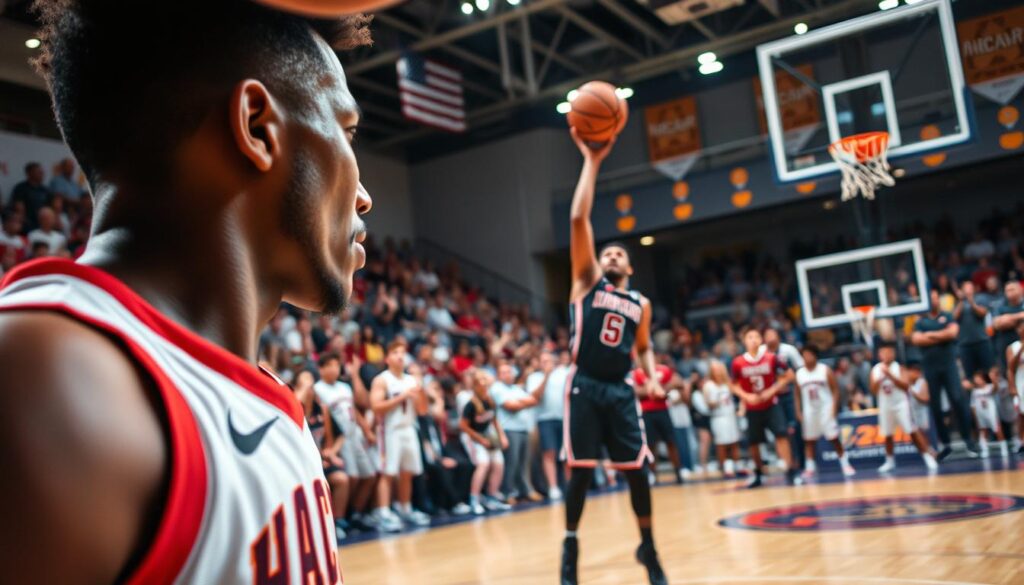
    Basketball is about both individual and team tactics. Key matchups include a shutdown defender against a prolific scorer. Team tactics involve analyzing pick-and-roll defense and three-point shooting strategies. The scouting report should show which team can impose their style of play.

    Baseball is all about the pitcher versus batter dynamic. The scouting report should analyze how specific pitchers match up against certain hitters. Also, consider defensive shifts and bullpen management strategies that might play a role late in the game.

    Even in individual sports like tennis, there are key matchups to analyze. Study how a player’s serve matches up against their opponent’s return game. Analyze strengths and weaknesses in forehand versus backhand exchanges. The scouting report should identify which player can exploit the other’s vulnerabilities.

    Curling offers a strategic battle, as seen in matchups like Kevin Koe versus Brad Jacobs. This involves analyzing skip strategy, rock placement, and sweeping techniques. The scouting report should break down how different teams approach the mental game of scoring and defense.

    Sport Key Matchup Focus Tactical Analysis Points Scouting Report Emphasis
    Football O-line vs D-line Blitz packages, coverage schemes Individual position battles
    Basketball Defender vs scorer Pick-and-roll efficiency Shooting percentages by zone
    Baseball Pitcher vs batter Pitch selection patterns Historical matchup data
    Tennis Serve vs return Court positioning trends Weakness exploitation
    Curling Skip strategy Rock placement precision End management approach

    Creating an effective scouting report goes beyond basic statistics. It involves understanding how different elements interact during competition. The best previews help fans watch for these specific tactical battles that often decide the outcome.

    When preparing your sports preview, focus on the two or three most important matchups. Explain why these particular battles matter more than others. This approach gives readers specific things to watch for during the game.

    A great scouting report doesn’t just tell fans what might happen. It shows them where to look and what to watch for when the action begins. This turns casual viewers into engaged analysts of the game they’re watching.

    Weather/Field Conditions and Impact

    Weather doesn’t just affect the game – it rewrites the playbook entirely. Understanding how conditions impact play gives fans deeper insight into what makes each match unique.

    Different sports face distinct weather challenges. Football games transform in heavy rain, making passing difficult and increasing fumbles. Baseball sees fly balls travel differently based on wind direction and humidity. Even indoor sports like basketball can be affected when venues struggle with temperature control.

    Field conditions change everything about game strategy. A wet soccer pitch favors technical players who can control the ball. Dry, hard fields make for faster games but increase injury risk. Ice quality in hockey determines puck movement and player speed.

    Researching weather conditions before games helps create accurate previews. Check these sources:

    • Local weather forecasts for game time
    • Field maintenance reports from venue staff
    • Historical data on how conditions affected previous matches
    • Team preferences in different weather scenarios

    Reporting on field conditions adds practical value for fans. Will rain gear be needed? Should spectators prepare for delays? How might the weather favor one team’s style over another?

    These details transform casual viewers into informed enthusiasts who appreciate the full context of each competition.

    Injury/Availability Updates and Ethics

    Dealing with player availability is a delicate task. It’s about being open while also respecting athletes’ privacy. Every preview must share important updates without crossing personal boundaries.

    Start with verified facts. Always check with the team before sharing injury news. Using rumors can damage a player’s reputation.

    It’s key to know what to keep private. Fans want to know about injuries, but medical details should stay hidden. Stick to saying if a player is available or not.

    Your words can influence the team’s mood and performance. Be kind and professional when talking about health issues.

    Here are some tips for ethical injury reporting:

    • Wait for official announcements before sharing
    • Use terms like “game-time decision” or “day-to-day”
    • Stay away from guessing about recovery times
    • Respect players’ wishes for privacy on sensitive topics

    Look at how sports teams handle injury news. They share enough to keep fans informed but protect player health. This balance is key.

    When injuries happen, talk about how the team will adapt. Discuss strategy changes or who might step up. This keeps the focus positive.

    Every injury report is about a person’s recovery. Your preview should educate and show respect. Ethical reporting earns trust from both teams and fans.

    Fan Engagement (polls, predictions, hashtags)

    Interactive previews make readers more involved. Studies show that videos with fan engagement get more views. Sports previews can learn from streaming platforms.

    Running fan polls gets people involved right away. Ask them to guess game results or pick key players. These actions spark excitement before the game starts.

    Ask for predictions in the comments. Fans enjoy sharing their game insights. This leads to more discussion and helps your preview spread through social media.

    Use unique hashtags for each game or season. Hashtags help track conversations and create a shared experience. They make it easy for fans to join discussions.

    Here’s how different engagement strategies compare in effectiveness:

    Engagement Type Participation Rate Shareability Community Impact
    Polls High Medium Immediate
    Predictions Medium High Ongoing
    Hashtags Low Very High Long-term

    These elements do more than just increase numbers. They make fans emotionally invested in the games. Engaged fans are more likely to attend events and support athletes all season.

    Begin with simple fan polls and watch your community grow. The excitement you build before the game often lasts long after.

    Graphics: Lineup Cards and Heat Maps

    Visual elements turn complex sports data into something fans can easily follow. Graphics like lineup cards and heat maps help show player positions and team strategies right away.

    These tools make your previews easier to understand. Fans can quickly grasp key matchups and team strategies without getting bogged down in long explanations.

    You don’t need to be a pro designer to create great graphics. Many free online tools let you make professional-looking lineup cards in just a few minutes. Just enter the player names and positions, and the tool does the rest.

    Heat maps offer even more insight. They show where players move and where the big battles will be. This lets fans predict how the game will flow and when teams might make strategic changes.

    When planning your college sports coverage, think about these graphic types:

    • Starting lineup cards – Show first-string players and their positions
    • Substitution patterns – Visualize player rotations and bench depth
    • Defensive heat maps – Highlight areas where teams concede chances
    • Offensive movement charts – Illustrate attacking patterns and key creators

    These visuals are perfect for sports like basketball and soccer, where where players are on the field matters a lot. They help fans see which matchups could decide the game’s outcome.

    Remember, keep your graphics simple and to the point. Too much info can confuse instead of clarify. Use colors that stand out and labels that are easy to read.

    Adding these visual elements makes your previews more engaging. They offer immediate value to readers and show you really get the game’s tactics.

    Distribution Checklist (Web, Social, Print)

    A detailed distribution checklist helps your pre-game content reach fans everywhere. It’s all about timing and format for each platform. This way, you boost engagement and excitement.

    Your multi-platform strategy should cover both digital and traditional media. This gives your audience more ways to connect with your content.

    A neatly arranged multi-platform distribution checklist featured prominently in the foreground, detailing tasks for web, social media, and print. Each section contains checkboxes, icons, and relevant imagery, emphasizing organization and clarity. In the middle ground, an individual in professional business attire—focused and engaged—holds a clipboard, referencing the checklist while sitting at a modern desk surrounded by digital devices like a laptop and smartphone. The background subtly reveals a cozy office space with soft natural lighting filtering through large windows, providing an inviting atmosphere. The color palette is warm and professional, conveying a sense of diligence and teamwork. The composition captures a moment of preparation, reflecting the importance of structured distribution in effective communication.

    Your team website is the main spot for pre-game content. Make sure it looks good on both desktop and mobile.

    • Post preview 24-48 hours before game time
    • Use engaging headlines with key matchup keywords
    • Include clear calls-to-action for ticket purchases
    • Optimize images for fast loading speeds
    • Add social sharing buttons for easy content sharing

    Social Media Distribution Plan

    Social media needs content that fits each platform. What works on Twitter might not work on Instagram.

    Make special versions of your pre-game previews for each social media site. Here’s your checklist:

    • Twitter: Short, punchy updates with game hashtags
    • Facebook: Longer previews with fan engagement questions
    • Instagram: Visual content with behind-the-scenes footage
    • Schedule posts for peak engagement times
    • Use platform-native video for higher reach

    Print Media Considerations

    Even though digital is big, print media is important too. Game programs, local newspapers, and community bulletins are key.

    Your print plan should include:

    • Condensed version of digital preview content
    • High-quality action photos from previous games
    • Clear game time, location, and ticket information
    • Special print-only offers or promotions
    • QR codes linking to digital content

    This multi-platform strategy makes your pre-game previews more impactful. It keeps your message consistent across all channels.

    Don’t forget to check how well your content is doing on each platform. This info will help you improve your distribution checklist for the future.

    Post‑Game Follow‑Up Plan

    Your game preview work doesn’t stop when the game ends. A solid post-game plan keeps fans interested and strengthens community ties.

    Write detailed recaps that compare what happened with your predictions. ESPN and Bleacher Report are great at this. Talk about what surprised you and what was expected.

    Get fan feedback through polls and social media. Ask what moments they found memorable. This makes casual viewers become part of the community.

    Do post-game interviews to get player reactions. These emotional responses add to your analysis.

    Share stats and key performance metrics. Sites like StatMuse and Sports Reference have the data you need.

    Your follow-up content wraps up the story. It turns one-time viewers into loyal followers who look forward to your next preview.

  • What Counts as Local Sports News

    What Counts as Local Sports News

    Welcome to the heart of your community’s athletic spirit! It’s not just about who won or lost. It’s about the stories that bring us together.

    Think beyond final scores. We celebrate everything from varsity championships to a child’s first soccer goal. These moments build pride and connection.

    Our coverage includes player spotlights, team dynamics, and coach interviews. We also feature game previews and emotional recaps. This approach makes every event feel special.

    Staying informed is easier with a dedicated local sports app. It connects fans, families, and athletes instantly. You get real-time updates and never miss a moment.

    This shift toward community-focused storytelling is key. As research shows, local stories resonate more with audiences.

    Discovering these events has never been simpler. Tools like comprehensive guides help you find everything happening near you.

    We’re here to share these powerful stories. Let’s build school spirit and community pride together!

    Teams and Leagues to Cover

    The heart of community sports reporting is covering the right teams. It’s about age groups and competition levels. This way, every athlete gets recognized, and your community stays informed about sports.

    School sports are key. They include varsity, junior varsity, and freshman teams. Covering all seasons – fall, winter, and spring – keeps your audience engaged all year.

    Don’t forget about youth league results. They’re where many kids start playing sports. Recreational leagues build community bonds, while travel teams offer more competition. These programs teach skills and values that last a lifetime.

    Club teams are another important part. They focus on single sports and compete at high levels. Their achievements boost your community’s athletic reputation.

    Adult recreational leagues are also vital. They keep people active and connected through friendly games. From softball to basketball to soccer, these leagues show the ongoing love of sports.

    By covering all these areas, you make sure no team is left out. Every athlete, from elementary school to adulthood, deserves recognition in your local sports reporting.

    Sources and Verification: Building Trust with Key Contacts

    Getting the right local sports info starts with strong relationships. Athletic Directors and coaches are your go-to for schedules, rosters, and team news. They value reporters who respect their time and build trust.

    Good communication is key when working with school officials. Here are some tips for building positive relationships:

    • Email for formal requests – perfect for schedule changes or roster updates
    • Text messages for quick confirmations – ideal for last-minute changes
    • Post-game conversations – great for gathering quotes and insights

    Always be polite and professional. These people handle many tasks, not just sports reporting. Being seen as trustworthy makes them more willing to share info.

    Official league websites add another layer of verification. They have updated schedules, standings, and results. Checking info from different sources helps avoid mistakes.

    Digital schedules from school athletic departments are the most up-to-date. Many districts use online platforms that automatically update game details. Bookmark these for easy access on game days.

    Here’s a quick reference table showing the reliability of different verification sources:

    Source Type Best For Reliability Level Response Time
    Athletic Directors Official schedules, policy changes Very High 1-2 business days
    Head Coaches Roster updates, game insights High Same day to 24 hours
    League Websites Standings, official results Very High Immediate
    Assistant Coaches Player statistics, game details Medium Varies

    Building your network of sources takes time, but be professional. Keep your requests clear and concise. If you don’t get a response, follow up politely.

    Successful local sports reporters are seen as reliable partners. This earns them the trust of Athletic Directors and coaches. Your reputation for accuracy and respect opens doors to better stories and exclusive content.

    Verification is key to avoiding errors that harm your credibility. Always double-check facts against official sources before publishing. This careful approach keeps your reputation strong and maintains trust with your audience and sources.

    Score and Stat Collection Methods

    The journey from final whistle to published recap starts with reliable score and stat gathering. Efficient systems ensure your community gets timely, accurate coverage of all the action.

    Google Forms are a simple yet powerful solution for collecting game results. Create a form with fields for final score, key players, and notable moments. Share the link with coaches and team parents to submit directly after games.

    This method automatically organizes data in a spreadsheet for easy access. You can set up different forms for various sports or age groups. The system works on any device with internet access.

    A modern smartphone displaying a local sports app interface on a wooden table, with vivid graphs showcasing score tracking and statistics for various community teams. In the foreground, a hand is interacting with the app, swiping through live updates and standings. The middle ground features a laptop with statistical spreadsheets, surrounded by sports equipment like a basketball and a soccer ball, suggesting an active sports environment. The background includes a sunny window with a view of a community sports field, enhancing the lively atmosphere. The lighting is bright and natural, creating a warm and inviting feel. The composition is shot from a slightly elevated angle, providing depth and focus on the technological methods of score collection.

    Text message systems provide instant reporting for those less comfortable with online forms. Set up a dedicated phone number or group chat for score submissions. This works well for quick turnaround on tight deadlines.

    Establish clear guidelines for what information to include in texts. Request final score, top performers, and any game-changing plays. This keeps submissions consistent and complete.

    For the most streamlined approach, consider implementing a dedicated local sports app. These platforms allow real-time updates during games. Coaches or designated volunteers can input stats as the action unfolds.

    Many local sports app options automatically calculate standings and player statistics. This eliminates manual number crunching and reduces errors. The best apps generate shareable reports with a single click.

    Some communities find success using a combination of these methods. Younger teams might prefer app-based reporting while older coaches stick with text messages. The goal is finding what works for your specific situation.

    Whichever method you choose, consistency is key. Train all contributors on the preferred reporting system. Establish clear deadlines to ensure timely publication of results.

    A good local sports app or reporting system becomes invaluable during tournament seasons. When multiple games happen simultaneously, organized data collection prevents overwhelm. Your coverage will shine with accurate, detailed information.

    Fast Recap Templates

    Creating game recaps doesn’t have to be hard. A good template helps you make consistent, engaging content fast. This saves time and keeps your content quality high.

    Our template focuses on four key elements. These parts work together to tell a complete story. They keep readers informed and connected to the team.

    Start with a compelling headline that captures the game’s essence. Good headlines grab attention right away. They should highlight the final score and key outcome.

    Next, include a bulleted list of key plays or turning points. This section tells the story of the game. Focus on moments that changed momentum or decided the outcome.

    Always add a meaningful quote from a coach or key player. Quotes add a human element to your recap. They provide insight and emotion that stats alone can’t convey.

    Lastly, include essential information about the next game. Give readers the date, time, and opponent. This keeps them engaged and looking forward to future coverage.

    Here’s how this template works for different outcomes:

    Win Example:
    Headline: “Wildcats Dominate Eagles 42-14 in Season Opener”
    Key Plays:

    • Quarterback’s 60-yard touchdown pass in second quarter
    • Interception returned for touchdown after halftime
    • Fourth-down stop that sealed the victory

    Quote: “The team executed our game plan perfectly tonight,” said Coach Miller.

    Next Game: Friday at 7 PM vs. Central High Tigers

    Loss Example:
    Headline: “Bulldogs Fall Short 21-28 Against Rival Panthers”
    Key Plays:

    • Early fumble that led to Panthers touchdown
    • Fourth-quarter touchdown that brought team within 7 points
    • Final drive ending on incomplete pass in end zone

    Quote: “We’ll learn from this and come back stronger next week,” stated Captain Sarah Jenkins.

    Next Game: Saturday at 2 PM @ Westside Warriors

    Notice how both examples maintain a positive and supportive tone. Even in loss, focus on effort and future opportunities. This approach builds community support.

    Using this template ensures your recaps are both factual and engaging. Readers get the complete story quickly. Teams feel properly recognized for their efforts.

    Consistency in format helps readers know what to expect. They can quickly find the information that matters most to them. This builds loyalty and regular readership.

    Remember to publish promptly while details are fresh. Quick recaps show your commitment to timely coverage. They keep your audience coming back for more local sports news.

    Social Media + Newsletter Workflow

    Keeping your content flow smooth between social media and newsletters keeps your audience engaged. This helps you reach more people through your community newspaper and digital channels.

    Start with social media for quick updates. Post scores right after games on Twitter and Facebook. Share action photos on Instagram to grab attention. These platforms are great for breaking news and connecting with the community instantly.

    Then, gather your best social content for newsletters. Choose top photos, key scores, and popular posts from the week. Add more details and background stories to create a complete recap.

    Use each platform’s strengths to help the others. Put newsletter sign-up links in your social media bios. Share newsletter highlights on social platforms to drive traffic. Mention your social accounts in every email to build followers.

    Here’s a simple weekly workflow:

    • Monday: Plan content for the week
    • Tuesday-Friday: Post daily updates on social media
    • Thursday: Gather content for newsletter
    • Friday: Send newsletter and promote on social media

    Track what works best. Notice which posts get the most likes and shares. See which newsletter stories get clicked the most. Use this info to improve your content for the community newspaper.

    Keep your voice friendly and consistent across all platforms. Your audience should recognize your style whether they’re reading a tweet or a newsletter. This builds trust and keeps people coming back to your community newspaper content.

    Remember to cross-promote constantly. Tell newsletter readers to follow you on social for real-time updates. Remind social media followers to sign up for the full weekly recap. This creates a loyal audience that engages with all your content.

    Inclusivity and Equal Coverage Guidelines

    Every student-athlete works hard and deserves recognition. Fair sports reporting celebrates achievements across all teams equally.

    Give equal space to both boys’ and girls’ teams. Female athletes work just as hard as male athletes. They deserve the same depth of coverage in your reports.

    Don’t focus only on varsity teams. Junior varsity and freshman squads have exciting stories too. Their games matter to players, families, and fans.

    A dynamic sports newsroom scene filled with diversity and inclusivity, showcasing a team of reporters of various ethnicities and genders collaborating on coverage guidelines. In the foreground, a female journalist wearing smart casual attire is analyzing data on a laptop, while a male reporter sits next to her, gesturing towards a large screen displaying diverse athletes in action. In the middle ground, a diverse group of editors discusses strategies over a round table, surrounded by colorful posters representing various sports, promoting inclusiveness. The background features a bright and modern office with large windows, allowing sunlight to stream in, creating a warm and inviting atmosphere. Use a wide-angle lens to capture the entire scene, emphasizing teamwork and community engagement in sports coverage. The mood is collaborative and inspiring, reflecting a commitment to equal representation in sports journalism.

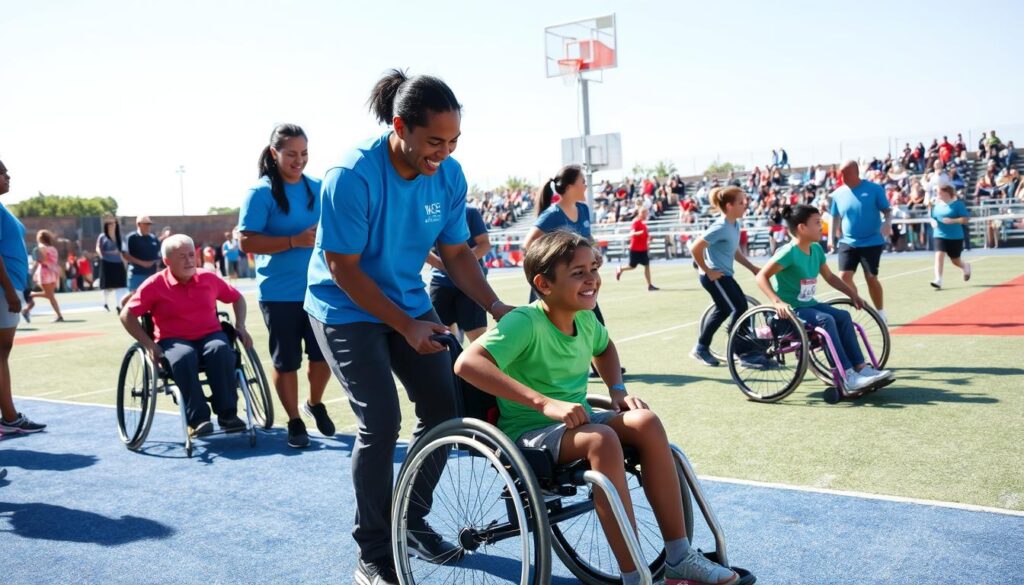
    Adaptive sports programs show incredible determination and spirit. These athletes overcome challenges and inspire everyone. Their games deserve prominent coverage.

    Here’s how to ensure balanced reporting:

    • Rotate feature stories between different sports
    • Use similar photo space for all teams
    • Apply equal statistical depth in game recaps
    • Highlight athletes from various sports in social media posts

    Community sports build character and teach valuable life lessons. When we cover all athletes fairly, we strengthen our entire community. Let’s make sure every player feels seen and celebrated.

    Legal/Ethics for Minors and Photos

    When covering youth sports, getting photo permissions and thinking about ethics is key. Young athletes need protection but also want to see their achievements covered well.

    Always get signed photo release forms from parents or guardians before sharing images of minor athletes. These forms protect everyone legally and show respect for privacy. Keep them safe and easy to find for later use.

    Schools have rules for media covering student athletes. Learn these rules before you start. Some schools need media badges or have areas off-limits for photos.

    Good reporting focuses on the positives, not just mistakes. Young athletes are learning and growing. Constructive feedback is better than harsh words in game reports.

    Here are some tips for covering minors:

    • Never share more than name and grade level
    • Don’t focus on individual mistakes or bad performances
    • Try to cover all team members fairly
    • Respect families who don’t want photos

    Showing consistent ethics builds trust in the community. Parents value safety and sports coverage together. This builds strong ties with schools and teams.

    Legal protection and ethical reporting are linked. Release forms are the base for responsible journalism. Thoughtful coverage shows you care about young athletes’ well-being.

    These steps protect your publication and support youth sports growth. Communities value media that handles minor coverage with professionalism and care.

    Build a Volunteer Stringer Network

    Creating a team of volunteer contributors can change your local sports coverage. These helpers, known as stringers, bring new energy and different views to your stories.

    Look for volunteers in these key groups:

    • Retired journalists who miss the action
    • Parents with writing or photography skills
    • College students seeking media experience
    • Active members of school booster club organizations

    School booster clubs are great places to find volunteers. These parents are already dedicated to sports. They know the game schedules and team dynamics well.

    Recruitment works best through personal connections. Attend games and meet people in person. Post opportunities on community boards and social media.

    Training should be simple but thorough. Create quick guides for:

    • Basic game reporting standards
    • Photo composition tips
    • Deadline expectations
    • Ethical guidelines

    Manage your team with clear communication. Use group chats or email lists for updates. Schedule regular check-ins to answer questions.

    Show appreciation with meaningful incentives. Offer press box access for big games. Provide branded gear like shirts or hats. These small gestures build loyalty.

    A strong booster club relationship benefits everyone. These volunteers often have deep community ties. They can help expand your coverage network.

    College students bring technical skills and enthusiasm. Many need portfolio pieces for future jobs. Offer to provide references for their best work.

    Keep expectations realistic for volunteers. Assign manageable commitments that fit their schedules. Celebrate their contributions publicly when possible.

    This community-powered model creates sustainable coverage. It shares the workload while building stronger connections. Your booster club partners become valuable allies.

    Start small with two or three reliable stringers. Grow your network gradually as trust develops. Soon you’ll have eyes and ears at every important game.

    Useful Tools and Apps

    Running a local sports news site doesn’t need to cost a lot. Many free or cheap tools can make your work easier and better. They help keep things organized and professional.

    Finding the right local sports app makes it easy to collect scores. Apps like GameChanger or MaxPreps put schedules, stats, and results in one place. They update in real-time, keeping your community up-to-date.

    Photo editing apps turn phone photos into publishable images. Snapseed and Adobe Lightroom Mobile are free and powerful. You can change lighting, crop, and enhance colors right from the field.

    Graphic design tools make social media content pop. Canva offers templates for game graphics, headlines, and player spotlights. Even beginners can make professional designs in minutes.

    Communication platforms help manage your volunteer team. Slack or Microsoft Teams create channels for different sports. You can share updates, assign tasks, and celebrate wins together.

    Here are key tools for your sports coverage toolkit:

    • Score Tracking: Local sports app platforms for real-time updates
    • Photo Editing: Mobile apps for quick touch-ups
    • Graphic Design: User-friendly tools for social media visuals
    • Team Communication: Organized platforms for volunteer coordination
    • Cloud Storage: Google Drive or Dropbox for file sharing

    Many tools offer free versions with enough features. The right local sports app and tools make covering community sports easier and fun for everyone.

    Weekly Publishing Calendar and Metrics

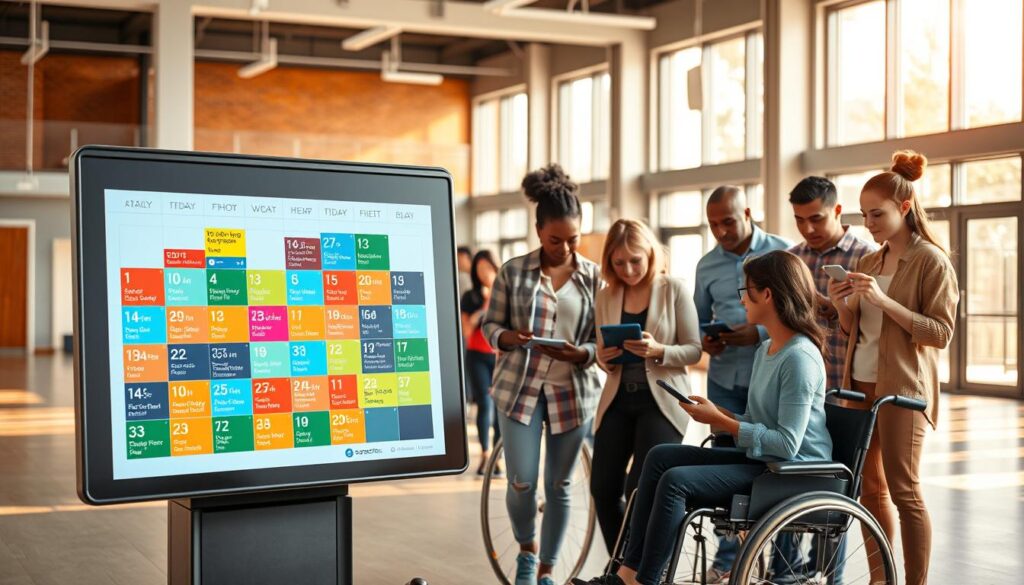
    Having a set schedule ensures you provide dependable local sports news. A weekly plan helps you manage time for gathering rec league standings, writing game summaries, and creating social media posts.

    Here’s a sample weekly plan: Monday for checking scores and updating standings. Tuesday and Wednesday for writing game recaps. Thursday for putting together the newsletter. Friday for planning social media posts.

    Look at more than just pageviews. Keep an eye on how many people subscribe to your newsletter, how much engagement you get on social media, and positive feedback from the community. See how coaches and athletic directors start working better with you.

    Your well-organized efforts truly make a difference. Regular coverage boosts community spirit and honors local athletes. Keep up the good work and enjoy the positive effects.