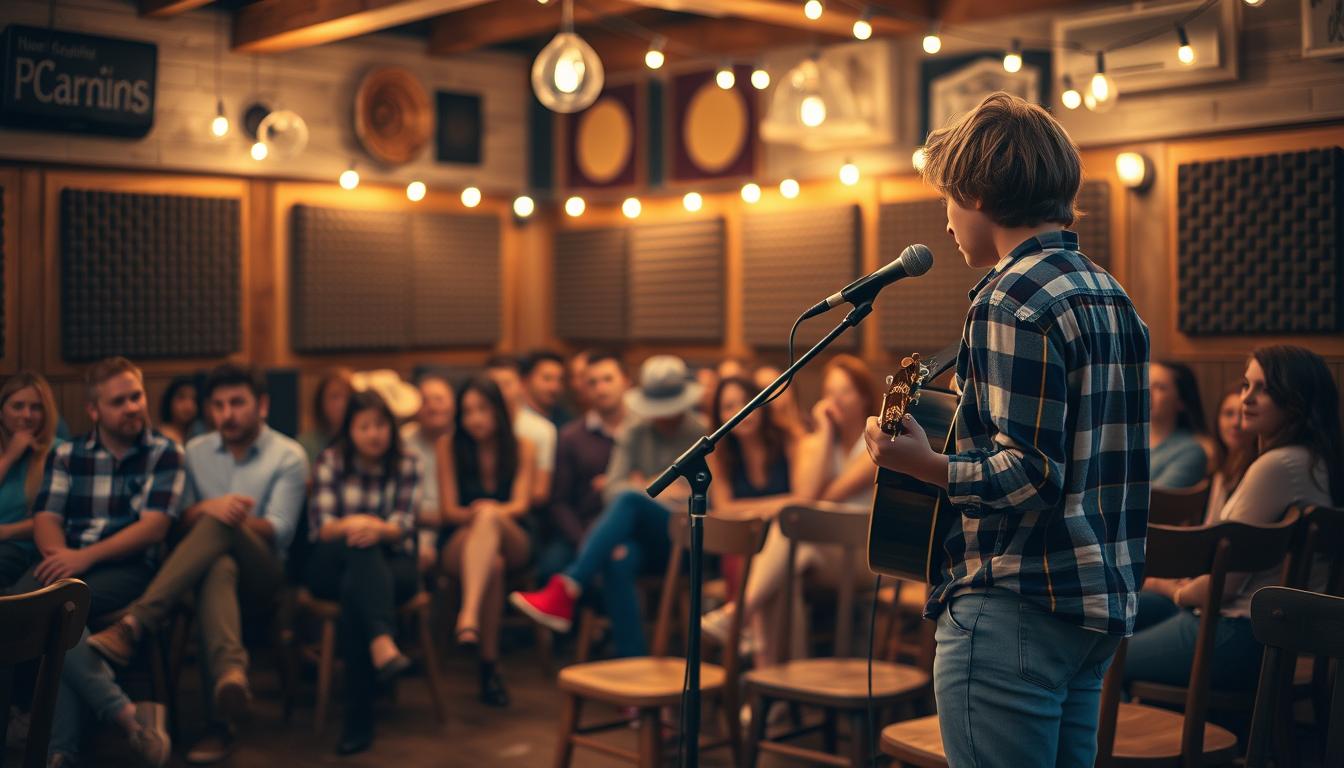
We are thrilled to welcome you! A heartfelt revival is reshaping our sonic landscape in 2025.
This movement returns to the core of human connection. It celebrates raw emotion and genuine narrative above all else.
Join us on a meaningful indie folk music exploration. We will journey through a rich tapestry of sound where community spirit shines brightly.
Authentic storytelling has never felt more vital. These songs speak directly to shared hopes and quiet struggles.
We’ll trace the genre’s inspiring evolution from humble roots to today’s innovative sounds. Together, we’ll celebrate the passionate indie folk artists driving this beautiful change.
Their work connects us to timeless experiences. It offers warmth and understanding in a fast-paced world.
We feel immense gratitude for this vibrant, story-driven community. Get ready to feel the same connection we cherish.
The Evolution of Indie Folk: From Woody Guthrie to Today
Folk music discovery is more than just finding new songs. It’s about exploring a history of protest, heart, and home. We’re grateful to share this journey, tracing from old records to today’s digital streams. This path shows how truth and stories have evolved, creating the rich contemporary folk we love today.
Our tale starts with early 20th-century troubadours. Figures like Woody Guthrie used their guitars for change. His songs told of hardship and hope, becoming newspapers for the people. This era showed folk’s unshakeable commitment to truth and everyday stories.
The mid-20th century saw folk blossom during the Folk Revival. Artists like Pete Seeger and Joan Baez carried on Guthrie’s work. They mixed protest with personal ballads, uniting people through music. This period proved folk’s power to change the world with simple melodies.
In the late 20th and early 21st centuries, folk music evolved. It became more nuanced and introspective. Artists explored their inner worlds with honesty, marking the start of indie folk’s authenticity.
So, what connects Woody’s world to ours? Let’s look at the evolution’s key points:
- The Narrative Core: Folk music has always been about storytelling, from migrant workers to urban anxiety.
- Social Conscience to Personal Introspection: The focus shifted from collective protest to personal reflection.
- Instrumental Texture: While the guitar is key, the sound palette has grown to include new textures.
- Distribution Revolution: Music has moved from campfires to vinyl, radio, and streaming platforms.
This evolution is key for true folk music discovery. Knowing the past helps us understand today’s music. Artists today, like those who sing about mental health, carry on the tradition of giving voice to the unheard. Their music may sound different, but its purpose remains the same: to connect, reflect, and sometimes challenge.
We find hope in this continuity. The journey from Guthrie to today’s artists is like a spreading river. It finds new paths while staying true to its roots. Your exploration of contemporary folk is part of this ongoing story. Every new artist adds a branch to this tree, rooted in authenticity and nourished by community.
Authenticity Markers: What Makes Folk Music Genuine
The search for real folk music discovery starts with recognizing its true essence. It’s not just about an acoustic guitar. True folk music has a deep honesty that touches our hearts.
So, what makes it authentic? We think it’s a checklist for listeners. These elements help us tell true tradition from passing trends.
- Unvarnished Storytelling: Folk music’s core is its stories. Songs talk about real-life experiences, from struggles to love and loss. The lyrics are raw and direct, like a personal tale.
- Acoustic Warmth and Imperfection: The sound is key. You hear the singer’s breath and the strings’ slight squeaks. It’s music that feels warm and real, like the artist is right there with you.
- Lyrical Depth and Universal Connection: Great folk songs touch on themes we all get. They offer a profound sense of belonging. Whether it’s about migration or love, the lyrics link our personal stories to the human experience.
- A Communal Vibe: Even when listening alone, folk music feels like a shared moment. It carries the voice of a community, tradition, or shared history. This timeless bond is its greatest strength.
These elements combine to make music that feels both old and current. When you find a song that hits all these marks, you’ve discovered something unique. It’s music that doesn’t just entertain; it companions you.
Knowing these signs changes how you listen. It turns casual browsing into a meaningful folk music discovery. You start to look for the story, the raw sound, and the emotional truth.
This knowledge is also key for singer songwriter discovery. You learn to value the art behind the words. You appreciate artists who focus on meaningful lyrics over catchy melodies. Your playlist becomes a collection of genuine human stories.
We’re grateful for artists who keep this genuine spirit alive. Their commitment to honest storytelling enriches our lives. Let’s celebrate and support the music that speaks from the soul!
Regional Folk Scenes: Appalachian, Pacific Northwest, and Urban Folk
Across the United States, different folk scenes create a colorful map of contemporary folk stories. We’re excited to see how local places and communities shape acoustic indie music. Folk music is not just one thing; it’s a collection of voices telling their stories.
To understand the unique flavors each region brings, let’s look at their core characteristics side-by-side.
| Region | Sonic Character | Key Themes | Notable Influence |
|---|---|---|---|
| Appalachian Folk | Ancient, mountain-born rhythms; raw banjo and fiddle | Heritage, resilience, connection to land | Foundational to American folk roots |
| Pacific Northwest Folk | Lush, introspective soundscapes; atmospheric guitar | Nature, solitude, ecological awareness | Modern indie folk introspection |
| Urban Folk | Innovative, genre-blending; layered acoustic textures | Community, identity, modern narratives | Pushing the boundaries of acoustic music |
The Appalachian folk scene is rooted in American music. It carries history in its banjo and fiddle sounds. Artists here focus on heritage and resilience, with a strong connection to the land.
The Pacific Northwest folk scene is different. It’s known for its lush, introspective sounds. Guitar work is expansive, reflecting the region’s beauty. Lyrics often talk about solitude and nature.
In cities, the Urban Folk scene is creating something new. Artists mix traditional sounds with city vibes. You might hear folk with hip-hop or electronic beats. Their stories are about community and city life.
These scenes add important parts to contemporary folk. Appalachian music connects us to history. Pacific Northwest music offers quiet reflection. Urban music brings new ideas. Together, they show folk music’s adaptability and depth.
We celebrate this diversity. Exploring these sounds helps us see the full range of acoustic indie music. It shows that every local scene has its own story. The 2025 folk revival is all about this mix of creativity.
Instrument Focus: Beyond Guitar – Banjo, Fiddle, and Harmonica
Folk music isn’t just about guitars. It’s also about the banjo, fiddle, and harmonica. These instruments add acoustic warmth to the genre. They create the rich sounds we love in acoustic indie music.
The banjo’s bright sound makes us think of hills and porch gatherings. It’s a key part of Appalachian folk. Modern indie folk artists use it to add energy and tradition to their songs.
The fiddle is all about emotion. Its melodies can make us feel joy or sadness. It’s a storyteller, painting pictures with sound. A skilled player can make any acoustic indie music better.
The harmonica is small but powerful. It adds a raw, bluesy feel. Its sound suggests travel and longing. Many indie folk artists use it for its intimate, human touch.
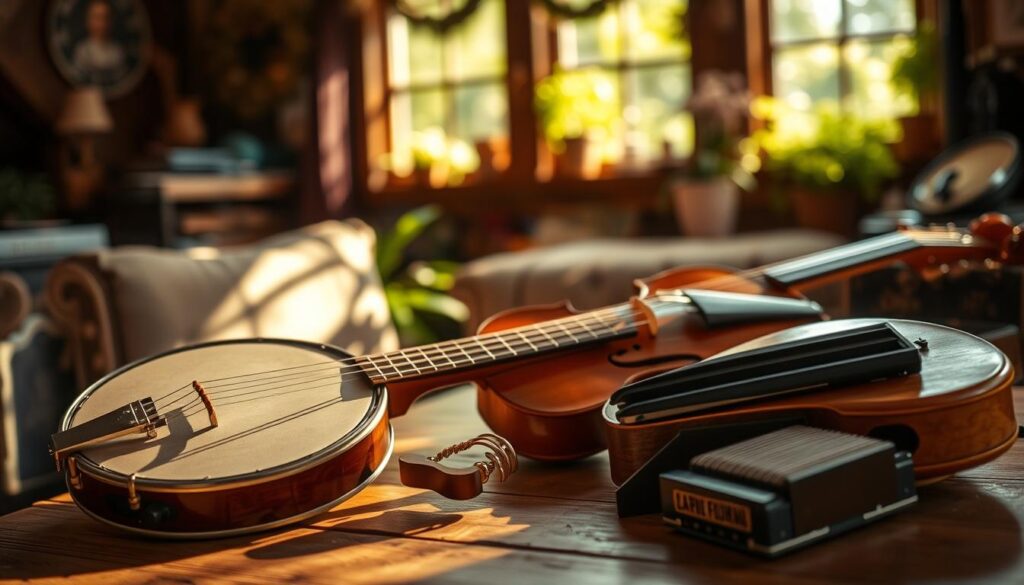
Let’s look at how these instruments shape the music we love. The table below shows their unique roles.
| Instrument | Tonal Quality & Role | Emotional Contribution | Modern Indie Folk Example |
|---|---|---|---|
| Banjo | Bright, rhythmic, percussive. Provides driving momentum and rustic texture. | Evokes nostalgia, earthiness, and communal energy. | Used by The Lumineers for anthemic, foot-stomping rhythms. |
| Fiddle | Expressive, melodic, soaring. Sings the main theme or adds counter-melodies. | Conveys deep yearning, celebration, and poignant storytelling. | Central to the atmospheric sound of artists like Andrew Bird. |
| Harmonica | Reedy, wailing, intimate. Fills spaces with blues-inflected color and breath. | Adds a layer of wistful loneliness or raw, immediate joy. | A signature element for folk-blazers like Nathaniel Rateliff. |
Playing these instruments takes hard work. It’s not just about skill, but feeling their history. When an artist plays a banjo, they connect with tradition. The fiddle lets them tell stories through music. The harmonica is like an extension of their breath.
This effort creates the acoustic warmth and lyrical depth we love. By using the banjo, fiddle, and harmonica, artists make music that feels both old and new. We get to enjoy music that is rich, real, and deeply moving.
Lyrical Analysis: Storytelling Techniques in Modern Folk
Lyrical storytelling turns personal stories into songs we all can relate to. Modern songwriters skillfully share their experiences. They make intimate moments into songs that speak to many.
Folk music is all about telling stories. This analysis helps us connect with the indie folk artists we love. Let’s look at what makes their lyrics so engaging.
Character development is key. Songwriters create characters that feel real and close to us. We meet characters like the weary traveler or the hopeful lover. These characters bring love, struggle, and belonging to life.
This approach is vital for singer songwriter discovery. When we hear a well-crafted character, we feel a connection. It’s like meeting a friend through music.
Vivid imagery brings stories to life. Modern folk lyrics are full of sensory details. We see the “rust on the screen door” or feel the “cold coffee at dawn.” This imagery makes the story real.
These details make the story unforgettable. They take us right into the scene. It’s a powerful way for indie folk artists to touch our emotions and memories.
When personal stories become universal, magic happens. A songwriter’s tale of heartbreak speaks to us all. A lyric about finding home resonates with anyone searching for a place to belong.
This transformation is the heart of folk music. Songs about personal struggles become anthems of collective strength. We see our stories in theirs.
Understanding these techniques makes us appreciate music more. It turns passive listening into active engagement. We start to see the effort behind every song.
This deeper understanding fuels our love for singer songwriter discovery. We learn to listen for the craft, not just the melody. It helps us find new artists whose stories resonate with us.
The narrative power of modern folk is a gift. It reminds us of our shared humanity in a world that often feels fragmented. We are thankful for artists who share their truths openly.
Their storytelling invites us to reflect, feel, and connect. This is the enduring power of folk music, alive and thriving today.
Festival Circuit: Where Folk Artists Develop Their Craft
The true soul of folk music discovery is found in live festivals, not algorithms. These events are sacred spaces where our community comes together. They celebrate raw, authentic storytelling.
The festival stage is more than a place to perform. It’s a vital incubator for indie folk artists. Here, they hone their craft in real time. They test new songs and connect deeply with an attentive audience.
Several key festivals have become legendary as talent incubators. Each offers a unique environment for artistic development. The table below highlights a few that are essential to the circuit.
| Festival Name | Location & Vibe | Key Features | Notable for Artist Development |
|---|---|---|---|
| Newport Folk Festival | Newport, RI; Historic, iconic. | Collaborative sets, surprise guests, deep legacy. | Launchpad for legends; fosters bold, career-defining moments for new indie folk artists. |
| Telluride Bluegrass Festival | Telluride, CO; Mountainous, immersive. | Band competitions, workshop camps, high-altitude community. | Rigorous proving ground; artists thrive in an intense, supportive festival environment. |
| Folk Alliance International | Conference (varies); Industry-focused, intimate. | Official showcases, networking, panel discussions. | Career-building hub; connects emerging talent with industry leaders in a focused setting. |
| Pickathon | Happy Valley, OR; Eco-conscious, experimental. | Multiple unique stages, artist-in-residence programs, sustainable focus. | Nurtures artistic experimentation; gives indie folk artists space to explore new sounds. |
For fans, this circuit is the ultimate live folk music discovery experience. There’s a unique joy in being the first to witness a breakout performance. You might stumble upon your next favorite artist on a small side stage.
The collective energy of a crowd discovering a song together is electric. It creates memories that last far longer than any streaming playlist. To explore the vast landscape of events, the definitive list of folk festivals is a fantastic resource for planning your own journey.
This ecosystem of festivals ensures the folk tradition remains vibrant and evolving. It’s where community support directly fuels artistic courage. We celebrate every artist who takes that stage and every fan who listens with an open heart. Together, we keep the story alive.
Digital vs Analog: Recording Aesthetics in Indie Folk
The debate between digital and analog recording is more than just technical. It’s a key artistic choice that affects how we feel when we listen. This choice shapes the sound of contemporary folk music.
In the acoustic indie music world, artists make careful decisions. They might choose the soft hiss of old reel-to-reels or the warmth of vinyl. Even the imperfections of lo-fi music become part of the art.
These choices help tell the song’s story. A warm, crackly recording can bring a sense of nostalgia and closeness. On the other hand, digital clarity can highlight the beauty of fingerpicking and harmonies.
In today’s contemporary folk scene, artists pick their tools with purpose. They want to add to the emotional impact of their music. This makes the music feel personal and intimate.
| Aspect | Digital Recording | Analog Recording |
|---|---|---|
| Sound Character | Clean, precise, and infinitely editable. Captures every detail without added noise. | Naturally warm, with harmonic saturation. May include gentle tape compression and hiss. |
| Workflow & Editing | Non-destructive editing, unlimited tracks, and easy recall of sessions. Perfect for collaboration. | Linear, hands-on process. Encourages committed performances and minimal edits. |
| Cost & Accessibility | Lower barrier to entry with home studio software. Highly accessible for independent artists. | Higher initial cost for tape machines and maintenance. Requires more specialized knowledge. |
| Artistic Intent | Ideal for complex arrangements and a modern, polished sound in acoustic indie music. | Seeks an organic, vintage vibe that enhances the raw, authentic feel of a folk song. |
So, which path is right? It depends on the song. Digital is great for complex, layered sounds. Analog is perfect for simple, story-driven songs.
This debate enriches our music community. It makes artists think deeply about their music’s feel and sound. This thoughtful approach keeps the heart of acoustic indie music alive and growing.
Cross-Genre Pollination: Folk Meets Electronic and Rock
Exploring singer songwriter discovery often leads to exciting genre fusions. Artists are boldly mixing folk’s storytelling with electronic beats and rock’s power. This blend is not just a trend but a vibrant evolution of contemporary folk.
These musical fusions offer new listening experiences. Imagine an acoustic guitar with synth pads or a banjo with rock drums. It’s the sound of innovation, where tradition meets tech.
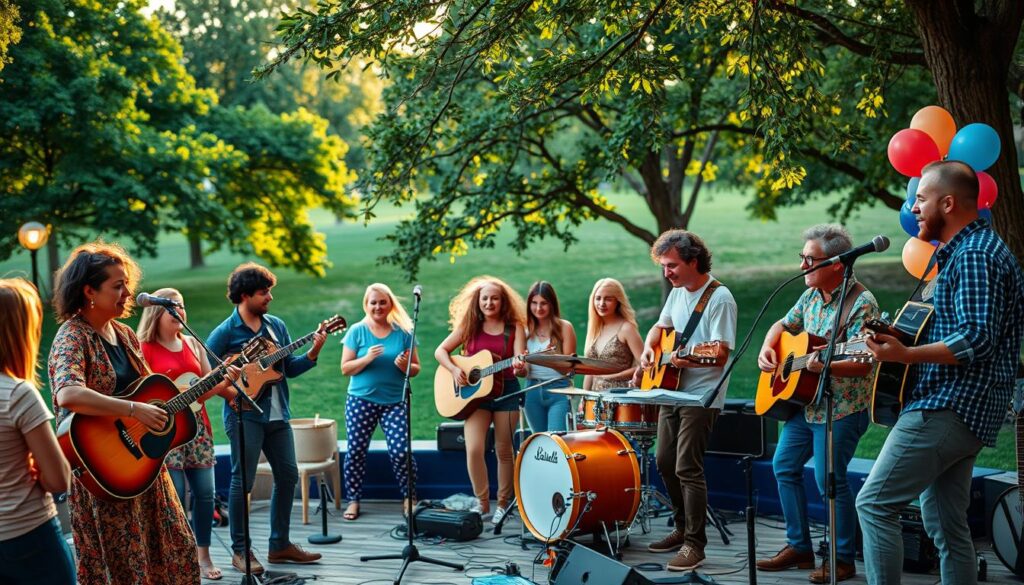
Artists like Bon Iver blend electronic sounds with folk. They show synthetic sounds can add to emotional depth. Bands like The Lumineers and The Head and the Heart mix rock with folk’s storytelling. They prove genre is a starting point, not a boundary.
This fusion is key for singer songwriter discovery. It attracts new fans with electronic beats or rock tones. Once in, they find the rich stories that define folk.
In today’s contemporary folk, artists use loop pedals and mix fiddle with bass drops. This creates music that’s both timeless and modern. It honors folk’s past while speaking to today’s listeners.
Folk’s core—authentic human stories—remains. Electronic or rock just adds a new canvas for these messages. This keeps folk vital and relevant for each new generation.
For anyone making a modern folk playlist, these tracks are key. They show contemporary folk‘s versatility and innovation. We thank artists for daring to explore these borders.
This courage defines today’s folk revival. It proves folk is alive and evolving. By embracing new influences, it tells true stories in fresh ways. We can’t wait to see what’s next!
Supporting Folk Artists: Vinyl Culture and Direct Sales
Every haunting melody and poignant lyric comes from an indie folk artist we can support. Our love for this music can make a real difference. It helps the stories and sounds we love to grow.
Our choices have a big impact on the scenes we love. Where and how we spend our listening dollars matters. Let’s find the best ways to support the creators of our folk music discovery.
Vinyl’s comeback is great for music lovers and artists. It offers a deeper, more personal experience. Listening to vinyl creates a special bond with the music and helps the artists.
Buying vinyl, live or online, is a great way to support. It often gives more money to the artist than other formats. It also makes music a treasured part of our collections.
Direct sales are key for artists to thrive. Buying digital albums, merchandise, or tickets directly helps them more. It funds their next projects and keeps their creativity alive.
To see the impact, let’s compare how we engage with music. This table shows how our choices affect the music world.
| Support Method | Artist Payout | Listener Experience | Community Impact |
|---|---|---|---|
| Major Streaming Service | Very Low (fractions of a cent per stream) | Convenient, vast library, algorithmic discovery | Sustains platform, minimal direct artist support |
| Digital Download (iTunes, Bandcamp) | Moderate to High | Ownership of files, high-quality audio, portable | Better direct support, on artist-friendly platforms |
| Vinyl Purchase (Online Retailer) | Moderate | Tactile, collectible, immersive listening ritual | Supports manufacturing and distribution chains |
| Vinyl/Direct Purchase (Artist’s Site/Show) | Highest Direct Payout | Personal connection, often includes bonuses like signed copies | Maximum direct support, fuels artist’s next project |
Every ticket, t-shirt, and vinyl bought sends a message. It shows artists their work is valued. This support keeps the indie folk scene alive and true.
Together, we build a better music world. By choosing direct sales and vinyl, we support the artists. We become part of a community that values real sound. This ensures a bright future for folk music discovery and the talented indie folk artists who create it.
Creating Folk Playlists: Mood, Season, and Narrative Flow
Exploring folk music leads us to a special task: making playlists. It’s a personal journey where you discover new sounds and stories. We create these playlists with joy, focusing on mood, season, and narrative.
Begin with mood. A quiet playlist might have soft guitar and quiet vocals. A lively one could have harmonica and fiddle. This way, you connect deeply with the music’s emotional heart.
Season plays a big role too. Autumn songs are warm and reflective. Summer songs are open and adventurous. Let the weather outside influence your playlist choices.
For a richer experience, create a story in your playlist. Start with a lonely song and end with a hopeful one. This turns your playlist into a journey, strengthening your connection with each artist.
This process sharpens your taste and creates a soundtrack for your life. It’s like the excitement of local events, like a guide to upcoming local sports events. Both offer spaces for connection and personal growth.
We hope this guide sparks your love for folk music. Start making playlists today. Let the music unfold and tell your story.