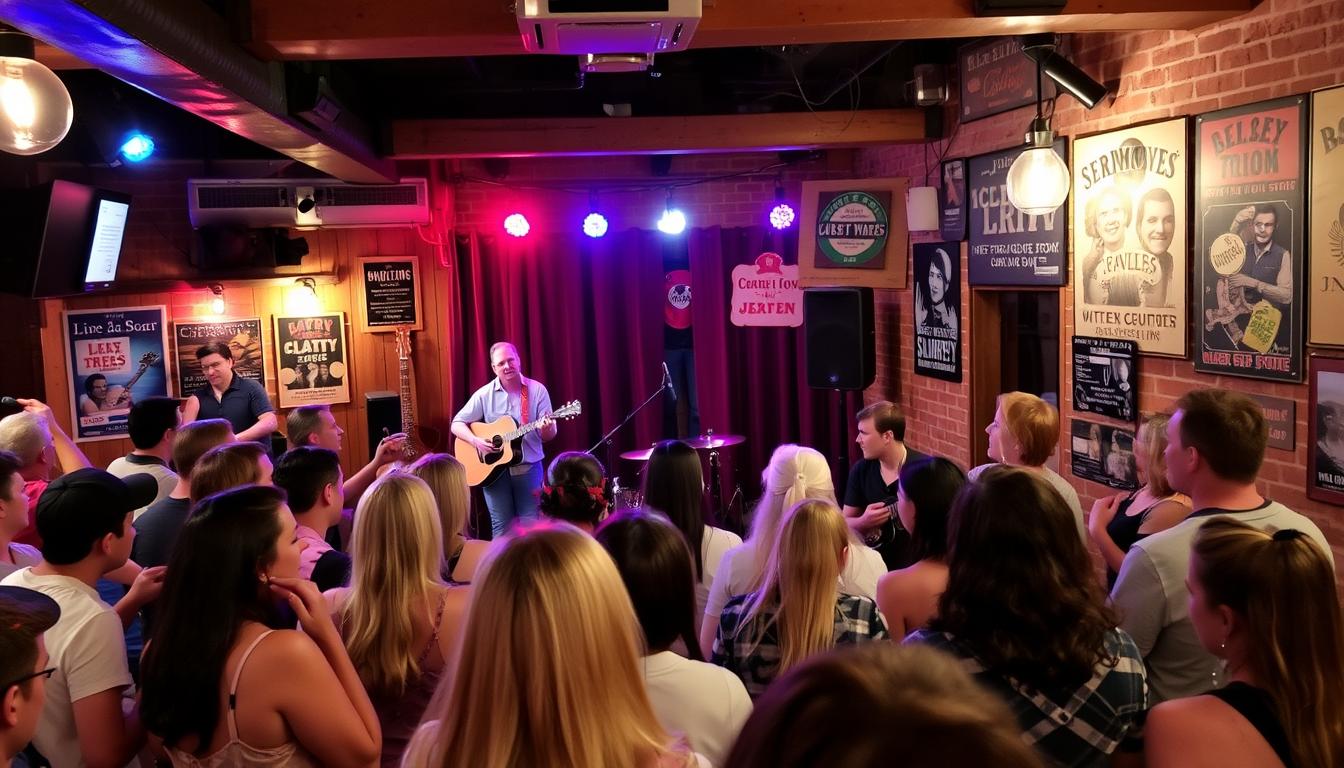
We are thrilled to begin this journey with you! Together, we’ll explore the heart of where musical dreams take flight.
Our community stages play an irreplaceable role. They are the nurturing grounds where raw artistry finds its voice. We feel immense gratitude for these intimate spaces that give performers their first platform.
Here, artists grow, experiment, and connect with a real audience. It starts with a nervous first set. It builds to the magical moment a room falls silent, completely captivated. These community cornerstones are the true unsung heroes of artist development.
We believe every major star once had a local venue that believed in them first. Just as with exciting upcoming local events, these musical spaces forge powerful community bonds. We are passionate about shining a light on that beautiful, grassroots process happening from coast to coast.
Why Local Venues Matter in Artist Development
Local music venues are more than just stages. They are where raw talent turns into professional artistry. These places are the heart of a thriving music scene. They are where careers start and grow.
Think of your favorite local spot. It’s not just a room with a stage and sound system. It’s a place where musicians can try new things and take risks. The feedback they get is real and comes from the community.
This environment is key for growth. A shaky first performance can lead to a confident second. A new song gets its first real reaction here. These moments help build the skills and confidence needed for the stage.
Venues like “Tell Your Friends” focus on emerging artists. They value creativity and unique sounds over commercial appeal. For many, a spot at such a venue is their first big chance.
We’ve seen many stories of growth start here. A musician’s first paid gig is more than just the money. It’s a sign of validation. The first applause in a packed space is a big milestone. It builds confidence for the future.
To see the value of these spaces, let’s compare them to jumping straight to big stages.
| Aspect | Local Venue Environment | Impact on Emerging Artist |
|---|---|---|
| Creative Freedom | High. Bookers often encourage original sets and experimentation. | Artists develop a unique sound and artistic identity without commercial pressure. |
| Audience Feedback | Direct and personal. The crowd is close and often supportive. | Immediate learning on what connects, building rapport with the audience. |
| Financial Pressure | Lower. Door deals or small guarantees reduce the stress of “making it.” | Allows focus on craft and growth, reducing early burnout. |
| Community Connection | Strong. Artists, fans, and venue staff form a collaborative network. | Creates a support system for future collaborations, gigs, and career advice. |
Emerging talent showcases at local venues are powerful. They highlight new voices in a supportive setting. Artists get the spotlight without the pressure of a big concert hall.
This setup helps artists grow stronger. They learn to handle technical issues, engage different crowds, and manage live shows. These skills are essential for a professional musician.
We are thankful for these community hubs. They build the foundation for lasting careers, one show at a time. Supporting local venues is more than buying a ticket. It’s investing in the future of music.
Venue Spotlight 1: The Intimate Coffee Shop Stage
Imagine stepping into a place where coffee smells fill the air and an acoustic guitar’s sound touches your heart. These cozy spots are where new stars shine, right in front of you. The vibe is warm and inviting.
Places like the Old Town Tavern offer a friendly atmosphere. People listen closely, not just out of habit. At spots like the Blue Martini, music is soft, making it easy to talk without yelling. This is perfect for experiencing the true spirit of live music discovery.

The magic lies in being close. You catch every detail of the music. This closeness creates a strong bond between the artist and the audience. It’s a moment of shared experience.
So, what makes these stages unique? Here are a few reasons:
- Zero Barrier to Entry: Many have no cover charge, welcoming all.
- Artist Accessibility: You can often talk to the performer after their show.
- Focused Listening: The quiet setting encourages and rewards attention.
- Community Feel: Regulars and newcomers come together, supporting each other.
These stages make live music discovery accessible to everyone. You can find new talent easily. It’s a personal journey, not just a show.
The real treasure is that special moment when a song speaks to you. It’s quiet, yet powerful. That feeling stays with you, even after your coffee is gone.
We honor these small, yet powerful venues. They are the backbone of music scenes everywhere. They showcase raw talent and create unforgettable memories. We invite you to explore your local coffee shop stage and embark on your own live music discovery journey.
Venue Spotlight 2: The All-Ages DIY Space
Want to see where music genres are born and subcultures thrive? Look no further than your local all-ages DIY concert venue. These places are the beating heart of a city’s music scene. They are where creativity is not just shown, but built by the community itself.
The vibe here is electric. You might find yourself in a repurposed warehouse or a rented VFW hall. The stage is simple, and the “green room” is often just a corner behind a curtain. This simplicity is what makes it so powerful. It focuses on the music, the crowd, and the moment they share.
These spaces are essential incubators for genres that big stages often ignore. Punk, hardcore, indie rock, and experimental sounds find a home here. DIY venues give a voice to artists who challenge the norm or defy easy categorization. They create tight-knit subcultures where fans become friends and work together.
Inspired by the community-focused model, these venues keep it accessible. They often run on thin margins, with low cover charges. This ensures everyone can attend. It’s about the music, not making a profit.
This approach does more than just fill a room. It builds the next generation of artists and fans. When a teenager can afford to see a show and dream of being on that stage, the scene’s future is bright. These accessible concert venues reward artistic courage and build community bonds.
We are deeply grateful for those who run these spaces. Their work is a labor of love that keeps the music scene alive. Supporting a DIY show means investing in your city’s creative future. You’re not just buying a ticket; you’re helping tomorrow’s stars shine.
Venue Spotlight 3: The Historic Theater’s New Music Series
There’s magic when old walls meet new indie sounds. We’re thankful for historic theaters and grand buildings starting new music series. They offer a unique stage for new talent.
Historic venues are more than just pretty. They have high ceilings, detailed balconies, and amazing acoustics. This makes every performance special, blending with the venue’s history.
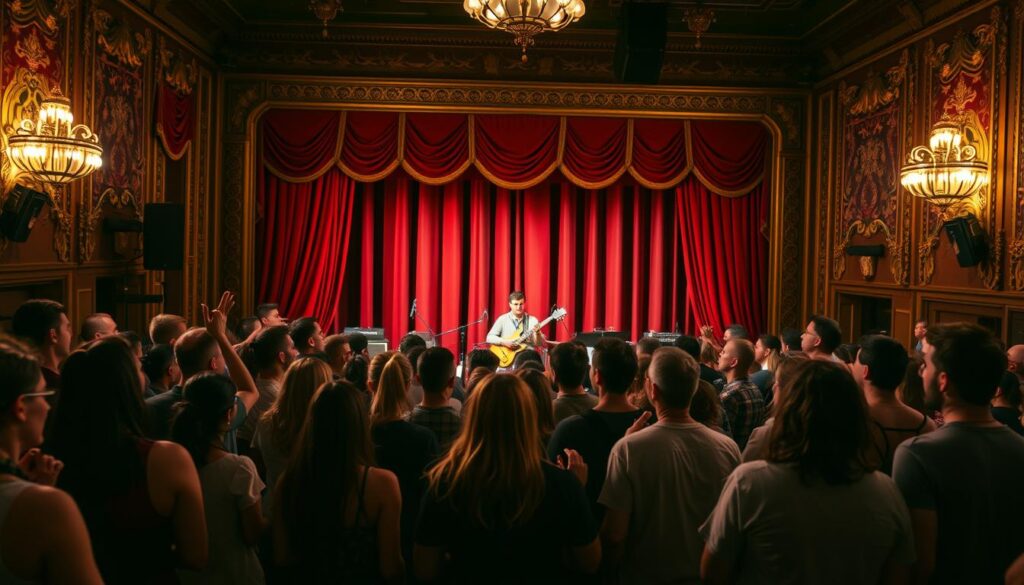
Heritage adds to the vibe. Take the Rusty Spur Saloon with its Western feel. Its decor is part of the show, not just a setting. Historic theaters also have unique touches like velvet curtains and ornate plasterwork.
What we love is how these places evolve. For example, Wasted Grain changes for different events. A historic theater’s music series shows respect for the past and a commitment to the future. It’s a great place for indie shows.
Playing in such a place is a big deal for musicians. For fans, it’s a night to remember. These series bring people together, introducing music to new audiences through history.
We honor those who book and run these shows. They show that music can grow from deep roots. Next time you see indie shows at a historic theater, get your ticket. It’s more than a concert; it’s a dialogue between past and present.
Booking Practices: How Venues Choose Their Acts
Behind every great show is a booker, a talent scout. They sift through demos and dreams to build a venue’s unique sound. We’re pulling back the curtain on this fascinating process! Booking for local music venues is a delicate dance between two core missions: cultivating a reliable audience and fearlessly championing the next big thing.
These dedicated professionals listen to hundreds of submissions. They weigh multiple factors to create a cohesive yet surprising weekly calendar. Key considerations often include:
- Audience Draw: Can the act bring a crowd, even a small but dedicated one?
- Artistic Fit: Does the music’s style and energy match the venue’s vibe and existing clientele?
- Professionalism: Is the act reliable, communicative, and easy to work with?
- Creative Vision: Does the artist offer something unique that elevates the local scene?
Different venues apply these criteria with distinct philosophies. Some, like the noted space Tell Your Friends, prioritize raw creativity and artistic talent over guaranteed ticket sales. They build their reputation on being a discovery hub. Others, such as Mother Tucker’s Tavern, focus on crafting a varied weekly lineup—acoustic nights, rock bands, weekend DJs—to become a consistent community staple that offers something for everyone.
We are endlessly grateful for these bookers and talent buyers. They act as essential scouts and mentors, investing time to find those special voices. Their careful curation builds the vibrant, diverse tapestry of our local scene. It ensures we always have access to fresh, genuine performances alongside beloved favorites.
This thoughtful selection process is what fills our calendars with can’t-miss events. It transforms a simple stage into a platform for growth and connection, night after night.
Sound Quality Considerations: What Makes a Great Live Experience
What makes a night out unforgettable? Often, it’s the sound system’s clarity and power. We see great sound as a way to honor the artist and the audience.
Three key elements make up this respect. First, a skilled sound engineer who mixes with passion. Second, acoustics that fit the room’s size and shape. Third, a sound system that captures every detail of the performance.
“Tell Your Friends” is a small venue with amazing sound. It shows that great acoustics come from smart design, not just size. “Wasted Grain” also impresses with its ability to handle both loud bands and soft DJ sets.
For emerging talent showcases, quality sound is essential. It lets every detail of the music shine through. This boosts new artists’ confidence in their performances.
Great live sound isn’t just about being loud. It’s about creating a space where music can deeply move us. Here’s what makes it special:
- Clarity: Each sound has its own space in the mix.
- Balance: The sound feels natural, with the right mix of bass, mids, and treble.
- Dynamic Range: Quiet moments are intimate, and loud moments are powerful without distortion.
- Even Coverage: The sound is good everywhere, from the front row to the back.
When these elements come together, the venue fades away. The audience feels a direct connection to the music. This is what turns fans into lifelong supporters at emerging talent showcases.
Understanding these aspects helps fans and artists make better choices. We suggest checking a venue’s technical capabilities to support great live music. When venues invest in sound, they support the future of music.
Community Building: Venues as Social Hubs
Venues like “Old Town Tavern” mix comfort with excitement. They create a lively social scene. Here, stories are shared over drinks and new friendships start with a favorite song.
“Mother Tucker’s Tavern” on a Tuesday night feels like home. Regulars laugh at their usual table, while new couples enjoy nachos. Everyone feels welcome, from regulars to newcomers. Music brings us all together.
Live music discovery is more meaningful when shared with others. Finding a new artist is special when you can talk about it with someone next to you. These moments build lasting connections. Our local venues are like modern town squares.
Different venues create community in their own ways. The table below shows how each type serves as a social hub.
| Venue Type | Core Community Vibe | Social Catalyst | Role in Live Music Discovery |
|---|---|---|---|
| Neighborhood Tavern (e.g., Old Town Tavern) | Familiar, welcoming, a “third place” | Regulars mingling with newcomers; low-pressure interaction | Introduces new acts to a loyal, supportive local crowd |
| DIY All-Ages Space | Energetic, inclusive, youth-focused | Shared DIY ethos; artist-audience collaboration | Ground zero for emerging genres and raw, undiscovered talent |
| Historic Theater | Respectful, event-oriented, collective awe | Shared appreciation for architecture and curated lineups | Elevates artist prestige; discovery feels like a special event |
We’re grateful for these spaces. They offer more than entertainment. They connect us. Supporting these venues strengthens our cities’ social bonds. For a deeper dive, check out this community-building guide. Next time you’re out for live music discovery, remember, you’re among friends.
Supporting Venue Sustainability: Ticket Sales and Concessions
Buying a ticket or a craft beer at a show does more than just entertain you. It helps keep a community treasure alive. Every dollar spent at concert venues is key to their growth. Let’s explore how these spaces work and why they matter.
Most independent music venues run on a simple model. They make money from tickets and food and drinks. That ticket price is more than just to get in. It’s an investment in the artist and the venue.
Take the Old Town Tavern’s $5 cover charge. It helps pay the band fairly. Wasted Grain, on the other hand, has a variable cover. This lets them book different acts while keeping costs down. Both ways help venues stay open.
The concession stand is a big money-maker for many venues. A place like Mother Tucker’s Tavern makes more from food and drinks than from tickets. This money pays for staff, sound equipment, and upkeep.
Every purchase we make helps. Buying a ticket means artists get paid fairly. Buying food or drinks helps the venue stay afloat. This cycle is what keeps these places alive.
Revenue from sales pays for upgrades and new features. Better sound systems and comfy seats come from healthy finances. It also lets bookers take risks on new artists. This way, venues can be creative hubs for the future.
So, how can we help? By buying tickets and food and drinks. See these actions as investments, not costs. They ensure these concert venues stay vibrant for years.
Together, we can keep the local music scene alive. Supporting venues through ticket sales and concessions shows we care. Let’s keep the music alive.
Creating Your Local Music Calendar: Never Missing Great Shows
We can turn our support into action by making a personal guide to live music. A local music calendar helps us catch every new artist’s first show.
Start by following your favorite venues on social media. Sites like Instagram and Facebook are where places like Mother Tucker’s Tavern share their weekly schedules. Also, sign up for venue email newsletters for the latest updates.
Look at local event listings and apps focused on live music. Venues like Wasted Grain have full calendars online. Make it a routine to check schedules for different nights.
Diverse indie shows happen every evening, from quiet Monday sets to lively weekend shows. Exploring different nights helps us find hidden gems we might miss.
Our goal is to fill our lives with the joy of live music discovery. By building this simple system, we empower ourselves to be there when tomorrow’s stars shine. Together, we keep the cycle of talent and community alive.