Blog

  • Inside the Recording Studio: How an Indie Band Builds a New Single From Scratch

    Inside the Recording Studio: How an Indie Band Builds a New Single From Scratch

    Welcome to a world where creativity meets chaos. Imagine five musicians, lots of caffeine, and expensive microphones in a soundproof room. This is not just any day; it’s where magic is made, one note at a time.

    In the lead-up to tracking their next single, the atmosphere is electric. Andrew Schwab of Project 86 says he’s always in “writing mode.” He zones out during conversations, thinking of drum parts. This obsessive mindset is just the beginning.

    What happens in that liminal space between setup and playback? It’s a curious alchemy. Time stretches, egos clash, and doubts creep in around hour seven. Did they make the right creative choices? This isn’t a polished documentary; it’s a raw studio diary that reveals the true essence of the recording process.

    From click-track debates to candle rituals, the real story unfolds in the minutiae. Here, the difference between a hit and a hard drive full of regret often hinges on who remembered to label the tracks. Buckle up for a glimpse into the controlled chaos of a recording session, where every painstaking take counts.

    Call sheet day plan and roles producer engineer band tech

    A chaotic studio hinders creativity. A solid day plan is key. Before music starts, someone must manage the logistics. The call sheet is more than a schedule; it’s a promise of how the day will flow.

    Imagine it’s 10:00 a.m. and the drummer arrives for setup. Why do they need an extra hour? It’s a puzzle. At 11:30, the bassist comes in, with reliable gear and little drama. Noon brings the guitarists, often needing to fix something that should have been done yesterday.

    The producer is like a king, guiding the music and managing the day. They can spot a small sound issue from far away. The engineer works magic behind the scenes, handling sound and keeping the peace when the band tech fixes the guitarist’s pedalboard again.

    Each role is part of a team. The producer guides the music, the engineer turns it into sound, and the band tech makes sure the instruments work. When roles mix, you might see genius or a long day ahead.

    The best bands treat the call sheet like a guide. It’s flexible for creativity but firm to avoid chaos. This balance is vital for a productive recording session, making every minute count.

    Room layout mics signal flow headphone mixes and click debate

    The live room setup is where creativity meets technical skill. The room’s layout affects everything from mic choice to the final mix. Do you place guitar cabinets in the dead room or mix them with drum overheads for that unique room sound? Each mic placement tells a story, showing the sound’s purpose.

    A Shure SM57 close to the grille cloth demands punch and clarity. On the other hand, a ribbon mic three feet back adds air and dimension. These choices are both technical and reflect the band’s vision.

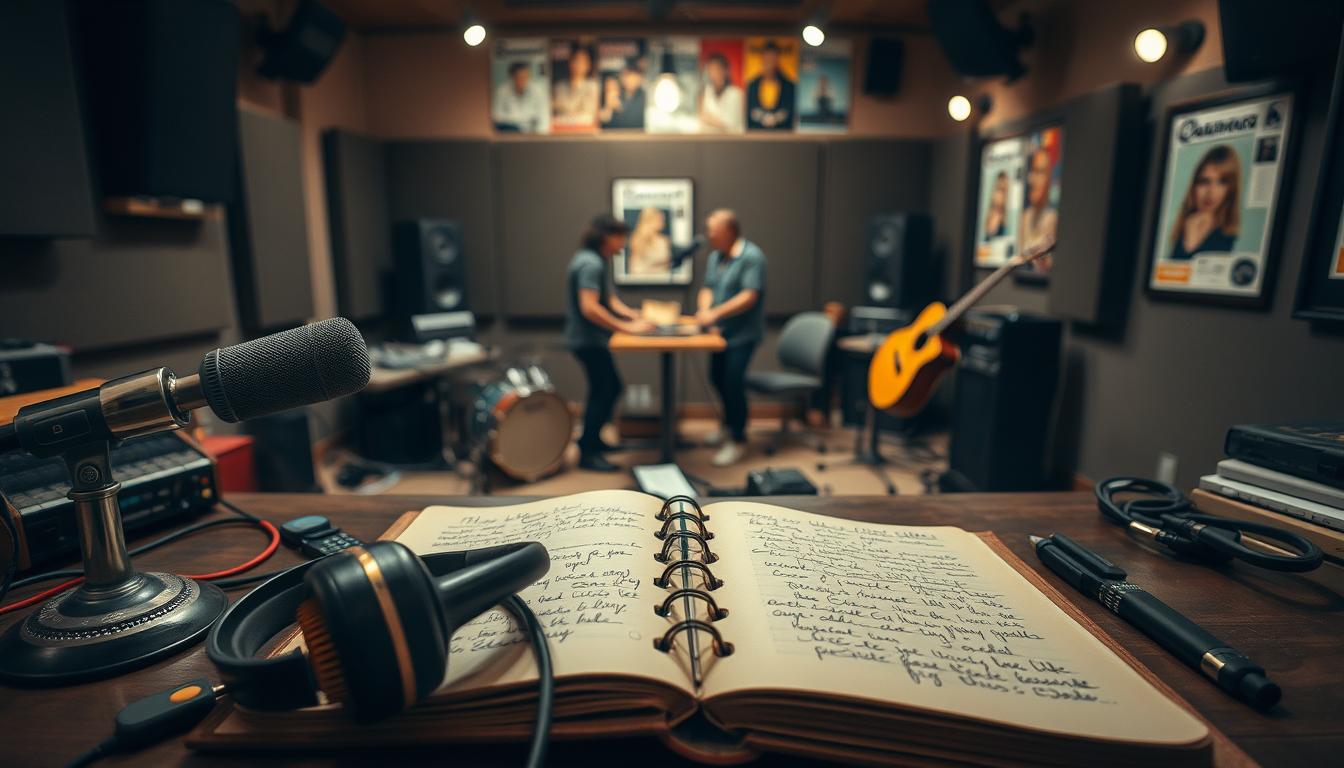
    A spacious live room setup in a recording studio, showcasing an indie band working on their next single. In the foreground, several microphones are strategically placed around musicians, each person dressed in casual, professional attire. The middle ground features an organized array of sound equipment, including a mixing console and signal flow diagrams on a nearby whiteboard. In the background, soundproof panels absorb light from warm overhead LEDs, creating an inviting atmosphere. The lens captures the scene from a slight angle, emphasizing the teamwork and collaboration as musicians discuss headphone mixes. The overall mood should convey creativity and focus, highlighting the intricate details of the studio layout and the dynamic energy of the recording process.

    The signal flow diagram looks like a madman’s subway map. It shows the path from preamp to EQ to interface, with patch bays lighting up like a Christmas tree. Each connection has a story, guiding the sound from start to finish.

    Next, the headphone mix debate starts, a test of band democracy. The vocalist wants more reverb, the drummer needs a loud click track, and the bassist wants to hear their amp and the kick drum. The click debate is intense, with some arguing over quarter notes versus eighth notes.

    In the end, the producer usually decides, not because they’re always right, but because someone has to. For more on home studio setups, check out this home studio handbook.

    Warm ups vibe builders reference tracks candle rituals coffee

    Before the first note, a ritual sets the stage. No one just walks into a studio without warming up. This warm-up is as vital as the air conditioning.

    Some bands run scales, while others rehearse at half tempo. Others perform elaborate ceremonies. These rituals are as important as the music itself.

    Andrew Schwab, for example, listens to film scores and classical music before recording. He finds inspiration in music far from his own genre.

    A vocalist burns a specific candle before recording. A drummer does paradiddles to Queens of the Stone Age. A guitarist plays along to Steely Dan’s “Peg.”

    Reference tracks help everyone tune their ears and share a musical language. Telling someone to “make the snare sound like the one on that Spoon record” is clearer than saying “make it sound punchy but warm.”

    Coffee is also key in the studio. Too little, and energy drops; too much, and the drummer rushes. The ritual helps because recording is unnatural.

    First takes capturing energy comping philosophies and mistakes

    In music, the first take is a raw snapshot of creativity. It’s a mix of brilliance and chaos. These initial recordings capture a band’s nervous energy, which is hard to replicate.

    The first take is often a liar. Sometimes, it’s the best performance you’ll hear all day, full of urgency. Other times, it’s a train wreck that makes the second take seem like a masterpiece.

    The producer’s job is to find the magic in those first eight bars. Some believe in keeping the first take, mistakes and all, for emotional authenticity. This approach has led to some of the greatest recordings in history.

    On the other hand, there’s the comping philosophy. This method involves taking the best parts from various takes to create a flawless performance.

    • Emotional Authenticity: The first take often embodies the raw emotions of the moment.
    • Technical Precision: Comping allows for a polished final product.
    • Artistic Integrity: Knowing when to embrace imperfections can lead to unique sounds.

    Both methods have their merits and have produced stunning results. The real skill is knowing which philosophy serves the song best. A punk track that’s too polished can sound sterile, while a complex prog epic left in its chaotic first-take state can feel amateurish.

    And let’s not forget about the glorious mistakes—the unrepeatable accidents that often hold the most magic. A string squeak that adds unexpected tension, a voice crack that conveys vulnerability, or a slightly rushed fill that somehow elevates the chorus. Great producers don’t just tolerate these quirks; they curate them. They understand that perfection is a myth sold by software companies, and that the human ear craves the evidence of human hands.

    A dynamic recording studio scene, capturing the vibrant energy of an indie band during their first takes. In the foreground, a diverse group of musicians is engaged in their performance, showcasing natural expressions of concentration and excitement. One musician plays a guitar, another is at a microphone, while the drummer provides a rhythmic foundation. The middle ground features vintage studio equipment, such as microphones, soundboards, and monitors, suggesting a creative, productive atmosphere. The background includes soundproof panels and soft lights, creating a warm, inviting ambiance. The scene is illuminated with diffused, soft lighting, adding a sense of intimacy and focus. The angle is slightly elevated, providing a comprehensive view of the band and their surroundings, emphasizing the essence of spontaneous creativity and collaboration.

    Overdubs textures harmonies percussion ear candy decisions

    Overdubs bring creativity and teamwork together, making raw tracks shine. After laying down the basics, we focus on the details that make a song stand out. It’s like adding wallpaper, throw pillows, and fancy light fixtures to make it pop.

    Harmony vocals are a big deal in overdubs. Who sings the third above? Who doubles the lead in the chorus? These debates can be intense. It’s a mix of ego and artistry.

    Percussion overdubs are the indie band’s secret weapon. A shaker here, a tambourine there, maybe a glockenspiel for fun. These ear candy touches make a song worth listening to over and over. The producer might say, “This bridge needs more cowbell, but ironically.”

    Texture is key in modern production. Think of a reversed reverb swell or a guitar part through a Leslie speaker. These subtle touches add depth to a song. A synthesizer pad that sneaks in can change everything.

    But, too many overdubs can be a problem. Each one must add something special. The mute button is key to keeping things balanced.

    Andrew Schwab says, “Guest appearances are so much fun and I plan to have at least a couple. Any suggestions from the readers? I am all ears.” Collaborations bring new ideas and textures, making the production better.

    Element Purpose Example
    Harmony Vocals Enhance melody Third above lead
    Percussion Add rhythm Shaker, tambourine
    Texture Create atmosphere Reversed reverb swell
    Guest Contributions Introduce new ideas Collaboration with other artists

    A vibrant recording studio scene filled with indie musicians engaged in overdubbing their latest single. In the foreground, a guitarist with a focused expression adjusts his amp settings, wearing a casual black t-shirt and jeans. Nearby, a female vocalist in a cozy sweater passionately records harmonies into a microphone, embodying creativity and concentration. The middle layer features a sound engineer, attentively monitoring mixing levels on a large console, illuminated by colorful LED lights. Surrounding him are various instruments, such as keyboards and percussion, creating a feeling of a rich sonic tapestry. The background showcases glass walls reflecting studio lights, enhancing a warm and collaborative atmosphere. The lighting is soft but focused, evoking a sense of intimacy and artistry. The angle captures both the musicians and the array of equipment, framing a dynamic and immersive recording session.

    Breaks mental resets games meal break and budget management

    Taking breaks during tracking is not just a luxury; it’s a necessity. It keeps your ears sharp and your mind clear. After four hours, your ears start to get tired. This is why breaks are key to keeping your ears in top shape.

    Producers know the value of mental resets. They plan them like pit stops in a race. Fifteen minutes every ninety minutes refreshes your mind. It’s a chance to step outside and listen to something new.

    Meal breaks are more than just a time to eat. They’re a chance to bond and make decisions. Who picks the restaurant? Does the vegan bassist have a say? These moments can shape the session’s mood.

    Games are another important part of the studio. They help keep everyone relaxed and creative. Whether it’s playing Mario Kart or darts, these breaks are essential.

    But budget management is always in the back of your mind. Independent bands act like their own record labels. Every hour spent in the studio costs money. A good producer knows how to balance creativity and budget.

    Expense Category Estimated Cost Notes
    Studio Time $50/hour Includes engineer and equipment
    Meals $15/person Factor in dietary restrictions
    Break Activities $20 Games or snacks
    Miscellaneous $30 Unexpected expenses

    Editing checklist naming tracks backups and safety discipline

    A well-organized editing checklist is key to any recording project. It makes mixing smooth and avoids chaos. Imagine opening your project and finding track seventeen labeled “Audio 17_03.wav.” It’s hard to remember if it’s the right take or not.

    The editing checklist is a must-have document. It lists tasks like aligning bass DI with amp tracks and removing string squeaks. Each task is small but vital. Without it, you’ll spend time fixing problems instead of improving the mix.

    Naming tracks is also important. It might not be exciting, but it saves time later. A clear naming system keeps everything organized, letting you focus on creativity.

    Backups are another essential part of studio work. They’re like flossing—everyone knows they’re important but often forget. Always make sure the project is backed up in at least three places before leaving. This includes the main drive, a cloud backup, and a physical drive taken home.

    Safety discipline is also critical. This includes keeping cables organized and turning off phantom power before unplugging mics. These details might not be glamorous, but they’re essential for preserving your work.

    Quick mix rough prints stems and to do before leaving

    Ending a recording session is all about getting organized and creative. The quick mix is the first glimpse of what’s been done. It should thrill the band but not fool them into thinking it’s the final product. It’s like a rough sketch, showing the big ideas but not the details.

    The producer’s job is key here. They mix the tracks roughly, with drums, bass, guitars, and vocals in place. It’s a raw mix, with no fancy tweaks yet. It’s meant to show the band what they’ve got to work with.

    Before the band leaves, they get a rough mix on their phones. By morning, they’ve listened to it a lot, making notes. These early thoughts are super important for keeping the creative spark alive.

    Now, let’s talk about stems. These are your safety net for the future. You’ll have the drums, bass, guitars, and vocals ready to go. This way, you can always go back and change things later, like adding a new bridge.

    And what about the to-do list before leaving? It’s not glamorous but it’s essential. You need to label everything, back up files, clean up, and return rented gear. You also have to pay the studio bill and check for lost items. Getting this done right means a smoother start when you begin mixing.

    Polaroid gallery gear list settings and patch notes

    Every studio session is full of memories and technical insights. The Polaroid gallery acts as a visual diary, capturing the day’s essence. Photos of the vintage Ludwig kit, with a tea towel on the snare, tell stories beyond nostalgia. Each photo reminds us of the moments that shaped the next single’s sound.

    Documentation is key. The gear list and patch notes are the blueprint for future sessions. They show the details that make each track special. Imagine the 1965 Fender Jazzmaster paired with a Klon Centaur clone, all through a Vox AC30. The sound is crafted with precision.

    Settings and patch notes guide the sound. Amp settings and pedal positions are documented. These details might seem small, but they’re the music’s foundation. Fans will reference these decisions when they dissect the album.

    As the single nears release, these notes answer the big question: “How did they get that sound?” The truth is in the preparation, the unexpected moments, and the team’s magic. This is where the journey starts and the music lives on.
  • The Oral History Of a Debut Album How Friends Roommates And A City Built A Classic

    The Oral History Of a Debut Album How Friends Roommates And A City Built A Classic

    Welcome to a journey through sound, friendship, and the magic of a city. It’s not just about the music; it’s about the stories behind it. Imagine a group of friends, all roommates, creating a tapestry of melodies together.

    This isn’t just a story of a first album. It’s about how personal connections can lead to artistic brilliance. It’s a tale of dreams turned into music.

    As we explore this story, we’ll discover moments that defined a generation. How did the city’s streets inspire their creativity? What role did friendship play in creating something that touches so many?

    Join me as we uncover the layers of this classic album. We’ll look at the cultural references that make it timeless. It’s not just music; it’s a reflection of life, love, and our connections.

    Cast of voices bandmates producer manager photographer promoter

    A debut album tells many stories from those who helped make it. Each person, from bandmates to producers, adds something special. Together, they create a sound that echoes far beyond the studio.

    Bandmates turned ordinary places into creative spaces. They brought energy and friendship, making practice sessions fun. The producer worked hard to keep the album’s vision alive, despite financial hurdles. Every choice in the studio was a step towards their dream.

    Managers were key too. They believed in the band when no one else would. Their support and smart planning helped the band through tough times. Photographers captured the band’s early days, showing them as if they were already stars.

    Imagine a dinner where Gordon Zacharias and Belinda Carlisle share stories. Stephin Merritt listens intently. The room is filled with tales of success and struggles. This meeting of voices tells the story of a city’s DIY music scene, where creativity thrived.

    Role Name Contribution
    Bandmate Gordon Zacharias Guitarist, songwriter
    Producer Joan Wasser Sound engineer, creative guide
    Manager Clarke Martty Strategic planner, supporter
    Photographer Dylan Fitzgerald Visual storyteller
    Promoter Kevin March Event organizer, community builder

    Timeline early singles breakups new members and studio dates

    The story of a debut album is like a jigsaw puzzle. Pieces don’t always fit. For Gordon Zacharias, starting Fan Modine meant ending Astroboy. He kept only the drums, slowing them down into a dreamy sound.

    The Go-Go’s faced their own challenges. Formed in 1978, they found success wasn’t just about music. Their hit, “We Got the Beat,” was a surprise hit while they were abroad. They had to dodge trouble and found their special bond.

    When Margot Olavarria got sick, Kathy Valentine stepped up. She learned 19 songs in just four days on a new instrument. It was a huge challenge.

    Album anniversaries remind us that studio dates often change. It’s the unexpected moments that create magic. Breakups and breakthroughs shape the debut album’s story.

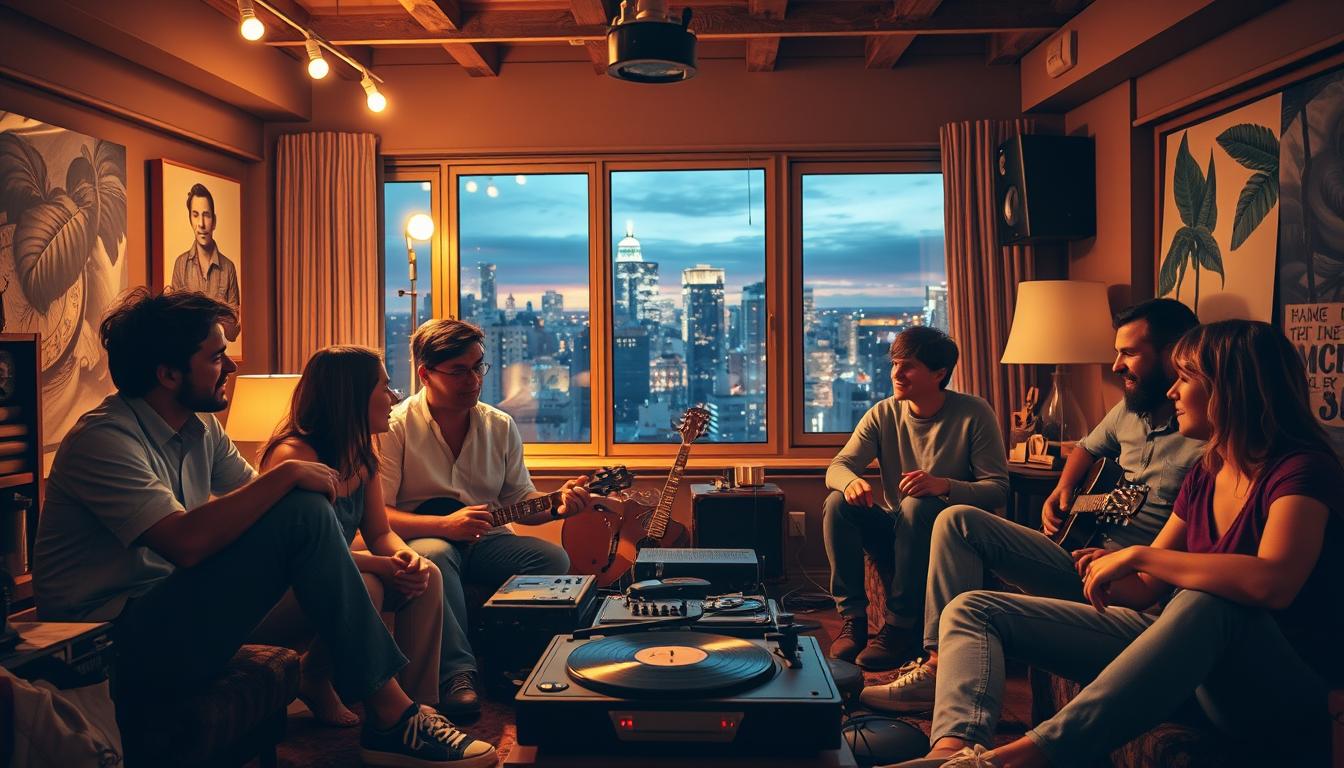
    A vibrant and dynamic music studio scene set in a bustling city, capturing the essence of collaboration and creativity. In the foreground, a diverse group of friends, including a male guitarist with a vintage electric guitar, a female vocalist with a microphone in hand, and a male drummer at a makeshift drum set, all engaged in a spirited discussion, dressed in stylish casual clothing. The middle ground features recording equipment, mixing boards, and scattered sheet music, hinting at the hard work behind their debut album. In the background, large windows reveal a city skyline bathed in warm golden light, evoking a sense of optimism and inspiration. The overall mood is energetic and hopeful, celebrating the journey of forming a band, with a focus on early singles and studio sessions.

    Writing rooms kitchens buses text chains and late nights

    Songwriting is like a wild scavenger hunt through memories and music. In the DIY scene, the best songs come from kitchens, buses, and late-night texts. It’s fueled by snacks, coffee, and the drive to work together.

    Gordon Zacharias turned his Boston loft into a song lab. He mixed songs with ephedrine and weed, inspired by Helium and the Pastels. The magic happened in those quiet, late hours.

    Jane Wiedlin and Charlotte Caffey of the Go-Go’s wrote songs telepathically. They combined ideas, influenced by the Buzzcocks and Tommy James. Their song “Lust to Love” shows their unique collaboration.

    These late nights were messy, with sticky floors and borrowed gear. But, in this chaos, creativity bloomed. The raw, unpolished nature of these sessions added a special authenticity.

    Artist Writing Style Key Influences Notable Songs
    Gordon Zacharias Improvisational Helium, Lilys, Pastels Various Tracks
    Go-Go’s Collaborative Buzzcocks, Tommy James Lust to Love
    DIY Scene Spontaneous Various Numerous Tracks

    Recording war stories budget vanish lost files magic takes

    Every great album comes from chaos, creativity, and luck. In the studio, mishaps often get more attention than the final product. Gordon Zacharias once tried a unique drum sound by mic’ing a 4th-floor stairwell. But, it turned into a mess when overdubs came in.

    The Go-Go’s recorded demos on equipment that would make today’s producers cry. But, that raw energy made “Our Lips Are Sealed” unforgettable. Their budget was almost nothing, but I.R.S. saw their talent when major labels didn’t.

    Producer interviews often talk about when budgets disappeared or files got lost. These stories aren’t failures; they’re what make albums special. When I.R.S. said yes, it was a big deal. It meant a tight deadline and a prayer. And sometimes, losing a file makes you play it even better.

    A dynamic scene captures a group of diverse music producers engaged in a passionate interview, seated around a cluttered recording studio table filled with audio equipment, notebooks, and coffee cups. In the foreground, two producers—one with curly hair wearing a casual button-up shirt, the other with a beanie and a graphic tee—animatedly discuss lost files and recording challenges. The middle ground features a vintage microphone and speaker stacks, symbolizing the soul of music production. In the background, studio lights create a warm, inviting glow, enhancing the atmosphere of creativity and collaboration. The camera angle is slightly elevated, offering a glimpse into the vibrant energy and camaraderie shared among these artists, set against a backdrop of soundproofed walls and colorful posters of classic albums.

    Artwork and packaging thrifted props fonts and color theory

    The artwork of a debut album can tell a story just as compelling as the music itself. When you see a cover, it’s like the first handshake with the band. Does it resonate? Does it reflect your inner angst or joy? For many, that cover is the thesis statement of their musical journey.

    Take Fan Modine’s Slow Road to Tiny Empire, for instance. The album cover was crafted by a roommate, who, unbeknownst to him, shaped the entire aesthetic. It’s a vivid reminder that sometimes, the best art comes from the most unexpected places. In this case, the loft where the songs were recorded became a canvas for creativity.

    On the other hand, we have the Go-Go’s iconic Beauty and the Beat cover. Who would have thought that thrifted towels and a tub of Noxzema could encapsulate a band’s playful, punk-glamour identity? This image didn’t just represent the music; it became synonymous with the spirit of the era. It’s a perfect example of how you can take what you have, make it look intentional, and hope the color theory doesn’t clash with the vinyl hype sticker.

    Let’s not forget the importance of fonts. A carefully chosen typeface can evoke emotions and set the tone for what’s inside. It’s like a silent partner in the album’s narrative, enriching the overall experience. The right font can scream rebellion or whisper nostalgia, depending on the context.

    To illustrate the relationship between artwork, packaging, and the debut album story, here’s a breakdown:

    Element Example Impact
    Artwork Fan Modine’s cover Reflects the recording space and creativity
    Packaging Go-Go’s towels Creates an iconic visual identity
    Fonts Varied styles Conveys emotion and tone

    In conclusion, the packaging isn’t just a container; it’s the first note of the album, and it better be in key. Each element plays a critical role in the debut album story, inviting listeners to dive deeper into the music while connecting with the visual narrative.

    A creative workspace filled with vibrant thrifted props, showcasing an array of eclectic album artwork designs. In the foreground, a table cluttered with colorful paint tubes, textured paper, and vintage record covers, hints of color theory displayed through swatches scattered around. The middle ground features two artists, dressed in casual attire, deeply engaged in a collaborative brainstorming session, surrounded by fonts printed on large sheets and mood boards pinned to the walls. In the background, a sunlit studio window casts soft shadows, illuminating the creative chaos, while city skyline outlines peek through to evoke a sense of place. The atmosphere feels passionate and collaborative, with warm lighting enhancing the sense of inspiration and artistry. Focused angle highlighting the details of the artists' hands working on different elements, capturing the essence of creativity and dedication.

    First tour merch disaster radio miracle local press rescue

    Our first tour was a real challenge. We were excited to start but quickly faced the harsh realities of the DIY scene. Instead of a fancy tour bus, we rode in a friend’s van. We had a box of T-shirts we made ourselves, hoping they would sell.

    The Go-Go’s had a tough time in the UK too. They faced hostility from skinheads. But, their song “We Got the Beat” became a hit while they were away. It showed that success can come when you least expect it.

    Local press helped us a lot. Fanzine writers and college radio DJs supported us. They turned our merch disaster into a sold-out show. Their help was key to our success.

    Our first tour taught us a lot. Success comes from hard work, resilience, and a bit of luck. It’s a wild journey, and having supporters makes it better. For more on indie music, check out Shrimper Records.

    Reception reviews charts and what almost derailed it

    Behind every critically acclaimed album lies a tale of near-misses and triumphs. The music industry is full of ups and downs. The Go-Go’s “Beauty and the Beat” is a perfect example. It hit #1 for six weeks, but its journey was tough.

    At first, record labels didn’t want to sign the Go-Go’s. They thought an all-female band couldn’t succeed. This shows how sexism was a big problem back then. But the Go-Go’s proved them wrong, showing that talent doesn’t care about gender.

    Fan Modine took a different path. Critics loved it, comparing it to the Magnetic Fields and Elephant 6. But it didn’t become a huge commercial hit. Its appeal was in the critical raves, not just the sales.

    What almost stopped these albums? For the Go-Go’s, it was a hepatitis scare. For Gordon, it was the pressure of his influences. These moments show that success isn’t just about reviews or charts. It’s about the hard work and struggles behind the scenes.

    The album anniversary reminds us of these challenges. It celebrates the artists who faced rejection and doubt. Their stories inspire fans and make their albums’ histories fascinating.

    Legacy what holds up and what the band would redo today

    A debut album’s legacy is not about being perfect. It’s about its lasting impact over time. Gordon Zacharias sees the album as a travelogue of his move to NYC. The 2020 reissue shows that some albums stay relevant forever.

    The Go-Go’s are a great example. Their documentary came out in 2020, revealing the band’s early struggles. Kathy Valentine even looked back on her past comments about I.R.S. records. Looking back, we see things differently, don’t we?

    What makes their music timeless? It’s the songs that didn’t follow every trend. In producer interviews, they talk about the snare sound. It’s a mix of nostalgia and today’s standards.

    So, what would they change? Maybe the stairwell drums that were a key part of their sound. The debut album story is about making the record you need and then explaining its imperfections.

    Aspect What Holds Up What They Would Redo
    Songwriting Timeless melodies Chasing trends
    Production Unique character Stairwell drums
    Context Rich storytelling Old quotes

    The legacy of a debut album is a mix of memories, flaws, and growth. It’s a journey through love and geography, a time capsule of moments. For more stories behind the music, check out this in-depth conversation with rock legend Mark.

    Anniversary reissue extras demos live takes zine and liner notes

    When an album hits its anniversary, it’s more than just a date. It’s a celebration of the music and the stories behind it. The anniversary reissue often feels like a gift to fans, packed with extras that bring the past roaring back to life. Think about it: how often do we get to revisit those raw demos or hear live takes where the audience’s chatter adds an intimate touch?

    For example, the reissue of Fan Modine’s “Slow Road to Tiny Empire,” released by Rhino Records in 2020, was special. It wasn’t just a re-release; it was a chance to peel back the layers of nostalgia. Fans got a deluxe vinyl with demos that sounded like they were recorded on a boombox. It’s a nod to the DIY scene, reminding us of the grassroots spirit that fueled the album’s creation.

    The Go-Go’s have also given us anniversary editions of “Beauty and the Beat.” These editions celebrate both the 30th and 40th anniversaries. They’re not just cash grabs; they’re an archaeological dig into the band’s history. Bonus tracks and live material unearth early versions that reveal the punk skeleton beneath their pop skin.

    What’s fascinating about these reissues is the way they allow the band to say, “See? We told you it was good.” The director’s cut format of these releases often includes liner notes that fill in every inside joke and anecdote. This makes fans feel like they’re part of the inner circle. The accompanying zines further enrich this experience, creating a bridge between the past and present.

    For many fans, these reissues offer a chance to hear the album again for the first time. It’s not just about the music; it’s about the memories and the connections forged over time. So, as we celebrate these milestones, let’s remember that every anniversary is an opportunity to rediscover the magic of music.

    Where to hear the album today and best entry track

    Ready to explore the debut album oral history? Now’s the perfect time. Fan Modine’s “Slow Road to Tiny Empire” is on all major digital platforms. The deluxe vinyl edition is coming soon, so stay tuned.

    The best track for newcomers is “Cardamon Chai.” It’s a journey that Ash Bowie found mesmerizing, likening it to My Bloody Valentine. This song is a great starting point.

    The Go-Go’s “Beauty and the Beat” is also streaming everywhere. For a catchy entry, try “Our Lips Are Sealed.” It’s catchy and easy to remember. But “Lust to Love” gives a deeper look into the band’s formation, with a thrilling three-part structure.

    These albums are more than just history. They’re alive, placed alongside bands they’ve inspired. Listening feels like getting a cassette from a friend who knows you’ll love it. The debut album oral history is ongoing, every time you press play. So, plug in, turn up the volume, and let the music remind you why these albums are important.

  • Off The Record Exclusive Interview With a Rising Indie Artist About Sound Identity And Next Steps

    Off The Record Exclusive Interview With a Rising Indie Artist About Sound Identity And Next Steps

    In a world full of music, finding an artist who sees sound as a scientific and spiritual journey is rare. NOTEP, a Thai musician, DJ, and environmentalist, is changing the game. Her debut album, Metamorphogenesis, released in 2024, marked a big move into rhythm-driven music.

    Her latest single, “Radio,” and upcoming EP PAKARANG show the link between the ocean and our bodies. This isn’t just another indie artist exclusive interview. It’s a deep look into how our bodies and the ocean are connected. NOTEP asks us to find our true sound identity.

    Let’s explore NOTEP’s artistry and her dream of music and environmental awareness coming together. This talk is a peek into a quiet revolution, where music and coral reefs are equally important. Join us on this journey.

    First Influences, Formative Records, Venues, and Early Mentors

    NOTEP finds her music in the quiet, not the noise. She starts with meditation, a rare practice in electronic music. Before “Radio,” she and Alex pause to seek guidance. This moment of calm leads to a session focused on thought, not just sound.

    NOTEP’s story is unique. She finds inspiration in listening, not just albums or shows. She begins sessions by tuning into nature, using field recording to capture its essence.

    Field recording is key for NOTEP. It opens up new sounds and invites artists to explore their surroundings. She encourages us to listen to the world around us, asking if we’ve lost something by changing how we create.

    The Meditation Before the Music

    NOTEP always meditates before working with others. This step is essential to her creative process. It helps her connect with her collaborators, allowing them to share thoughts and emotions freely.

    Alex, Co-Writers, and the Alchemy of Collaboration

    Collaboration is central to NOTEP’s music. With Alex, they create something special. Their partnership turns ideas into music, making each session a unique adventure.

    NOTEP’s approach challenges the usual ways of making music. She shows that meditation, teamwork, and connecting with nature can lead to incredible results.

    Breakthrough Moment: The Song or Show That Shifted Momentum

    In indie music, breakthroughs often come from quiet moments. NOTEP’s new single, “Radio,” released on Earth Day, was such a moment. It’s more than a song; it shows her growth.

    The story of her breakthrough is unique. It’s not just about fame or festivals. It’s about her inner change.

    “Radio” talks about being true to oneself. NOTEP picked four beats to show her different sides. These beats come together, showing her talent and depth.

    The song celebrates finding your true self. It’s for those going through identity changes.

    Tuning Into “Radio” on Earth Day

    NOTEP released “Radio” on Earth Day for a reason. It’s about rebirth and starting anew, like her own journey. The song asks listeners to think about their own frequencies and embracing change.

    This is the first look at her *PAKARANG EP*. It sets the stage for what’s next.

    The Four Beats of a Quiet Identity Shift

    To understand “Radio,” let’s look at its four beats:

    Beat Representation Emotional Tone Musical Element
    Beat One Self-Discovery Hopeful Piano Melody
    Beat Two Struggle Intense Drum Beats
    Beat Three Acceptance Calm Strings
    Beat Four Empowerment Joyful Guitar Riffs

    This mix of beats shows NOTEP’s talent and connects with those who’ve found their true self. “Radio” reminds us that growth starts within, encouraging us to share our true selves.

    A vibrant radio single cover for the "PAKARANG EP," featuring an artistic representation of sound waves emanating from a vintage microphone. In the foreground, a stylized microphone stands prominently, adorned with musical notes swirling around it in bright colors. In the middle, a collage of abstract shapes and textures symbolizes indie music's diverse sound identity. The background showcases a dimly lit urban setting, with soft bokeh lights reflecting a nightlife atmosphere. The lighting is warm and inviting, casting a glow that highlights the microphone's metallic surface. The overall mood is energetic and inspirational, capturing the essence of a breakthrough moment. The angle is slightly elevated, offering a dynamic perspective that draws the viewer into the scene.

    Craft vs Commerce: Balancing Authenticity with Growth and Bills

    In the music world, artists face a big challenge. They must keep their art true while making money. It’s like walking a tightrope.

    NOTEP is a great example. She works with big brands like Louis Vuitton and Prada. At the same time, she pushes for eco-friendly music production. This shows how complex being an artist can be today.

    NOTEP sees no problem with working with brands and caring for the planet. She believes in changing things from the inside. This bold move challenges the usual ways of doing things.

    The Louis Vuitton Paradox

    Working with Louis Vuitton might seem odd. Some might say it’s not true to oneself. But NOTEP sees it as a chance to spread her message about being green.

    She works with groups like Greenpeace Thailand and UNDP. She talks about the impact of art on our minds. This makes artists think about their work’s effects.

    High On Your Own Supply: Sustainability as a Business Model

    NOTEP’s “High On Your Own Supply” is more than a slogan. It’s a call to change. She wants artists to use eco-friendly methods. This cuts down waste and meets the demand for green products.

    Here’s a look at how brands handle being green:

    Brand Collaboration Type Sustainability Initiative
    NOTEP Luxury Fashion High On Your Own Supply
    La Mer Beauty Eco-friendly Packaging
    Nike Sportswear Recycled Materials
    Prada Luxury Fashion Green Line Collection

    In conclusion, balancing art and business is not just a challenge. It’s a chance for growth. Artists can show their values and vision through their work. The question is, can your merchandise also show your true self?

    Fan Community Building: Discord, Mailing List, Street Team Lessons

    Forget about automated Discord bots and endless newsletters for now. The real magic in building a fan community happens in unexpected places. Like a long-tail boat off Koh Tao, where NOTEP and digital artist Cyrus James Khan went on a unique journey.

    They didn’t just create a video for their song “Radio.” They aimed to connect deeply with their audience. In a three-hour sunset adventure, they played multiple roles: street team, stylist, and film crew.

    They used reclaimed materials like soda can tops and ghost nets for their visual story. This wasn’t just a marketing stunt. It was a powerful message. When fans see artists using their message in their clothes, they become part of a shared mission.

    A vibrant scene depicting Cyrus James Khan, a rising indie artist, actively engaging with a diverse group of fans in a cozy community space. In the foreground, Cyrus, dressed in casual yet stylish attire, is animatedly discussing music ideas with fans who are smiling and holding notebooks, symbolizing collaboration and creativity. In the middle ground, a table strewn with colorful flyers and merchandise represents the community building efforts, alongside laptops open to a Discord chat interface. The background showcases a warm, inviting environment with string lights and indie posters on the walls, creating a lively yet intimate atmosphere. Soft, diffused lighting casts a welcoming glow, evoking a sense of camaraderie and enthusiasm for the music journey ahead.

    The Koh Tao Two-Person Street Team

    This duo shows how intimacy can be more powerful than virality. Their small team allowed for real connections, something big campaigns often miss. By being hands-on, they showed that community building is about personal engagement.

    In a world focused on numbers, their project stands out. It values depth over breadth. When fans feel the passion and authenticity behind your work, they’re more likely to support you. This two-person street team is a lesson in building a loyal fan community.

    Why Intimacy Scales Better Than Virality

    Virality might grab attention, but intimacy builds loyalty. The bond between artists and fans grows from personal stories and shared experiences. When fans see the effort and thought in a project, they invest emotionally.

    As we explore community building, remember that the best connections often come from simple settings. A sunset on a boat, a chat about ocean waste, and a shared vision can turn casual listeners into dedicated supporters. This is the heart of community building in our digital world.

    Rapid Fire Q and A: Favorite Pedals, Foods, Books, Side Hustles

    Let’s dive into the rapid-fire Q and A where we uncover the quirky details that make NOTEP tick. This segment takes us beyond the grand theories of artistry into the granular specifics that fuel her creative process.

    What’s on NOTEP’s pedalboard? Surprisingly, it’s less about the gear and more about a state of mind. Her side hustle isn’t a depraved OnlyFans for synth tutorials; instead, she focuses on salvaging ghost nets, contributing to environmental sustainability while indulging her passion.

    When it comes to food, NOTEP swears by whatever fuels her Onsen Reset Protocol. This term encompasses a suite of activities designed to yank her consciousness out of her head and back into her body. Let’s break down this unique reset:

    The Onsen Reset Protocol

    • Sleep: Essential for rejuvenation and clarity.
    • Walking: A simple yet effective way to ground herself.
    • Floating in Water: A sensory experience that promotes relaxation.
    • Massages: Physical touch that aids in mental clarity.

    Each element of this protocol plays a vital role in her ability to create. For NOTEP, the texture of sound and light in nature can spark ideas unexpectedly. It’s a reminder that inspiration often lies in the simplest experiences.

    Sleep, Water, and the Texture of Sound

    When asked what unexpectedly ignites her creativity, she doesn’t mention a plugin or a fancy piece of equipment. Instead, she cites the texture of light and the natural world around her. This approach reflects a profound understanding of how the physical environment influences artistic expression.

    In this exclusive Q and A, we see that NOTEP’s creative process is not just about the music but also about how she interacts with the world. Sometimes, the best reset is simply touching grass—or, in her case, coral.

    A cozy, intimate setting depicting an exclusive Q and A with a rising indie artist, NOTEP, in a relaxed studio environment. In the foreground, NOTEP, a young artist with a creative flair, sits casually yet stylishly dressed in a graphic tee and jeans, holding a guitar pedal, illustrating an interest in sound identity. The middle ground features a small wooden table with various pedals, a selection of favorite books stacked, and a plate of favorite snacks, symbolizing personal interests. The background is softly blurred, showcasing music-related decorations and mood lighting that creates a warm, inviting atmosphere. Use soft, warm lighting to enhance the inviting feel, and a slightly angled view to emphasize the artist's casual yet engaging demeanor, capturing the essence of a rapid-fire Q and A session.

    Activity Purpose Benefit
    Sleep Rejuvenation Clarity of mind
    Walking Grounding Improved focus
    Floating Relaxation Stress relief
    Massages Physical touch Mental clarity

    Curious about how side hustles can impact your own creative journey? Check out this insightful resource for tips and inspiration.

    Next Chapter Teaser: Unreleased Tracks, Collabs, Tour Hints

    What’s next for this indie artist is exciting. They’re working on new tracks and collaborations. The upcoming EP, PAKARANG, will change how we hear music. It’s inspired by the Thai word for coral, linking the ocean to our bodies.

    This artist is focusing on material and metaphor in their work. The *PAKARANG* EP will move from calm sounds to more upbeat beats. It’s a big step in their musical journey.

    Coral and the Body

    *PAKARANG* explores the connection between coral reefs and our bodies. It’s not just music; it’s a deep dive into sound and space. It makes you think differently about what you hear.

    Beyond Metaphor: Material and Structure

    Every new track is a piece of a bigger idea. The artist is building an experience, not just songs. They’re looking for musicians to join this journey.

    The tour will be special, with shows in spaces that feel like reefs. It’s not your usual festival. This will be a unique experience.

    How to Support: Links, Vinyl Preorders, Indie Stores, Bandcamp Fridays

    Supporting indie artists is more than just buying music. It’s a way to invest in creativity and sustainability. Every dollar spent on music, like during Bandcamp Fridays, helps artists keep making music.

    When you preorder a vinyl record, like NOTEP’s *Metamorphogenesis*, you’re doing more than buying music. You’re joining a movement that values art and the environment. These preorders remind us of the importance of supporting indie artists.

    The Economics of Reclaimed Materials

    NOTEP uses reclaimed materials in her art, showing a trend towards sustainability. This choice challenges old ideas about how we consume. Each piece made from ocean trash fights against waste and encourages us to think before we buy.

    Why Your Bandcamp Purchase is an Environmental Act

    Buying music on Bandcamp is more than just listening to songs. It’s a choice that helps the planet. By supporting indie artists, you reduce the carbon footprint of mass production. Your purchase supports artists who care about the environment, making it a choice that goes beyond music.

    So, avoid the Amazon Prime trap. Go to NOTEP’s indie store and buy that record. It’s a small act that can make a big difference. Here’s how supporting indie artists can help:

    Action Impact Example
    Vinyl Preorders Supports production and reduces waste *Metamorphogenesis*
    Bandcamp Fridays Direct funding for artists Every first Friday of the month
    Purchasing from Indie Stores Encourages local economies Local record shops

    Editor Notes: Tone, Takeaways, and Recommended Starter Tracks

    NOTEP’s music tells a story that blends art and activism. It’s not just sound; it’s a message. Her journey from Metamorphogenesis to PAKARANG shows a big change. With “Radio” leading the way, NOTEP combines rhythm with her ambient style.

    Her artist philosophy is all about subtlety. It’s about sharing truths quietly but powerfully. The key lesson is to approach creativity with care, like a coral reef. NOTEP’s music thrives on a mix of truth and new ideas.

    From Metamorphogenesis to “Radio”

    Start with “Radio” to get a feel for NOTEP’s new direction. It’s a catchy tune that draws you in. Then, go back to Metamorphogenesis for a deeper dive. This album is rich with sounds and textures, showing NOTEP’s skill in blending her voice with the music.

    The Analytical Case for Ambient Activism

    NOTEP’s music is a unique form of activism in today’s loud world. It sparks conversations, not just one-way messages. It makes us think about our connection to nature and our creativity. Each sound is a call to take action and connect with our surroundings.

    Comment Prompts: Invite Readers to Ask Follow-Up Questions

    The lights may be up, but the conversation is just starting. We’ve talked about NOTEP’s unique sound and her use of ghost nets in fashion. Now, it’s your turn to share your thoughts. What questions do you have after this exclusive interview with an indie artist?

    How do you connect with your own inner rhythm? What do you think is important in today’s music world? The floor is open for your thoughts. Let’s build a lively fan community in the comments.

    What’s Your Inner Frequency?

    Think about the music that touches your heart. Share your stories with us. How do you find your creative spark? What motivates you to listen to your inner voice?

    The Ghost Net Economy: Your Thoughts?

    NOTEP’s fashion choices make us think about sustainability. Can old trash become something valuable? How do you see art and caring for the environment connected? Share your thoughts on this topic.

    Let’s make a space for an exclusive Q and A. Your opinions count here. Join us and each other as we explore music, art, and community together.

  • Best Platforms to Reach Fans in 2026

    Best Platforms to Reach Fans in 2026

    Welcome! We’re glad you’re here to join our conversation. The digital music world is alive and always changing.

    For a long time, a few big names controlled how we listened to music. Now, new, open platforms are emerging. Audius, Opus, and Resonate are leading the way.

    These platforms focus on authentic relationships. They aim to connect artists directly with their fans. It’s a truly inspiring movement!

    We’ve made a detailed guide to help you understand. Our aim is to show where artists and fans can really connect. Choosing the right platform can make a big difference in the music industry.

    Let’s explore this exciting time together. We’ll find out where music and connection are most important.

    Artist Revenue Comparison: Spotify, Apple Music, Bandcamp, and Others

    The digital music world shows big differences in how artists get paid. Some get just a few cents for each stream, while others get direct support from fans. We aim to make these differences clear to you. Our goal is to give you the knowledge to see where your streams can lead to real income.

    We think every musician deserves fair pay. Being open about artist royalties helps everyone in the music world. Let’s look at how big names and new ideas tackle this important issue.

    Big names like Spotify and Apple Music pay artists based on how many times their songs are played. They mix money from subscriptions and ads and split it among artists. This often means artists get very little money for each stream. Spotify pays about $0.003 to $0.005 per stream, while Apple Music pays around $0.01.

    The Bandcamp vs Spotify debate shows a big difference in how artists are treated. Bandcamp lets fans buy music directly from artists, giving them 82-85% of the sale. This way, artists have more control over their earnings.

    New platforms are using tech to fix royalty problems. Audius rewards artists and listeners with its own token, $AUDIO. Opus uses OPT tokens for direct payments. Resonate is a streaming cooperative owned by its artists and listeners.

    Platform Revenue Model Key Feature for Artists Note on Payout
    Spotify Pro-rata Subscription/Ad Pool Massive audience reach ~$0.003 – $0.005 per stream
    Apple Music Subscription Revenue Share Higher per-stream rate ~$0.01 per stream
    Bandcamp Direct Fan Purchase & Tips Keeps ~85% of sales Artist sets prices; Friday waiver days
    Audius Token Rewards ($AUDIO) Blockchain transparency Earn tokens for streams & engagement
    Resonate Listener Cooperative Artist-owned platform “Stream to own” model; democratic control

    Platforms like Audius and Opus use blockchain to keep track of every play. This technology makes sure artists know how their music is valued. We see this as a big step forward for artists.

    Deciding where to share your music is a big choice. Services that pay artists fairly do more than just give money. They show they value your work and support your community. We celebrate every platform that puts its creators first.

    Discovery Features: How Each Platform Helps You Find New Music

    Music discovery has never been more exciting. From algorithms to human-curated lists, there’s a wide range of tools to find new tunes. Discovery is key to a vibrant music scene, turning hidden gems into your new favorite songs. Each platform offers a unique way to find these gems.

    Big names like Spotify and Apple Music use complex algorithms. These systems learn your music tastes to suggest similar artists and songs. This creates a personalized radio that gets better over time. It’s a powerful way to discover new music.

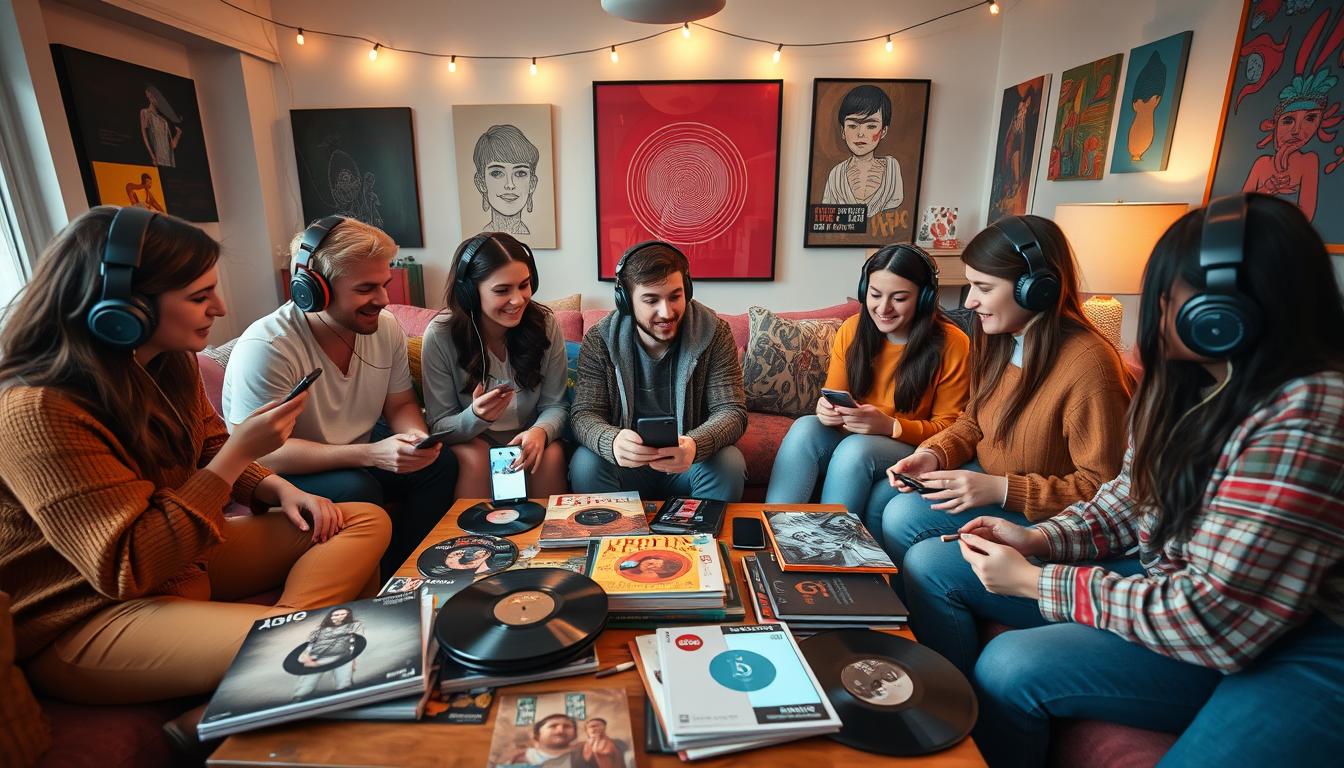
    A cozy, modern living room scene focusing on a diverse group of young adults engaged in discovering indie music together. In the foreground, a person in smart casual attire holds a smartphone, showcasing a colorful music-streaming app interface. The middle ground features a record player and vinyl collection, with several records scattered around, hinting at an eclectic music taste. Friends are seated on a stylish couch, animatedly discussing their latest finds, with headphones around their necks. The background includes warm, ambient lighting with soft golden hues, creating an inviting atmosphere. Large windows reveal a hint of a city skyline, while plants add a touch of nature, enhancing the relaxed vibe. The overall mood is vibrant and connected, reflecting the joy of uncovering new indie music.

    But there’s another side to discovery. It’s about people, not just technology. Indie platforms focus on community and curation. This approach offers a more genuine way to discover new music.

    Take Tamago, for example. It’s a platform where fans create and share playlists. This puts the power of discovery in the hands of passionate music lovers. It’s a democratic way to find new sounds.

    Platforms like Substack also rely on tastemakers. Writers and curators build trusted networks, recommending music. Fans follow these voices, leading to meaningful discoveries. This human touch is a game-changer for indie music streaming.

    So, how do these approaches compare? Let’s look at the key differences.

    Discovery Type How It Works Best For Platform Examples
    Algorithmic Uses your data and listening history to predict preferences. Personalized, hands-free discovery of similar music. Spotify, Apple Music
    Community-Driven Relies on playlists and recommendations from real people and curators. Finding unique, niche artists and trusting human taste. Tamago, Substack networks
    Hybrid Combines algorithmic suggestions with editorial or user playlists. A balanced mix of personalized and curated discovery. Many mainstream platforms are adding this.

    We’re passionate about features that help you connect with music. The community-driven model helps underground artists grow their fanbase. It feels like getting a recommendation from a friend, not a corporate algorithm.

    For fans who want to explore more, checking out best indie music discovery platforms is a great next step. These platforms are designed to help you find new, independent talent.

    The best music platform features for you depend on your preferences. Do you prefer a smart assistant or a community of music lovers? You now have amazing choices for both paths in your indie music streaming journey!

    Audio Quality Considerations: Lossless vs Compressed

    The debate between lossless and compressed audio is more than just tech talk. It’s about keeping the music’s essence alive. The streaming quality we choose shows how much we value the art. It changes how we listen and affects the creators.

    So, what’s the difference? Lossless audio files, like FLAC or ALAC, keep all data from the original recording. Compressed audio, such as MP3 or AAC, makes files smaller by removing data. This can slightly change the sound’s richness and detail.

    Why does this matter so much? For artists, their music is a heartfelt creation. Every detail is intentional. High-fidelity streaming delivers their work as they meant it to be heard.

    For fans, lossless audio offers a full emotional experience. You can hear every sound clearly, from the cymbals to the singer’s breath.

    We’re thankful for platforms like Audius and Opus. They stand for high-quality decentralized streaming. They show that technology can enhance art without losing its essence. This respect is key in our streaming platforms comparison.

    To make the choice clearer, let’s look at the key contrasts:

    Feature Lossless Audio Compressed Audio
    File Size Larger (e.g., 30-50 MB per song) Much Smaller (e.g., 3-10 MB per song)
    Sound Fidelity Identical to studio master Good, but some detail is lost
    Data Usage High Low
    Common Formats FLAC, ALAC, WAV MP3, AAC, Ogg Vorbis

    Choosing a service that values sound quality does more than please us. It sends a message. It shows that artist royalties and creative control matter. Supporting high-definition streaming supports artists’ full vision.

    Our listening habits have power. By understanding the difference between lossless and compressed audio, we make better choices. We can push for a future where great sound and fair artist royalties go together. Let’s celebrate platforms that make this possible!

    Social Features: Connecting with Other Music Fans

    Imagine talking about a new album with the artist themselves. Social tools on modern platforms make this possible. Music is all about connection, and we love the music platform features that create lively communities. These tools turn solo listening into a shared, interactive experience.

    Older services have basic social tools. Spotify and Apple Music let you share playlists and see what friends are listening to. Bandcamp vs Spotify shows a difference in focus. Bandcamp focuses on supporting artists, while Spotify is about sharing and making playlists together.

    New platforms put community at the center. Substack has become a key place for musicians to connect. It has a “Notes” feed, comments, and direct messages for ongoing talks. Artists like Jeff Tweedy and Patti Smith use it to share thoughts and host live streams, building a close fan circle.

    A vibrant music platform social community scene, showcasing diverse indie artists and fans engaging in dynamic conversations and sharing music. In the foreground, a group of four young adults, dressed in stylish casual attire, enthusiastically interact around a mobile device displaying a music app. In the middle ground, a cozy café setting with round tables, colorful posters of indie bands on the walls, and soft lighting creating an inviting atmosphere. In the background, large windows allow warm sunlight to flood in, illuminating the joyful faces of people connecting over their favorite tunes. The overall mood is energetic yet relaxed, capturing the essence of a thriving music community where connections flourish.

    This new model breaks down old barriers. On platforms like Audius and Opus, fans can comment on songs in real-time. Artists can respond right away. It’s a move from broadcasting to having real conversations, creating culture together.

    Let’s look at how big platforms handle social connections:

    Platform Key Social Feature Fan-to-Artist Interaction
    Spotify Collaborative Playlists, Friend Activity Indirect (via playlists)
    Bandcamp Fan Collections, Artist Updates Moderate (via comments/messages)
    Substack Notes Feed, Comments, Live Streams High (integrated dialogue)
    Audius/Opus Timestamped Comments, Token Gating Very High (direct & real-time)

    We think the future of music listening is all about being together. These features do more than just connect us; they show our shared love for music. When you can cheer for a live stream or discuss lyrics with the artist, you’re more than just a fan—you’re part of the story.

    Choosing a platform with strong social music platform features means investing in that joy. It’s about finding your crowd, your voice, and your place in the music you love.

    Offline Listening and Mobile Experience

    True music freedom means having your favorite indie tracks available anywhere. This includes deep underground on a subway or hiking a remote trail. A thorough streaming platforms comparison must look beyond the online catalog. We’re breaking down offline modes and mobile experiences because seamless access is how we stay connected to the music we love, everywhere we go.

    Offline listening is a game-changer. It turns your phone into a personal, signal-free jukebox. This feature is vital for daily commuters, travelers, or anyone wanting to save on data. More importantly, it means your support for artists doesn’t pause when your connection drops.

    Not all download features are created equal. Some platforms are generous, while others have stricter limits. The audio quality of downloads can also vary. We want you to know exactly what you’re getting before you hit that download button.

    The mobile app itself is your primary gateway to indie music streaming. A clunky, slow, or confusing interface can frustrate even the most dedicated fan. We believe the best apps feel intuitive, letting you search, browse, and play without a second thought. Stability is key—no one likes music that stutters or an app that crashes.

    Let’s see how the top contenders stack up on these essential mobile features.

    Platform Offline Download Limits Download Audio Quality Mobile App Highlights
    Spotify Up to 10,000 songs per device on up to 5 devices. Standard quality (equivalent to ~160 kbps). Extremely fast and intuitive. Excellent for playlist management and discovery on the go.
    Apple Music 100,000 songs limit, synced across 10 devices. High-Resolution Lossless available (if downloaded in compatible format). Deep iOS integration. Slightly steeper learning curve but very powerful for library organization.
    Bandcamp Unlimited downloads for purchased music. Streaming offline requires cache, not formal downloads. Purchased files are downloaded in your chosen format (MP3, FLAC, etc.). App focuses on your collection and wishlist. Streamlined for fans to directly support artists from their phones.
    Amazon Music Unlimited Varies by plan, typically up to 1,000 songs per device. Standard or HD/Ultra HD, depending on your subscription tier. Solid and reliable. Offers hands-free listening with Alexa integration as a major perk.

    This table shows a clear range of approaches. Spotify wins for sheer simplicity and high device limits. Apple Music is the champion for audiophiles who want lossless quality offline. Bandcamp’s model is unique, empowering you with permanent file ownership. Amazon provides a balanced, feature-rich experience tied to its ecosystem.

    Your mobile experience should feel effortless. Quick loading times, easy navigation, and reliable playback are the baseline. The best apps add thoughtful touches like clear download progress indicators, smart storage management, and lock screen controls. These small details make a big difference in your daily routine.

    We are grateful for technology that lets us carry entire music libraries in our pockets. A platform that excels in mobile and offline features removes barriers. It ensures you can listen, discover, and support artists during your workout, your commute, or your quiet evening walk. That constant, easy access is what turns casual listening into a lifelong musical journey.

    Artist Support Features: Direct Purchases and Fan Funding

    The dream of a fairer music industry is powered by features that let fans fund the artists they love directly. We are thrilled to highlight the music platform features that make this possible. These tools move beyond streaming pennies to create real, sustainable partnerships.

    This shift is about connection. It turns listeners into patrons and transforms streams into meaningful support. The result is a more resilient and direct creative economy.

    Several innovative models now lead the way. They include direct sales, fan subscriptions, digital collectibles, and smart contracts. Each offers a unique path for fans to show their support.

    Bandcamp is a pioneer in this space. Its model allows artists to sell music and merch directly to fans, keeping a large share of revenue. The famous “Bandcamp Friday” events, where the company waives its revenue share, have funneled millions of dollars straight to creators. This direct sale approach is a cornerstone for improving artist royalties.

    Platforms like Substack have entered the audio world with a fan-funded subscription model. Here, artists can offer exclusive podcasts, music, or community updates to paying subscribers. It builds a dedicated, supportive audience willing to invest in an artist’s ongoing work.

    Blockchain technology introduces even more possibilities. Platforms such as BitSong and Tamago utilize fan tokens and NFTs (Non-Fungible Tokens). These digital assets can represent special access, unique content, or a stake in a song’s success. They allow superfans to engage on a deeper level and share in an artist’s journey.

    These token-based music platform features create new forms of value and ownership. They foster a powerful sense of community and belonging between artists and their supporters.

    Behind the scenes, projects like Mycelia are building the infrastructure for fairness. Using “smart contracts” on blockchains, they aim to automate licensing and payments. This ensures every contributor gets their fair share instantly and transparently. It’s a foundational step toward redefining artist royalties for the digital age.

    We are grateful to see this evolution. Each of these features empowers fans to become true partners. They give artists control and build a more equitable ecosystem for everyone involved.

    Playlist Culture: Curated vs Algorithmic

    Music journeys are exciting when data meets passion. Playlists are more than songs; they’re discovery tools. Knowing the difference between curated and algorithmic playlists helps you find music that speaks to you.

    Algorithms are precise. Spotify uses your listening habits to suggest music. Playlists like “Discover Weekly” offer new music that fits your taste.

    But human touch is special too. Think of a friend’s mixtape or an artist’s influences. Platforms like Bandcamp and Tamago offer a community feel, making discovery a conversation.

    Substack is another place where artists recommend creators they admire. It’s a way of curation based on respect, not just data. For fans, these recommendations offer a deeper connection.

    So, which is better for you? It depends on what you want. Do you want new sounds or a deep dive into a genre? The table below shows the main differences.

    Feature Algorithmic Playlists (e.g., Spotify) Human-Curated Playlists (e.g., Bandcamp, Tamago, Artist Lists)
    Primary Driver User data and machine learning Individual taste, expertise, or community vote
    Discovery Style Personalized, based on listening patterns Thematic, narrative, or scene-based
    Strength Efficiency and volume of new suggestions Context, storytelling, and trusted authority
    Artist Benefit Exposure based on sonic similarity to hits Exposure based on artistic merit or community support
    Fan Experience Passive, seamless background listening Active, engaged, and educational listening

    The debate between Bandcamp vs Spotify shows the divide. One focuses on artist stories and fan discovery, the other on algorithms. For indie music fans, a mix of both is best.

    We thank platforms that let fans and artists curate. Tamago’s community charts show listeners’ great taste. This balance is healthier for music lovers.

    The best playlist culture offers both algorithms and human curation. By understanding these, you control your musical journey. You discover new songs and stories.

    International Availability and Regional Differences

    Decentralized technologies are changing how we share music worldwide. This is great for artists and fans. Music should be free to flow across all borders.

    When we look at streaming platforms comparison, we see big differences. Services like Spotify and Apple Music face many licensing hurdles. This can block songs in some countries, frustrating everyone.

    For indie artists, these barriers can slow growth. Fans in new areas might not get to hear their favorite songs. But, platforms like Audius and Opus are breaking down these walls.

    So, how do these new platforms work? They don’t deal with country-by-country licenses. Instead, they use peer-to-peer networks to share music worldwide. This is a big music platform feature for artists wanting a global audience.

    This leads to a stronger global indie community. Fans can find and support artists from anywhere. The whole world becomes a stage for music, connecting diverse sounds to eager listeners.

    To see these crucial differences, check out the table below:

    Platform Primary Regions Served Licensing Model Key Notes on Availability
    Spotify 180+ countries Regional Licensing Catalog varies significantly by country due to licensing deals.
    Apple Music 167 countries Regional Licensing Similar regional restrictions apply; availability launched in phases.
    Bandcamp Global Direct Artist Upload Artists can sell and stream music globally; fans can purchase from anywhere.
    Audius Global Decentralized Protocol No regional blocking; access is determined by internet access, not licenses.
    Opus Global Decentralized Protocol Designed for borderless streaming from the start, minimizing geographical gaps.

    This streaming platforms comparison shows a clear trend. Mainstream services have wide reach but fragmented catalogs. Indie and decentralized platforms offer a more consistent global experience. This is key for building a global fanbase.

    We’re excited about this shift towards a more open music world. It lets creators share their music freely. And it lets fans explore a vast library of sound from anywhere. Together, we’re bridging gaps one stream at a time!

    Making the Choice: Platform Recommendations for Different Needs

    Exploring the digital music world shows us many options. The right platform for you depends on what matters most. We aim to guide you to a choice that feels right.

    For artists, fair compensation is key. Platforms like Audius and Resonate focus on this. They have new ways to share revenue. On the other hand, Bandcamp is great for artists who want to sell music directly to fans.

    Substack is ideal for singer-songwriters who want to connect with fans. It lets them share music and stories with subscribers. This builds a personal bond beyond just streaming.

    For those who love discovering new music, Spotify or Apple Music are top choices. Their algorithms and playlists are unmatched for finding new favorites. Audiophiles will appreciate services that offer lossless audio for a better listening experience.

    We encourage you to choose a platform that matches your values. Whether you make music or just enjoy listening, your choice impacts the industry. Let’s create a more connected and innovative music world together.

  • How to Choose the Right Indie Music Festival for You

    How to Choose the Right Indie Music Festival for You

    We are absolutely thrilled to welcome you! This is your invitation to a world of vibrant sound and shared spirit.

    Our guide celebrates a special kind of journey. It’s more than just seeing your favorite bands play. It’s about the joy of real connection.

    You connect with incredible, independent music. You explore inspiring new places. Most importantly, you connect with your people.

    We believe every gathering holds this beautiful promise. It can help you find your tribe—that special community where you feel authentically yourself.

    Together, we’ll explore different event ecosystems. We’ll share practical tips for your adventure. We’ll highlight the magical experiences waiting for you.

    Let’s embark on this journey. Discover how these celebrations can uplift your spirit and introduce you to a lifetime of friends.

    The Festival Ecosystem: Different Types and Sizes

    Festivals come in all sizes, each creating its own unique vibe. From small gatherings to huge events, they all offer a special way to enjoy music and meet people.

    The festival world is like a big spectrum. At one end, you have huge, multi-day festivals that attract thousands. At the other, there are small, local events. Your perfect festival depends on what you’re looking for.

    Big indie music festivals are known for their famous headliners and wide range of music. Smaller festivals focus on a specific type of music and create a close-knit community. Both offer unique live music events experiences.

    We’ve made a table to show the main differences. It helps you see how the size of a festival changes your experience.

    Feature Major Festivals Boutique Festivals
    Scale & Crowd Often 50,000+ attendees; sprawling grounds with multiple stages. Typically 500-5,000 attendees; compact, single or dual-stage setup.
    Primary Vibe Energetic, exploratory, and grand in spectacle. You can get lost in the crowd. Intimate, communal, and highly curated. Familiar faces become common.
    Artist Discovery Wide-ranging lineups allow for serendipitous finds across many genres. Deep, focused lineups often aligned with a specific aesthetic or scene.
    Typical Cost Range Higher ticket prices, plus significant costs for travel, lodging, and amenities. More affordable tickets, with lower overall travel and incidental expenses.

    Knowing about the festival ecosystem helps you pick the right live music events. Whether you want a big festival or a small, cozy event, there’s something for everyone.

    Major Indie Festivals: Coachella, Bonnaroo, and Pitchfork

    Festivals like Coachella, Bonnaroo, and Pitchfork are more than concerts. They turn into cities filled with sound. They shape our festival culture and create lasting memories. Going to one is a big deal for music lovers.

    These events bring tens of thousands together. It’s a chance to be part of a huge, shared experience. This guide helps you navigate the chaos.

    A vibrant scene capturing the essence of major indie music festivals like Coachella, Bonnaroo, and Pitchfork. In the foreground, a diverse group of festival-goers dressed in colorful, casual attire, joyfully dancing and enjoying live music. The middle features a dynamic stage with a band performing, surrounded by vivid light displays and lush decorations that evoke an energetic atmosphere. In the background, festival tents and art installations dot the landscape under a bright blue sky during the golden hour, with soft, warm lighting illuminating the scene. The overall mood is celebratory and communal, reflecting the spirit of connection and celebration that indie music festivals inspire. Shot from a slightly elevated angle to capture the lively crowd and expansive festival grounds.

    Coachella is a desert spectacle. It mixes big names with new talent. The fashion, art, and stars make it a cultural highlight.

    Bonnaroo is all about community and fun. It’s in Tennessee and focuses on togetherness. The music is diverse, from jam bands to hip-hop.

    Pitchfork Music Festival in Chicago is all about quality. It’s known for discovering new artists. It’s a key part of our festival culture.

    Finding your spot in the crowd is key. A good music festival guide suggests checking out smaller stages. Use apps to plan, but also enjoy surprises.

    Embrace the size and energy of these festivals. They’re about connecting with others. For more ideas, check out this list of the best music festivals in the US. We’re thankful for these events that unite us through music.

    Boutique Festivals: Intimate Experiences and Curated Lineups

    Imagine a festival where every detail feels personal. From the handpicked artists to the communal activities, it’s all about connection. These gatherings offer a unique festival discovery experience. They replace big crowds with meaningful connections and generic lineups with musical journeys.

    These events excite us deeply. They focus on community and keep things small. Unlike big festivals, boutique festivals feel like coming home to your tribe.

    The Ramble Festival in Maryland is a great example. Their motto is “Feel The Vibe and Find Your Tribe.” It’s more than a slogan; it’s their way of creating a transformative weekend. They aim to unite everyone in a strong festival culture.

    So, how do they create this special vibe? They follow a few key principles:

    • No VIP Policy: Everyone is treated as a VIP. No exclusive sections mean a more connected crowd.
    • Transparent Pricing: Clear costs with no hidden fees build trust. It lets attendees enjoy without worry.
    • Curated Supergroups: Artists come together in unique groups. It’s a “delicious music recipe” you can’t find elsewhere.

    It’s not just about the music. Activities are designed for interaction. A morning Second Line parade gets everyone dancing. As the sun sets, campfire jams let artists and fans share songs and stories.

    This approach changes how we experience festival discovery. It’s about quality over quantity. The line between artist and fan blurs. You might chat with a musician at a workshop or see them perform.

    Feeling part of the community is strong from the start. This festival culture values shared experiences over just watching. It turns concerts into memorable community events.

    Boutique festivals are vital to us. They show us that live music’s soul isn’t in the biggest crowds or loudest speakers. It’s in the handshake after a set, the shared smile during a parade, and the feeling of finding your people for a weekend.

    Regional Festivals: Supporting Local Music Communities

    Major festivals get a lot of attention, but the real music spirit is in local events. These live music events are more than just shows. They are lively community gatherings. They give local culture a big stage.

    The Ramble is a great example of this. It mixes big names with local stars. Artists like Naptown Brass Band and Caleb Stine get a big chance to shine. It’s a win-win for everyone.

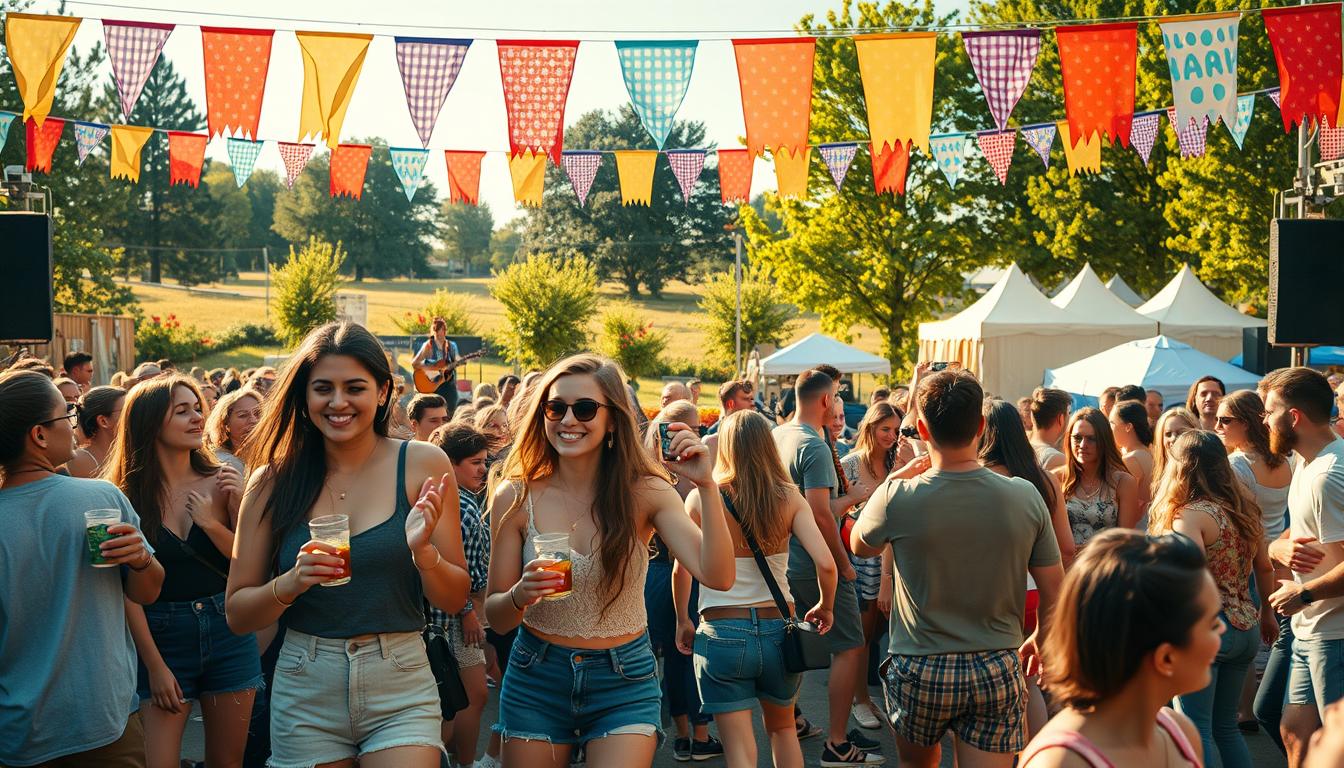
    A vibrant regional indie music festival scene filled with a diverse crowd enjoying live performances, set in an outdoor park. In the foreground, a colorful array of festival-goers, dressed in casual, modest summer clothing, are dancing and engaging with each other. The middle ground features a small stage with a band playing lively music, surrounded by lush greenery and art installations made by local artists. In the background, trees provide shade, while strings of fairy lights create a warm, inviting atmosphere as the sun sets, casting a golden glow over the scene. The mood is joyful and inclusive, capturing the spirit of community and support for local musicians. The image is framed using a wide-angle lens to encompass the festive vibe and vibrant energy.

    Going to a indie music festivals is more than just fun. It helps new artists grow and supports the local music scene. It’s rewarding because it’s close to home.

    Let’s look at how regional festivals make a difference:

    Aspect Regional Festival Focus Direct Community Impact
    Artist Development Provides a critical, accessible stage for local and emerging acts. Builds hometown fanbases and offers professional exposure close to home.
    Economic Support Keeps revenue within the local economy, supporting vendors and businesses. Fuels a cycle of investment that allows the local arts scene to thrive.
    Cultural Identity Celebrates and amplifies the unique sound and spirit of the area. Fosters local pride and creates a authentic cultural destination.
    Fan Experience Offers intimate settings and the chance to discover your next favorite artist. Creates a tight-knit “festival family” that gathers year after year.

    Exploring local festivals can lead to deep connections. You become part of a story that keeps growing. We urge music fans to find these live music events. You might find your festival family nearby.

    Camping vs Day Festivals: Different Social Experiences

    Your festival adventure can take two paths: camping or day events. This choice shapes who you meet and how you connect. It’s key in your music festival guide planning.

    Camping festivals offer a 24/7 community. With on-site lodging, you join a temporary village. Events like The Ramble Festival add more to your experience than just live music events.

    Shared campsites become neighborhoods. Campfire jams create friendships. Morning parades and meals build lasting bonds.

    Day festivals are a focused, single-day experience. They’re perfect for a quick getaway. You can enjoy top artists and a lively crowd without the overnight planning.

    Day festivals let you dive into music and culture without the long-term commitment. It’s great for experiencing the best of the festival with ease.

    Aspect Camping Festival Day Festival
    Accommodation & Vibe On-site camping (often included). 24/7 immersive, community-focused vibe. Off-site lodging (hotel, home). Concentrated, high-energy event vibe.
    Social Depth Deep, prolonged connections. Shared living spaces foster lasting friendships. Intense, situational connections. Interactions are focused around set times.
    Schedule & Pace Relaxed, fluid schedule. Music, activities, and downtime blend together. Fast-paced, scheduled itinerary. Maximizes stage time from gates open to close.
    Logistics & Cost Higher upfront packing/planning. Value lies in inclusive, multi-day experience. Simpler daily planning. Added nightly accommodation costs.
    Best For Those seeking total escape and transformative community bonds. Those wanting a powerful musical injection with minimal logistical footprint.

    So, how do you choose? We help fans decide between camping and day festivals. Camping festivals offer deep connections and a full experience. Day festivals provide a hassle-free, memorable music experience.

    Both paths lead to amazing music and new friends. Your ideal experience depends on your adventure preferences!

    Artist Discovery Strategy: Using Festivals to Find New Music

    We find the real magic in indie music festivals in discovering new artists. This thrill of finding new music is key to the festival experience. We have a simple strategy to make the most of it.

    Think of the festival lineup as a guide for exploring music. Many festivals include special features for finding new talent. For example, the artist-at-large concept lets musicians perform across stages and collaborate.

    At The Ramble Festival, artists like Hayley Jane and Natalie Brooke show this spirit. They perform in unexpected ways, creating unique moments. This encourages you to explore and find new music.

    Start by researching the undercard. These artists are often the next big thing. Listen to a few songs from unknown artists before the festival. This way, you’ll have a list of must-see acts.

    Once at the festival, be adventurous! Follow a sound that catches your attention. Ask a friend for recommendations. Let the festival’s vibe guide you. Some of our most cherished musical relationships started with a spontaneous decision to stay at a small stage.

    Here’s our plan for festival discovery:

    • Research Early: Explore the full lineup, not just the top names.
    • Wander with Purpose: Plan to see headliners, but leave room for exploration.
    • Talk to People: Ask fans and staff about their favorite acts.
    • Use Festival Features: Look for special programs and sets designed for discovery.

    Watch for secret sets and late-night jams. These are legendary for unique collaborations and energy. They offer pure discovery and show the heart of festivals.

    Festival Discovery Tiers: Where to Find Your Next Favorite Artist
    Tier Focus Discovery Opportunity Our Recommendation
    Headliner Known stars, main stage closers Low (You’re already a fan) Anchor your schedule, but don’t let it dominate.
    Mid-Card Established acts gaining momentum Medium (You may know a hit or two) Great for deepening fandom; check out their full set.
    Undercard New and emerging talent Very High Priority zone. Research and commit to at least two unknown acts.
    Special Programs Artist-at-Large, Secret Sets, Jams Highest & Most Unique Essential. These are the signature, can’t-miss discovery moments of the festival.

    The best strategy is to arrive open-hearted. Let the festival’s energy and vibe lead you to new music. The best discovery is often the one you didn’t plan for.

    Budget Considerations: Making Festivals Affordable

    Going to an indie music festival doesn’t have to be expensive. It’s all about planning your budget wisely. We think everyone should enjoy the power of festival culture. With some planning and our help, you can enjoy these amazing events without worrying about money.

    We support festivals that are upfront about their prices. No one likes finding out about extra fees after they’ve paid. The Ramble Festival is a great example. They offer early bird tickets for $235, which includes camping and showers. This clear pricing helps you plan better.

    Getting those early-bird tickets is key to saving money. Festivals often offer these tickets at a lower price. By acting quickly, you can save a lot. This way, you can spend more on travel or souvenirs later.

    Travel and where you stay can be expensive. Traveling with friends can help. Sharing a car or renting a big campsite or Airbnb saves money. Also, pack your own food and drinks to avoid expensive festival meals.

    Camping is a big part of the festival experience. It’s not just for sleeping; it’s where the community comes together. Tickets that include camping, like the ones mentioned, are a great deal. Bring your own gear and cook your own meals to save even more.

    With this music festival guide to smart spending, you can enjoy more festivals. A well-planned budget means you can have a great time without stress. It’s all about making memories and having fun.

    Networking Opportunities: Meeting Industry Professionals and Fellow Fans

    Think of your festival ticket as a key to a world full of connections. The best festival discovery often happens outside of music. It’s in lines, around campfires, and in conversations.

    These events are designed to bring people together. The Ramble Festival, for example, has a “Vibe Tribe” staff. They help everyone have fun and meet new people. Artists and fans play music together, creating unforgettable moments.

    These festivals are all about being equal. They don’t have VIP areas. This makes everyone feel welcome and helps people connect. You might talk to a band member or a fan from another state.

    Aspect Traditional Networking Festival Networking
    Primary Focus Career advancement, business deals Shared experience, joy, and passion
    Typical Setting Conference rooms, offices, mixers Grassy fields, craft beer tents, silent discos
    Key Outcome Professional contacts, leads Lifelong friends, creative collaborators, community

    To make connections, just be yourself. Go to workshops or panels. Talk to people while waiting for shows. Sharing small things can start big conversations.

    Dancing with someone at a secret show could lead to a lifelong friendship. Complimenting an artist might get you remembered at their next show. These connections make the live music events experience even better.

    Post-Festival Engagement: Continuing Discovered Relationships

    The final encore doesn’t mean it’s over. It’s just the beginning of growing the connections we made. True festival culture lives on between events. We stay connected by joining groups like The Ramble Festival’s “Ramble Tribe” on Facebook and Instagram.

    Supporting the artists we found is essential. We stream their new music and go to their local shows. This makes our weekend fun last all year. Our shared moments create a strong bond.

    This mirrors how local fan groups work. Like sports fans, festival-goers build their own communities. These groups show us how to keep in touch.

    Following your favorite festival’s social media keeps the excitement alive. It turns a short experience into a lasting community. The feeling of belonging grows as we stay engaged.

    We create traditions, share jokes, and plan our next meet-up. The music may stop, but our tribe keeps going. We carry the festival’s spirit until we meet again.

  • How to Pitch Your Songs to Blogs Successfully

    How to Pitch Your Songs to Blogs Successfully

    We are excited to start this journey with you! Getting your work on respected platforms is a transformative step for any independent creator. It’s about more than just getting streams.

    This journey builds your artistic story and connects you with a dedicated community. You get valuable press coverage that shows your talent. It also introduces your unique voice to listeners who want more.

    For indie artists, reaching out is a key strategy. It opens doors to more people and feedback. Sites like Earmilk, A&R Factory, and Indie Shuffle often accept submissions through SubmitHub or direct email.

    Success depends on a personal touch and following each outlet’s rules. Let’s explore this world together and build a strong base for your promotion. Let’s make your outreach match your biggest artistic dreams!

    Understanding the Music Blog Landscape

    Exploring music blogs is like wandering through a lively city, each area filled with different sounds. We’re here to help you discover this exciting world. It’s where writers and curators share new music every day. Finding your place in this world is your first step.

    The music blog world splits into two main areas: genre-specific sites and general discovery platforms. Sites like HipHopDX focus on hip-hop, EDM Sauce on electronic music, and Indie Shuffle on alternative sounds. These blogs attract fans who trust their taste in music. They’re great for promoting indie music in your genre.

    Then, there are broader platforms that celebrate music of all kinds. Blogs like The FADER and DIY Mag mix fresh music journalism with artist stories. They share more than just songs; they tell the stories behind them. In 2023, this storytelling is more important than ever.

    Why is this important for you? These platforms are built on trust and authenticity. People visit Earmilk or Clash Magazine to connect with artists. They want to hear the story behind the music.

    This world of music journalism is key in today’s digital world. It adds context and criticism, making music more than just background noise. For indie artists, a feature on a respected blog can validate their hard work. It shows the world your music is worth listening to.

    We see this landscape as a map of opportunities. Each blog offers a chance to reach new listeners. Your goal is to find the right fit for your music and story. That’s the heart of effective indie music promotion.

    As we dive deeper, remember that these blogs are run by music lovers. They’re shaping tastes and launching careers. Building relationships with them can amplify your voice for years.

    Research Phase: Finding the Right Blogs for Your Music

    We believe the research phase turns random outreach into welcomed introductions. It’s not about casting a wide net. It’s about building a foundation for genuine connection and effective artist publicity.

    Your goal is alignment. Look for blogs that naturally feature your genre and sound. A folk artist contacting a hardcore metal blog wastes everyone’s time. We get so excited when artists understand this fundamental step!

    A cozy workspace filled with creative energy, highlighting a musician's research phase for music blog submissions. In the foreground, a stylish wooden desk cluttered with opened notebooks, colorful sticky notes, and a laptop displaying a music blog's website. Next to the laptop, a steaming cup of coffee and a smartphone with music streaming apps open. In the middle ground, on a bulletin board, pinned articles and posters from various music blogs, showcasing diverse genres. The background features a window with soft natural light streaming in, casting warm shadows, and a shelf lined with vinyl records and music-themed decor. The atmosphere is focused and inspiring, capturing dedication and the excitement of discovering the right platforms for sharing music.

    Start by investigating specific publications. Look at blogs like ThisSongIsSick for electronic and hip-hop, Skope Mag for indie and pop, or AMNPLIFY for rock and alternative. Don’t just find their contact page. Dig deeper into the writers and editors themselves.

    Read their recent articles. Listen to the tracks they’ve covered. This homework shows respect for their work. It proves you’re not just blasting a generic pitch. Reference their past coverage in your outreach to demonstrate genuine interest.

    Let’s compare two different research mindsets:

    Scatter-Shot Approach Targeted Research Approach
    Sends the same email to hundreds of blogs Curates a shortlist of 20-50 highly relevant blogs
    Focuses on quantity over quality Values alignment and relationship
    Often results in silence or generic rejections Dramatically increases warm, positive responses
    Treats blogs as mere platforms Respects blogs as curators with specific tastes

    Tools can streamline this process. Services like SubmitHub help identify blogs that match your sound. They provide clear guidelines and preferences. Use these tools as a starting point, not a replacement for your own investigation.

    We encourage deep immersion. Spend time on niche sites like Stoney Roads for electronic music or New Noise Magazine for rock. Listen to their featured playlists. Understand their editorial voice. This knowledge makes your music blog submissions feel personal and relevant.

    This research is an investment. It takes effort upfront but pays enormous dividends. You’ll avoid the frustration of ignored emails. Instead, you’ll build connections with curators who genuinely appreciate your art.

    The result? Your artist publicity efforts gain momentum. Bloggers recognize you’ve done your homework. They’re more likely to listen, engage, and potentially feature your work. That’s the power of strategic research for successful music blog submissions.

    We love seeing artists embrace this phase. It shows professionalism and passion. It sets the stage for all the relationship-building steps that follow. Your music deserves to be heard by the right audience. Thoughtful research makes that possible.

    Crafting the Perfect Pitch Email: Subject Lines and Content

    A personalized, well-crafted pitch email dramatically increases your chances of getting featured on blogs. This is where your story meets strategy. It turns your indie music promotion efforts into compelling invitations.

    We see the perfect pitch as the start of a creative conversation. It’s your chance to share why this release matters. And why it fits perfectly with a specific blog’s audience. This approach respects the editor’s time and frames your music as a collaborative opportunity.

    Every successful email has two critical parts: the subject line and the body content. Your subject line is the first impression. It must be clear, intriguing, and relevant. Avoid spammy or vague phrases. Instead, try something like “New Folk Single for Your Sunday Playlist” or “Interview Pitch: [Your Band Name] on DIY Recording.”

    Once you’ve earned that click, the email body needs to deliver quickly and respectfully. A concise, scannable structure is key. Here are the essential components to include:

    • A Brief, Engaging Bio: Who are you? Keep it to two or three sentences that highlight what makes you unique.
    • Your Music Link: Make it easy. Provide one primary link, like a private SoundCloud stream or a download-enabled Dropbox folder.
    • Context for Your Release: Is it a debut? Does it comment on a current event? Give the editor a narrative hook.
    • A Personal Touch: Mention a recent article you enjoyed from their blog. This shows genuine engagement.

    This last point on personalization is non-negotiable. Referencing a blog’s previous work proves you’re not blasting the same email to hundreds of contacts. It signals that you value their specific voice and community. Guides from leading publications like The FADER consistently emphasize this respect for the editor’s craft and privacy.

    By weaving these elements together, you create a warm, professional introduction. This makes an editor excited to hit play. Your goal is to build a bridge to press coverage, one genuine connection at a time. For a deeper dive into structuring your message, explore our guide on how to write a pitch email that truly resonates.

    Press Kit Essentials: Bio, Photos, and Music Links

    A strong press kit is key to connecting your music with the world. It’s like a digital handshake with music journalists. An Electronic Press Kit (EPK) is more than just files. It’s a showcase of your story, making it easy for journalists to write about you.

    Your bio is the foundation. Don’t just list facts and dates. Tell a story about your mission, influences, and what inspires your music. A good bio gives writers the context they need to write something engaging.

    High-quality press photos are essential. They capture your essence and become your visual identity. Get professional shots that match your music’s vibe. Offer different photos, like a portrait and a behind-the-scenes shot, for editors to choose from.

    Your music links should be easy to find. Include links to your best tracks on big streaming platforms. Also, share any positive reviews or quotes you’ve gotten. This shows that others are already enjoying your music.

    An artist publicity press kit laid out on a sleek wooden table, showcasing a well-organized collection of materials. In the foreground, prominent features include a high-quality headshot photograph of the artist, a concise and engaging biography printed on textured cardstock, and a stylishly designed flyer highlighting music links. The middle reveals additional materials, such as an eye-catching album cover and promotional postcards. In the background, soft, natural light filters through a nearby window, creating a warm and inviting atmosphere. The scene is shot with a shallow depth of field to emphasize the press kit details, while a subtle bokeh effect enhances the professionalism of the composition, conveying a sense of readiness for submission to music blogs.

    Keep everything organized. Put your bio, photos, music links, and contact info in one folder or webpage. Sites like A&R Factory and DIY Mag expect this level of professionalism. It shows you respect their time.

    This prep work helps with great music journalism. A complete EPK lets writers focus on your story, not searching for details. It shows you’re ready for the spotlight. We’re excited to help you create this toolkit!

    Your press kit is an invitation to share your story. It says, “Here’s our story, and we’re ready to share it with you.” Being ready is the first step to lasting publicity and a music community.

    Building Relationships vs Mass Submissions

    Mass submissions are like throwing a wide net, but building real relationships is more like using a spear. It’s precise and effective. The goal is to get press coverage that lasts, not just a quick feature. Many artists mix up quantity with quality in their music blog submissions.

    One common mistake is sending out hundreds of generic emails. Bloggers and editors get these all the time. Most are deleted right away because they lack a personal touch. This makes media contacts feel like just numbers, not people.

    We believe in a different way. It’s at the heart of our philosophy. Success comes from seeing bloggers as partners in your journey. Imagine a writer from The FADER or Cougar Microbes recognizing your name because you’ve been a positive part of their community.

    This begins before you send out a pitch. Engage with their world. Read their articles, listen to the artists they support, and get their unique voice. Your outreach then becomes a part of a conversation, not an interruption.

    Here are some steps to build those important connections:

    • Engage Authentically on Social Media: Comment thoughtfully on their posts. Share their work with your followers, tagging them to show support. This isn’t about asking for anything—it’s about adding value.
    • Provide Value First: Give a genuine compliment on a recent piece they wrote. If you have useful information or a unique perspective related to their niche, share it freely.
    • Respect Their Process: Note how and where they prefer to communicate. Some editors explicitly state this on their site. Following these preferences builds immediate trust.

    Editors at publications like The FADER say trust is key in media relationships. It’s earned by respecting their time and contributing to their ecosystem. A warm, familiar name in their inbox gets more attention than a cold, anonymous address.

    This relational approach turns a single feature into an ongoing dialogue. It turns a blogger into an advocate who is invested in your growth. For a deeper dive into this strategic method, explore our complete music blog outreach guide. Building these bridges is how you secure not just coverage, but a lasting place in the music community.

    Follow-Up Strategies: Persistence Without Annoyance

    Sending your pitch is just the first step; the true art of music journalism often happens in the respectful follow-up. This is a key moment in your indie music promotion journey. It’s your chance to show you’re serious, organized, and genuinely invested in building a connection.

    So, what does an effective, gracious follow-up look like? The golden rule is one polite email, sent one to two weeks after your initial submission. This shows you’re persistent but also respect the blogger’s busy schedule. Bombarding their inbox is a surefire way to end your campaign.

    Your follow-up message should be brief and friendly. Start by re-introducing yourself and your song title for clarity. Express your continued enthusiasm for their blog and why you felt your music was a great fit. This isn’t about pushing; it’s about rekindling their initial interest in a positive way.

    Always end by saying you’re ready to provide any additional information they might need. A simple line like, “I’m happy to send over any other materials or answer questions,” shows incredible professionalism. It turns a follow-up from a nudge into a helpful service.

    This single, strategic touchpoint is a powerful tool. It keeps your music on their radar without creating annoyance. In the world of indie music promotion, this balance defines the professionals from the amateurs. You’re communicating, “I value your time and perspective,” which is the foundation of all great music journalism relationships.

    We encourage you to view the follow-up not as a chore, but as an opportunity to reinforce your dedication. That thoughtful persistence can be the gentle push that turns a “maybe” into a featured artist spot. Let’s build those connections with warmth and respect!

    Social Media Integration: Supporting Your Pitch

    Bloggers are people, not just portals. Engaging with them on social media builds familiarity. This leads to features. Your digital presence is a powerful extension of your music blog submissions.

    We recommend starting long before you hit send on your pitch. Follow your target blogs on Instagram, Twitter, and Facebook. Like their posts. Comment thoughtfully on their new features. Share songs they’ve premiered with your own followers.

    This genuine engagement shows you value their work. It signals you’re an active member of the music community they’re cultivating. When your name eventually pops up in their inbox, it might just ring a bell.

    Once you secure that coveted feature, your social media work shifts to amplification. Share the article across all your platforms. Tag the blog respectfully in your posts and stories. Thank them publicly for the support.

    This creates a beautiful cycle of promotion. It drives traffic back to the blog, which they appreciate. It also exposes your music to their established audience. This integrated approach is key for effective artist publicity.

    Social Media Action Impact on Artist Publicity Best Practice Tip
    Following & Engaging Builds familiarity and community goodwill before you pitch. Comment on 2-3 posts per week for a month before submitting.
    Sharing Blog Content Positions you as a supportive insider, not just a petitioner. Add your own commentary when sharing their articles.
    Post-Feature Tagging Amplifies the blog’s reach and strengthens your relationship. Always use their correct handle and thank them in the caption.
    Story Features & Takeovers Extends the life of the feature and engages your fanbase directly. Use the “Link in Bio” sticker to drive traffic to the blog post.

    Think of this as a long-term community strategy, not a one-time promotional tactic. Consistent, respectful engagement makes your future music blog submissions far more effective. It shows you understand the collaborative nature of modern artist publicity.

    When your feature goes live, the celebration is shared. Your fans discover you through a trusted source. The blog gains a passionate new advocate. Mastering these last-minute promotion tactics for your features ensures everyone wins. We love seeing artists and blogs grow together in this supportive digital ecosystem.

    Timing Considerations: When to Submit for Maximum Impact

    We think timing is key to showing respect for a blogger’s work. It boosts your chances for press coverage a lot. It’s the thoughtful move that turns a good pitch into a hit feature.

    Submit your music 4 to 6 weeks before it’s out. This time is perfect. It lets editors listen well, write a deep review, and plan your feature. Rushing doesn’t help.

    To succeed, know some important dates. Skip the holiday rush from late November to early January. Inboxes are full, and schedules are tight. Also, check each blog’s own pace.

    Some post every day, others weekly or bi-weekly. Look at their recent posts to see their pattern. Submitting when they publish shows you care about their work.

    This smart plan is key to good indie music promotion. Being proactive and thoughtful shows you’re professional. You’re not just sending music; you’re making a timely offer for collaboration.

    Thoughtful timing sends a strong message. It shows you see bloggers as partners in your campaign. This simple act can make your story truly stand out and get you in their publication.

    Long-Term Strategy: Building Ongoing Media Relationships

    Our guide has shown you how to start and follow up. Now, we look to the future. A feature on A&R Factory or AMNPLIFY is just the beginning. It’s the start of a lasting partnership in music journalism.

    See every writer and blogger as a long-term ally for your artist publicity. After a feature goes live, keep in touch. Share big career wins. Send news about new music or tours.

    Offer special content or early access to your biggest supporters. Sites like BBC Introducing and Amazing Radio focus on growing talent. They’re made for supporting artists over time, not just for one story.

    We’re excited to build a long-term relationship with you. This approach turns one-time publicity into lasting career growth. It makes music journalists your biggest supporters. Together, we create a network that supports your journey every step of the way.

  • How the 2026 World Cup in Miami Could Reshape Florida Youth Soccer Development

    How the 2026 World Cup in Miami Could Reshape Florida Youth Soccer Development

    When the FIFA World Cup descends upon South Florida in the summer of 2026, the global spotlight will undoubtedly focus on the massive crowds and elite athletes filling Hard Rock Stadium. Miami is slated to host seven monumental matches, culminating in the highly anticipated Bronze Final on July 18. Yet, while the world watches international superstars battle for ultimate glory, a much quieter, long-lasting transformation is taking root away from the massive grandstands. The true legacy of this tournament won’t just be measured in tourism dollars or broadcast ratings, but in the permanent reshaping of Florida’s youth soccer development landscape.

    For decades, the vibrant, culturally diverse communities of Miami-Dade and Broward counties have treated soccer as a tribal ritual. Kids play on patchy grass fields, in cul-de-sacs, and on sandy beaches, driven by an inherent love for the game passed down through generations. However, the sheer gravity of hosting the world’s premier sporting event is injecting unprecedented structural funding and organizational focus into the region. Local clubs, municipal governments, and international foundations are seizing this generational opportunity to overhaul how young athletes are developed, mentored, and supported on and off the pitch.

    The Tangible Legacy: 50 Mini-Pitches and Grassroots Infrastructure

    The most immediate and visible change in Florida’s youth soccer ecosystem is the aggressive push for accessible infrastructure. Historically, the barrier to entry for competitive youth soccer in the United States—often referred to as the “pay-to-play” model—has sidelined immense amounts of raw talent in underserved communities. The Miami 2026 World Cup Host Committee, in partnership with the U.S. Soccer Foundation and local governments, has launched the Miami-Dade Soccer Initiative to systematically dismantle this barrier.

    The cornerstone of this initiative is the construction of 50 state-of-the-art soccer mini-pitches across the county. By transforming underutilized spaces in public parks and schoolyards into high-quality, hard-court playing surfaces, organizers are bringing the game directly into the neighborhoods that need it most. These localized hubs eliminate the severe transportation and cost hurdles that typically prevent participation.

    Infrastructure Shift Matrix

    Facility TypePre-2026 AccessibilityPost-2026 TransformationCommunity Impact
    Traditional Grass ParksLimited to teams with permit budgets; highly weather-dependentUpgraded drainage; prioritized for established league playSustains higher volumes of weekend tournament traffic
    Schoolyard BlacktopsUnstructured, often unsafe for competitive trainingConverted into 50 official mini-pitches with lighting and fencingSafe, accessible after-school hubs for marginalized youth
    Elite Training CentersRestricted strictly to MLS academies and wealthy travel clubsTemporary World Cup host facilities transitioning into regional useCreates localized high-performance pathways

    This infrastructural pivot guarantees that the enthusiasm generated by the tournament translates into daily, structured play. When the global media circus packs up and leaves, these 50 community beacons will remain, fostering technical development and street-style creativity that has historically been the hallmark of South American and European academies.

    Elevating Mental and Physical Health Through the One Game One Future Initiative

    While building physical fields is crucial, the holistic development of the athlete is taking center stage. Modern sports science and youth mentorship have evolved far beyond running wind sprints and practicing corner kicks. As part of the World Cup legacy framework, the “One Game One Future” initiative is rolling out countywide youth soccer clinics at locations like Tropical Park and Haulover Park.

    These clinics are revolutionary because they are not strictly focused on ball-handling skills. Partnering with Miami-Dade County Public Schools, the curriculum heavily integrates mental health screenings, social-emotional learning, and obesity prevention. Organizers recognize that the immense pressure of competitive sports, combined with the daily stressors of adolescence, requires a delicate touch. Coaches are being trained in Sport for Development methodologies to build emotional resilience. It is an approach that echoes the necessity of providing practical tools for athletes to manage game-day nerves and off-field anxieties, ensuring that young players develop strong minds alongside strong bodies.

    The Global Stage Meets Local Data and Financial Shifts

    It is impossible to analyze the impact of the 2026 World Cup without acknowledging the staggering financial and analytical forces it brings to the host region. The event is projected to deliver a $5 to $6 billion macroeconomic boost across North America, permanently re-rating soccer as a domestic asset class. This influx of capital naturally trickles down, expanding youth academies and increasing municipal budgets for parks and recreation.

    Simultaneously, the scale of fan engagement is forcing every related industry to modernize its logistical capabilities. The sheer volume of data, predictive modeling, and digital interactions expected during the tournament is unprecedented. We can clearly see how World Cup fever is changing how sportsbooks prepare for a tidal wave of global user activity. That same analytical rigor and data-driven approach are now bleeding into regional youth scouting networks. Florida clubs are increasingly utilizing advanced metrics, video analysis software, and physiological tracking to monitor youth development, moving away from subjective “eye-test” scouting toward professional-grade player profiling.

    Fostering the Next Generation of Talent Through Parallel Tournaments

    The excitement surrounding 2026 isn’t limited strictly to the FIFA-sanctioned events at Hard Rock Stadium. The gravitational pull of the World Cup is spawning massive parallel competitions designed to showcase emerging talent. Chief among these is “The Youth World Cup,” an expansive international tournament for boys and girls ranging from U8 to U19.

    This once-in-a-generation competition features knockout stages and championship finals scheduled to be held at Amelia Earhart Park in Hialeah, Florida, perfectly syncing with the escalating World Cup fever in May and June of 2026. This localized tournament environment offers distinct developmental advantages for young Florida players:

    • Direct on-field exposure to diverse, international playing styles and tactical philosophies.
    • Unprecedented visibility in front of global scouts, college recruiters, and MLS academy directors who will already be stationed in the region.

    By hosting these elite developmental tournaments in Miami’s backyard, local players are gifted a unique chance to measure their skills against the best in the world without the prohibitive costs of international travel.

    Sustaining the Momentum Beyond the Bronze Final

    The true test of Miami’s World Cup legacy will not be the flawless execution of the matches in the summer of 2026, but the vitality of the local soccer culture in 2030 and beyond. The strategic investments currently being made—from pouring concrete for mini-pitches in underserved neighborhoods to implementing comprehensive mental health programs for adolescent players—are designed to outlast the temporary euphoria of the tournament.

    South Florida is already a hotbed for athletic talent. By systematically removing financial barriers, modernizing the scouting infrastructure, and prioritizing the emotional well-being of young athletes, the region is positioning itself as the undisputed capital of youth soccer development in the United States. The boys and girls currently honing their touch on those newly built neighborhood pitches are the direct beneficiaries of this global phenomenon. They are the ones who will carry the spirit of the 2026 World Cup forward, redefining the standard of American soccer for decades to come.

  • Digital Dreams: Navigating the Vast World of Indie Electronic Music

    Digital Dreams: Navigating the Vast World of Indie Electronic Music

    Welcome to a vibrant and ever-evolving sonic landscape! We’re so grateful you’re here to explore it with us.

    A quiet, democratic revolution has reshaped the entire creative world. Accessible technology empowers artists everywhere to share their unique sonic visions directly with a global audience.

    This means the barriers to entry have truly fallen. Talented creators can now build a following and connect with listeners without major label backing.

    For fans, the journey to find these fresh sounds is part of the fun. Curated playlists, social media buzz, and dedicated niche blogs have become essential tools for uncovering incredible underground talent.

    At its core, this movement thrives on genuine human connection. Artists and listeners build communities together through a shared love of authentic art. We’re excited to be your guide as we dive into this wonderful world of digital dreams!

    Subgenre Navigation: Ambient, IDM, Synthwave, and Experimental

    Exploring indie electronic music subgenres is like wandering through a lively city. Each area has its own unique feel. Today, we’re guiding you through four key areas: Ambient, IDM, Synthwave, and Experimental. Knowing these styles helps you appreciate the wide range of indie electronic artists.

    In the calm district of ambient music, artists create soothing soundscapes. These are great for meditation or focus. Modern artists like Polygonia are even creating “dreambient,” a dreamier version. This shows that music can be powerful without loud beats.

    Next, we explore IDM, or Intelligent Dance Music. This style is all about complex rhythms and textures. It’s meant for deep listening. It challenges your mind and invites you to move.

    For a blast of old-school vibes, we dive into synthwave. It’s a tribute to the 1980s. It features lush synthesizers and drum machines. The feel is like walking through neon streets and classic sci-fi movies.

    Lastly, we venture into experimental electronic music. Artists like Klon Dump push boundaries here. They use unusual sounds and techniques. This area is where music’s future is being shaped. It’s all about artistic freedom.

    To compare these styles easily, we’ve made a helpful guide.

    Subgenre Key Characteristics Emotional Vibe Pioneering Example
    Ambient Ethereal pads, slow evolution, minimal percussion. Calm, contemplative, spacious. Polygonia’s “dreambient” soundscapes.
    IDM Complex, glitchy beats, melodic synth work. Cerebral, detailed, stimulating. Intricate rhythmic patterns from artists like Autechre.
    Synthwave Arpeggiated bass, retro drum machines, lead synths. Nostalgic, energetic, cinematic. Driving retro-futuristic anthems.
    Experimental Sound collage, noise, unconventional structures. Surprising, challenging, innovative. Klon Dump’s genre-defying “experimental bent.”

    This guide just scratches the surface. The indie electronic world has many more interesting areas. You might find “minimal tech,” “deep house,” or “baile funk.” Each one shows the creativity of indie electronic artists around the globe.

    Use this guide to start your journey. Listen to ambient music for calm. Turn up synth music for a workout. Try a challenging experimental electronic track to expand your mind. The world of sound is yours to explore, and it’s incredibly rewarding!

    Hardware vs Software: The Tools Behind the Music

    Every synth music track starts with a big choice: hardware or software? We’re excited to dive into this creative decision! The tools producers pick shape the sounds we love, from warm analog melodies to complex digital textures.

    A vibrant and dynamic workspace filled with synth music production tools. In the foreground, a sleek modular synthesizer with colorful patch cables, surrounded by a MIDI keyboard, digital audio workstation with a bright screen displaying waveforms, and an array of effects pedals. In the middle ground, a well-organized desk cluttered with audio interfaces and studio monitors, illuminated by soft LED lights casting a warm glow. The background features soundproofed walls adorned with acoustic panels and an array of posters displaying iconic electronic music artists. The atmosphere is creative and inspiring, with a slightly blurred effect to emphasize the tools, shot from a slightly elevated angle to showcase the workspace’s depth. The overall mood is energetic yet focused, perfect for diving into the world of indie electronic music production.

    Hardware synthesizers and drum machines give a hands-on, physical experience. Turning knobs and pressing buttons connects you directly to your instrument. This approach often brings out rich, organic tones that feel human.

    Many producers love the character and limitations of hardware. Analog circuits add warmth and imperfection hard to find in digital sounds. Drum machines give that classic, punchy rhythm. Working with physical gear can spark creativity, pushing artists to think outside the box.

    Digital Audio Workstations (DAWs) and software plugins offer unprecedented flexibility and precision. With a computer, producers have access to thousands of virtual instruments and effects. This digital world lets artists edit with precision and recall sessions instantly.

    Software is great for complex sound design and arrangement. Producers can layer tracks, automate parameters, and experiment without the cost of hardware. The “crystalline hi-hats” of Facta or Verraco’s “contortionist sound design” come from sophisticated software processing. Digital tools make synth music production easy for anyone with a computer.

    Aspect Hardware Tools Software Tools
    Creative Experience Tactile, hands-on manipulation Visual, mouse-and-keyboard workflow
    Sound Character Warm, organic, sometimes unpredictable Clean, precise, perfectly reproducible
    Flexibility Limited by physical design Virtually unlimited through updates
    Cost & Space Higher investment, requires physical space Lower entry cost, compact digital footprint
    Performance Immediate, great for live playing Excellent for detailed editing and recall

    Most producers today use both hardware and software. A synthesizer might create the main melody, while software handles effects and mixing. This mix of old and new gives artists the best of both worlds.

    Understanding these tools helps us appreciate synth music more. Whether it’s the joy of tweaking a filter knob or the power of virtual instruments, each method adds something special. The real artistry is in how creators use these tools to share their vision.

    We’re in a great time for music technology! From small studios to big facilities, these tools let more voices be heard. Next time you enjoy an electronic track, listen for the blend of hardware warmth and software precision.

    Bedroom Producers: Creating Professional Sound at Home

    The indie electronic music revolution is happening in bedrooms and home offices. We admire the talented people making amazing music in these spaces. They show us that professional sound can come from home.

    Thanks to great technology, making music at home is easier than ever. You can get powerful tools, affordable monitors, and lots of virtual instruments. This makes it easier for anyone to start making music.

    These artists work hard to learn and improve. They use online tutorials and practice a lot. Their process is unique, blending skill with creativity.

    Artists like Badsista and Gyrofield show us what’s possible. They make top-notch tracks from their homes. Their music is as good as any made in a big studio.

    This way of making music brings authenticity and innovation. Without big company rules, artists can follow their true vision. This leads to the exciting music we all love.

    We celebrate every creator on this path. If you’re starting, remember to use great tools and get support. You can check out our guide on home studio to create your dream space. Your next hit is just waiting to be made, right where you are.

    Live Electronic Performance: Bridging Studio and Stage

    Live electronic performance is where studio sounds meet the energy of a crowd. This is a magical art form. It turns private creations into a shared experience.

    Artists approach this challenge in many ways. Some create emotional journeys with tracks. Others perform live, using synthesizers and software to create unique shows. Both need skill, creativity, and a feel for the moment.

    Donato Dozzy creates deep, hypnotic sets that last hours. His sets are about immersion and subtlety. On the other hand, Yousuke Yukimatsu’s sets are high-energy and performative.

    These approaches show us different ways to perform. Dozzy’s sets create a trance-like connection. Yukimatsu’s sets build collective excitement. Both are powerful ways to connect with the audience.

    To understand these philosophies better, here’s a clear comparison:

    Performance Aspect Donato Dozzy’s Style Yousuke Yukimatsu’s Style
    Core Philosophy Deep immersion & seamless flow High-impact, performative spectacle
    Energy Arc Long, gradual, and hypnotic Fast, kinetic, and relentless
    Crowd Connection Collective, trance-like journey Explosive, shared release of energy

    What unites great live electronic performances is authentic connection. Whether it’s a mixed DJ set or an improvised performance, the goal is to create a unique moment. We thank innovators for turning the stage into a place of shared emotion.

    This bridge from studio to stage brings electronic music to life. It’s the culmination of hours of work, given as a gift to the community. Next time you see a live set, listen for the artist’s philosophy. Feel the connection they’re building. It’s this vibrant exchange that keeps our scene thriving and creative.

    Visual Art Integration: Music Videos and Live Visuals

    Indie electronic music is exploring new grounds by blending sound and visuals. Artists are turning music into a full-body experience. This mix creates worlds you can see and feel.

    For many, music is just the start. It’s the foundation for a bigger, immersive story. Visuals add depth, making complex themes easier to grasp and remember.

    A vibrant experimental electronic live visual performance set in a dimly lit underground venue. In the foreground, a diverse group of artists, dressed in stylish, modest casual clothing, interact with elaborate digital equipment, creating mesmerizing visuals. The middle ground features a large LED screen displaying dynamic, kaleidoscopic patterns intertwined with sound waves and abstract animations that pulse with the rhythm of the music. The background showcases an engaged audience, their faces illuminated by the colorful lights, creating a sense of immersion and unity. The lighting is dramatic, with bursts of neon colors and soft shadows, conveying an electric yet intimate atmosphere. The camera angle captures the action from a low perspective, emphasizing the energy and creativity of the space. The overall mood is experimental, innovative, and captivating, perfectly encapsulating the fusion of music and visual art.

    Music videos today are more about telling stories than just showing performances. Artists create mental spaces and cinematic journeys. Imagine the animated sequences for a glitchy IDM track or the neon-lit cityscapes for synthwave.

    This approach makes music a visual language. It tells stories that words can’t. The art stays with you long after the song ends.

    Live visual performances, or VJing, bring this magic to life. Visuals change in real-time, matching the music’s mood and beat. It turns concerts into unique experiences.

    VJs are key for experimental electronic acts. They mix pre-made clips, generative art, and live feeds. Their goal is to create a seamless visual experience that connects the audience deeper with the sound.

    This table shows the main differences between music videos and live visuals:

    Aspect Music Videos Live Visuals (VJing)
    Primary Purpose Tell a story or create a visual identity for a song. Create an immersive atmosphere that enhances live performances.
    Creation Process Planned, edited, and polished over time (pre-production). Improvisational and dynamic, using real-time mixing software.
    Audience Experience Passive viewing, often online; a fixed piece of art. Active, shared experience in a venue; unique to each show.
    Best For Building lore, cinematic world-building, and online promotion. Club nights, festivals, and any event where energy and immediacy are key.

    This blend of sight and sound is a key area for experimental electronic artists. They use it to challenge how we experience music. By mixing light and sound, they invite us into their sonic worlds.

    This evolution is exciting. It shows that art has no limits. Next time you listen, close your eyes and imagine the visuals. You might see what the artist meant.

    Festival Culture: Where Electronic Music Thrives

    Imagine a city built for a weekend, its streets alive with rhythm and its skyline defined by towering speaker stacks. This is the powerful reality of electronic music festivals. They are the vital hubs where our indie electronic community gathers to celebrate, connect, and create unforgettable memories.

    These events are far more than just concerts. They are temporary cities of sound. We share a unique energy under the open sky, feeling the bass in our chests alongside thousands of like-minded individuals. The collective joy is palpable, creating a sense of belonging that lasts long after the final beat.

    A key strength of modern festival culture is its incredible line-up diversity. You can wander from a stage featuring ambient soundscapes to another pulsating with experimental IDM. This variety allows us to discover our next favorite artist. It turns a weekend into a journey of sonic exploration.

    This culture sustains a vibrant festival circuit for artists. Established house DJs and rising indie producers alike find essential platforms here. Even iconic brands like Boiler Room have cemented their place by capturing this raw, communal dance music energy and broadcasting it to the world.

    The music itself often evolves for this environment. Producers craft tracks for peaktime settings—those euphoric moments when the crowd peaks. Others perfect the quintessential summer bangers designed to sound best with the sun overhead and grass underfoot.

    For artists, a standout festival set can be a career-defining moment. It provides exposure to passionate, engaged audiences who are there to listen deeply. This direct connection is invaluable. It fuels the entire ecosystem, allowing new sounds to flourish and reach eager ears.

    Not all festivals are the same, of course. The landscape offers different vibes and focuses. Understanding these can help you choose your next adventure. The table below highlights some common types of gatherings within the broader electronic scene.

    Festival Type Primary Focus Typical Vibe Example Artist Fit
    Large-Scale Camping Broad line-up across mainstage and niche genres. Immersive, communal, round-the-clock. Established headliners and popular indie acts.
    Boutique & Curated Specific subgenre or high-concept art integration. Intimate, artistic, detail-oriented. Experimental and ambient electronic producers.
    City-Based & Urban Accessibility, multiple venue formats. Energetic, convenient, club-like. House, techno, and IDM DJs on the circuit.
    Destination & Experimental Unique locations and avant-garde sound. Adventurous, niche, community-focused. Sound artists and boundary-pushing creators.

    We are so grateful for these vibrant gatherings. They remind us that music is a shared, living experience. Each festival is a testament to the creativity and passion within our global community. We leave these temporary cities recharged, inspired, and more connected than ever.

    Collaborative Nature: Electronic Artists Working Together

    Look beyond the solo producer in the studio, and you’ll find a world of creative partnerships. This wonderfully collaborative spirit drives innovation in indie electronic music. Artists team up, remix each other’s work, and form close groups.

    This teamwork breaks down the barrier of solo work. It brings together different talents, leading to new sounds. For example, ‘DOS HERMANOS’ by Badsista featuring EVEHIVE is a result of this collaboration. It mixes strong beats with dreamy vocals, creating something fresh.

    Gyrofield’s ‘Rorschach’ featuring Flo State shows how a shared vision can expand music’s limits. Even unique elements, like Simo Cell’s mascot “FL Louis,” become part of the music. It adds a personal touch to the songs.

    Labels also play a big role in supporting this teamwork. Places like A Colourful Storm act as a community for artists. They create a space where electronic artists working together is common.

    Collaboration is key in the indie electronic scene. It shows that together, we’re more creative and strong. When we share our passions, the music we make can go in endless directions.

    Global Perspective: Electronic Scenes Around the World

    Electronic music is a global language, with exciting dialects from Italy to Hong Kong. We’re thankful for this worldwide sound network. Each region adds its own sonic fingerprint, making modern indie electronic music rich and diverse. Let’s look at some vibrant hubs and the amazing indie electronic artists who live there.

    Europe is a hub for sound design and rhythmic innovation. In Italy, Donato Dozzy creates hypnotic techno that’s both ancient and futuristic. Across the channel, UK producer Facta makes complex bass music that expands dubstep and garage.

    Germany’s Polygonia mixes organic field recordings with driving techno. We also need to hear more from Balkan artists! Alper Durmush, blending Turkish and Bulgarian sounds, is leading the way.

    South America’s energy is electric, with rhythm at its core. Brazilian star Badsista combines global club styles with local funk and dembow rhythm. This creates a unique sound. In Colombia, Verraco offers a raw, hardcore techno with tribal beats. These indie electronic artists show how local music can energize global dance floors.

    Asia and hybrid identities are shaping the future. Gyrofield, from Hong Kong and the Netherlands, makes complex rhythms that go beyond labels. This fluid movement is key to today’s scene. Technology lets these artists collaborate and influence each other instantly, creating a hybrid sound.

    This global view fills us with hope. From São Paulo to Sofia, local cultures are shaping tomorrow’s sound. Each scene strengthens our community. We celebrate the unique flavors these indie electronic artists add. Their work shows innovation often grows from specific roots. Explore these global sounds. Your next favorite artist might be from a studio halfway around the world.

    Building Your Electronic Music Library: Essential Listening

    Our journey around the world of electronic music is just starting. Now, we’re building a library that shows off your unique style. A great way to start is by trusting the right sources.

    Look for labels like those that feature Donato Dozzy or Badsista’s ‘PSYCODELIA’. Check out artist profiles on Bandcamp to see what fans like. Also, listen to DJ sets from artists like Facta or Verraco. You’ll hear how tracks like ‘BDB’ or ‘Basic Maneuvers’ fit into a mix.

    We believe in a community-driven discovery process. This way, you connect directly with artists and fans. It makes listening an exciting, rewarding experience.

    Your library will grow and change over time. Each new find from a label update or live set will lead you to more. We can’t wait to see the music you’ll discover and the community you’ll join.

  • How World Cup Watch Parties Are Turning U.S. Soccer Fans Into Smarter Betting-Forum Researchers

    How World Cup Watch Parties Are Turning U.S. Soccer Fans Into Smarter Betting-Forum Researchers

    The best World Cup watch parties have always been about more than the final score. They are about the nervous energy before kickoff, the neighbor who suddenly becomes a tactical expert, the family in matching jerseys, the restaurant owner setting up extra screens, and the whole room rising together when the United States gets a dangerous chance.

    But the 2026 FIFA World Cup is changing the conversation around those gatherings. With the tournament taking place across the United States, Canada, and Mexico, American fans are not just watching matches in living rooms, pubs, community halls, and outdoor plazas. Many are also seeing odds, promos, live lines, same-game markets, and offshore sportsbook chatter move across their phones before, during, and after the match.

    That does not mean every watch party is turning into a betting room. It means soccer fans are becoming more aware of the ecosystem around the game. When the USMNT opened against Paraguay on June 12, 2026, at SoFi Stadium in Inglewood, California, the match was not only a national sporting moment. It was also a test of how fans discuss confidence, hype, public opinion, and betting information in real time.

    For community organizers, local soccer supporters, and casual fans, that creates a new responsibility: watch the game together, enjoy the atmosphere, but learn how to research before trusting any sportsbook conversation that sounds too easy.

    World Cup Watch Parties Are Becoming Community Classrooms

    A great watch party starts with shared emotion. Someone brings a flag. Someone knows every player. Someone else is there because their kids play youth soccer and want to feel part of something bigger. That is why local watch parties fit so naturally into the 2026 World Cup moment. The tournament is not a distant spectacle this time. It is happening in North American stadiums, across real cities, with real neighborhoods building their own matchday rituals.

    FIFA’s official tournament schedule lists games across host markets in the United States, Canada, and Mexico, giving American fans a month of reasons to gather around the sport. For the U.S., the opener against Paraguay on June 12 created an immediate surge of attention because it placed the host nation under the bright lights at home. The next U.S. group matches against Australia on June 19 in Seattle and Turkey on June 25 in Los Angeles only added to the watch-party calendar.

    That rhythm matters. A single match can create a fun event. A full group stage creates a habit.

    When fans meet repeatedly, conversations deepen. The first gathering might be about snacks, jerseys, and kickoff times. By the second or third, people start talking about formations, player fitness, public confidence, and why odds seem to move before lineups are announced. That is where watch parties become informal classrooms.

    The key is keeping the tone healthy. A community watch party should make fans smarter, not more impulsive.

    For organizers looking at the basics of gathering people around local sports, NextClues has already explored the value of planning, atmosphere, and shared participation in a community watch party guide. The World Cup simply raises the stakes because the audience is bigger, the matches are more global, and the betting conversation is louder than a normal weekend game.

    Why Betting Talk Shows Up Before The First Whistle

    Betting talk follows major sports because major sports create uncertainty. A World Cup match gives fans dozens of things to debate: the starting lineup, the opponent’s defensive shape, weather, travel, crowd pressure, refereeing style, substitutions, and tournament motivation.

    That debate becomes more intense when the match is tied to national pride. Before USA vs. Paraguay, coverage around the match showed that the betting public was heavily backing the United States. That is exactly the kind of information that spreads quickly inside watch parties. Someone sees a line. Someone sees a promo. Someone hears that “everyone is on the U.S.” and suddenly the conversation shifts from soccer confidence to betting confidence.

    Those are not the same thing.

    A fan can believe the U.S. has the better roster and still recognize that a betting line may already reflect that optimism. A supporter can love Christian Pulisic, Weston McKennie, Folarin Balogun, Gio Reyna, or another national-team star without assuming every market around the team has value. A local soccer fan can enjoy the emotion of the room while still pausing before following the loudest opinion on a phone screen.

    That pause is where betting-forum research becomes useful.

    Offshore sportsbook forums are not magic answer machines. They are messy, opinionated, and sometimes contradictory. But when used carefully, they can help fans notice patterns that glossy ads do not highlight: payout complaints, bonus confusion, slow withdrawals, identity-verification issues, market limits, live-betting delays, or long-running reputation concerns. Sites such as offshore sportsbook forums can give readers a place to compare player conversations, sportsbook notes, and community feedback before treating any promotion as safe.

    The point is not to tell fans where to bet. The point is to remind them that community research should happen before money leaves the account.

    The Smart Fan Separates Team Hype From Sportsbook Research

    World Cup watch parties create emotional momentum. That is part of their magic. When a room full of people believes in the same comeback, the feeling is contagious. When a host nation scores, strangers high-five like lifelong friends. When a goalkeeper makes a late save, the entire bar feels like it had a hand on the glove.

    That same energy can also make fans vulnerable to rushed decisions.

    A sportsbook bonus might sound better when everyone is celebrating. A live line might feel more urgent when the room is chanting. A forum post claiming “easy money” might look more convincing when it matches what everyone already wants to believe.

    Smarter fans learn to separate three different things:

    Watch-Party ConversationWhat It Can Tell YouWhat It Cannot Prove
    Team confidenceHow fans feel about form, players, and matchupWhether the betting line has value
    Promo excitementWhich offers are being advertised heavilyWhether the terms are fair or easy to clear
    Forum chatterWhat other bettors claim to have experiencedWhether every claim is verified
    Line movementHow markets may be reactingWhy the move happened or whether it will continue

    This is where community sports culture can become genuinely educational. A local fan does not need to become a professional bettor to ask better questions. They only need to slow down.

    Who is making the claim? Is the source a news report, a sportsbook ad, a forum user, or a friend repeating something from social media? Does the offer have rollover terms? Does the sportsbook explain withdrawal rules clearly? Is the platform regulated in the fan’s state, or is it offshore and outside state consumer protections?

    Those questions make the conversation more responsible. They also fit the broader spirit of a good community watch party: everyone can enjoy the game, but nobody should feel pressured into a financial decision because the room got loud.

    Real Places, Real Crowds, Real Research Habits

    The 2026 World Cup gives American soccer fans a rare geography lesson in sports culture. Los Angeles, Seattle, Dallas, Houston, Kansas City, Miami, Atlanta, Philadelphia, Boston, the San Francisco Bay Area, and the New York/New Jersey market are all part of the broader U.S. host-city story. Even fans who are nowhere near those stadiums can still feel connected through local watch parties.

    A youth soccer club in Ohio can organize a family-friendly viewing event. A supporters’ group in Texas can take over a neighborhood pub. A community center in Florida can set up a projector. A college town can build watch-party traditions around the U.S. matches, Mexico matches, Brazil matches, Argentina matches, or any team connected to the community’s identity.

    Those real places matter because they turn the World Cup from content into community.

    They also create better conditions for responsible discussion. A fan scrolling alone may only see ads, picks, and fast opinions. A fan watching with others can ask questions out loud. Someone might know the difference between a regulated sportsbook and an offshore site. Someone else might understand what rollover means. Another person might remind the group that betting laws, consumer protections, and app availability vary by state.

    That does not make the watch party a formal seminar. It makes it a healthier fan environment.

    A good organizer can even set the tone without sounding preachy. Before kickoff, the event can focus on food, seating, screens, and family-friendly energy. During halftime, conversations can stay centered on the match. After the final whistle, fans can talk through what they saw instead of chasing immediate betting reactions.

    How Forums Can Help Without Taking Over The Watch Party

    The smartest use of a sportsbook forum is not during the loudest moment of a match. It is before or after the event, when fans have time to read carefully.

    During a watch party, attention belongs on the game and the people in the room. Nobody wants a community gathering to become one person shouting odds updates every three minutes. But outside the event, forums can help curious fans build a more careful checklist.

    That checklist might include payout history, bonus terms, customer-service feedback, account-verification rules, crypto withdrawal timing, mobile usability, and whether experienced users are raising repeated concerns. No single forum post should decide anything. Patterns matter more than isolated praise or anger.

    Research AreaWhy It Matters Before Depositing
    Payout feedbackShows whether users report smooth or delayed withdrawals
    Bonus termsHelps fans avoid confusing rollover or eligibility rules
    Forum historyReveals whether complaints are repeated or isolated
    Banking optionsClarifies deposit and withdrawal friction
    Rules transparencyShows whether the sportsbook explains limits, grading, and disputes clearly

    This is especially important for offshore sportsbooks. Unlike state-regulated apps, offshore books are generally not overseen by U.S. state gaming agencies. That does not mean every offshore conversation is automatically bad, but it does mean fans should treat research as essential, not optional.

    The healthier mindset is simple: use forums to ask better questions, not to outsource your judgment.

    The Best Watch Parties Keep The Game At The Center

    For NextClues readers, the heart of this story is not gambling. It is community.

    World Cup watch parties can introduce new fans to soccer. They can support local restaurants and bars. They can give youth players a memory that lasts longer than the score. They can bring together families from different backgrounds who see part of themselves in different teams. They can remind people that sports are one of the rare public languages that can make strangers feel connected in minutes.

    Betting talk is part of the modern sports environment, but it should not be allowed to swallow the event. The best community hosts keep the match at the center and frame sportsbook research as a side conversation for adults who choose to explore it carefully.

    That means no pressure. No “locks.” No shaming people who do not bet. No turning a family watch party into a sales pitch. No treating a forum rumor as confirmed news. No pretending that a big bonus is automatically better than a smaller offer with clearer terms.

    A strong watch-party culture welcomes fans first. It lets curiosity breathe. It encourages people to think, compare, and ask for context. That is how local soccer gatherings can become smarter without losing their joy.

    What U.S. Soccer Fans Can Take Into The Next Matchday

    The next wave of World Cup watch parties will not be quieter. They will be bigger, more emotional, and more connected. Phones will keep buzzing. Odds will keep moving. Promos will keep appearing. Forum threads will keep filling with opinions.

    That is exactly why fans need a better matchday rhythm.

    Arrive for the people. Watch the game with your full attention. Celebrate the goals. Ask good questions. Do your research away from the noise. Treat offshore forums as one resource, not the final word. And remember that the best kind of soccer community is one where every fan leaves feeling more connected, not more pressured.

    The 2026 World Cup is giving U.S. soccer supporters a rare chance to build local traditions around a global event. If watch parties can combine excitement with smarter research habits, they will do more than fill rooms for a few weeks. They will help create a more informed fan culture long after the final whistle.

  • Real Artist Development Journeys to the Grammys

    Real Artist Development Journeys to the Grammys

    We love celebrating the incredible journeys that shape musical legends. The road to acclaim often starts in the most unassuming places. Think of a garage band practicing late into the night or a solo performer finding their voice in a local bar.

    Today’s landscape offers more tools than ever for independent musicians. Digital platforms have revolutionized how talent is discovered and shared. Yet for every viral sensation, there are countless creators honing their craft in small venues.

    Consider the paths of Chance the Rapper, Billie Eilish, and Macklemore & Ryan Lewis. Each carved a unique route to the Grammy stage, largely on their own terms. Their successes highlight a powerful shift in the music industry.

    These narratives are about more than fame. They are testaments to raw passion, supportive communities, and sheer perseverance. We are thrilled to explore these heartfelt stories with you. Together, let’s celebrate the indie spirit—a movement built on authenticity and grit.

    The Development Timeline: Years in the Making

    In today’s world, we often focus on quick fame. But the real story of music success is about hard work and patience. We see the big wins, but not the years of effort behind them.

    Building a music career is a long journey. It’s filled with daily practice, small gigs, and growing a fanbase. This journey is not done alone.

    A supportive community is key. Platforms that help artists grow are essential. They provide a space for new talent to shine.

    For example, Spotify’s Fresh Finds playlists have launched over 70,000 emerging independent artists in the last decade. Almost 70% of all Fresh Finds streams in 2024 were from listeners discovering an artist for the first time. This shows a system that works well, slowly introducing new music to fans.

    Artists like Chance the Rapper show the value of patience. His Grammy win was the result of years of free music, fan engagement, and community building. His story teaches us about the journey to success.

    We celebrate every step in an artist’s journey. From the first song to the first show, success comes one day at a time. Understanding this timeline helps us value every artist’s path. It shows that music career growth is a marathon, filled with lessons and victories along the way.

    Early Influences: Childhood Music Experiences That Shaped Artists

    We often look for an artist’s breakthrough moments on stage. But the real breakthroughs start in childhood. Early sounds, family support, and personal discovery build a strong music foundation.

    Think of the first song that moved you or the family member who gave you an instrument. For artists, these moments are more than memories. They are the building blocks of their creativity. Laufey shared her early doubts, saying, “I remember thinking, ‘I don’t fit into a genre—am I even going to be playlisted?’” Her story shows how personal taste is shaped before industry recognition.

    Some artists start alone. Role Model talked about his early days: “I was just making music in my bedroom with no connections.” This image of a creator alone with their ideas is powerful. It shows that the spark often needs no audience. The bedroom becomes the first studio, and experimentation is the first teacher.

    These are the personal, internal breakthrough moments. They are the quiet realizations that music is a calling. An artist might not win a Grammy for decades. But recognizing their unique sound at a young age is often the most authentic breakthrough.

    We are grateful when artists share their vulnerable origin stories. It lets us connect more deeply with the person behind the music. Understanding Laufey’s genre-blending roots or Role Model’s DIY start enriches their art. It turns listeners into a community that shares in the journey.

    Every great career starts with a simple, powerful spark of inspiration. Those childhood experiences—whether filled with doubt, solitude, or unwavering support—are where the magic begins. They are the unsung heroes of every success story we celebrate today.

    First Instruments and Writing: The Creative Spark Ignites

    We think the best indie success comes from making something with what you have. It’s where every great story starts. It’s not about the tools, but the spark in you.

    That first instrument, like a used guitar or borrowed keyboard, opens a door. The first lyrics you write are like blueprints. This moment of creation is key to an artist’s growth.

    Many famous careers started with a DIY spirit. Role Model recorded “girl in new york” for free in a friend’s studio. Remi Wolf made her music in a garage while working as a server. Their indie success came from being thankful and determined, not money.

    A cozy garage studio filled with an array of musical instruments, such as an electric guitar, keyboard, and drums, all artfully scattered around. In the foreground, a young adult wearing casual, modest clothing is intensely focused on writing lyrics in a notebook, inspired by the vibrant energy of their surroundings. The middle ground features a small soundboard and scattered sheet music, hinting at a mix of creativity and organization. The background showcases scattered colorful posters of indie artists and a warm, inviting light emanating from a lamp, creating a relaxed yet passionate atmosphere. A lens effect adds a soft focus to the edges, enhancing the intimate feel of the creative space. The overall mood conveys a sense of determination and excitement about artistic beginnings.

    This DIY way of thinking is more than a method; it’s a way of life. It shows that great art doesn’t need an expensive studio. You just need to imagine and be brave. Garages, bedrooms, and borrowed spaces are where real voices are born.

    We celebrate the journey from the first chord to the first song. It shows that your creative spark is the most important thing. Taking care of that spark is the first step to a real and lasting career.

    High School and College Years: Formal Training vs Self-Teaching

    Aspiring musicians often face a choice between formal training and self-learning during their teenage years. This time is a crossroads filled with discovery and the first career milestones. Whether in a university room or a high school bedroom, these years shape who you are as an artist.

    Getting a degree in music offers a solid technical base. It teaches music theory, composition, and performance skills. This path builds discipline and connects you with mentors who help you grow.

    On the other hand, self-teaching lets you learn by doing. Many famous artists learned through endless practice and online tutorials. Lil Tecca, for example, was just 17 when his song “Molly Girl” hit Spotify’s Fresh Finds playlist. His success came from his own studio work, not school.

    Both formal training and self-teaching are equally valid paths to growth. The key is finding what sparks your creativity. We admire artists who balance school with music. Their dedication is a huge achievement!

    Aspect Formal Training Self-Teaching
    Primary Setting Schools, universities, conservatories Home studios, local venues, online platforms
    Core Strength Technical foundation & structured feedback Creative freedom & real-world experimentation
    Typical Community Peers in academic programs, instructors Friends, online collaborators, local scene members
    Key Milestone Examples First recital, degree completion, ensemble placement First local gig, self-released track, viral moment

    Playing your first gigs and jamming with friends are priceless. These experiences teach you stage presence and how to connect with audiences. They are where theory meets real-world application.

    This phase is about finding your unique voice and setting the stage for your future. We celebrate every learning journey. Your path is unique, and we’re here to support it with enthusiasm and gratitude!

    First Bands and Collaborations: Learning Through Others

    Collaboration is key for new artists. It’s where talent meets reality. In those first bands, musicians learn to create something bigger than themselves.

    Many legends started in garages and basements. This phase is a cherished rite of passage. It’s not just about making noise. It’s about building character and a shared vision.

    In these makeshift studios, you learn more than music. You learn to listen and find your place in a blend. This balance between compromise and passion is powerful.

    A vibrant scene of diverse musicians collaborating in a cozy rehearsal space filled with instruments and sound equipment. In the foreground, a group of three artists—two young men and one woman in modest casual clothing—are animatedly discussing song ideas while surrounded by guitars, a keyboard, and a set of drums. In the middle ground, a fourth musician is adjusting a microphone stand, and sheets of music are scattered on a nearby table. The background features colorful posters of famous albums and awards on the walls, accentuating the creative atmosphere. Soft, warm lighting casts a welcoming glow, highlighting the joy and camaraderie in the air. The camera angle is slightly elevated, giving a clear view of the interaction and collaboration in this energetic, inspiring space.

    These early groups are like creative families. They offer a safe space to experiment and find a unique sound. This confidence is key for the big stage.

    Starting with collaborations has huge benefits. It lays the foundation for a lasting career.

    • Teamwork & Communication: You learn to share ideas and blend voices.
    • Creative Problem-Solving: Working on songs with others boosts your thinking.
    • Emotional Resilience: Handling creative differences prepares you for industry challenges.
    • Defining Your Sound: Playing with others helps you find what makes you unique.

    This process is like building bonds in team sports. In a band, you rely on each other, creating trust that fuels your performance. This dynamic is seen in historic collaborations that changed music, where artists grew by learning from peers.

    Each type of collaboration teaches different skills.

    Type of Collaboration Primary Skills Honed Common Challenge Lasting Impact on Development
    Garage Band Band democracy, songwriting from scratch, live energy cohesion. Aligning diverse musical tastes and commitment levels. Teaches the essence of “band identity” and raw, intuitive creation.
    Creative Duo (Songwriter/Producer) Deep creative trust, refining ideas, studio communication. Maintaining a balanced partnership and shared vision. Builds skills for intimate, focused collaboration essential for solo projects.
    Session & Hired Gun Work Professional adaptability, reading a room, supporting another’s vision. Subduing your own ego to serve the song or leader. Develops versatility and a deep understanding of the music industry.

    These first bands and partnerships make theory practical. They show that music is a conversation. Your artist development journey is faster with others who share your dream. We celebrate this spirit—it’s where great music and artists start.

    Solo Career Decisions: When to Go It Alone

    The digital age has changed how artists start their solo careers. It’s not about leaving something behind but embracing your vision. We celebrate your courage in taking this step for your music career growth.

    Many artists feel a strong urge to express themselves alone. After working with others, they want to share their own sound or message. This isn’t a rejection of past work but a natural step forward.

    Modern icons like Billie Eilish and Chance the Rapper show new paths. Billie Eilish started on SoundCloud with her brother. Chance the Rapper released Grammy-winning music for free online. Their stories show how direct fan connections can boost your music career growth from the start.

    Going solo means you do everything yourself. You become the artist, manager, and promoter. This brings total creative control and a closer bond with your audience. Every success is yours, and every lesson shapes your journey.

    To see different solo paths artists take today, here’s a look:

    Path Key Characteristics Artist Example Core Consideration
    Digital-First Independent Builds audience directly online; retains full ownership and rights. Chance the Rapper Requires mastery of digital marketing and community building for sustained music career growth.
    Strategic Departure from Band Leaves a group to explore a distinct personal sound; may leverage existing fanbase. Beyoncé (Destiny’s Child) Timing is key. Establishing a clear, separate artistic identity is essential.
    Hybrid/Partnership Model Remains a solo artist but partners with a label for specific services like distribution or promotion. Artist like Finneas (collaborator with Billie Eilish) Offers a balance between creative freedom and industry support.
    Label-Supported Launch Signs with a major or indie label early to access resources, studio time, and marketing teams. Olivia Rodrigo Involves sharing control and revenue for faster reach and resources.

    There’s no one right answer, only the right path for you. Whether starting online or moving from a group, the goal is the same: true expression. Trust your instinct, plan your strategy, and don’t be afraid to overcome common hurdles to your breakthrough.

    We believe in the empowerment of owning every step. Your solo journey is a powerful statement of your art. Embrace the freedom, connect deeply, and write your own story of success.

    Industry Connections: Managers, Agents, and Label Relationships

    Platforms like Spotify don’t just play music; they connect emerging talent with industry leaders. For independent artists, finding the right team is a series of breakthrough moments. These connections validate years of hard work and open doors to growth.

    Role Model’s story is inspiring. His song on Spotify’s Fresh Finds playlist filled his inbox with messages from A&Rs and managers. This recognition turned his solo work into a team effort. It showed his music reached beyond his circle.

    Lil Tecca’s manager celebrated his first major playlist add with a screenshot and fire emojis. A good manager is both a cheerleader and a strategist. These industry connections are key for artists to succeed in the business world.

    Behind these stories are dedicated platform editors. Spotify editors use data and intuition to curate playlists. They spot talent and create breakthrough moments that attract managers and agents. We’re thankful for these curators who guide artists.

    So, what do these relationships do for an artist’s career? Let’s look:

    • Managers: They handle daily business, strategy, and are often the artist’s closest advisor.
    • Agents: They book shows and tours, turning online buzz into real-world experiences and income.
    • Label Relationships: Labels offer funding, marketing, and distribution to grow an artist’s global reach.

    Building these partnerships is a big step. It lets artists focus on their music, not everything else. Each connection builds a lasting career.

    We celebrate these breakthrough moments in every artist’s journey. Success in music is rarely solo. It’s about finding your community to share your music with the world.

    Breakthrough Moments: The Songs or Shows That Changed Everything

    A song or show can change an artist’s life. It can go from hopeful to historic. These moments are when hard work meets perfect timing.

    Many artists work hard for years before their big moment. One song or show can make a huge difference. Here are three examples of how a single moment changed everything.

    Laufey found her big break on Spotify’s Fresh Finds. She felt like it was Christmas. It showed her that her unique sound was valued.

    Megan Moroney’s song “Hair Salon” got a lot of attention. It reached people outside of country music. This led to a quick release of her song “Tennessee Orange.”

    Wet Leg’s song “Chaise Longue” was on Fresh Finds early on. Fans knew the words at their first gigs. This created a special energy.

    Each story shows how a big moment can change everything. Here’s a table that breaks down these moments.

    Artist Breakthrough Catalyst Immediate Action Resulting Momentum
    Laufey Spotify’s Fresh Finds playlist add Received critical validation and platform algorithm support Established her as a serious new voice in modern jazz
    Megan Moroney “Hair Salon” added to a key playlist Rush-released “Tennessee Orange” to meet new demand Broke through country boundaries to a wider audience
    Wet Leg “Chaise Longue” on Fresh Finds at debut Went into first live shows with an already-knowing audience Generated immediate buzz and a dedicated early fanbase

    These moments are not just luck. They are when hard work meets the right opportunity. A playlist spot can turn into belief. A fan singing along can turn into confidence.

    We share these stories with excitement and gratitude. They show that the path to indie success is built on patience. But it’s often sparked by a single, unforgettable moment.

    Sustainable Career Building: Beyond the Initial Success & Advice for Aspiring Artists: Patience, Practice, and Persistence

    A major breakthrough is just the start, not the end. The real work of building a lasting music career begins after that first hit. Lil Tecca’s story shows this well. His streams skyrocketed over 18,000% after his first big song, “Ransom,” nearing 2 billion streams.

    Building lasting career milestones requires key principles. Perseverance helps you overcome obstacles. Authenticity makes your music connect with listeners. A loyal fan base is the base of your success.

    Every artist’s journey is unique. Be patient and keep practicing. Show persistence in your work and your relationships. We believe in your voice and support your growth. Your story, from the garage to the Grammy stage, is worth sharing.