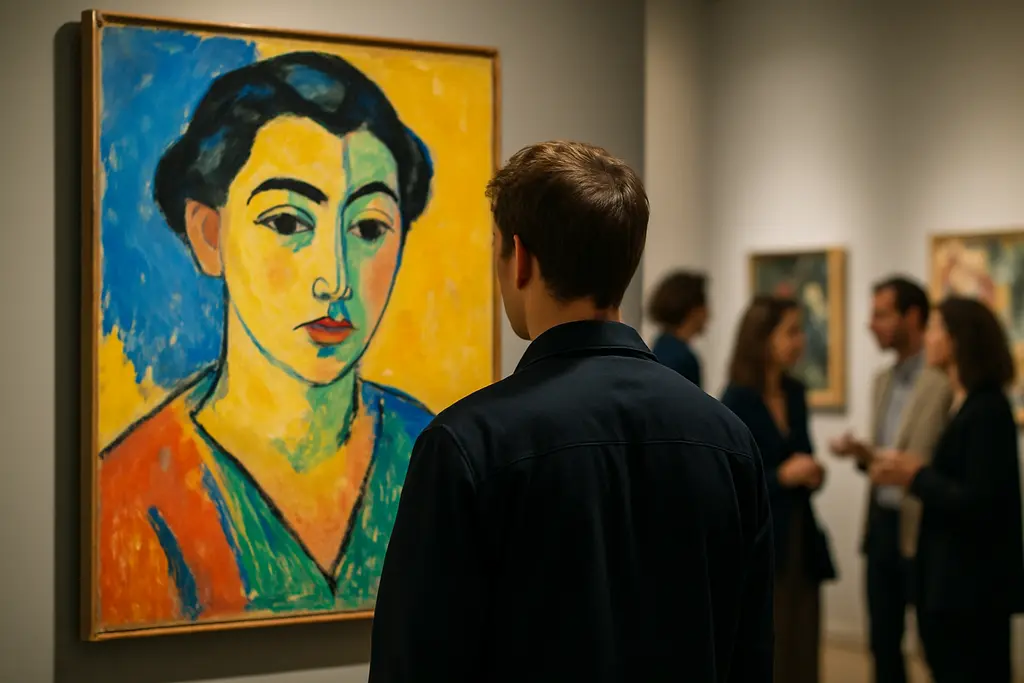
The Matisse portrait exhibition at SFMOMA has become more than a single-painting display. Running from May 16 to September 27, 2026, on Floor 4, Matisse’s Femme au chapeau: A Modern Scandal was extended from its earlier September 13 closing date after SFMOMA cited popular demand; the museum lists it as a timed, surcharged exhibition with weekday tickets at US $10, weekend and holiday tickets at US $12, and free access for members on its official exhibition page.
That extension matters because the show is not framed only as a look at Henri Matisse’s famous 1905 portrait. SFMOMA’s program notes, as provided in the research record, place the painting inside a wider sequence of public events, family workshops, member access periods, and color-centered studio activity. For a museum audience, that combination turns a controversial modernist object into a social setting: a place where close looking, playful making, and art-historical staging sit in the same institutional frame.
Matisse Portrait Exhibition And The Extension Context
Why The Matisse Portrait Exhibition Was Given More Time
The revised closing date, September 27, 2026, gives the exhibition two additional weeks beyond the earlier September 13 endpoint. Because today is September 21, 2026, the exhibition has not yet closed. That makes any assessment necessarily partial, but the available schedule already shows how SFMOMA used the extension period to offer quieter access and late-program learning opportunities rather than simply leaving the galleries open longer.
Member Last Looks were scheduled every Saturday and Sunday from 10 a.m. to noon between September 12 and September 27, 2026. Those reserved hours were limited to members and described as crowd-free times. As of September 21, the September 12, 13, 19, and 20 sessions have already taken place, while the final weekend, September 26 and 27, remained within the published extension window. This is a modest but meaningful access model: the museum did not present the extension only as extra ticket inventory, but also as a chance to shape how different audiences encounter a high-interest show.
Timed Tickets, Member Access, And Audience Flow
The ticket structure also points to a controlled visitor experience. A surcharged, timed-ticket format can limit congestion around a focused exhibition, although the research provided does not include attendance figures, gallery capacity, or visitor satisfaction data. It would be premature to claim that the format succeeded in reducing crowd pressure. What can be said is narrower and more reliable: SFMOMA set different prices for weekday and weekend or holiday entry, gave members free access, opened member sales before public sales, and held member previews from May 14 to May 16, 2026.
Those access layers are common in major museum programming, yet here they carry interpretive weight. Femme au chapeau is a painting associated with color shock and public reaction. Slowing the act of viewing through timed entry and dedicated member hours may help visitors spend more time with surface, hue, gesture, and historical setting. That is an observational reading of the structure, not a claim about individual visitor behavior.
Programs That Framed Color As Public Practice
Making, Hats, And The Museum As Studio
The public program record shows that SFMOMA treated color and costume not as decorative extras, but as entry points into the exhibition’s ideas. A Hat Party on Sunday, May 17, 2026, opened the program sequence by inviting visitors to wear favorite hats and make hats from recycled materials. The reference was direct enough to be legible, since the portrait is defined in public memory by its sitter’s hat, yet the activity also shifted attention from passive viewing to bodily expression.
A Free Community Day followed on Sunday, May 24, 2026, with free admission and programming across the museum. The research does not give attendance totals or a demographic breakdown, so no claim should be made about reach beyond the fact of free access and museum-wide programming. Still, as a curatorial gesture, placing a charged modernist painting inside a free public day softens the barrier between canonical art history and everyday creative play.
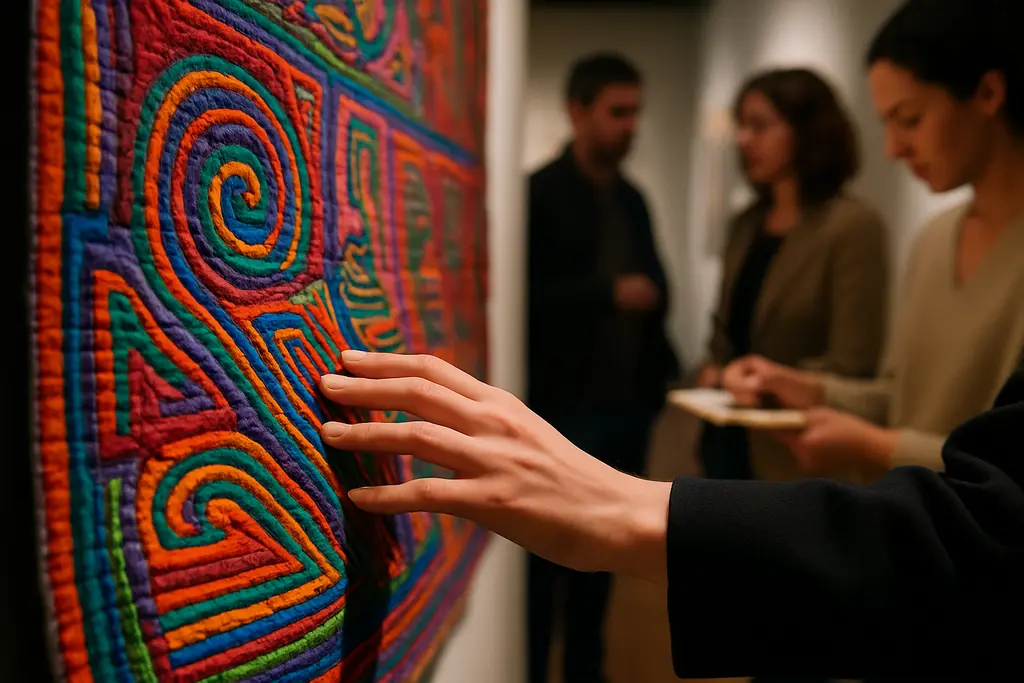
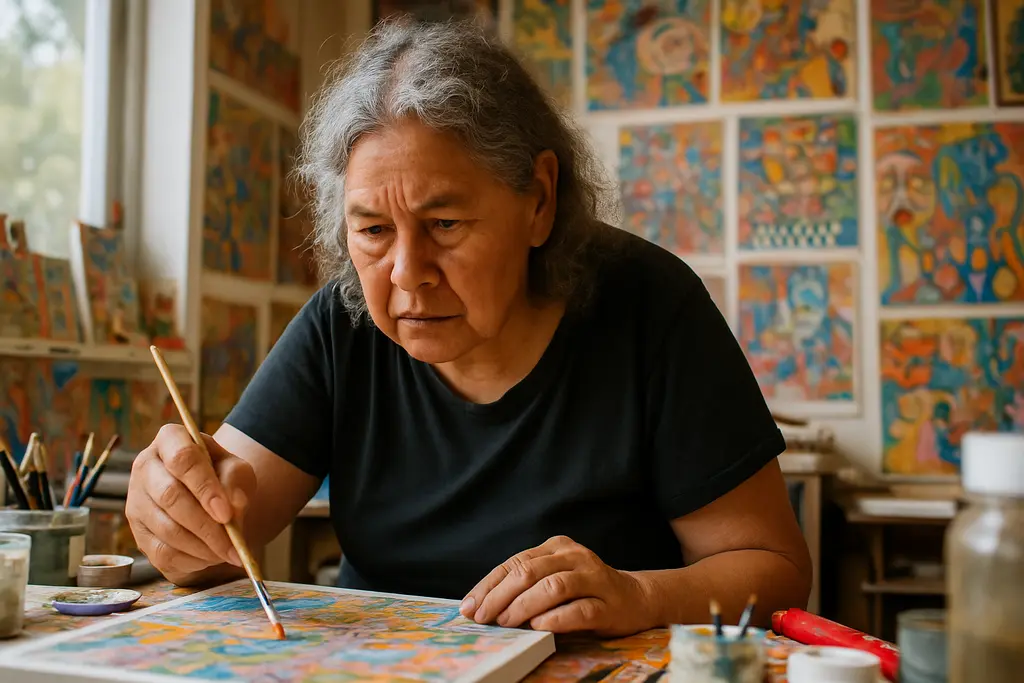
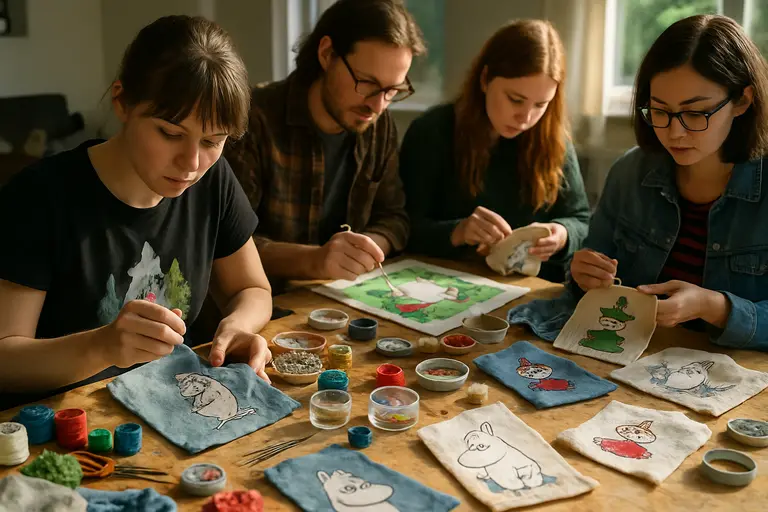
The later studio programs sharpened that educational angle. Family Studio: Matisse Landscapes took place on Sunday, September 13, 2026, from 10 a.m. to 1 p.m. in the Koret Education Center on Floor 2. It was free for families and did not require museum admission for that program. A Modern Scandal: An Evening of Art Making took place on Thursday, September 17, 2026, from 6 to 8 p.m. in the White Box on Floor 4, with hat crafting, portrait painting, and unconventional drawing included with admission. On Sunday, September 20, 2026, the Watercolor Workshop: Feeling First, a Matisse Study was scheduled at 2 p.m. in the Koret Education Center for ages 14 and up, pairing a close-looking tour of Femme au chapeau with guided color study and watercolor painting.
What The Program Sequence Suggests About Learning
For the Matisse portrait exhibition, these programs suggest a layered model of public learning. Younger visitors and families were offered low-barrier making. Older teens and adults were invited into a more skill-based watercolor format. Evening audiences were given a social art-making environment tied to portraiture and experimental drawing. None of this proves impact, but it does show deliberate variation in format, age range, and level of instruction.
That matters for a painting whose early notoriety came from how it challenged established taste. The programs did not ask audiences simply to accept the painting as famous. They invited them to test color decisions, exaggeration, material choice, and self-presentation through their own hands. In museum education terms, that is a practical way to connect art history with sensory evidence.
Historical Staging Around Femme Au Chapeau
Reconstructing A 1905 Flashpoint
The exhibition’s historical elements appear designed to place the portrait back into the social spaces that shaped its reception. According to the research record, SFMOMA included projections of the Grand Palais and Leo and Gertrude Stein’s Left Bank apartment. It also restaged a reconstruction of the Salon d’Automne’s Gallery VII as it appeared in 1905, reuniting the same artists shown then, including Matisse’s peers who provoked controversy.
This approach is useful because scandal in art history is rarely produced by a single canvas alone. It arises through rooms, critics, collectors, peers, display conventions, and public expectation. By reconstructing a gallery setting and referencing the Stein apartment, the show appears to frame Femme au chapeau as an object that moved through systems of looking and judgment. That is a more responsible interpretive path than reducing the painting to a simple story of shock.
Peers, Later Artists, And Influence With Limits
The research notes identify contemporaries of Matisse in the exhibition, including André Derain, Albert Marquet, and Maurice de Vlaminck. They also name later artists such as Hilary Harkness, Rachel Harrison, David Hockney, and Bay Area figures Joan Brown, Richard Diebenkorn, and David Park. The show is described as tracing how Femme au chapeau influenced both its era and later artistic practice.
Influence, however, should be handled carefully. Without detailed object-by-object comparisons, it is safer to say that the exhibition places Matisse’s painting in conversation with works by peers and later artists rather than claiming direct influence in every case. That distinction respects the artists and avoids turning art history into a chain of unproven imitation.
Color, Costume, And Creator Culture

What Artists And Makers Can Responsibly Take From The Show
The Matisse portrait exhibition has clear relevance for costume culture, handmade objects, and creator-commerce audiences, but that relevance should be framed with care. The public programs encouraged hats, recycled materials, watercolor studies, and portrait experiments. Those are broad creative prompts. They are not a license to reproduce protected images, market copied museum works, or imply affiliation with SFMOMA or the Matisse estate.
For independent makers, the stronger lesson is formal rather than extractive: study how color can carry emotion, how an accessory can alter a portrait, and how public display changes an object’s meaning. Those are transferable creative questions. Readers who track maker markets and adjacent culture coverage across this network may also find related creator-commerce context at Shimply, especially when thinking about handmade presentation, audience fit, and responsible product framing.
This distinction is not legal advice. It is a cultural caution. Museum exhibitions can inspire study, sketching, teaching, and conversation, but commercial reuse of images, artist names, or likenesses can raise rights questions that require case-specific review. A respectful response to Matisse’s example begins with looking closely, then making work that reflects one’s own decisions rather than borrowing the authority of a famous painting.
Matisse Portrait Exhibition As A Color Commons
A Careful Reading Of The Remaining Week
As of September 21, 2026, the final days of the exhibition were still ahead, with the published closing date set for September 27. The Matisse portrait exhibition therefore sits in a brief closing phase: most announced public programs have already occurred, while the galleries and final member access weekend remain part of the active schedule. Any later assessment would need confirmed attendance data, visitor accounts, or institutional reporting to judge public response beyond the museum’s stated reason for extension.
What is supported now is a more grounded claim. SFMOMA built an exhibition around a single landmark portrait and expanded it through timed access, historical reconstruction, family activity, evening making, and watercolor study. That structure treated color as both an art-historical problem and a public practice. For a painting once associated with scandal, the 2026 presentation offered a calmer but still energetic proposition: color can disturb expectations, invite play, and create shared attention inside a museum setting.