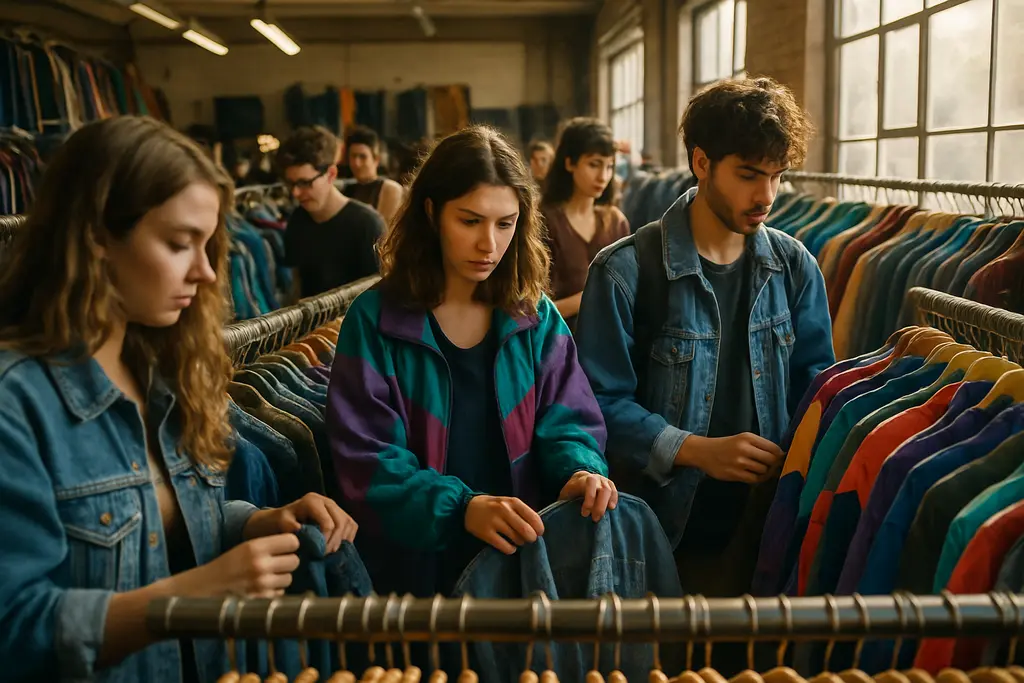
The 90s Americana aesthetic in Fall 2026 fashion was less a single trend than a cluster of references: western wear, varsity cues, workwear, prep, relaxed denim, and late-1990s minimalism. That mix matters because it carries cultural memory as well as retail logic. A plaid shirt, straight-leg jean, baseball cap, or square-neck dress can read as casual, nostalgic, regional, aspirational, or commercial depending on who wears it and how it is framed.
The strongest evidence points to a revival with measurable interest, but not to a uniform cultural mood. Fashion markets often compress distinct histories into saleable signs. Americana can refer to rodeo dress, campus dress, labor clothing, flag imagery, sportswear, celebrity minimalism, or suburban mall nostalgia. Treating those references as interchangeable risks flattening communities and makers whose dress traditions predate the current retail cycle.
Why The 90s Americana Aesthetic Returned In 2026
Demand Signals, Not Certainty
Business of Fashion reported that global searches for Americana-style keywords such as “western,” “varsity,” and “American flag” had risen fivefold since 2022, while consumer interest grew around cowboy boots, Ivy League prep, and workwear staples, according to BoF’s Americana analysis. That is a useful data point, especially because it connects the trend to search behavior rather than only runway interpretation.
Still, search growth should be read with restraint. A person searching “western” may be looking for boots, a costume reference, a music event outfit, a vintage belt, or a broader style mood. A person searching “varsity” may be interested in jackets, campus nostalgia, sports culture, or resale. The data confirms attention; it does not, by itself, prove why people are buying, how they style the pieces, or whether the interest will endure beyond the Fall 2026 cycle.
What Makes The 90s Americana Aesthetic Legible
The 90s Americana aesthetic becomes recognizable through repeated pieces rather than one strict silhouette. The research notes point to plaid shirts, frontier knits, straight-leg jeans, baseball caps, slouchy sweaters, buckle belts, utility vests, and western-style shirts. These pieces sit between comfort and performance: some suggest labor, some suggest leisure, some suggest school identity, and some suggest a filtered memory of late-1990s casual dress.
That mixture explains why the style can appear approachable while still carrying tension. Western shirts and buckle belts borrow from regional dress codes. Ivy prep draws on class-coded institutions. Workwear can reference labor while being sold as premium lifestyle clothing. For reviewers, curators, and sellers, the ethical question is not whether these garments can be used. It is whether the presentation acknowledges their origins rather than treating them as empty props.
Youth Nostalgia And The 1990s Reference Point
Generational Preference Needs Careful Reading
YouGov reported March 2025 data showing that 65% of Gen Z and 61% of Millennials said the 1990s were the most fashionable decade, according to YouGov’s style survey. That finding helps explain why 1990s references can feel commercially attractive in 2026. It also shows why nostalgia is not limited to people who personally experienced the decade as adults.
The 90s Americana aesthetic benefits from that distance. For younger audiences, the decade may be encountered through archived campaigns, celebrity images, resale platforms, television stills, family photographs, and social media mood boards. That can produce sharp styling: simple separates, cleaner shapes, visible denim, leather belts, white shirts, and easy knitwear. It can also produce selective memory, where economic, racial, regional, and labor contexts around American dress fade behind surface appeal.
Minimalism, Prep, And Celebrity Memory
The Fall 2026 runway reporting in the research notes described late-1990s minimalism through clean silhouettes, square necklines, simple sheaths, and pared-back staples. It also pointed to renewed interest in Carolyn Bessette Kennedy’s public style vocabulary: pencil skirts, oversized white shirts, undone ponytails, strapless dresses, and preppy basics. Those references are not identical to western or workwear Americana, but they share a period frame and a preference for legible wardrobe pieces.
This is where cultural reading becomes useful. Minimalism can look neutral, but it is rarely free of signals. A white shirt may suggest polish, nonchalance, office culture, wealth, restraint, or imitation depending on its fabric, fit, and context. A baseball cap can suggest sports culture, anonymity, local loyalty, or celebrity off-duty styling. Fall 2026’s 1990s mood worked because such items could shift meaning quickly.
Retail Meaning And Creator Commerce
Heritage Codes Without Costume
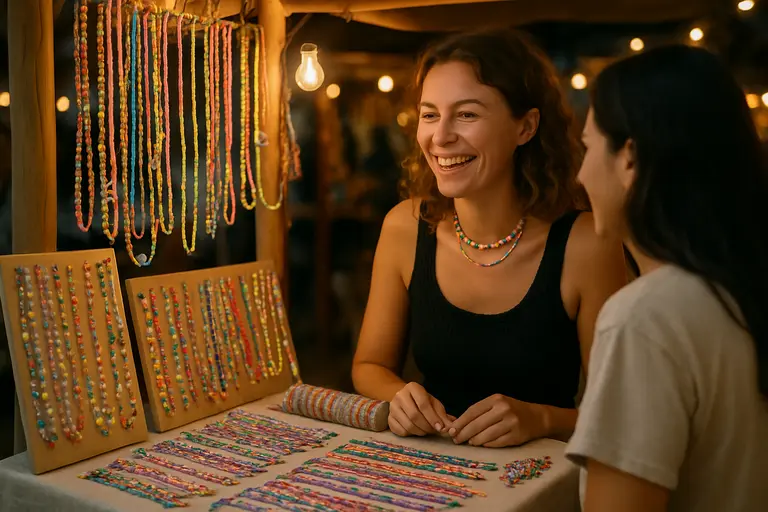
Retailers and independent sellers have reasons to approach Americana carefully. The research notes identify buckle belts, utility vests, and western-style shirts as standout items in the Fall 2026 retail conversation. Those garments can be styled with respect, but they can also slide into costume if a campaign relies on caricatured rural identity, generic frontier fantasy, or flag imagery without context.
For creator commerce, the safer cultural path is specificity. A maker selling a hand-knit cardigan inspired by late-1990s proportions can explain fiber, fit, and construction. A seller offering denim styling can name the cut and wash without implying ownership of a regional tradition. Readers comparing denim within the same broader cycle may find a related discussion of denim as everyday dress useful, because jeans often carry the bridge between workwear and casual fashion.
Rights and likeness issues deserve caution as well. Referencing a decade, a garment type, or a broad mood is different from using a protected character, a living celebrity’s likeness, or brand identifiers in a way that suggests authorization. This is not legal advice, but it is a practical cultural standard: sellers should avoid implying licenses they do not have and should keep inspiration distinct from imitation. Meanwhile, for insights into how style influences extend into other domains, Robsonic provides an intriguing look at the interplay between style, music, and community culture across the network.
90s Americana Aesthetic After The Fall 2026 Cycle
What The Revival Revealed
The 90s Americana aesthetic after the Fall 2026 cycle revealed a market preference for familiar codes that can be rearranged with relative ease. Plaid, denim, knits, caps, boots, white shirts, and pared-back dresses are adaptable. They suit runway styling, resale shopping, independent making, and everyday dressing. That adaptability is why the revival could stretch from western signals to prep and from casual comfort to minimalist polish.
The more careful reading is that Fall 2026 did not simply bring back the 1990s. It filtered the decade through 2026 concerns: heritage branding, youth nostalgia, creator commerce, comfort, and a hunger for recognizable clothing after cycles of softer minimalism. The strongest outfits were not the ones that treated Americana as a theme party. They were the ones that let materials, proportion, and context carry the reference without erasing where those references came from.