As of August 24, 2026, Creativity Unleashed is on view at ViVO Contemporary Gallery at 725 Canyon Road in Santa Fe, New Mexico, with a published run from July 15, 2026, through September 14, 2026. The exhibition brings together nine artists and includes figurative, abstract, and non-objective painting and sculpture, with mixed media, kiln glass, and monoprints among the stated mediums, according to the Southwest Contemporary listing.
The show sits within a Santa Fe gallery corridor where group exhibitions often ask viewers to slow down and compare forms of making rather than read a single narrative. That matters here because the available exhibition information points to breadth: nine named artists, several mediums, and a range of representational and non-representational approaches. Without an artist statement or catalogue text in the provided source material, the most careful reading is not to impose a theme beyond the published subtitle, “A Celebration of Form and Expression.”
What Creativity Unleashed Shows In Santa Fe
Creativity Unleashed As A Group Format
Creativity Unleashed is a group exhibition featuring Norma Alonzo, Ilse Bolle, Barrie Brown, Nina Glaser, Warren Keating, Tracy King, Ann Laser, Gary Oakley, and Laurinda Stockwell. The named roster is useful because it keeps attention on the show as a meeting point rather than a solo presentation. Group shows can create productive friction between works, though that should not be mistaken for a single shared method or movement unless the gallery states one.
The published medium list also suggests that the exhibition asks viewers to move between surface, object, image, and process. Mixed media can signal layered material decisions; kiln glass involves heat-shaped glass practice; monoprints are associated with print processes that usually yield a singular impression rather than an edition of identical prints. Those general medium distinctions help frame the exhibition without overclaiming what each artist does in the specific works on view.
Reading Form Without Forcing A Single Message
For Creativity Unleashed, the value of the listing is partly in its restraint. It identifies categories of work, dates, location, and artists, but it does not publish attendance figures, sales claims, visitor demographics, or critical rankings. That absence is worth naming. Cultural coverage is stronger when it avoids treating every group exhibition as evidence of a broad regional trend.
Instead, this show can be understood as a specific gallery presentation in Santa Fe during late summer 2026. Its subtitle places emphasis on form and expression, two terms broad enough to include visible subject matter, abstract composition, material behavior, and sculptural presence. A viewer or critic can compare those elements in the gallery, but any claim about a dominant aesthetic should come from direct observation, artist statements, or gallery materials not included in the current source set.
Dates, Reception, And Visitor Information
The Opening Has Already Taken Place
The opening reception took place on July 19, 2026, from 5:00 PM to 7:00 PM MDT. Because that date has passed, it should be discussed as part of the exhibition record, not as an event to attend. The show itself remains within its scheduled display period as of August 24, 2026, with September 14, 2026, listed as the closing date.
Published details identify ViVO Contemporary Gallery as the venue and give the gallery phone number as 505-982-1320. The research available here does not include ticket prices, special programming beyond the July 19 reception, or visitor reviews. It also does not include attendance numbers or visitor statistics for the exhibition. That makes it inappropriate to describe the show as a crowd draw or to make claims about public response.
What The Date Range Suggests For Interpretation
The July 15 to September 14, 2026, run places the exhibition across a two-month period. A longer gallery run can give a group show time to be encountered by local audiences and out-of-town visitors, but the provided material does not document who has seen it or how it has been received. The safer analytical point is that the date range allows the exhibition to exist as more than a single reception-centered event.
For community arts coverage, that distinction matters. An opening can create social energy, but a show’s quieter weeks may be when individual works receive more sustained attention. With Creativity Unleashed, the published facts support attention to the exhibition’s structure: nine artists, multiple mediums, and a Santa Fe gallery setting during a defined summer-to-early-fall run.
Related Southwest Exhibition Context
Nearby Santa Fe Shows In The Same Period
The current research identifies other Santa Fe exhibitions during overlapping or nearby dates. Barnard: Emanations of Inner Light at Electra Gallery ran from July 10 to August 22, 2026, and had already closed by August 24, 2026. The Vortex Remembers Everything – A Utopian Version of Earth: A Guillermo Galindo Exhibition at Aurelia Gallery is listed from July 16 to September 13, 2026, placing it in a similar late-summer window.
These references do not prove a single regional pattern. They do, however, show that Santa Fe had multiple gallery exhibitions with overlapping dates in July, August, and September 2026. For readers comparing gallery activity across the Southwest, that overlap can be a useful calendar fact rather than a basis for inflated claims about artistic direction.
Why Context Should Stay Modest
It is tempting to describe several concurrent exhibitions as a cultural wave. The available evidence does not support that. The firmer observation is more limited: three named exhibitions in Santa Fe shared a late-summer 2026 time frame, and each appears under its own title, venue, and date range. That level of comparison respects the autonomy of each artist and gallery.
Respectful arts writing also avoids collapsing distinct practices into a single promotional story. A kiln glass work, a monoprint, an abstract painting, and a sculpture may share a room, but they do not automatically share the same cultural argument. The useful task is to keep the exhibition’s published frame in view while leaving room for difference among the artists.
Creativity Unleashed In The Southwest
Creativity Unleashed sits in the Southwest’s 2026 exhibition calendar as a documented group show at ViVO Contemporary Gallery, not as a claim about the whole region. Its confirmed details are clear: it opened on July 15, 2026, held its reception on July 19, 2026, and is scheduled to remain on view through September 14, 2026. Its participating artists and mediums make it a useful case for thinking about how galleries present variety without requiring uniformity.
For those interested in related cultural topics ranging from art and costume to sound and live events, further reading is available on Robsonic. This site provides additional perspectives within the same network, offering insights into adjacent areas of cultural interest.
The most careful reading of the show is also the most respectful one. The available facts support attention to artists, materials, dates, and venue. They do not support claims about attendance, market impact, or a sweeping shift in Southwest art. On that basis, the exhibition is best approached as a specific Santa Fe presentation that invites comparison across form, expression, and material practice while keeping each artist’s work from being reduced to a single label.
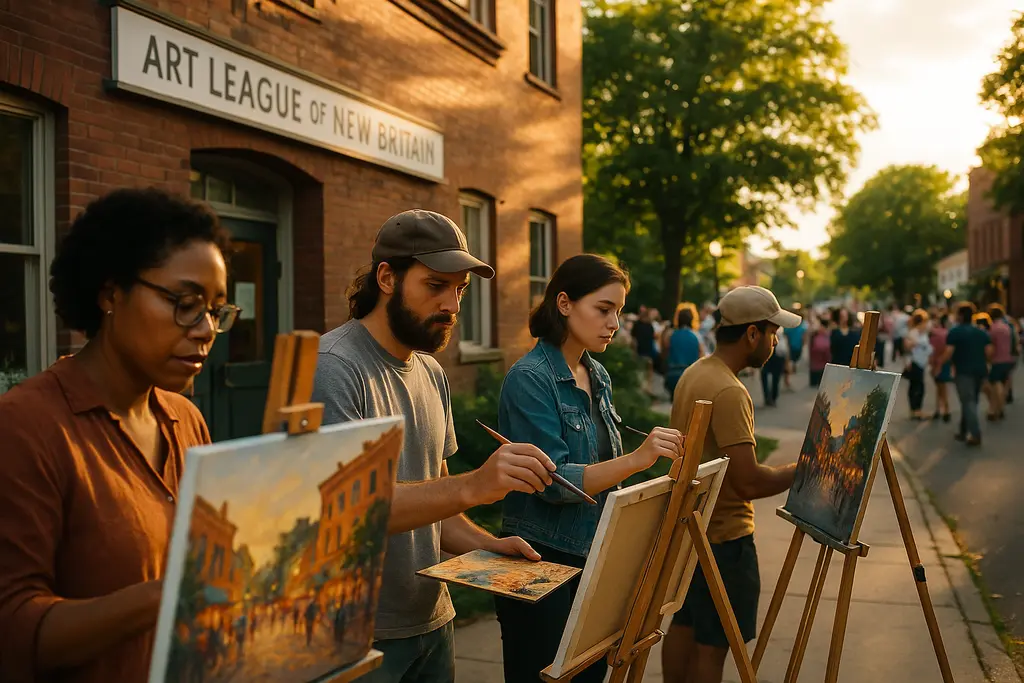
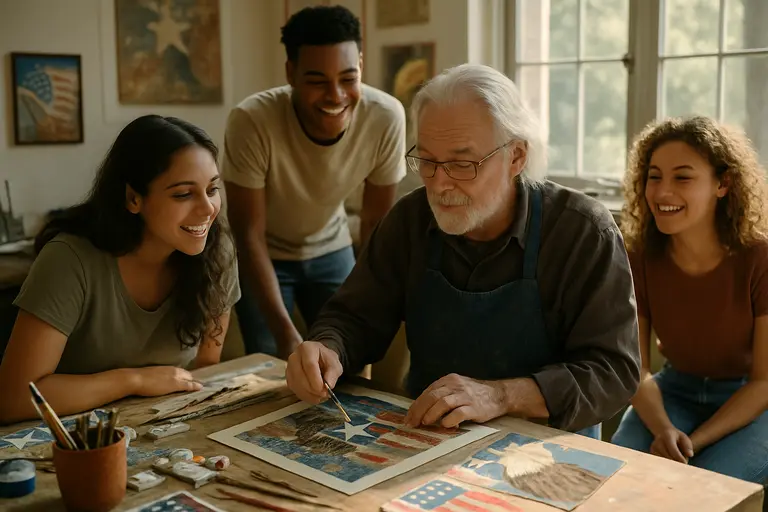
America 250 art will receive a local, juried forum in New Britain, Connecticut, through the Art League of New Britain’s planned exhibition, America 250: The Art of Independence. The exhibition is scheduled for July 24 through August 23, 2026, with an opening reception on Friday, July 24, from 6:00 PM to 8:00 PM. According to the Art League of New Britain, the show commemorates the 250th anniversary of American independence while inviting artists to address independence, liberty, justice, and renewal.
The stated theme is broad, but not vague. It asks artists to reflect on the cultures and histories that have shaped American identity, a phrase that leaves room for celebratory, critical, personal, and community-based interpretations. For a juried exhibition, that breadth can matter: artists working in different mediums may bring distinct visual languages to subjects often discussed through speeches, textbooks, monuments, or public ceremonies.
America 250 Art And The Civic Exhibition Frame
Why America 250 Art Uses Open Themes
The exhibition’s theme places independence beside liberty, justice, and renewal rather than treating independence as a single fixed symbol. That choice gives artists several possible points of entry. A painter might work through allegory. A photographer might focus on public space or community memory. A sculptor or mixed-media artist might respond through materials, fragments, or forms associated with repair. The call does not require any one political reading, and the available information does not name accepted artists or works, so any forecast about tone would be speculative.
What can be said with confidence is that America 250 art, as framed here, is being organized around interpretation rather than reenactment. The Art League of New Britain is not only marking a national anniversary; it is asking artists to consider how national ideas are seen, disputed, carried, and renewed in creative practice. That distinction is useful because art exhibitions often do their strongest civic work by slowing down familiar language. Words such as liberty and justice can be repeated so often that they lose texture. Art can make those words material again without forcing a single answer.
A Local Site For National Questions
The exhibition will be held at the Art League of New Britain, 30 Cedar Street, New Britain, CT 06052. The location matters in a modest but meaningful way. A national commemoration can feel distant when it is presented only through large institutions or official ceremonies. A community art venue can invite a different scale of attention: individual makers, regional audiences, and works that may speak from lived experience rather than from a national script.
That does not mean every submitted piece will be autobiographical or local in subject. The eligibility rules are open to artists aged 18 and older, and artists may submit work in any medium. Still, the setting supports a grounded reading of the theme. Independence and renewal are not only abstract ideals; they can also be visible in neighborhood memory, family stories, migration, labor, education, protest, care, and the shifting symbols communities choose to keep or question.
Submission Rules And Ethical Boundaries
Original Work, Medium Choice, And Recent Production
The submission requirements are clear on several points. Artists may submit up to five original works in any medium. The works must have been completed in the past three years and must not have been previously exhibited at ALNB. These conditions shape the exhibition toward recent artistic thinking rather than archival selection. They also create a practical boundary: artists are being asked to present new or recent work that has not already appeared in that venue.
For artists considering America 250 art as a theme, the three-year window may encourage direct engagement with current questions of civic identity. The research notes do not specify preferred styles, sizes, or media beyond “any medium,” so artists should rely on the official exhibition page for registration details and any practical display requirements. Caution is warranted here: without the full call text beyond the provided facts, it would be inappropriate to infer rules about framing, installation hardware, shipping, or digital documentation.
AI Disclosure And Trust In The Viewing Room
The exhibition’s guidance states that AI-generated imagery is not acceptable, while AI-assisted artwork must be clearly disclosed. That distinction reflects a wider concern in contemporary art presentation: viewers, jurors, and fellow artists need enough process information to understand how an image or object was made. The rule does not, from the information provided, define every possible use of software assistance. Artists who use digital tools should treat disclosure as a practical and ethical matter, not as a footnote.
This is not a legal judgment about authorship or copyright. It is a curatorial boundary set by the exhibition. For a show centered on independence, liberty, justice, and renewal, process transparency may affect how audiences read the work. If an image speaks about civic memory but its production method is unclear, the conversation can shift away from the artwork’s subject and toward questions of trust. Clear disclosure helps protect that exchange.
Dates, Fees, Awards, And Sales Structure
Key Dates For Artists
The schedule gives artists a defined submission period and a short interval between the deadline and notification. Registration runs from June 24 through July 8, 2026, and the submission deadline is July 8, 2026, at 11:59 PM. Entry notification is scheduled for July 12, 2026. Artwork drop-off is listed for July 18 and July 21 during specified hours, while artwork pick-up is listed for August 23 and August 25 during specified hours.
Because the drop-off and pick-up windows include specified hours not reproduced in the research notes, artists should confirm those details directly with ALNB before planning transport. That is especially relevant for fragile works, larger pieces, or works requiring careful handling.
Costs, Prizes, And Commission
The entry fees differ for members and non-members. ALNB members pay $15 for the first entry and $10 for each later entry. Non-members pay $25 for the first entry and $15 for each later entry. The listed awards are First Prize at $200, Second Prize at $100, Third Prize at $50, and Honorable Mention at $25. ALNB receives a 30% commission on art sales.
These figures help artists assess participation in practical terms. Entry fees, potential awards, and sales commission are not only administrative details; they affect how artists price work, plan submissions, and decide whether the opportunity fits their current studio goals. No claim can be made from the available information about expected sales volume, juror preferences, or acceptance rates.
Reading Liberty Through Material Culture
From Gallery Walls To Community Stories
One strength of the exhibition format is that civic ideas can be tested through material choices. A textile work may carry associations of domestic labor, inheritance, or public display. A print may recall political circulation and reproducibility. A ceramic object may evoke utility, fragility, or ceremony. These are interpretive possibilities, not announced categories for the show, but they show why an open-medium call can support multiple readings of independence and renewal.
For readers interested in how clothing, costume, and imaginative design also carry cultural meaning, Fairy Tale Fashion explores similar themes within the network. This site enriches understanding by highlighting the cultural narratives woven into fashion, identity, and storytelling.
America 250 art at ALNB may therefore be best understood as an invitation to look closely at how artists convert civic language into visible form. The exhibition’s success cannot be assessed before the selected works are known. What is already clear is the structure: a juried call, a defined anniversary context, recent original work, disclosed limits around AI use, and a theme that permits both reflection and challenge.
America 250 Art In New Britain’s Community Setting
What Viewers Can Watch For
Visitors to the exhibition may want to pay attention to how artists handle scale, symbol, and point of view. Does a work use national imagery directly, or does it approach independence through personal experience? Does it present liberty as aspiration, memory, conflict, or renewal? Does justice appear as an ideal, a demand, a story, or an unresolved question? These viewing questions respect the exhibition’s theme without presuming what any artist will make.
As a Discover topic, the value of America 250: The Art of Independence lies in its local staging of a national anniversary. The Art League of New Britain’s call gives artists a framework, but the selected works will determine the final conversation. Until then, the supported facts point to a carefully bounded opportunity: America 250 art presented through a juried exhibition, open to adult artists, shaped by recent original work, and centered on independence, liberty, justice, and renewal.
Welcome! We’re glad you’re here to join our conversation. The digital music world is alive and always changing.
For a long time, a few big names controlled how we listened to music. Now, new, open platforms are emerging. Audius, Opus, and Resonate are leading the way.
These platforms focus on authentic relationships. They aim to connect artists directly with their fans. It’s a truly inspiring movement!
We’ve made a detailed guide to help you understand. Our aim is to show where artists and fans can really connect. Choosing the right platform can make a big difference in the music industry.
Let’s explore this exciting time together. We’ll find out where music and connection are most important.
Artist Revenue Comparison: Spotify, Apple Music, Bandcamp, and Others
The digital music world shows big differences in how artists get paid. Some get just a few cents for each stream, while others get direct support from fans. We aim to make these differences clear to you. Our goal is to give you the knowledge to see where your streams can lead to real income.
We think every musician deserves fair pay. Being open about artist royalties helps everyone in the music world. Let’s look at how big names and new ideas tackle this important issue.
Big names like Spotify and Apple Music pay artists based on how many times their songs are played. They mix money from subscriptions and ads and split it among artists. This often means artists get very little money for each stream. Spotify pays about $0.003 to $0.005 per stream, while Apple Music pays around $0.01.
The Bandcamp vs Spotify debate shows a big difference in how artists are treated. Bandcamp lets fans buy music directly from artists, giving them 82-85% of the sale. This way, artists have more control over their earnings.
New platforms are using tech to fix royalty problems. Audius rewards artists and listeners with its own token, $AUDIO. Opus uses OPT tokens for direct payments. Resonate is a streaming cooperative owned by its artists and listeners.
Platform
Revenue Model
Key Feature for Artists
Note on Payout
Spotify
Pro-rata Subscription/Ad Pool
Massive audience reach
~$0.003 – $0.005 per stream
Apple Music
Subscription Revenue Share
Higher per-stream rate
~$0.01 per stream
Bandcamp
Direct Fan Purchase & Tips
Keeps ~85% of sales
Artist sets prices; Friday waiver days
Audius
Token Rewards ($AUDIO)
Blockchain transparency
Earn tokens for streams & engagement
Resonate
Listener Cooperative
Artist-owned platform
“Stream to own” model; democratic control
Platforms like Audius and Opus use blockchain to keep track of every play. This technology makes sure artists know how their music is valued. We see this as a big step forward for artists.
Deciding where to share your music is a big choice. Services that pay artists fairly do more than just give money. They show they value your work and support your community. We celebrate every platform that puts its creators first.
Discovery Features: How Each Platform Helps You Find New Music
Music discovery has never been more exciting. From algorithms to human-curated lists, there’s a wide range of tools to find new tunes. Discovery is key to a vibrant music scene, turning hidden gems into your new favorite songs. Each platform offers a unique way to find these gems.
Big names like Spotify and Apple Music use complex algorithms. These systems learn your music tastes to suggest similar artists and songs. This creates a personalized radio that gets better over time. It’s a powerful way to discover new music.
But there’s another side to discovery. It’s about people, not just technology. Indie platforms focus on community and curation. This approach offers a more genuine way to discover new music.
Take Tamago, for example. It’s a platform where fans create and share playlists. This puts the power of discovery in the hands of passionate music lovers. It’s a democratic way to find new sounds.
Platforms like Substack also rely on tastemakers. Writers and curators build trusted networks, recommending music. Fans follow these voices, leading to meaningful discoveries. This human touch is a game-changer for indie music streaming.
So, how do these approaches compare? Let’s look at the key differences.
Discovery Type
How It Works
Best For
Platform Examples
Algorithmic
Uses your data and listening history to predict preferences.
Personalized, hands-free discovery of similar music.
Spotify, Apple Music
Community-Driven
Relies on playlists and recommendations from real people and curators.
Finding unique, niche artists and trusting human taste.
Tamago, Substack networks
Hybrid
Combines algorithmic suggestions with editorial or user playlists.
A balanced mix of personalized and curated discovery.
Many mainstream platforms are adding this.
We’re passionate about features that help you connect with music. The community-driven model helps underground artists grow their fanbase. It feels like getting a recommendation from a friend, not a corporate algorithm.
For fans who want to explore more, checking out best indie music discovery platforms is a great next step. These platforms are designed to help you find new, independent talent.
The best music platform features for you depend on your preferences. Do you prefer a smart assistant or a community of music lovers? You now have amazing choices for both paths in your indie music streaming journey!
Audio Quality Considerations: Lossless vs Compressed
The debate between lossless and compressed audio is more than just tech talk. It’s about keeping the music’s essence alive. The streaming quality we choose shows how much we value the art. It changes how we listen and affects the creators.
So, what’s the difference? Lossless audio files, like FLAC or ALAC, keep all data from the original recording. Compressed audio, such as MP3 or AAC, makes files smaller by removing data. This can slightly change the sound’s richness and detail.
Why does this matter so much? For artists, their music is a heartfelt creation. Every detail is intentional. High-fidelity streaming delivers their work as they meant it to be heard.
For fans, lossless audio offers a full emotional experience. You can hear every sound clearly, from the cymbals to the singer’s breath.
We’re thankful for platforms like Audius and Opus. They stand for high-quality decentralized streaming. They show that technology can enhance art without losing its essence. This respect is key in our streaming platforms comparison.
To make the choice clearer, let’s look at the key contrasts:
Feature
Lossless Audio
Compressed Audio
File Size
Larger (e.g., 30-50 MB per song)
Much Smaller (e.g., 3-10 MB per song)
Sound Fidelity
Identical to studio master
Good, but some detail is lost
Data Usage
High
Low
Common Formats
FLAC, ALAC, WAV
MP3, AAC, Ogg Vorbis
Choosing a service that values sound quality does more than please us. It sends a message. It shows that artist royalties and creative control matter. Supporting high-definition streaming supports artists’ full vision.
Our listening habits have power. By understanding the difference between lossless and compressed audio, we make better choices. We can push for a future where great sound and fair artist royalties go together. Let’s celebrate platforms that make this possible!
Social Features: Connecting with Other Music Fans
Imagine talking about a new album with the artist themselves. Social tools on modern platforms make this possible. Music is all about connection, and we love the music platform features that create lively communities. These tools turn solo listening into a shared, interactive experience.
Older services have basic social tools. Spotify and Apple Music let you share playlists and see what friends are listening to. Bandcamp vs Spotify shows a difference in focus. Bandcamp focuses on supporting artists, while Spotify is about sharing and making playlists together.
New platforms put community at the center. Substack has become a key place for musicians to connect. It has a “Notes” feed, comments, and direct messages for ongoing talks. Artists like Jeff Tweedy and Patti Smith use it to share thoughts and host live streams, building a close fan circle.
This new model breaks down old barriers. On platforms like Audius and Opus, fans can comment on songs in real-time. Artists can respond right away. It’s a move from broadcasting to having real conversations, creating culture together.
Let’s look at how big platforms handle social connections:
Platform
Key Social Feature
Fan-to-Artist Interaction
Spotify
Collaborative Playlists, Friend Activity
Indirect (via playlists)
Bandcamp
Fan Collections, Artist Updates
Moderate (via comments/messages)
Substack
Notes Feed, Comments, Live Streams
High (integrated dialogue)
Audius/Opus
Timestamped Comments, Token Gating
Very High (direct & real-time)
We think the future of music listening is all about being together. These features do more than just connect us; they show our shared love for music. When you can cheer for a live stream or discuss lyrics with the artist, you’re more than just a fan—you’re part of the story.
Choosing a platform with strong social music platform features means investing in that joy. It’s about finding your crowd, your voice, and your place in the music you love.
Offline Listening and Mobile Experience
True music freedom means having your favorite indie tracks available anywhere. This includes deep underground on a subway or hiking a remote trail. A thorough streaming platforms comparison must look beyond the online catalog. We’re breaking down offline modes and mobile experiences because seamless access is how we stay connected to the music we love, everywhere we go.
Offline listening is a game-changer. It turns your phone into a personal, signal-free jukebox. This feature is vital for daily commuters, travelers, or anyone wanting to save on data. More importantly, it means your support for artists doesn’t pause when your connection drops.
Not all download features are created equal. Some platforms are generous, while others have stricter limits. The audio quality of downloads can also vary. We want you to know exactly what you’re getting before you hit that download button.
The mobile app itself is your primary gateway to indie music streaming. A clunky, slow, or confusing interface can frustrate even the most dedicated fan. We believe the best apps feel intuitive, letting you search, browse, and play without a second thought. Stability is key—no one likes music that stutters or an app that crashes.
Let’s see how the top contenders stack up on these essential mobile features.
Platform
Offline Download Limits
Download Audio Quality
Mobile App Highlights
Spotify
Up to 10,000 songs per device on up to 5 devices.
Standard quality (equivalent to ~160 kbps).
Extremely fast and intuitive. Excellent for playlist management and discovery on the go.
Apple Music
100,000 songs limit, synced across 10 devices.
High-Resolution Lossless available (if downloaded in compatible format).
Deep iOS integration. Slightly steeper learning curve but very powerful for library organization.
Bandcamp
Unlimited downloads for purchased music. Streaming offline requires cache, not formal downloads.
Purchased files are downloaded in your chosen format (MP3, FLAC, etc.).
App focuses on your collection and wishlist. Streamlined for fans to directly support artists from their phones.
Amazon Music Unlimited
Varies by plan, typically up to 1,000 songs per device.
Standard or HD/Ultra HD, depending on your subscription tier.
Solid and reliable. Offers hands-free listening with Alexa integration as a major perk.
This table shows a clear range of approaches. Spotify wins for sheer simplicity and high device limits. Apple Music is the champion for audiophiles who want lossless quality offline. Bandcamp’s model is unique, empowering you with permanent file ownership. Amazon provides a balanced, feature-rich experience tied to its ecosystem.
Your mobile experience should feel effortless. Quick loading times, easy navigation, and reliable playback are the baseline. The best apps add thoughtful touches like clear download progress indicators, smart storage management, and lock screen controls. These small details make a big difference in your daily routine.
We are grateful for technology that lets us carry entire music libraries in our pockets. A platform that excels in mobile and offline features removes barriers. It ensures you can listen, discover, and support artists during your workout, your commute, or your quiet evening walk. That constant, easy access is what turns casual listening into a lifelong musical journey.
Artist Support Features: Direct Purchases and Fan Funding
The dream of a fairer music industry is powered by features that let fans fund the artists they love directly. We are thrilled to highlight the music platform featuresthat make this possible. These tools move beyond streaming pennies to create real, sustainable partnerships.
This shift is about connection. It turns listeners into patrons and transforms streams into meaningful support. The result is a more resilient and direct creative economy.
Several innovative models now lead the way. They include direct sales, fan subscriptions, digital collectibles, and smart contracts. Each offers a unique path for fans to show their support.
Bandcamp is a pioneer in this space. Its model allows artists to sell music and merch directly to fans, keeping a large share of revenue. The famous “Bandcamp Friday” events, where the company waives its revenue share, have funneled millions of dollars straight to creators. This direct sale approach is a cornerstone for improving artist royalties.
Platforms like Substack have entered the audio world with a fan-funded subscription model. Here, artists can offer exclusive podcasts, music, or community updates to paying subscribers. It builds a dedicated, supportive audience willing to invest in an artist’s ongoing work.
Blockchain technology introduces even more possibilities. Platforms such as BitSong and Tamago utilize fan tokens and NFTs (Non-Fungible Tokens). These digital assets can represent special access, unique content, or a stake in a song’s success. They allow superfans to engage on a deeper level and share in an artist’s journey.
These token-based music platform features create new forms of value and ownership. They foster a powerful sense of community and belonging between artists and their supporters.
Behind the scenes, projects like Mycelia are building the infrastructure for fairness. Using “smart contracts” on blockchains, they aim to automate licensing and payments. This ensures every contributor gets their fair share instantly and transparently. It’s a foundational step toward redefining artist royalties for the digital age.
We are grateful to see this evolution. Each of these features empowers fans to become true partners. They give artists control and build a more equitable ecosystem for everyone involved.
Playlist Culture: Curated vs Algorithmic
Music journeys are exciting when data meets passion. Playlists are more than songs; they’re discovery tools. Knowing the difference between curated and algorithmic playlists helps you find music that speaks to you.
Algorithms are precise. Spotify uses your listening habits to suggest music. Playlists like “Discover Weekly” offer new music that fits your taste.
But human touch is special too. Think of a friend’s mixtape or an artist’s influences. Platforms like Bandcamp and Tamago offer a community feel, making discovery a conversation.
Substack is another place where artists recommend creators they admire. It’s a way of curation based on respect, not just data. For fans, these recommendations offer a deeper connection.
So, which is better for you? It depends on what you want. Do you want new sounds or a deep dive into a genre? The table below shows the main differences.
Feature
Algorithmic Playlists (e.g., Spotify)
Human-Curated Playlists (e.g., Bandcamp, Tamago, Artist Lists)
Primary Driver
User data and machine learning
Individual taste, expertise, or community vote
Discovery Style
Personalized, based on listening patterns
Thematic, narrative, or scene-based
Strength
Efficiency and volume of new suggestions
Context, storytelling, and trusted authority
Artist Benefit
Exposure based on sonic similarity to hits
Exposure based on artistic merit or community support
Fan Experience
Passive, seamless background listening
Active, engaged, and educational listening
The debate between Bandcamp vs Spotify shows the divide. One focuses on artist stories and fan discovery, the other on algorithms. For indie music fans, a mix of both is best.
We thank platforms that let fans and artists curate. Tamago’s community charts show listeners’ great taste. This balance is healthier for music lovers.
The best playlist culture offers both algorithms and human curation. By understanding these, you control your musical journey. You discover new songs and stories.
International Availability and Regional Differences
Decentralized technologies are changing how we share music worldwide. This is great for artists and fans. Music should be free to flow across all borders.
When we look at streaming platforms comparison, we see big differences. Services like Spotify and Apple Music face many licensing hurdles. This can block songs in some countries, frustrating everyone.
For indie artists, these barriers can slow growth. Fans in new areas might not get to hear their favorite songs. But, platforms like Audius and Opus are breaking down these walls.
So, how do these new platforms work? They don’t deal with country-by-country licenses. Instead, they use peer-to-peer networks to share music worldwide. This is a big music platform feature for artists wanting a global audience.
This leads to a stronger global indie community. Fans can find and support artists from anywhere. The whole world becomes a stage for music, connecting diverse sounds to eager listeners.
To see these crucial differences, check out the table below:
Platform
Primary Regions Served
Licensing Model
Key Notes on Availability
Spotify
180+ countries
Regional Licensing
Catalog varies significantly by country due to licensing deals.
Apple Music
167 countries
Regional Licensing
Similar regional restrictions apply; availability launched in phases.
Bandcamp
Global
Direct Artist Upload
Artists can sell and stream music globally; fans can purchase from anywhere.
Audius
Global
Decentralized Protocol
No regional blocking; access is determined by internet access, not licenses.
Opus
Global
Decentralized Protocol
Designed for borderless streaming from the start, minimizing geographical gaps.
This streaming platforms comparison shows a clear trend. Mainstream services have wide reach but fragmented catalogs. Indie and decentralized platforms offer a more consistent global experience. This is key for building a global fanbase.
We’re excited about this shift towards a more open music world. It lets creators share their music freely. And it lets fans explore a vast library of sound from anywhere. Together, we’re bridging gaps one stream at a time!
Making the Choice: Platform Recommendations for Different Needs
Exploring the digital music world shows us many options. The right platform for you depends on what matters most. We aim to guide you to a choice that feels right.
For artists, fair compensation is key. Platforms like Audius and Resonate focus on this. They have new ways to share revenue. On the other hand, Bandcamp is great for artists who want to sell music directly to fans.
Substack is ideal for singer-songwriters who want to connect with fans. It lets them share music and stories with subscribers. This builds a personal bond beyond just streaming.
For those who love discovering new music, Spotify or Apple Music are top choices. Their algorithms and playlists are unmatched for finding new favorites. Audiophiles will appreciate services that offer lossless audio for a better listening experience.
We encourage you to choose a platform that matches your values. Whether you make music or just enjoy listening, your choice impacts the industry. Let’s create a more connected and innovative music world together.
We are absolutely thrilled to welcome you! This is your invitation to a world of vibrant sound and shared spirit.
Our guide celebrates a special kind of journey. It’s more than just seeing your favorite bands play. It’s about the joy of real connection.
You connect with incredible, independent music. You explore inspiring new places. Most importantly, you connect with your people.
We believe every gathering holds this beautiful promise. It can help you find your tribe—that special community where you feel authentically yourself.
Together, we’ll explore different event ecosystems. We’ll share practical tips for your adventure. We’ll highlight the magical experiences waiting for you.
Let’s embark on this journey. Discover how these celebrations can uplift your spirit and introduce you to a lifetime of friends.
The Festival Ecosystem: Different Types and Sizes
Festivals come in all sizes, each creating its own unique vibe. From small gatherings to huge events, they all offer a special way to enjoy music and meet people.
The festival world is like a big spectrum. At one end, you have huge, multi-day festivals that attract thousands. At the other, there are small, local events. Your perfect festival depends on what you’re looking for.
Big indie music festivalsare known for their famous headliners and wide range of music. Smaller festivals focus on a specific type of music and create a close-knit community. Both offer unique live music events experiences.
We’ve made a table to show the main differences. It helps you see how the size of a festival changes your experience.
Feature
Major Festivals
Boutique Festivals
Scale & Crowd
Often 50,000+ attendees; sprawling grounds with multiple stages.
Typically 500-5,000 attendees; compact, single or dual-stage setup.
Primary Vibe
Energetic, exploratory, and grand in spectacle. You can get lost in the crowd.
Intimate, communal, and highly curated. Familiar faces become common.
Artist Discovery
Wide-ranging lineups allow for serendipitous finds across many genres.
Deep, focused lineups often aligned with a specific aesthetic or scene.
Typical Cost Range
Higher ticket prices, plus significant costs for travel, lodging, and amenities.
More affordable tickets, with lower overall travel and incidental expenses.
Knowing about the festival ecosystem helps you pick the right live music events. Whether you want a big festival or a small, cozy event, there’s something for everyone.
Major Indie Festivals: Coachella, Bonnaroo, and Pitchfork
Festivals like Coachella, Bonnaroo, and Pitchfork are more than concerts. They turn into cities filled with sound. They shape our festival culture and create lasting memories. Going to one is a big deal for music lovers.
These events bring tens of thousands together. It’s a chance to be part of a huge, shared experience. This guide helps you navigate the chaos.
Coachella is a desert spectacle. It mixes big names with new talent. The fashion, art, and stars make it a cultural highlight.
Bonnaroo is all about community and fun. It’s in Tennessee and focuses on togetherness. The music is diverse, from jam bands to hip-hop.
Pitchfork Music Festival in Chicago is all about quality. It’s known for discovering new artists. It’s a key part of our festival culture.
Finding your spot in the crowd is key. A good music festival guide suggests checking out smaller stages. Use apps to plan, but also enjoy surprises.
Embrace the size and energy of these festivals. They’re about connecting with others. For more ideas, check out this list of the best music festivals in the US. We’re thankful for these events that unite us through music.
Boutique Festivals: Intimate Experiences and Curated Lineups
Imagine a festival where every detail feels personal. From the handpicked artists to the communal activities, it’s all about connection. These gatherings offer a unique festival discovery experience. They replace big crowds with meaningful connections and generic lineups with musical journeys.
These events excite us deeply. They focus on community and keep things small. Unlike big festivals, boutique festivals feel like coming home to your tribe.
The Ramble Festival in Maryland is a great example. Their motto is “Feel The Vibe and Find Your Tribe.” It’s more than a slogan; it’s their way of creating a transformative weekend. They aim to unite everyone in a strong festival culture.
So, how do they create this special vibe? They follow a few key principles:
No VIP Policy: Everyone is treated as a VIP. No exclusive sections mean a more connected crowd.
Transparent Pricing: Clear costs with no hidden fees build trust. It lets attendees enjoy without worry.
Curated Supergroups: Artists come together in unique groups. It’s a “delicious music recipe” you can’t find elsewhere.
It’s not just about the music. Activities are designed for interaction. A morning Second Line parade gets everyone dancing. As the sun sets, campfire jams let artists and fans share songs and stories.
This approach changes how we experience festival discovery. It’s about quality over quantity. The line between artist and fan blurs. You might chat with a musician at a workshop or see them perform.
Feeling part of the community is strong from the start. This festival culture values shared experiences over just watching. It turns concerts into memorable community events.
Boutique festivals are vital to us. They show us that live music’s soul isn’t in the biggest crowds or loudest speakers. It’s in the handshake after a set, the shared smile during a parade, and the feeling of finding your people for a weekend.
Regional Festivals: Supporting Local Music Communities
Major festivals get a lot of attention, but the real music spirit is in local events. These live music events are more than just shows. They are lively community gatherings. They give local culture a big stage.
The Ramble is a great example of this. It mixes big names with local stars. Artists like Naptown Brass Band and Caleb Stine get a big chance to shine. It’s a win-win for everyone.
Going to a indie music festivals is more than just fun. It helps new artists grow and supports the local music scene. It’s rewarding because it’s close to home.
Let’s look at how regional festivals make a difference:
Aspect
Regional Festival Focus
Direct Community Impact
Artist Development
Provides a critical, accessible stage for local and emerging acts.
Builds hometown fanbases and offers professional exposure close to home.
Economic Support
Keeps revenue within the local economy, supporting vendors and businesses.
Fuels a cycle of investment that allows the local arts scene to thrive.
Cultural Identity
Celebrates and amplifies the unique sound and spirit of the area.
Fosters local pride and creates a authentic cultural destination.
Fan Experience
Offers intimate settings and the chance to discover your next favorite artist.
Creates a tight-knit “festival family” that gathers year after year.
Exploring local festivals can lead to deep connections. You become part of a story that keeps growing. We urge music fans to find these live music events. You might find your festival family nearby.
Camping vs Day Festivals: Different Social Experiences
Your festival adventure can take two paths: camping or day events. This choice shapes who you meet and how you connect. It’s key in your music festival guide planning.
Camping festivals offer a 24/7 community. With on-site lodging, you join a temporary village. Events like The Ramble Festival add more to your experience than just live music events.
Shared campsites become neighborhoods. Campfire jams create friendships. Morning parades and meals build lasting bonds.
Day festivals are a focused, single-day experience. They’re perfect for a quick getaway. You can enjoy top artists and a lively crowd without the overnight planning.
Day festivals let you dive into music and culture without the long-term commitment. It’s great for experiencing the best of the festival with ease.
Those seeking total escape and transformative community bonds.
Those wanting a powerful musical injection with minimal logistical footprint.
So, how do you choose? We help fans decide between camping and day festivals. Camping festivals offer deep connections and a full experience. Day festivals provide a hassle-free, memorable music experience.
Both paths lead to amazing music and new friends. Your ideal experience depends on your adventure preferences!
Artist Discovery Strategy: Using Festivals to Find New Music
We find the real magic in indie music festivals in discovering new artists. This thrill of finding new music is key to the festival experience. We have a simple strategy to make the most of it.
Think of the festival lineup as a guide for exploring music. Many festivals include special features for finding new talent. For example, the artist-at-large concept lets musicians perform across stages and collaborate.
At The Ramble Festival, artists like Hayley Jane and Natalie Brooke show this spirit. They perform in unexpected ways, creating unique moments. This encourages you to explore and find new music.
Start by researching the undercard. These artists are often the next big thing. Listen to a few songs from unknown artists before the festival. This way, you’ll have a list of must-see acts.
Once at the festival, be adventurous! Follow a sound that catches your attention. Ask a friend for recommendations. Let the festival’s vibe guide you. Some of our most cherished musical relationships started with a spontaneous decision to stay at a small stage.
Here’s our plan for festival discovery:
Research Early: Explore the full lineup, not just the top names.
Wander with Purpose: Plan to see headliners, but leave room for exploration.
Talk to People: Ask fans and staff about their favorite acts.
Use Festival Features: Look for special programs and sets designed for discovery.
Watch for secret sets and late-night jams. These are legendary for unique collaborations and energy. They offer pure discovery and show the heart of festivals.
Festival Discovery Tiers: Where to Find Your Next Favorite Artist
Tier
Focus
Discovery Opportunity
Our Recommendation
Headliner
Known stars, main stage closers
Low (You’re already a fan)
Anchor your schedule, but don’t let it dominate.
Mid-Card
Established acts gaining momentum
Medium (You may know a hit or two)
Great for deepening fandom; check out their full set.
Undercard
New and emerging talent
Very High
Priority zone. Research and commit to at least two unknown acts.
Special Programs
Artist-at-Large, Secret Sets, Jams
Highest & Most Unique
Essential. These are the signature, can’t-miss discovery moments of the festival.
The best strategy is to arrive open-hearted. Let the festival’s energy and vibe lead you to new music. The best discovery is often the one you didn’t plan for.
Budget Considerations: Making Festivals Affordable
Going to an indie music festival doesn’t have to be expensive. It’s all about planning your budget wisely. We think everyone should enjoy the power of festival culture. With some planning and our help, you can enjoy these amazing events without worrying about money.
We support festivals that are upfront about their prices. No one likes finding out about extra fees after they’ve paid. The Ramble Festival is a great example. They offer early bird tickets for $235, which includes camping and showers. This clear pricing helps you plan better.
Getting those early-bird tickets is key to saving money. Festivals often offer these tickets at a lower price. By acting quickly, you can save a lot. This way, you can spend more on travel or souvenirs later.
Travel and where you stay can be expensive. Traveling with friends can help. Sharing a car or renting a big campsite or Airbnb saves money. Also, pack your own food and drinks to avoid expensive festival meals.
Camping is a big part of the festival experience. It’s not just for sleeping; it’s where the community comes together. Tickets that include camping, like the ones mentioned, are a great deal. Bring your own gear and cook your own meals to save even more.
With this music festival guide to smart spending, you can enjoy more festivals. A well-planned budget means you can have a great time without stress. It’s all about making memories and having fun.
Networking Opportunities: Meeting Industry Professionals and Fellow Fans
Think of your festival ticket as a key to a world full of connections. The best festival discovery often happens outside of music. It’s in lines, around campfires, and in conversations.
These events are designed to bring people together. The Ramble Festival, for example, has a “Vibe Tribe” staff. They help everyone have fun and meet new people. Artists and fans play music together, creating unforgettable moments.
These festivals are all about being equal. They don’t have VIP areas. This makes everyone feel welcome and helps people connect. You might talk to a band member or a fan from another state.
Aspect
Traditional Networking
Festival Networking
Primary Focus
Career advancement, business deals
Shared experience, joy, and passion
Typical Setting
Conference rooms, offices, mixers
Grassy fields, craft beer tents, silent discos
Key Outcome
Professional contacts, leads
Lifelong friends, creative collaborators, community
To make connections, just be yourself. Go to workshops or panels. Talk to people while waiting for shows. Sharing small things can start big conversations.
Dancing with someone at a secret show could lead to a lifelong friendship. Complimenting an artist might get you remembered at their next show. These connections make the live music events experience even better.
The final encore doesn’t mean it’s over. It’s just the beginning of growing the connections we made. True festival culture lives on between events. We stay connected by joining groups like The Ramble Festival’s “Ramble Tribe” on Facebook and Instagram.
Supporting the artists we found is essential. We stream their new music and go to their local shows. This makes our weekend fun last all year. Our shared moments create a strong bond.
This mirrors how local fan groups work. Like sports fans, festival-goers build their own communities. These groups show us how to keep in touch.
Following your favorite festival’s social media keeps the excitement alive. It turns a short experience into a lasting community. The feeling of belonging grows as we stay engaged.
We create traditions, share jokes, and plan our next meet-up. The music may stop, but our tribe keeps going. We carry the festival’s spirit until we meet again.
We are excited to start this journey with you! Getting your work on respected platforms is a transformative step for any independent creator. It’s about more than just getting streams.
This journey builds your artistic story and connects you with a dedicated community. You get valuable press coverage that shows your talent. It also introduces your unique voice to listeners who want more.
For indie artists, reaching out is a key strategy. It opens doors to more people and feedback. Sites like Earmilk, A&R Factory, and Indie Shuffle often accept submissions through SubmitHub or direct email.
Success depends on a personal touch and following each outlet’s rules. Let’s explore this world together and build a strong base for your promotion. Let’s make your outreach match your biggest artistic dreams!
Understanding the Music Blog Landscape
Exploring music blogs is like wandering through a lively city, each area filled with different sounds. We’re here to help you discover this exciting world. It’s where writers and curators share new music every day. Finding your place in this world is your first step.
The music blog world splits into two main areas: genre-specific sites and general discovery platforms. Sites like HipHopDX focus on hip-hop, EDM Sauce on electronic music, and Indie Shuffle on alternative sounds. These blogs attract fans who trust their taste in music. They’re great for promoting indie music in your genre.
Then, there are broader platforms that celebrate music of all kinds. Blogs like The FADER and DIY Mag mix fresh music journalism with artist stories. They share more than just songs; they tell the stories behind them. In 2023, this storytelling is more important than ever.
Why is this important for you? These platforms are built on trust and authenticity. People visit Earmilk or Clash Magazine to connect with artists. They want to hear the story behind the music.
This world of music journalism is key in today’s digital world. It adds context and criticism, making music more than just background noise. For indie artists, a feature on a respected blog can validate their hard work. It shows the world your music is worth listening to.
We see this landscape as a map of opportunities. Each blog offers a chance to reach new listeners. Your goal is to find the right fit for your music and story. That’s the heart of effective indie music promotion.
As we dive deeper, remember that these blogs are run by music lovers. They’re shaping tastes and launching careers. Building relationships with them can amplify your voice for years.
Research Phase: Finding the Right Blogs for Your Music
We believe the research phase turns random outreach into welcomed introductions. It’s not about casting a wide net. It’s about building a foundation for genuine connection and effective artist publicity.
Your goal is alignment. Look for blogs that naturally feature your genre and sound. A folk artist contacting a hardcore metal blog wastes everyone’s time. We get so excited when artists understand this fundamental step!
Start by investigating specific publications. Look at blogs like ThisSongIsSick for electronic and hip-hop, Skope Mag for indie and pop, or AMNPLIFY for rock and alternative. Don’t just find their contact page. Dig deeper into the writers and editors themselves.
Read their recent articles. Listen to the tracks they’ve covered. This homework shows respect for their work. It proves you’re not just blasting a generic pitch. Reference their past coverage in your outreach to demonstrate genuine interest.
Let’s compare two different research mindsets:
Scatter-Shot Approach
Targeted Research Approach
Sends the same email to hundreds of blogs
Curates a shortlist of 20-50 highly relevant blogs
Focuses on quantity over quality
Values alignment and relationship
Often results in silence or generic rejections
Dramatically increases warm, positive responses
Treats blogs as mere platforms
Respects blogs as curators with specific tastes
Tools can streamline this process. Services like SubmitHub help identify blogs that match your sound. They provide clear guidelines and preferences. Use these tools as a starting point, not a replacement for your own investigation.
We encourage deep immersion. Spend time on niche sites like Stoney Roads for electronic music or New Noise Magazine for rock. Listen to their featured playlists. Understand their editorial voice. This knowledge makes your music blog submissions feel personal and relevant.
This research is an investment. It takes effort upfront but pays enormous dividends. You’ll avoid the frustration of ignored emails. Instead, you’ll build connections with curators who genuinely appreciate your art.
The result? Your artist publicity efforts gain momentum. Bloggers recognize you’ve done your homework. They’re more likely to listen, engage, and potentially feature your work. That’s the power of strategic research for successful music blog submissions.
We love seeing artists embrace this phase. It shows professionalism and passion. It sets the stage for all the relationship-building steps that follow. Your music deserves to be heard by the right audience. Thoughtful research makes that possible.
Crafting the Perfect Pitch Email: Subject Lines and Content
A personalized, well-crafted pitch email dramatically increases your chances of getting featured on blogs. This is where your story meets strategy. It turns your indie music promotion efforts into compelling invitations.
We see the perfect pitch as the start of a creative conversation. It’s your chance to share why this release matters. And why it fits perfectly with a specific blog’s audience. This approach respects the editor’s time and frames your music as a collaborative opportunity.
Every successful email has two critical parts: the subject line and the body content. Your subject line is the first impression. It must be clear, intriguing, and relevant. Avoid spammy or vague phrases. Instead, try something like “New Folk Single for Your Sunday Playlist” or “Interview Pitch: [Your Band Name] on DIY Recording.”
Once you’ve earned that click, the email body needs to deliver quickly and respectfully. A concise, scannable structure is key. Here are the essential components to include:
A Brief, Engaging Bio: Who are you? Keep it to two or three sentences that highlight what makes you unique.
Your Music Link: Make it easy. Provide one primary link, like a private SoundCloud stream or a download-enabled Dropbox folder.
Context for Your Release: Is it a debut? Does it comment on a current event? Give the editor a narrative hook.
A Personal Touch: Mention a recent article you enjoyed from their blog. This shows genuine engagement.
This last point on personalization is non-negotiable. Referencing a blog’s previous work proves you’re not blasting the same email to hundreds of contacts. It signals that you value their specific voice and community. Guides from leading publications like The FADER consistently emphasize this respect for the editor’s craft and privacy.
By weaving these elements together, you create a warm, professional introduction. This makes an editor excited to hit play. Your goal is to build a bridge to press coverage, one genuine connection at a time. For a deeper dive into structuring your message, explore our guide on how to write a pitch email that truly resonates.
Press Kit Essentials: Bio, Photos, and Music Links
A strong press kit is key to connecting your music with the world. It’s like a digital handshake with music journalists. An Electronic Press Kit (EPK) is more than just files. It’s a showcase of your story, making it easy for journalists to write about you.
Your bio is the foundation. Don’t just list facts and dates. Tell a story about your mission, influences, and what inspires your music. A good bio gives writers the context they need to write something engaging.
High-quality press photos are essential. They capture your essence and become your visual identity. Get professional shots that match your music’s vibe. Offer different photos, like a portrait and a behind-the-scenes shot, for editors to choose from.
Your music links should be easy to find. Include links to your best tracks on big streaming platforms. Also, share any positive reviews or quotes you’ve gotten. This shows that others are already enjoying your music.
Keep everything organized. Put your bio, photos, music links, and contact info in one folder or webpage. Sites like A&R Factory and DIY Mag expect this level of professionalism. It shows you respect their time.
This prep work helps with great music journalism. A complete EPK lets writers focus on your story, not searching for details. It shows you’re ready for the spotlight. We’re excited to help you create this toolkit!
Your press kit is an invitation to share your story. It says, “Here’s our story, and we’re ready to share it with you.” Being ready is the first step to lasting publicity and a music community.
Building Relationships vs Mass Submissions
Mass submissions are like throwing a wide net, but building real relationships is more like using a spear. It’s precise and effective. The goal is to get press coverage that lasts, not just a quick feature. Many artists mix up quantity with quality in their music blog submissions.
One common mistake is sending out hundreds of generic emails. Bloggers and editors get these all the time. Most are deleted right away because they lack a personal touch. This makes media contacts feel like just numbers, not people.
We believe in a different way. It’s at the heart of our philosophy. Success comes from seeing bloggers as partners in your journey. Imagine a writer from The FADER or Cougar Microbes recognizing your name because you’ve been a positive part of their community.
This begins before you send out a pitch. Engage with their world. Read their articles, listen to the artists they support, and get their unique voice. Your outreach then becomes a part of a conversation, not an interruption.
Here are some steps to build those important connections:
Engage Authentically on Social Media: Comment thoughtfully on their posts. Share their work with your followers, tagging them to show support. This isn’t about asking for anything—it’s about adding value.
Provide Value First: Give a genuine compliment on a recent piece they wrote. If you have useful information or a unique perspective related to their niche, share it freely.
Respect Their Process: Note how and where they prefer to communicate. Some editors explicitly state this on their site. Following these preferences builds immediate trust.
Editors at publications like The FADER say trust is key in media relationships. It’s earned by respecting their time and contributing to their ecosystem. A warm, familiar name in their inbox gets more attention than a cold, anonymous address.
This relational approach turns a single feature into an ongoing dialogue. It turns a blogger into an advocate who is invested in your growth. For a deeper dive into this strategic method, explore our complete music blog outreach guide. Building these bridges is how you secure not just coverage, but a lasting place in the music community.
Follow-Up Strategies: Persistence Without Annoyance
Sending your pitch is just the first step; the true art of music journalism often happens in the respectful follow-up. This is a key moment in your indie music promotion journey. It’s your chance to show you’re serious, organized, and genuinely invested in building a connection.
So, what does an effective, gracious follow-up look like? The golden rule is one polite email, sent one to two weeks after your initial submission. This shows you’re persistent but also respect the blogger’s busy schedule. Bombarding their inbox is a surefire way to end your campaign.
Your follow-up message should be brief and friendly. Start by re-introducing yourself and your song title for clarity. Express your continued enthusiasm for their blog and why you felt your music was a great fit. This isn’t about pushing; it’s about rekindling their initial interest in a positive way.
Always end by saying you’re ready to provide any additional information they might need. A simple line like, “I’m happy to send over any other materials or answer questions,” shows incredible professionalism. It turns a follow-up from a nudge into a helpful service.
This single, strategic touchpoint is a powerful tool. It keeps your music on their radar without creating annoyance. In the world of indie music promotion, this balance defines the professionals from the amateurs. You’re communicating, “I value your time and perspective,” which is the foundation of all great music journalism relationships.
We encourage you to view the follow-up not as a chore, but as an opportunity to reinforce your dedication. That thoughtful persistence can be the gentle push that turns a “maybe” into a featured artist spot. Let’s build those connections with warmth and respect!
Social Media Integration: Supporting Your Pitch
Bloggers are people, not just portals. Engaging with them on social media builds familiarity. This leads to features. Your digital presence is a powerful extension of your music blog submissions.
We recommend starting long before you hit send on your pitch. Follow your target blogs on Instagram, Twitter, and Facebook. Like their posts. Comment thoughtfully on their new features. Share songs they’ve premiered with your own followers.
This genuine engagement shows you value their work. It signals you’re an active member of the music community they’re cultivating. When your name eventually pops up in their inbox, it might just ring a bell.
Once you secure that coveted feature, your social media work shifts to amplification. Share the article across all your platforms. Tag the blog respectfully in your posts and stories. Thank them publicly for the support.
This creates a beautiful cycle of promotion. It drives traffic back to the blog, which they appreciate. It also exposes your music to their established audience. This integrated approach is key for effective artist publicity.
Social Media Action
Impact on Artist Publicity
Best Practice Tip
Following & Engaging
Builds familiarity and community goodwill before you pitch.
Comment on 2-3 posts per week for a month before submitting.
Sharing Blog Content
Positions you as a supportive insider, not just a petitioner.
Add your own commentary when sharing their articles.
Post-Feature Tagging
Amplifies the blog’s reach and strengthens your relationship.
Always use their correct handle and thank them in the caption.
Story Features & Takeovers
Extends the life of the feature and engages your fanbase directly.
Use the “Link in Bio” sticker to drive traffic to the blog post.
Think of this as a long-term community strategy, not a one-time promotional tactic. Consistent, respectful engagement makes your future music blog submissions far more effective. It shows you understand the collaborative nature of modern artist publicity.
When your feature goes live, the celebration is shared. Your fans discover you through a trusted source. The blog gains a passionate new advocate. Mastering these last-minute promotion tactics for your features ensures everyone wins. We love seeing artists and blogs grow together in this supportive digital ecosystem.
Timing Considerations: When to Submit for Maximum Impact
We think timing is key to showing respect for a blogger’s work. It boosts your chances for press coverage a lot. It’s the thoughtful move that turns a good pitch into a hit feature.
Submit your music 4 to 6 weeks before it’s out. This time is perfect. It lets editors listen well, write a deep review, and plan your feature. Rushing doesn’t help.
To succeed, know some important dates. Skip the holiday rush from late November to early January. Inboxes are full, and schedules are tight. Also, check each blog’s own pace.
Some post every day, others weekly or bi-weekly. Look at their recent posts to see their pattern. Submitting when they publish shows you care about their work.
This smart plan is key to good indie music promotion. Being proactive and thoughtful shows you’re professional. You’re not just sending music; you’re making a timely offer for collaboration.
Thoughtful timing sends a strong message. It shows you see bloggers as partners in your campaign. This simple act can make your story truly stand out and get you in their publication.
Long-Term Strategy: Building Ongoing Media Relationships
Our guide has shown you how to start and follow up. Now, we look to the future. A feature on A&R Factory or AMNPLIFY is just the beginning. It’s the start of a lasting partnership in music journalism.
See every writer and blogger as a long-term ally for your artist publicity. After a feature goes live, keep in touch. Share big career wins. Send news about new music or tours.
Offer special content or early access to your biggest supporters. Sites like BBC Introducing and Amazing Radio focus on growing talent. They’re made for supporting artists over time, not just for one story.
We’re excited to build a long-term relationship with you. This approach turns one-time publicity into lasting career growth. It makes music journalists your biggest supporters. Together, we create a network that supports your journey every step of the way.
Welcome to a vibrant and ever-evolving sonic landscape! We’re so grateful you’re here to explore it with us.
A quiet, democratic revolution has reshaped the entire creative world. Accessible technology empowers artists everywhere to share their unique sonic visions directly with a global audience.
This means the barriers to entry have truly fallen. Talented creators can now build a following and connect with listeners without major label backing.
For fans, the journey to find these fresh sounds is part of the fun. Curated playlists, social media buzz, and dedicated niche blogs have become essential tools for uncovering incredible underground talent.
At its core, this movement thrives on genuine human connection. Artists and listeners build communities together through a shared love of authentic art. We’re excited to be your guide as we dive into this wonderful world of digital dreams!
Subgenre Navigation: Ambient, IDM, Synthwave, and Experimental
Exploring indie electronic music subgenres is like wandering through a lively city. Each area has its own unique feel. Today, we’re guiding you through four key areas: Ambient, IDM, Synthwave, and Experimental. Knowing these styles helps you appreciate the wide range of indie electronic artists.
In the calm district of ambient music, artists create soothing soundscapes. These are great for meditation or focus. Modern artists like Polygonia are even creating “dreambient,” a dreamier version. This shows that music can be powerful without loud beats.
Next, we explore IDM, or Intelligent Dance Music. This style is all about complex rhythms and textures. It’s meant for deep listening. It challenges your mind and invites you to move.
For a blast of old-school vibes, we dive into synthwave. It’s a tribute to the 1980s. It features lush synthesizers and drum machines. The feel is like walking through neon streets and classic sci-fi movies.
Lastly, we venture into experimental electronic music. Artists like Klon Dump push boundaries here. They use unusual sounds and techniques. This area is where music’s future is being shaped. It’s all about artistic freedom.
To compare these styles easily, we’ve made a helpful guide.
Intricate rhythmic patterns from artists like Autechre.
Synthwave
Arpeggiated bass, retro drum machines, lead synths.
Nostalgic, energetic, cinematic.
Driving retro-futuristic anthems.
Experimental
Sound collage, noise, unconventional structures.
Surprising, challenging, innovative.
Klon Dump’s genre-defying “experimental bent.”
This guide just scratches the surface. The indie electronic world has many more interesting areas. You might find “minimal tech,” “deep house,” or “baile funk.” Each one shows the creativity of indie electronic artists around the globe.
Use this guide to start your journey. Listen to ambient music for calm. Turn up synth music for a workout. Try a challenging experimental electronic track to expand your mind. The world of sound is yours to explore, and it’s incredibly rewarding!
Hardware vs Software: The Tools Behind the Music
Every synth music track starts with a big choice: hardware or software? We’re excited to dive into this creative decision! The tools producers pick shape the sounds we love, from warm analog melodies to complex digital textures.
Hardware synthesizers and drum machines give a hands-on, physical experience. Turning knobs and pressing buttons connects you directly to your instrument. This approach often brings out rich, organic tones that feel human.
Many producers love the character and limitations of hardware. Analog circuits add warmth and imperfection hard to find in digital sounds. Drum machines give that classic, punchy rhythm. Working with physical gear can spark creativity, pushing artists to think outside the box.
Digital Audio Workstations (DAWs) and software plugins offer unprecedented flexibility and precision. With a computer, producers have access to thousands of virtual instruments and effects. This digital world lets artists edit with precision and recall sessions instantly.
Software is great for complex sound design and arrangement. Producers can layer tracks, automate parameters, and experiment without the cost of hardware. The “crystalline hi-hats” of Facta or Verraco’s “contortionist sound design” come from sophisticated software processing. Digital tools make synth music production easy for anyone with a computer.
Aspect
Hardware Tools
Software Tools
Creative Experience
Tactile, hands-on manipulation
Visual, mouse-and-keyboard workflow
Sound Character
Warm, organic, sometimes unpredictable
Clean, precise, perfectly reproducible
Flexibility
Limited by physical design
Virtually unlimited through updates
Cost & Space
Higher investment, requires physical space
Lower entry cost, compact digital footprint
Performance
Immediate, great for live playing
Excellent for detailed editing and recall
Most producers today use both hardware and software. A synthesizer might create the main melody, while software handles effects and mixing. This mix of old and new gives artists the best of both worlds.
Understanding these tools helps us appreciate synth music more. Whether it’s the joy of tweaking a filter knob or the power of virtual instruments, each method adds something special. The real artistry is in how creators use these tools to share their vision.
We’re in a great time for music technology! From small studios to big facilities, these tools let more voices be heard. Next time you enjoy an electronic track, listen for the blend of hardware warmth and software precision.
Bedroom Producers: Creating Professional Sound at Home
The indie electronic music revolution is happening in bedrooms and home offices. We admire the talented people making amazing music in these spaces. They show us that professional sound can come from home.
Thanks to great technology, making music at home is easier than ever. You can get powerful tools, affordable monitors, and lots of virtual instruments. This makes it easier for anyone to start making music.
These artists work hard to learn and improve. They use online tutorials and practice a lot. Their process is unique, blending skill with creativity.
Artists like Badsista and Gyrofield show us what’s possible. They make top-notch tracks from their homes. Their music is as good as any made in a big studio.
This way of making music brings authenticity and innovation. Without big company rules, artists can follow their true vision. This leads to the exciting music we all love.
We celebrate every creator on this path. If you’re starting, remember to use great tools and get support. You can check out our guide on home studio to create your dream space. Your next hit is just waiting to be made, right where you are.
Live Electronic Performance: Bridging Studio and Stage
Live electronic performance is where studio sounds meet the energy of a crowd. This is a magical art form. It turns private creations into a shared experience.
Artists approach this challenge in many ways. Some create emotional journeys with tracks. Others perform live, using synthesizers and software to create unique shows. Both need skill, creativity, and a feel for the moment.
Donato Dozzy creates deep, hypnotic sets that last hours. His sets are about immersion and subtlety. On the other hand, Yousuke Yukimatsu’s sets are high-energy and performative.
These approaches show us different ways to perform. Dozzy’s sets create a trance-like connection. Yukimatsu’s sets build collective excitement. Both are powerful ways to connect with the audience.
To understand these philosophies better, here’s a clear comparison:
Performance Aspect
Donato Dozzy’s Style
Yousuke Yukimatsu’s Style
Core Philosophy
Deep immersion & seamless flow
High-impact, performative spectacle
Energy Arc
Long, gradual, and hypnotic
Fast, kinetic, and relentless
Crowd Connection
Collective, trance-like journey
Explosive, shared release of energy
What unites great live electronic performances is authentic connection. Whether it’s a mixed DJ set or an improvised performance, the goal is to create a unique moment. We thank innovators for turning the stage into a place of shared emotion.
This bridge from studio to stage brings electronic music to life. It’s the culmination of hours of work, given as a gift to the community. Next time you see a live set, listen for the artist’s philosophy. Feel the connection they’re building. It’s this vibrant exchange that keeps our scene thriving and creative.
Visual Art Integration: Music Videos and Live Visuals
Indie electronic music is exploring new grounds by blending sound and visuals. Artists are turning music into a full-body experience. This mix creates worlds you can see and feel.
For many, music is just the start. It’s the foundation for a bigger, immersive story. Visuals add depth, making complex themes easier to grasp and remember.
Music videos today are more about telling stories than just showing performances. Artists create mental spaces and cinematic journeys. Imagine the animated sequences for a glitchy IDM track or the neon-lit cityscapes for synthwave.
This approach makes music a visual language. It tells stories that words can’t. The art stays with you long after the song ends.
Live visual performances, or VJing, bring this magic to life. Visuals change in real-time, matching the music’s mood and beat. It turns concerts into unique experiences.
VJs are key for experimental electronic acts. They mix pre-made clips, generative art, and live feeds. Their goal is to create a seamless visual experience that connects the audience deeper with the sound.
This table shows the main differences between music videos and live visuals:
Aspect
Music Videos
Live Visuals (VJing)
Primary Purpose
Tell a story or create a visual identity for a song.
Create an immersive atmosphere that enhances live performances.
Creation Process
Planned, edited, and polished over time (pre-production).
Improvisational and dynamic, using real-time mixing software.
Audience Experience
Passive viewing, often online; a fixed piece of art.
Active, shared experience in a venue; unique to each show.
Best For
Building lore, cinematic world-building, and online promotion.
Club nights, festivals, and any event where energy and immediacy are key.
This blend of sight and sound is a key area for experimental electronic artists. They use it to challenge how we experience music. By mixing light and sound, they invite us into their sonic worlds.
This evolution is exciting. It shows that art has no limits. Next time you listen, close your eyes and imagine the visuals. You might see what the artist meant.
Festival Culture: Where Electronic Music Thrives
Imagine a city built for a weekend, its streets alive with rhythm and its skyline defined by towering speaker stacks. This is the powerful reality of electronic music festivals. They are the vital hubs where our indie electronic community gathers to celebrate, connect, and create unforgettable memories.
These events are far more than just concerts. They are temporary cities of sound. We share a unique energy under the open sky, feeling the bass in our chests alongside thousands of like-minded individuals. The collective joy is palpable, creating a sense of belonging that lasts long after the final beat.
A key strength of modern festival culture is its incredible line-up diversity. You can wander from a stage featuring ambient soundscapes to another pulsating with experimental IDM. This variety allows us to discover our next favorite artist. It turns a weekend into a journey of sonic exploration.
This culture sustains a vibrant festival circuit for artists. Established house DJs and rising indie producers alike find essential platforms here. Even iconic brands like Boiler Room have cemented their place by capturing this raw, communal dance music energy and broadcasting it to the world.
The music itself often evolves for this environment. Producers craft tracks for peaktime settings—those euphoric moments when the crowd peaks. Others perfect the quintessential summer bangers designed to sound best with the sun overhead and grass underfoot.
For artists, a standout festival set can be a career-defining moment. It provides exposure to passionate, engaged audiences who are there to listen deeply. This direct connection is invaluable. It fuels the entire ecosystem, allowing new sounds to flourish and reach eager ears.
Not all festivals are the same, of course. The landscape offers different vibes and focuses. Understanding these can help you choose your next adventure. The table below highlights some common types of gatherings within the broader electronic scene.
Festival Type
Primary Focus
Typical Vibe
Example Artist Fit
Large-Scale Camping
Broad line-up across mainstage and niche genres.
Immersive, communal, round-the-clock.
Established headliners and popular indie acts.
Boutique & Curated
Specific subgenre or high-concept art integration.
Intimate, artistic, detail-oriented.
Experimental and ambient electronic producers.
City-Based & Urban
Accessibility, multiple venue formats.
Energetic, convenient, club-like.
House, techno, and IDM DJs on the circuit.
Destination & Experimental
Unique locations and avant-garde sound.
Adventurous, niche, community-focused.
Sound artists and boundary-pushing creators.
We are so grateful for these vibrant gatherings. They remind us that music is a shared, living experience. Each festival is a testament to the creativity and passion within our global community. We leave these temporary cities recharged, inspired, and more connected than ever.
Collaborative Nature: Electronic Artists Working Together
Look beyond the solo producer in the studio, and you’ll find a world of creative partnerships. This wonderfully collaborative spirit drives innovation in indie electronic music. Artists team up, remix each other’s work, and form close groups.
This teamwork breaks down the barrier of solo work. It brings together different talents, leading to new sounds. For example, ‘DOS HERMANOS’ by Badsista featuring EVEHIVE is a result of this collaboration. It mixes strong beats with dreamy vocals, creating something fresh.
Gyrofield’s ‘Rorschach’ featuring Flo State shows how a shared vision can expand music’s limits. Even unique elements, like Simo Cell’s mascot “FL Louis,” become part of the music. It adds a personal touch to the songs.
Labels also play a big role in supporting this teamwork. Places like A Colourful Storm act as a community for artists. They create a space where electronic artists working together is common.
Collaboration is key in the indie electronic scene. It shows that together, we’re more creative and strong. When we share our passions, the music we make can go in endless directions.
Global Perspective: Electronic Scenes Around the World
Electronic music is a global language, with exciting dialects from Italy to Hong Kong. We’re thankful for this worldwide sound network. Each region adds its own sonic fingerprint, making modern indie electronic music rich and diverse. Let’s look at some vibrant hubs and the amazing indie electronic artists who live there.
Europe is a hub for sound design and rhythmic innovation. In Italy, Donato Dozzy creates hypnotic techno that’s both ancient and futuristic. Across the channel, UK producer Facta makes complex bass music that expands dubstep and garage.
Germany’s Polygonia mixes organic field recordings with driving techno. We also need to hear more from Balkan artists! Alper Durmush, blending Turkish and Bulgarian sounds, is leading the way.
South America’s energy is electric, with rhythm at its core. Brazilian star Badsista combines global club styles with local funk and dembow rhythm. This creates a unique sound. In Colombia, Verraco offers a raw, hardcore techno with tribal beats. These indie electronic artists show how local music can energize global dance floors.
Asia and hybrid identities are shaping the future. Gyrofield, from Hong Kong and the Netherlands, makes complex rhythms that go beyond labels. This fluid movement is key to today’s scene. Technology lets these artists collaborate and influence each other instantly, creating a hybrid sound.
This global view fills us with hope. From São Paulo to Sofia, local cultures are shaping tomorrow’s sound. Each scene strengthens our community. We celebrate the unique flavors these indie electronic artists add. Their work shows innovation often grows from specific roots. Explore these global sounds. Your next favorite artist might be from a studio halfway around the world.
Building Your Electronic Music Library: Essential Listening
Our journey around the world of electronic music is just starting. Now, we’re building a library that shows off your unique style. A great way to start is by trusting the right sources.
Look for labels like those that feature Donato Dozzy or Badsista’s ‘PSYCODELIA’. Check out artist profiles on Bandcamp to see what fans like. Also, listen to DJ sets from artists like Facta or Verraco. You’ll hear how tracks like ‘BDB’ or ‘Basic Maneuvers’ fit into a mix.
We believe in a community-driven discovery process. This way, you connect directly with artists and fans. It makes listening an exciting, rewarding experience.
Your library will grow and change over time. Each new find from a label update or live set will lead you to more. We can’t wait to see the music you’ll discover and the community you’ll join.
We love celebrating the incredible journeys that shape musical legends. The road to acclaim often starts in the most unassuming places. Think of a garage band practicing late into the night or a solo performer finding their voice in a local bar.
Today’s landscape offers more tools than ever for independent musicians. Digital platforms have revolutionized how talent is discovered and shared. Yet for every viral sensation, there are countless creators honing their craft in small venues.
Consider the paths of Chance the Rapper, Billie Eilish, and Macklemore & Ryan Lewis. Each carved a unique route to the Grammy stage, largely on their own terms. Their successes highlight a powerful shift in the music industry.
These narratives are about more than fame. They are testaments to raw passion, supportive communities, and sheer perseverance. We are thrilled to explore these heartfelt stories with you. Together, let’s celebrate the indie spirit—a movement built on authenticity and grit.
The Development Timeline: Years in the Making
In today’s world, we often focus on quick fame. But the real story of music success is about hard work and patience. We see the big wins, but not the years of effort behind them.
Building a music career is a long journey. It’s filled with daily practice, small gigs, and growing a fanbase. This journey is not done alone.
A supportive community is key. Platforms that help artists grow are essential. They provide a space for new talent to shine.
For example, Spotify’s Fresh Finds playlists have launched over 70,000 emerging independent artists in the last decade. Almost 70% of all Fresh Finds streams in 2024 were from listeners discovering an artist for the first time. This shows a system that works well, slowly introducing new music to fans.
Artists like Chance the Rapper show the value of patience. His Grammy win was the result of years of free music, fan engagement, and community building. His story teaches us about the journey to success.
We celebrate every step in an artist’s journey. From the first song to the first show, success comes one day at a time. Understanding this timeline helps us value every artist’s path. It shows that music career growth is a marathon, filled with lessons and victories along the way.
Early Influences: Childhood Music Experiences That Shaped Artists
We often look for an artist’s breakthrough moments on stage. But the real breakthroughs start in childhood. Early sounds, family support, and personal discovery build a strong music foundation.
Think of the first song that moved you or the family member who gave you an instrument. For artists, these moments are more than memories. They are the building blocks of their creativity. Laufey shared her early doubts, saying, “I remember thinking, ‘I don’t fit into a genre—am I even going to be playlisted?’” Her story shows how personal taste is shaped before industry recognition.
Some artists start alone. Role Model talked about his early days: “I was just making music in my bedroom with no connections.” This image of a creator alone with their ideas is powerful. It shows that the spark often needs no audience. The bedroom becomes the first studio, and experimentation is the first teacher.
These are the personal, internal breakthrough moments. They are the quiet realizations that music is a calling. An artist might not win a Grammy for decades. But recognizing their unique sound at a young age is often the most authentic breakthrough.
We are grateful when artists share their vulnerable origin stories. It lets us connect more deeply with the person behind the music. Understanding Laufey’s genre-blending roots or Role Model’s DIY start enriches their art. It turns listeners into a community that shares in the journey.
Every great career starts with a simple, powerful spark of inspiration. Those childhood experiences—whether filled with doubt, solitude, or unwavering support—are where the magic begins. They are the unsung heroes of every success story we celebrate today.
First Instruments and Writing: The Creative Spark Ignites
We think the best indie success comes from making something with what you have. It’s where every great story starts. It’s not about the tools, but the spark in you.
That first instrument, like a used guitar or borrowed keyboard, opens a door. The first lyrics you write are like blueprints. This moment of creation is key to an artist’s growth.
Many famous careers started with a DIY spirit. Role Model recorded “girl in new york” for free in a friend’s studio. Remi Wolf made her music in a garage while working as a server. Their indie success came from being thankful and determined, not money.
This DIY way of thinking is more than a method; it’s a way of life. It shows that great art doesn’t need an expensive studio. You just need to imagine and be brave. Garages, bedrooms, and borrowed spaces are where real voices are born.
We celebrate the journey from the first chord to the first song. It shows that your creative spark is the most important thing. Taking care of that spark is the first step to a real and lasting career.
High School and College Years: Formal Training vs Self-Teaching
Aspiring musicians often face a choice between formal training and self-learning during their teenage years. This time is a crossroads filled with discovery and the first career milestones. Whether in a university room or a high school bedroom, these years shape who you are as an artist.
Getting a degree in music offers a solid technical base. It teaches music theory, composition, and performance skills. This path builds discipline and connects you with mentors who help you grow.
On the other hand, self-teaching lets you learn by doing. Many famous artists learned through endless practice and online tutorials. Lil Tecca, for example, was just 17 when his song “Molly Girl” hit Spotify’s Fresh Finds playlist. His success came from his own studio work, not school.
Both formal training and self-teaching are equally valid paths to growth. The key is finding what sparks your creativity. We admire artists who balance school with music. Their dedication is a huge achievement!
Aspect
Formal Training
Self-Teaching
Primary Setting
Schools, universities, conservatories
Home studios, local venues, online platforms
Core Strength
Technical foundation & structured feedback
Creative freedom & real-world experimentation
Typical Community
Peers in academic programs, instructors
Friends, online collaborators, local scene members
Key Milestone Examples
First recital, degree completion, ensemble placement
First local gig, self-released track, viral moment
Playing your first gigs and jamming with friends are priceless. These experiences teach you stage presence and how to connect with audiences. They are where theory meets real-world application.
This phase is about finding your unique voice and setting the stage for your future. We celebrate every learning journey. Your path is unique, and we’re here to support it with enthusiasm and gratitude!
First Bands and Collaborations: Learning Through Others
Collaboration is key for new artists. It’s where talent meets reality. In those first bands, musicians learn to create something bigger than themselves.
Many legends started in garages and basements. This phase is a cherished rite of passage. It’s not just about making noise. It’s about building character and a shared vision.
In these makeshift studios, you learn more than music. You learn to listen and find your place in a blend. This balance between compromise and passion is powerful.
These early groups are like creative families. They offer a safe space to experiment and find a unique sound. This confidence is key for the big stage.
Starting with collaborations has huge benefits. It lays the foundation for a lasting career.
Teamwork & Communication: You learn to share ideas and blend voices.
Creative Problem-Solving: Working on songs with others boosts your thinking.
Emotional Resilience: Handling creative differences prepares you for industry challenges.
Defining Your Sound: Playing with others helps you find what makes you unique.
This process is like building bonds in team sports. In a band, you rely on each other, creating trust that fuels your performance. This dynamic is seen in historic collaborations that changed music, where artists grew by learning from peers.
Each type of collaboration teaches different skills.
Type of Collaboration
Primary Skills Honed
Common Challenge
Lasting Impact on Development
Garage Band
Band democracy, songwriting from scratch, live energy cohesion.
Aligning diverse musical tastes and commitment levels.
Teaches the essence of “band identity” and raw, intuitive creation.
Creative Duo (Songwriter/Producer)
Deep creative trust, refining ideas, studio communication.
Maintaining a balanced partnership and shared vision.
Builds skills for intimate, focused collaboration essential for solo projects.
Session & Hired Gun Work
Professional adaptability, reading a room, supporting another’s vision.
Subduing your own ego to serve the song or leader.
Develops versatility and a deep understanding of the music industry.
These first bands and partnerships make theory practical. They show that music is a conversation. Your artist development journey is faster with others who share your dream. We celebrate this spirit—it’s where great music and artists start.
Solo Career Decisions: When to Go It Alone
The digital age has changed how artists start their solo careers. It’s not about leaving something behind but embracing your vision. We celebrate your courage in taking this step for your music career growth.
Many artists feel a strong urge to express themselves alone. After working with others, they want to share their own sound or message. This isn’t a rejection of past work but a natural step forward.
Modern icons like Billie Eilish and Chance the Rapper show new paths. Billie Eilish started on SoundCloud with her brother. Chance the Rapper released Grammy-winning music for free online. Their stories show how direct fan connections can boost your music career growth from the start.
Going solo means you do everything yourself. You become the artist, manager, and promoter. This brings total creative control and a closer bond with your audience. Every success is yours, and every lesson shapes your journey.
To see different solo paths artists take today, here’s a look:
Path
Key Characteristics
Artist Example
Core Consideration
Digital-First Independent
Builds audience directly online; retains full ownership and rights.
Chance the Rapper
Requires mastery of digital marketing and community building for sustained music career growth.
Strategic Departure from Band
Leaves a group to explore a distinct personal sound; may leverage existing fanbase.
Beyoncé (Destiny’s Child)
Timing is key. Establishing a clear, separate artistic identity is essential.
Hybrid/Partnership Model
Remains a solo artist but partners with a label for specific services like distribution or promotion.
Artist like Finneas (collaborator with Billie Eilish)
Offers a balance between creative freedom and industry support.
Label-Supported Launch
Signs with a major or indie label early to access resources, studio time, and marketing teams.
Olivia Rodrigo
Involves sharing control and revenue for faster reach and resources.
There’s no one right answer, only the right path for you. Whether starting online or moving from a group, the goal is the same: true expression. Trust your instinct, plan your strategy, and don’t be afraid to overcome common hurdles to your breakthrough.
We believe in the empowerment of owning every step. Your solo journey is a powerful statement of your art. Embrace the freedom, connect deeply, and write your own story of success.
Industry Connections: Managers, Agents, and Label Relationships
Platforms like Spotify don’t just play music; they connect emerging talent with industry leaders. For independent artists, finding the right team is a series of breakthrough moments. These connections validate years of hard work and open doors to growth.
Role Model’s story is inspiring. His song on Spotify’s Fresh Finds playlist filled his inbox with messages from A&Rs and managers. This recognition turned his solo work into a team effort. It showed his music reached beyond his circle.
Lil Tecca’s manager celebrated his first major playlist add with a screenshot and fire emojis. A good manager is both a cheerleader and a strategist. These industry connections are key for artists to succeed in the business world.
Behind these stories are dedicated platform editors. Spotify editors use data and intuition to curate playlists. They spot talent and create breakthrough moments that attract managers and agents. We’re thankful for these curators who guide artists.
So, what do these relationships do for an artist’s career? Let’s look:
Managers: They handle daily business, strategy, and are often the artist’s closest advisor.
Agents: They book shows and tours, turning online buzz into real-world experiences and income.
Label Relationships: Labels offer funding, marketing, and distribution to grow an artist’s global reach.
Building these partnerships is a big step. It lets artists focus on their music, not everything else. Each connection builds a lasting career.
We celebrate these breakthrough moments in every artist’s journey. Success in music is rarely solo. It’s about finding your community to share your music with the world.
Breakthrough Moments: The Songs or Shows That Changed Everything
A song or show can change an artist’s life. It can go from hopeful to historic. These moments are when hard work meets perfect timing.
Many artists work hard for years before their big moment. One song or show can make a huge difference. Here are three examples of how a single moment changed everything.
Laufey found her big break on Spotify’s Fresh Finds. She felt like it was Christmas. It showed her that her unique sound was valued.
Megan Moroney’s song “Hair Salon” got a lot of attention. It reached people outside of country music. This led to a quick release of her song “Tennessee Orange.”
Wet Leg’s song “Chaise Longue” was on Fresh Finds early on. Fans knew the words at their first gigs. This created a special energy.
Each story shows how a big moment can change everything. Here’s a table that breaks down these moments.
Artist
Breakthrough Catalyst
Immediate Action
Resulting Momentum
Laufey
Spotify’s Fresh Finds playlist add
Received critical validation and platform algorithm support
Established her as a serious new voice in modern jazz
Megan Moroney
“Hair Salon” added to a key playlist
Rush-released “Tennessee Orange” to meet new demand
Broke through country boundaries to a wider audience
Wet Leg
“Chaise Longue” on Fresh Finds at debut
Went into first live shows with an already-knowing audience
Generated immediate buzz and a dedicated early fanbase
These moments are not just luck. They are when hard work meets the right opportunity. A playlist spot can turn into belief. A fan singing along can turn into confidence.
We share these stories with excitement and gratitude. They show that the path to indie success is built on patience. But it’s often sparked by a single, unforgettable moment.
Sustainable Career Building: Beyond the Initial Success & Advice for Aspiring Artists: Patience, Practice, and Persistence
A major breakthrough is just the start, not the end. The real work of building a lasting music career begins after that first hit. Lil Tecca’s story shows this well. His streams skyrocketed over 18,000% after his first big song, “Ransom,” nearing 2 billion streams.
Building lastingcareer milestonesrequires key principles. Perseverance helps you overcome obstacles. Authenticity makes your music connect with listeners. A loyal fan base is the base of your success.
Every artist’s journey is unique. Be patient and keep practicing. Show persistence in your work and your relationships. We believe in your voice and support your growth. Your story, from the garage to the Grammy stage, is worth sharing.
We love that moment. You hit play and a powerful new voice fills the room. Music platforms have given us incredible access to creativity from around the globe. For that, we are truly grateful!
Yet, the heartfelt passion behind that click often translates to mere pennies for the creators. Let’s look at the numbers. Data shows that on a major platform like Spotify, a premium user’s stream generates about $0.0068 in streaming royalties. Across all users, the average payout per track is roughly $0.00275.
While headlines focus on big label deals, these figures reveal the stark reality for independent music makers. The current music economy makes it incredibly challenging to build a sustainable career from streams alone.
This isn’t about guilt. It’s about empowerment! Understanding this is our first, powerful step together. We can move from passive listening into active, meaningful artist support. Let’s explore how.
Direct Support Methods: Bandcamp, Patreon, and Artist Websites
The best support comes from direct channels that skip traditional middlemen. These platforms connect your love for music directly to the artist’s work. They turn listeners into vital supporters.
This change is key to a better indie music economics. Money flows straight from fans to creators. This boosts the music and supports artists’ careers.
Bandcamp leads the way in this new era. Its “pay-what-you-want” model shows trust and value. You decide the price, and the artist gets most of it right away. It’s more than buying a song; it’s supporting artistic freedom.
Patreon changes the game for ongoing support. It lets us become monthly supporters of our favorite artists. Julia Nunes says Patreon helped her work on her album for a year. This steady income lets artists plan and create without worry.
Platforms like Patronism also offer unique support. Fans can fund specific projects like demos or music videos. This model turns support into real creative achievements.
Don’t forget about an artist’s website! They sell music, merch, and digital experiences directly. Buying here means artists keep all the profit after fees. It’s the most direct way to support them.
Platform
Primary Model
Key Benefit for Fans
Impact on Artist
Bandcamp
Pay-What-You-Want / Fixed Price
Own DRM-free music, direct discovery
High revenue share per sale, Bandcamp Fridays boost
Patreon
Monthly Subscription
Exclusive content, behind-the-scenes access
Predictable monthly income, deeper community building
Artist Website
Direct Storefront
Maximum impact per dollar spent
Full revenue control, strengthens brand and indie music economics
These methods do more than give a quick boost. They build a solid base for artists to grow. We’re not just listeners; we’re part of a new music world. Our support shapes the music we love.
This system is how we support indie music’s future. Let’s celebrate the tools that make our support so powerful!
Merchandise Impact: T-Shirts, Vinyl, and Limited Editions
Buying a vinyl record or a limited-edition poster does more than just buy merchandise. It supports an artist’s future. This tangible support creates a strong bond that goes beyond just buying something.
It’s a win-win situation. You get a unique piece of art, like a hoodie, vinyl, or tee. The artist gets the funds they need for their next project. As musician Aimee Echo says, “Buy the shirt. Wear the shirt… Do everything as directly as possible.” This direct support is key.
Why are merchandise sales so important? They bypass the middleman. Unlike streaming, where pennies go to the platform, merch sales go straight to the artist. This means your money has a bigger impact.
Let’s see what these sales fund:
Studio Time: Essential recording sessions.
Tour Support: Gas, van repairs, and lodging.
Equipment Upgrades: Better instruments and gear.
Daily Sustenance: Rent, bills, and living expenses.
Many artists have found a lifeline in merchandise sales. It’s not just about selling items; it’s about enabling creation. A successful vinyl pre-order can fund an album’s mixing. A hit t-shirt design can cover a tour vehicle repair.
This cycle turns your appreciation into real support. You get a product you love, and the artist gets the resources to create more. It’s a loop of gratitude and empowerment.
So, when you see that special edition item, remember its true value. Your choice supports the music you love and helps independent art thrive. Let’s make every purchase count!
Concert Attendance: The Lifeblood of Independent Musicians
The roar of a crowd, the shared energy in a room—this is the pulse of music. For independent artists, concert attendance is its very lifeblood. It’s more than just a show; it’s a shared experience.
Buying a ticket is a direct way to support artists. For many indie artists, live shows are a major source of income. This beats the small payments from streaming services.
Most indie shows work on a door deal. This means artists get a share of ticket sales. A full house means more money and better opportunities for future shows.
Our support does more than just help financially. It turns a show into a celebrated event. This boosts an artist’s morale and creativity. We are the collective voice that tells the industry, “This artist matters.”
For musicians from marginalized communities, like queer artists, our support is critical. A strong turnout at their shows is key. It opens doors to rare opportunities and builds a more inclusive scene.
Every ticket we buy and every show we attend makes a difference. We fuel the engine that lets independent music thrive. Let’s keep showing up, filling rooms, and being the essential audience that turns passion into a sustainable career.
Social Media Engagement: Shares, Comments, and Authentic Interaction
Every like, comment, and share we make online is important for an independent artist’s career. These actions are key to artist support. They help artists succeed without big label money.
Places like Instagram, Twitter, and YouTube are like town squares today. When we follow, share, and hype our favorite artists, we help market them. This word-of-mouth is priceless. It creates excitement that money can’t buy.
Real engagement is more than just following. Sharing a new song on Instagram Story shows it’s valuable. Leaving a real comment like “This chorus gave me chills!” boosts their spirits. Adding their song to a public playlist introduces them to more people.
This organic interaction is a big help. It increases an artist’s visibility and builds a real community. The best part? It doesn’t cost us anything but a little time.
We can be smart in how we support artists. A few consistent actions can make a big difference.
Share to Your Story: Repost their announcement. Tag them so their name reaches new eyes.
Comment with Heart: Move beyond “🔥”. Write a sentence about what you love. This boosts engagement metrics.
Utilize Playlists: Curate a “Local Favorites” or “Indie Discoveries” list. It’s a permanent showcase for their work.
Engage with Livestreams: Tune in, cheer, and ask questions. Real-time interaction is incredibly validating for a performer.
This genuine artist support makes us part of their journey. We’re not just fans; we’re helping them grow. Each share is a vote of confidence. Every comment is fuel for their creativity.
We’re lucky to have tools that let us amplify the voices we love. Let’s use them with purpose. Our clicks and keystrokes help their music reach more people. That’s the beautiful power of our digital community.
Word-of-Mouth Marketing: The Fan as Promoter
In today’s world, the best way to find new things is through people. For indie artists, getting the word out through fans is key. Your real endorsement is priceless!
Artist Mal Blum says, “Some things never change and word-of-mouth is a timeless one.” Juli Amore notes that sharing and retweeting “reach beyond the limited audience and it costs nothing.” This free, personal sharing is vital for indie artists to thrive.
You, the fan, are the best advocate for an artist. Your enthusiasm spreads. When you share a song you love, others take notice. This personal touch is more powerful than any ad.
Think about the little things. Sharing a song with a friend. Playing an album on a road trip. Requesting a song at a café. These actions have a bigger impact than streaming royalties from a single listen.
To see the difference, let’s look at fan promotion versus just listening:
Promotion Metric
Word-of-Mouth Fan Action
Passive Streaming
Trust Factor
Extremely High (Personal Recommendation)
Very Low (Algorithmic Suggestion)
Reach Potentia
Exponential (Network Effect)
Single Listen
Cost to Artist
Zero
Negligible (Hosting Fees)
Long-term Value
Builds a lasting fan relationship
Contributes to aggregate streaming royalties
We urge you to take on this role with excitement! Your enthusiasm is the best way for artists to get noticed. It creates a strong foundation for their career. This support is like the community engagement strategies that make local events successful.
Every time you talk about a song or share a playlist, you help an artist grow. The benefits of bringing in a new fan far outweigh the small streaming royalties from a single listen. Be the one to make a difference. Your voice is powerful.
Crowdfunding Campaigns: Albums, Tours, and Equipment
When we pool our resources through crowdfunding, we become direct investors in the dreams of indie musicians. This model changes our role from passive listeners to active patrons. We help turn creative ideas into real art.
Crowdfunding campaigns are key in modern indie music economics. They provide the needed funds for projects that streaming alone can’t cover. Artists use these campaigns for new albums, touring costs, or better equipment.
Platforms like Kickstarter are great for specific goals. A musician might aim to press a vinyl run or fund a tour. Backers get unique rewards, from digital downloads to exclusive items.
For ongoing support, fan subscription programs like Patreon offer a steady income. This helps with daily needs. It’s a way to support artists consistently.
Singer-songwriter Jenny Owen Youngs shared her view. She said, “Being a modern musician is like having a leaky roof and putting out a zillion pots and pans.” Crowdfunding is a key way to help fill these pots.
Our support in these campaigns has a big impact. We’re not just buying a product; we’re co-creating. Our money decides which albums are made and which tours happen.
This funding method is a strong force in indie music economics. It cuts out traditional gatekeepers and gives power to the community. We choose with our dollars the music we want to see.
Backing a campaign is a strong statement. It tells an artist, “We believe in your vision.” It builds a deeper connection and a shared win when the project succeeds. Together, we keep independent music alive and diverse.
Local Venue Support: Keeping Music Spaces Alive
Local music venues are more than just buildings. They are where dreams and community come together. Think of that cozy café or the historic hall. These places are where artists find their voice and fans find new bands.
Buying a ticket to a small gig helps a lot. Your ticket fee pays the artist and helps the venue. Buying a drink or snack adds more money. It keeps the venue running for more shows.
For new artists, getting their first gig is hard. A local venue that supports diverse artists is key. By attending shows, we show there’s a demand for new music. This makes the scene more inclusive and vibrant.
The energy after a great show is amazing. This is when community comes together. It’s also when merchandise sales do well. A busy merch table shows a healthy scene where fans and artists connect.
So, how do we protect these community hubs? We need to be active:
Prioritize Live Attendance: Choose a local show over streaming.
Spend at the Venue: Buy more than just a ticket. Drink, tip the staff.
Advocate for Them: Follow venues on social media, share events, and leave reviews.
Respect the Space: Treat it like a cherished community asset.
Every show we attend and every dollar we spend is a vote for music culture. Let’s fill those rooms, cheer, and support merchandise sales. Together, we can keep these music spaces alive for years to come.
Music Journalism Support: Blogs, Zines, and Online Publications
Supporting music journalism helps independent creators shine. They do more than just review albums. They tell stories, find new talent, and connect artists with fans.
By showing our support, we help indie music grow. We can do this in simple ways. Start by reading your favorite music blogs and online magazines. Subscribing to their newsletters or a print zine helps them keep going.
Don’t forget to engage! Liking, commenting, and sharing their posts helps them reach more people. This tells algorithms their content is important, helping them highlight more artists.
We can also take action. Requesting your favorite indie artist’s songs on local radio stations is a great way to help. Radio play introduces music to many people. You can also suggest artists to blog editors or podcast hosts.
Why is this important? Positive press and radio play boost an artist’s credibility. This credibility creates buzz. Buzz leads to discovery, which can increase concert attendance.
Outlet Type
Primary Medium
Key Support Action
Impact on Artist
Music Blogs
Online Articles & Lists
Read, share, and comment on posts
Drives digital discovery and SEO
Print Zines
Physical Publications
Purchase subscriptions & issues
Builds a dedicated, cult following
Music Podcasts
Audio Interviews & Reviews
Subscribe, listen, and leave reviews
Deepens fan connection through conversation
Local Radio
Terrestrial & Online Streams
Call in or email song requests
Boosts local concert attendance and recognition
Each outlet has its own role. Blogs offer quick discovery and deep reviews. Zines give fans something tangible. Podcasts offer intimate audio experiences. Local radio reaches listeners where they live and work.
Supporting this diverse media landscape helps artists get coverage from all sides. This ensures a strong, resilient artist career. Media support builds a story that fans can follow, turning listeners into long-term supporters.
Ready to help an artist get featured? Start by searching for the best music blogs to submit your music to. Sharing this resource with artists you love is another great way to help. Together, we can make sure the voices telling music’s stories are heard, supporting both artists and writers. This collective effort is key to increased concert attendance and a vibrant music culture.
Long-Term Relationship Building: Growing with Your Favorite Artists
Supporting artists is a journey we take together. It’s more than just buying music or attending concerts. Our goal is to build lasting partnerships that help artists grow.
Indie music needs many ways to make money to survive. Small actions add up. Every stream helps with royalties. Every t-shirt sale boosts merchandise. And every concert ticket is vital.
Artist Wendy Colonna talks about how fans let her take risks over years. This shows the power of long-term support. It lets artists try new things and grow with confidence.
We grow with our favorite musicians. We see their music evolve from early days to later albums. Our support is like a breeze that helps them improve their craft and plan tours.
This teamwork makes the music world stronger. We’re building a future where indie artists can succeed. Let’s keep supporting each other and enjoying the music together.
We are thrilled to begin this journey with you! Together, we’ll explore the heart of where musical dreams take flight.
Our community stages play an irreplaceable role. They are the nurturing grounds where raw artistry finds its voice. We feel immense gratitude for these intimate spaces that give performers their first platform.
Here, artists grow, experiment, and connect with a real audience. It starts with a nervous first set. It builds to the magical moment a room falls silent, completely captivated. These community cornerstones are the true unsung heroes of artist development.
We believe every major star once had a local venue that believed in them first. Just as with exciting upcoming local events, these musical spaces forge powerful community bonds. We are passionate about shining a light on that beautiful, grassroots process happening from coast to coast.
Why Local Venues Matter in Artist Development
Local music venues are more than just stages. They are where raw talent turns into professional artistry. These places are the heart of a thriving music scene. They are where careers start and grow.
Think of your favorite local spot. It’s not just a room with a stage and sound system. It’s a place where musicians can try new things and take risks. The feedback they get is real and comes from the community.
This environment is key for growth. A shaky first performance can lead to a confident second. A new song gets its first real reaction here. These moments help build the skills and confidence needed for the stage.
Venues like “Tell Your Friends” focus on emerging artists. They value creativity and unique sounds over commercial appeal. For many, a spot at such a venue is their first big chance.
We’ve seen many stories of growth start here. A musician’s first paid gig is more than just the money. It’s a sign of validation. The first applause in a packed space is a big milestone. It builds confidence for the future.
To see the value of these spaces, let’s compare them to jumping straight to big stages.
The Local Venue Advantage: A Comparative Look
Aspect
Local Venue Environment
Impact on Emerging Artist
Creative Freedom
High. Bookers often encourage original sets and experimentation.
Artists develop a unique sound and artistic identity without commercial pressure.
Audience Feedback
Direct and personal. The crowd is close and often supportive.
Immediate learning on what connects, building rapport with the audience.
Financial Pressure
Lower. Door deals or small guarantees reduce the stress of “making it.”
Allows focus on craft and growth, reducing early burnout.
Community Connection
Strong. Artists, fans, and venue staff form a collaborative network.
Creates a support system for future collaborations, gigs, and career advice.
Emerging talent showcases at local venues are powerful. They highlight new voices in a supportive setting. Artists get the spotlight without the pressure of a big concert hall.
This setup helps artists grow stronger. They learn to handle technical issues, engage different crowds, and manage live shows. These skills are essential for a professional musician.
We are thankful for these community hubs. They build the foundation for lasting careers, one show at a time. Supporting local venues is more than buying a ticket. It’s investing in the future of music.
Venue Spotlight 1: The Intimate Coffee Shop Stage
Imagine stepping into a place where coffee smells fill the air and an acoustic guitar’s sound touches your heart. These cozy spots are where new stars shine, right in front of you. The vibe is warm and inviting.
Places like the Old Town Tavern offer a friendly atmosphere. People listen closely, not just out of habit. At spots like the Blue Martini, music is soft, making it easy to talk without yelling. This is perfect for experiencing the true spirit of live music discovery.
The magic lies in being close. You catch every detail of the music. This closeness creates a strong bond between the artist and the audience. It’s a moment of shared experience.
So, what makes these stages unique? Here are a few reasons:
Zero Barrier to Entry: Many have no cover charge, welcoming all.
Artist Accessibility: You can often talk to the performer after their show.
Focused Listening: The quiet setting encourages and rewards attention.
Community Feel: Regulars and newcomers come together, supporting each other.
These stages make live music discovery accessible to everyone. You can find new talent easily. It’s a personal journey, not just a show.
The real treasure is that special moment when a song speaks to you. It’s quiet, yet powerful. That feeling stays with you, even after your coffee is gone.
We honor these small, yet powerful venues. They are the backbone of music scenes everywhere. They showcase raw talent and create unforgettable memories. We invite you to explore your local coffee shop stage and embark on your own live music discovery journey.
Venue Spotlight 2: The All-Ages DIY Space
Want to see where music genres are born and subcultures thrive? Look no further than your local all-ages DIY concert venue. These places are the beating heart of a city’s music scene. They are where creativity is not just shown, but built by the community itself.
The vibe here is electric. You might find yourself in a repurposed warehouse or a rented VFW hall. The stage is simple, and the “green room” is often just a corner behind a curtain. This simplicity is what makes it so powerful. It focuses on the music, the crowd, and the moment they share.
These spaces are essential incubators for genres that big stages often ignore. Punk, hardcore, indie rock, and experimental sounds find a home here. DIY venues give a voice to artists who challenge the norm or defy easy categorization. They create tight-knit subcultures where fans become friends and work together.
Inspired by the community-focused model, these venues keep it accessible. They often run on thin margins, with low cover charges. This ensures everyone can attend. It’s about the music, not making a profit.
This approach does more than just fill a room. It builds the next generation of artists and fans. When a teenager can afford to see a show and dream of being on that stage, the scene’s future is bright. These accessible concert venues reward artistic courage and build community bonds.
We are deeply grateful for those who run these spaces. Their work is a labor of love that keeps the music scene alive. Supporting a DIY show means investing in your city’s creative future. You’re not just buying a ticket; you’re helping tomorrow’s stars shine.
Venue Spotlight 3: The Historic Theater’s New Music Series
There’s magic when old walls meet new indie sounds. We’re thankful for historic theaters and grand buildings starting new music series. They offer a unique stage for new talent.
Historic venues are more than just pretty. They have high ceilings, detailed balconies, and amazing acoustics. This makes every performance special, blending with the venue’s history.
Heritage adds to the vibe. Take the Rusty Spur Saloon with its Western feel. Its decor is part of the show, not just a setting. Historic theaters also have unique touches like velvet curtains and ornate plasterwork.
What we love is how these places evolve. For example, Wasted Grain changes for different events. A historic theater’s music series shows respect for the past and a commitment to the future. It’s a great place for indie shows.
Playing in such a place is a big deal for musicians. For fans, it’s a night to remember. These series bring people together, introducing music to new audiences through history.
We honor those who book and run these shows. They show that music can grow from deep roots. Next time you see indie shows at a historic theater, get your ticket. It’s more than a concert; it’s a dialogue between past and present.
Booking Practices: How Venues Choose Their Acts
Behind every great show is a booker, a talent scout. They sift through demos and dreams to build a venue’s unique sound. We’re pulling back the curtain on this fascinating process! Booking for local music venues is a delicate dance between two core missions: cultivating a reliable audience and fearlessly championing the next big thing.
These dedicated professionals listen to hundreds of submissions. They weigh multiple factors to create a cohesive yet surprising weekly calendar. Key considerations often include:
Audience Draw: Can the act bring a crowd, even a small but dedicated one?
Artistic Fit: Does the music’s style and energy match the venue’s vibe and existing clientele?
Professionalism: Is the act reliable, communicative, and easy to work with?
Creative Vision: Does the artist offer something unique that elevates the local scene?
Different venues apply these criteria with distinct philosophies. Some, like the noted space Tell Your Friends, prioritize raw creativity and artistic talent over guaranteed ticket sales. They build their reputation on being a discovery hub. Others, such as Mother Tucker’s Tavern, focus on crafting a varied weekly lineup—acoustic nights, rock bands, weekend DJs—to become a consistent community staple that offers something for everyone.
We are endlessly grateful for these bookers and talent buyers. They act as essential scouts and mentors, investing time to find those special voices. Their careful curation builds the vibrant, diverse tapestry of our local scene. It ensures we always have access to fresh, genuine performances alongside beloved favorites.
This thoughtful selection process is what fills our calendars with can’t-miss events. It transforms a simple stage into a platform for growth and connection, night after night.
Sound Quality Considerations: What Makes a Great Live Experience
What makes a night out unforgettable? Often, it’s the sound system’s clarity and power. We see great sound as a way to honor the artist and the audience.
Three key elements make up this respect. First, a skilled sound engineer who mixes with passion. Second, acoustics that fit the room’s size and shape. Third, a sound system that captures every detail of the performance.
“Tell Your Friends” is a small venue with amazing sound. It shows that great acoustics come from smart design, not just size. “Wasted Grain” also impresses with its ability to handle both loud bands and soft DJ sets.
For emerging talent showcases, quality sound is essential. It lets every detail of the music shine through. This boosts new artists’ confidence in their performances.
Great live sound isn’t just about being loud. It’s about creating a space where music can deeply move us. Here’s what makes it special:
Clarity: Each sound has its own space in the mix.
Balance: The sound feels natural, with the right mix of bass, mids, and treble.
Dynamic Range: Quiet moments are intimate, and loud moments are powerful without distortion.
Even Coverage: The sound is good everywhere, from the front row to the back.
When these elements come together, the venue fades away. The audience feels a direct connection to the music. This is what turns fans into lifelong supporters at emerging talent showcases.
Understanding these aspects helps fans and artists make better choices. We suggest checking a venue’s technical capabilities to support great live music. When venues invest in sound, they support the future of music.
Community Building: Venues as Social Hubs
Venues like “Old Town Tavern” mix comfort with excitement. They create a lively social scene. Here, stories are shared over drinks and new friendships start with a favorite song.
“Mother Tucker’s Tavern” on a Tuesday night feels like home. Regulars laugh at their usual table, while new couples enjoy nachos. Everyone feels welcome, from regulars to newcomers. Music brings us all together.
Live music discovery is more meaningful when shared with others. Finding a new artist is special when you can talk about it with someone next to you. These moments build lasting connections. Our local venues are like modern town squares.
Different venues create community in their own ways. The table below shows how each type serves as a social hub.
Venue Type
Core Community Vibe
Social Catalyst
Role in Live Music Discovery
Neighborhood Tavern (e.g., Old Town Tavern)
Familiar, welcoming, a “third place”
Regulars mingling with newcomers; low-pressure interaction
Introduces new acts to a loyal, supportive local crowd
DIY All-Ages Space
Energetic, inclusive, youth-focused
Shared DIY ethos; artist-audience collaboration
Ground zero for emerging genres and raw, undiscovered talent
Historic Theater
Respectful, event-oriented, collective awe
Shared appreciation for architecture and curated lineups
Elevates artist prestige; discovery feels like a special event
We’re grateful for these spaces. They offer more than entertainment. They connect us. Supporting these venues strengthens our cities’ social bonds. For a deeper dive, check out this community-building guide. Next time you’re out for live music discovery, remember, you’re among friends.
Supporting Venue Sustainability: Ticket Sales and Concessions
Buying a ticket or a craft beer at a show does more than just entertain you. It helps keep a community treasure alive. Every dollar spent at concert venues is key to their growth. Let’s explore how these spaces work and why they matter.
Most independent music venues run on a simple model. They make money from tickets and food and drinks. That ticket price is more than just to get in. It’s an investment in the artist and the venue.
Take the Old Town Tavern’s $5 cover charge. It helps pay the band fairly. Wasted Grain, on the other hand, has a variable cover. This lets them book different acts while keeping costs down. Both ways help venues stay open.
The concession stand is a big money-maker for many venues. A place like Mother Tucker’s Tavern makes more from food and drinks than from tickets. This money pays for staff, sound equipment, and upkeep.
Every purchase we make helps. Buying a ticket means artists get paid fairly. Buying food or drinks helps the venue stay afloat. This cycle is what keeps these places alive.
Revenue from sales pays for upgrades and new features. Better sound systems and comfy seats come from healthy finances. It also lets bookers take risks on new artists. This way, venues can be creative hubs for the future.
So, how can we help? By buying tickets and food and drinks. See these actions as investments, not costs. They ensure these concert venues stay vibrant for years.
Together, we can keep the local music scene alive. Supporting venues through ticket sales and concessions shows we care. Let’s keep the music alive.
Creating Your Local Music Calendar: Never Missing Great Shows
We can turn our support into action by making a personal guide to live music. A local music calendar helps us catch every new artist’s first show.
Start by following your favorite venues on social media. Sites like Instagram and Facebook are where places like Mother Tucker’s Tavern share their weekly schedules. Also, sign up for venue email newsletters for the latest updates.
Look at local event listings and apps focused on live music. Venues like Wasted Grain have full calendars online. Make it a routine to check schedules for different nights.
Diverse indie shows happen every evening, from quiet Monday sets to lively weekend shows. Exploring different nights helps us find hidden gems we might miss.
Our goal is to fill our lives with the joy of live music discovery. By building this simple system, we empower ourselves to be there when tomorrow’s stars shine. Together, we keep the cycle of talent and community alive.
We are thrilled to welcome you! A heartfelt revival is reshaping our sonic landscape in 2025.
This movement returns to the core of human connection. It celebrates raw emotion and genuine narrative above all else.
Join us on a meaningful indie folk music exploration. We will journey through a rich tapestry of sound where community spirit shines brightly.
Authentic storytelling has never felt more vital. These songs speak directly to shared hopes and quiet struggles.
We’ll trace the genre’s inspiring evolution from humble roots to today’s innovative sounds. Together, we’ll celebrate the passionate indie folk artists driving this beautiful change.
Their work connects us to timeless experiences. It offers warmth and understanding in a fast-paced world.
We feel immense gratitude for this vibrant, story-driven community. Get ready to feel the same connection we cherish.
The Evolution of Indie Folk: From Woody Guthrie to Today
Folk music discovery is more than just finding new songs. It’s about exploring a history of protest, heart, and home. We’re grateful to share this journey, tracing from old records to today’s digital streams. This path shows how truth and stories have evolved, creating the rich contemporary folk we love today.
Our tale starts with early 20th-century troubadours. Figures like Woody Guthrie used their guitars for change. His songs told of hardship and hope, becoming newspapers for the people. This era showed folk’s unshakeable commitment to truth and everyday stories.
The mid-20th century saw folk blossom during the Folk Revival. Artists like Pete Seeger and Joan Baez carried on Guthrie’s work. They mixed protest with personal ballads, uniting people through music. This period proved folk’s power to change the world with simple melodies.
In the late 20th and early 21st centuries, folk music evolved. It became more nuanced and introspective. Artists explored their inner worlds with honesty, marking the start of indie folk’s authenticity.
So, what connects Woody’s world to ours? Let’s look at the evolution’s key points:
The Narrative Core: Folk music has always been about storytelling, from migrant workers to urban anxiety.
Social Conscience to Personal Introspection: The focus shifted from collective protest to personal reflection.
Instrumental Texture: While the guitar is key, the sound palette has grown to include new textures.
Distribution Revolution: Music has moved from campfires to vinyl, radio, and streaming platforms.
This evolution is key for true folk music discovery. Knowing the past helps us understand today’s music. Artists today, like those who sing about mental health, carry on the tradition of giving voice to the unheard. Their music may sound different, but its purpose remains the same: to connect, reflect, and sometimes challenge.
We find hope in this continuity. The journey from Guthrie to today’s artists is like a spreading river. It finds new paths while staying true to its roots. Your exploration of contemporary folk is part of this ongoing story. Every new artist adds a branch to this tree, rooted in authenticity and nourished by community.
Authenticity Markers: What Makes Folk Music Genuine
The search for real folk music discovery starts with recognizing its true essence. It’s not just about an acoustic guitar. True folk music has a deep honesty that touches our hearts.
So, what makes it authentic? We think it’s a checklist for listeners. These elements help us tell true tradition from passing trends.
Unvarnished Storytelling: Folk music’s core is its stories. Songs talk about real-life experiences, from struggles to love and loss. The lyrics are raw and direct, like a personal tale.
Acoustic Warmth and Imperfection: The sound is key. You hear the singer’s breath and the strings’ slight squeaks. It’s music that feels warm and real, like the artist is right there with you.
Lyrical Depth and Universal Connection: Great folk songs touch on themes we all get. They offer a profound sense of belonging. Whether it’s about migration or love, the lyrics link our personal stories to the human experience.
A Communal Vibe: Even when listening alone, folk music feels like a shared moment. It carries the voice of a community, tradition, or shared history. This timeless bond is its greatest strength.
These elements combine to make music that feels both old and current. When you find a song that hits all these marks, you’ve discovered something unique. It’s music that doesn’t just entertain; it companions you.
Knowing these signs changes how you listen. It turns casual browsing into a meaningful folk music discovery. You start to look for the story, the raw sound, and the emotional truth.
This knowledge is also key for singer songwriter discovery. You learn to value the art behind the words. You appreciate artists who focus on meaningful lyrics over catchy melodies. Your playlist becomes a collection of genuine human stories.
We’re grateful for artists who keep this genuine spirit alive. Their commitment to honest storytelling enriches our lives. Let’s celebrate and support the music that speaks from the soul!
Regional Folk Scenes: Appalachian, Pacific Northwest, and Urban Folk
Across the United States, different folk scenes create a colorful map of contemporary folk stories. We’re excited to see how local places and communities shape acoustic indie music. Folk music is not just one thing; it’s a collection of voices telling their stories.
To understand the unique flavors each region brings, let’s look at their core characteristics side-by-side.
Region
Sonic Character
Key Themes
Notable Influence
Appalachian Folk
Ancient, mountain-born rhythms; raw banjo and fiddle
The Appalachian folk scene is rooted in American music. It carries history in its banjo and fiddle sounds. Artists here focus on heritage and resilience, with a strong connection to the land.
The Pacific Northwest folk scene is different. It’s known for its lush, introspective sounds. Guitar work is expansive, reflecting the region’s beauty. Lyrics often talk about solitude and nature.
In cities, the Urban Folk scene is creating something new. Artists mix traditional sounds with city vibes. You might hear folk with hip-hop or electronic beats. Their stories are about community and city life.
These scenes add important parts to contemporary folk. Appalachian music connects us to history. Pacific Northwest music offers quiet reflection. Urban music brings new ideas. Together, they show folk music’s adaptability and depth.
We celebrate this diversity. Exploring these sounds helps us see the full range of acoustic indie music. It shows that every local scene has its own story. The 2025 folk revival is all about this mix of creativity.
Instrument Focus: Beyond Guitar – Banjo, Fiddle, and Harmonica
Folk music isn’t just about guitars. It’s also about the banjo, fiddle, and harmonica. These instruments add acoustic warmth to the genre. They create the rich sounds we love in acoustic indie music.
The banjo’s bright sound makes us think of hills and porch gatherings. It’s a key part of Appalachian folk. Modern indie folk artists use it to add energy and tradition to their songs.
The fiddle is all about emotion. Its melodies can make us feel joy or sadness. It’s a storyteller, painting pictures with sound. A skilled player can make any acoustic indie music better.
The harmonica is small but powerful. It adds a raw, bluesy feel. Its sound suggests travel and longing. Many indie folk artists use it for its intimate, human touch.
Let’s look at how these instruments shape the music we love. The table below shows their unique roles.
Instrument
Tonal Quality & Role
Emotional Contribution
Modern Indie Folk Example
Banjo
Bright, rhythmic, percussive. Provides driving momentum and rustic texture.
Evokes nostalgia, earthiness, and communal energy.
Used by The Lumineers for anthemic, foot-stomping rhythms.
Fiddle
Expressive, melodic, soaring. Sings the main theme or adds counter-melodies.
Conveys deep yearning, celebration, and poignant storytelling.
Central to the atmospheric sound of artists like Andrew Bird.
Harmonica
Reedy, wailing, intimate. Fills spaces with blues-inflected color and breath.
Adds a layer of wistful loneliness or raw, immediate joy.
A signature element for folk-blazers like Nathaniel Rateliff.
Playing these instruments takes hard work. It’s not just about skill, but feeling their history. When an artist plays a banjo, they connect with tradition. The fiddle lets them tell stories through music. The harmonica is like an extension of their breath.
This effort creates the acoustic warmth and lyrical depth we love. By using the banjo, fiddle, and harmonica, artists make music that feels both old and new. We get to enjoy music that is rich, real, and deeply moving.
Lyrical Analysis: Storytelling Techniques in Modern Folk
Lyrical storytelling turns personal stories into songs we all can relate to. Modern songwriters skillfully share their experiences. They make intimate moments into songs that speak to many.
Folk music is all about telling stories. This analysis helps us connect with the indie folk artists we love. Let’s look at what makes their lyrics so engaging.
Character development is key. Songwriters create characters that feel real and close to us. We meet characters like the weary traveler or the hopeful lover. These characters bring love, struggle, and belonging to life.
This approach is vital for singer songwriter discovery. When we hear a well-crafted character, we feel a connection. It’s like meeting a friend through music.
Vivid imagery brings stories to life. Modern folk lyrics are full of sensory details. We see the “rust on the screen door” or feel the “cold coffee at dawn.” This imagery makes the story real.
These details make the story unforgettable. They take us right into the scene. It’s a powerful way for indie folk artists to touch our emotions and memories.
When personal stories become universal, magic happens. A songwriter’s tale of heartbreak speaks to us all. A lyric about finding home resonates with anyone searching for a place to belong.
This transformation is the heart of folk music. Songs about personal struggles become anthems of collective strength. We see our stories in theirs.
Understanding these techniques makes us appreciate music more. It turns passive listening into active engagement. We start to see the effort behind every song.
This deeper understanding fuels our love for singer songwriter discovery. We learn to listen for the craft, not just the melody. It helps us find new artists whose stories resonate with us.
The narrative power of modern folk is a gift. It reminds us of our shared humanity in a world that often feels fragmented. We are thankful for artists who share their truths openly.
Their storytelling invites us to reflect, feel, and connect. This is the enduring power of folk music, alive and thriving today.
Festival Circuit: Where Folk Artists Develop Their Craft
The true soul of folk music discovery is found in live festivals, not algorithms. These events are sacred spaces where our community comes together. They celebrate raw, authentic storytelling.
The festival stage is more than a place to perform. It’s a vital incubator for indie folk artists. Here, they hone their craft in real time. They test new songs and connect deeply with an attentive audience.
Several key festivals have become legendary as talent incubators. Each offers a unique environment for artistic development. The table below highlights a few that are essential to the circuit.
Festival Name
Location & Vibe
Key Features
Notable for Artist Development
Newport Folk Festival
Newport, RI; Historic, iconic.
Collaborative sets, surprise guests, deep legacy.
Launchpad for legends; fosters bold, career-defining moments for new indie folk artists.
Telluride Bluegrass Festival
Telluride, CO; Mountainous, immersive.
Band competitions, workshop camps, high-altitude community.
Rigorous proving ground; artists thrive in an intense, supportive festival environment.
Folk Alliance International
Conference (varies); Industry-focused, intimate.
Official showcases, networking, panel discussions.
Career-building hub; connects emerging talent with industry leaders in a focused setting.
Nurtures artistic experimentation; gives indie folk artists space to explore new sounds.
For fans, this circuit is the ultimate live folk music discovery experience. There’s a unique joy in being the first to witness a breakout performance. You might stumble upon your next favorite artist on a small side stage.
The collective energy of a crowd discovering a song together is electric. It creates memories that last far longer than any streaming playlist. To explore the vast landscape of events, thedefinitive list of folk festivalsis a fantastic resource for planning your own journey.
This ecosystem of festivals ensures the folk tradition remains vibrant and evolving. It’s where community support directly fuels artistic courage. We celebrate every artist who takes that stage and every fan who listens with an open heart. Together, we keep the story alive.
Digital vs Analog: Recording Aesthetics in Indie Folk
The debate between digital and analog recording is more than just technical. It’s a key artistic choice that affects how we feel when we listen. This choice shapes the sound of contemporary folk music.
In the acoustic indie music world, artists make careful decisions. They might choose the soft hiss of old reel-to-reels or the warmth of vinyl. Even the imperfections of lo-fi music become part of the art.
These choices help tell the song’s story. A warm, crackly recording can bring a sense of nostalgia and closeness. On the other hand, digital clarity can highlight the beauty of fingerpicking and harmonies.
In today’s contemporary folk scene, artists pick their tools with purpose. They want to add to the emotional impact of their music. This makes the music feel personal and intimate.
Aspect
Digital Recording
Analog Recording
Sound Character
Clean, precise, and infinitely editable. Captures every detail without added noise.
Naturally warm, with harmonic saturation. May include gentle tape compression and hiss.
Workflow & Editing
Non-destructive editing, unlimited tracks, and easy recall of sessions. Perfect for collaboration.
Linear, hands-on process. Encourages committed performances and minimal edits.
Cost & Accessibility
Lower barrier to entry with home studio software. Highly accessible for independent artists.
Higher initial cost for tape machines and maintenance. Requires more specialized knowledge.
Artistic Intent
Ideal for complex arrangements and a modern, polished sound in acoustic indie music.
Seeks an organic, vintage vibe that enhances the raw, authentic feel of a folk song.
So, which path is right? It depends on the song. Digital is great for complex, layered sounds. Analog is perfect for simple, story-driven songs.
This debate enriches our music community. It makes artists think deeply about their music’s feel and sound. This thoughtful approach keeps the heart of acoustic indie music alive and growing.
Cross-Genre Pollination: Folk Meets Electronic and Rock
Exploring singer songwriter discovery often leads to exciting genre fusions. Artists are boldly mixing folk’s storytelling with electronic beats and rock’s power. This blend is not just a trend but a vibrant evolution of contemporary folk.
These musical fusions offer new listening experiences. Imagine an acoustic guitar with synth pads or a banjo with rock drums. It’s the sound of innovation, where tradition meets tech.
Artists like Bon Iver blend electronic sounds with folk. They show synthetic sounds can add to emotional depth. Bands like The Lumineers and The Head and the Heart mix rock with folk’s storytelling. They prove genre is a starting point, not a boundary.
This fusion is key for singer songwriter discovery. It attracts new fans with electronic beats or rock tones. Once in, they find the rich stories that define folk.
In today’s contemporary folk, artists use loop pedals and mix fiddle with bass drops. This creates music that’s both timeless and modern. It honors folk’s past while speaking to today’s listeners.
Folk’s core—authentic human stories—remains. Electronic or rock just adds a new canvas for these messages. This keeps folk vital and relevant for each new generation.
For anyone making a modern folk playlist, these tracks are key. They show contemporary folk‘s versatility and innovation. We thank artists for daring to explore these borders.
This courage defines today’s folk revival. It proves folk is alive and evolving. By embracing new influences, it tells true stories in fresh ways. We can’t wait to see what’s next!
Supporting Folk Artists: Vinyl Culture and Direct Sales
Every haunting melody and poignant lyric comes from an indie folk artist we can support. Our love for this music can make a real difference. It helps the stories and sounds we love to grow.
Our choices have a big impact on the scenes we love. Where and how we spend our listening dollars matters. Let’s find the best ways to support the creators of our folk music discovery.
Vinyl’s comeback is great for music lovers and artists. It offers a deeper, more personal experience. Listening to vinyl creates a special bond with the music and helps the artists.
Buying vinyl, live or online, is a great way to support. It often gives more money to the artist than other formats. It also makes music a treasured part of our collections.
Direct sales are key for artists to thrive. Buying digital albums, merchandise, or tickets directly helps them more. It funds their next projects and keeps their creativity alive.
To see the impact, let’s compare how we engage with music. This table shows how our choices affect the music world.
Support Method
Artist Payout
Listener Experience
Community Impact
Major Streaming Service
Very Low (fractions of a cent per stream)
Convenient, vast library, algorithmic discovery
Sustains platform, minimal direct artist support
Digital Download (iTunes, Bandcamp)
Moderate to High
Ownership of files, high-quality audio, portable
Better direct support, on artist-friendly platforms
Vinyl Purchase (Online Retailer)
Moderate
Tactile, collectible, immersive listening ritual
Supports manufacturing and distribution chains
Vinyl/Direct Purchase (Artist’s Site/Show)
Highest Direct Payout
Personal connection, often includes bonuses like signed copies
Maximum direct support, fuels artist’s next project
Every ticket, t-shirt, and vinyl bought sends a message. It shows artists their work is valued. This support keeps the indie folk scene alive and true.
Together, we build a better music world. By choosing direct sales and vinyl, we support the artists. We become part of a community that values real sound. This ensures a bright future for folk music discovery and the talented indie folk artists who create it.
Creating Folk Playlists: Mood, Season, and Narrative Flow
Exploring folk music leads us to a special task: making playlists. It’s a personal journey where you discover new sounds and stories. We create these playlists with joy, focusing on mood, season, and narrative.
Begin with mood. A quiet playlist might have soft guitar and quiet vocals. A lively one could have harmonica and fiddle. This way, you connect deeply with the music’s emotional heart.
Season plays a big role too. Autumn songs are warm and reflective. Summer songs are open and adventurous. Let the weather outside influence your playlist choices.
For a richer experience, create a story in your playlist. Start with a lonely song and end with a hopeful one. This turns your playlist into a journey, strengthening your connection with each artist.
This process sharpens your taste and creates a soundtrack for your life. It’s like the excitement of local events, like a guide to upcoming local sports events. Both offer spaces for connection and personal growth.
We hope this guide sparks your love for folk music. Start making playlists today. Let the music unfold and tell your story.